Lieux
Torres Vedras
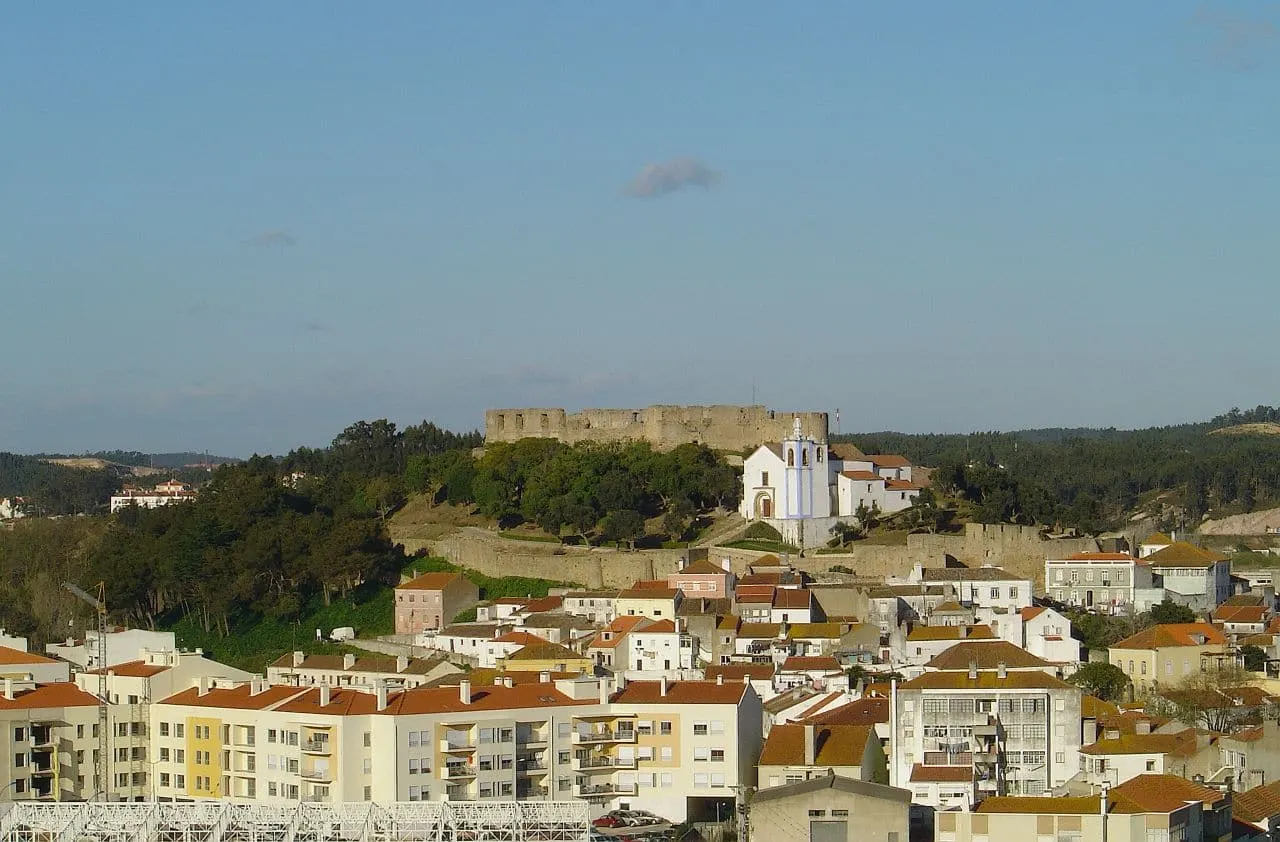
Torres Vedras, a city in the Lisbon district marked by its medieval castle and the famous Lines of Torres Vedras from the Peninsular War.
- Lieu
- Torres Vedras, Lisboa
Torres Vedras is a city in the Lisbon district, in the western region, located about forty kilometers northwest of the capital. Its name evokes both the antiquity of its settlement and the defensive role that has shaped its entire history: from the towers of the medieval castle to the fortifications that, in 1810, saved Lisbon from Napoleon’s troops. Few Portuguese towns encapsulate the long-standing military landscape so vividly.
From hillfort to castle
The hill that now supports the castle has been occupied since the Copper Age, featuring an important fortified Iron Age settlement and later Romanization of the territory, as part of Rome’s expansion along the Tagus Valley from the 2nd century BC. Islamic presence left its mark on the toponymy and urban layout before Afonso Henriques captured the stronghold from the Moors in 1148, the same year Lisbon was conquered.
The medieval castle, rebuilt and repopulated after the Reconquista, became the center of a prosperous municipality. It was in Torres Vedras that, according to tradition, King João I convened the council that decided on the conquest of Ceuta in 1415—an event symbolizing the beginning of Portuguese maritime expansion. The town was part of the network of strongholds controlling land access to the capital, a role shared with neighboring settlements like Óbidos and, further north, Peniche.
The Lines of Torres Vedras
The name Torres Vedras became forever linked to one of the most remarkable defensive systems in European history. Facing the third French invasion, led by Masséna, the Anglo-Portuguese general Arthur Wellesley—future Duke of Wellington—ordered the secret and rapid construction of over 150 field fortifications between the Atlantic Ocean and the Tagus River.
The Lines were not a single wall but a staggered network of redoubts, trenches, batteries, and terrain obstacles, designed to make any frontal assault on Lisbon impossible.
Built mainly between 1809 and 1810, the Lines took advantage of the rugged terrain to multiply firing positions and block advancing routes. When the French army reached them in October 1810, it halted: unable to breach the defenses and deprived of supplies in a deliberately scorched region, it eventually withdrew months later without ever engaging in the decisive battle it sought. This marked a turning point in the Peninsular War.
Today, Fort São Vicente houses an interpretation center dedicated to this heritage, part of a route that includes several still-visible redoubts in the landscape. Militarily, the Lines relate to other defensive structures along the Portuguese coast, such as the coastal forts.
Heritage and territory
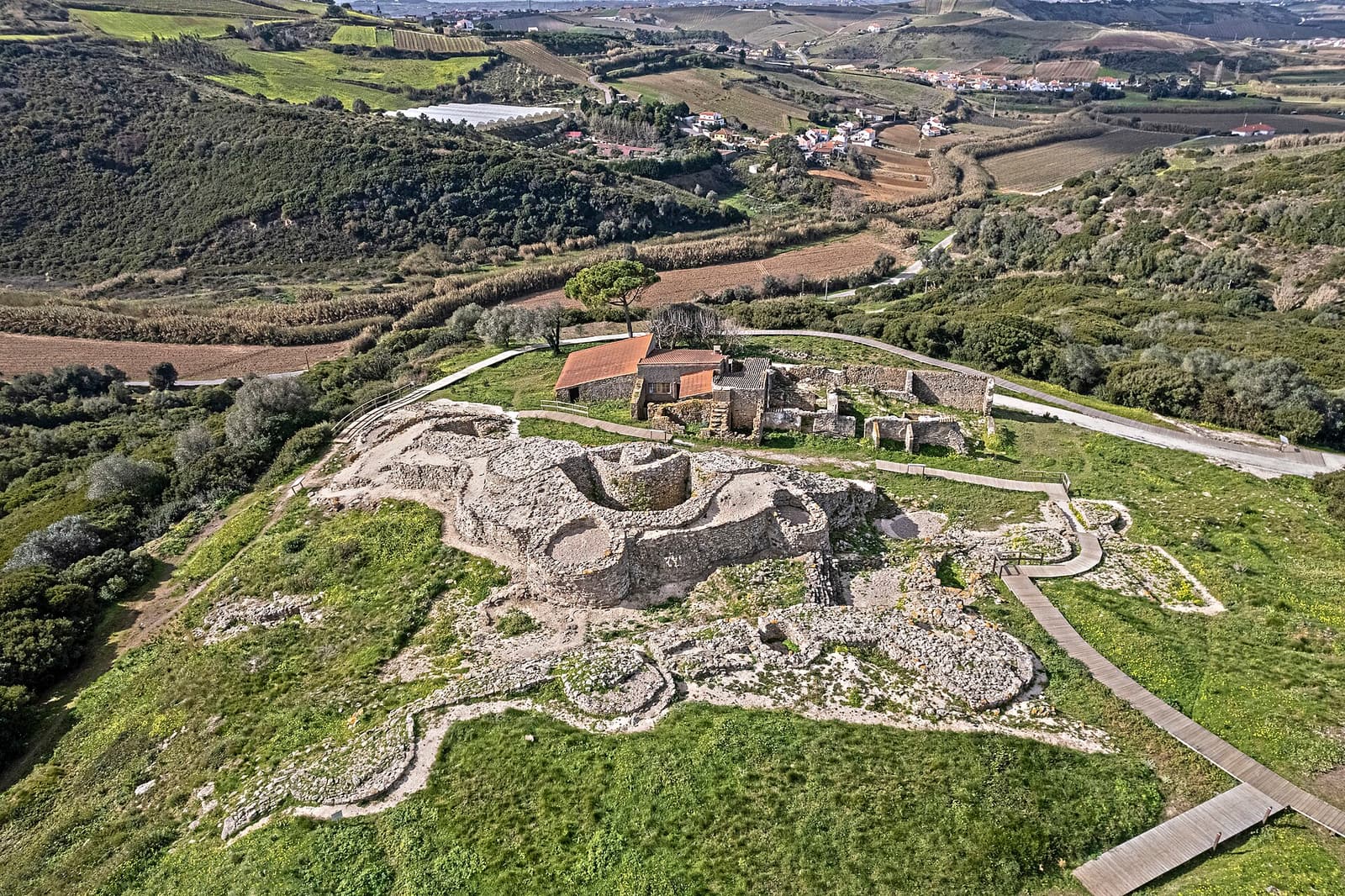
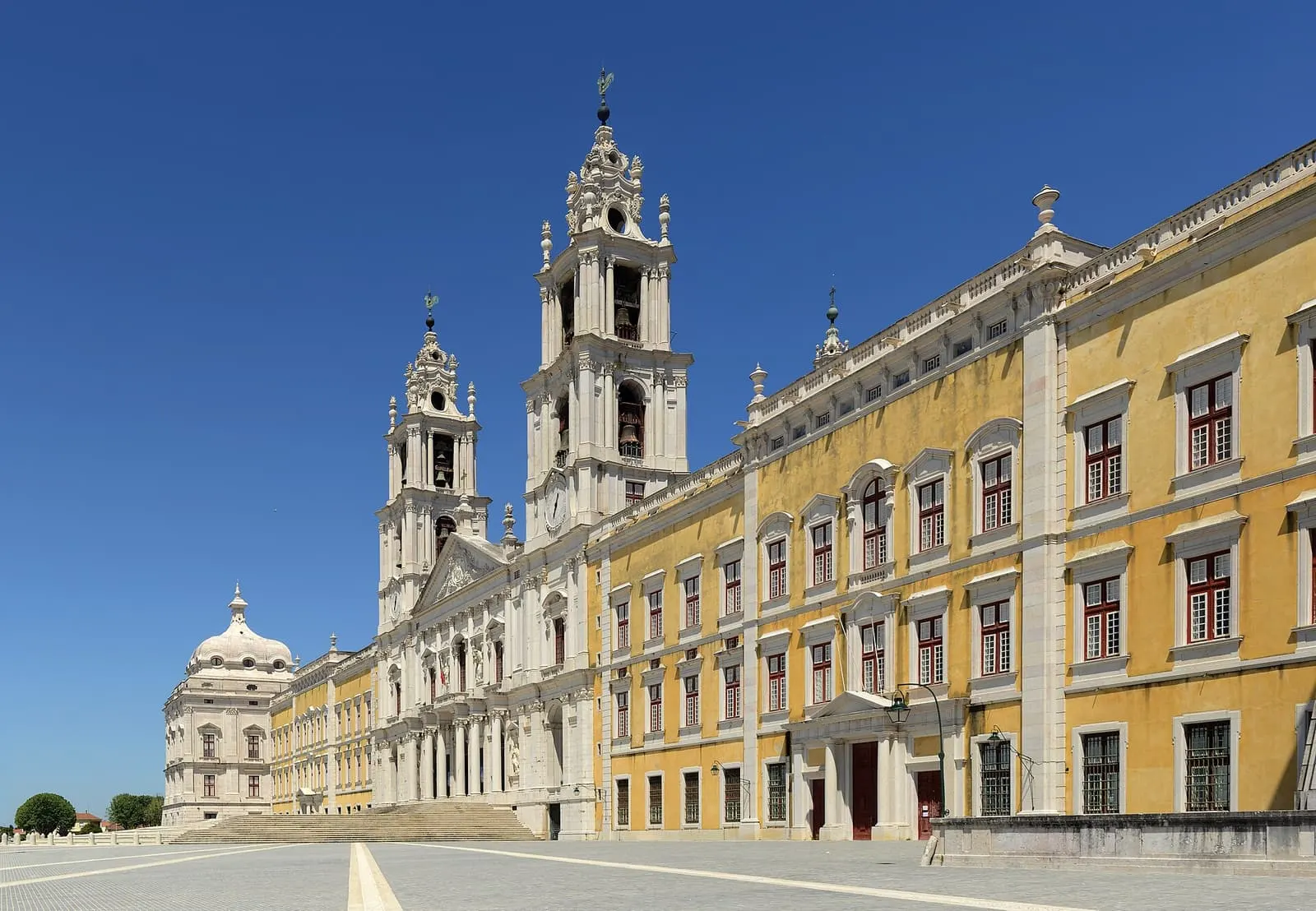
Beyond the castle and fortifications, the municipality preserves the Zambujal hillfort—one of the most significant Chalcolithic sites in the Iberian Peninsula—the Convent of Santo António do Varatojo, and the Fonte dos Canos aqueduct, a remarkable example of hydraulic architecture. Proximity to the monumental complex of Mafra integrates Torres Vedras into a dense itinerary of history and architecture in the heart of the Lisbon and Tagus Valley region.
A vibrant city, also known for its Carnival and the winemaking traditions of the West, Torres Vedras offers visitors a rare perspective: a place where territorial defense, spanning nearly three millennia, has permanently shaped the landscape.
Questions fréquentes
- Where is Torres Vedras located?
- Torres Vedras is a city and municipality in the Lisbon district, in the western region, about 40 km northwest of the capital.
- What were the Lines of Torres Vedras?
- They were a system of over 150 field fortifications built between 1809 and 1810, under Wellington's orders, to halt the French invasion and protect Lisbon during the Peninsular War.
- Is it worth visiting the Castle of Torres Vedras?
- Yes. The medieval castle, reconquered in 1148, overlooks the city and offers a clear insight into its evolution from the Iron Age to modern times.
Sources
Poursuivez la découverte
Patrimoine à proximité
D’autres lieux à découvrir aux alentours. Distances approximatives à vol d’oiseau, dans un rayon de 50 km.