One country. Thousands of stories.
Portugal,in every detail.
There is more to discover. Explore the places, art and traditions that make Portugal a living heritage.
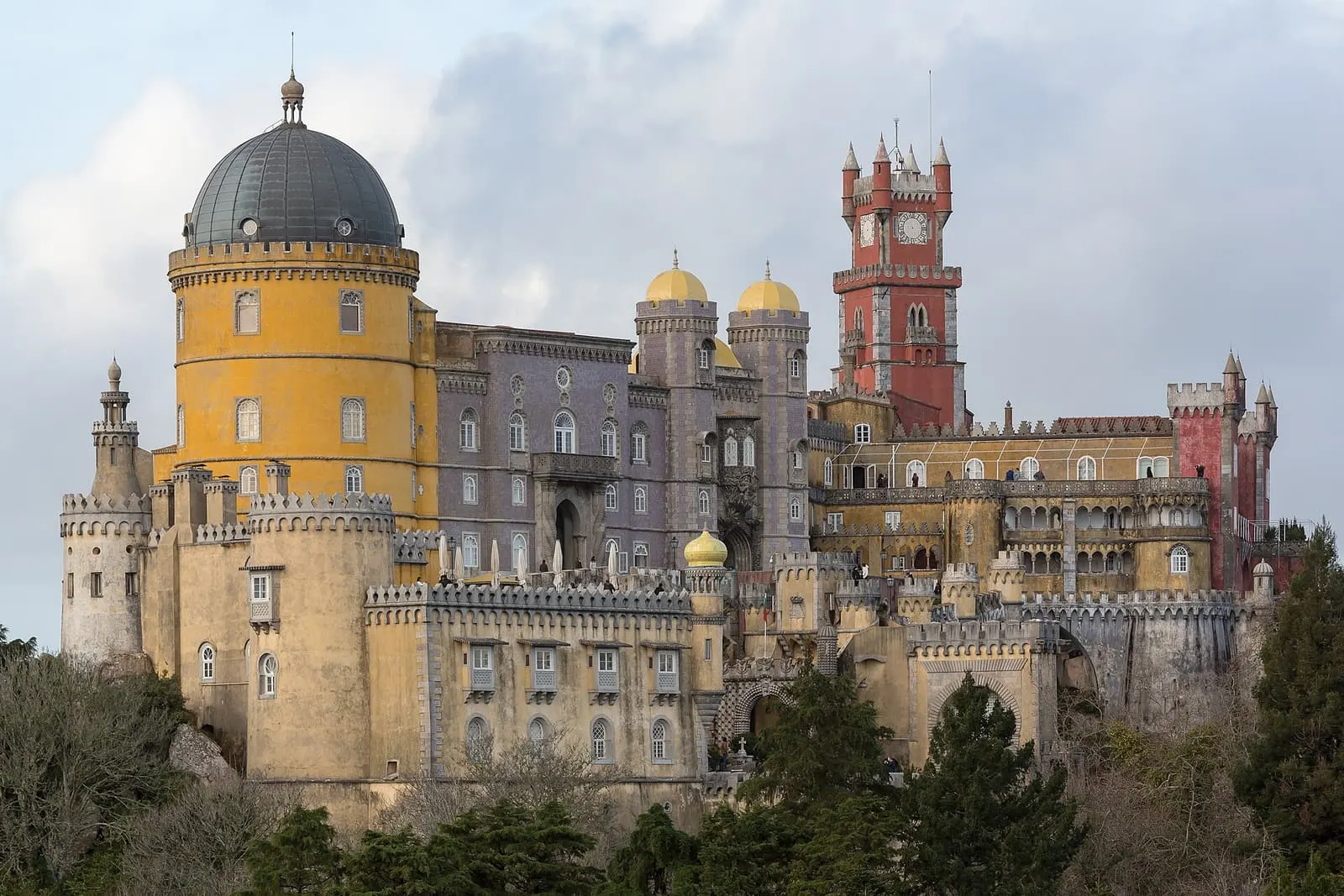 01 / PORTUGALPena National Palace
 Resources for research
Find the sources. Follow the story.
Guides to researching buildings, exploring museum collections and understanding heritage protection.
SIPA
Get to know the architectural inventory, building records and documentary archive.
Read the guideMuseum collectionsMatrizNet
Explore the museum catalogue and records of works, materials, authorship and provenance.
Read the guideHeritage protectionHeritage classification
Understand cultural property categories and the levels of national, public and municipal interest.
Read the guideOur selection
Stories worth exploring.
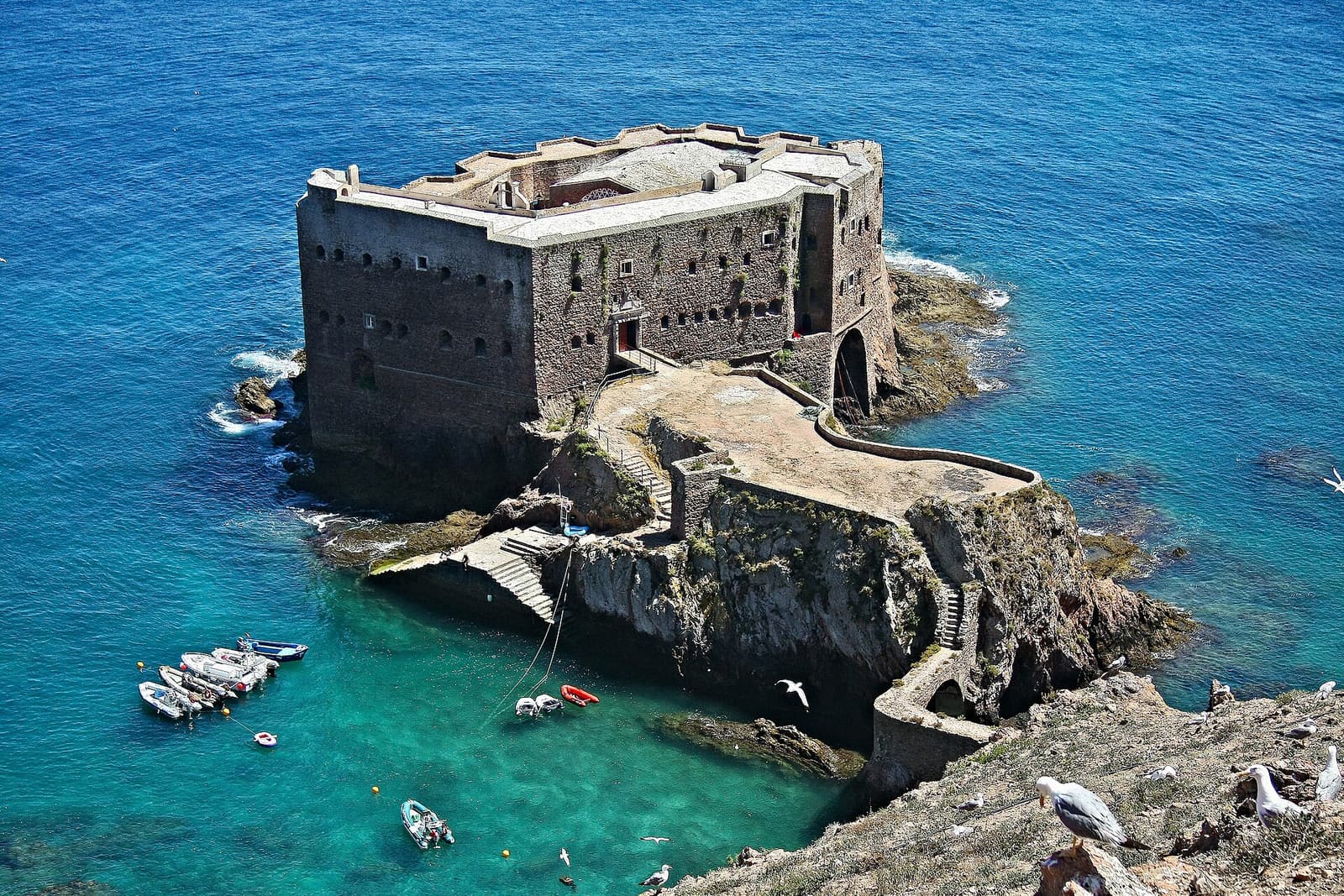
Fort of São João Baptista das Berlengas
Seventeenth-century Fort of São João Baptista, on the island of Berlenga Grande off Peniche, a maritime fortress and National Monument since 1938.
Discover the story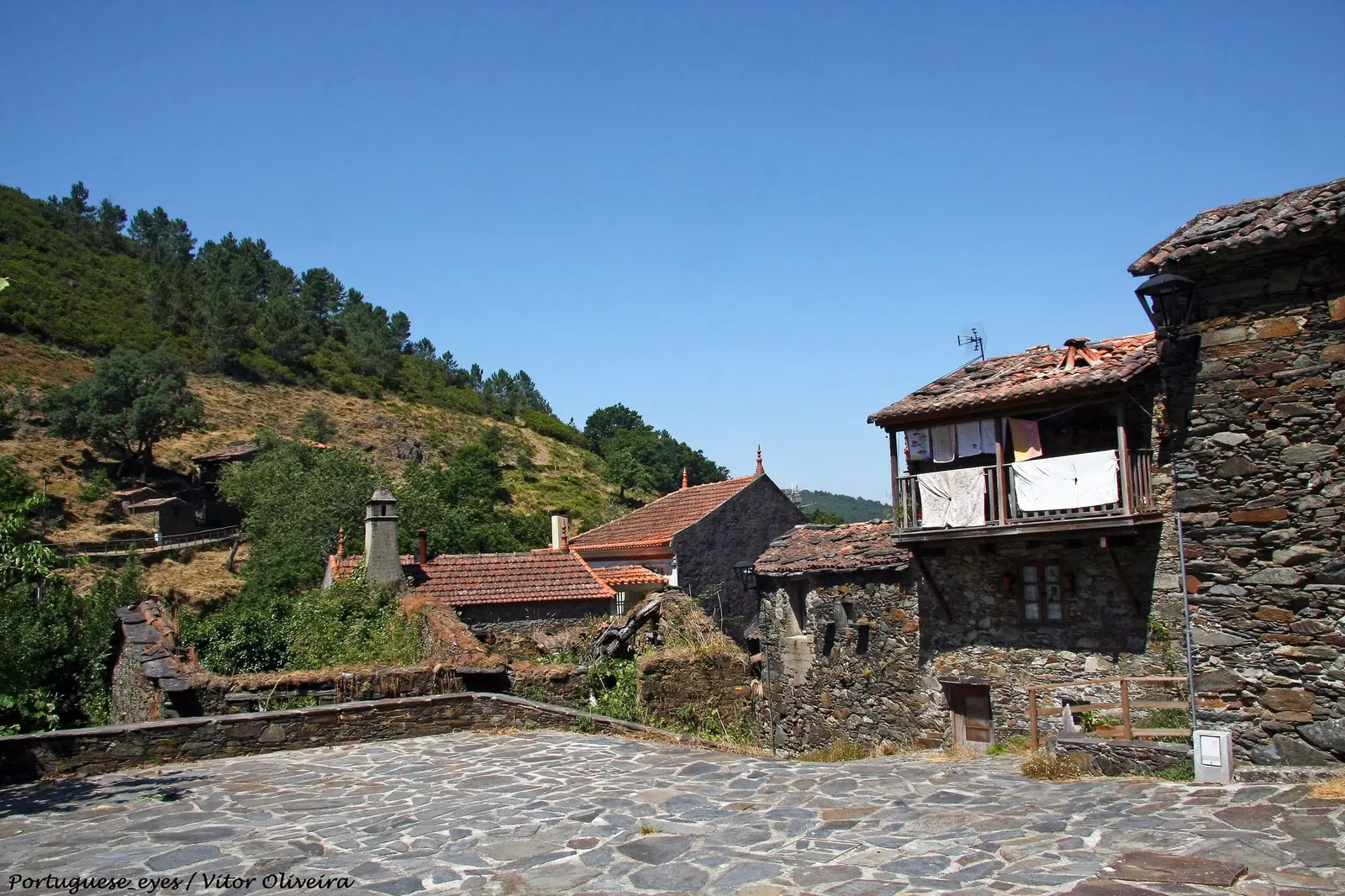
The Schist Villages (Aldeias do Xisto)
Explore the 28 Aldeias do Xisto, including Coentral Grande, their four territories and varied rural heritage, with practical guidance for planning a visit.
Discover the story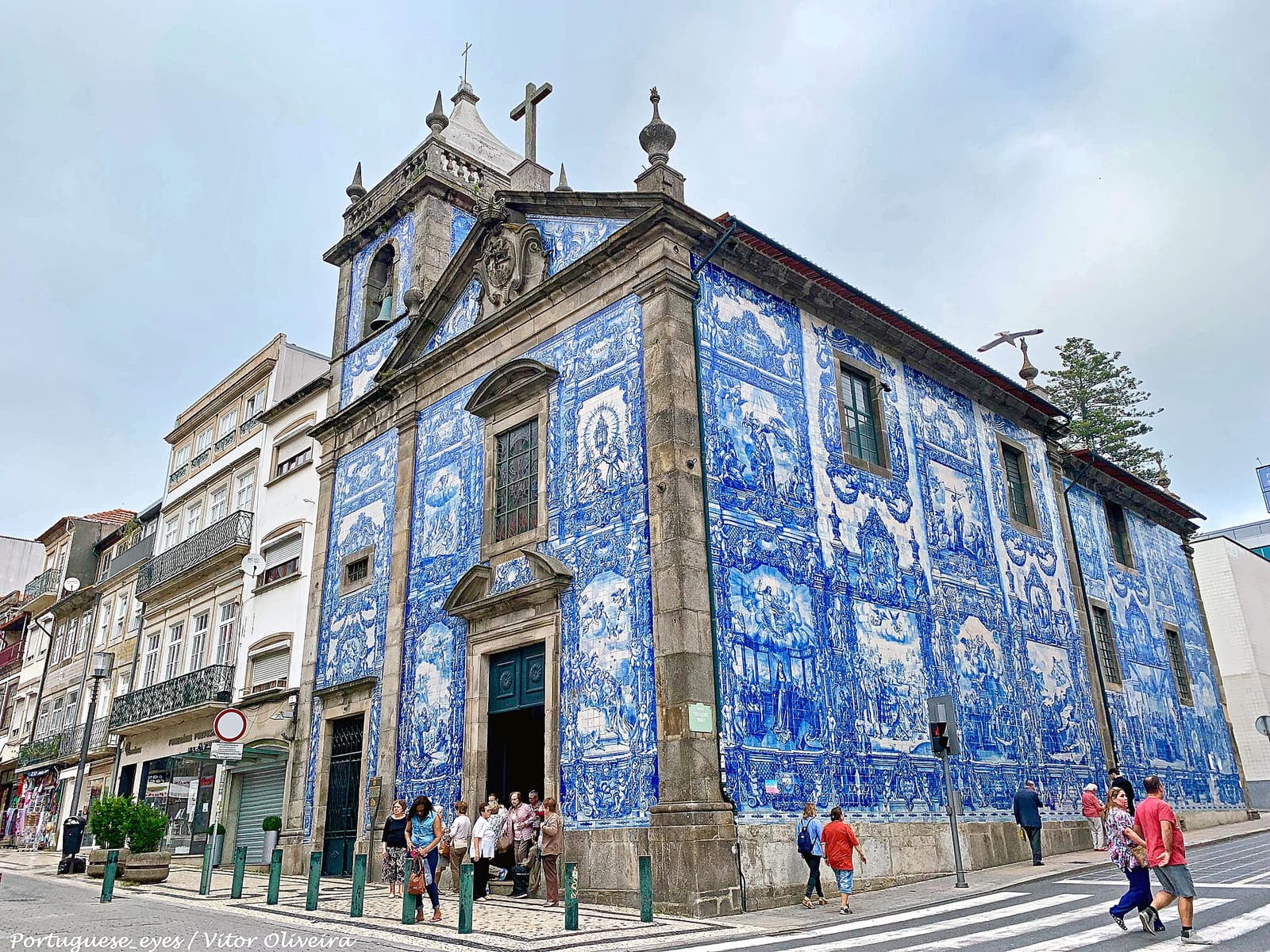
The Portuguese azulejo
Five centuries of decorative tilework, from the Hispano-Moresque pattern to the great Baroque panel and the industrial azulejo.
Discover the story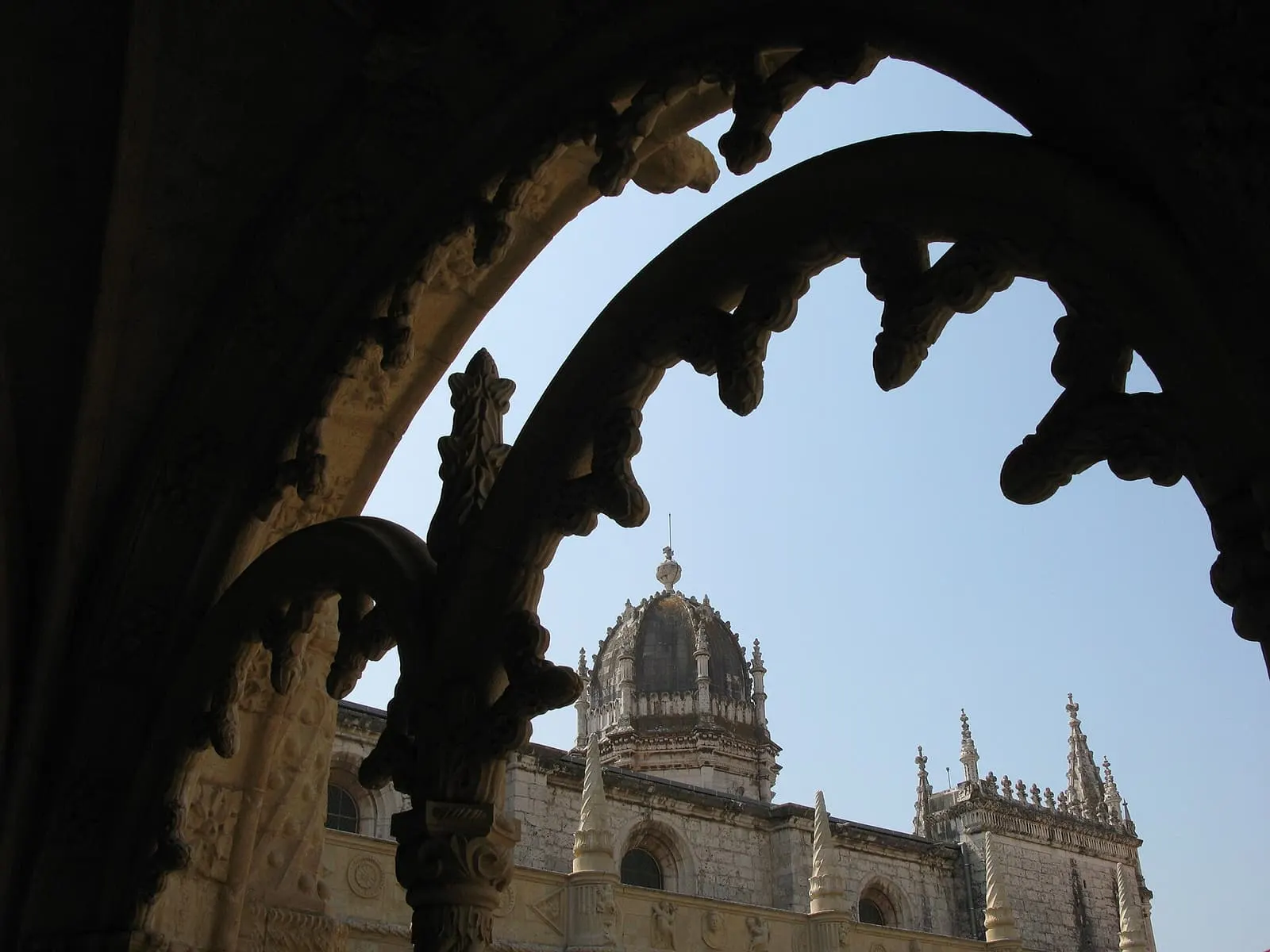
Jerónimos Monastery and Belém Tower
The Manueline ensemble at Belém, in Lisbon, inscribed on UNESCO's World Heritage List in 1983.
Discover the story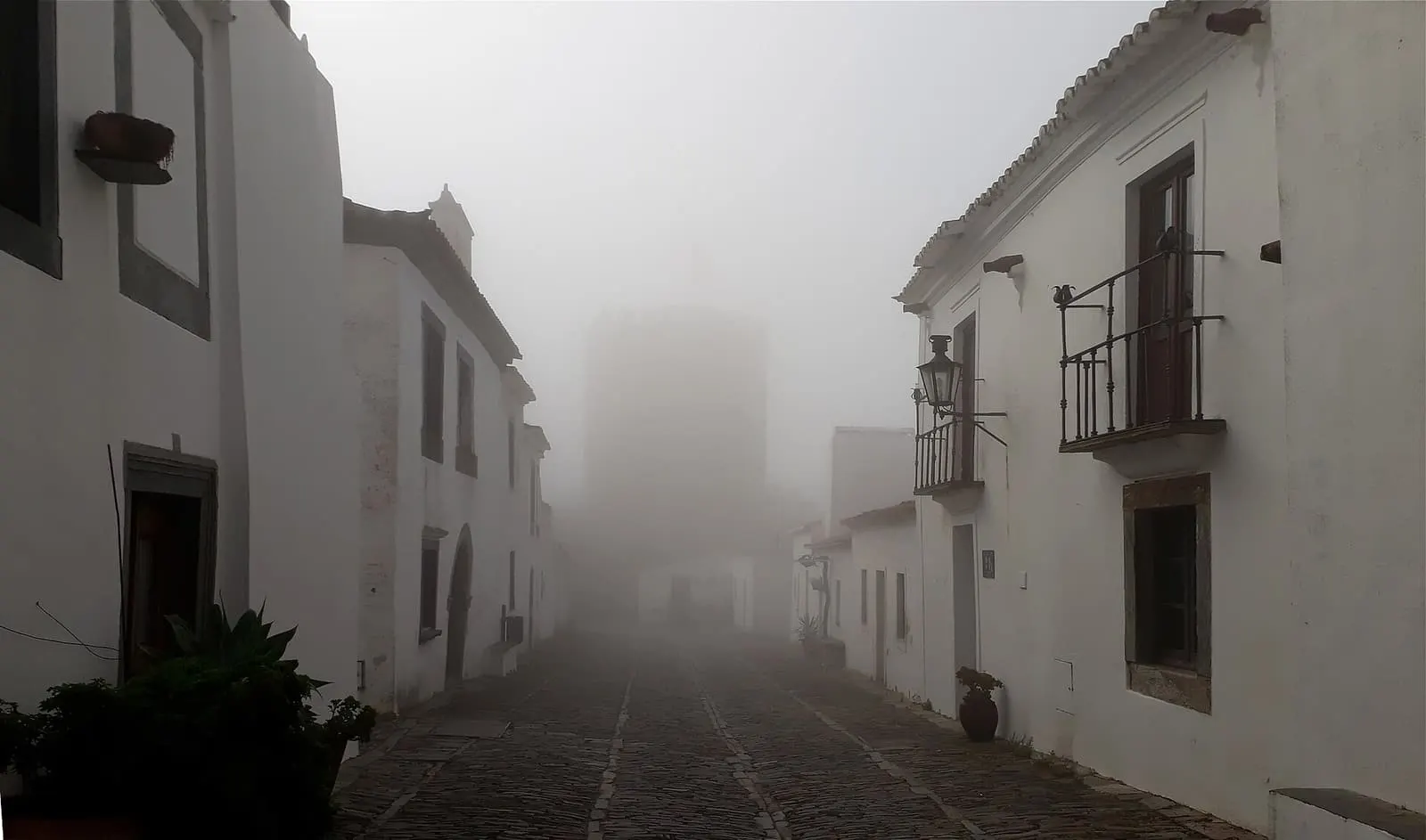
Monsaraz
Monsaraz, a medieval walled town in the Alentejo, in the municipality of Reguengos de Monsaraz, perched above the Guadiana and the Great Lake of Alqueva.
Discover the story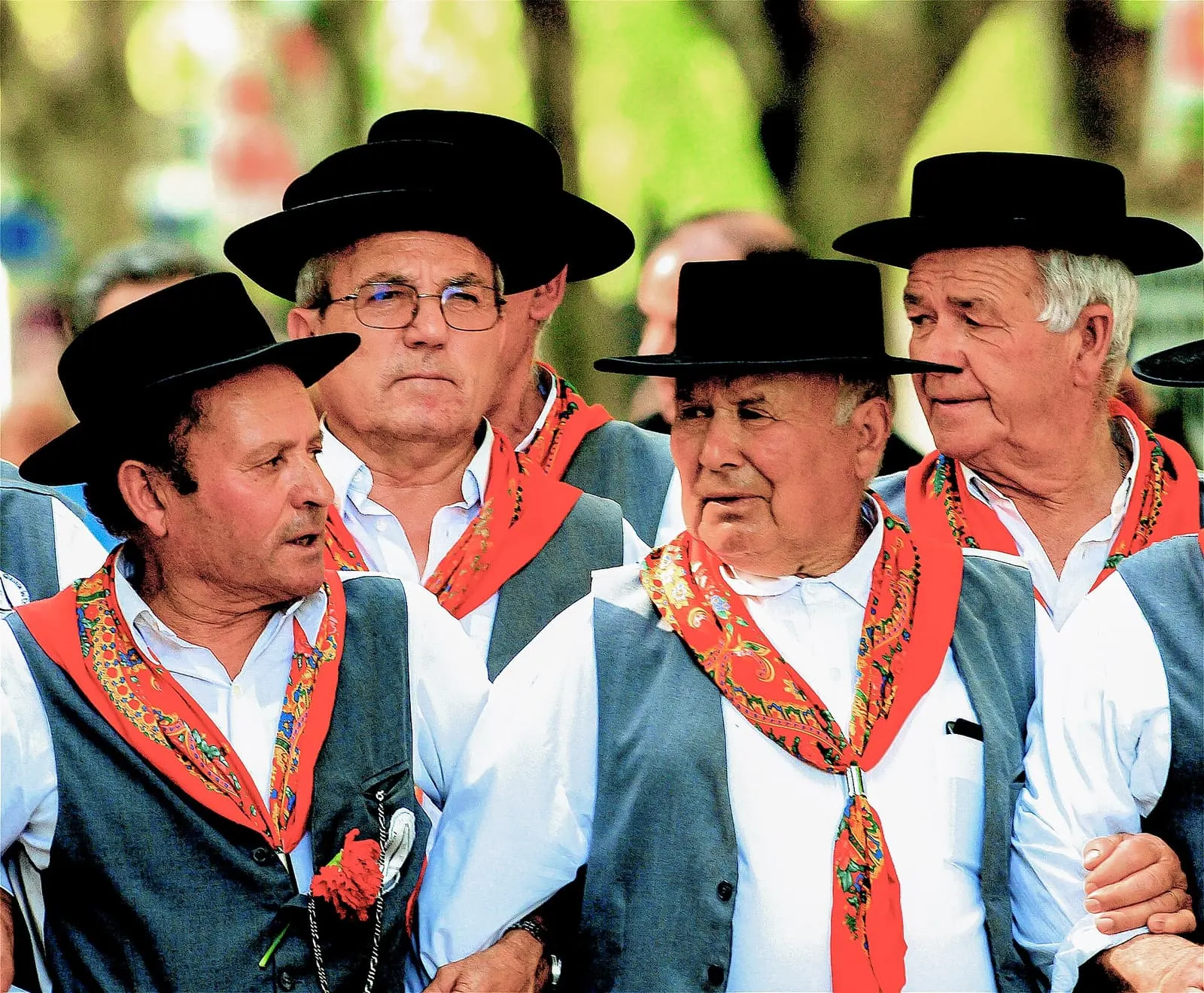
Cante Alentejano, polyphonic singing from the Alentejo
Cante Alentejano, the unaccompanied polyphonic choral singing of the Alentejo, was inscribed on UNESCO's List of Intangible Cultural Heritage in 2014.
Discover the storyThe territory as an archive
Living Atlas of Heritage
See where the stories happen. Explore the landscape and discover heritage by type or historical period.
Open the Atlas →From mainland to islands
Find your next place.
Every region has a different story to tell. Choose where yours begins.
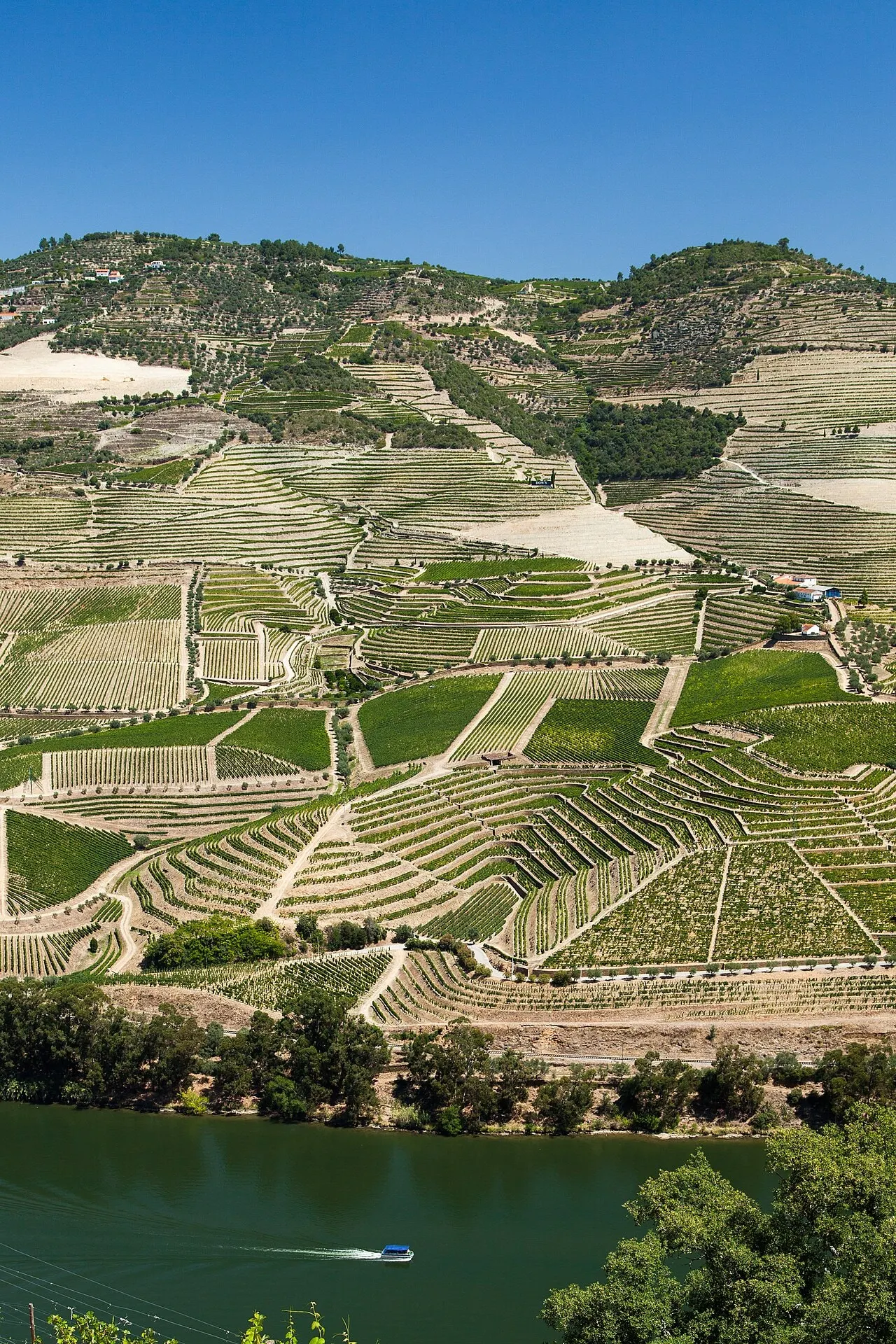 01NorthDouro
 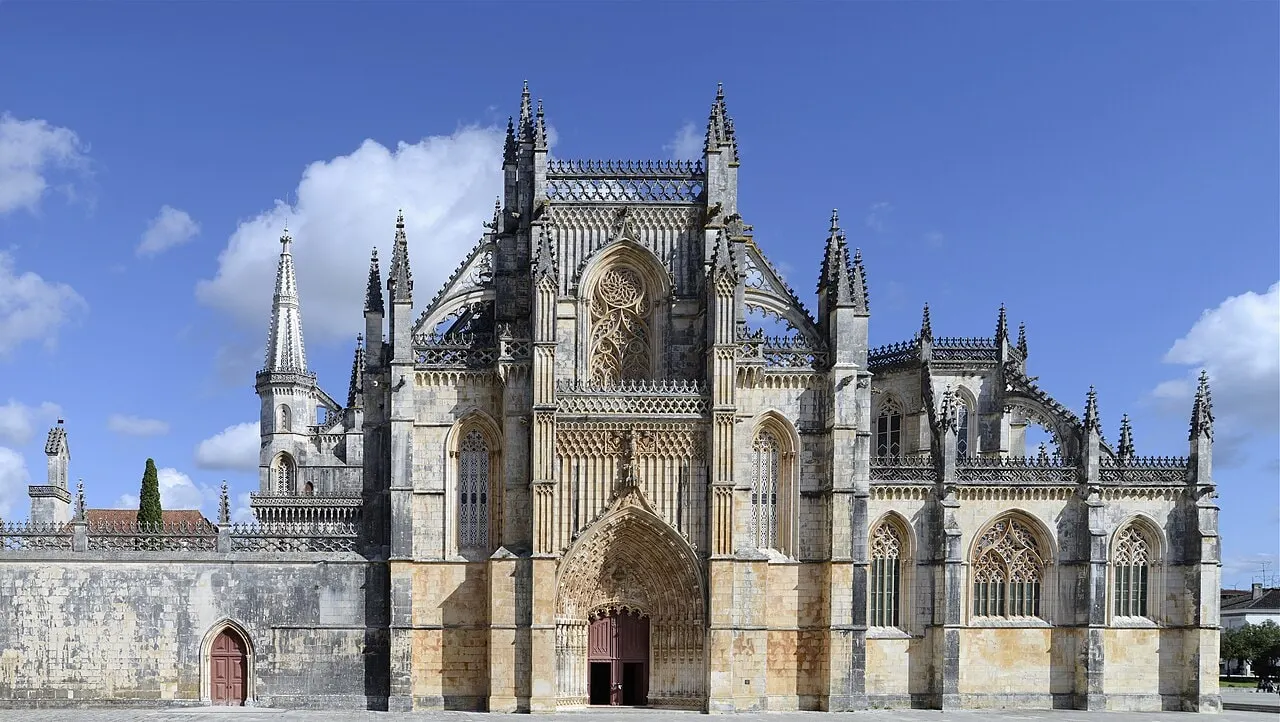 02Central PortugalBatalha
 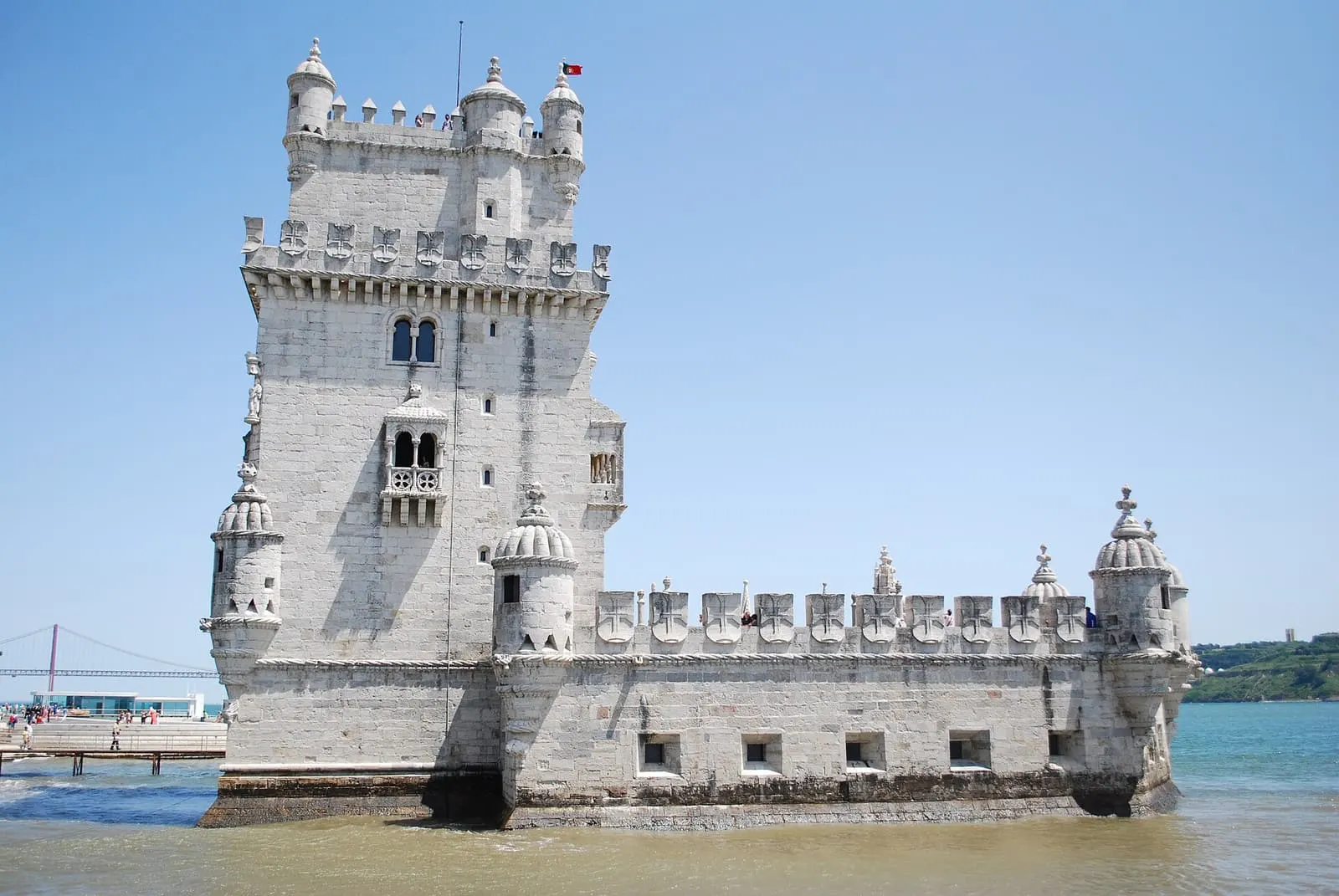 03LisbonBelém
 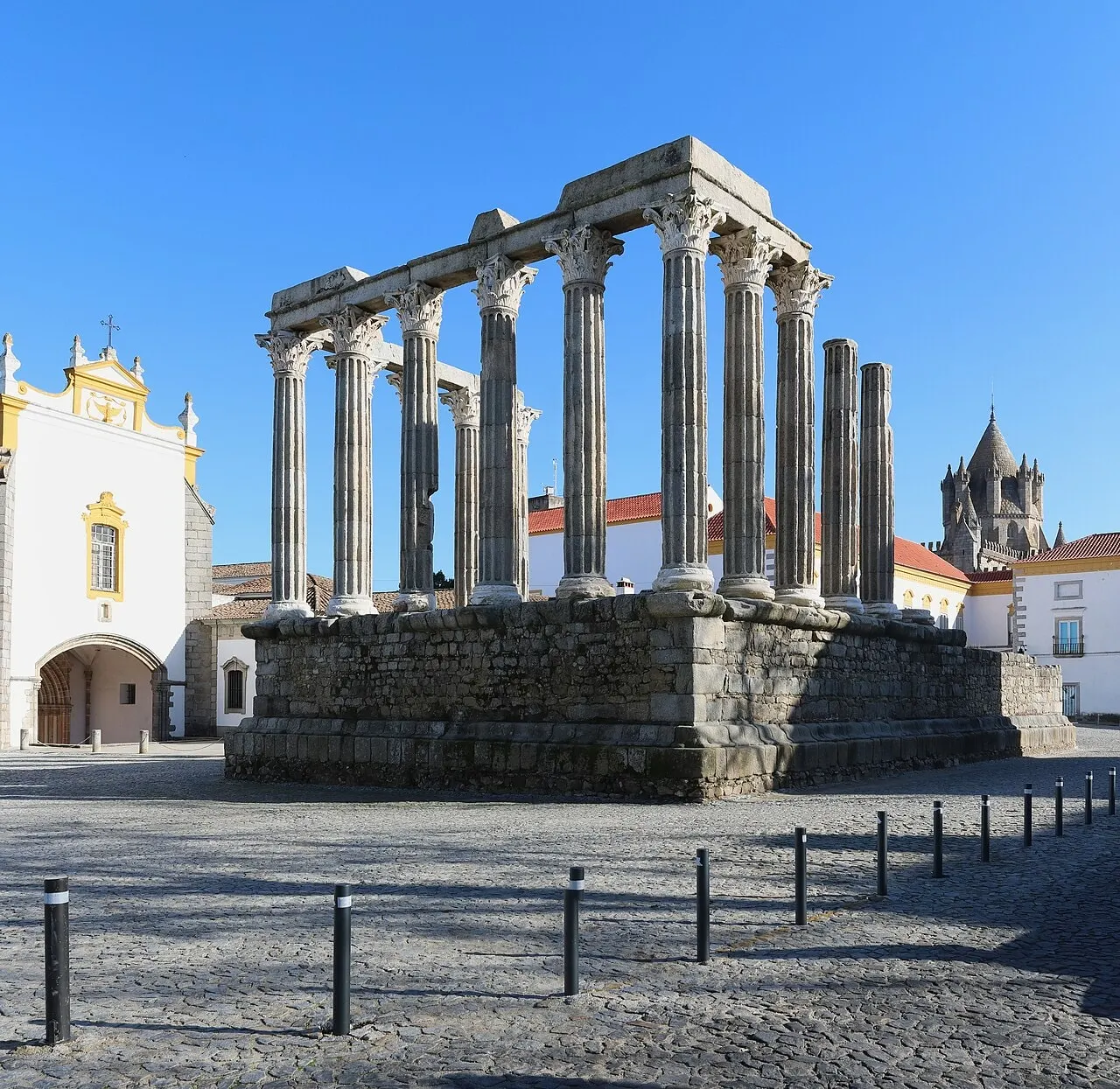 04AlentejoÉvora
 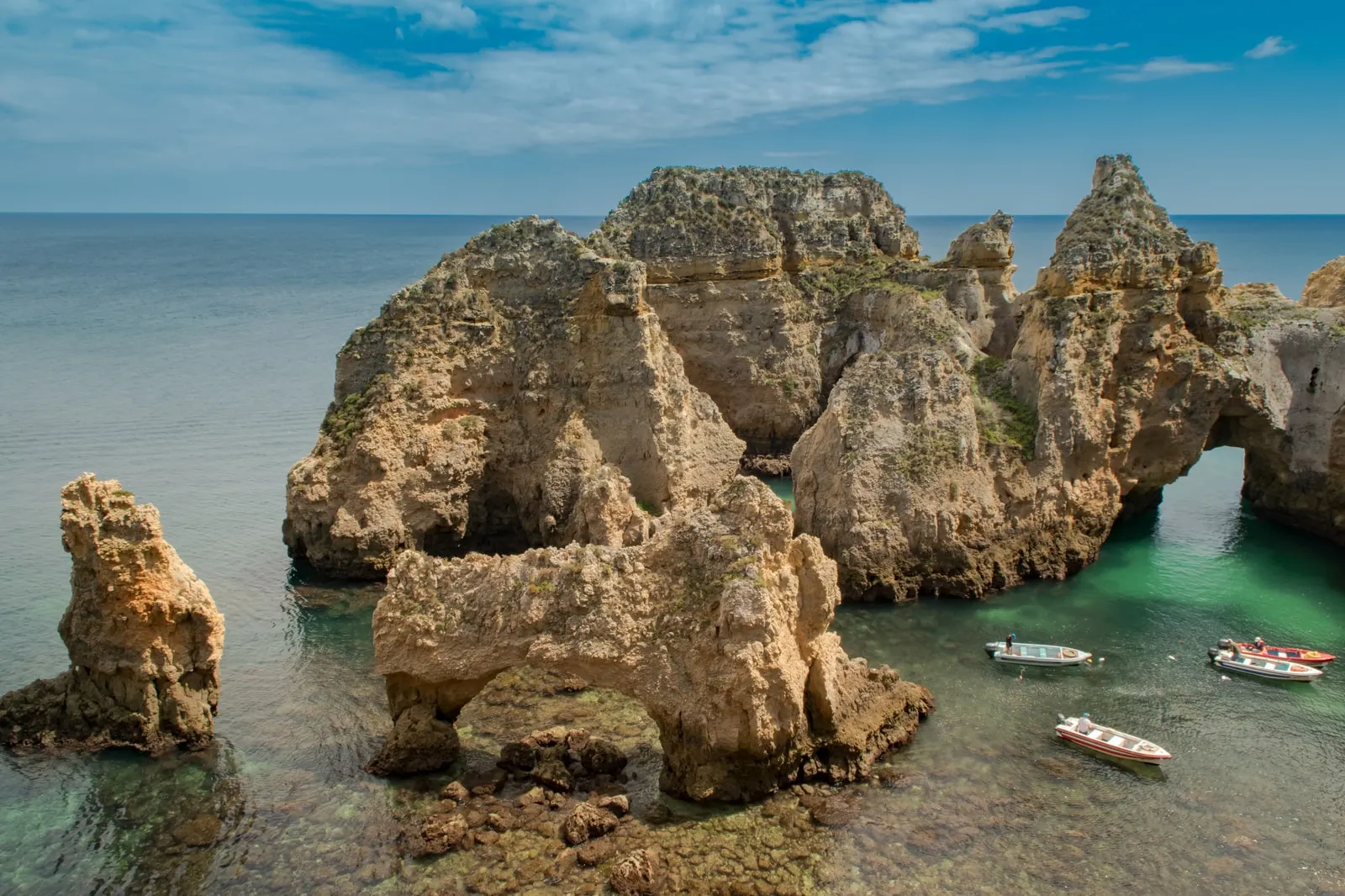 05AlgarvePonta da Piedade
 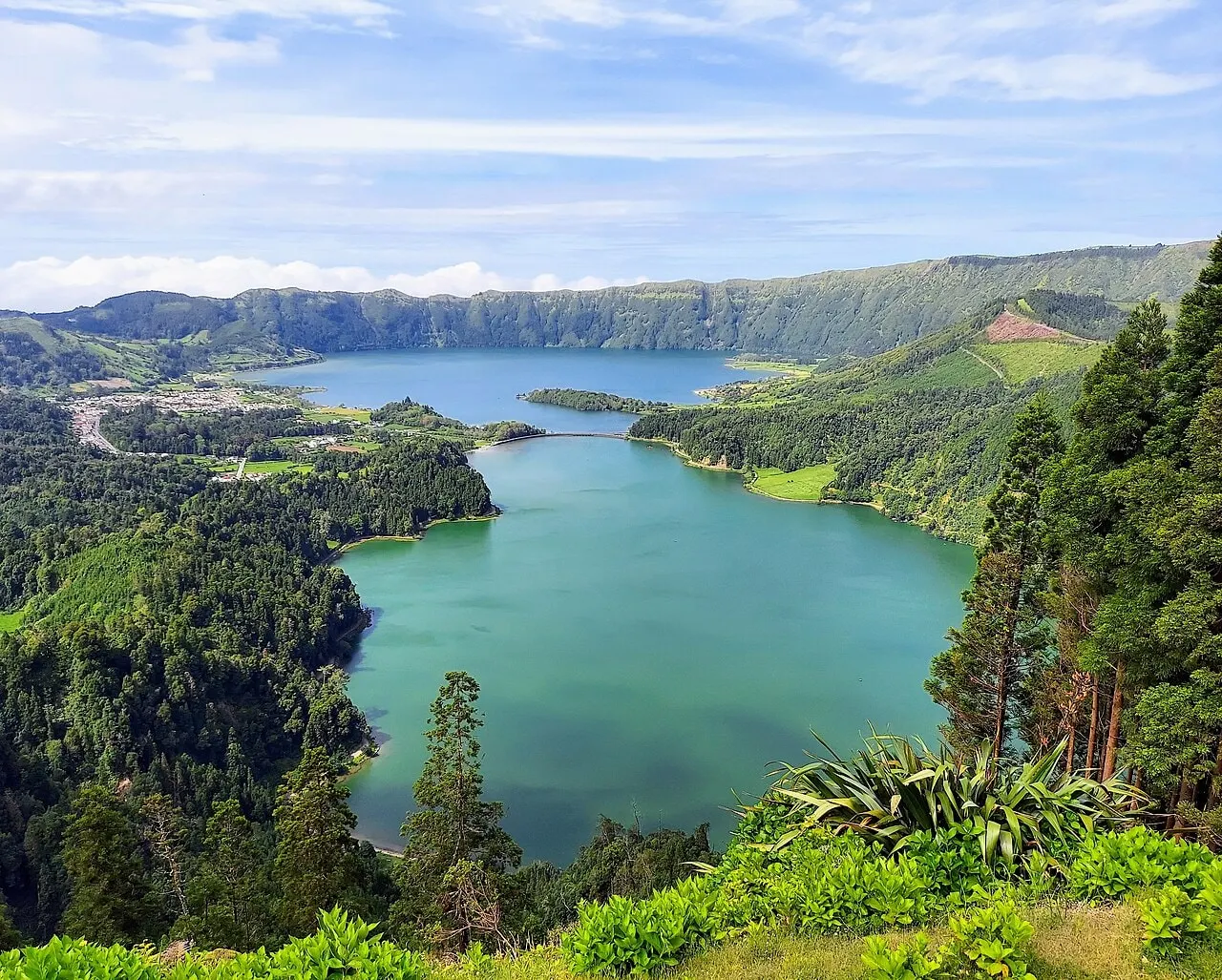 06AzoresSete Cidades
 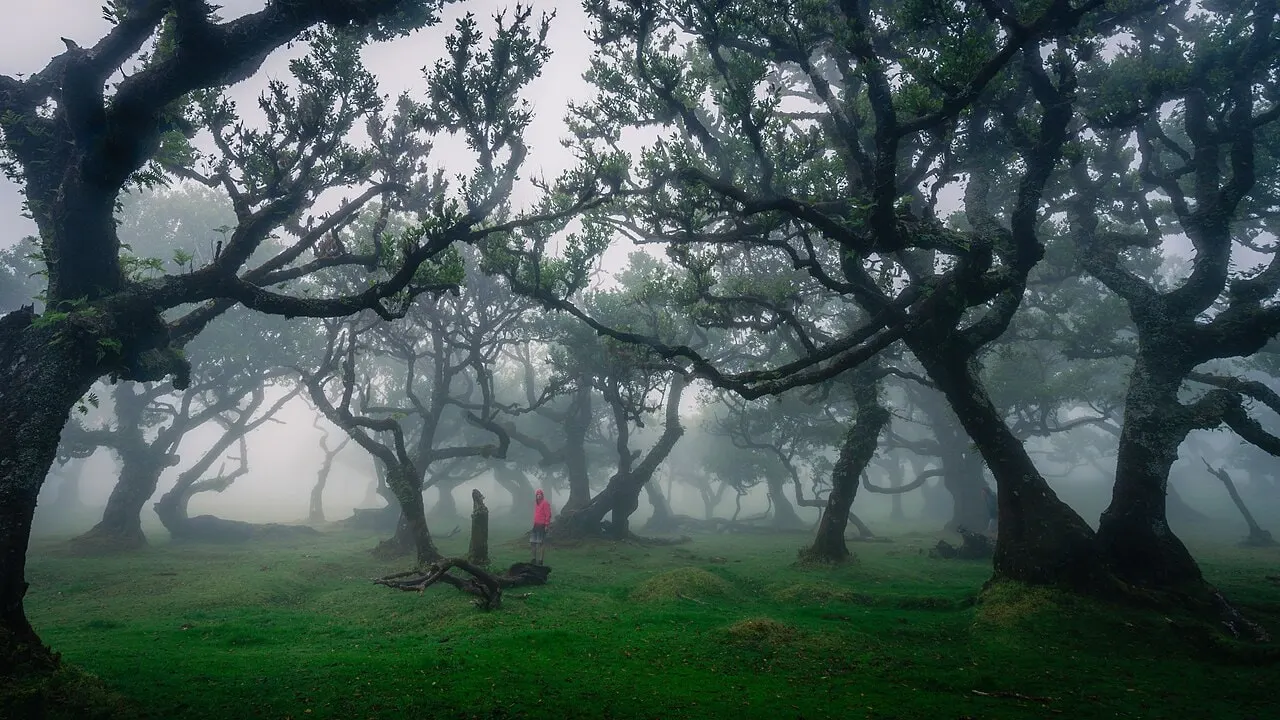 07MadeiraFanal
 Photo credits
Photographs cropped for display and optimized for the web, under the licenses shown.
- North · Douro — Grand Parc - Bordeaux, France / Wikimedia Commons · CC BY 2.0
- Central Portugal · Batalha — Alvesgaspar / Wikimedia Commons · CC BY-SA 4.0
- Lisbon · Belém — Concierge.2C / Wikimedia Commons · CC BY-SA 3.0
- Alentejo · Évora — Ingo Mehling / Wikimedia Commons · CC BY-SA 4.0
- Algarve · Ponta da Piedade — Dronepicr / Wikimedia Commons · CC BY 3.0
- Azores · Sete Cidades — P. Hughes / Wikimedia Commons · CC BY-SA 4.0
- Madeira · Fanal — Dhcmatias / Wikimedia Commons · CC BY-SA 4.0
.jpg)


Follow your curiosity
Heritage takes many forms.
Know it. Preserve it.
More than places. What connects us.
665articles to discover
395places on the map
5languages
Few European territories offer a heritage stratification as dense and continuous as Portugal. From an Iron Age hillfort to a Pombaline square, from a Romanesque cathedral to a Manueline cloister, the Portuguese landscape reads like a built archive — successive layers of a spatial culture that has settled over two millennia.
This project brings together original essays on that heritage: not an inventory, but a critical reading of its themes, its periods and the places where it is best recognised. We write for those who want to understand why a monument matters — and not merely that it exists.
Featured
The azulejo is perhaps the most Portuguese of artistic media — five centuries spent clothing churches, palaces and railway stations. And the Jerónimos Monastery, in Belém, condenses into a single building both the imperial ambition and the formal invention of the Manueline. They make two good starting points.