Resources
Administrative servitudes and heritage restrictions
Works and transfers involving protected heritage: distinguish the classified asset, protection zone, municipal licence and pre-emption rights.
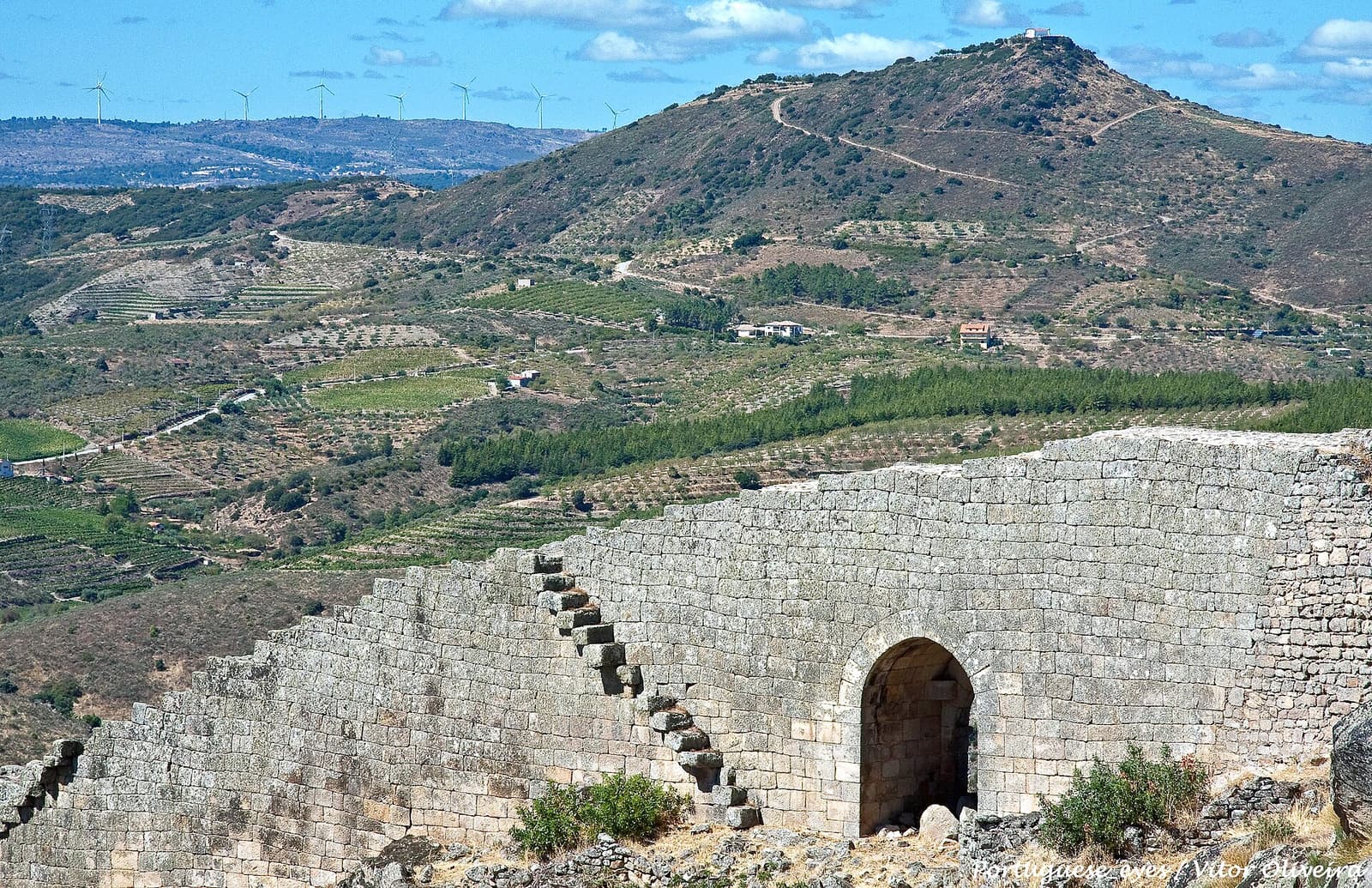
Heritage protection can affect works and transactions involving an asset and its surroundings. Start by distinguishing the classified asset, the area of an ensemble or site, and the protection zone. A neighbouring property can be subject to restrictions without individual classification. The Framework Law 107/2001 and implementing legislation govern different effects in each situation.
Works on the asset and in its surroundings
Article 51 of Law 107/2001 requires express authorization and supervision by the competent administration for interior or exterior interventions on classified monuments, ensembles and sites, and for changes of use that could affect them. Decree-Law 140/2009 develops the rules on studies, projects and reports for interventions on classified assets or those undergoing classification.
For protection zones, also read Article 51 of Decree-Law 309/2009, amended in 2024. Certain urban development operations subject to licensing require a prior binding opinion from Património Cultural, I.P. or the competent regional coordination and development commission (CCDR). Exceptions include certain interior works without effects on the subsoil or heritage elements specified by law; exterior conservation without altering relevant architectural elements, including repainting in the same colour; operations specified in the ZEP order; and the installations listed in paragraph 2(d).
These exceptions are not general permission to alter an individually classified property. The RJUE revised by Decree-Law 108/2026 also distinguishes a municipal licence from heritage review: Article 6(1)(k) exempts certain conservation works when they have a favourable heritage opinion, to be supplied with the notice of commencement.
Reading protection boundaries
The 50-metre general protection zone (ZGP) is measured from the asset’s external boundaries under the applicable national- or public-interest regime. A ZEP has its own boundary. Municipal-interest properties have no automatic ZGP; Article 58 of Decree-Law 309/2009 provides for special or provisional zones where spatial planning instruments are insufficient. Consult the act, plan and amendments: an address or map pin cannot resolve the boundary.
Notifying transfers
Article 36 requires prior written notification to the competent service for disposal, creation of another right in rem of enjoyment, or transfer in lieu of payment involving classified assets or those undergoing classification. For inheritance or a legacy, the estate administrator must notify within three months of the opening of succession; this rule also applies to assets in protection zones.
Article 38 provides barriers to notarial deeds and registration where notification duties are breached. The specified transactions may be annulled by a court at the competent administration’s initiative within one year of its learning of the breach. These effects are distinct from automatic purchase by the State.
Pre-emption and the competent authority
Article 37 covers sale or transfer in lieu of payment, including assets in protection zones. It lists co-owners, the State, autonomous regions and municipalities in order, and refers to the Civil Code for exercise of the right. Notification and pre-emption have different scopes; the same conclusion cannot be applied to every transaction.
On the mainland, responsibilities involve Património Cultural, I.P., CCDR and municipalities; in the Azores and Madeira, consult regional services. Present the asset’s identity, the plan and the proposed works or transaction to the competent service. The procedure guide distinguishes an application, formal opening and final decision.
Frequently asked questions
- Are interior works always exempt from heritage control?
- No. Article 51 of Law 107/2001 requires authorization and supervision for interventions on classified monuments, ensembles and sites. Article 51 of Decree-Law 309/2009 has conditional exceptions for works in protection zones; these do not automatically waive protection of the classified asset.
- Which transfers require notification?
- Article 36 requires prior written notification for disposal, creation of another right in rem of enjoyment or transfer in lieu of payment involving classified assets or those undergoing classification. For inheritance or a legacy, the estate administrator has a separate three-month notification duty from the opening of succession; that rule also covers assets in protection zones.
- Can pre-emption apply to a property in a protection zone?
- Article 37 covers sale or transfer in lieu of payment of classified assets, assets undergoing classification and assets in their protection zones. It lists co-owners, the State, autonomous regions and municipalities in that order; exercise of the right follows the applicable law and transaction terms.
- Does exemption from a municipal licence remove heritage review?
- These are separate decisions. The RJUE, revised in 2026, exempts certain conservation works on classified properties, properties undergoing classification or within protected ensembles or sites when a favourable heritage opinion is supplied with the notice of commencement.
Sources
- Lei n.º 107/2001 — texto atualizado (PGR Lisboa)
- Decreto-Lei n.º 309/2009 — texto atualizado (PGR Lisboa)
- Decreto-Lei n.º 140/2009 — versão consolidada (Diário da República)
- Decreto-Lei n.º 108/2026 — versão consolidada e republicação do RJUE (Diário da República)
- Decreto-Lei n.º 78/2023 — Património Cultural, I.P. (Diário da República)
- Património Cultural, I.P. — Legislação
Resources for research
Find the sources. Follow the story.
Guides to researching buildings, exploring museum collections and understanding heritage protection.
SIPA
Get to know the architectural inventory, building records and documentary archive.
Read the guideMuseum collectionsMatrizNet
Explore the museum catalogue and records of works, materials, authorship and provenance.
Read the guideHeritage protectionHeritage classification
Understand cultural property categories and the levels of national, public and municipal interest.
Read the guide