Resources
Decorative Arts and Fine Arts in Portugal
Decorative arts and fine arts constitute one of the richest chapters of Portuguese cultural heritage. Under this designation, we gather the set of applied arts — azulejo tiles, goldsmithing, gilded woodcarving, furniture, faience, porcelain, and textiles — and the fine arts that dialogue with them, from painting to sculpture. More than isolated objects, they speak of a sensibility that blended European and Eastern influences and asserted itself over five centuries as a national identity trait.
A territory of many materials
Azulejo tilework is the most recognizable domain. Arriving at the court of King Manuel I in the late 15th century from Hispano-Moorish models in Seville, it gained autonomy when, around 1560, workshops mastering the Italian-derived faience technique emerged in Lisbon. From then on, large panels commissioned by nobility and clergy covered the walls of churches, convents, manor houses, and gardens, in a journey linking the Manueline style to Baroque monumentality and the rationality of Pombaline architecture.
Alongside azulejos, goldsmithing gave Portugal some of its absolute masterpieces. The Belém Monstrance, commissioned by King Manuel I for the Jerónimos Monastery and traditionally attributed to Gil Vicente, was crafted with gold from the tribute of Kilwa brought by Vasco da Gama, synthesizing in a single object the splendor of art and the memory of the Age of Discoveries.
In Portuguese Baroque, sculpture, woodcarving, painting, azulejos, marble inlays, and goldsmithing ceased to be separate arts: they converged to make the temple a true total work of art.
Gilded woodcarving is, in this sense, an almost national phenomenon. Sculpture in oak and chestnut wood covered with fine gold leaf reached its peak between approximately 1690 and 1790, adorning chancels and altarpieces with an exuberance unmatched in Europe.
From erudite faience to folk ceramics
Portuguese faience, established in the 17th century, holds a unique place in European ceramic history: it was the first to interpret Chinese porcelain, blending Eastern motifs with national themes and tastes into a hybrid and unmistakable style. This ceramic vocation extends into the still-living folk tradition of Estremoz clay figurines and Bisalhães black pottery, both recognized as UNESCO intangible cultural heritage.
Explore the domains
31 entries to explore
No matches in this collection. Try another word or clear your search.
In this section — 31
Editor’s selection
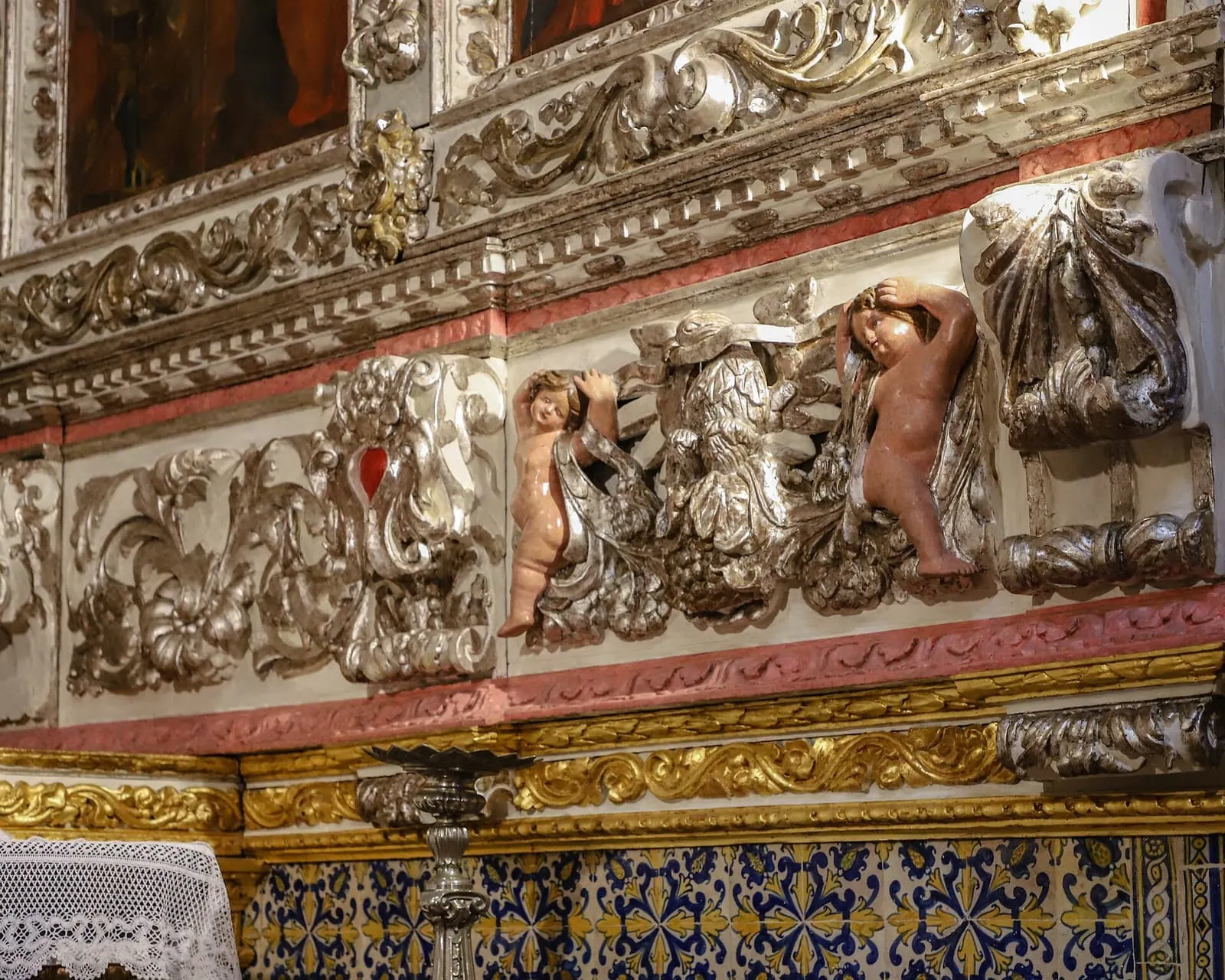 Gilded WoodcarvingPortuguese gilded woodcarving: sculpted wood covered in gold leaf on Baroque altarpieces, from the national style to the Joanine and Rococo periods.
 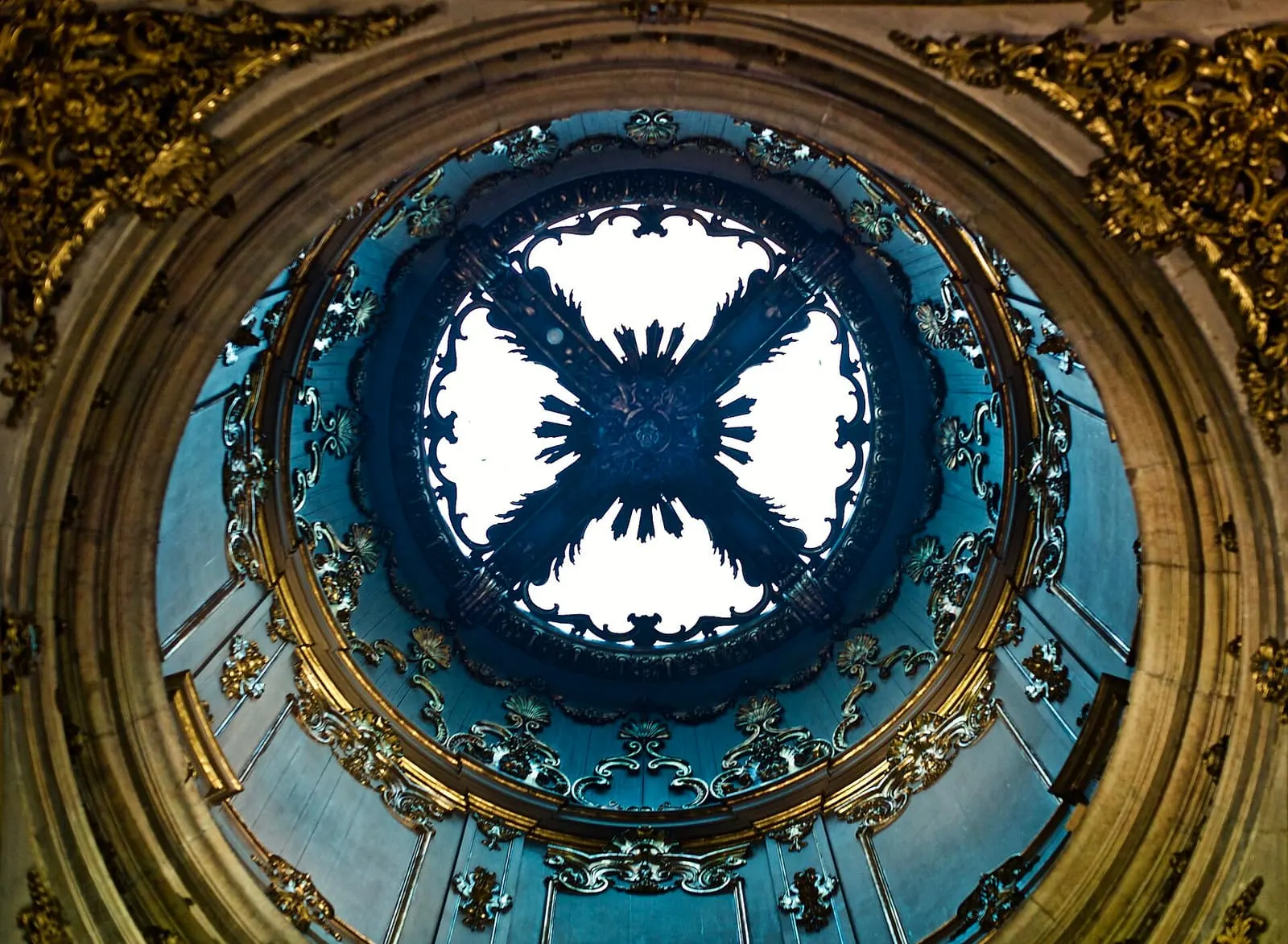 Portuguese AzulejosPortuguese azulejo art, from Hispano-Moorish patterns to the great Baroque blue-and-white cycle and the façade tile, across five centuries of art.
 Artes
29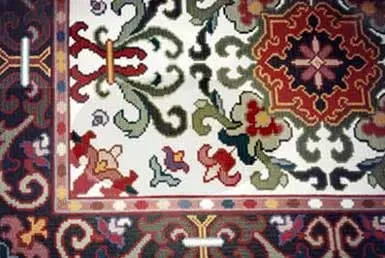 Arraiolos RugsWool embroidery in the Arraiolos stitch, a traditional craft from the Alentejo town of Arraiolos documented since the 15th century.
 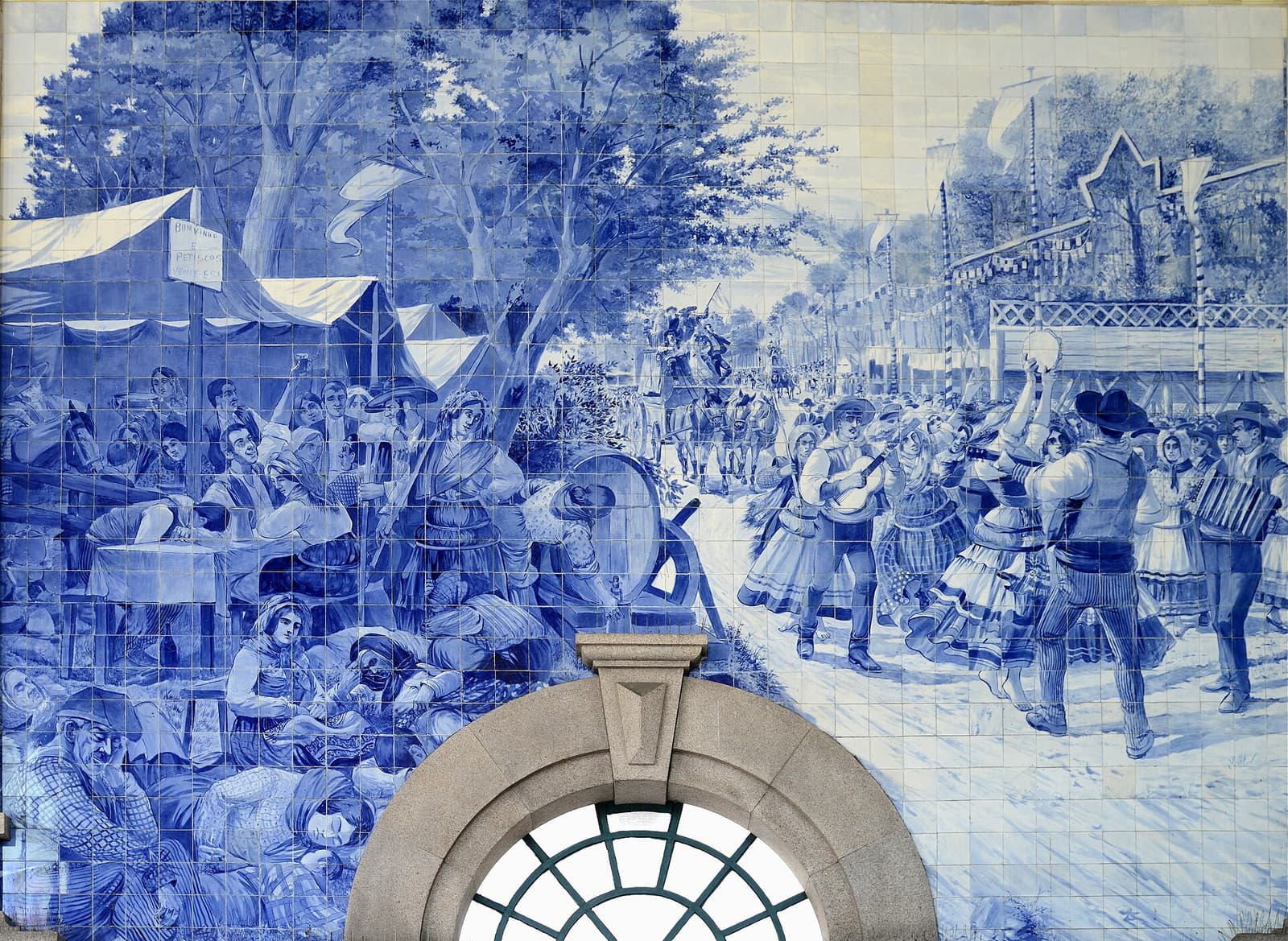 Art Nouveau and Modernist Azulejos20th-century Portuguese tilework, from Jorge Colaço's Art Nouveau to the abstract modernism of Maria Keil and Querubim Lapa, between Lisbon and Porto. Blue and White AzulejoThe blue and white azulejo: Portugal's great Baroque figurative tradition between 1690 and 1750, from the masters of the Joanine cycle to monumental panels.
  Bookbinding and IlluminationManuscript illumination and artistic bookbinding in Portugal, from the Apocalypse of Lorvão to the Leitura Nova: techniques, monastic workshops and…
 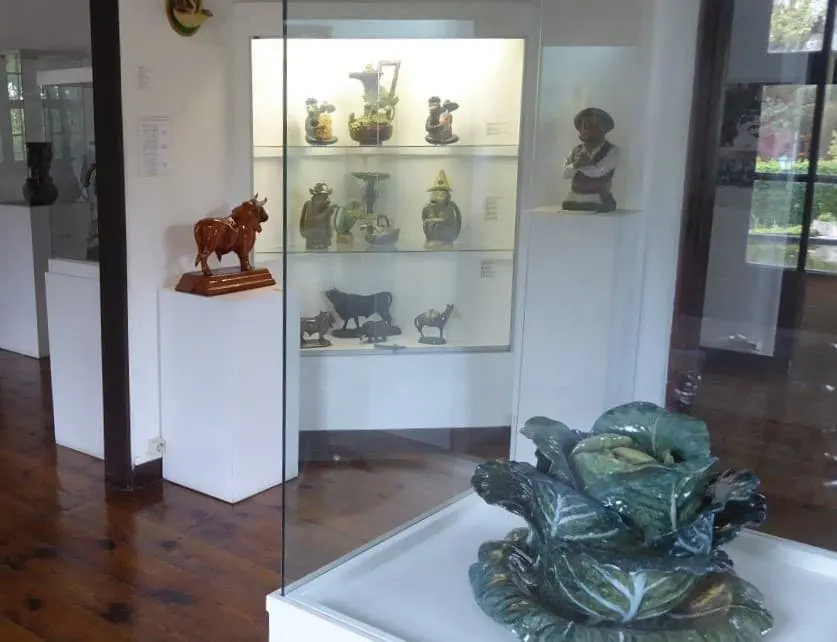 Caldas da Rainha CeramicsThe ceramics of Caldas da Rainha: naturalistic and satirical faience from Manuel Mafra to Rafael Bordalo Pinheiro, in western Portugal, district of Leiria. Coimbra FaienceCoimbra faience, from the seventeenth-century blue-and-white ware to the nineteenth-century pieces known as «ratinho», one of the great pottery centres of Portugal. Devotional Imagery and the Clay Figures of EstremozPolychrome devotional imagery and clay figurines from Estremoz, in the Alentejo, a centuries-old tradition recognised as Intangible Cultural Heritage of Humanity.
 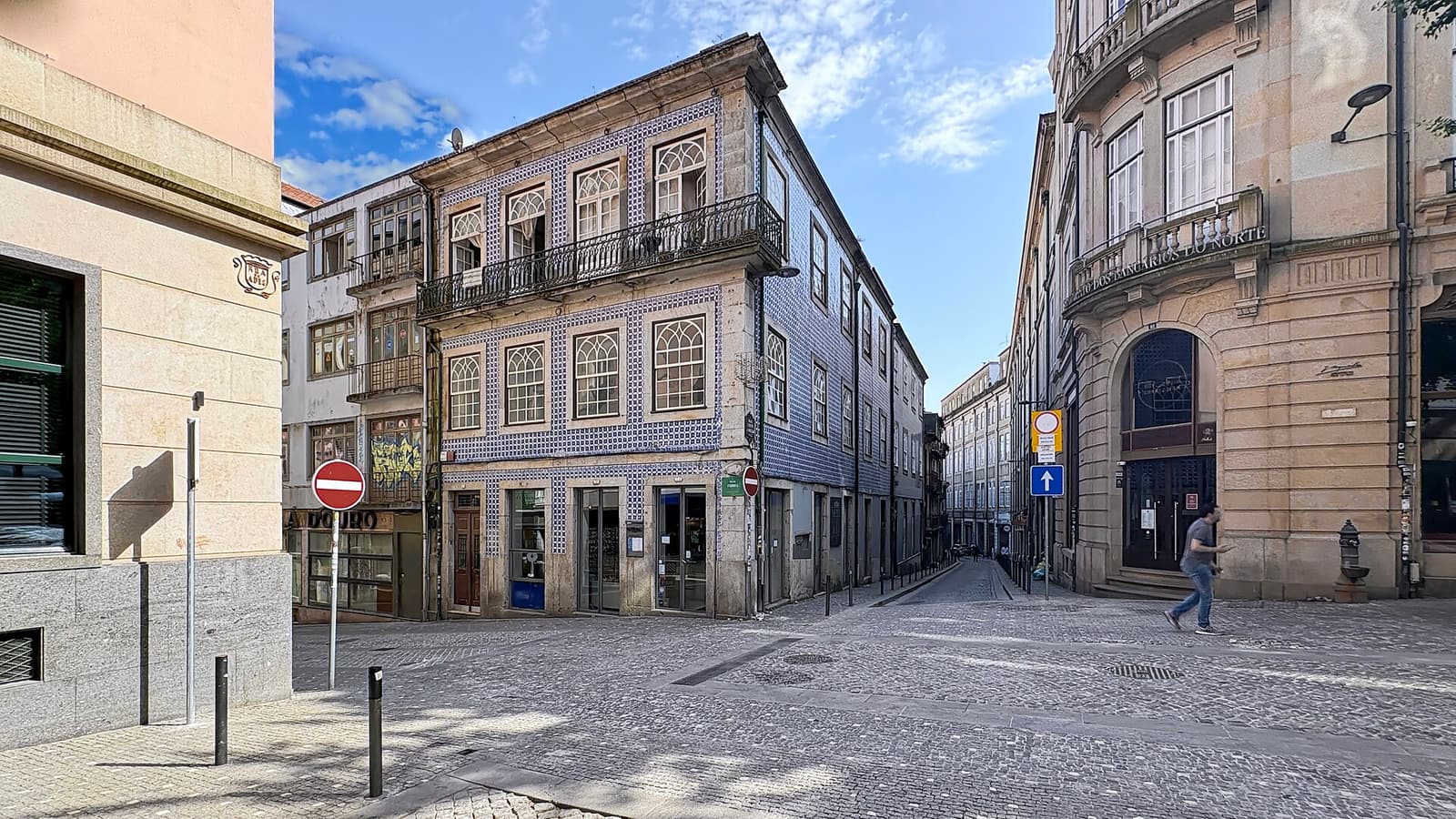 Façade AzulejoFaçade azulejos clad thousands of Portuguese urban buildings in the nineteenth century, from Porto to Lisbon, in a dialogue between Portugal and Brazil.
 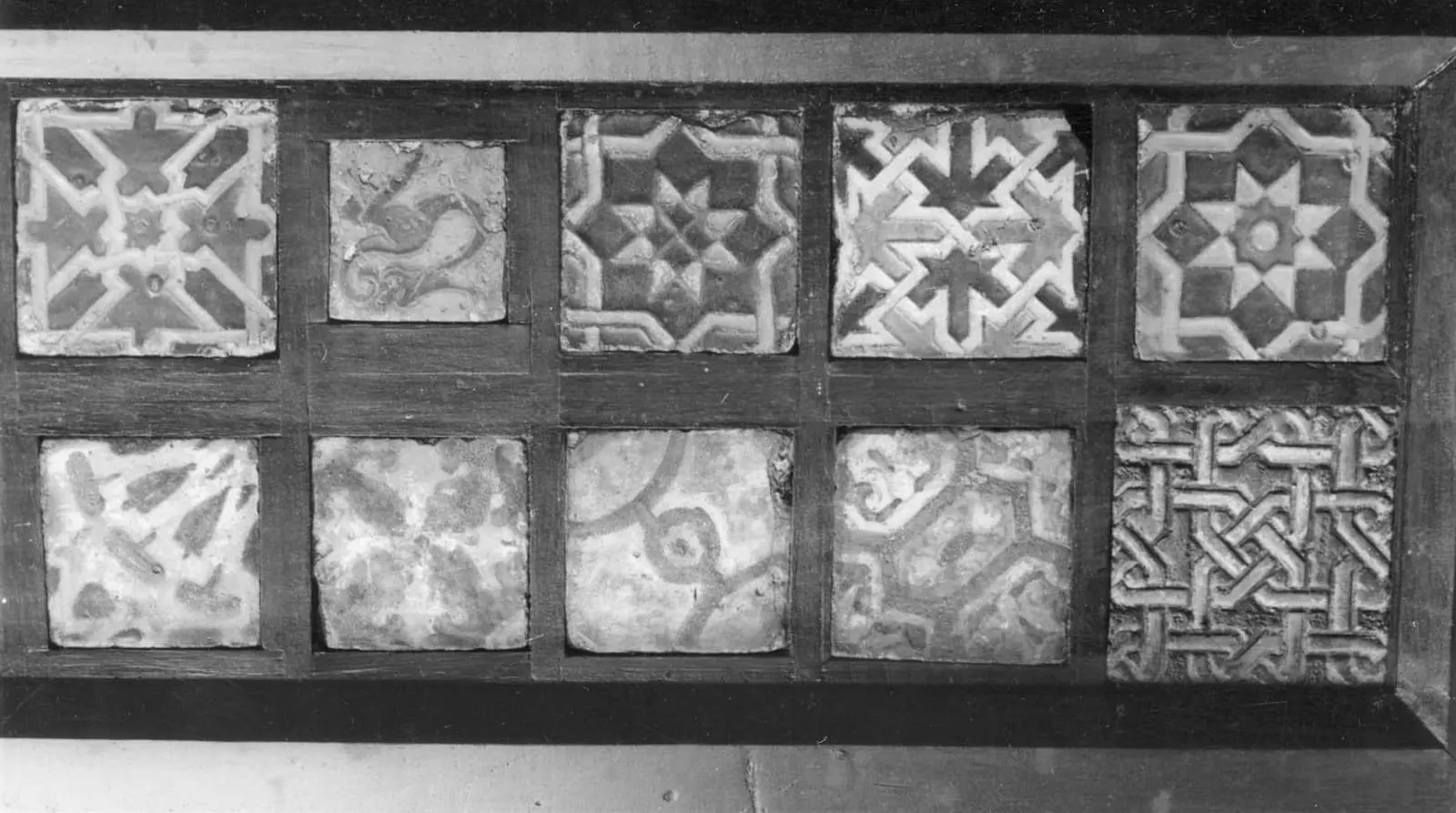 Hispano-Moresque AzulejoThe Hispano-Moresque azulejo in Portugal: alicatado, cuerda seca and arista techniques imported from Seville in the sixteenth century, with the Palace of…
 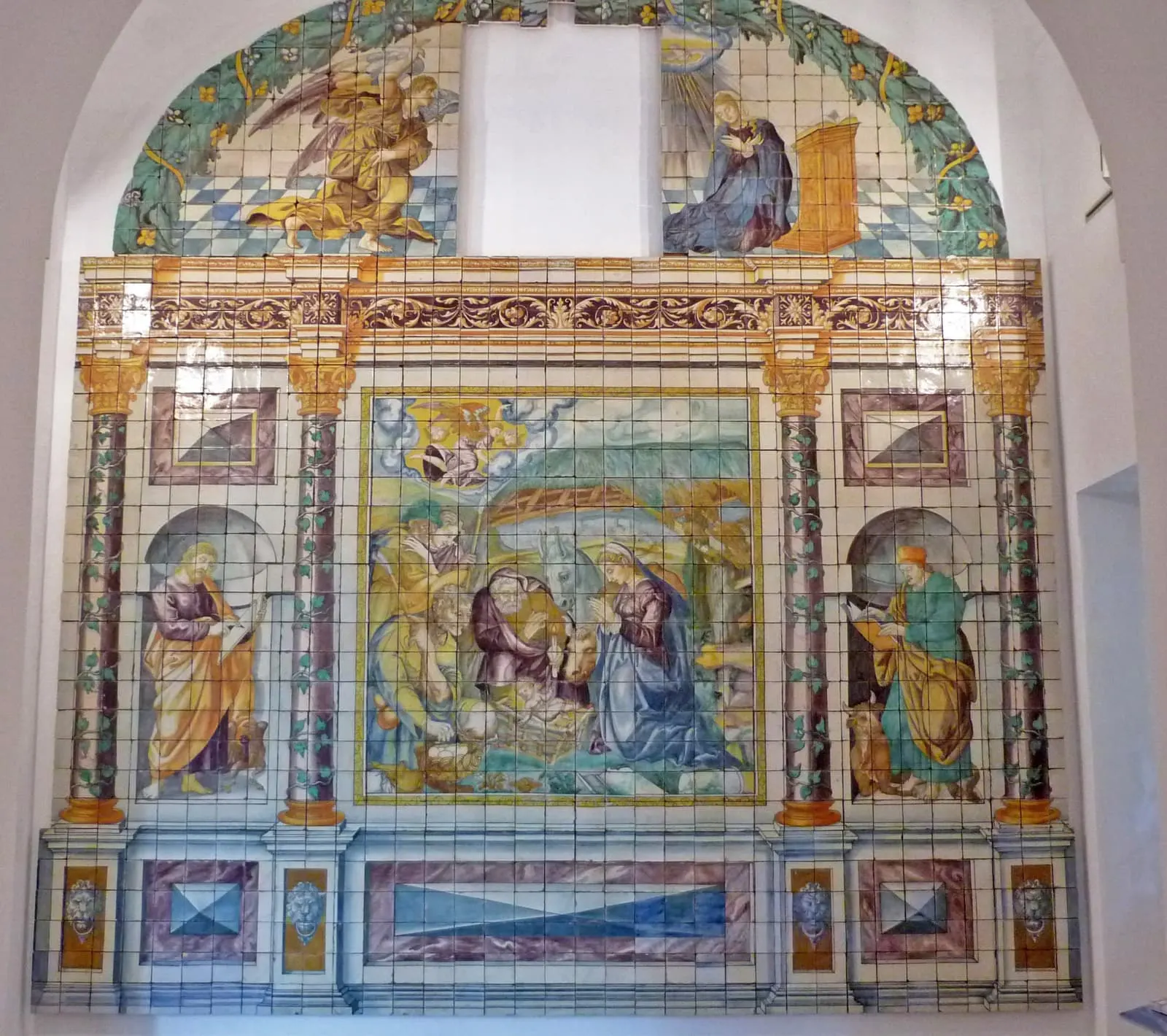 Maiolica Tile (Renaissance Faience)Maiolica tilework in Portugal: the Italian technique of tin glaze and the polychrome figurative tile art of sixteenth- and seventeenth-century Lisbon. Pattern and Carpet Azulejo (17th Century)Seventeenth-century pattern and carpet azulejos in Portugal: chequered compositions, polychrome designs and the rise of the azulejo as an art of national identity.
 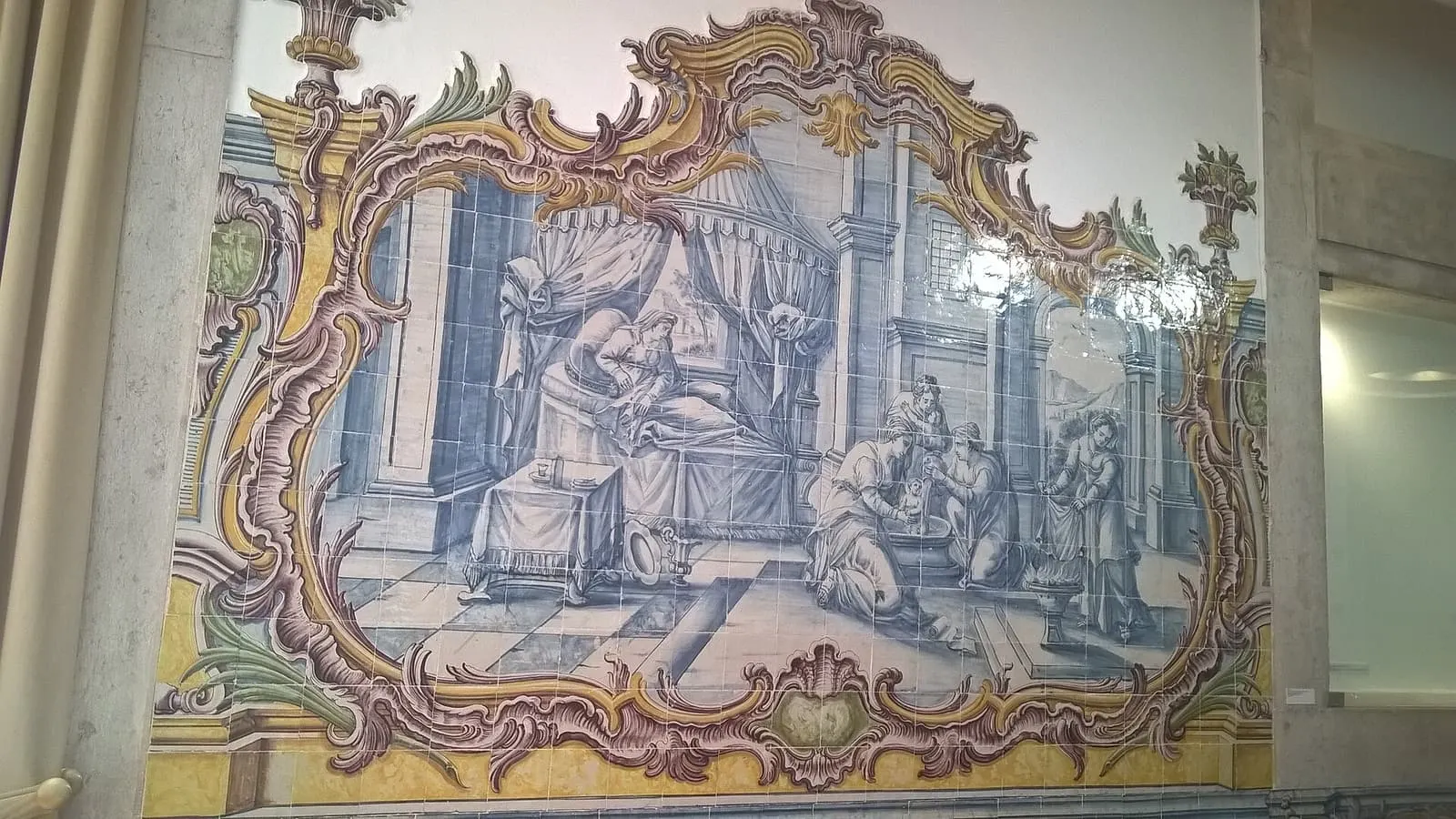 Pombaline AzulejoThe Pombaline azulejo in Lisbon: the serial production of pattern tiles and the evolution from Rococo to Neoclassicism, tied to the rebuilding of the capital…
 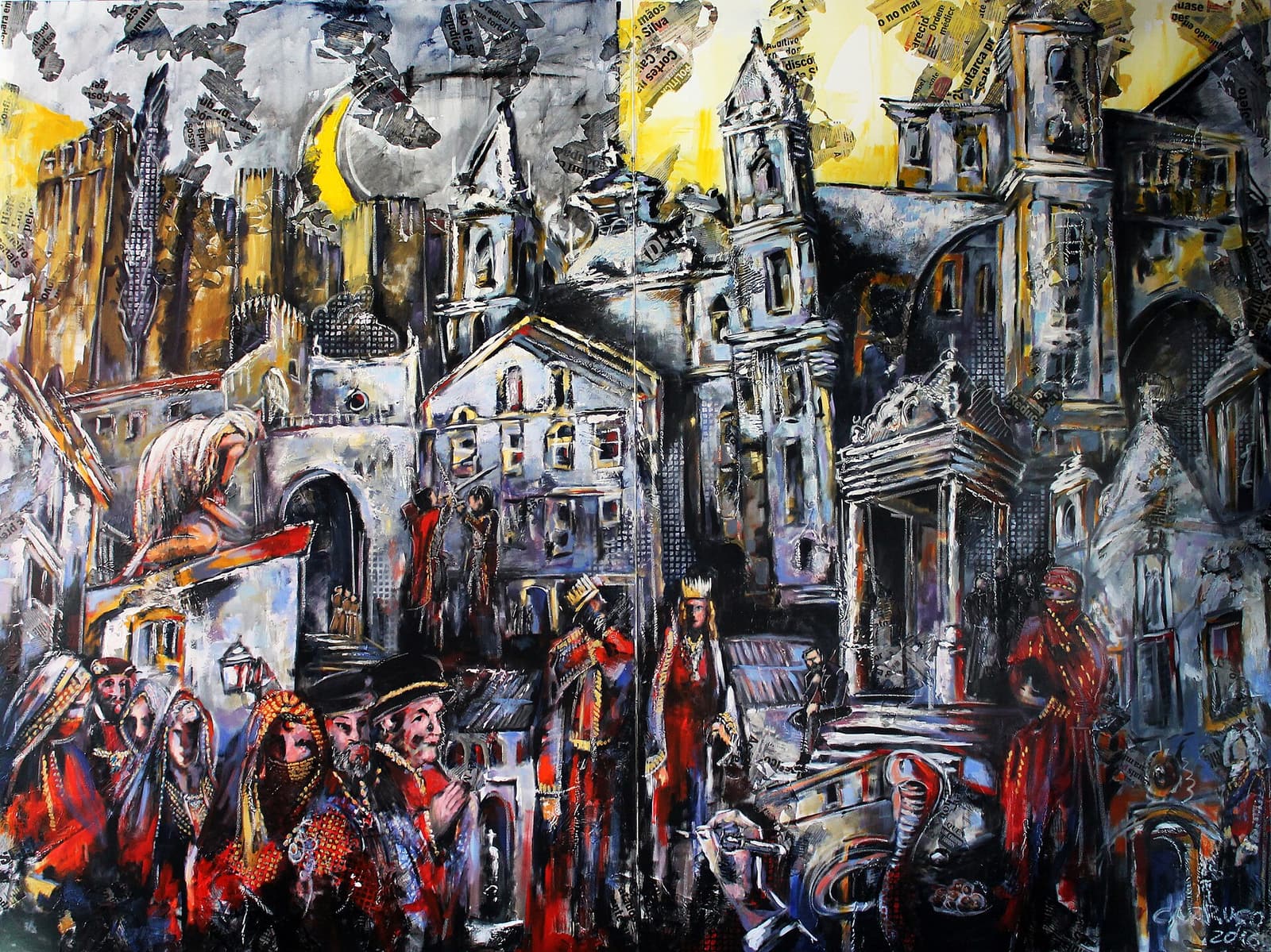 Portalegre TapestryThe Portalegre Tapestry and its unique stitch: the manufactory that since 1946 has translated works by Almada Negreiros, Vieira da Silva, and Lurçat into wool.
 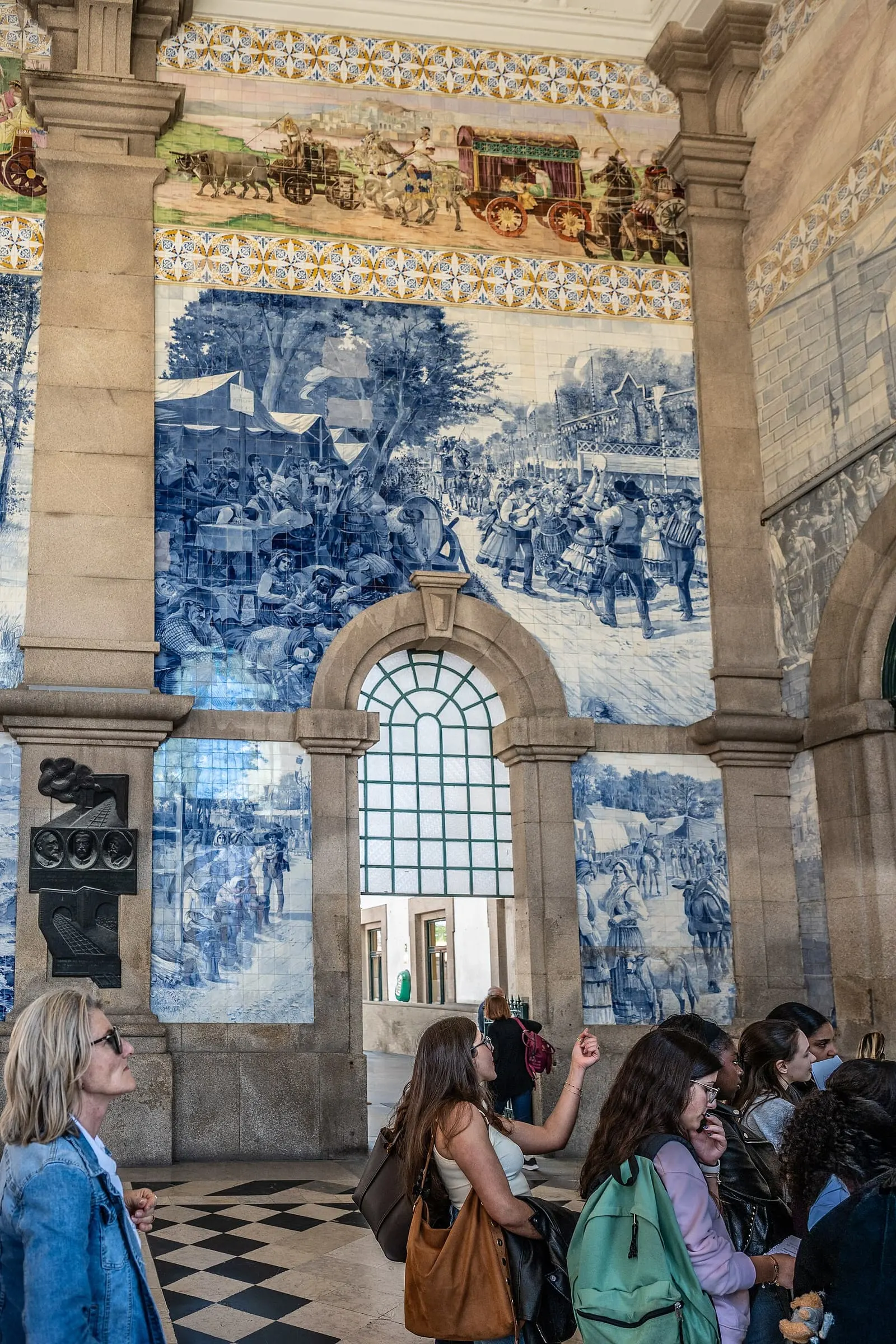 Portuguese AzulejoAn overview of the Portuguese azulejo, from its sixteenth-century arrival from Seville to Baroque blue and white and contemporary creations, and its place in…
  Portuguese Baroque PaintingPortuguese Baroque painting of the 17th and 18th centuries, from André Reinoso and Josefa de Óbidos to Vieira Lusitano and Domingos Sequeira, in Portugal.
 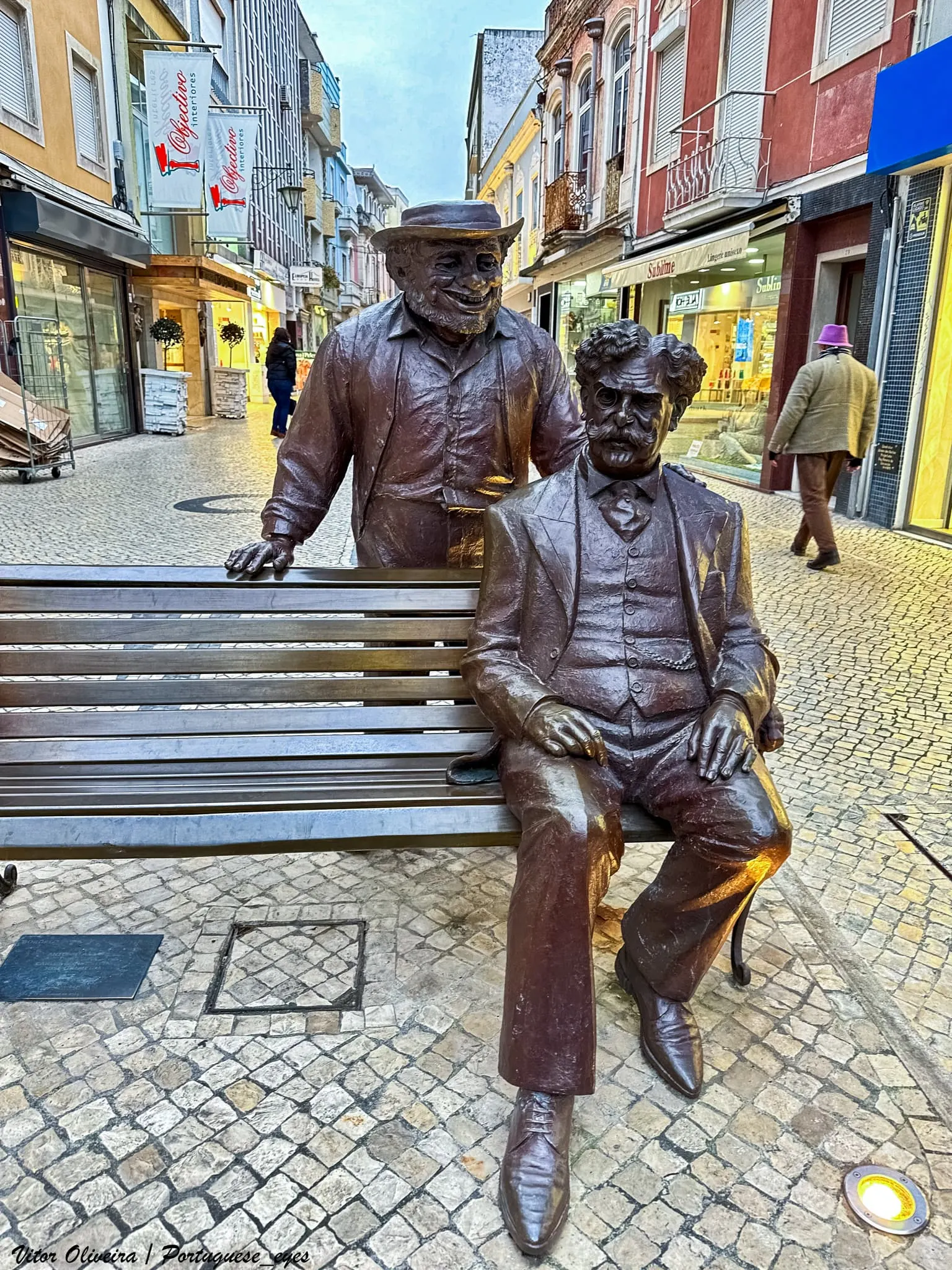 Portuguese Ceramics and FaienceThe history of Portuguese faience and the pottery centres of Lisbon, Coimbra, Rato, Vila Nova de Gaia and Viana do Castelo, from the 16th century to the… Portuguese FiligreePortuguese filigree, the gold and silver thread metalwork of Gondomar, Póvoa de Lanhoso and Viana do Castelo, with the emblematic Heart of Viana.
  Portuguese FurnitureA history of Portuguese furniture, from the Indo-Portuguese cabinet and the seventeenth-century national style to the chairs and chests of drawers of the D.
 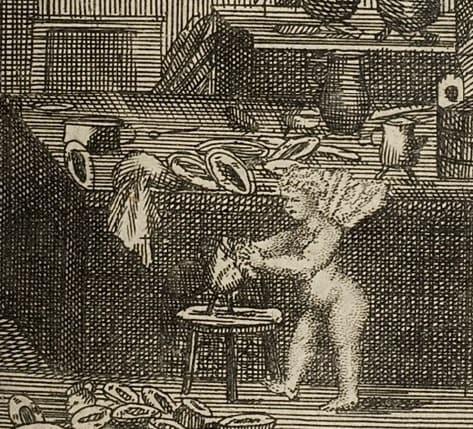 Portuguese GoldsmithingPortuguese goldsmithing in gold and silver: from the Manueline Belém Monstrance to Baroque treasures, techniques, hallmarks, and workshops in Portugal. Portuguese Historic OrgansPortuguese historic organs, from the Iberian typology with its horizontal trumpet stops to the six organs of the Basilica of Mafra and the 1743 Arouca organ.
 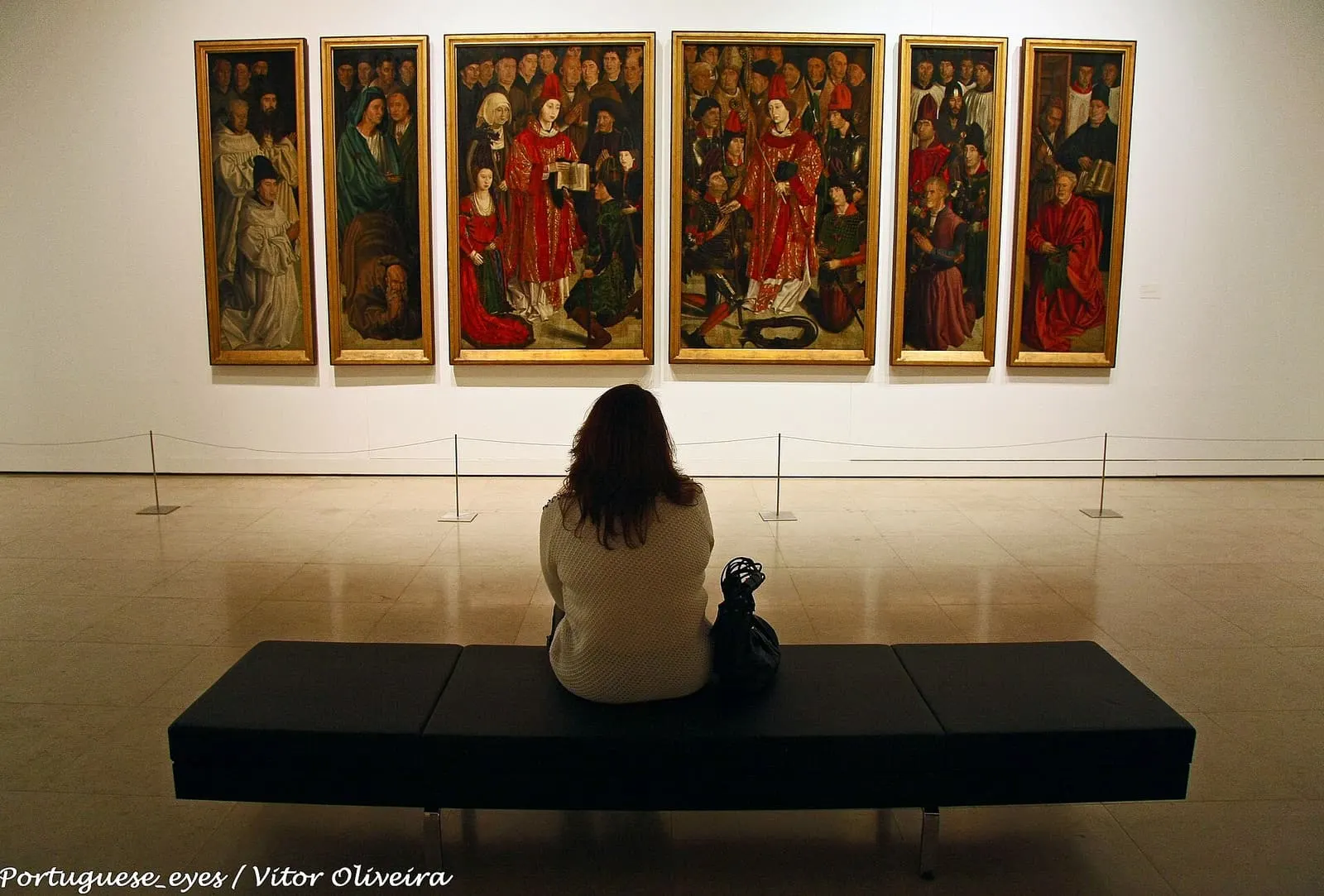 Portuguese PrimitivesThe Portuguese Primitives: Late Gothic and 16th-century painting by Nuno Gonçalves, Grão Vasco, and the Lisbon workshop, between 1450 and 1550.
  Portuguese Renaissance Painting16th-century Portuguese Renaissance painting, from Lisbon to Viseu, featuring Gregório Lopes, Cristóvão de Figueiredo, and Vasco Fernandes, known as Grão Vasco.
 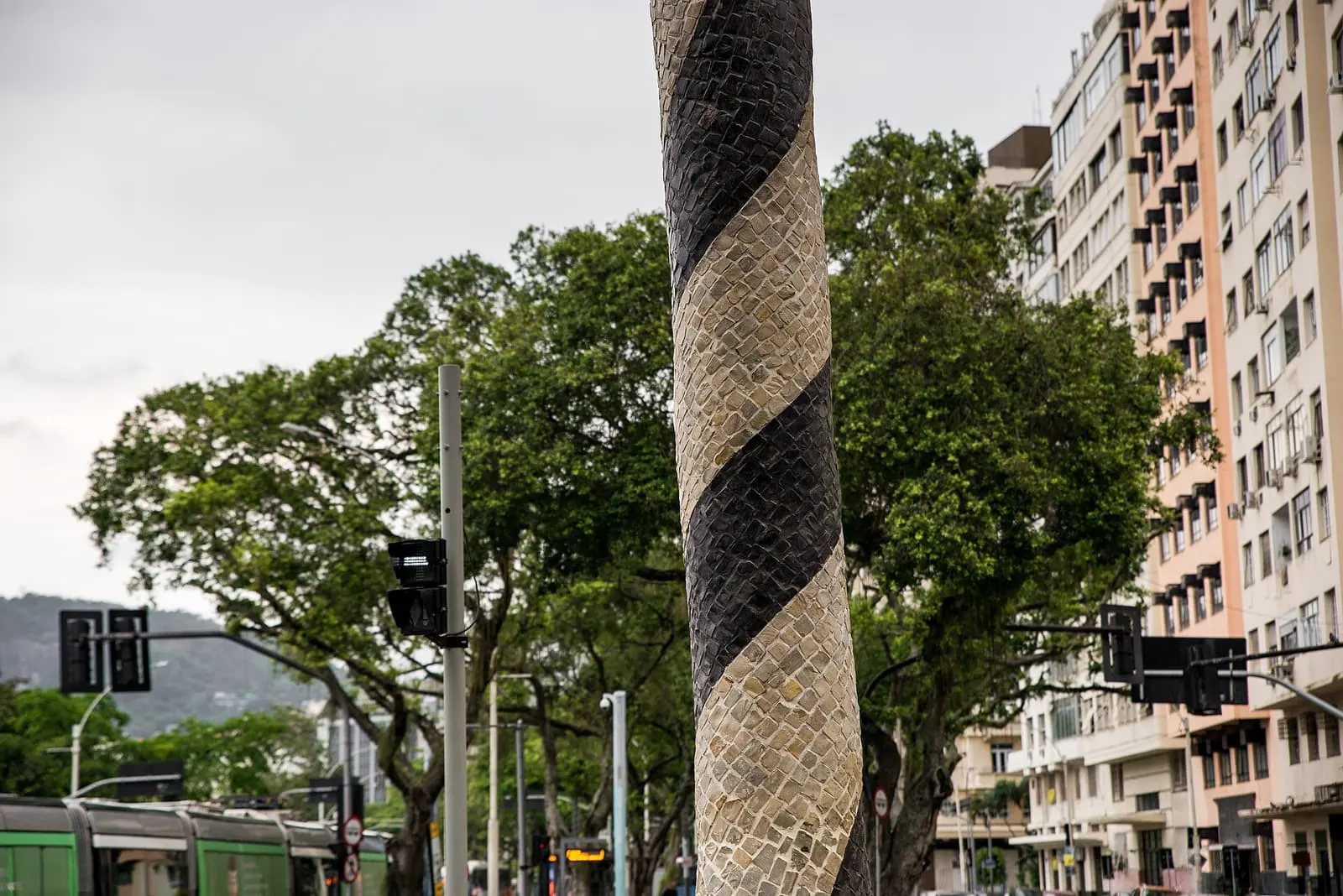 Portuguese SculptureAn overview of Portuguese sculpture in stone, wood and bronze, from the Gothic to the Neoclassical, with Chanterene, João de Ruão and Joaquim Machado de Castro. Sacred Art and the Treasuries of the CathedralsSacred art in Portugal: goldsmithing, vestments, reliquaries and the treasuries of the cathedrals and monasteries, from the Monstrance of Belém to the museums…
  Stained Glass in PortugalHistory of stained glass in Portugal: from the medieval ensemble at Batalha Monastery, the country's oldest, to modern designs by Almada Negreiros and Lino António.
 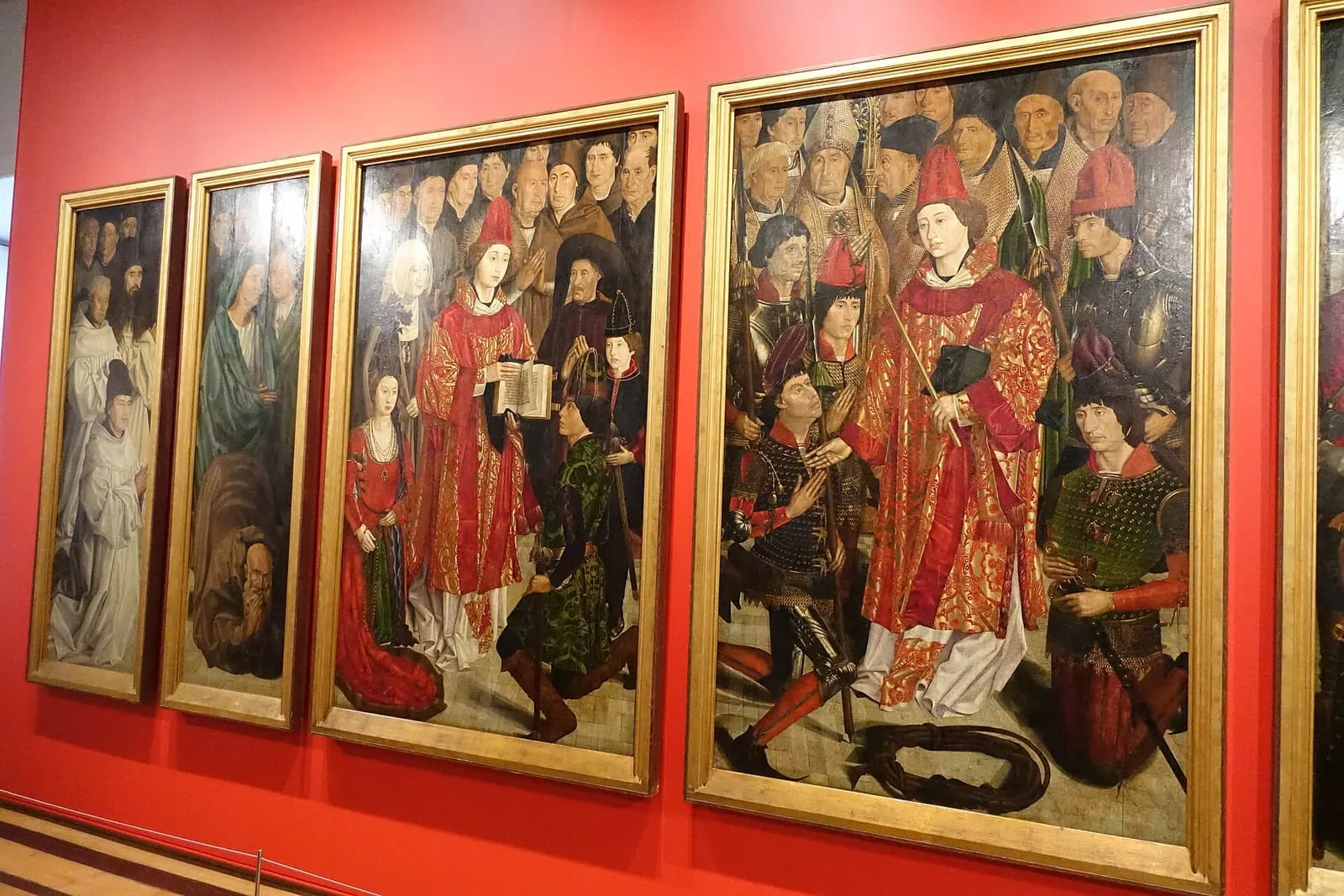 The Saint Vincent PanelsThe Saint Vincent Panels, a six-panel polyptych attributed to Nuno Gonçalves, a masterpiece of 15th-century Portuguese painting at the National Museum of…
 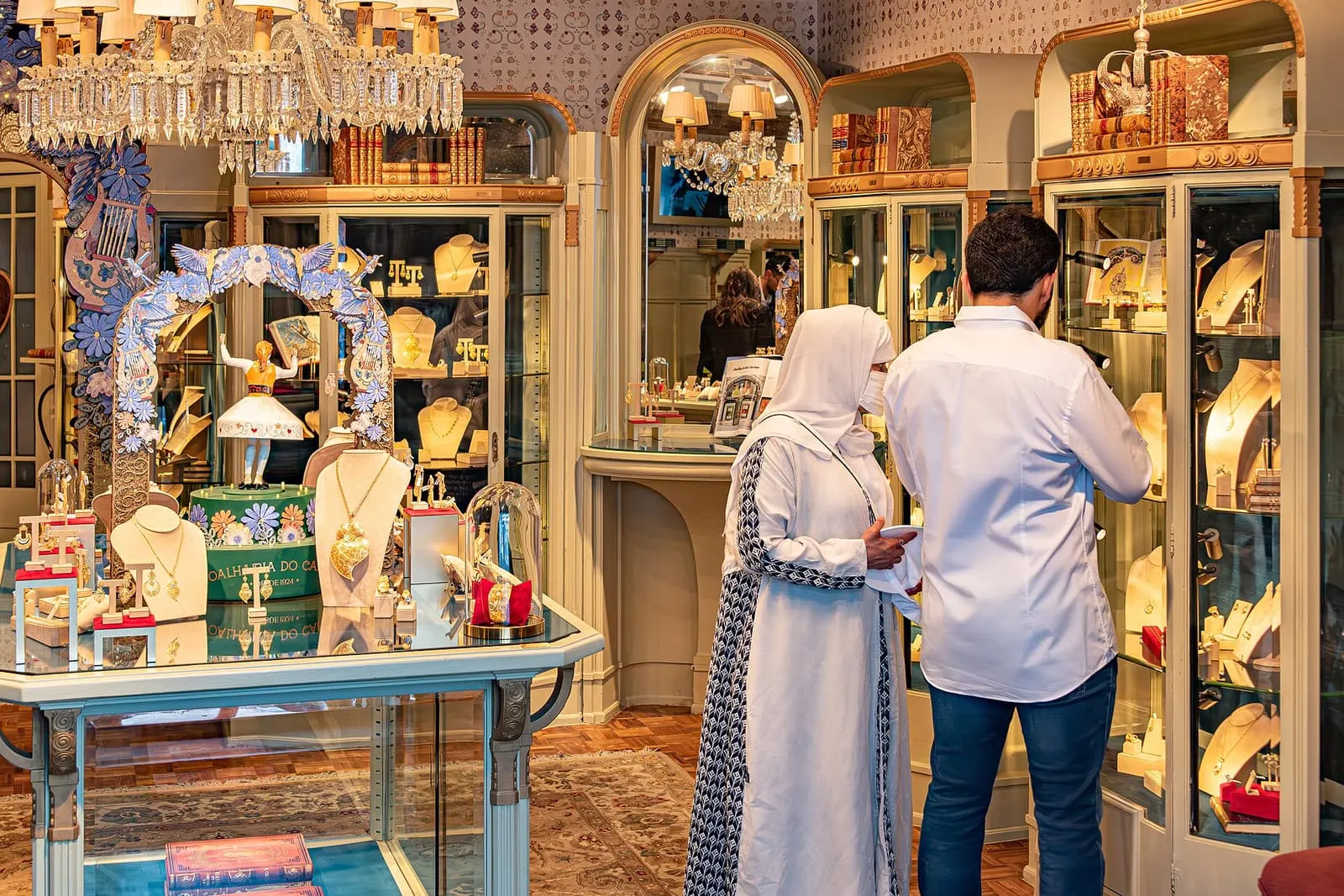 Traditional Portuguese JewelleryTraditional Portuguese jewellery: the heart of Viana, brincos à rainha earrings, arrecadas and beads, the folk gold of the Minho wrought in 19.2-carat filigree.
 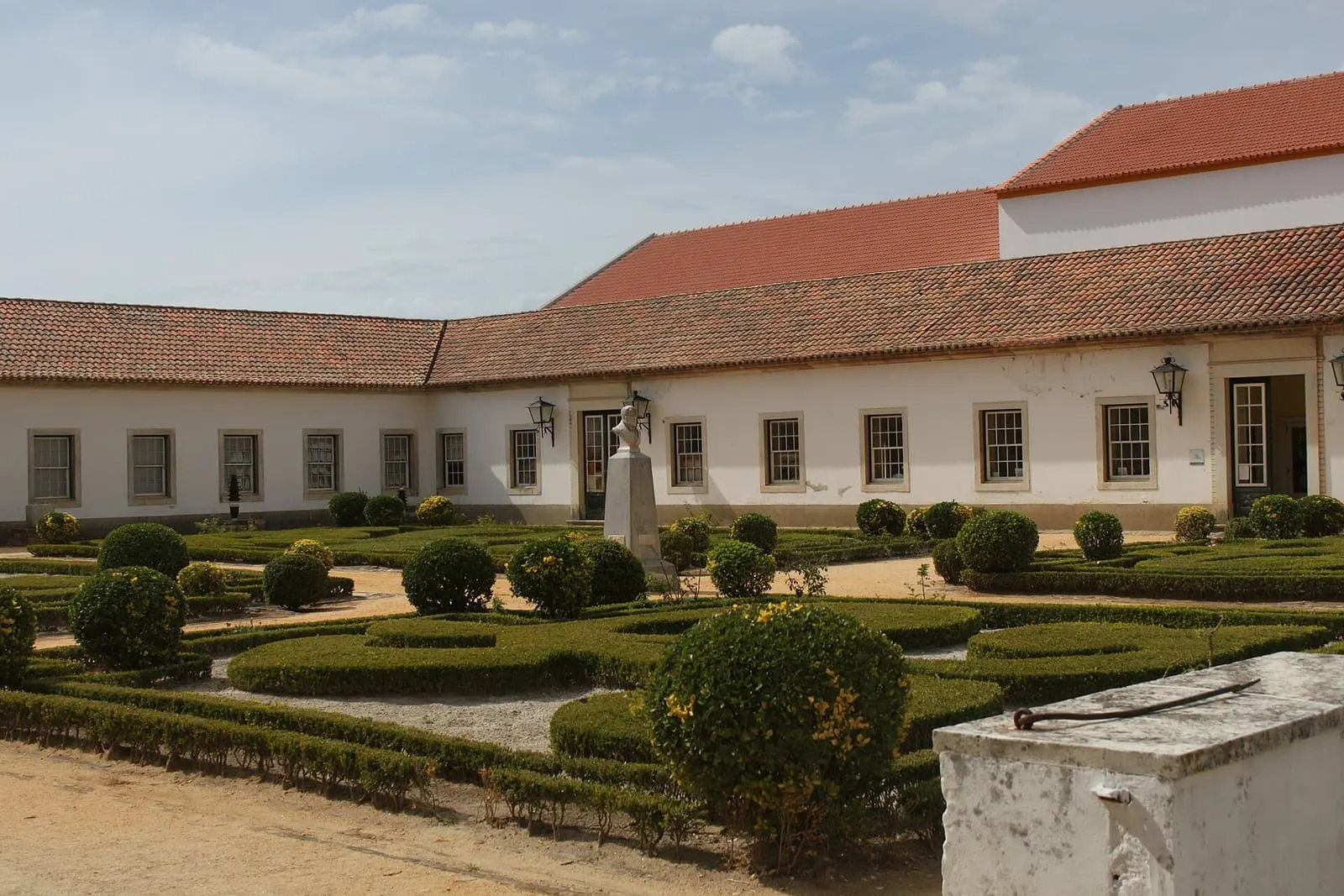 Vista Alegre PorcelainVista Alegre Porcelain: the factory in Ílhavo, founded in 1824 by the Aveiro Lagoon, and two centuries of Portuguese porcelain history. Wrought Iron and the Art of IronworkThe art of wrought iron in Portugal: railings, balconies, gates and decorative ironwork, from traditional metalworking to the virtuosity of Art Nouveau.
 Frequently asked questions
- What are the decorative arts in Portugal?
- They designate the set of applied arts for functional or ornamental objects and surfaces — azulejo tiles, goldsmithing, gilded woodcarving, furniture, faience, porcelain, and textiles — produced in Portugal mainly between the 15th and 18th centuries and still alive today in traditional crafts.
- Where can one see the most comprehensive collection of Portuguese decorative arts?
- The National Azulejo Museum in Lisbon houses the finest tilework, while the National Museum of Ancient Art concentrates on goldsmithing, painting, furniture, and faience from the 15th to 18th centuries, including the famous Belém Monstrance.
- Why is azulejo tilework considered an identity-defining Portuguese art?
- For five centuries of continuous production and a monumental scale unique in Europe: azulejos have clad churches, convents, palaces, and urban façades, integrating into architecture itself like no other European ceramic tradition.