Resources
Intangible Cultural Heritage of Portugal
Not all heritage fits in stone. In 2003, UNESCO adopted the Convention for the Safeguarding of the Intangible Cultural Heritage, expanding the notion of heritage to include practices, expressions, knowledge and techniques that communities recognize as their own — music, festivals, crafts, gastronomy, rituals. Portugal ratified this convention in 2008 and now has one of the most consistent presences in Southern Europe on its lists.
This page gathers and organizes this universe: UNESCO’s international inscriptions, the National Inventory that frames them, and the set of elements — from Lisbon’s Fado to the plains’ Cante Alentejano — that give body to a heritage that only survives as long as it is practiced.
From convention to National Inventory
International recognition rests on a domestic foundation. Through Decree-Law No. 139/2009, Portugal established the National Inventory of Intangible Cultural Heritage, managed by the Directorate-General for Cultural Heritage through the MatrizPCI platform. It is here that intangible manifestations are registered, documented and monitored — a prerequisite, as a rule, for any application to UNESCO’s lists.
At the international level, elements are distributed across three instruments: the Representative List, which celebrates the diversity of living heritage; the Urgent Safeguarding List, for practices at risk of disappearing; and the register of safeguarding best practices, which rewards exemplary models of transmission.
Intangible heritage requires a shift in perspective: the object to be protected is not a thing, but a relationship — between those who transmit and those who learn.
Elements inscribed by UNESCO
The list is completed with falconry, recognized as heritage shared by dozens of countries; the Aveiro moliceiro boat and naval carpentry, inscribed on the Urgent Safeguarding List; equestrian art in Portugal, the most recent element on the Representative List; and Ponte nas Ondas!, a Luso-Galician model distinguished as a safeguarding best practice.
A heritage preserved through use
The greatest threat to intangible heritage is not ruin, but disuse. Unlike a cathedral or a castle, a living practice is not restored: it disappears when there is no one left to practice it. Therefore, safeguarding involves less freezing and more ensuring conditions for continuity — teaching, contexts for practice, transmission between generations.
It is also here that the intangible dialogues with the rest of Portuguese heritage. Many of these practices are anchored in specific places and buildings, and complement this site’s reading of intangible heritage as a theme and the set of Portuguese elements inscribed on the World Heritage. Understanding Portugal requires reading both heritages together: that which stands in stone and that which lives in gestures.
76 entries to explore
No matches in this collection. Try another word or clear your search.
In this section — 76
Imaterial
76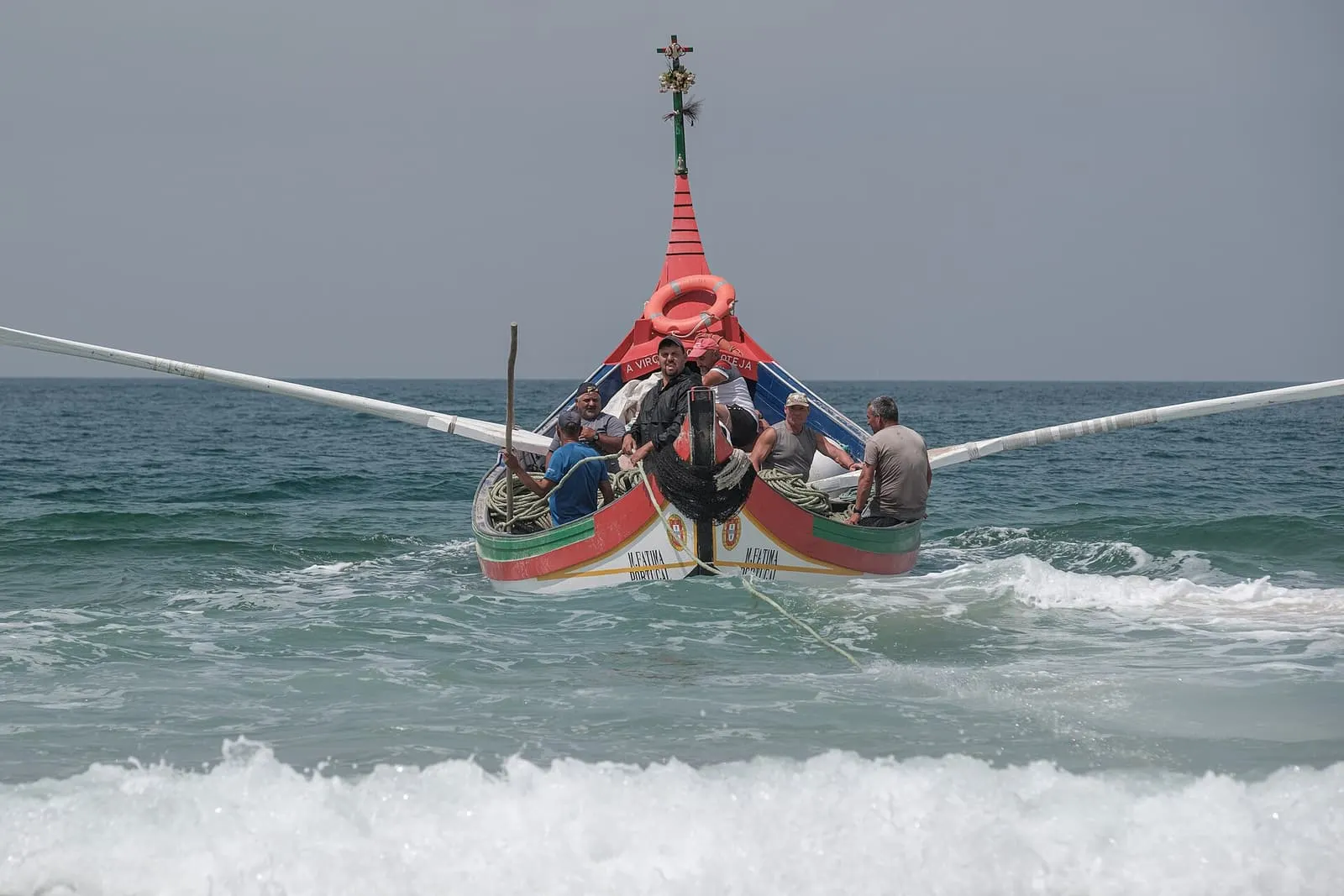 Arte XávegaThe arte xávega, a traditional beach-seine fishery using crescent-moon boats along the central coast of Portugal, from Espinho to Vieira de Leiria.
 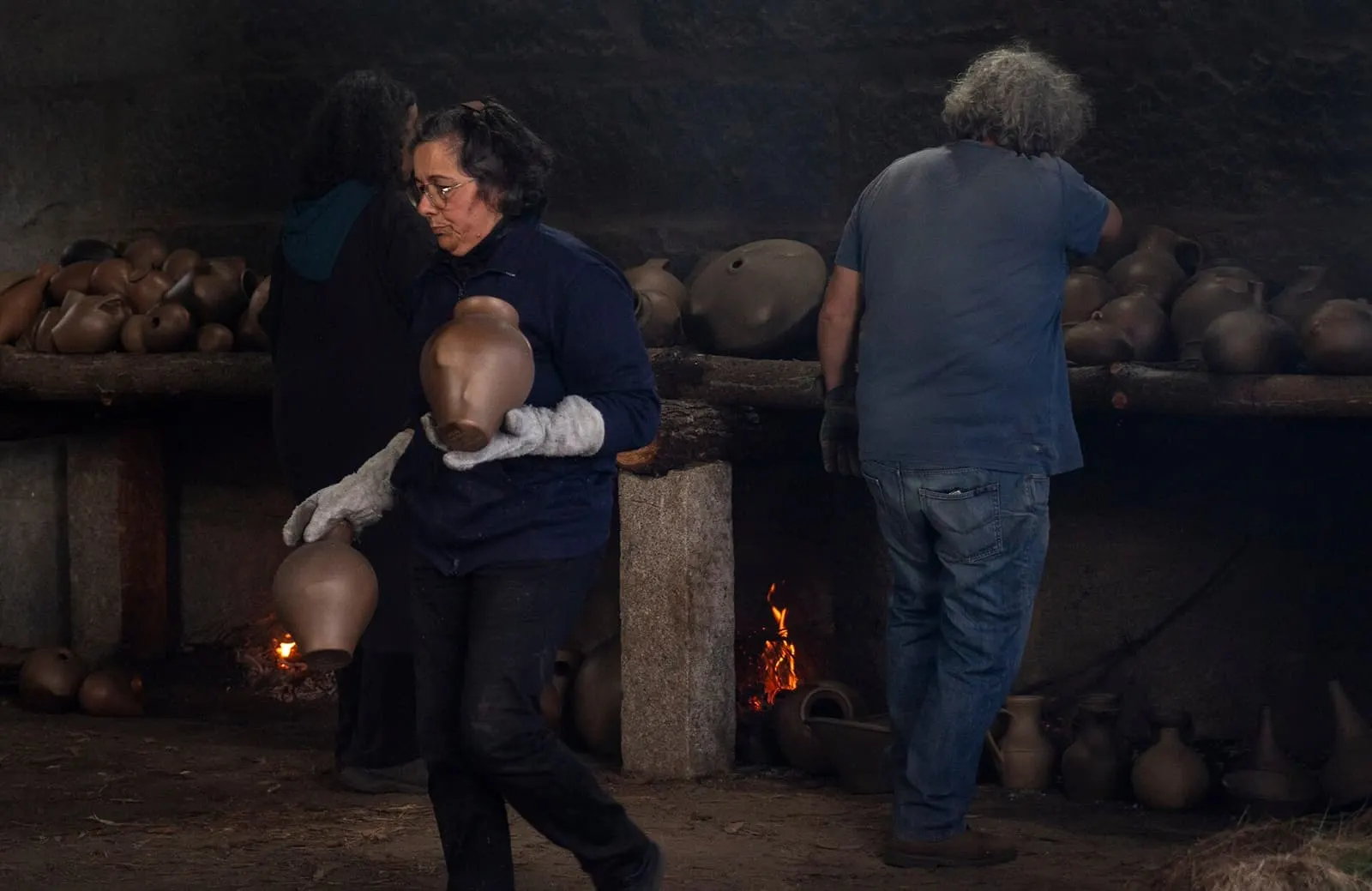 Black Clay and Black Pottery of the NorthBlack clay and black pottery of northern Portugal: from Bisalhães, in Vila Real, to Gondar and Vilar de Nantes, a pottery tradition recognised by UNESCO. Black Pottery of BisalhãesThe black pottery of Bisalhães, in Mondrões, Vila Real: black clay fired in a soenga and inscribed by UNESCO in 2016 on the Urgent Safeguarding List. Blacksmithing and Wrought IronBlacksmithing and the art of wrought iron in Portugal: the blacksmith's craft, forging techniques, and its place in intangible cultural heritage.
 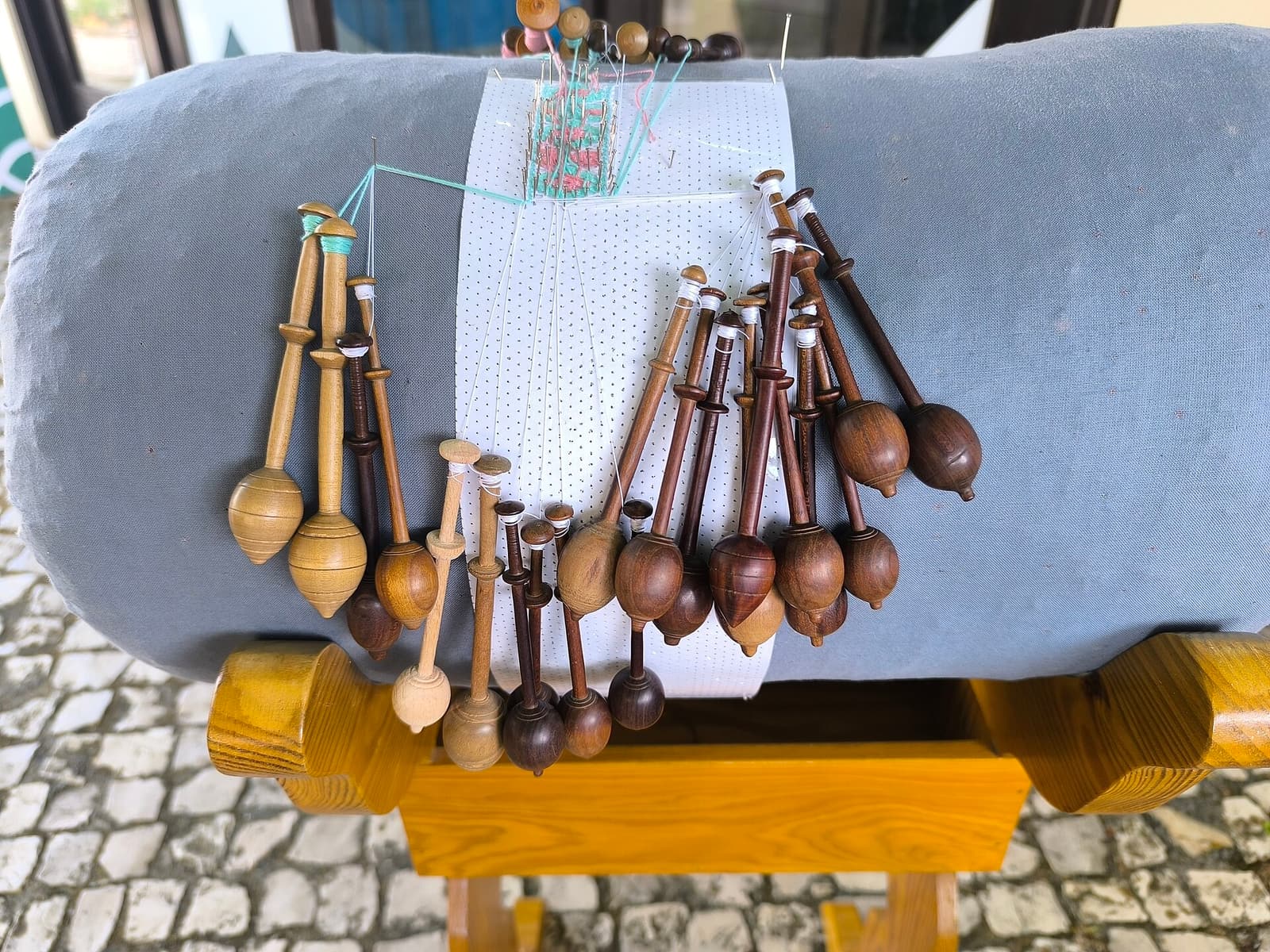 Bobbin LaceBobbin lace, a textile art from the fishing communities of Vila do Conde and Peniche, with centuries of tradition and identity in Portugal.
 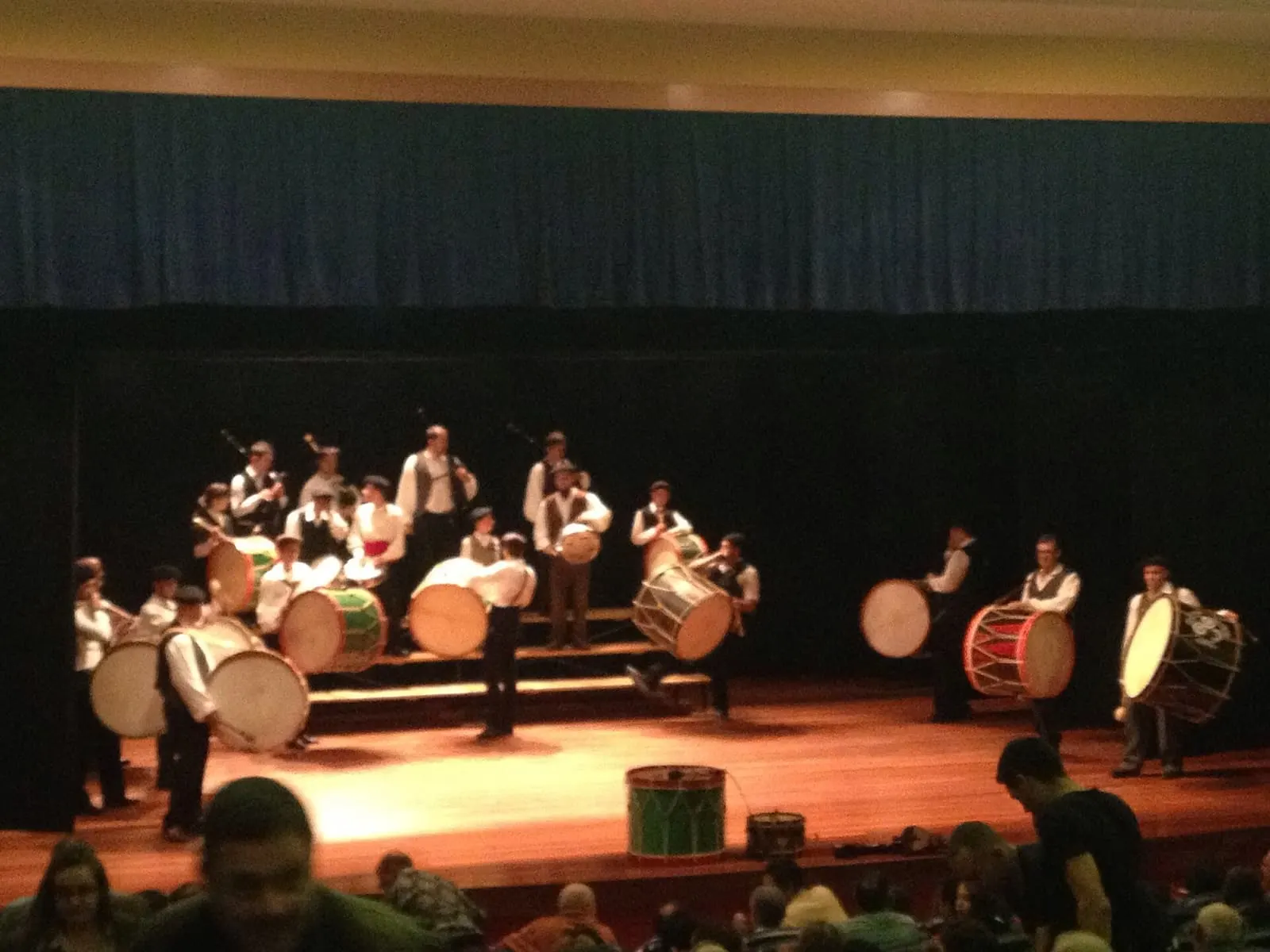 Bombos and Zés PereirasThe bombos and Zés Pereiras groups of Entre-Douro-e-Minho: percussion, bagpipes, and the sound that announces pilgrimages and popular festivals in Northern Portugal. Burel of the Serra da EstrelaBurel, the traditional fulled-wool cloth of the Serra da Estrela, and its artisanal manufacture in Manteigas, in the Guarda district. History, process and uses. Cante ao Desafio (Sung Poetic Duel)The cante ao desafio is sung poetic improvisation in the form of a duel between extempore poets, a living tradition from the Minho to the Alentejo and the…
 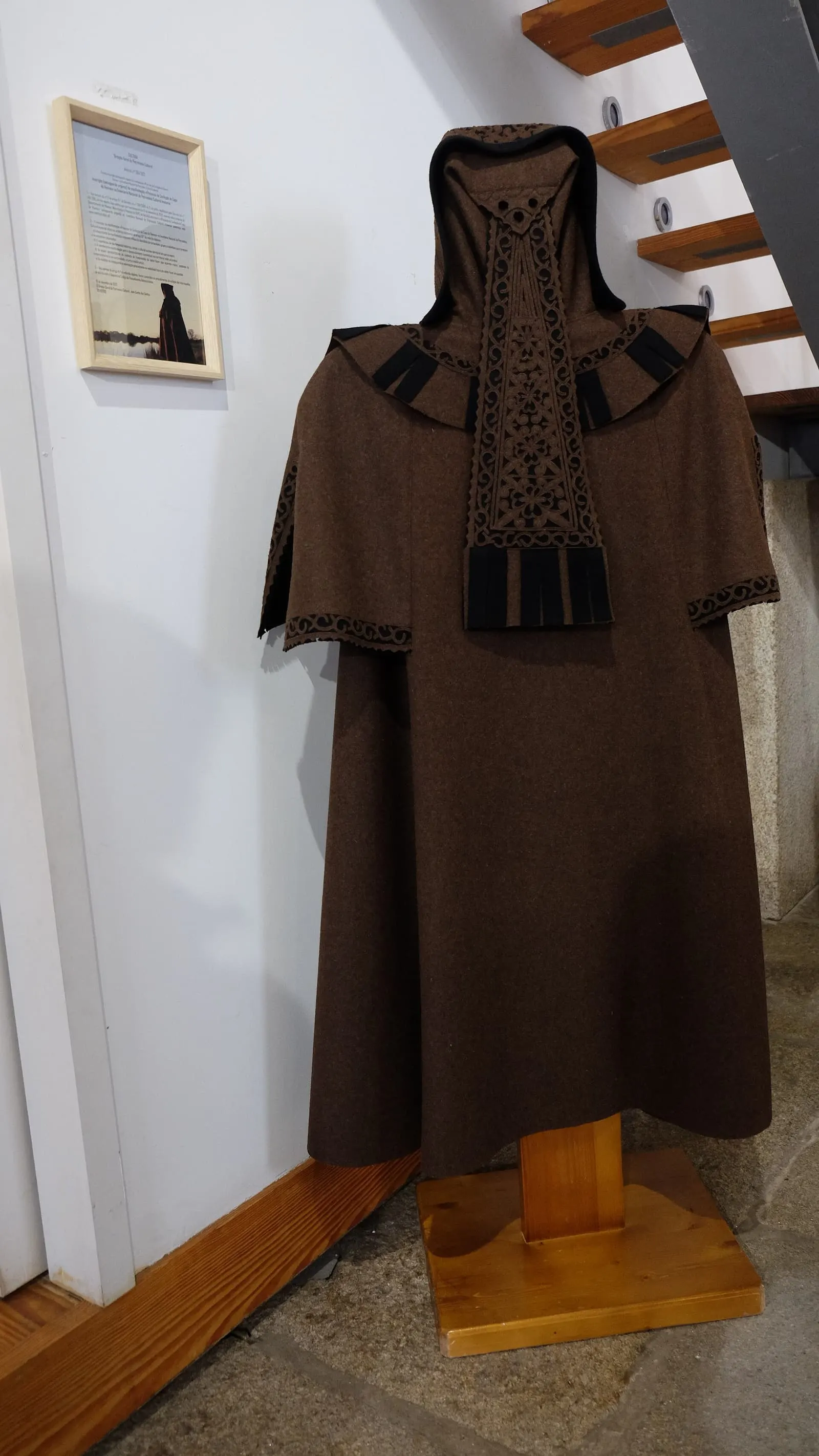 Capa de Honras of MirandaThe Mirandese Capa de Honras: the embroidered burel ceremonial cloak of the Terra de Miranda, the foremost piece of the male costume of Miranda do Douro in…
 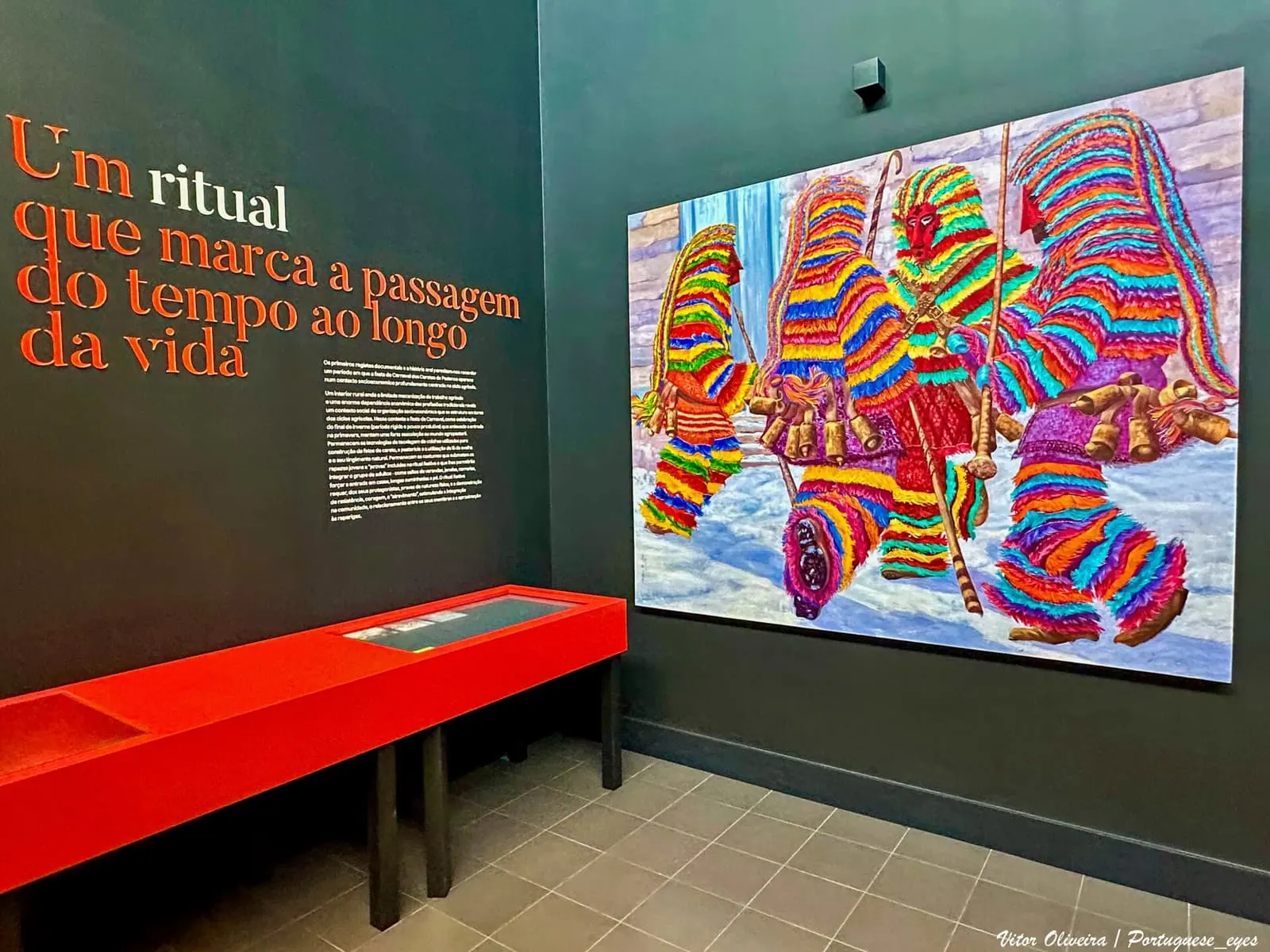 Caretos de PodenceThe Caretos de Podence, the Entrudo Chocalheiro of Macedo de Cavaleiros inscribed by UNESCO in 2019: tin masks, woollen fringes and cowbells.
 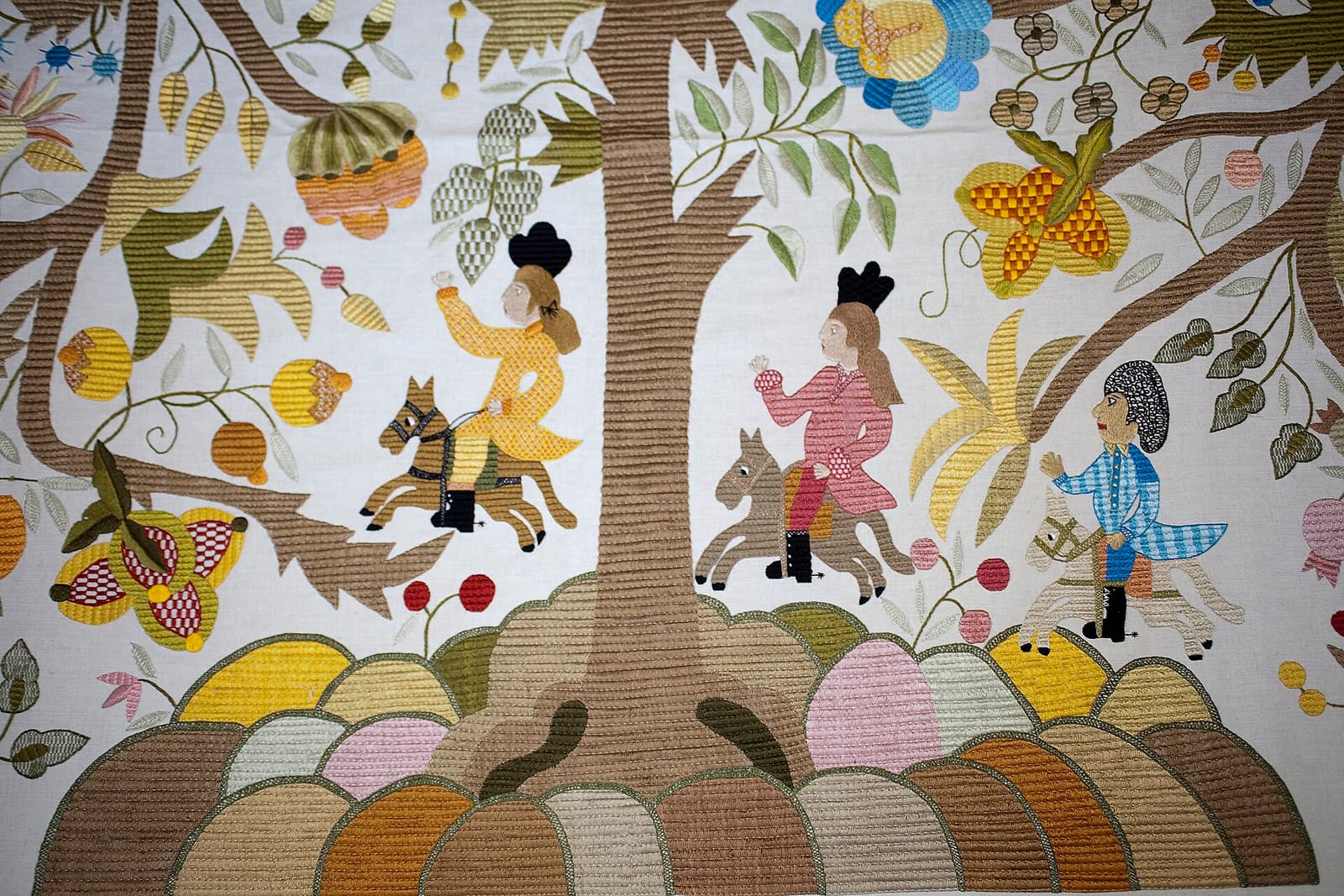 Castelo Branco EmbroideryCastelo Branco Embroidery, the silk-on-linen bedspreads of the Beira Baixa, with the Tree of Life and the Castelo Branco stitch. Cattle Bell Craftsmanship (Chocalheira Art)The traditional craft of cattle bell making in Alcáçovas, Viana do Alentejo, inscribed by UNESCO in 2015 on the List of Intangible Cultural Heritage in Need of…
 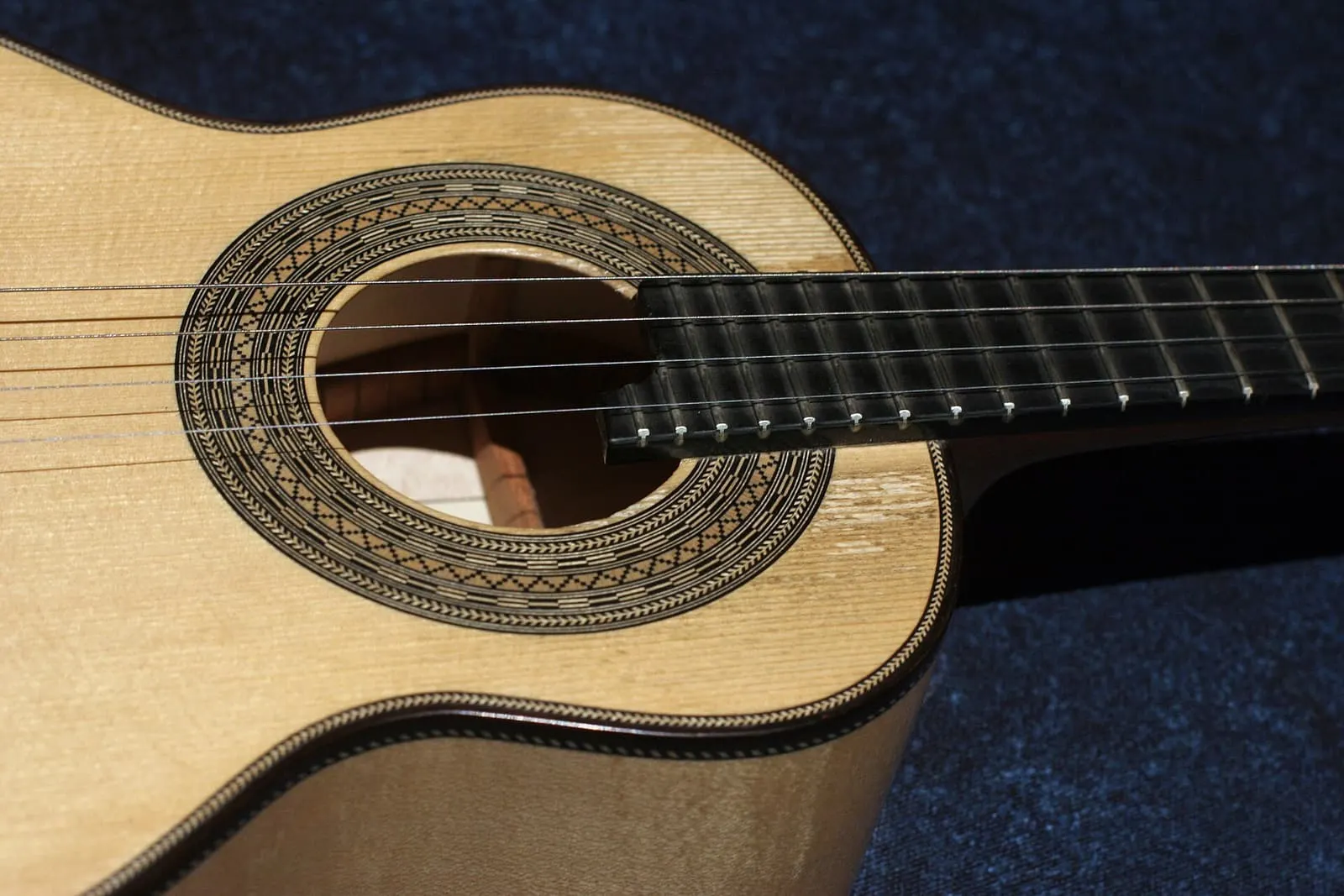 CavaquinhoThe cavaquinho, a small four-stringed chordophone from the Minho, ancestor of the ukulele and a central instrument in the popular music of north-western Portugal.
 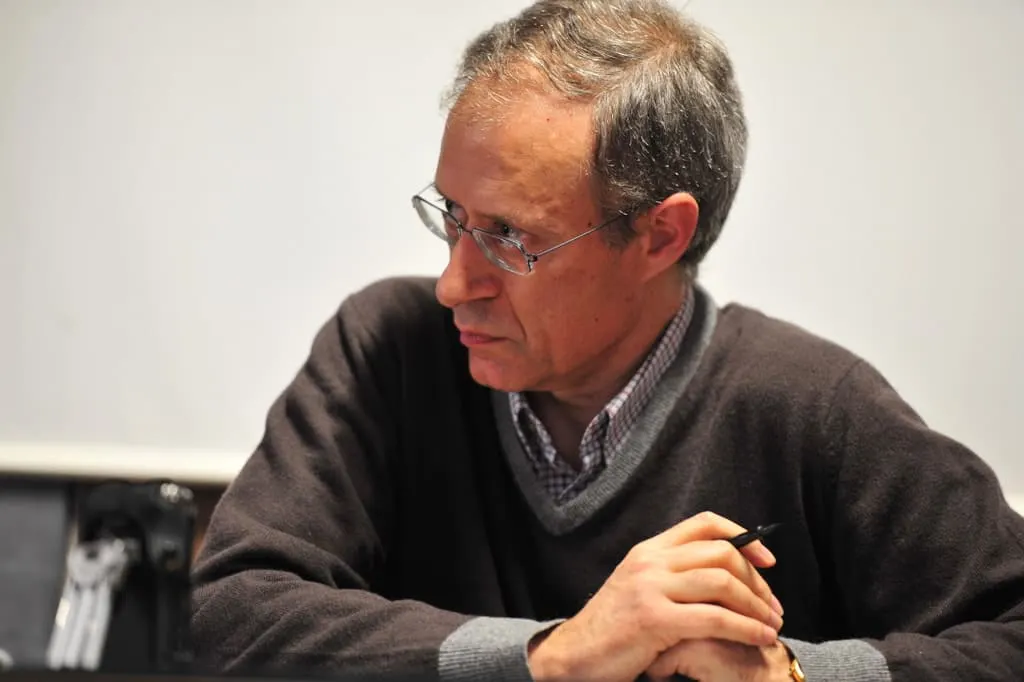 Coimbra FaienceCoimbra faience is the historic tin-glazed earthenware produced in the Bairro das Olarias, renowned for its hand-painted Oriental and Baroque motifs in blue… Construction of Traditional ChordophonesThe craftsmanship of building traditional Portuguese chordophones — violas, cavaquinhos and guitars — most strongly expressed in the Northwest, in Braga and…
 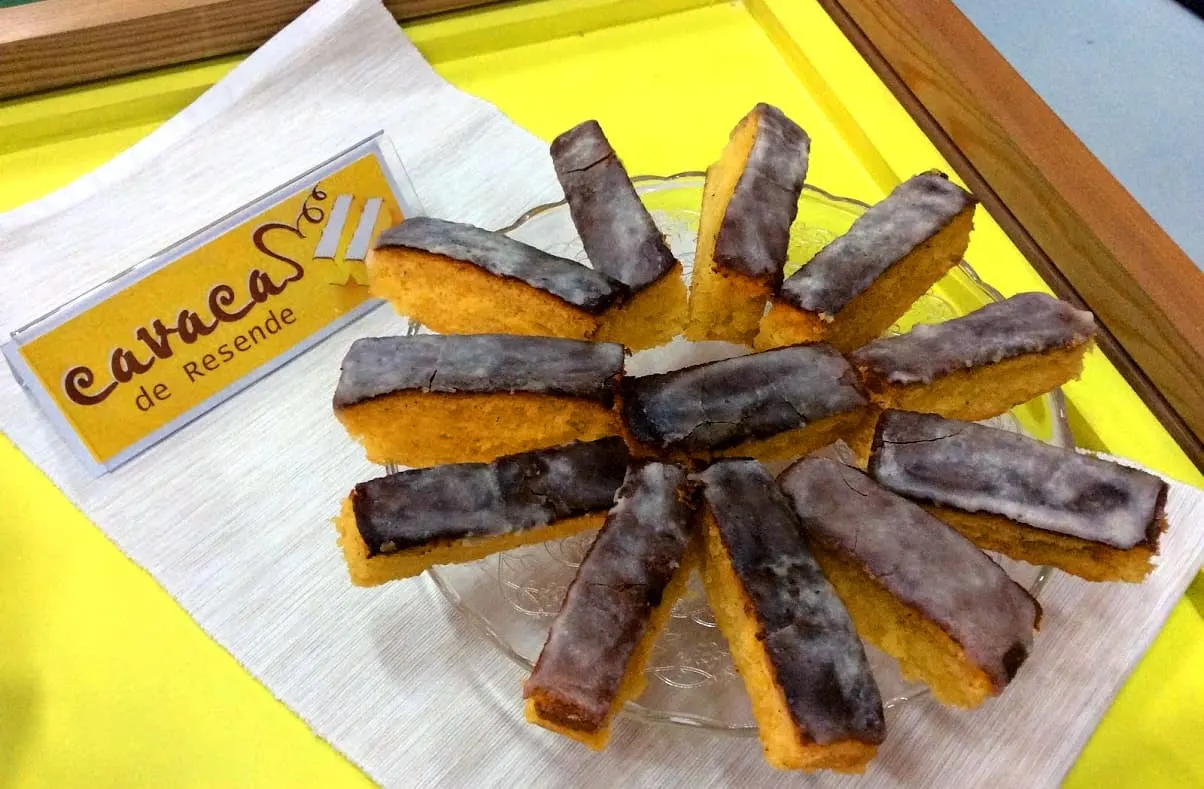 Conventual ConfectioneryPortuguese conventual confectionery: the egg-and-almond sweets born in convents and monasteries, from the pastéis de Belém to the ovos moles of Aveiro. Cork Work and the MontadoThe know-how of cork extraction and transformation and the culture of the montado, the agro-silvo-pastoral landscape of Alentejo and Ribatejo. Cured Sausages and Smoked MeatsCured sausages and smoked meats of Portugal: alheiras, chouriças, salpicões and butelos from the North to the Alentejo, the know-how of the pig slaughter and… Easter Compasso (Paschal Blessing of Homes)The Compasso Pascal, or Easter visit, is the tradition of blessing homes with the cross on Easter Sunday, alive above all in the North and Centre of Portugal. Embroidery and Lace of the AzoresThe embroidery and lace of the Azores, from the islands of Terceira, Pico and Faial, and the arts of fish scale and fig-tree pith in Azorean craftsmanship.
 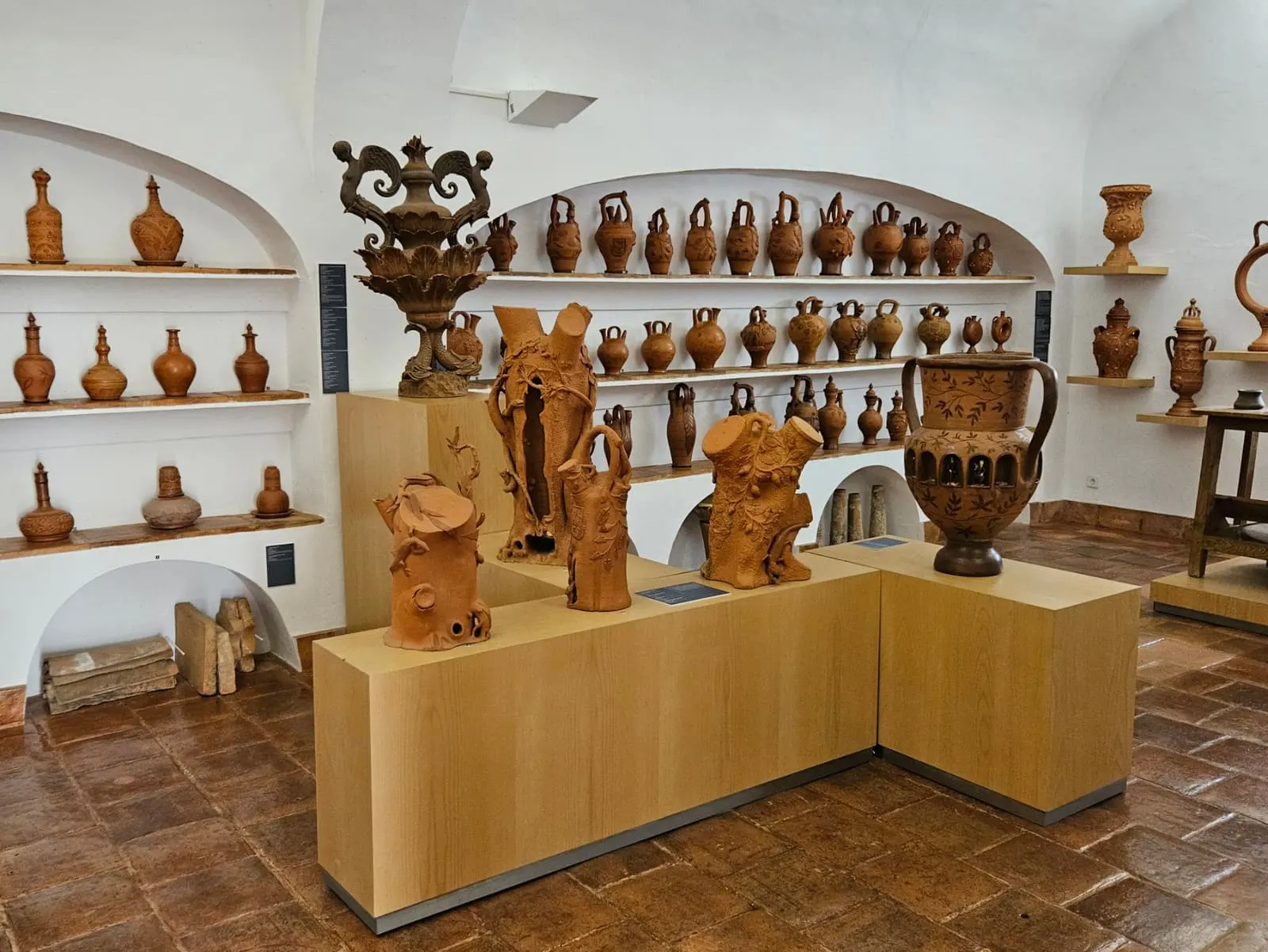 Estremoz FigurinesThe Bonecos de Estremoz, Alentejo clay figurines: typologies, iconic figures and the tradition of the boniqueiras, Intangible Cultural Heritage of Humanity.
 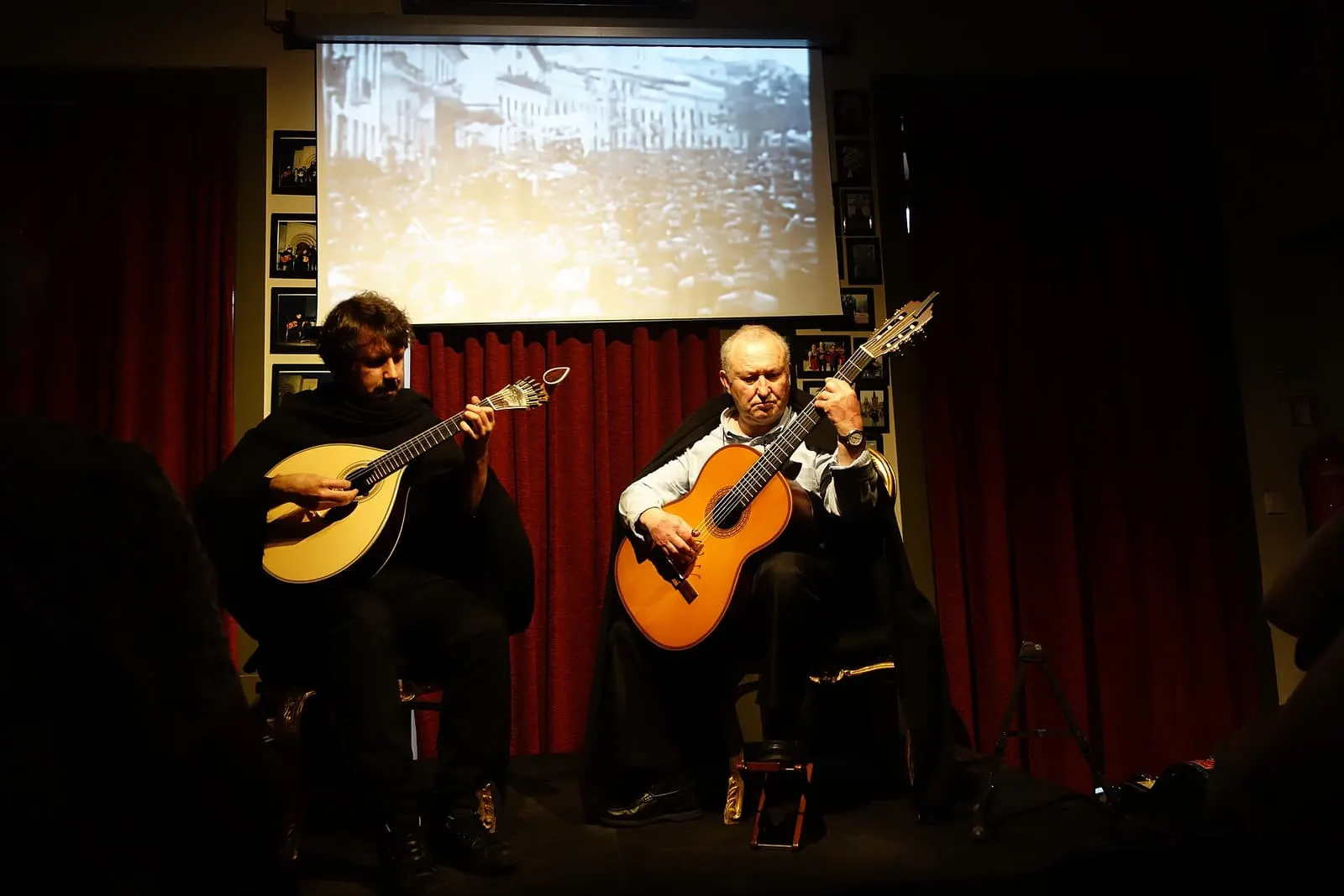 Fado de CoimbraThe Fado de Coimbra, an academic and masculine expression linked to the University and the serenade, sung in cape and gown through the streets of the city on…
  Fado ViolaThe fado viola, a six-string steel chordophone that provides harmony and rhythm alongside the Portuguese guitar, and its role in accompaniment.
 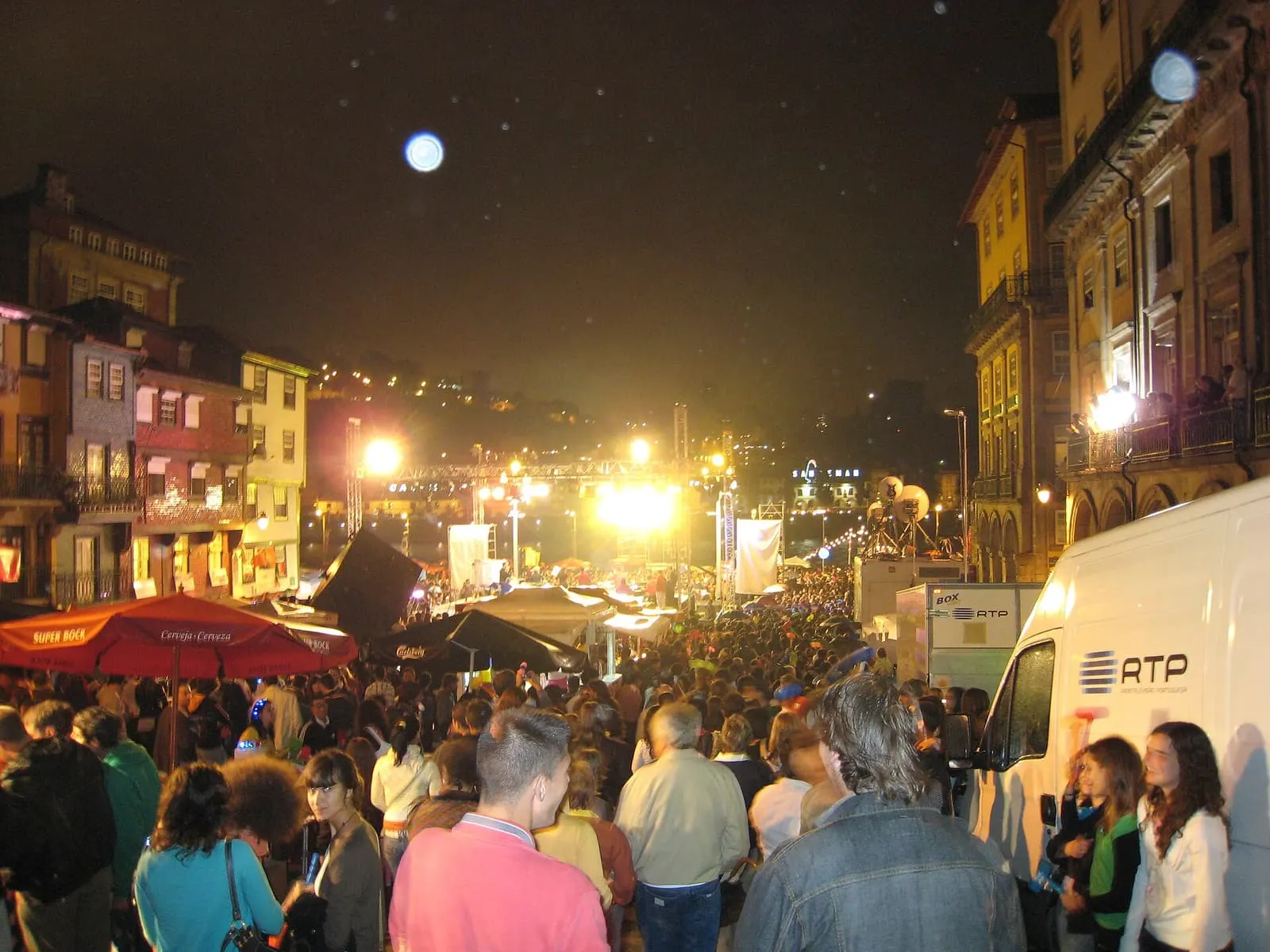 Festa de São João Celebrations in PortoThe Festa de São João in Porto, the greatest night of the Invicta, is celebrated from 23 to 24 June with toy hammers, sweet basil, cascatas, sardines and fireworks.
 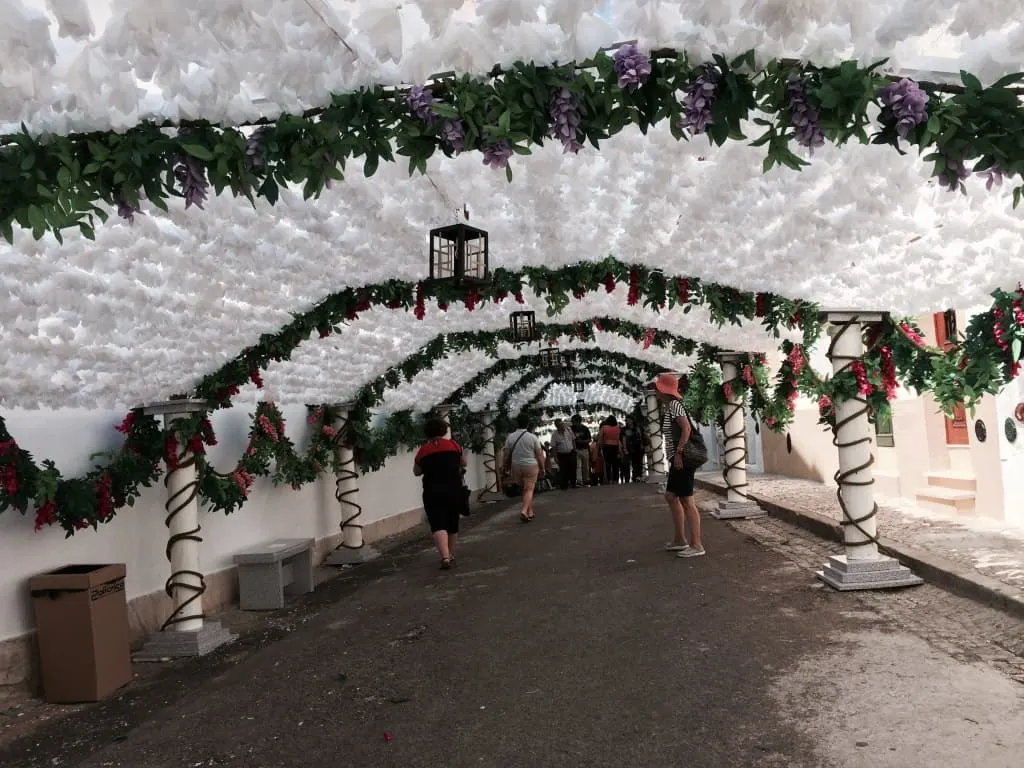 Festa do Povo of Campo Maior (Community Festivities)Festa do Povo of Campo Maior: streets adorned by the townspeople with millions of paper flowers, recognised by UNESCO in 2021 in the Alto Alentejo. Festa dos Rapazes and the Winter Masquerades of Trás-os-MontesThe Festa dos Rapazes and the winter masquerades of Trás-os-Montes: caretos, loas and solstice rites of passage in the north-eastern Trás-os-Montes region…
 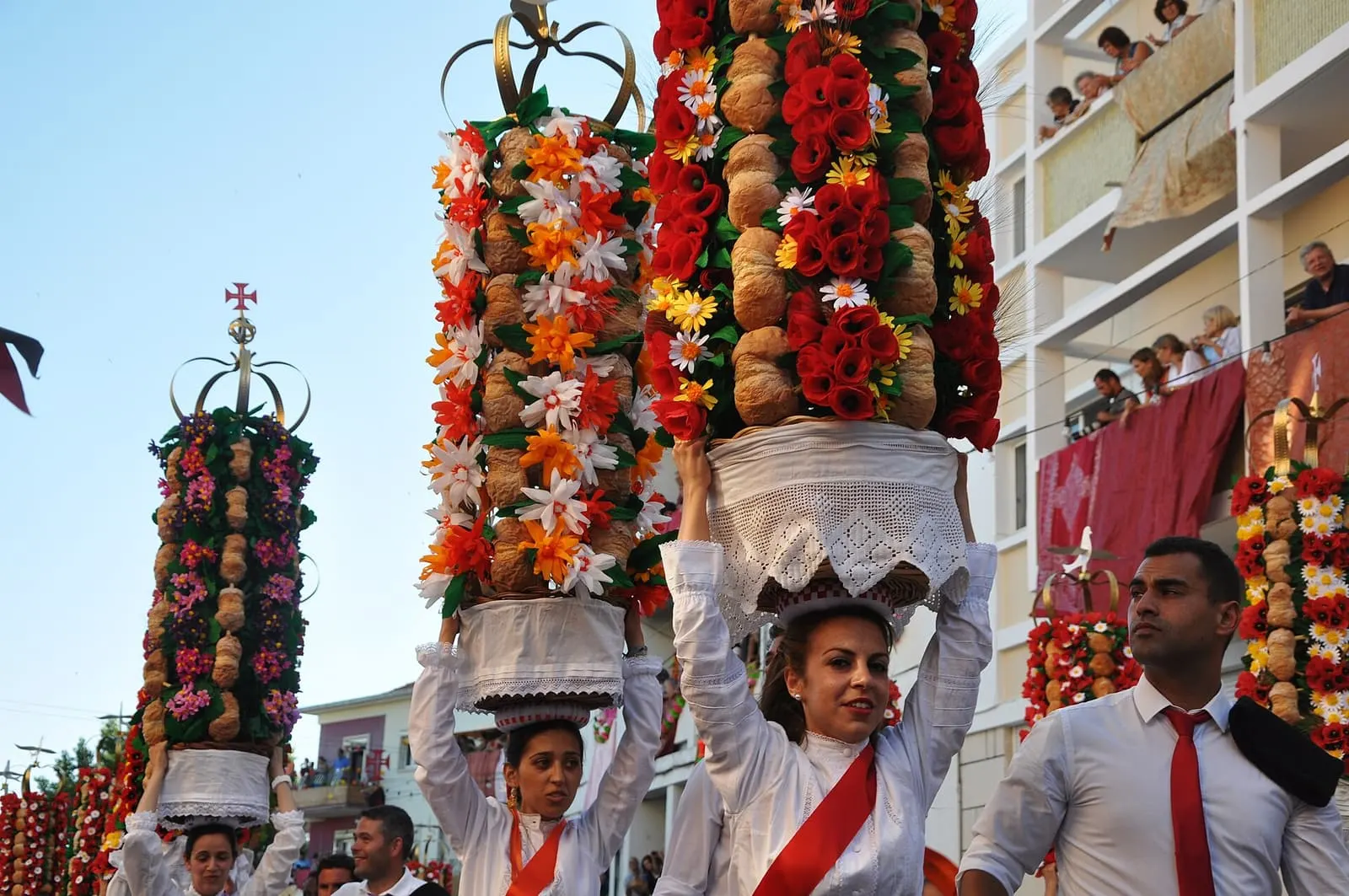 Festa dos Tabuleiros of TomarThe Festa dos Tabuleiros of Tomar, a quadrennial celebration of the cult of the Holy Spirit in which young women carry trays of bread and flowers on their heads.
 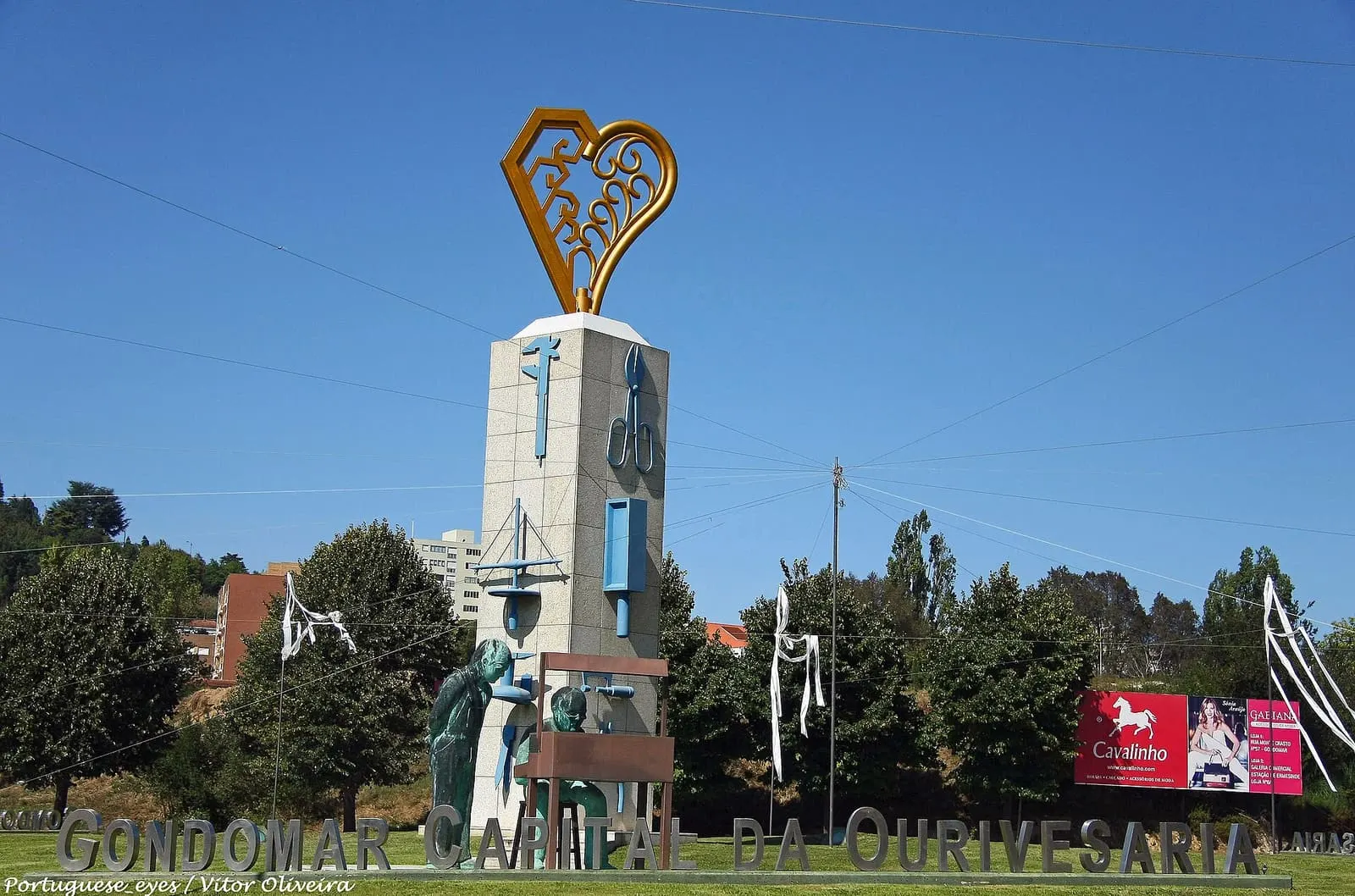 Gondomar FiligreeThe gold and silver wirework of Gondomar, in the district of Porto, inscribed in 2023 on the National Inventory of Intangible Cultural Heritage.
 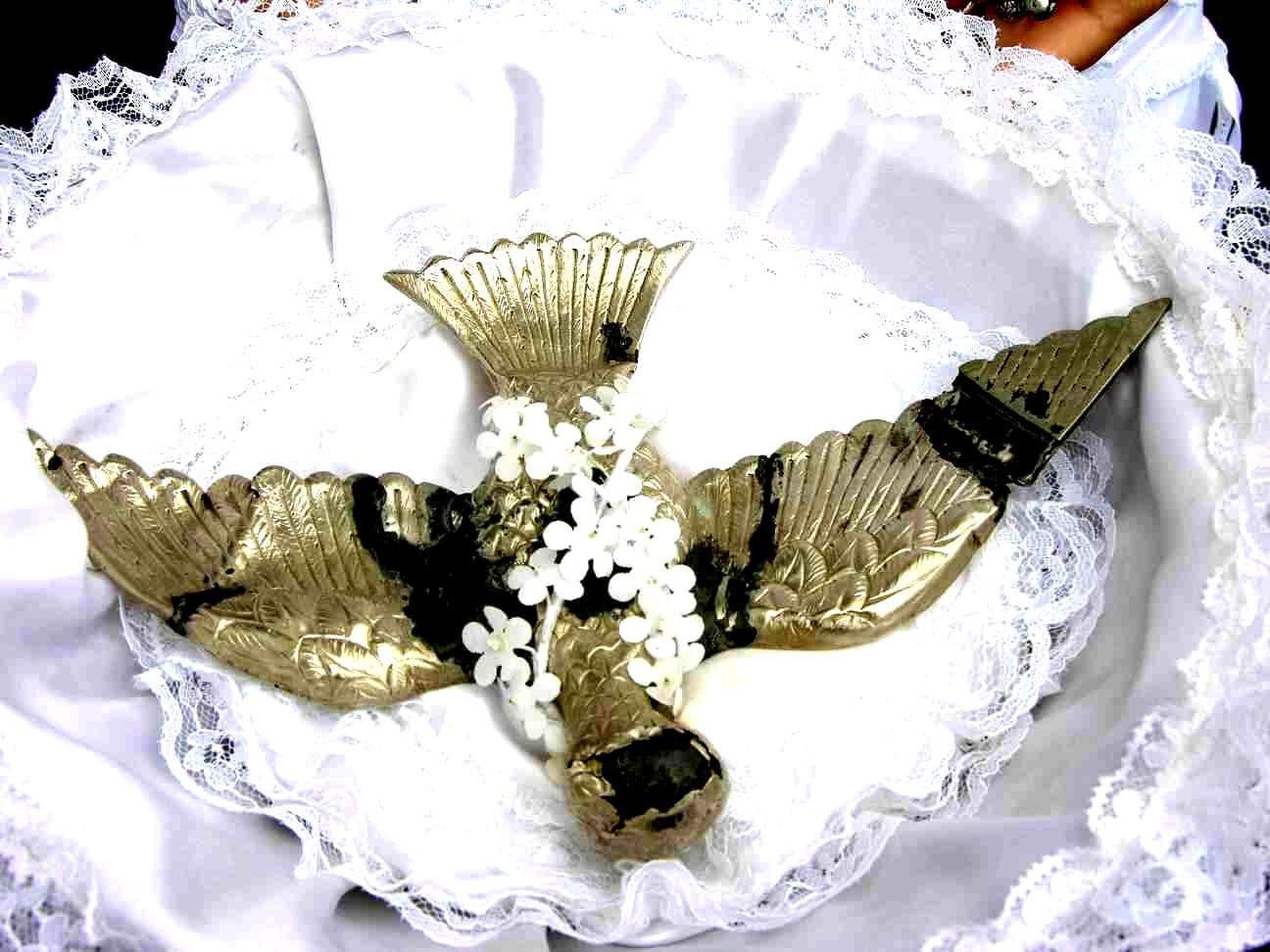 Holy Spirit Festivals of the AzoresThe Festivals of the Divine Holy Spirit of the Azores: empires, coronations and bodos that structure a communal cult across all nine islands of the archipelago.
 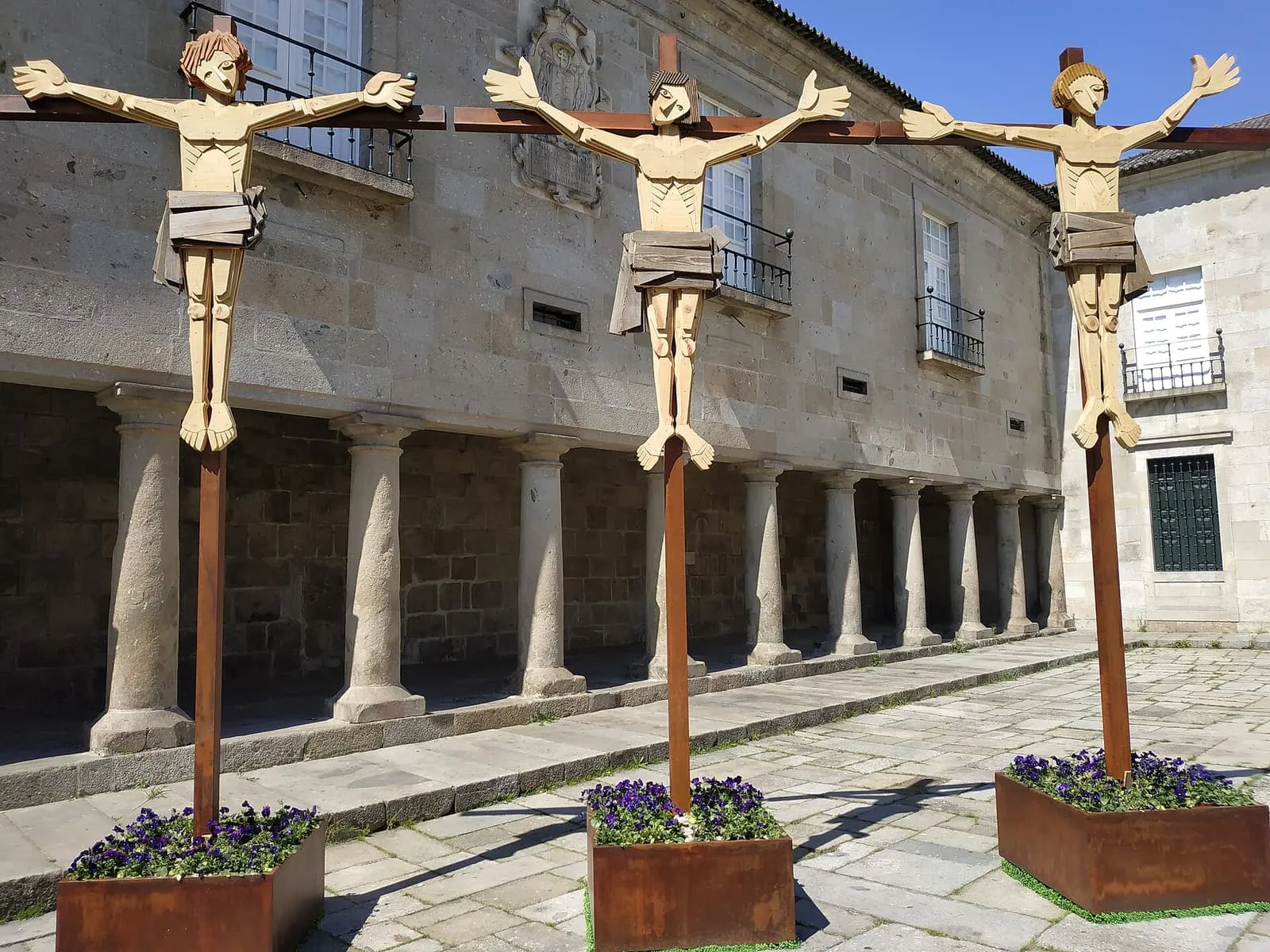 Holy Week in PortugalHoly Week in Portugal, from the Processions of the Steps and the Burial of the Lord to the Easter compassos, is one of the richest ritual cycles of intangible… Holy Week Processions in BragaThe Holy Week processions in Braga, among the largest and oldest in Portugal: the farricocos, the Burrinha Procession, and the Lord's Burial. Iberian Masks and MasqueradersIberian masks and masqueraders of the winter festivities: a ritual shared between the north-east of Trás-os-Montes and Zamora, led by the Carnival of Podence. Livestock Guardian Dogs and Traditional PastoralismPortuguese livestock guardian dogs and their role in protecting flocks: the native breeds, the defence against the Iberian wolf, and the knowledge of… Lovers' Handkerchiefs of the MinhoThe Lovers' Handkerchiefs of the Minho, embroidered with love verses in Vila Verde and its surroundings, an affectionate declaration and the first Portuguese…
  Madeira EmbroideryMadeira Embroidery, a fine textile art from Funchal certified since 1938, exported worldwide and protected by a lead guarantee seal.
  Madeira WineMadeira Wine, a fortified wine aged by heat produced on the island of Madeira, with centuries of tradition and the unique processes of estufagem and canteiro. Manual Bell RingingThe manual ringing of bells and the sound code of Portuguese bell towers: the bell ringer's craft, its functions in the community, and the threat of mechanization.
 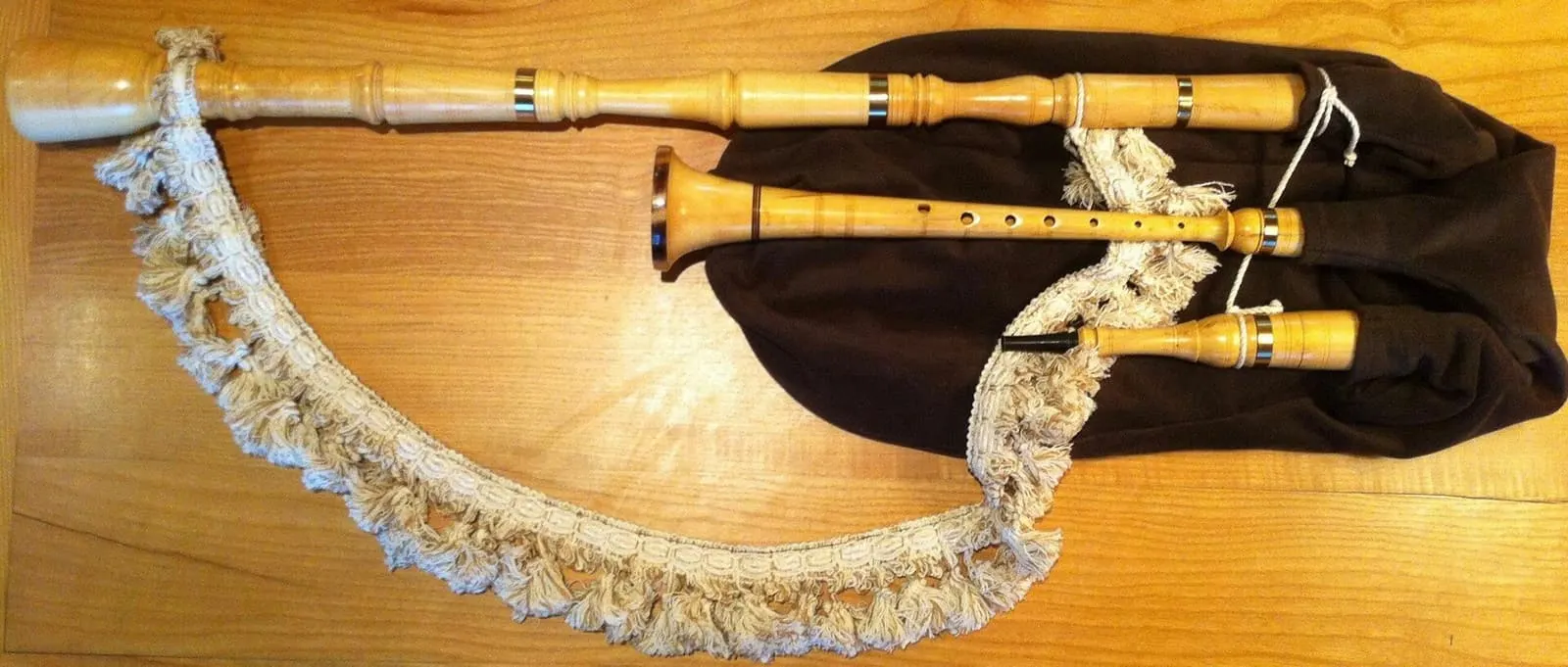 Mirandese BagpipeThe Mirandese bagpipe, a handcrafted aerophone from the Mirandese Plateau that accompanies the lhaços of the pauliteiros and the ritual dances of Trás-os-Montes.
 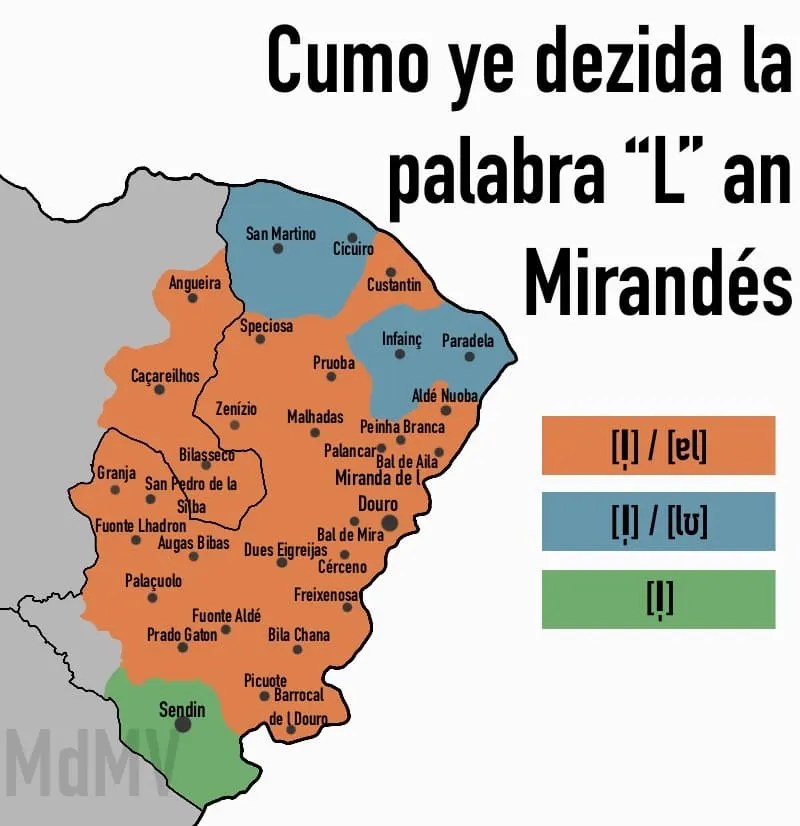 Mirandese LanguageMirandese, Portugal's second official language, of Asturleonese root, spoken in the Terra de Miranda in the north-eastern Trás-os-Montes.
 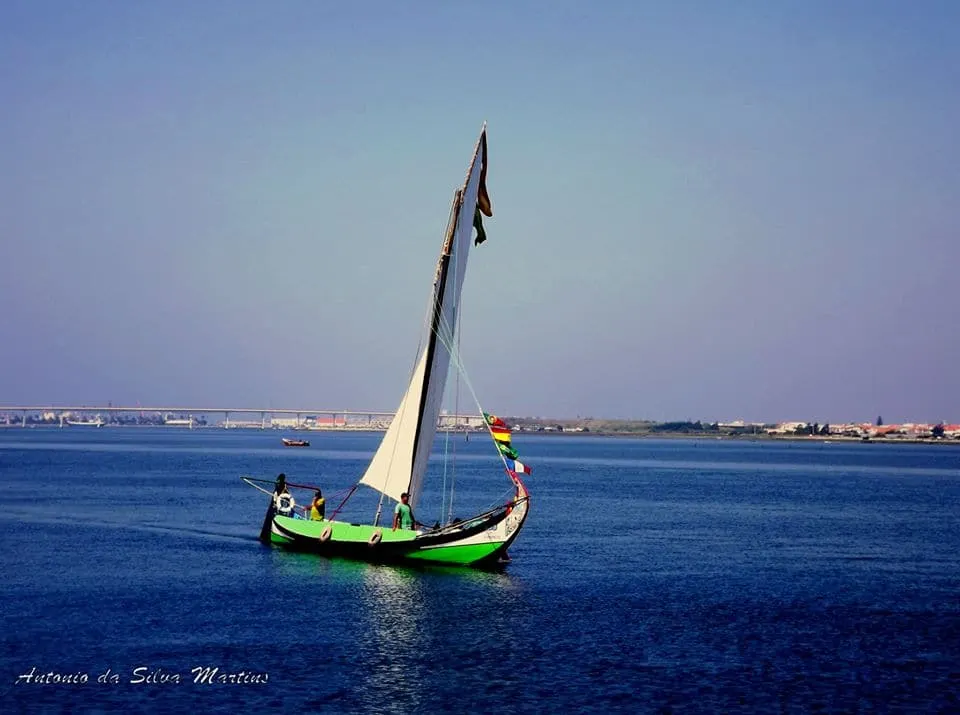 Moliceiro BoatThe moliceiro boat of the Ria de Aveiro: a traditional flat-bottomed vessel with painted panels and naval carpentry inscribed by UNESCO in 2025. Nisa PotteryThe pebble-encrusted pottery of Nisa in Alto Alentejo is distinguished by its quartz pebbles embedded in clay, a ceramic tradition from the Portalegre district. Olive Oil and Traditional Olive GrowingOlive oil and traditional olive growing in Portugal: the know-how of rain-fed olive groves, regional varieties and the old oil mills from Trás-os-Montes to the…
  Oral Traditions and Popular LiteratureTales, legends, proverbs, riddles, and ballads from Portuguese oral tradition: verbal forms transmitted from generation to generation in intangible heritage.
 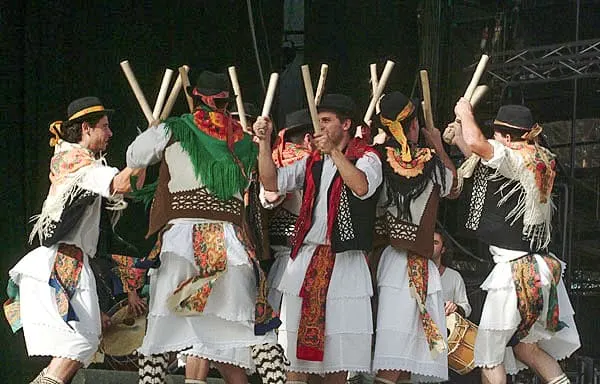 Pauliteiros de MirandaThe Pauliteiros de Miranda, the ritual stick dance from Terra de Miranda in Miranda do Douro, performed by men to the sound of bagpipes, snare drum, and bass drum. Peniche Bobbin LacePeniche bobbin lace, a centuries-old textile craft from the Leiria coast, is the handmade emblem of the town and a benchmark of Portuguese lace.
 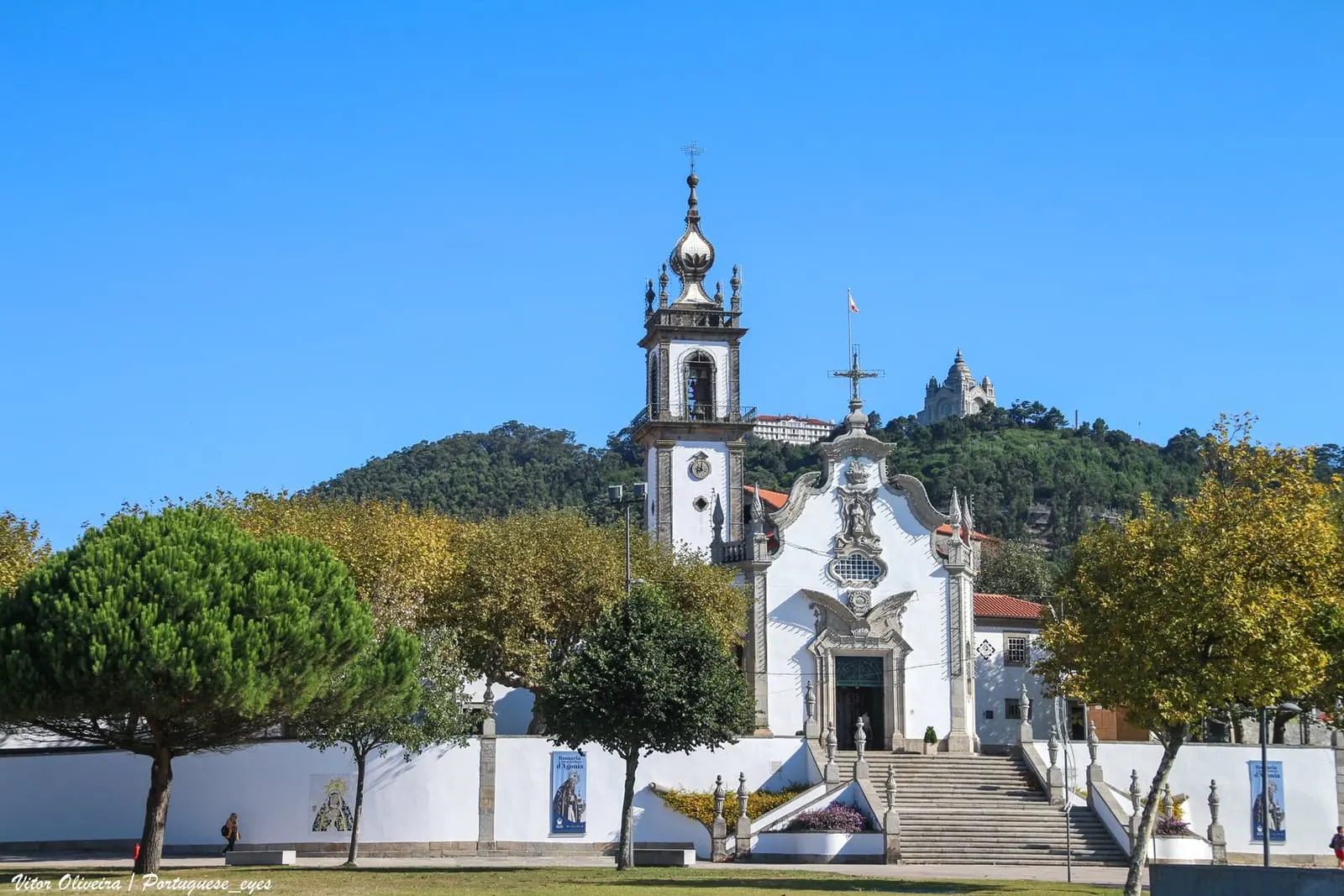 Pilgrimage of Our Lady of AgonyThe Pilgrimage of Our Lady of Agony in Viana do Castelo is the largest festival in Minho: traditional costumes, gold filigree, flower carpets, and a sea…
 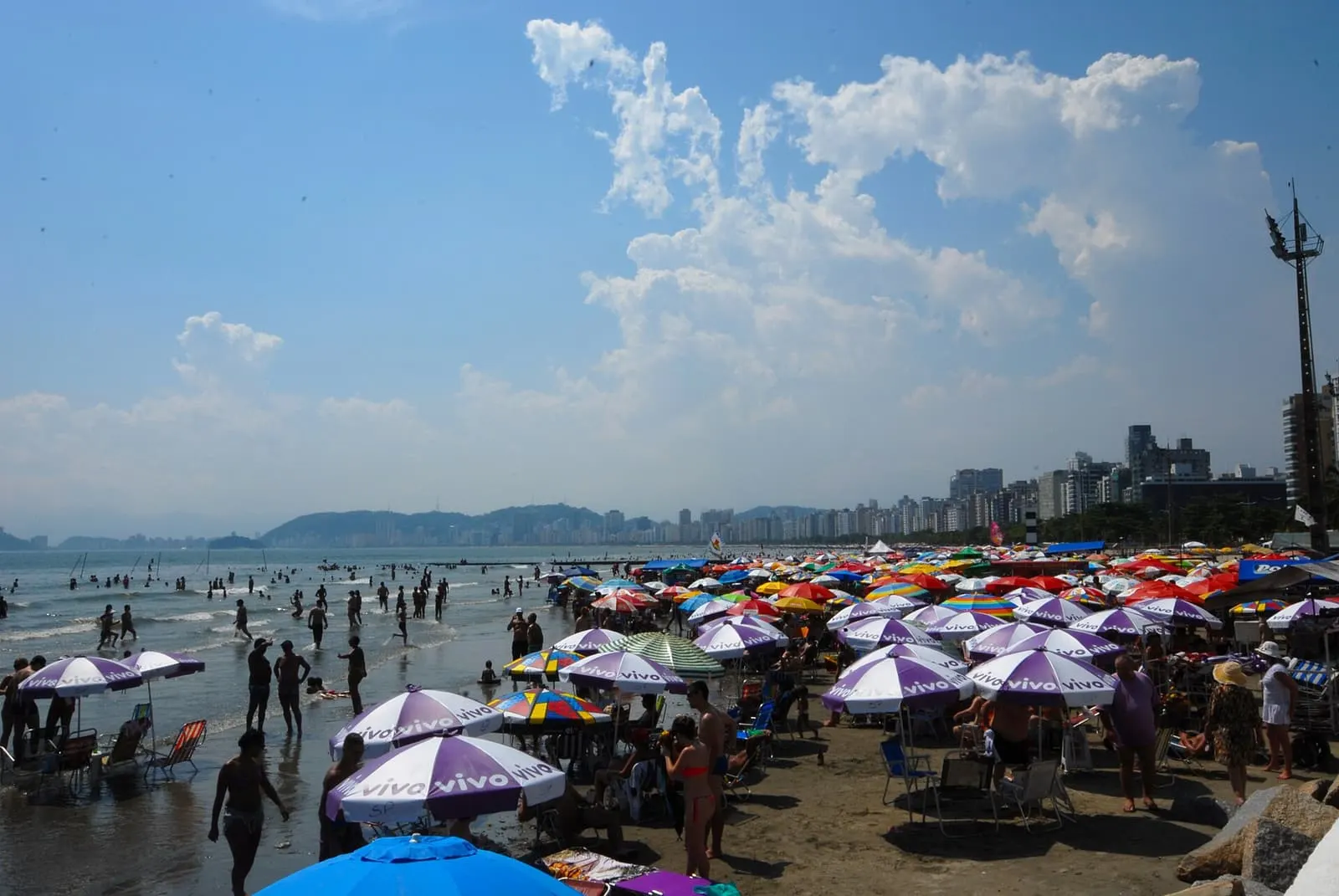 Popular SaintsPopular Saints: the June festivals in Portugal honoring Saint Anthony, Saint John, and Saint Peter, featuring street parties, parades, bonfires, basil plants…
 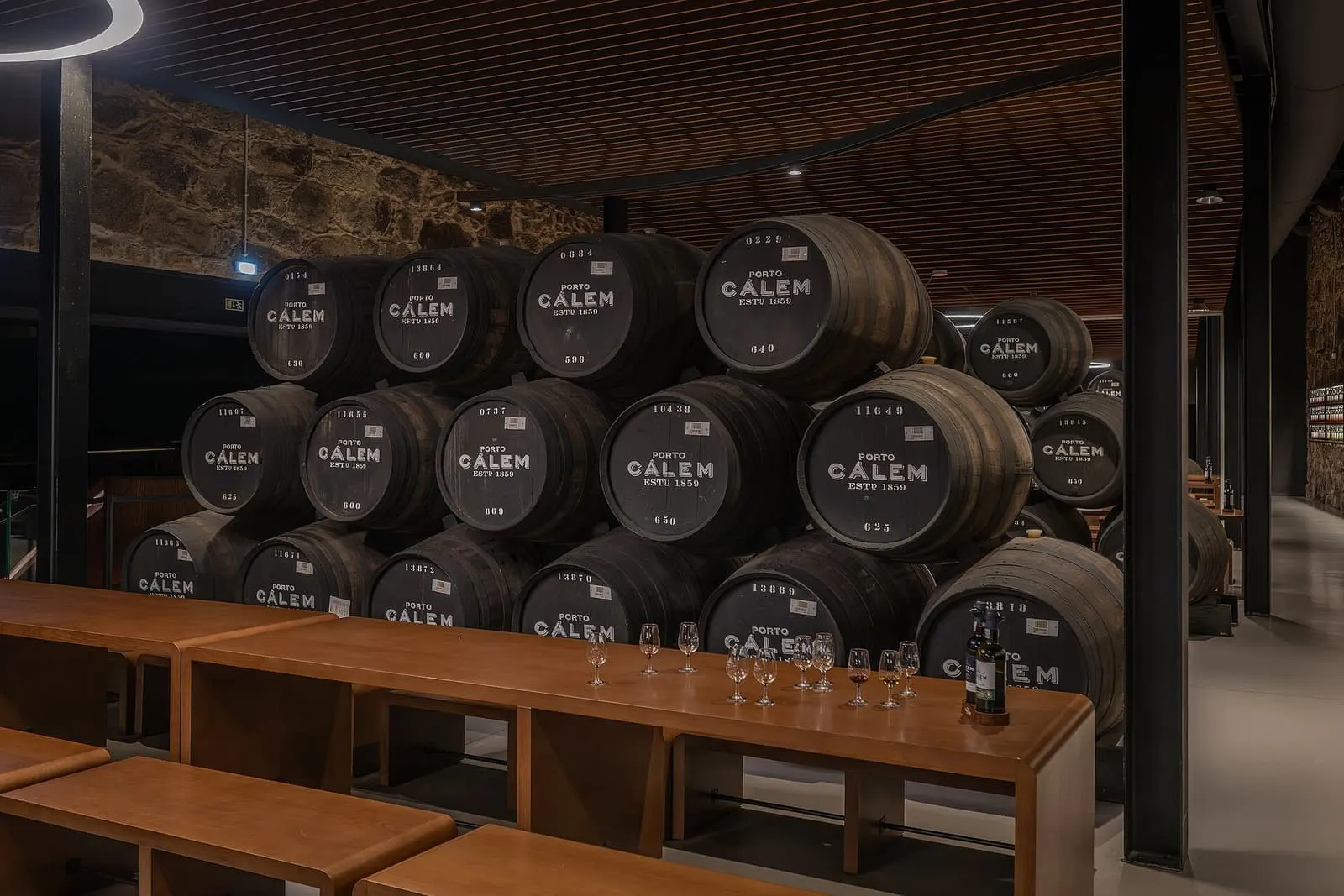 Port WinePort Wine, the fortified wine from the Douro: history, production methods, types, and the know-how of the world's first demarcated wine region.
 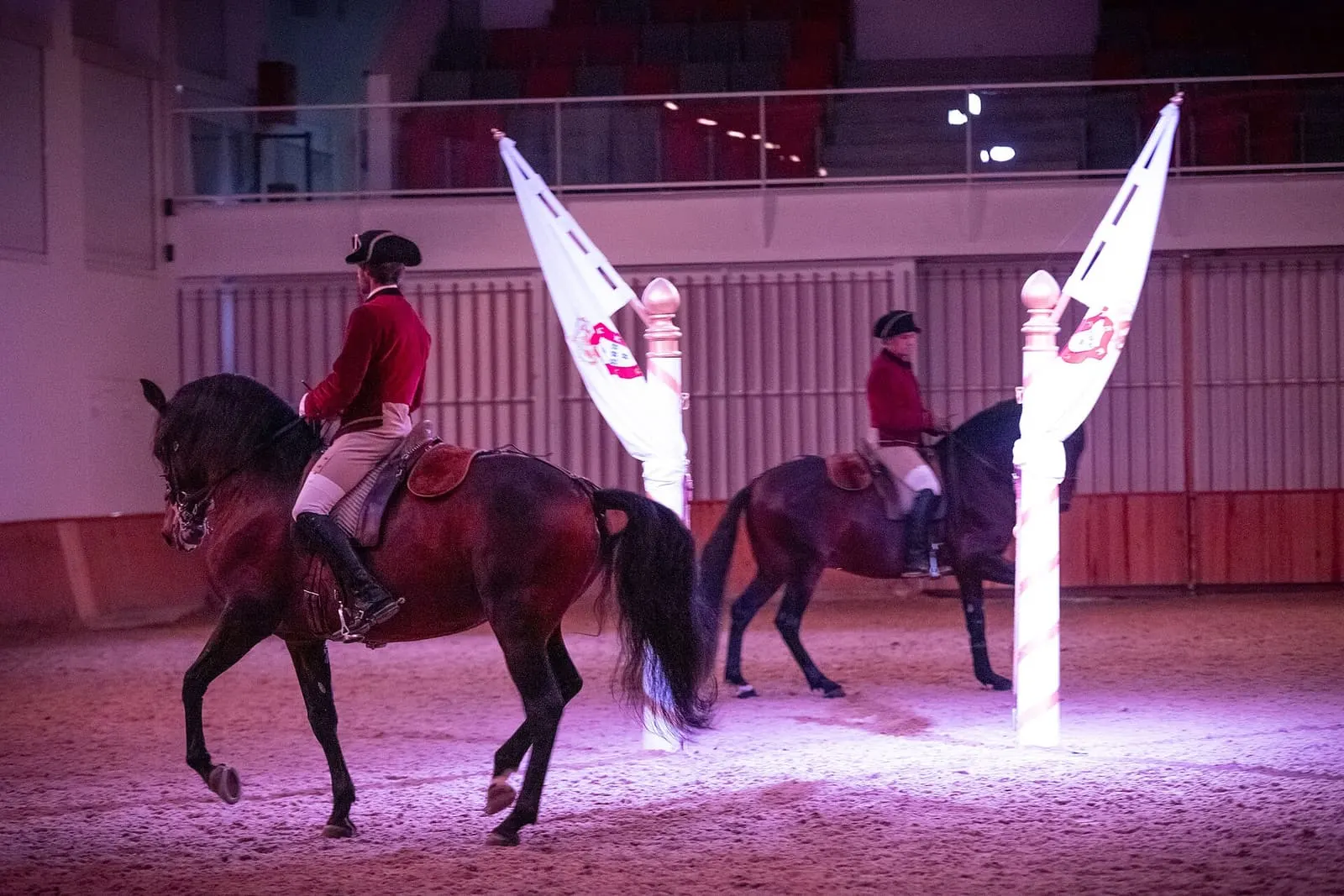 Portuguese Equestrian ArtPortuguese Equestrian Art, the classical riding of the Lusitano horse and heir to the Royal Picaria, was inscribed by UNESCO as Intangible Cultural Heritage of…
  Portuguese GuitarThe Portuguese guitar, a pear-shaped twelve-string chordophone that gives voice to the fado of Lisbon and Coimbra, and the art of building it.
 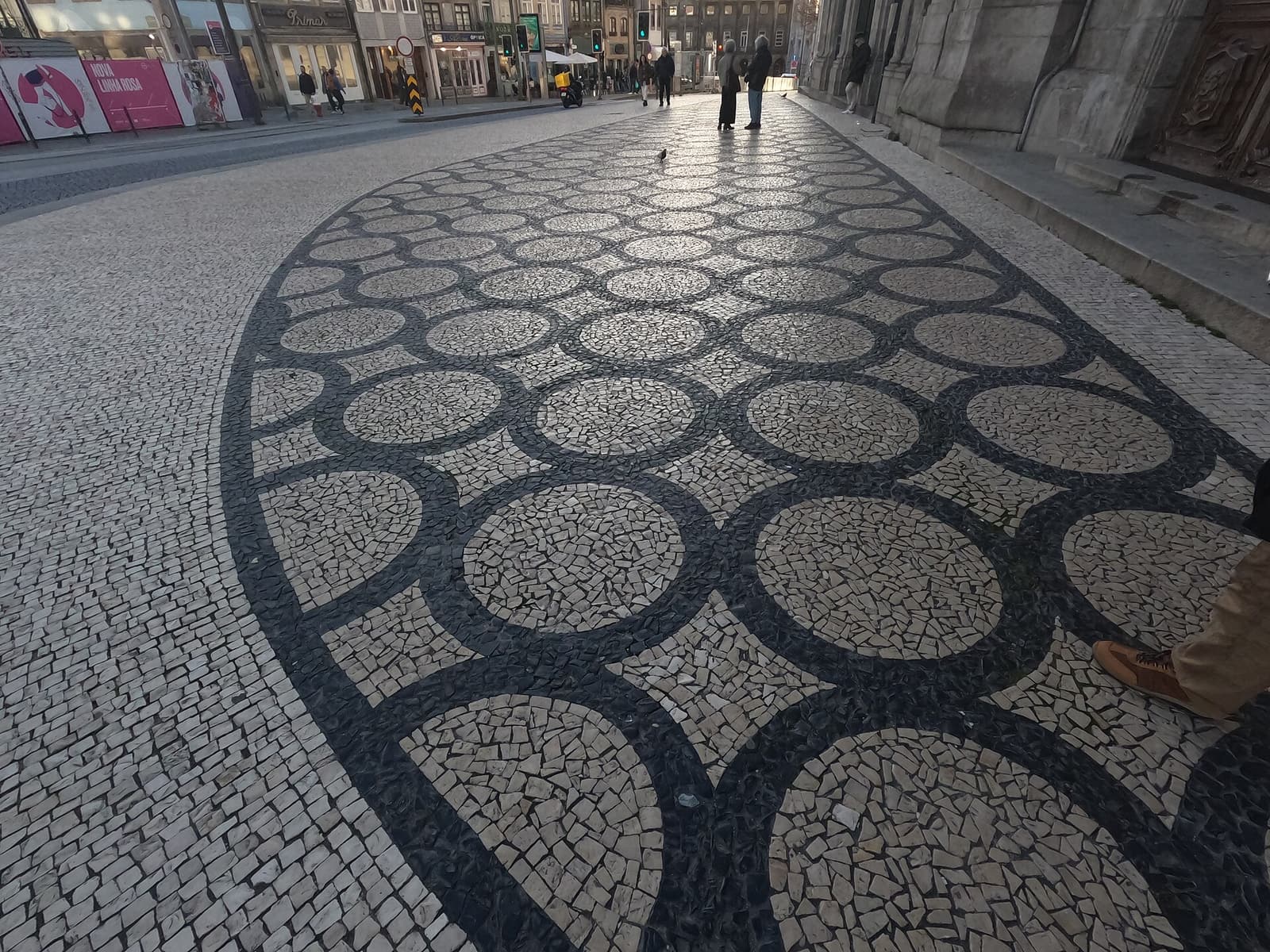 Portuguese Pavement (Calçada Portuguesa)Portuguese pavement and the craft of the cobbler (calceteiro): the art of paving in limestone and basalt, a symbol of the streets and squares of Lisbon and of… Pottery and Figurative Ceramics of BarcelosThe pottery and figurative ceramics of Barcelos, in the Braga district: the clay, the figurine makers, and the famous rooster that became a symbol of…
 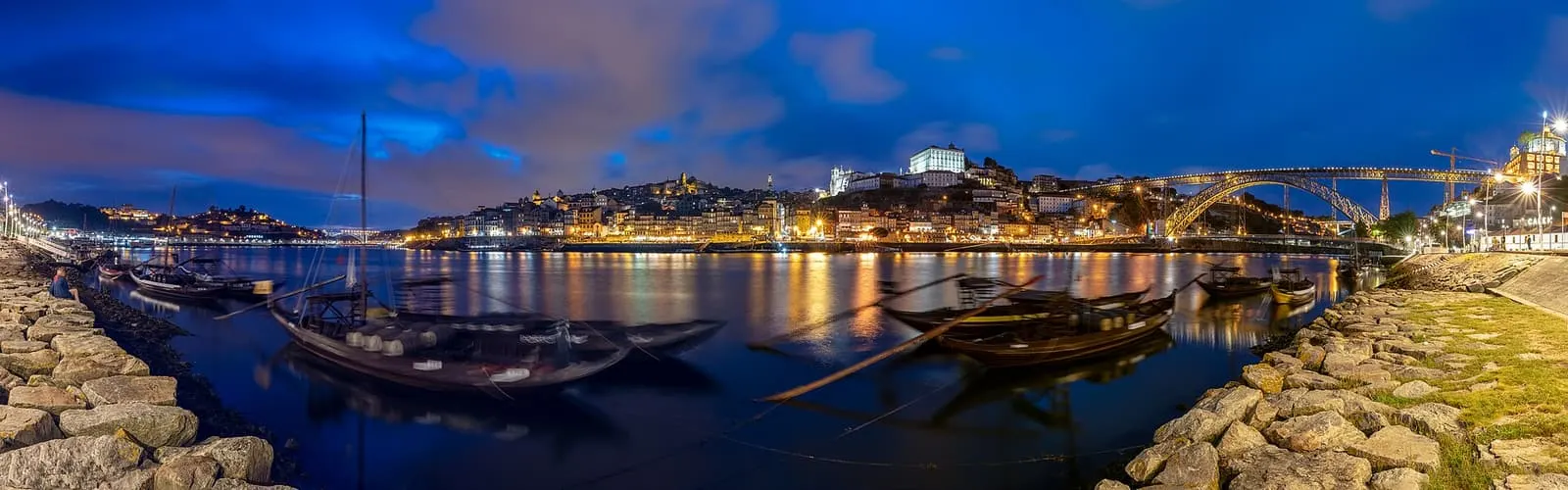 Rabelo BoatThe rabelo boat, the traditional vessel of the Douro River that carried casks of Port wine from the Alto Douro down to Vila Nova de Gaia. Redondo PotteryRedondo Pottery: Alentejo's traditional craft of figurative and utilitarian ceramics in Évora district, with decorative techniques listed in the National…
 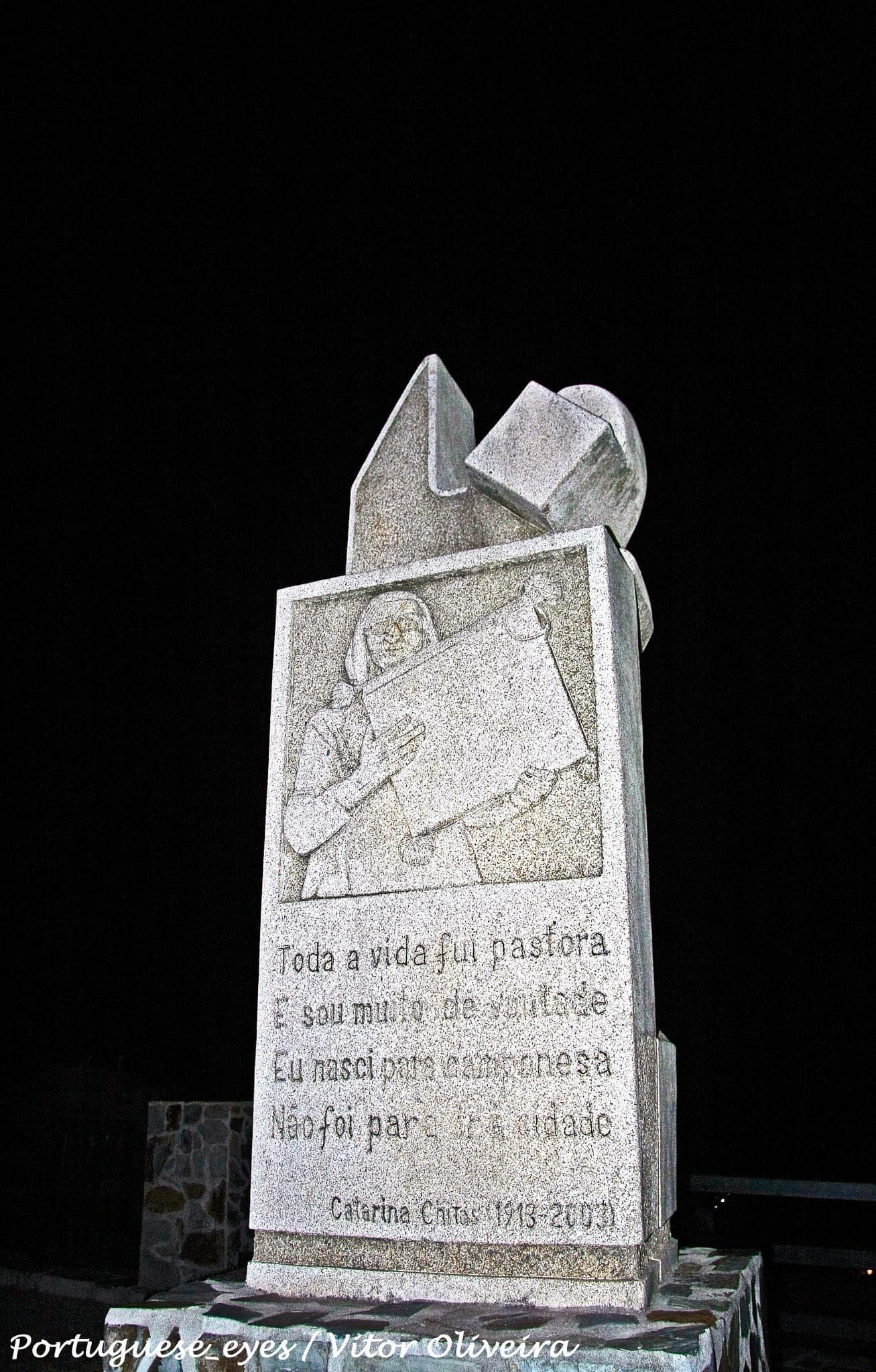 The Adufe and the Music of the Beira BaixaThe adufe, a square frame drum played by the adufeiras of the Beira Baixa, and the ritual songs of Idanha-a-Nova and Monsanto, in the district of Castelo Branco. The Bull Festival of BarrancosThe Bull Festival of Barrancos, in the far south-east of the Alentejo, preserves the only legal bullfight ending in the bull's death in Portugal, tied to the… The Concertina and Portuguese Folk MusicThe concertina, a two-row diatonic accordion, and its role in the dances, desgarradas and folk ensembles of the Minho and northern Portugal.
 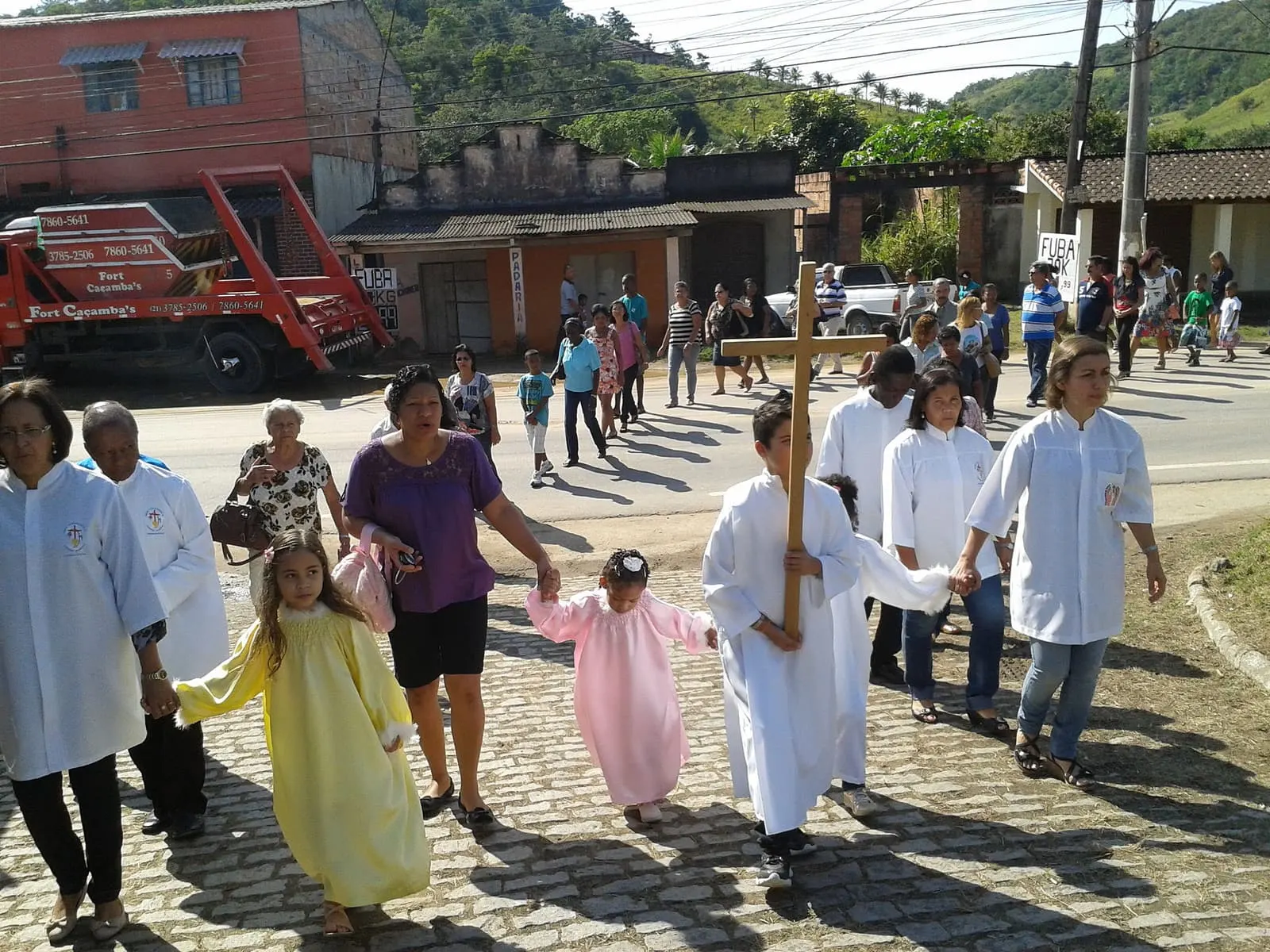 The Feasts of Saint Anthony of LisbonThe Feasts of Saint Anthony of Lisbon: popular marches, street parties, grilled sardines and weddings, held in June in honour of the city's patron and…
 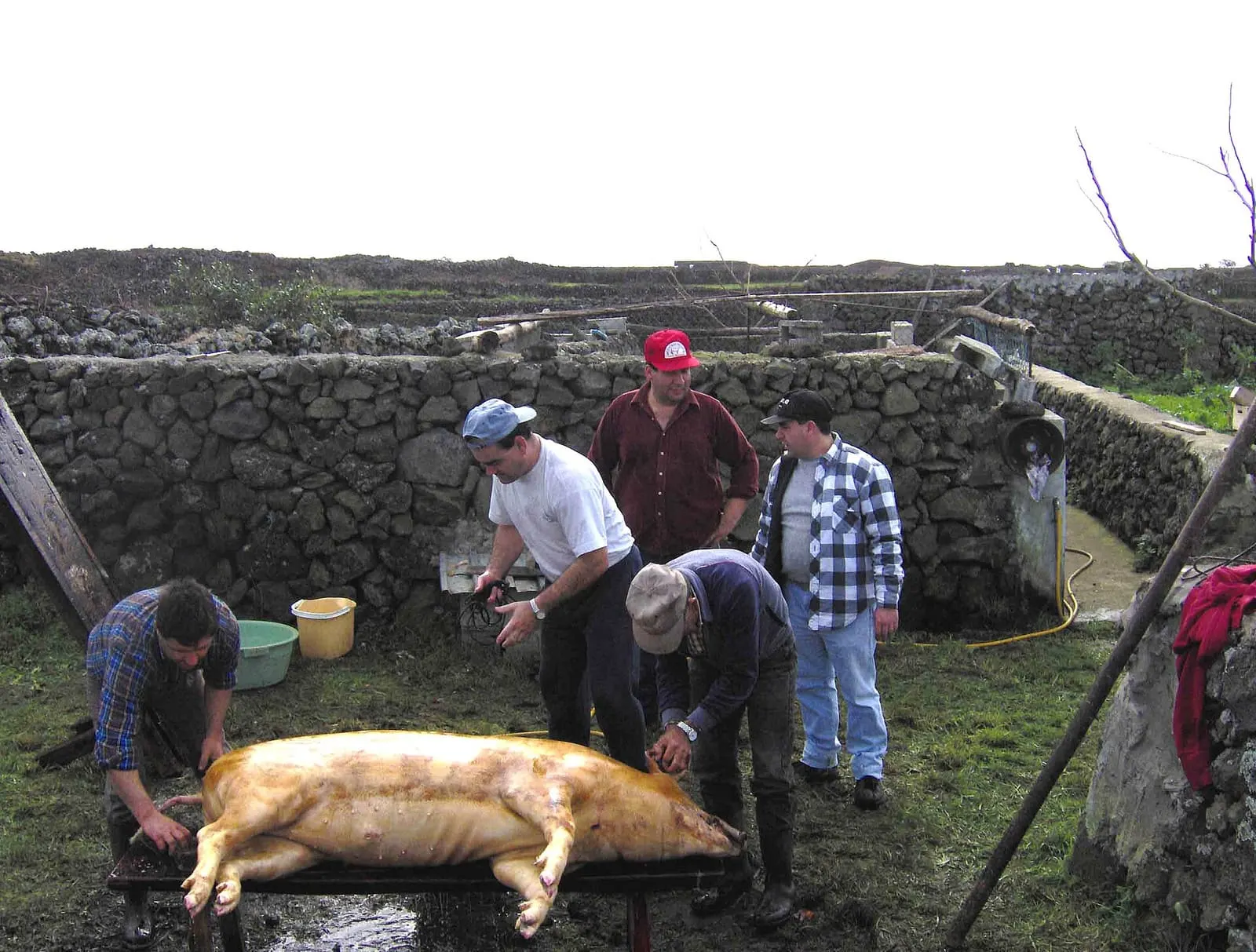 The Pig Slaughter (Matança do Porco)The pig slaughter, a communal ritual of the Portuguese rural winter: practices, cured sausages, sarrabulho and its place in the intangible cultural heritage.
 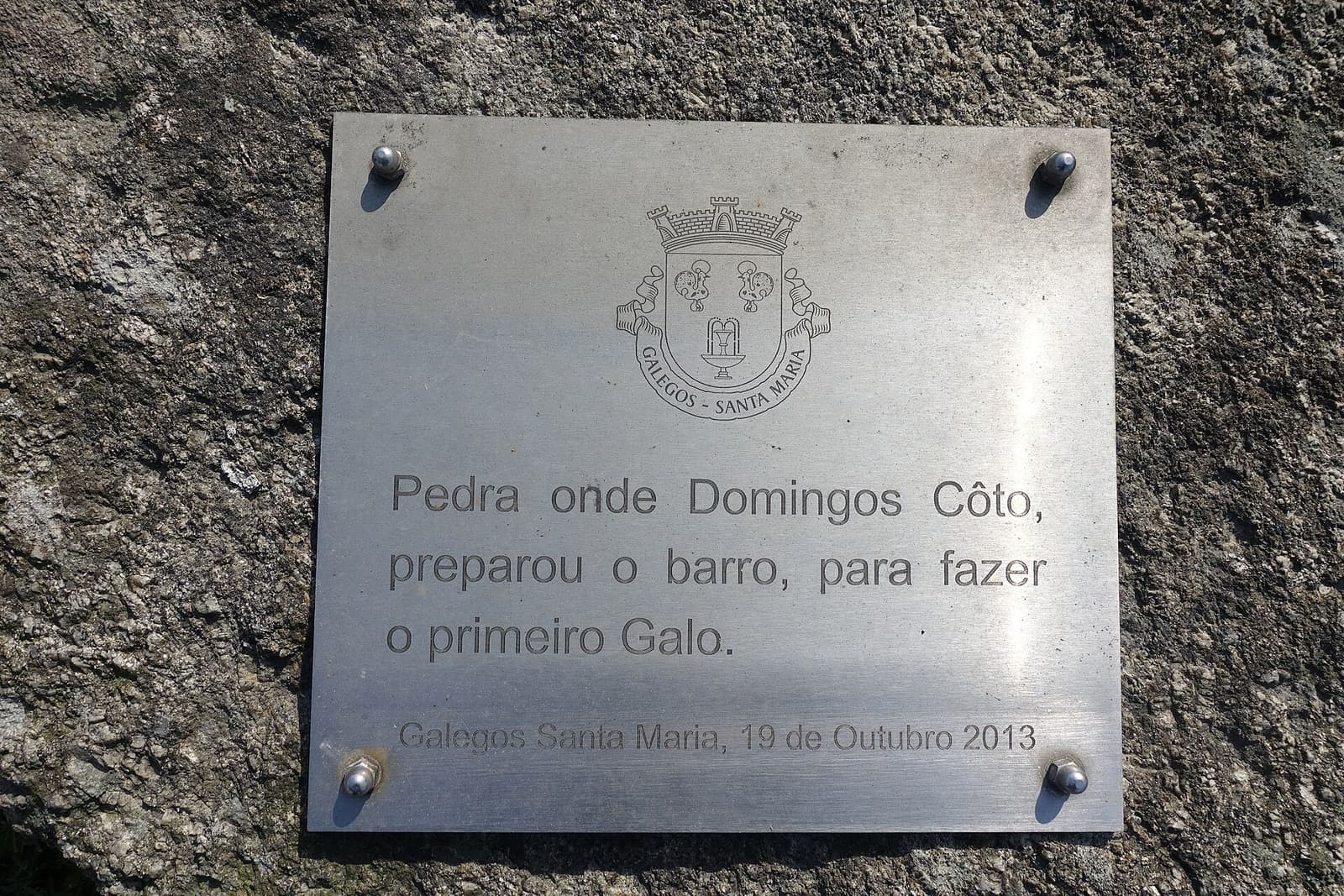 The Rooster of BarcelosThe Rooster of Barcelos, a clay figure born of a medieval legend, is today one of the most recognised symbols of Portugal and of the craftsmanship of the Minho…
 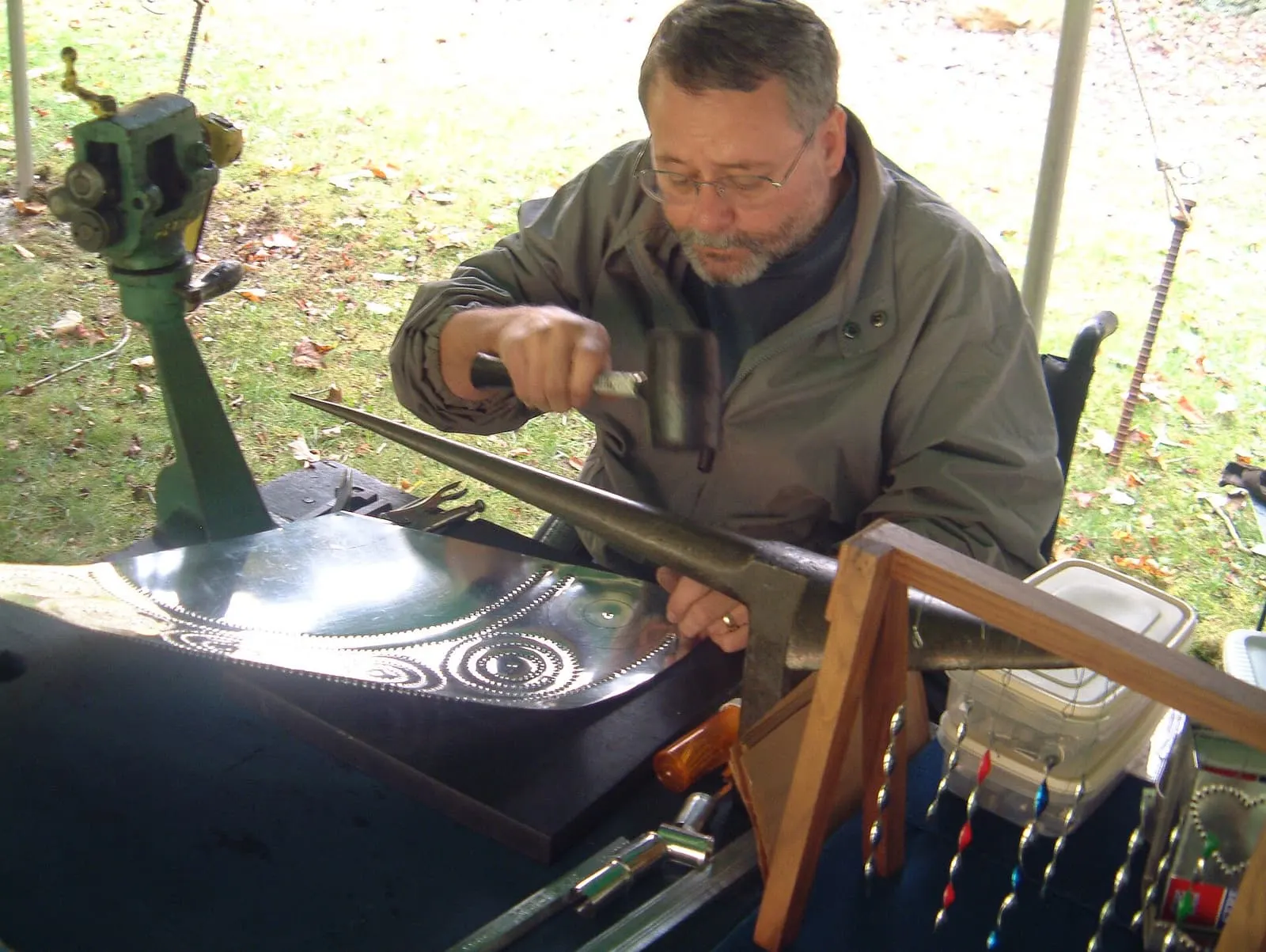 TinsmithingTinsmithing: the traditional craft of the tinsmith in Portugal, who turns tinplate and brass into domestic, agricultural and decorative utensils.
 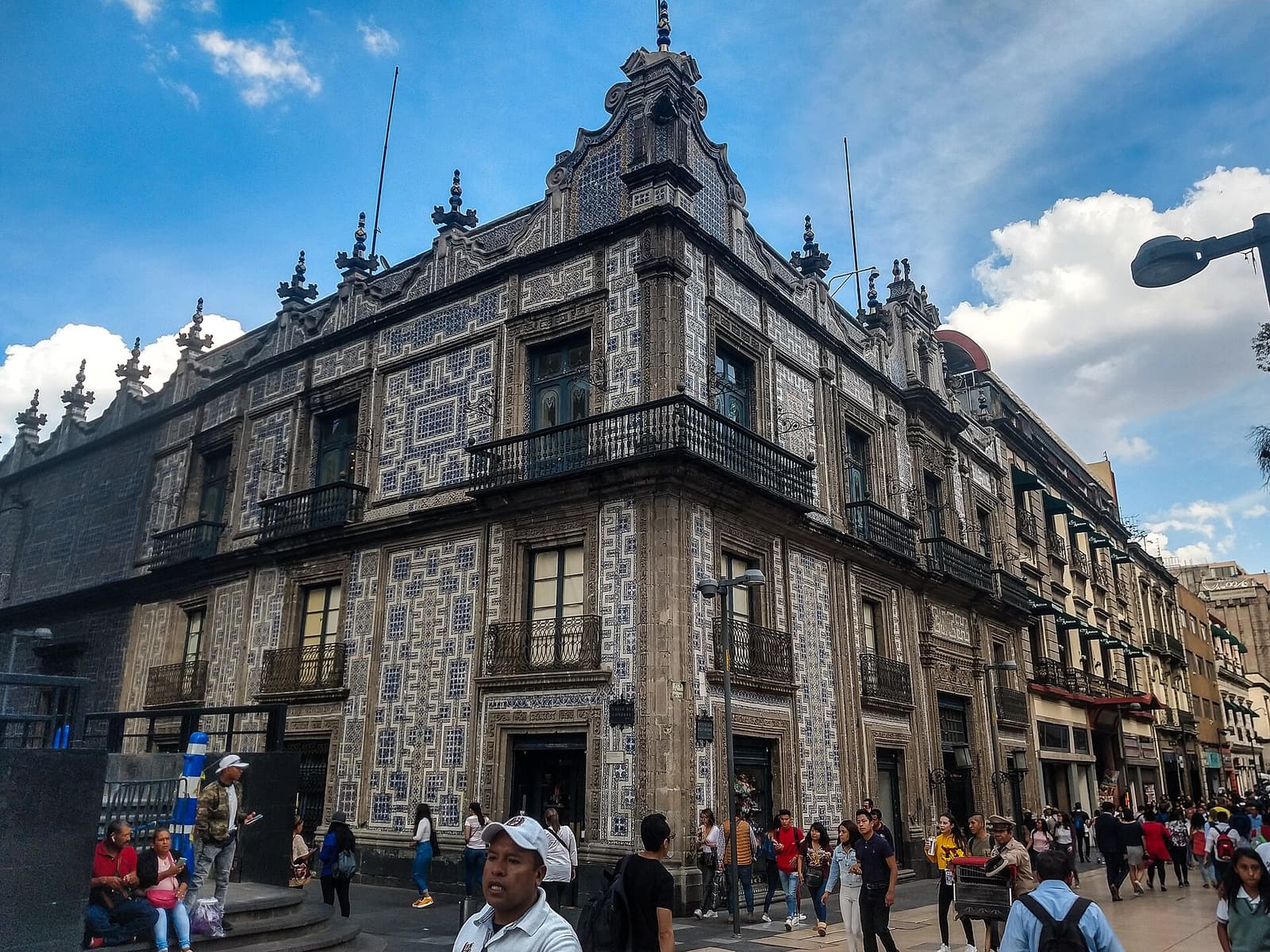 Traditional Portuguese AzulejoThe art and know-how of the traditional Portuguese azulejo, from the making of tin-glazed earthenware to its laying on walls, a hallmark of national identity. Traditional Portuguese BalladryThe Traditional Portuguese Balladry, a collection of orally transmitted sung ballads of medieval origin, survives primarily in Trás-os-Montes. Traditional Portuguese BasketryTraditional Portuguese basketry: the know-how of weaving wicker, rush, willow and straw from Gonçalo to Camacha, an intangible craft from north to south. Traditional Portuguese BoatsPortugal's traditional river and sea boats — moliceiro, rabelo, fragata, varino and xávega — and the know-how of naval carpentry in Portugal.
 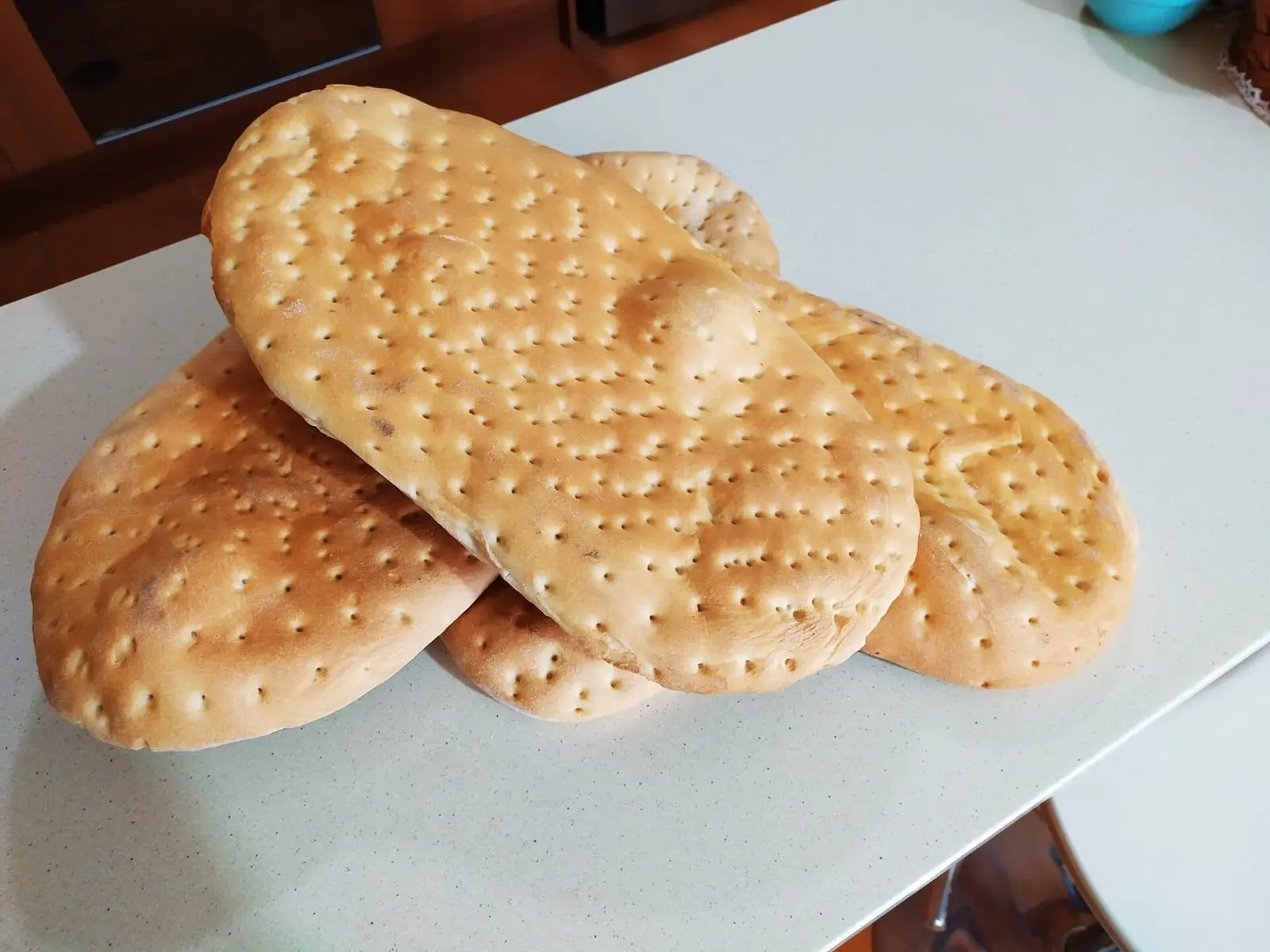 Traditional Portuguese BreadTraditional Portuguese bread: the know-how behind cornbread broas, rye bread from the mountains, and communal ovens that define rural baking traditions across… Traditional Portuguese CheesesTraditional Portuguese cheeses: the know-how of DOP sheep, goat, and cow cheeses, from Serra da Estrela to Azeitão, Serpa, and São Jorge. Traditional Portuguese EmbroideryTraditional Portuguese embroidery, from the bedspreads of Castelo Branco to the lovers' handkerchiefs of the Minho and Madeira embroidery: techniques, regions… Traditional Portuguese PotteryTraditional Portuguese pottery: the craft of clay in the pottery centers of Barcelos, Bisalhães, Nisa, and Redondo, from the North to Alentejo. Traditional Shipbuilding Know-HowThe traditional shipbuilding know-how in Portugal: the craft of master carpenters and caulkers who build wooden vessels. Traditional Weaving and BlanketsThe hand-weaving of woollen blankets and coverlets in Portugal, from the mantas of Reguengos to the cobertor de papa and the churra wool of Castro Laboreiro.
 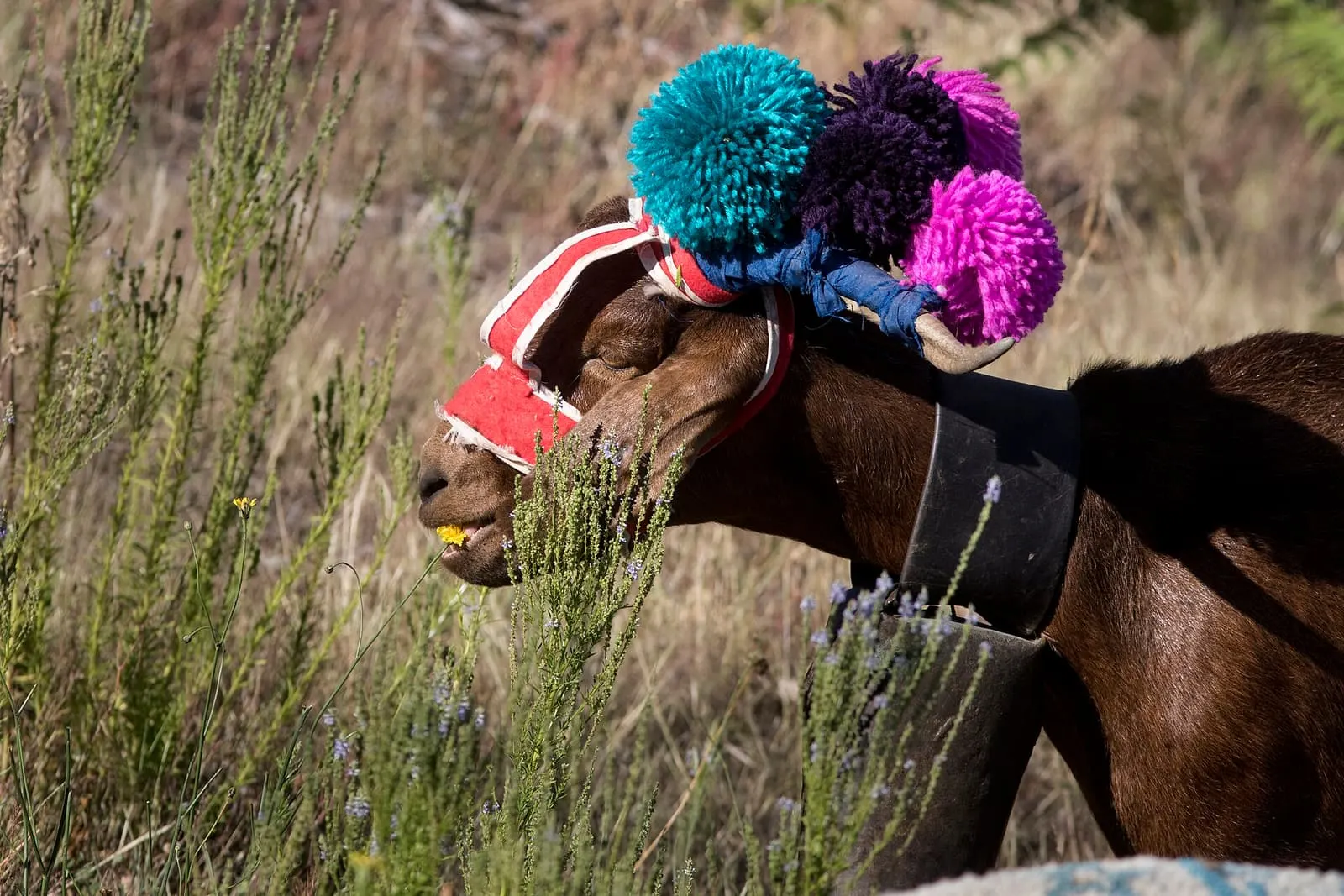 Transhumance and PastoralismTranshumance and pastoralism in Portugal: seasonal movements of herds and the pastoral way of life in the mountains, from Serra da Estrela to Barroso in…
 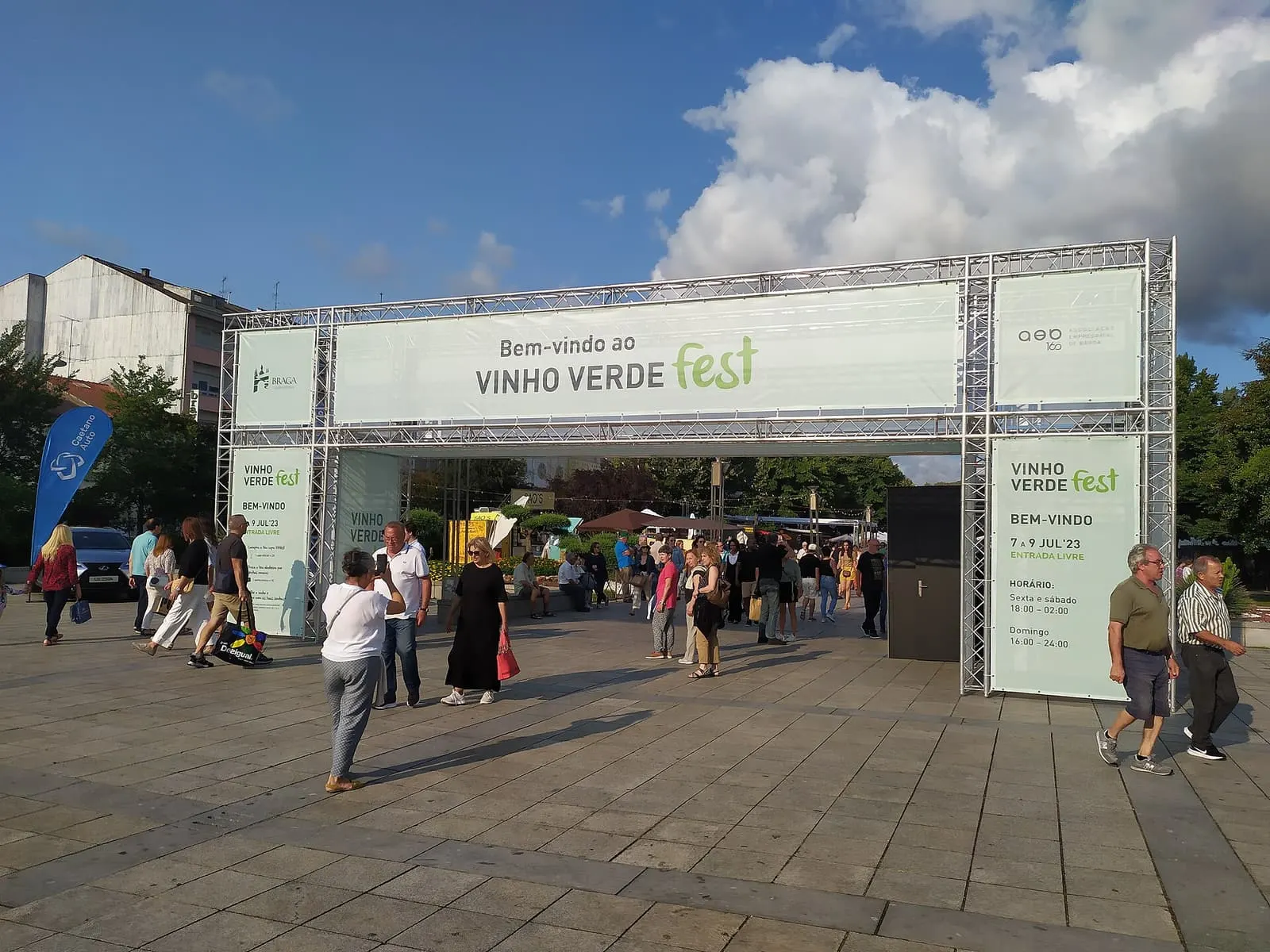 Vinho VerdeVinho Verde, the young and fresh wine from Minho and northwest Portugal, linked to pergola vineyards and the country's oldest demarcated wine region. Viola Campaniça, the Chordophone of Baixo AlentejoThe viola campaniça, the great traditional chordophone of Baixo Alentejo, and its world of melodies, call-and-response singing, and fair and pilgrimage dances. Wickerwork and Basket Weaving in CamachaThe wicker basketry of Camacha in Santa Cruz, Madeira, the main center of Portuguese wickerwork, a traditional craft from the island's mountainous interior.
 Frequently asked questions
- How many Portuguese elements are inscribed by UNESCO as intangible heritage?
- Portugal has twelve elements on UNESCO's lists: eight on the Representative List, three on the Urgent Safeguarding List, and one safeguarding best practice recognized under Article 18 of the Convention.
- What distinguishes intangible heritage from built heritage?
- Intangible heritage consists of living practices, expressions and knowledge — music, festivals, crafts, gastronomy. It is preserved by being transmitted between generations, not by restoration like a monument.
- What is the National Inventory of Intangible Cultural Heritage?
- It is the instrument created by Decree-Law No. 139/2009 and managed by DGPC through the MatrizPCI platform, where recognized intangible manifestations in Portugal are registered.