Resources
Heritage Classification System in Portugal
Understand Portugal’s heritage categories and classification levels, current authorities, inventories and the boundaries of legal protection.
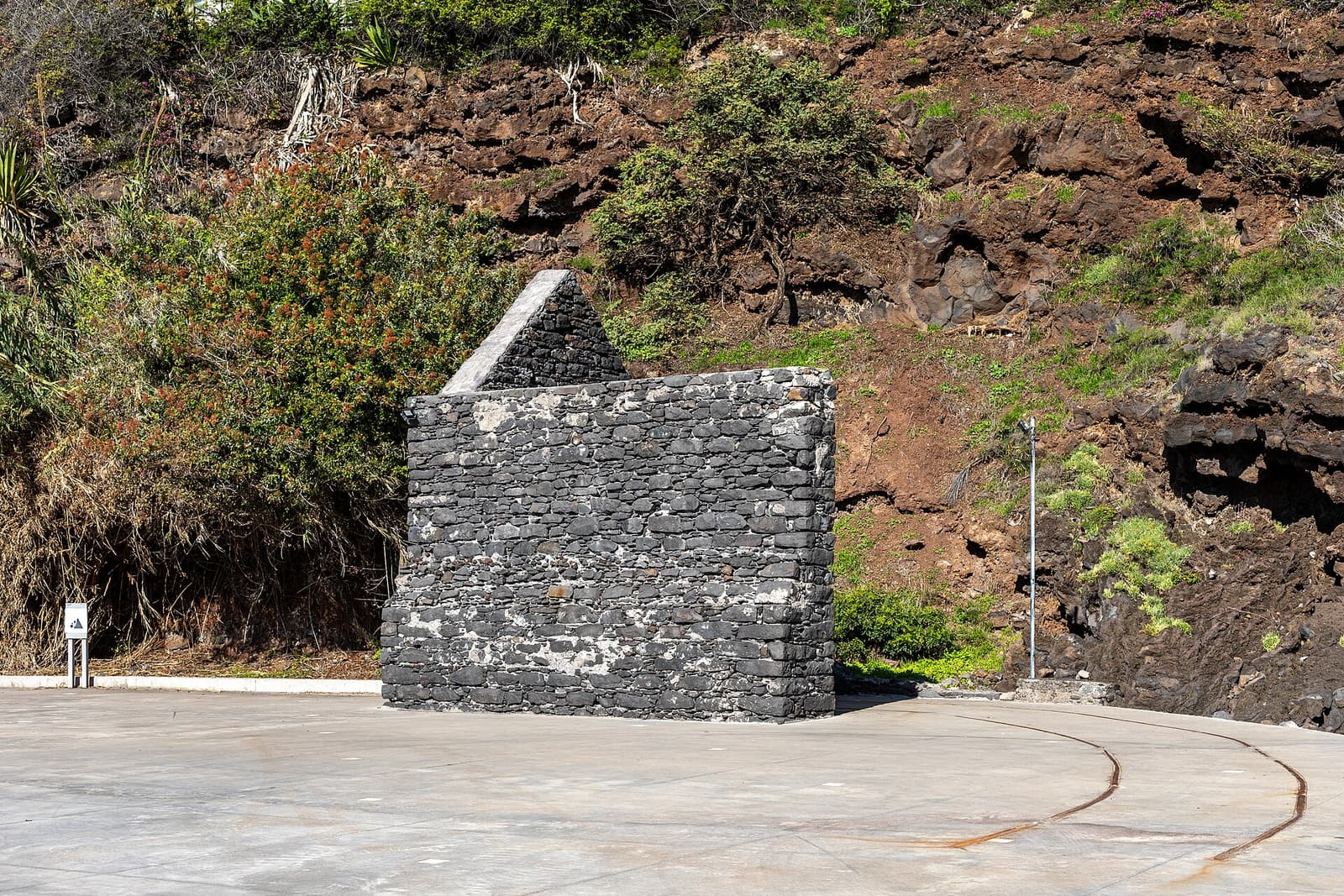
Portugal’s heritage classification system combines identification of an asset with recognition of its cultural interest. Law No. 107/2001 establishes the framework; Decree-Law No. 309/2009 develops the procedure for immovable assets, protection zones and safeguarding plans.
Two separate dimensions
The category describes the property: monument, ensemble or site. The level expresses recognised interest: national, public or municipal. An urban ensemble may therefore be classified as of national interest and designated a National Monument. That designation does not mean only one building is protected.
- National interest: protection represents cultural significance for the nation.
- Public interest: the cultural value has national importance, but the national-interest regime would be disproportionate.
- Municipal interest: significance is predominantly for a particular municipality.
Movable assets of national interest are designated national treasures. Movable, intangible and archaeological heritage cannot all be reduced to the property-classification procedure.
Who takes part
On the mainland, Património Cultural, I.P. proposes national and public-interest classifications, working with the CCDR. National classification is decided by government decree; public interest by order of the government member responsible for culture. The municipal executive decides municipal classification, with the required opinions. The autonomous regions have their own authorities and services.
The procedure distinguishes an application, formal opening, investigation, hearing and decision. Submitting a proposal does not mean classification is complete.
Inventory, classification and surroundings
An inventory identifies and documents; classification formally recognises cultural value and applies a protection regime. Presence in a database alone does not establish classification. Read the current status and legal acts in the official record.
A protection zone safeguards the surroundings and has its own boundaries. Municipal-interest properties have no automatic 50-metre general zone; special protection may be established under the statutory conditions. The property boundary and its surrounding protection zone answer different questions.
Reading a particular case
Record the name, location, category, level, published act and map, then check later changes. World Heritage inscription brings the inscribed property into national-interest classification in its respective category; it does not turn an entire town into a single inscribed asset. Use the official legal acts to follow the decision and boundaries.
Frequently asked questions
- How do category and classification level differ?
- Monument, ensemble and site are categories of immovable assets. National, public and municipal interest are classification levels. National Monument designates a property of national interest in any of the three categories.
- Does an inventory entry prove classification?
- No. Inventory and classification are distinct instruments. An inventory documents an asset; classification requires its own procedure and decision, with specific legal effects.
- Is protection administered identically everywhere?
- The framework law establishes national principles, while competences and procedures involve central government, the autonomous regions and municipalities. Check the applicable act and authority for the particular place.
Sources
- Lei n.º 107/2001 — texto atualizado (PGR Lisboa)
- Decreto-Lei n.º 309/2009 — texto atualizado (PGR Lisboa)
- Património Cultural, I.P. — Propor a classificação de um bem imóvel
- Decreto-Lei n.º 78/2023 — Património Cultural, I.P. (Diário da República)
- Decreto-Lei n.º 10/2024 — alterações, artigo 8.º (Diário da República)
- Património Cultural, I.P. — Pesquisa de Património Imóvel
- Património Cultural, I.P. — Diplomas de classificação e desclassificação
Resources for research
Find the sources. Follow the story.
Guides to researching buildings, exploring museum collections and understanding heritage protection.
SIPA
Get to know the architectural inventory, building records and documentary archive.
Read the guideMuseum collectionsMatrizNet
Explore the museum catalogue and records of works, materials, authorship and provenance.
Read the guideInstitutional historyIGESPAR
Learn about IGESPAR’s role in managing architectural and archaeological heritage.
Read the guide