Archaeology
Archaeology in Portugal
Portuguese archaeology reads the land as an archive spanning more than half a million years — from the first Palaeolithic communities to Roman urbanisation, by way of the great megalithic constructions of the Neolithic and the fortified settlements of the Iron Age. This section organises that journey by periods, cultures and the sites where it can best be recognised.
Layers of a territory
From the Côa rock art — a World Heritage Site — to the cities of Lusitania, archaeology shows that no single layer wholly erased the one before it. Alentejo megalithism, the Castro culture of the North and Romanisation overlap in a palimpsest that excavation is slowly deciphering.
This section embraces both the major visitable sites and the cross-cutting themes — rock art, megalithism, the Castro world, Roman Portugal, Islamic, nautical and mining archaeology.
63 entries to explore
No matches in this collection. Try another word or clear your search.
In this section — 63
Arqueologia
63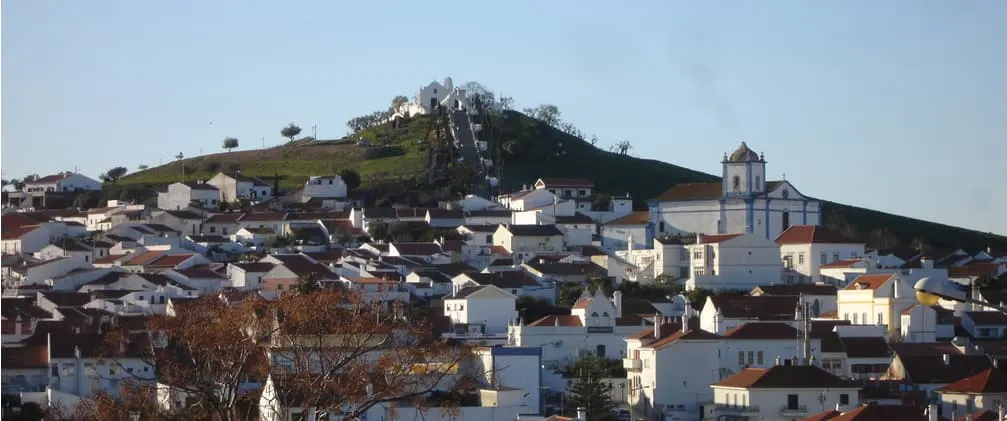 Aljustrel (Vipasca)Vipasca, the Roman mining complex of Aljustrel in Beja district, renowned for its bronze tablets regulating mining operations in the Empire.
  Almendres CromlechThe Almendres Cromlech, near Évora, is the largest assemblage of menhirs on the Iberian Peninsula, raised from the 6th millennium BC, during the Neolithic.
 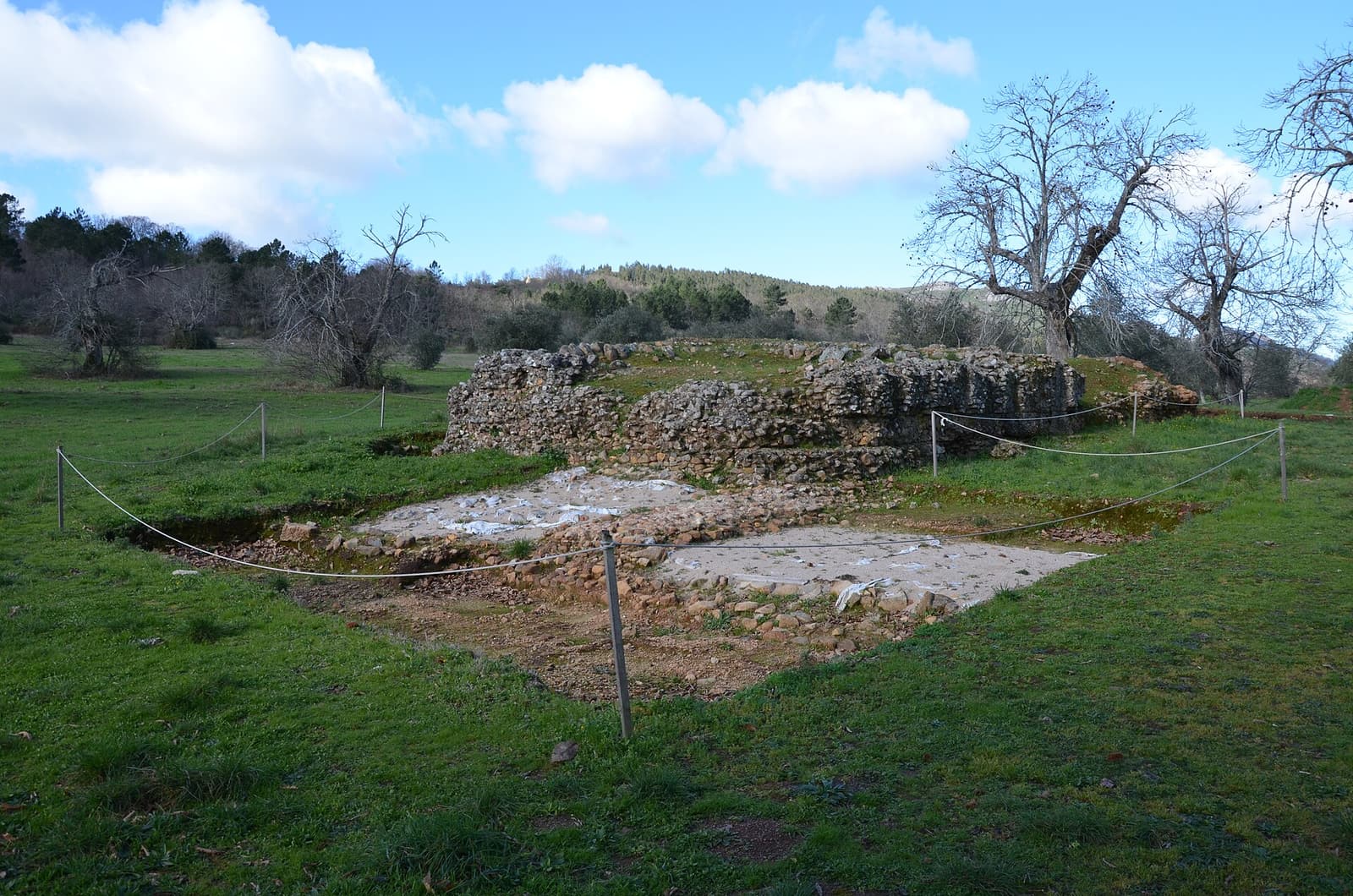 AmmaiaAmmaia, a Roman city in Lusitania located in São Salvador da Aramenha, Marvão, featuring a forum, baths, and monumental gate, classified as a National Monument.
 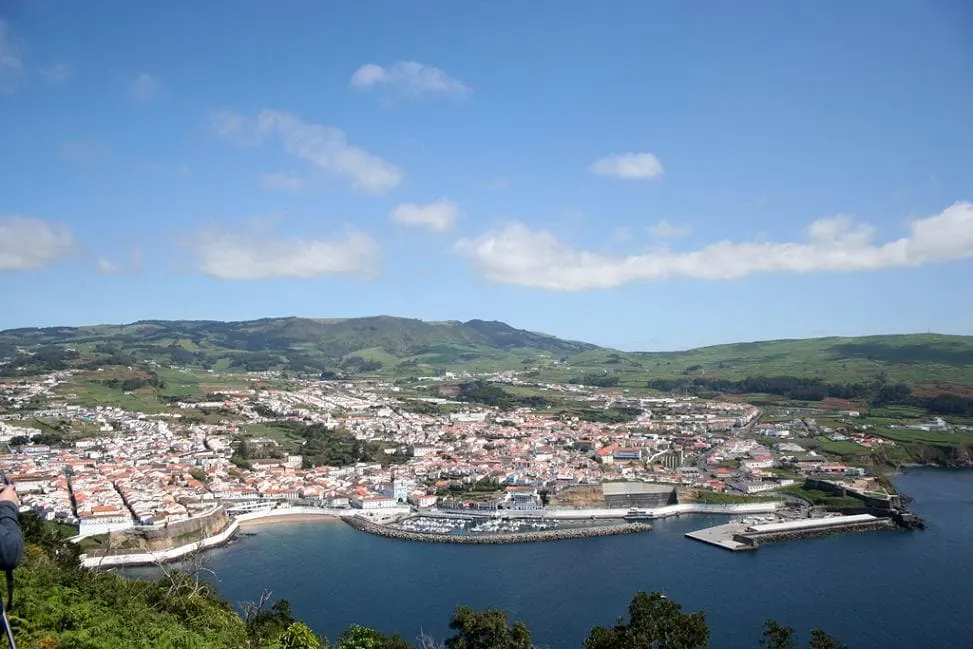 Angra Bay Underwater Archaeological ParkAngra Bay Underwater Archaeological Park on Terceira Island, Azores: shipwrecks from the India Route and the Anchor Cemetery, accessible through diving.
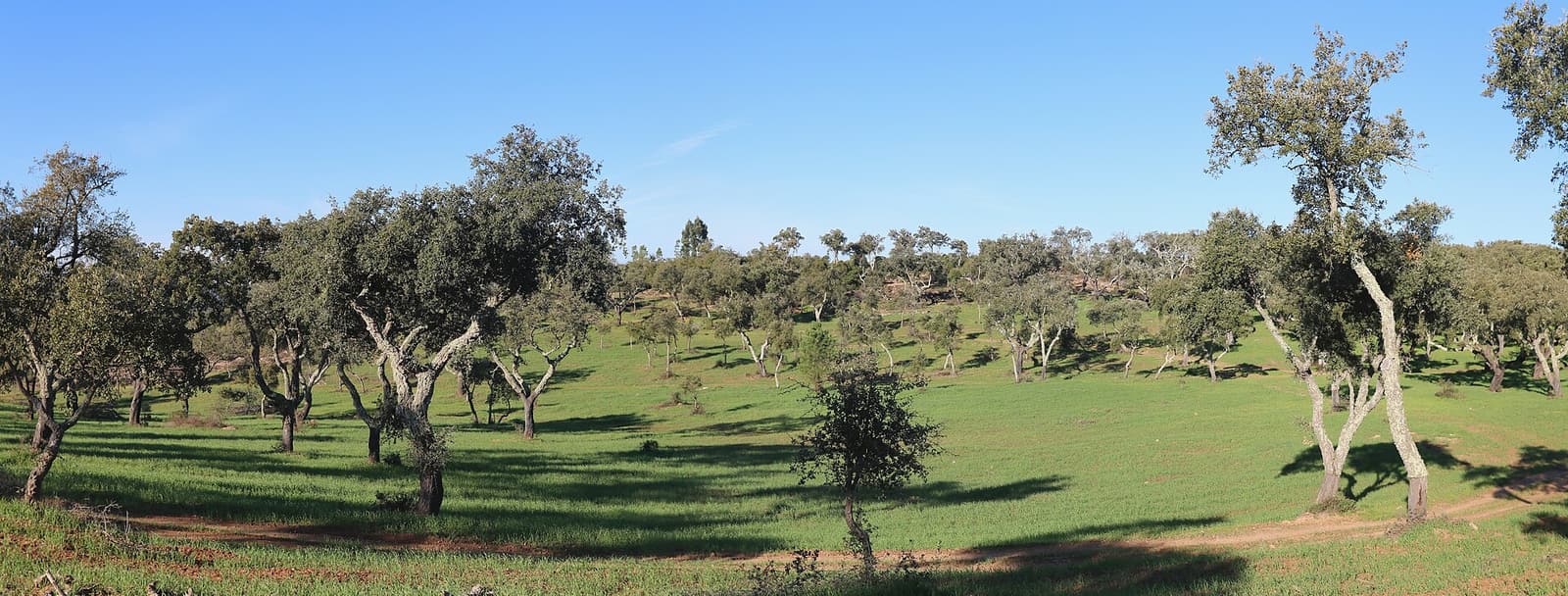
 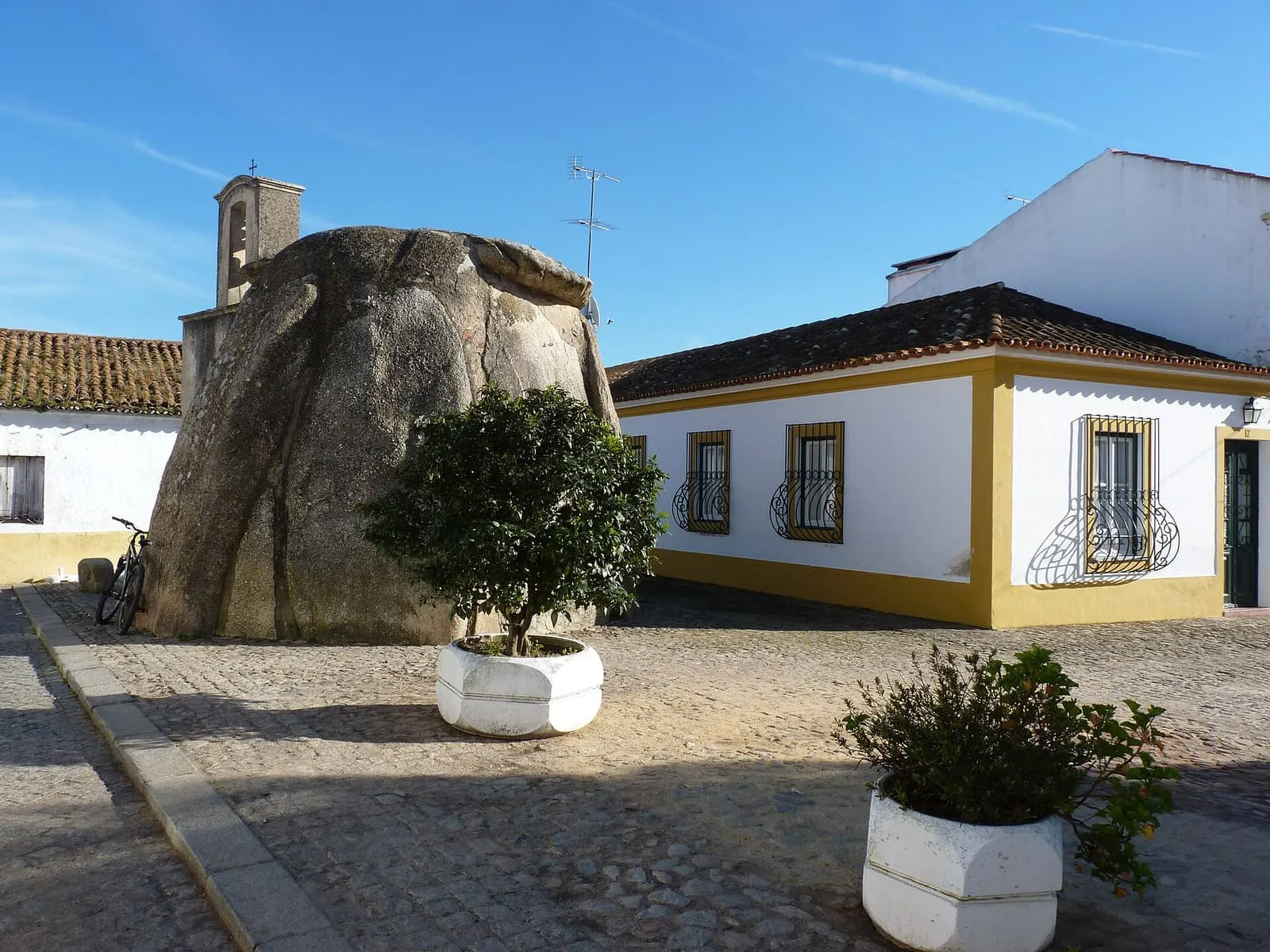 Anta de Pavia (Chapel of São Dinis)Anta de Pavia, a megalithic dolmen in Mora reused as the Chapel of São Dinis, a unique case of a prehistoric monument set in the centre of an Alentejo town.
 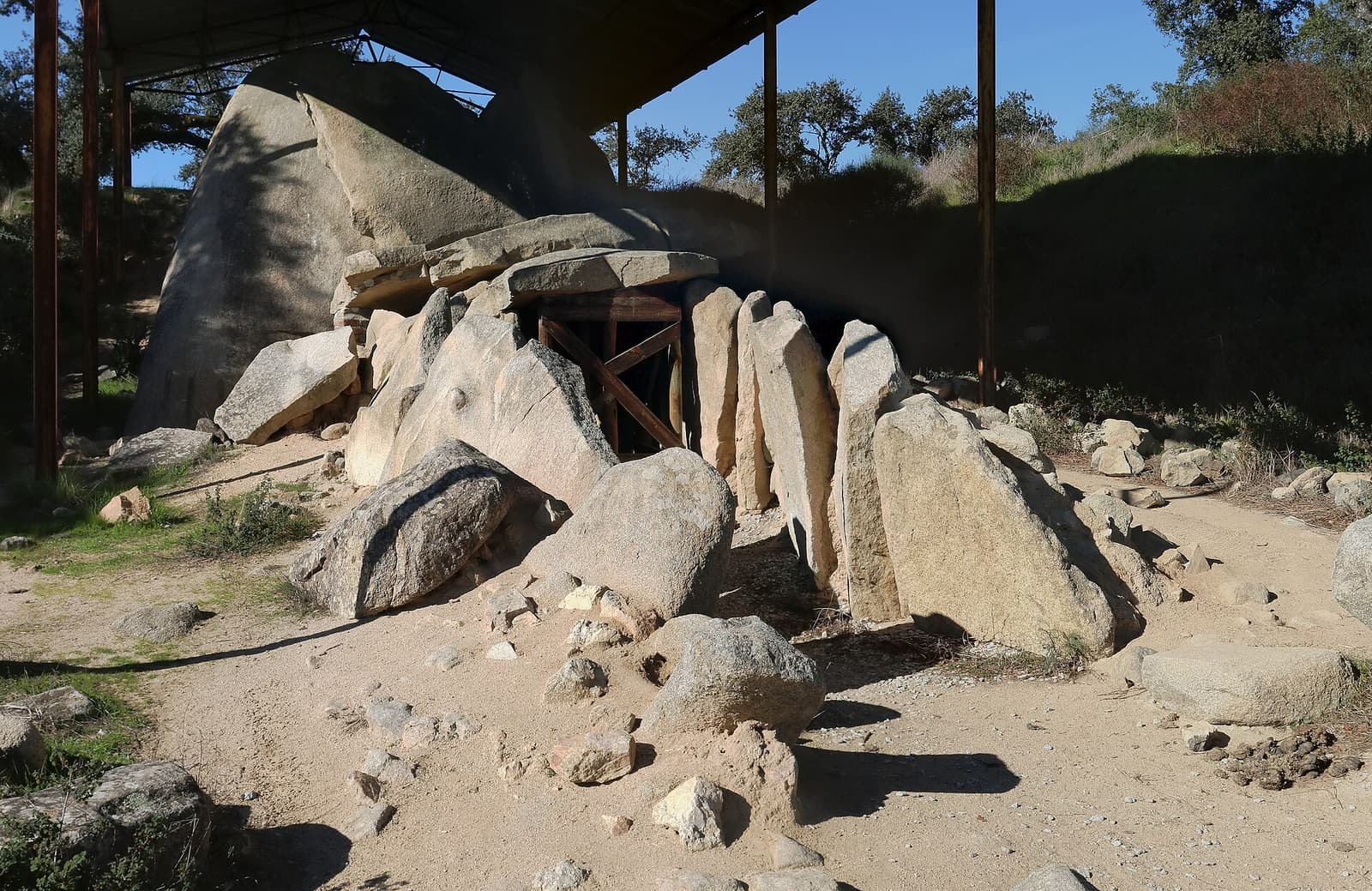 Anta Grande do ZambujeiroThe Anta Grande do Zambujeiro, near Valverde in Évora, is the largest chamber dolmen in Portugal, with orthostats reaching about eight metres in height.
 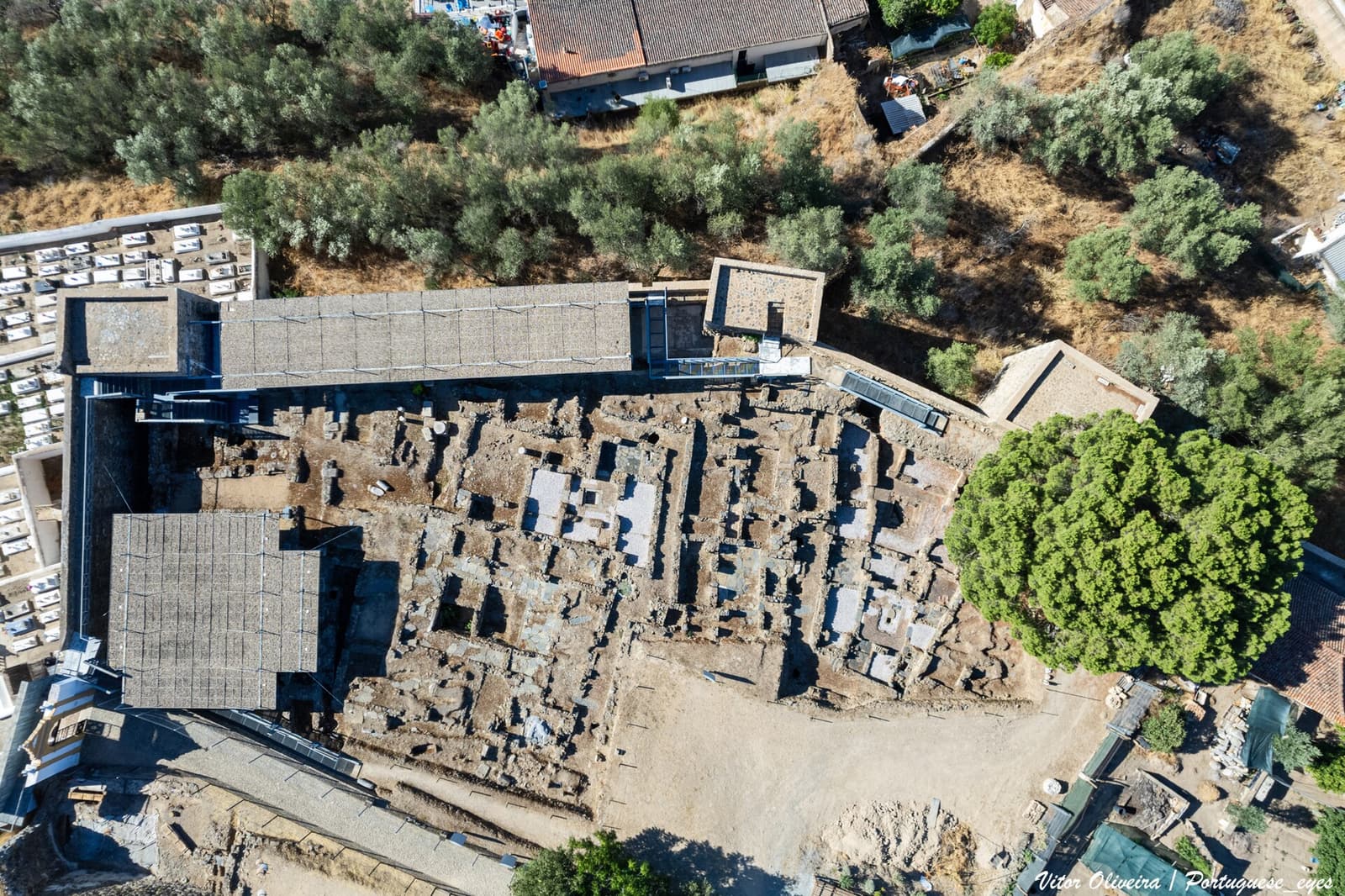 Archaeological MértolaArchaeological Mértola: the museum-town of the Baixo Alentejo and its Archaeological Field Centre, a benchmark for Islamic and Late Antique archaeology in Portugal. Archaeology of the Aveiro LagoonUnderwater archaeological sites in the Aveiro Lagoon, featuring 15th and 16th-century shipwrecks documenting Iberian-Atlantic and Northern European…
 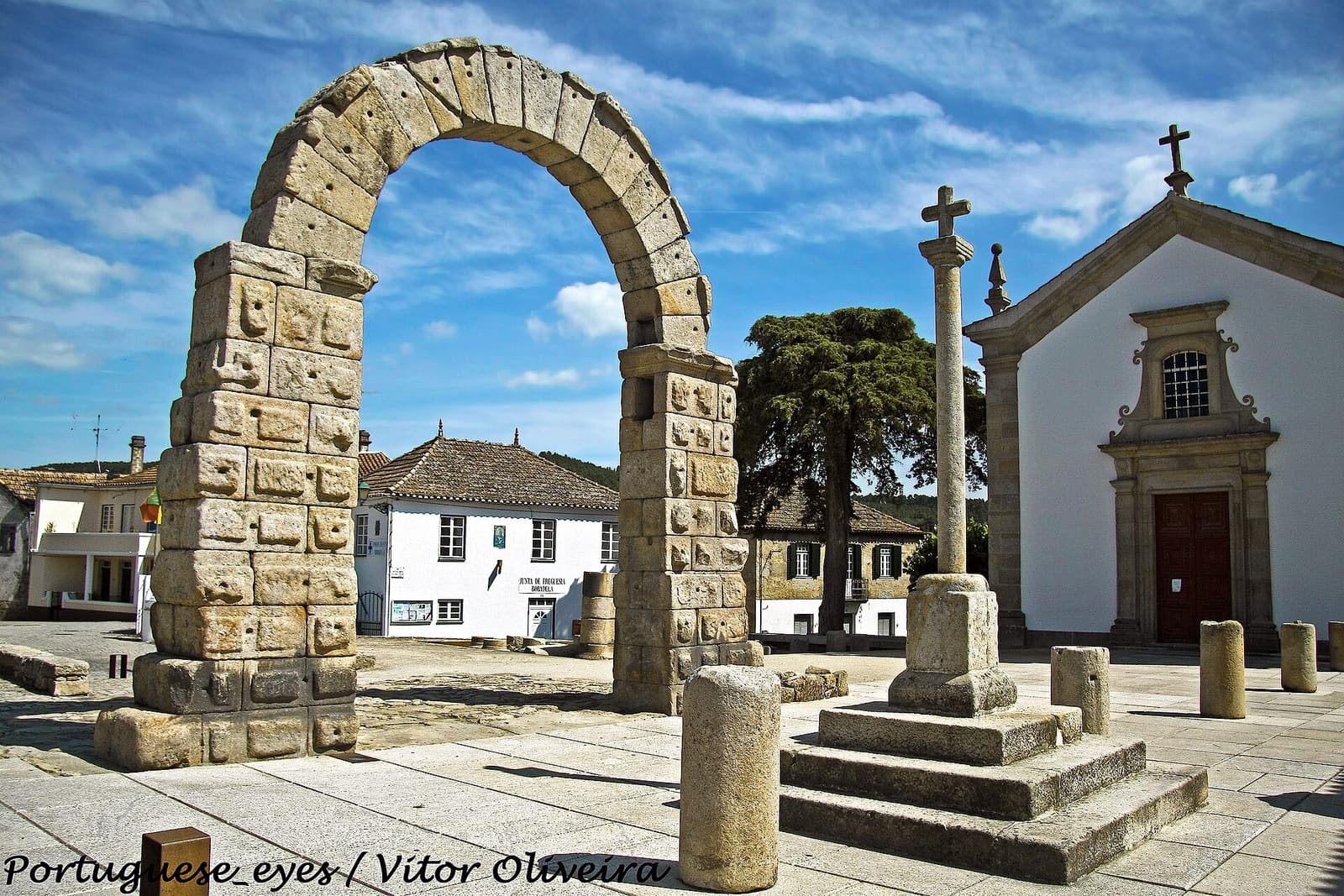 Bobadela: The Roman City of Oliveira do HospitalThe Roman ruins of Bobadela, in Oliveira do Hospital: amphitheatre, monumental forum arch and the epigraphy of a splendidissima civitas of the Beira.
 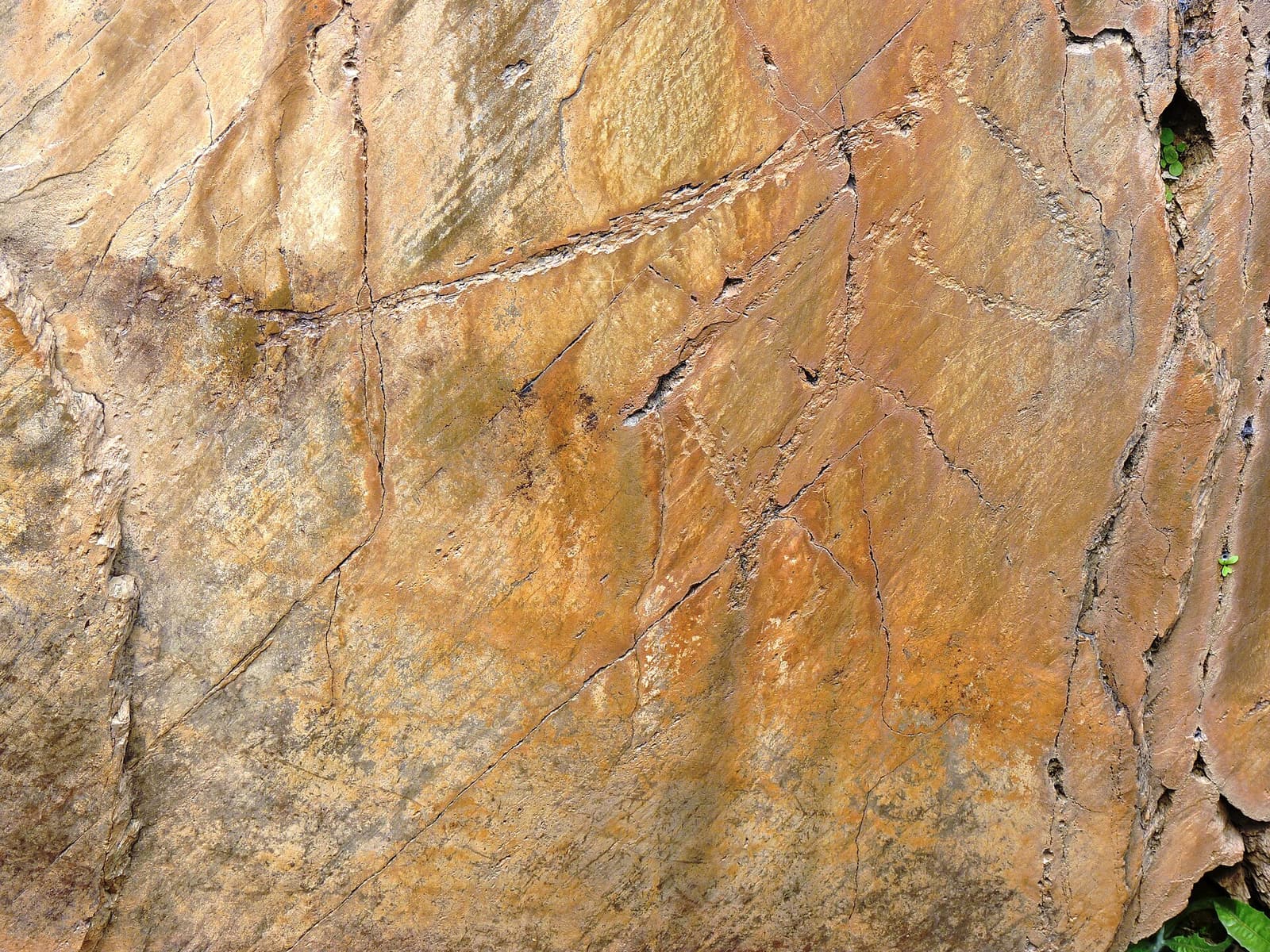 Canada do InfernoCanada do Inferno, in Vila Nova de Foz Côa, was the first cluster of Palaeolithic rock art identified in the Côa Valley, beside the abandoned dam.
 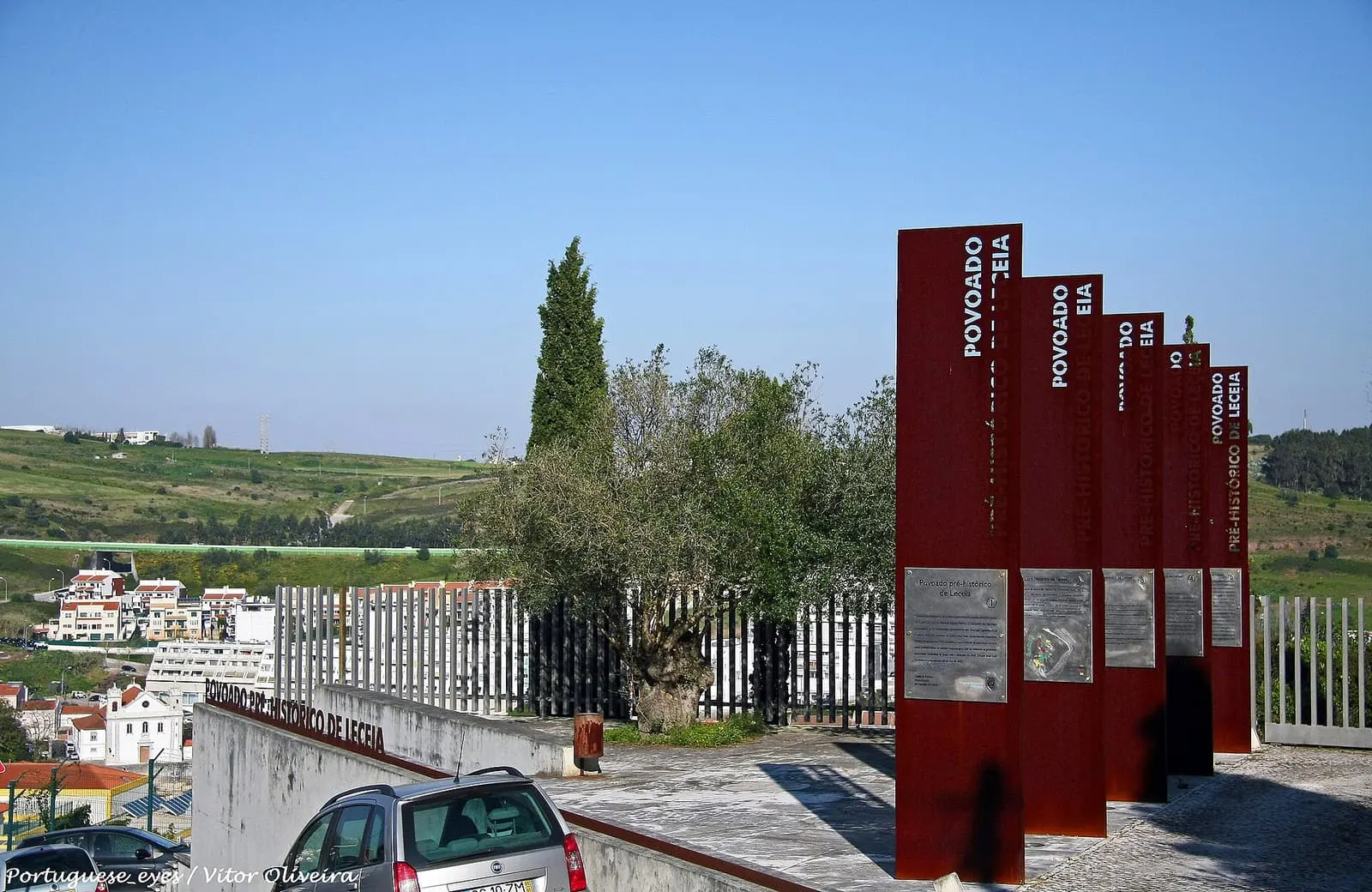 Castro de LeceiaThe Castro de Leceia, in Oeiras, is a fortified settlement of the Late Neolithic and the Chalcolithic with a stratigraphy rare in the Portuguese Estremadura.
 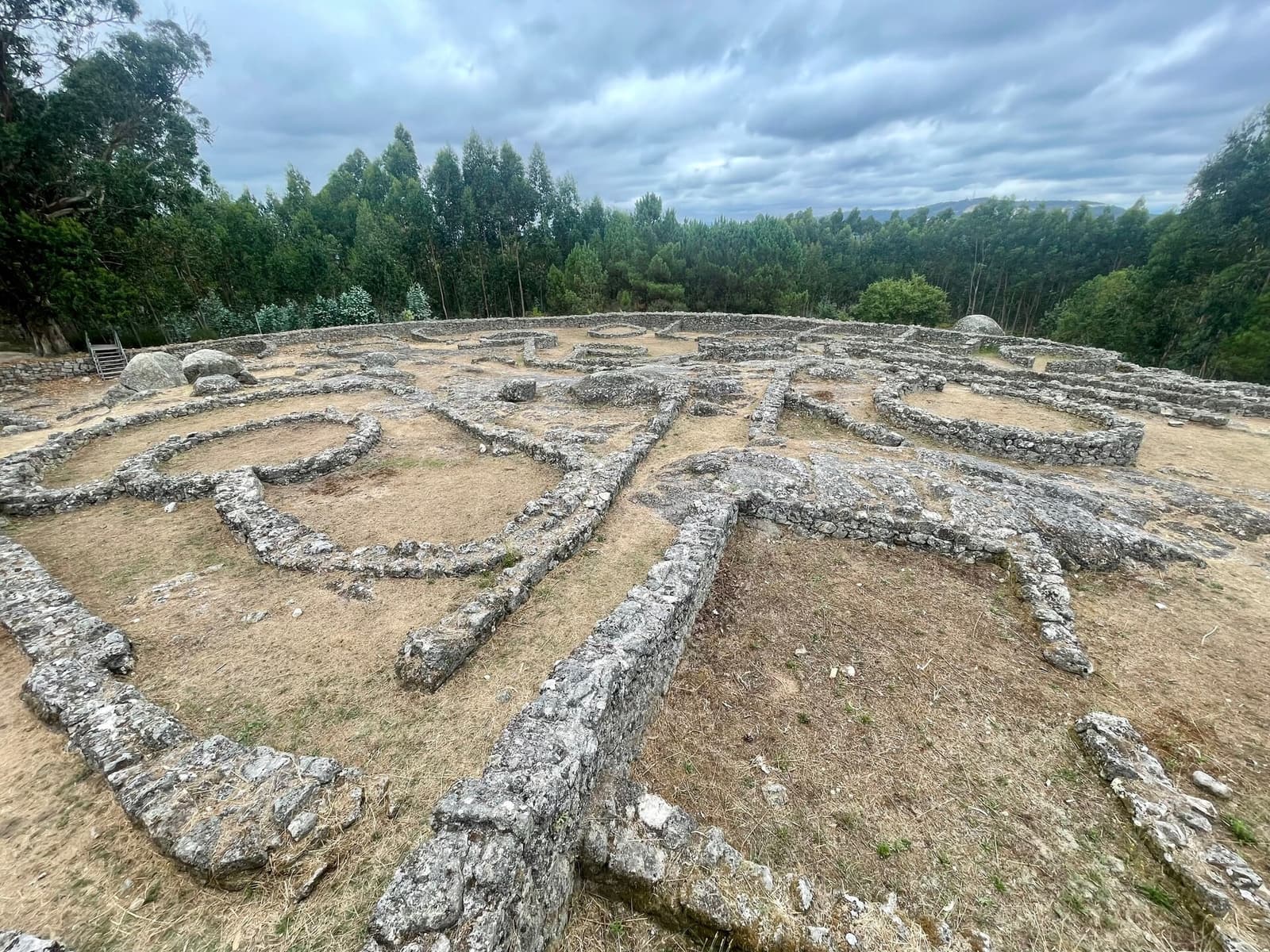 Castro de Monte MozinhoCastro de Monte Mozinho in Penafiel: one of the largest pre-Roman and Roman settlements in the northwestern Iberian Peninsula, classified as a Property of…
 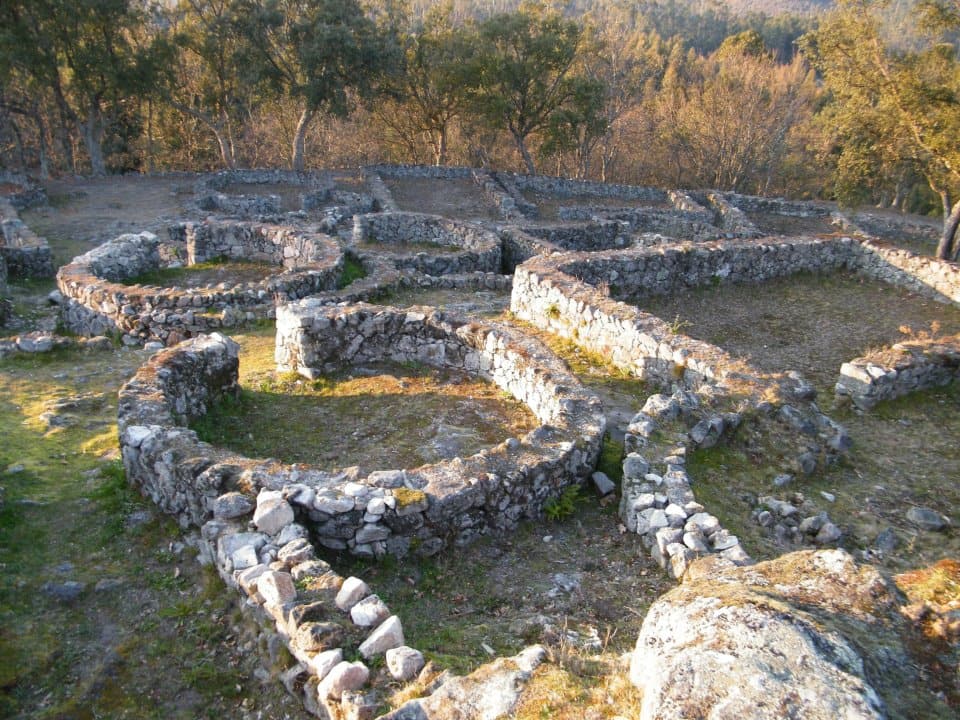 Castro de RomarizCastro de Romariz, a fortified settlement at Santa Maria da Feira occupied from the Iron Age to the Roman period, famous for its coin hoard.
 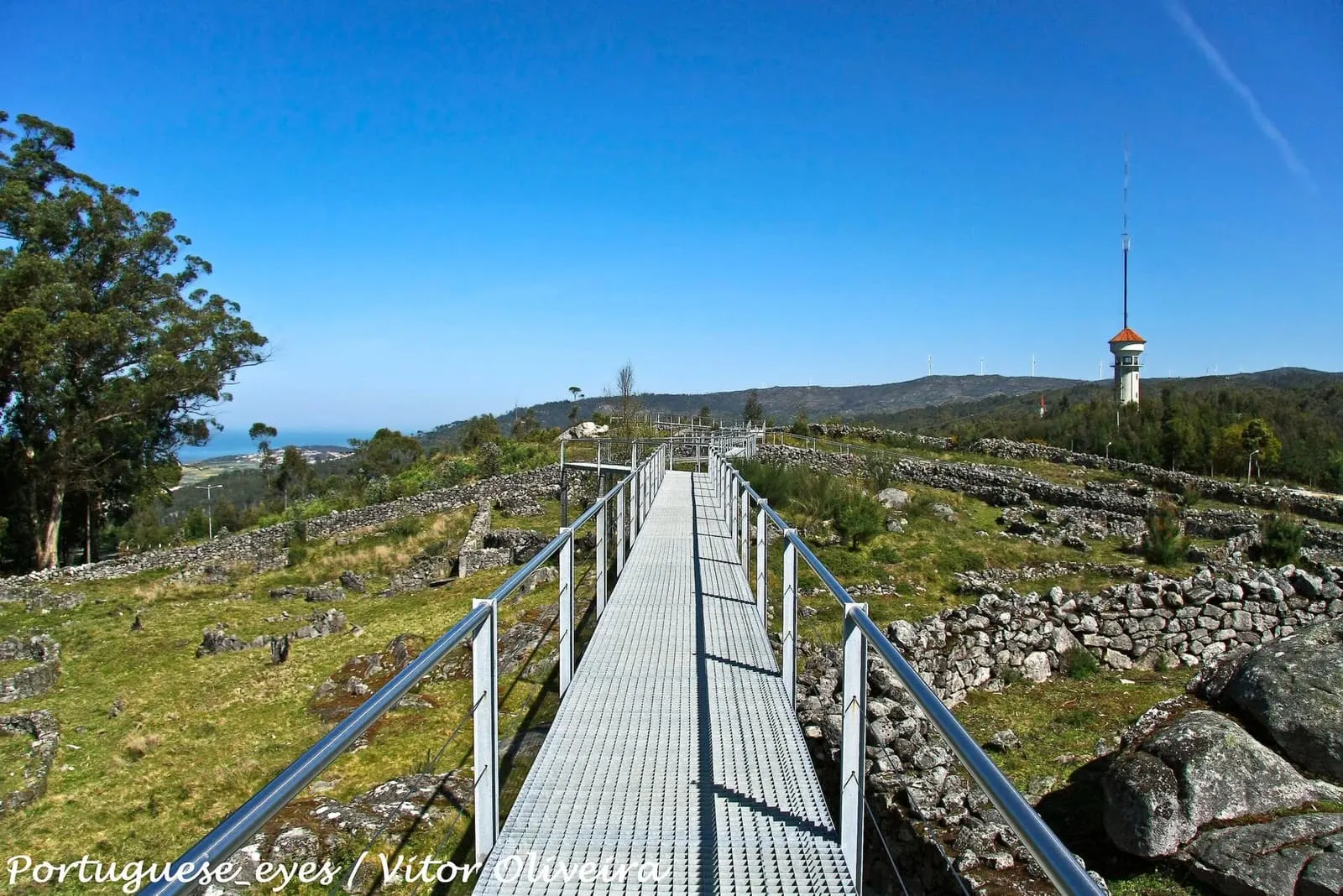 Castro de Santa LuziaCastro de Santa Luzia, a fortified Iron Age settlement above Viana do Castelo, commanding the estuary of the River Lima and the Atlantic coast.
  Castro de São JuliãoCastro de São Julião, in Vila Verde (Braga): a Castro-culture settlement with a long occupation from the Late Bronze Age to the Iron Age, excavated by the…
 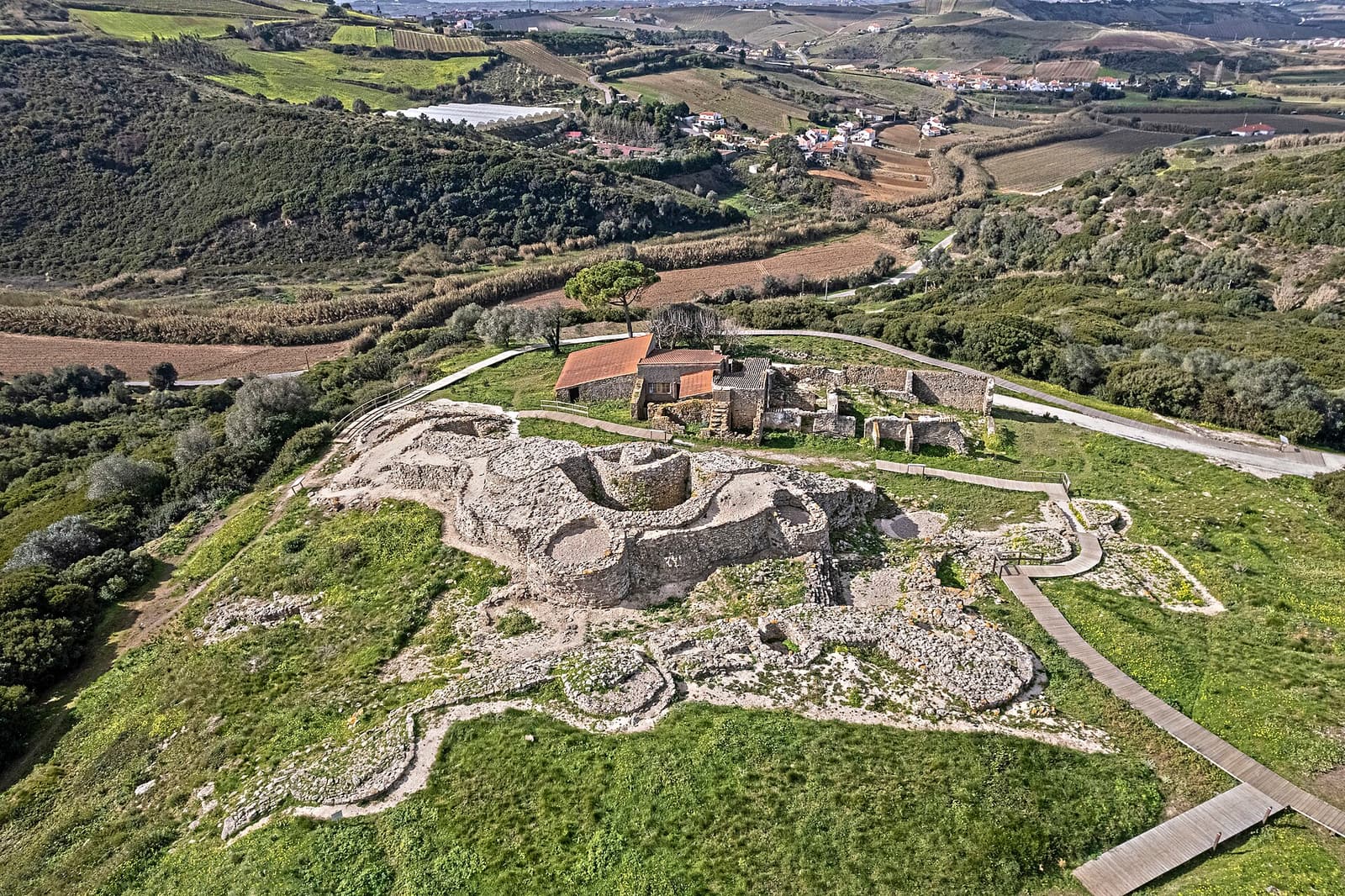 Castro do ZambujalCastro do Zambujal, in Torres Vedras: a large fortified Chalcolithic settlement in the Estremadura, a centre of copper metallurgy and a landmark of European…
 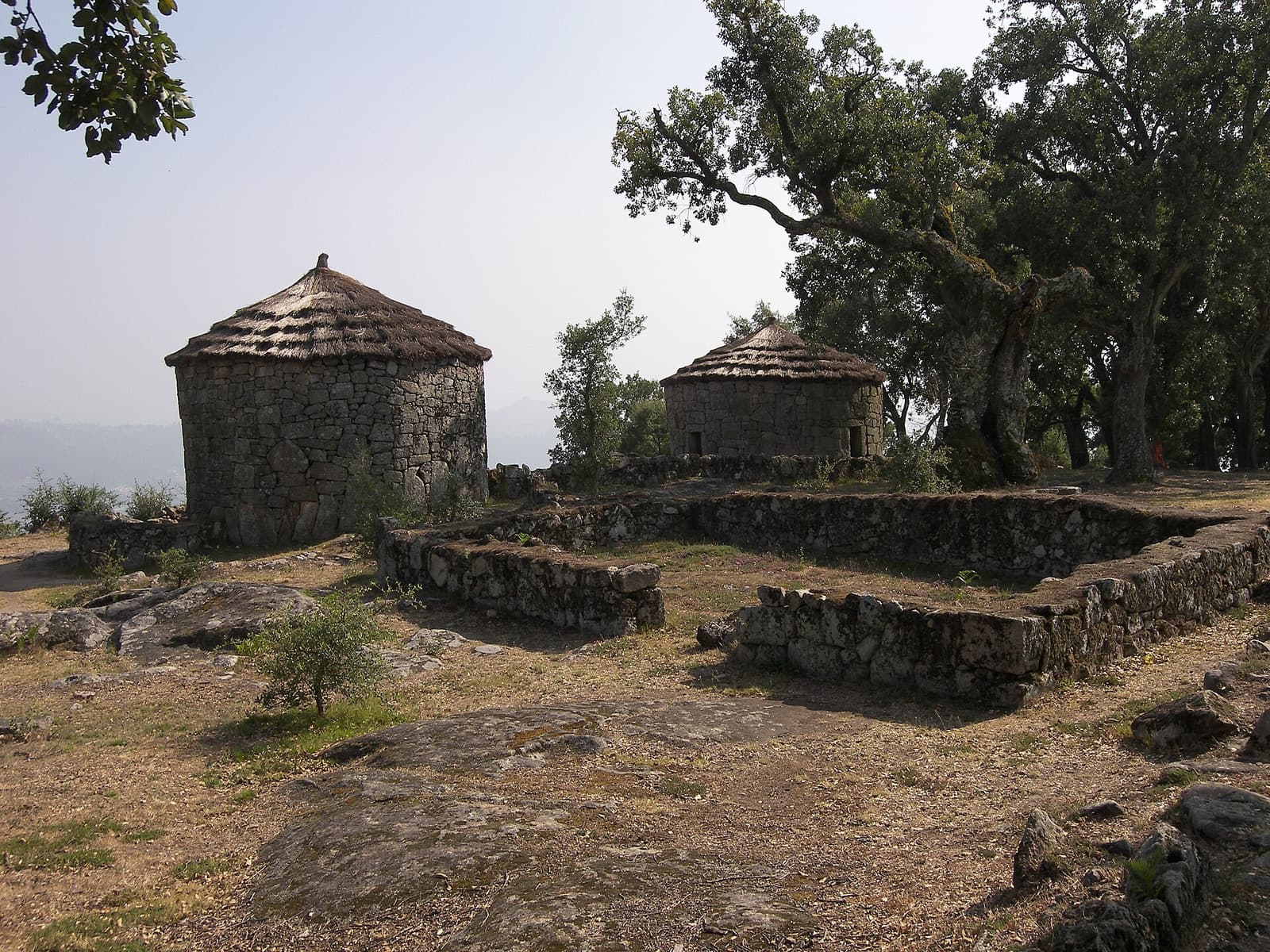 Citânia de BriteirosThe Citânia de Briteiros, in Guimarães, is the most famous hillfort of the North-West, with hundreds of houses, paved streets and Iron Age bathhouses.
 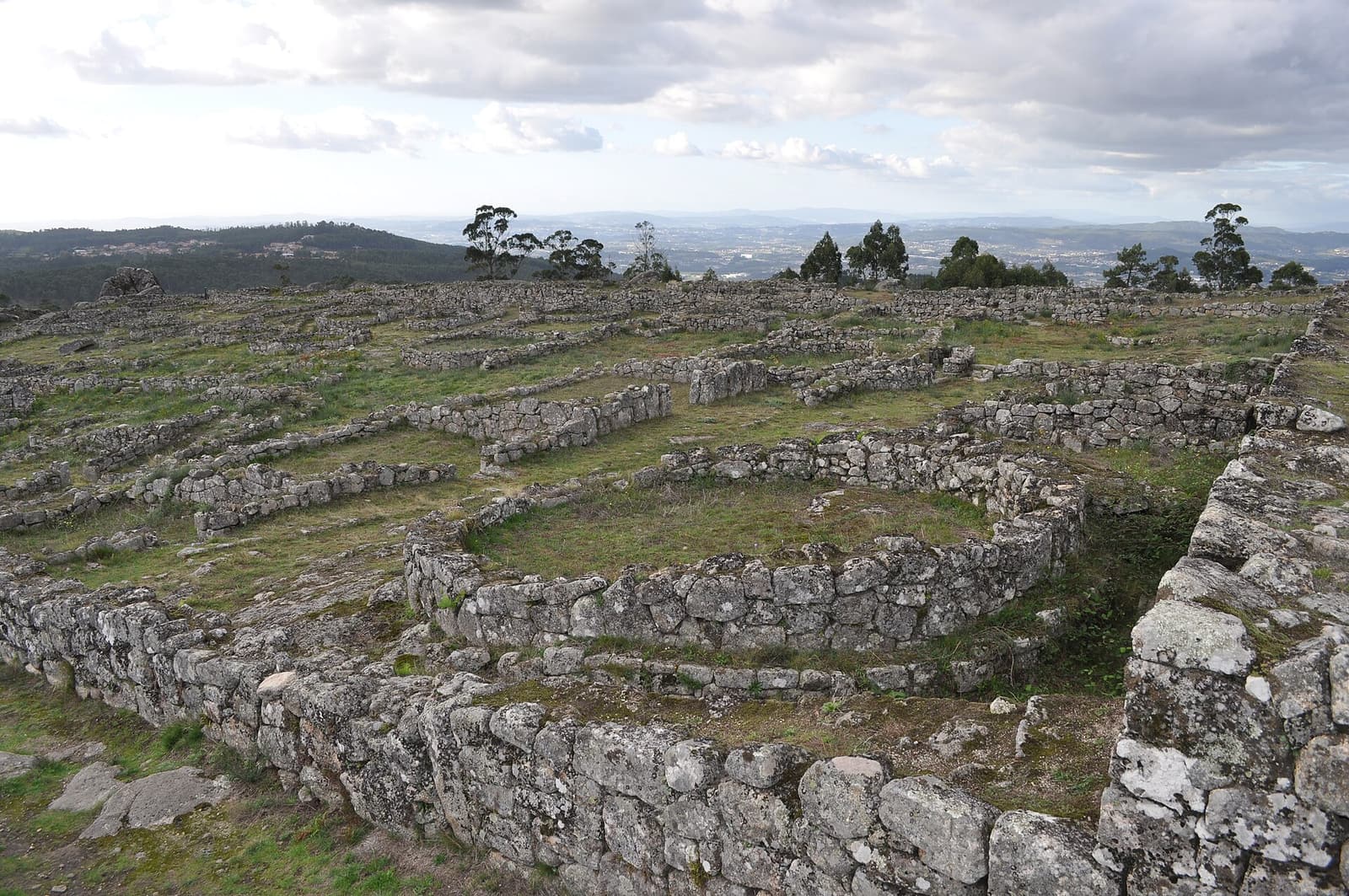 Citânia de SanfinsCitânia de Sanfins, the great Castro-culture oppidum of Paços de Ferreira with its triple walled enclosure, bathhouse and the Warrior of Sanfins.
 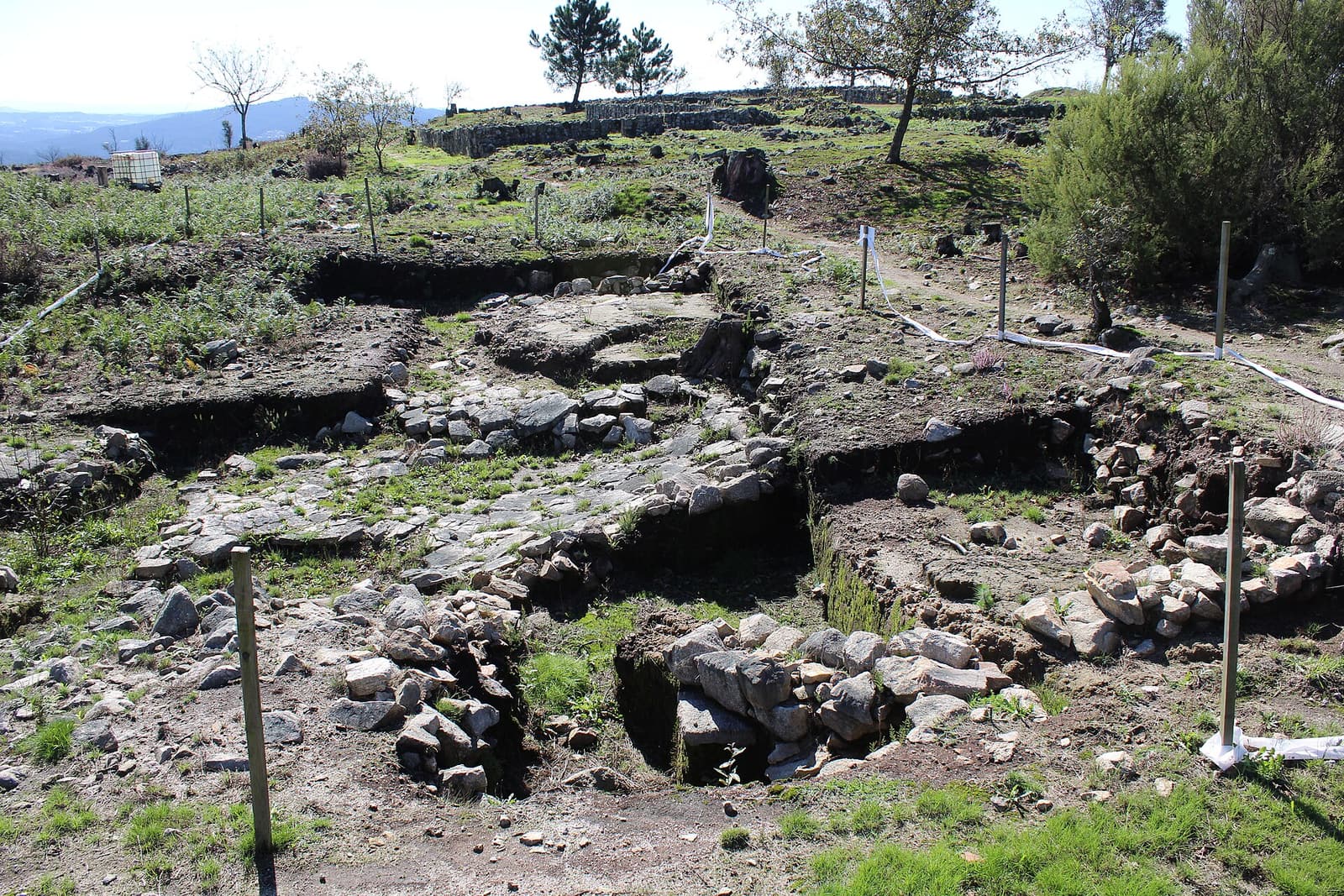 Cividade de BagunteThe Cividade de Bagunte, in Vila do Conde, is one of the largest oppida of the Castro culture in the Ave valley, classified as a National Monument since 1910.
 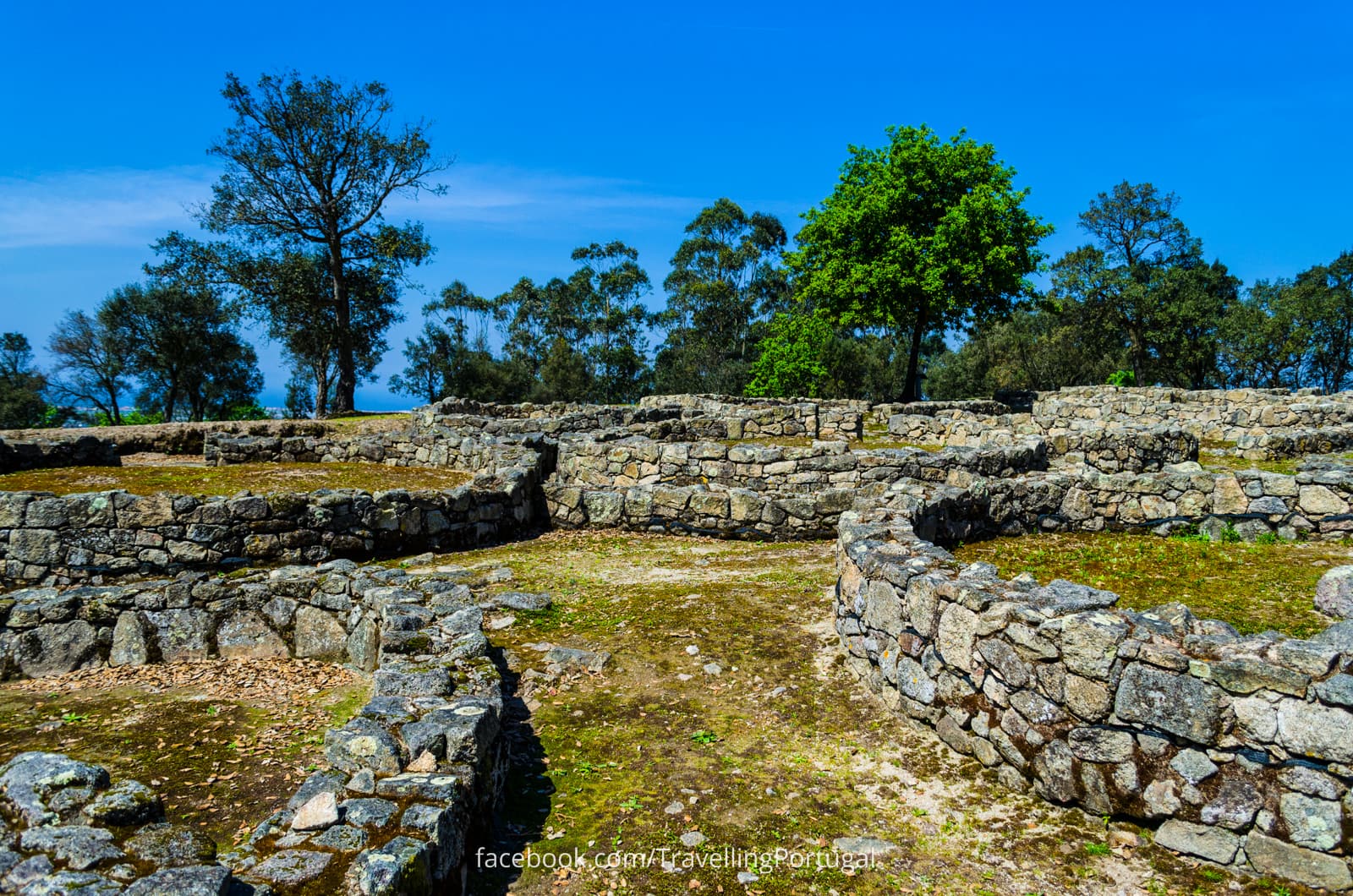 Cividade de TerrosoCividade de Terroso, a Castro-culture settlement in Póvoa de Varzim: one of the great proto-urban oppida of the northern coast, with three lines of walls.
 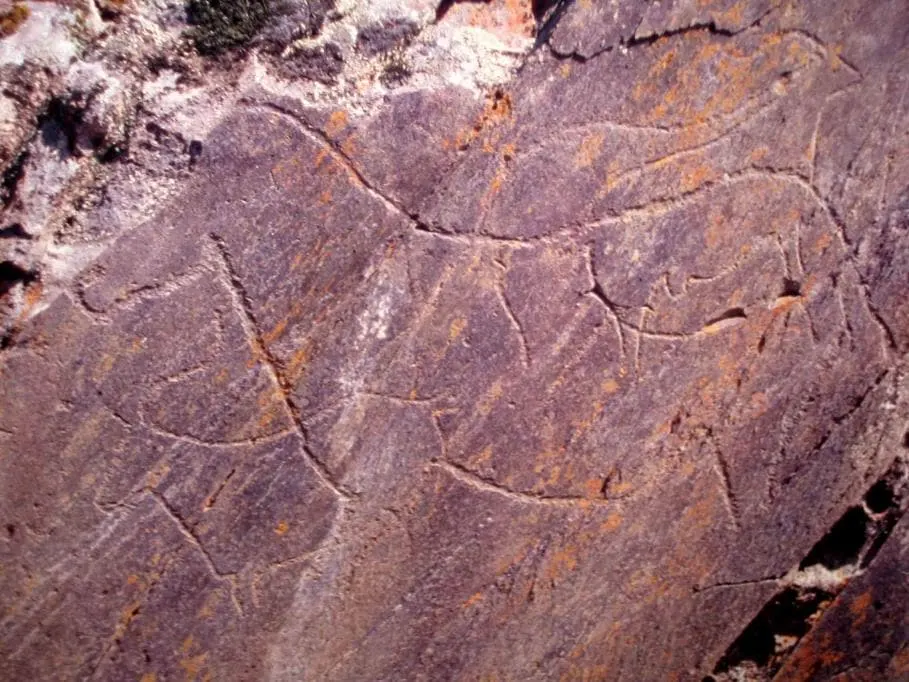 Côa Valley (archaeological site)The Côa Valley in Vila Nova de Foz Côa contains the world's largest collection of open-air Paleolithic rock art, classified by UNESCO.
 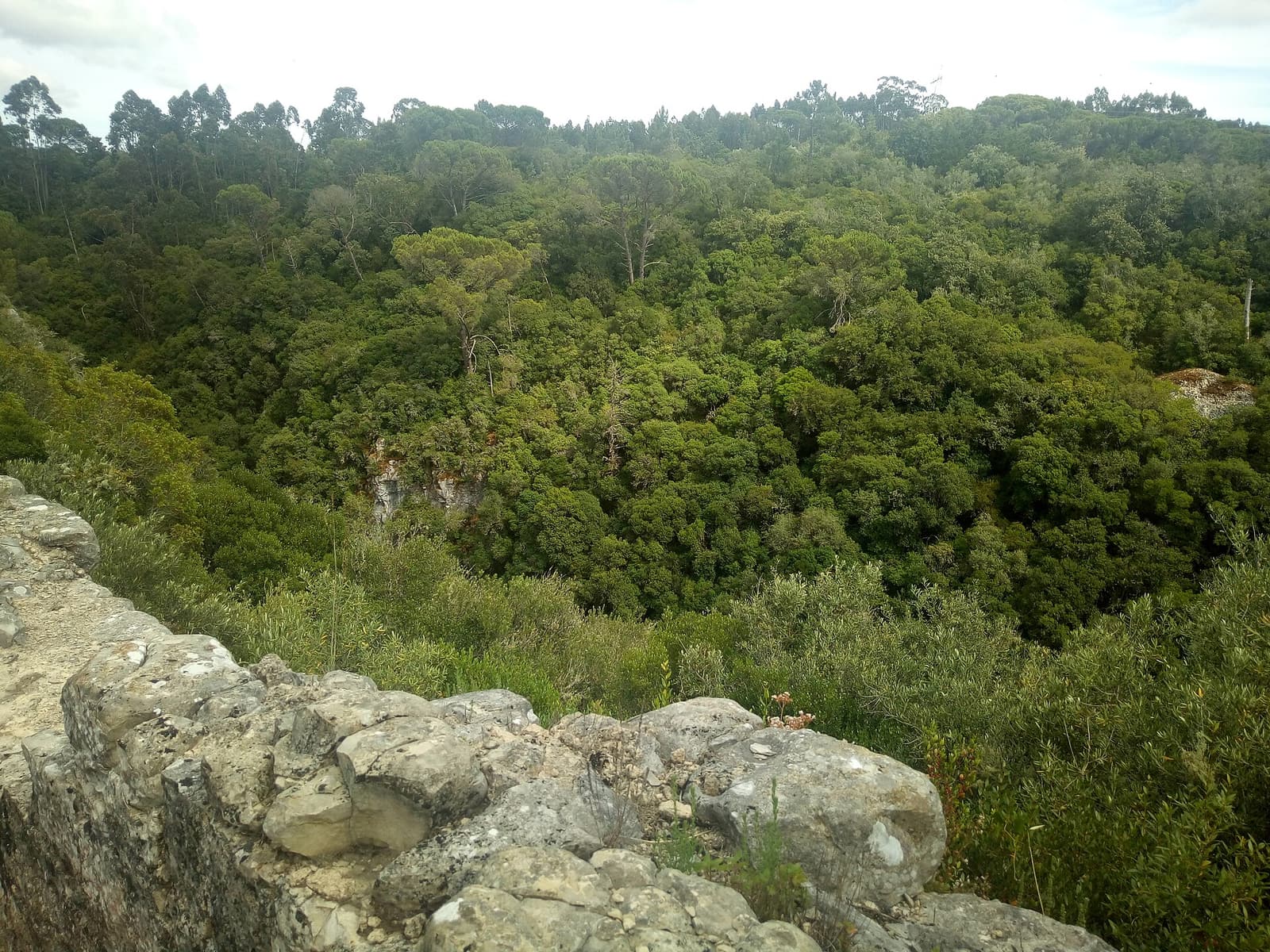 ConímbrigaConímbriga, in Condeixa-a-Nova, is the largest and most thoroughly studied Roman town in Portugal, with a forum, baths, walls and remarkable mosaics. Elvas DolmensThe Elvas dolmens form a megalithic complex in Alto Alentejo, with the Anta da Coutada de Barbacena standing out as a National Monument since 1939.
 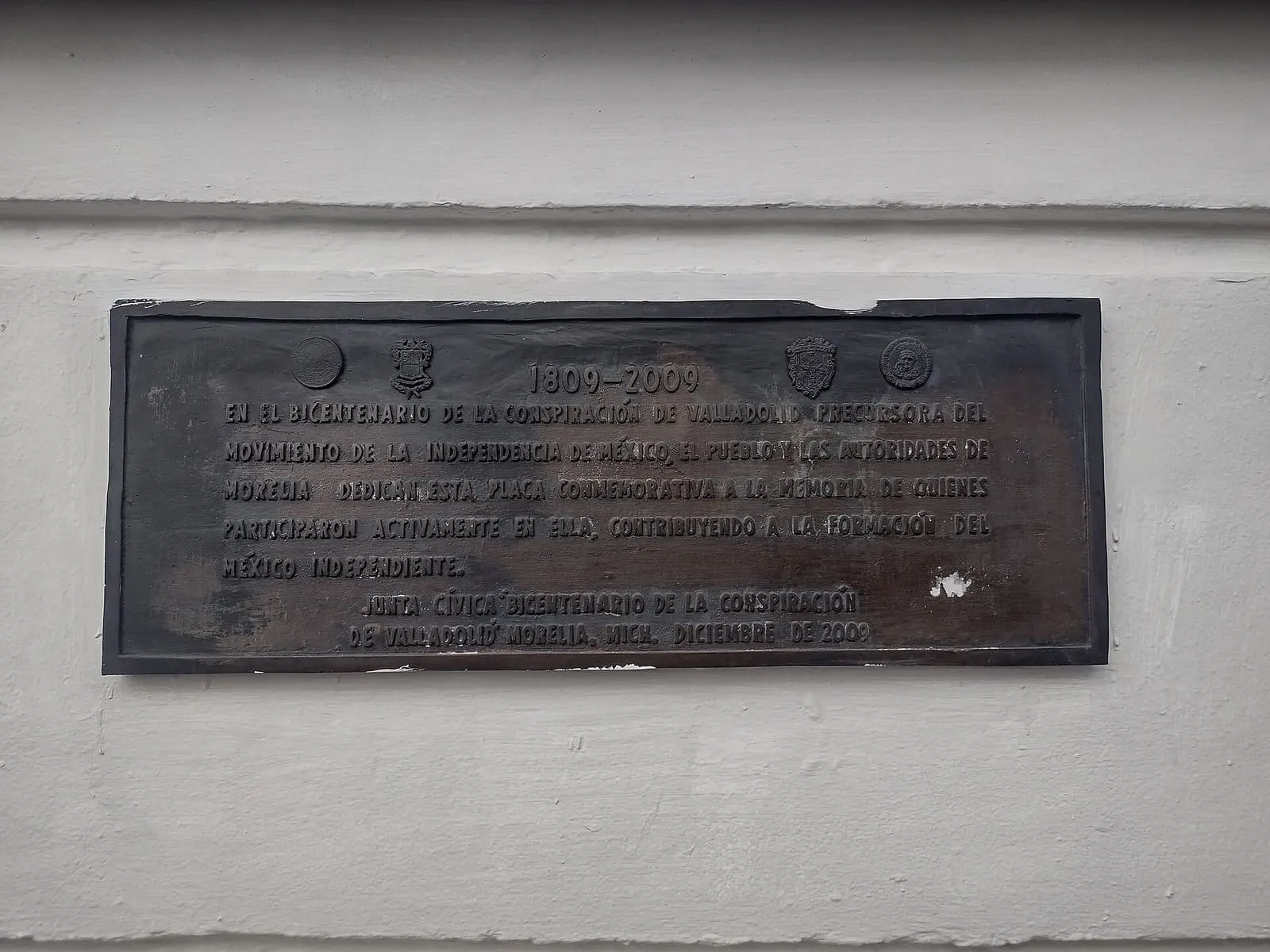 EpigraphyEpigraphy in Portugal: Latin, indigenous and medieval inscriptions as a documentary source for the history of the territory and of Romanisation.
 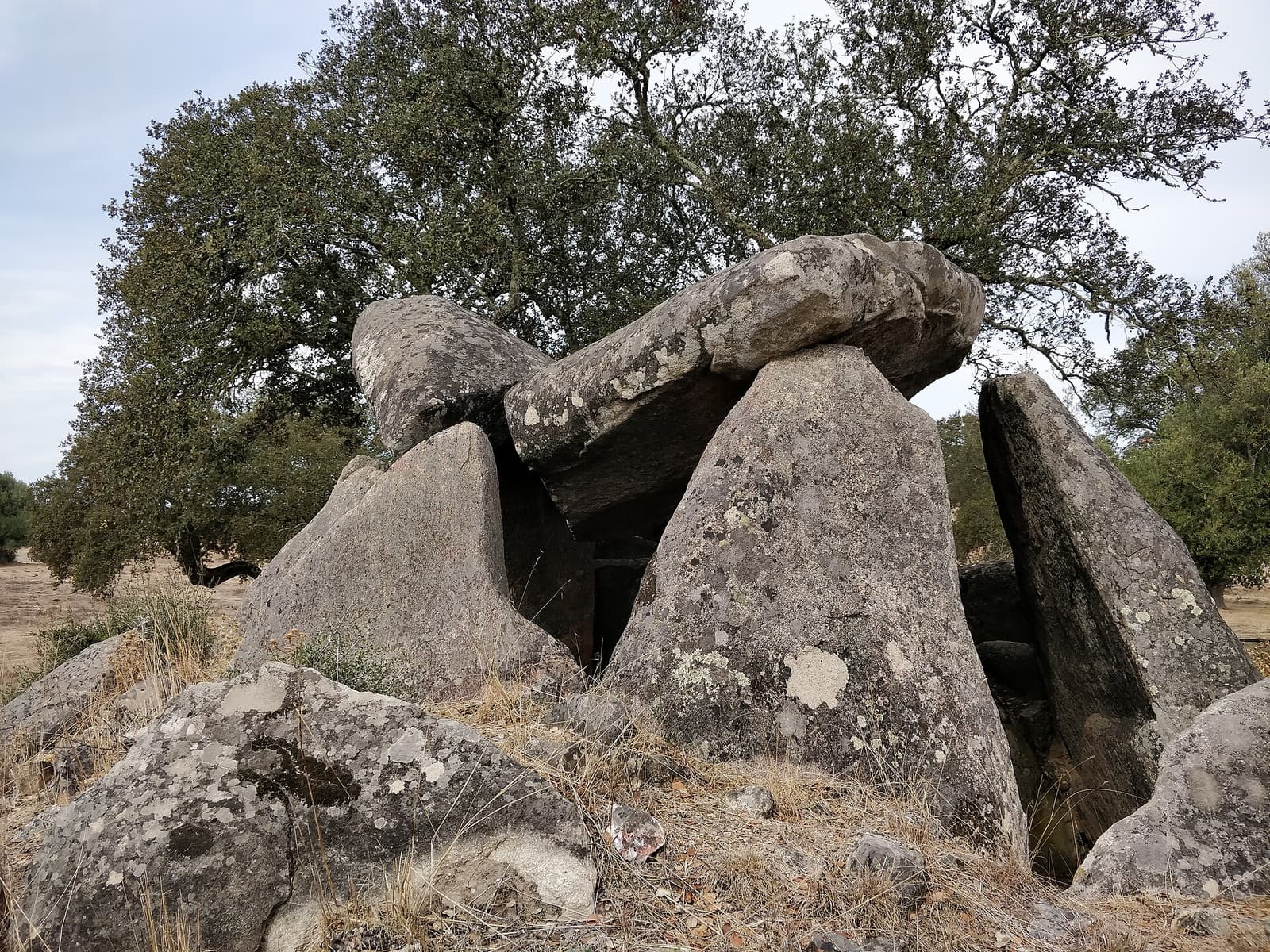 Great Dolmen of Comenda da IgrejaThe Great Dolmen of Comenda da Igreja, in Montemor-o-Novo, is one of the most monumental passage dolmens of Alentejo megalithism, with massive orthostats.
 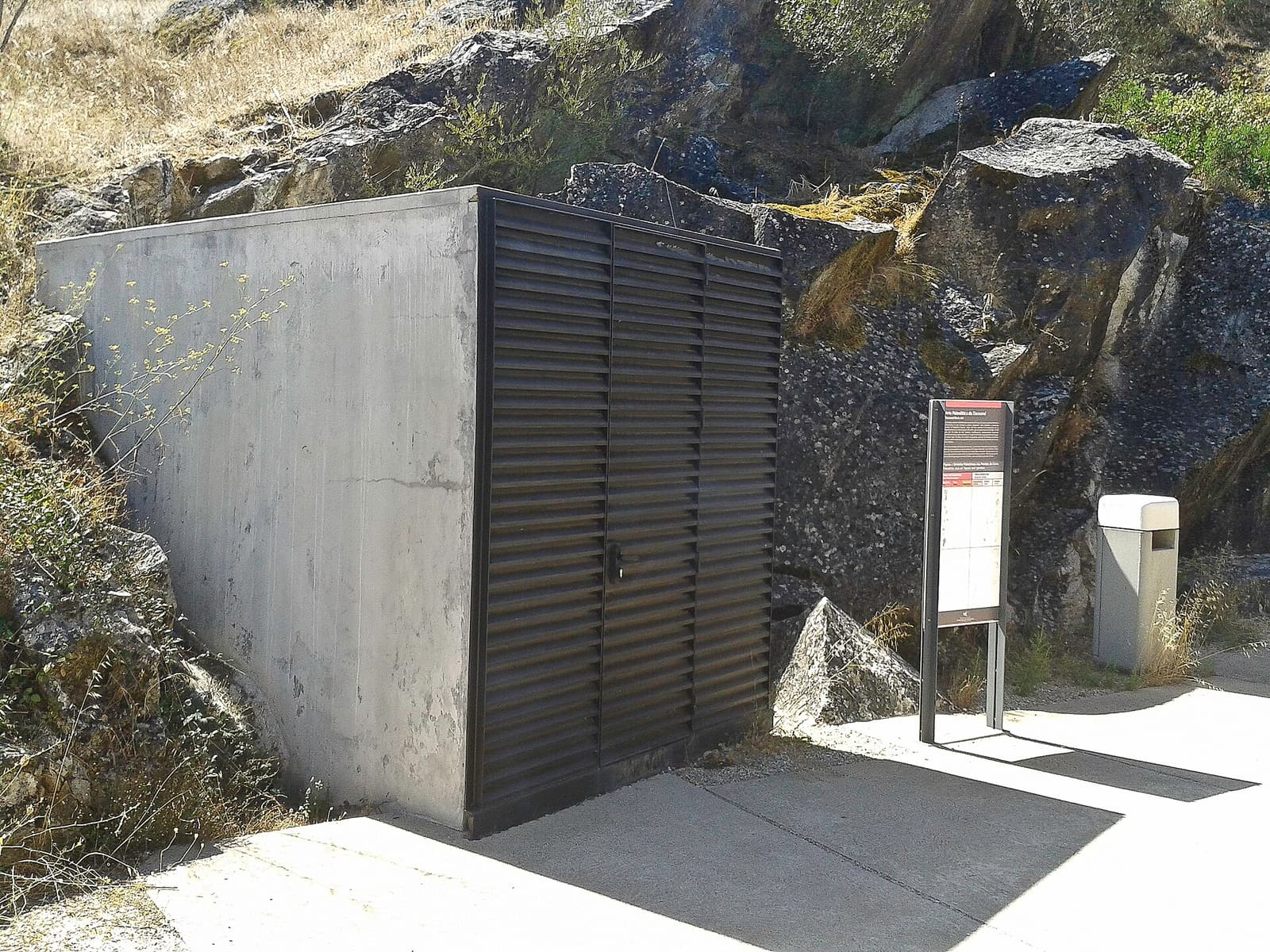 Gruta do EscouralThe Gruta do Escoural, in Montemor-o-Novo: the only cave in Portugal with Palaeolithic rock art, later reused as a Neolithic necropolis in the Alentejo.
 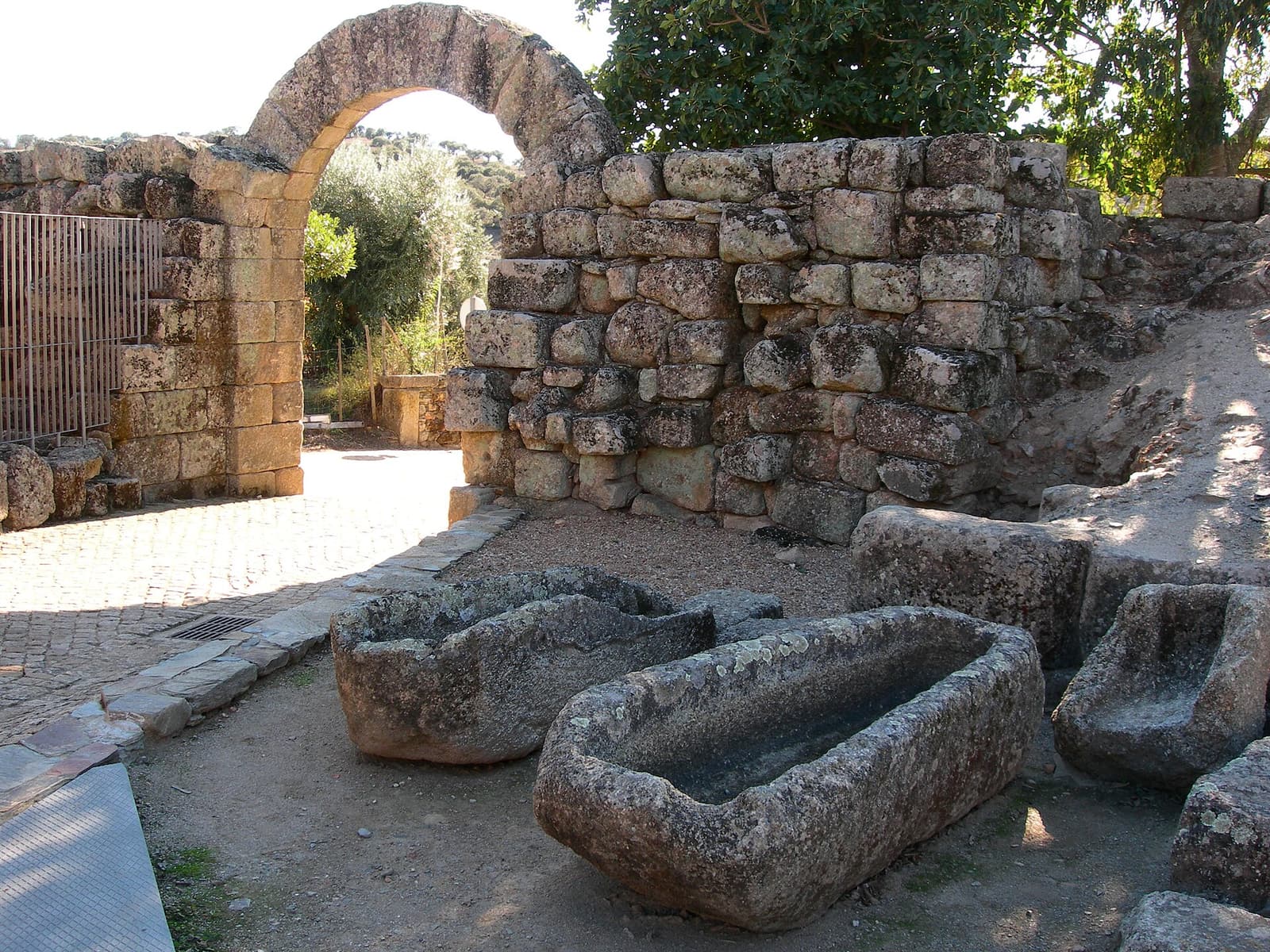 Idanha-a-Velha (Egitânia)Idanha-a-Velha, the ancient Egitânia, in Castelo Branco: a Roman city and Visigothic see with a town wall, basilica, baptistery and a remarkable epigraphic…
 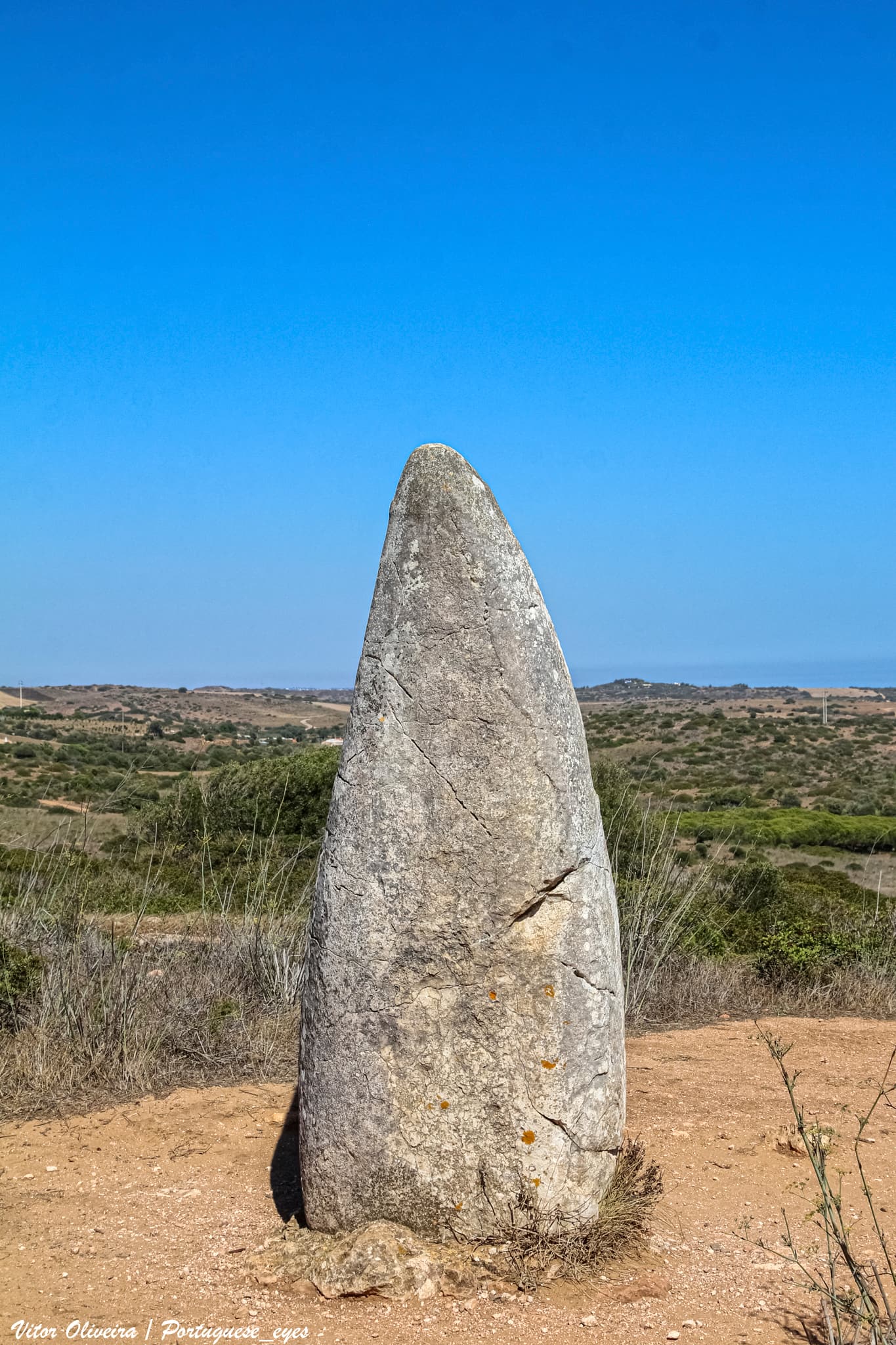 Islamic and Medieval ArchaeologyThe archaeology of Gharb al-Andalus and the Islamic and medieval period in Portugal, from Mértola to Silves: ceramics, houses, and the Muslim city of the West. Islamic Silves (Xelb)Islamic Silves (Xelb): castle, Almohad cisterns and pottery from Gharb al-Andalus, capital of Muslim Algarve and a reference for Islamic archaeology in Portugal.
 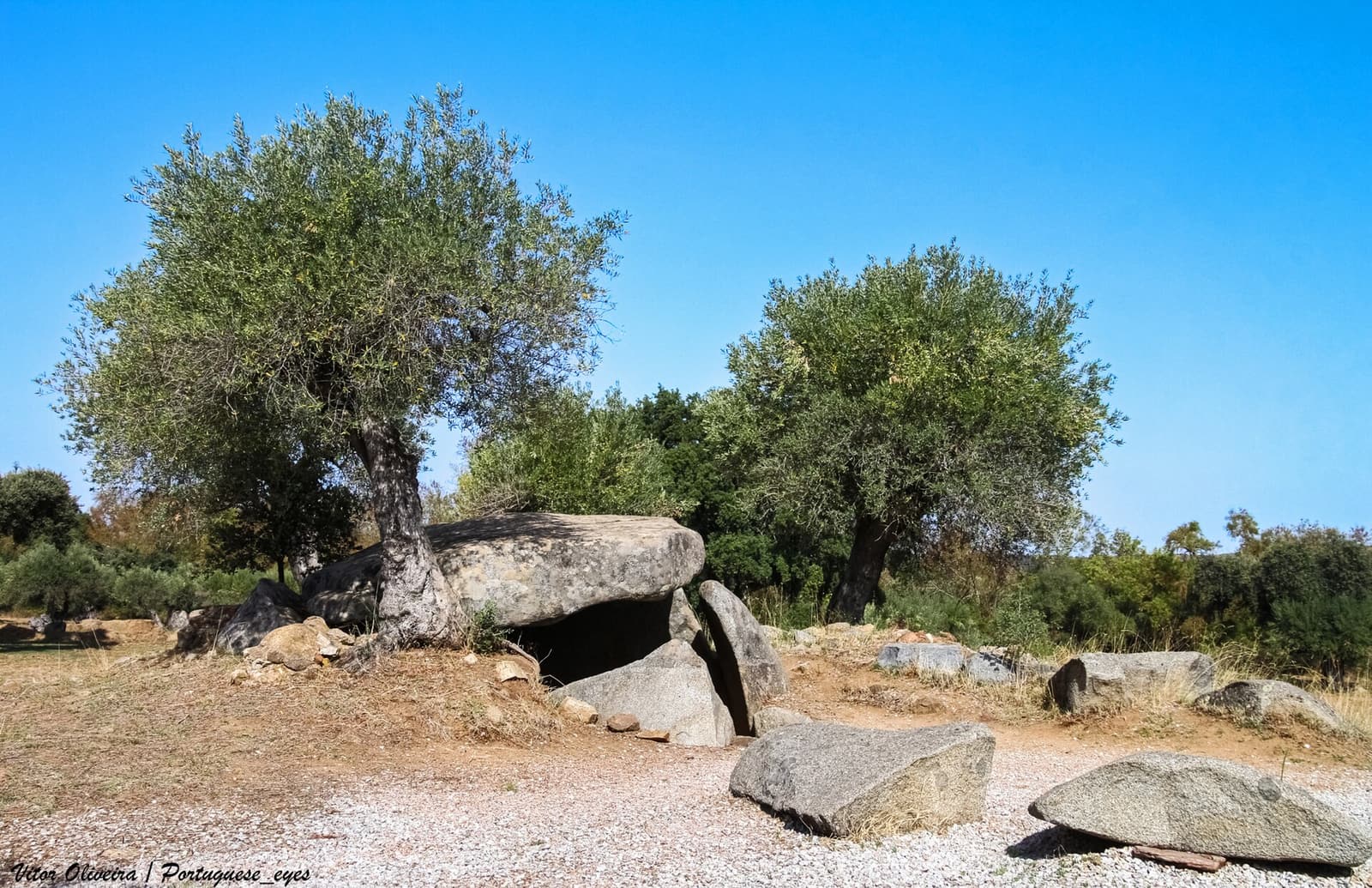 Megalithism in PortugalMegalithism in Portugal: dolmens, menhirs and stone circles of the Neolithic and Chalcolithic, from the Alto Alentejo to the Almendres, the oldest monumental…
 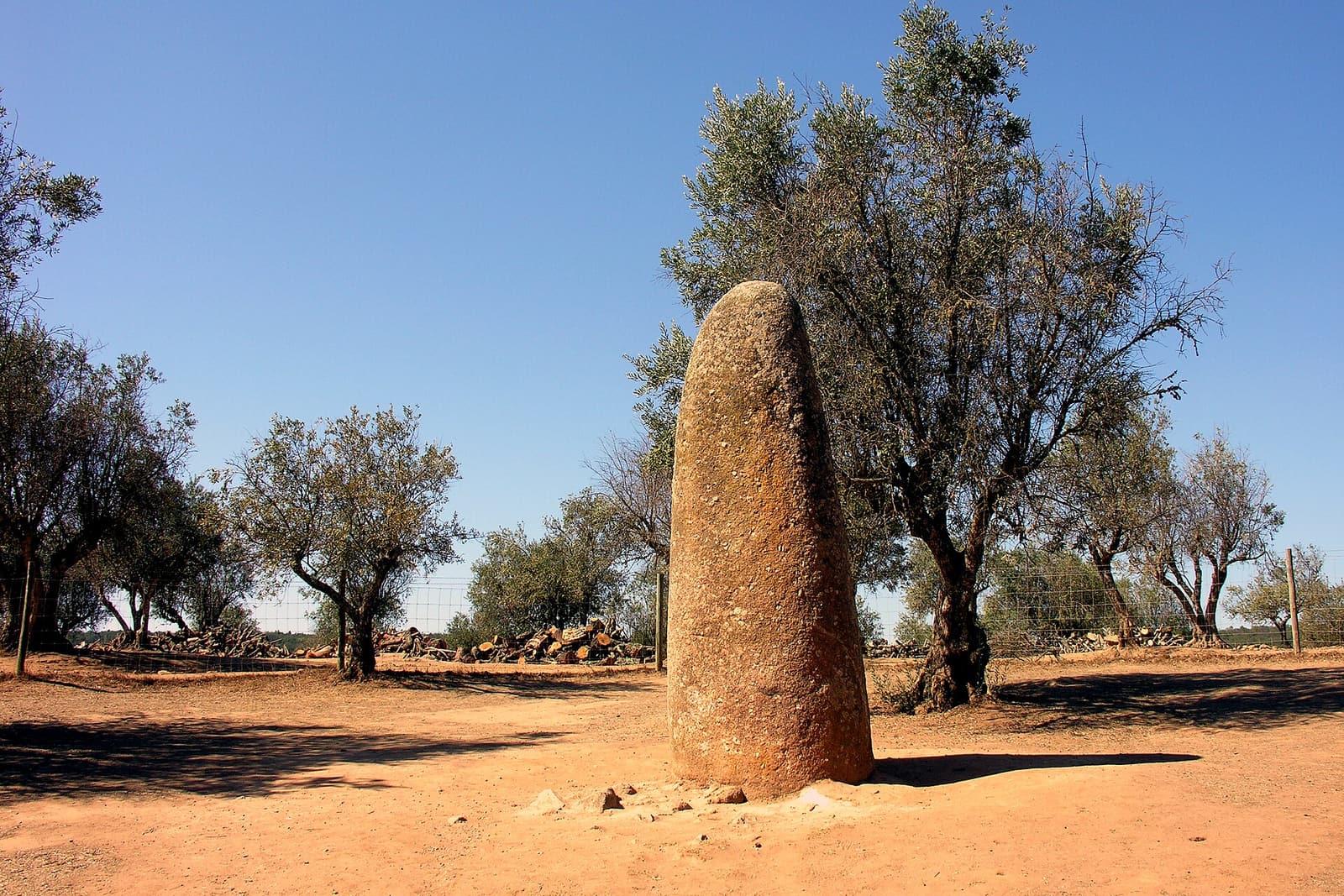 Menhir of AlmendresThe Menhir of Almendres, near Évora: an engraved granite monolith aligned with the Almendres Cromlech at the summer solstice sunrise.
 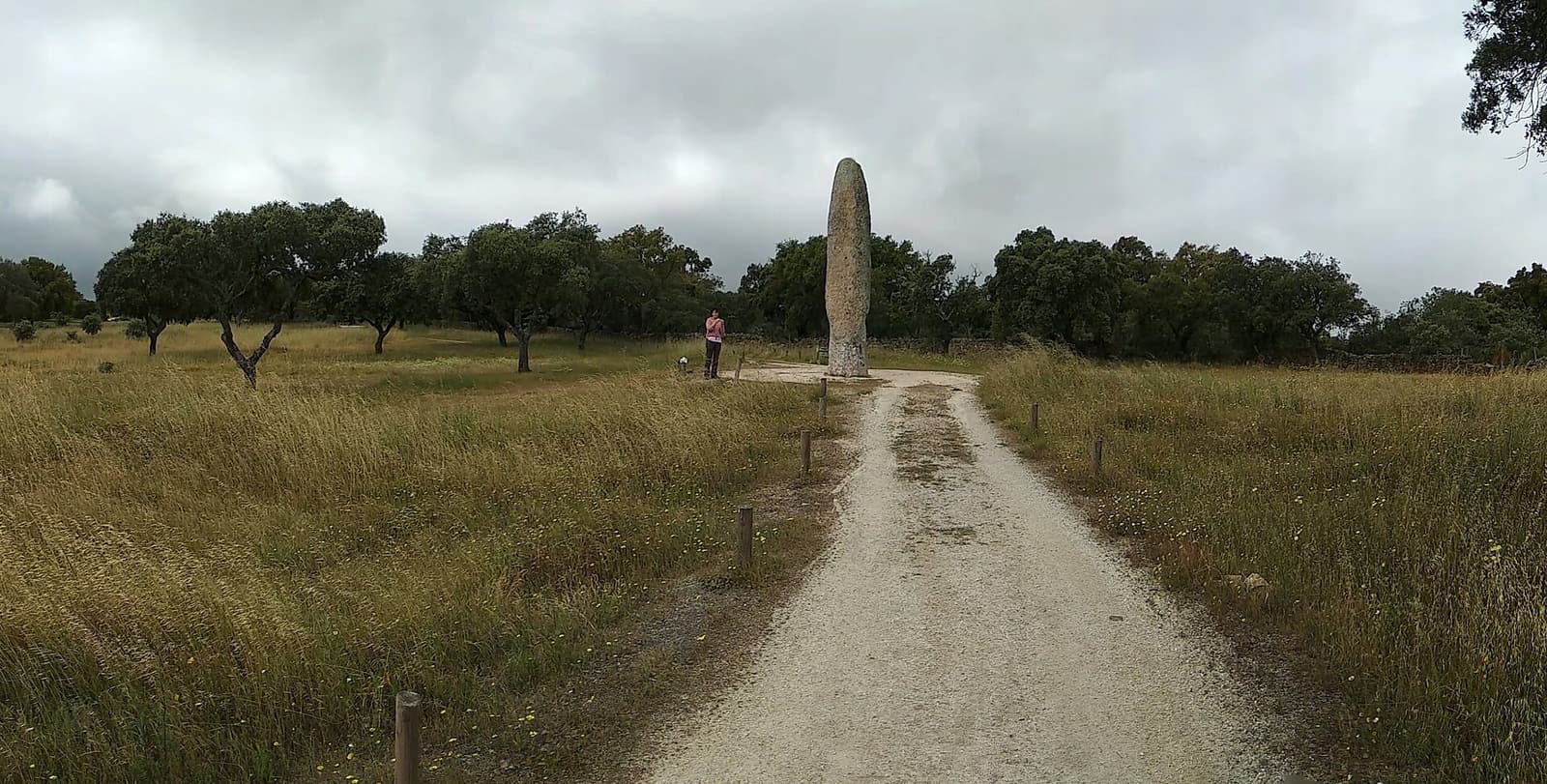 Menhir of MeadaThe Menhir of Meada, in Castelo de Vide, is the largest menhir on the Iberian Peninsula, standing 7.5 metres tall, raised around 5000 BC in the Alentejo. Menhir-statues and decorated stelaeMenhir-statues and decorated stelae in Portugal: from the anthropomorphic figures of the Neolithic to the warrior stelae of the Bronze Age, from the North to…
 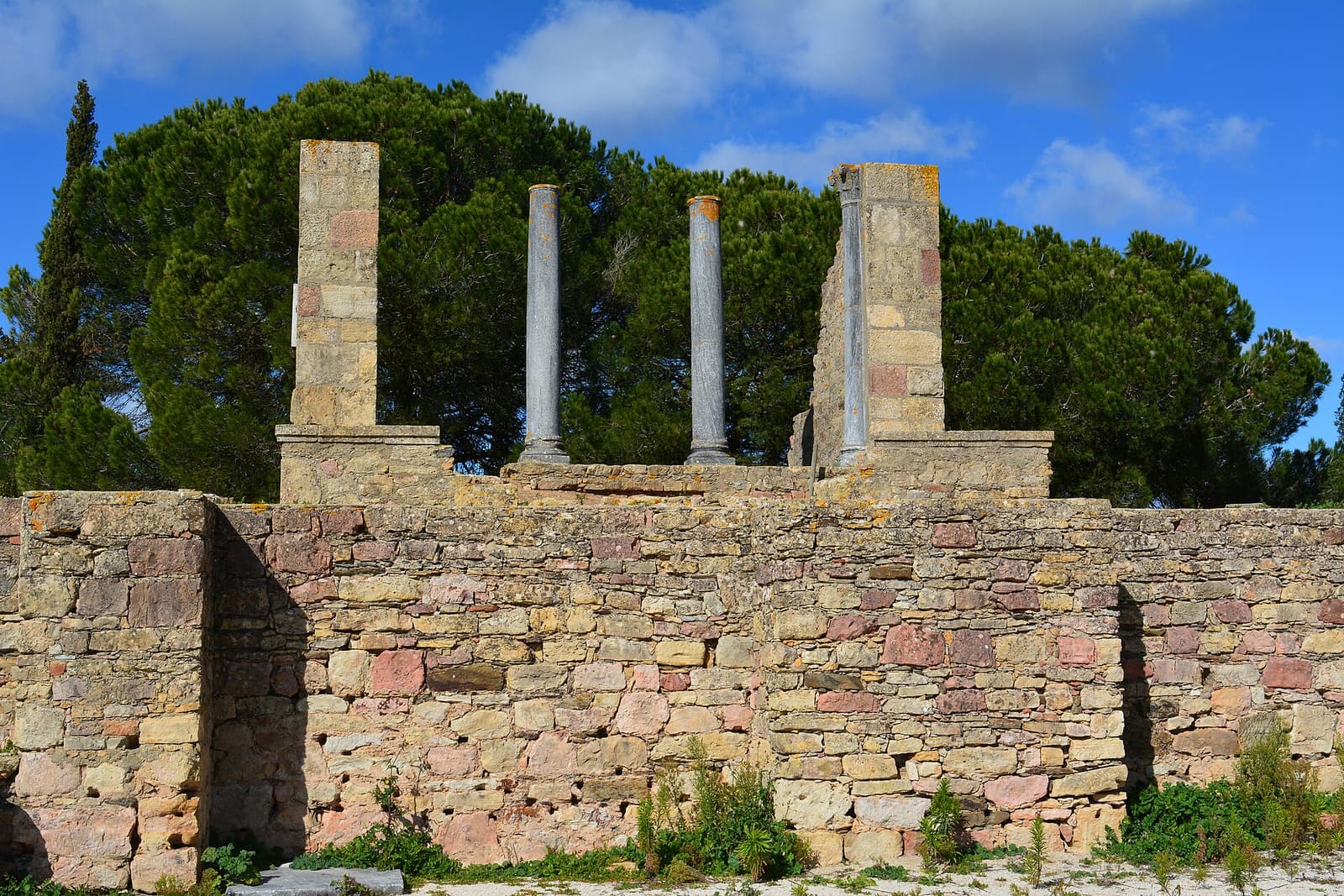 MirobrigaMirobriga, the Roman city of Santiago do Cacém, with a forum, two bath complexes and the only circus with a known ground plan in Portugal.
 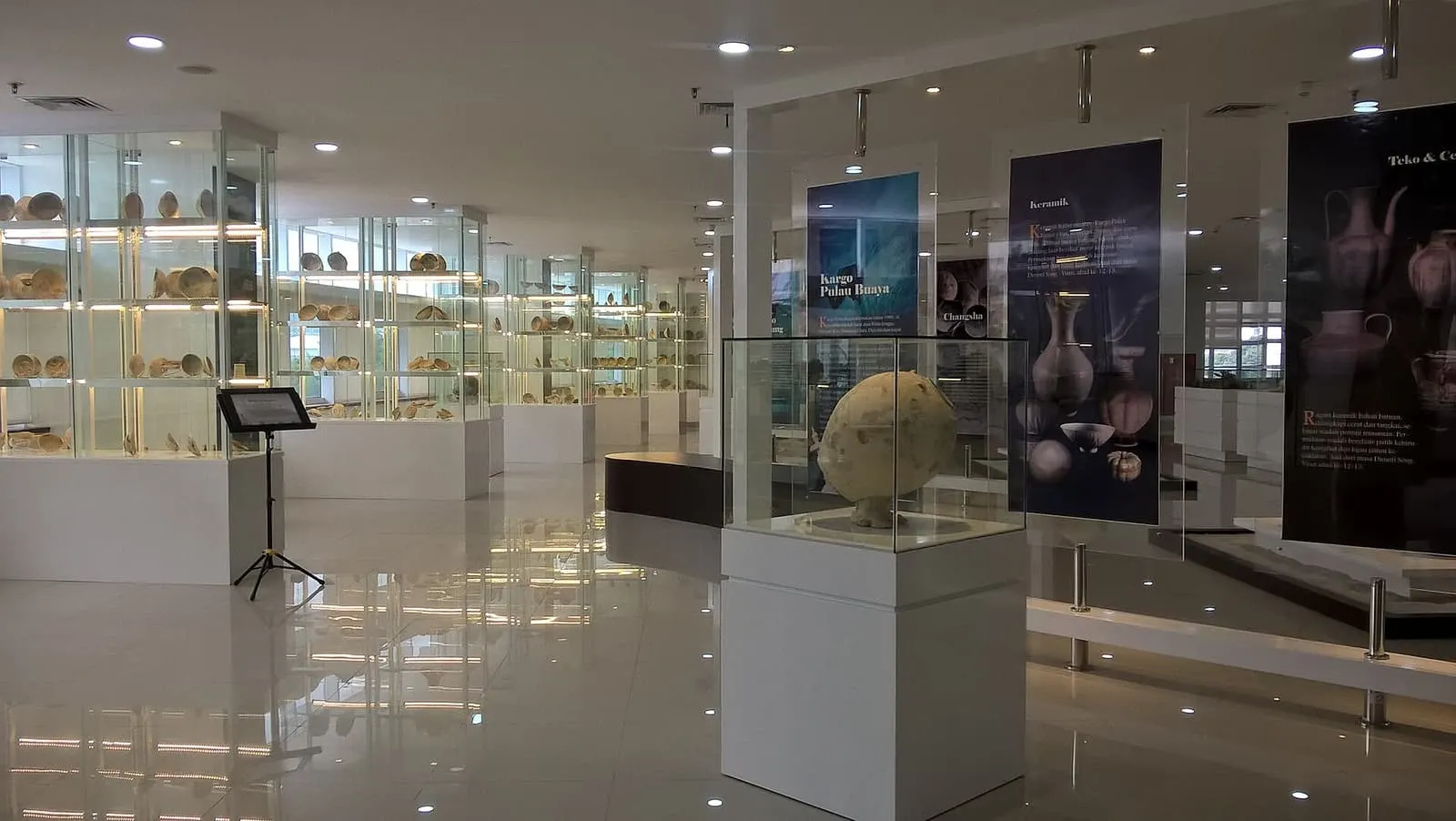 Nautical and underwater archaeologyNautical and underwater archaeology in Portugal: shipwrecks, harbours and shipbuilding studied in the country's Atlantic, estuarine and lagoon waters. Palaeolithic rock art in PortugalThe engravings and paintings of the Upper Palaeolithic in Portugal, in the open air in the Côa Valley and in a cave at Escoural, with horses, aurochs and deer.
 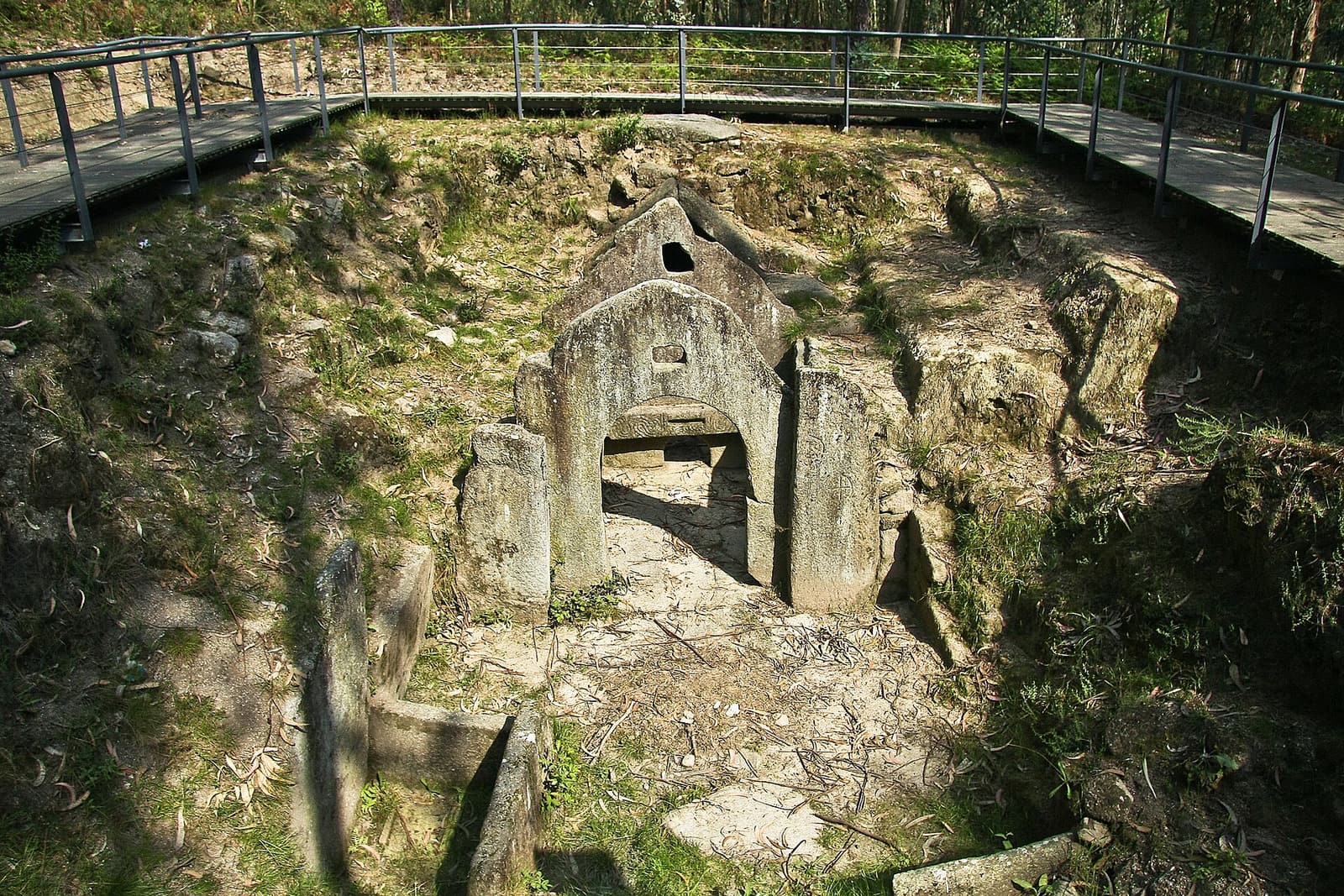 Pedra Formosa and Castro BathhousesThe sauna-bathhouses of the Castro culture and their decorated pedras formosas, monumental furnace structures from the Iron Age in the northwestern Iberian…
 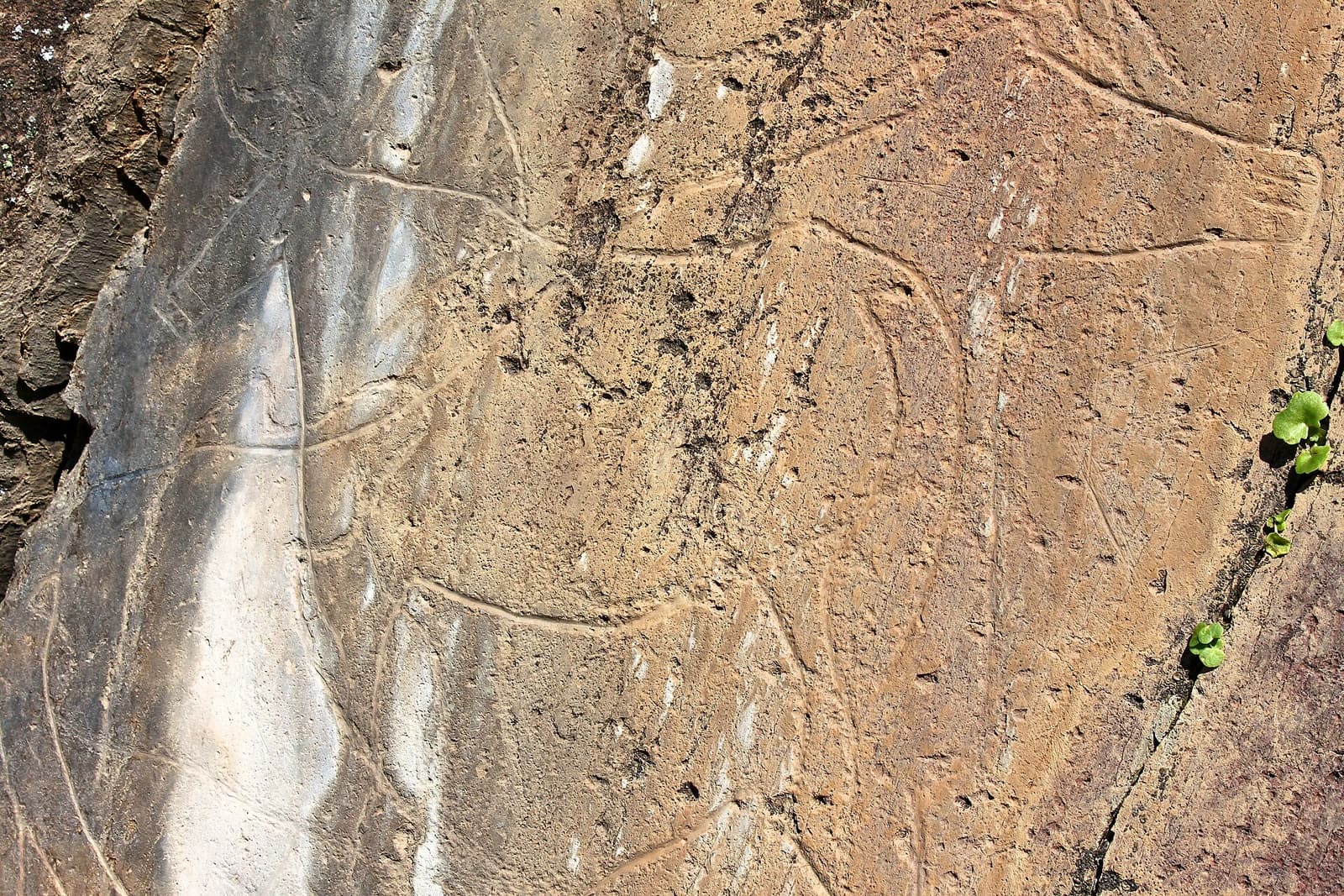 PenascosaPenascosa, in Castelo Melhor, is the most visited rock art site in the Côa Valley, featuring horses and aurochs engraved on schist over twenty thousand years ago.
 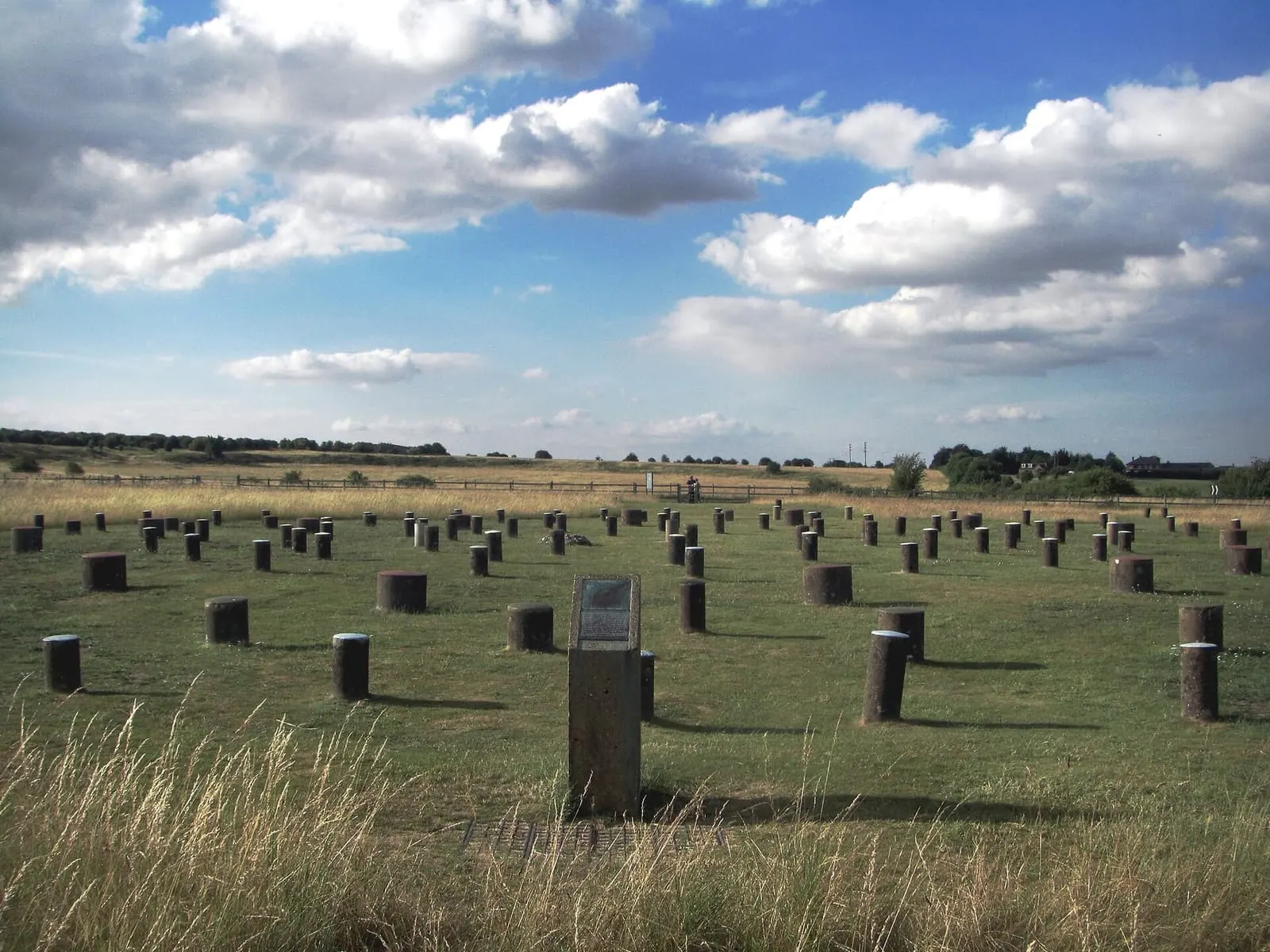 Perdigões Archaeological ComplexPerdigões, in Reguengos de Monsaraz, is a complex of Late Neolithic/Chalcolithic ditch enclosures in Alentejo, serving as both sanctuary and necropolis between…
 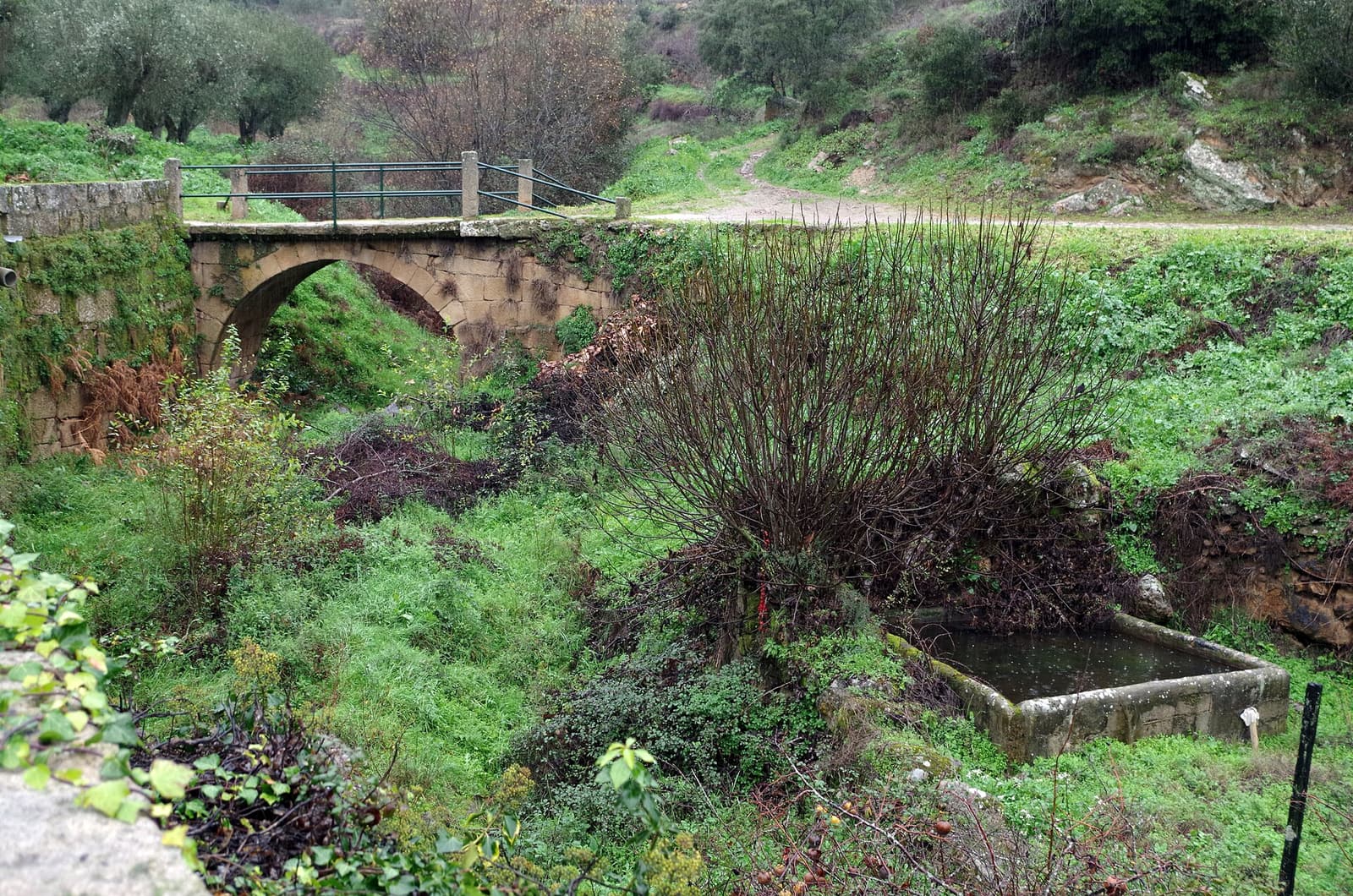 Ribeira de PiscosRock art complex at Ribeira de Piscos in the Côa Valley (Foz Côa), renowned for the overlapping horses of Rocha 1 and the Piscos Man.
 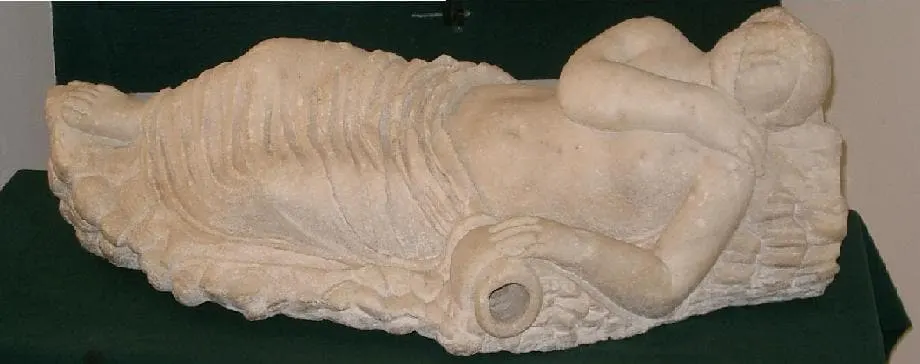 Roman Archaeology of PortugalRoman archaeology of Portugal: cities, villae, roads and mines of Lusitania and Gallaecia, from Bracara Augusta to Conímbriga and the Algarve.
 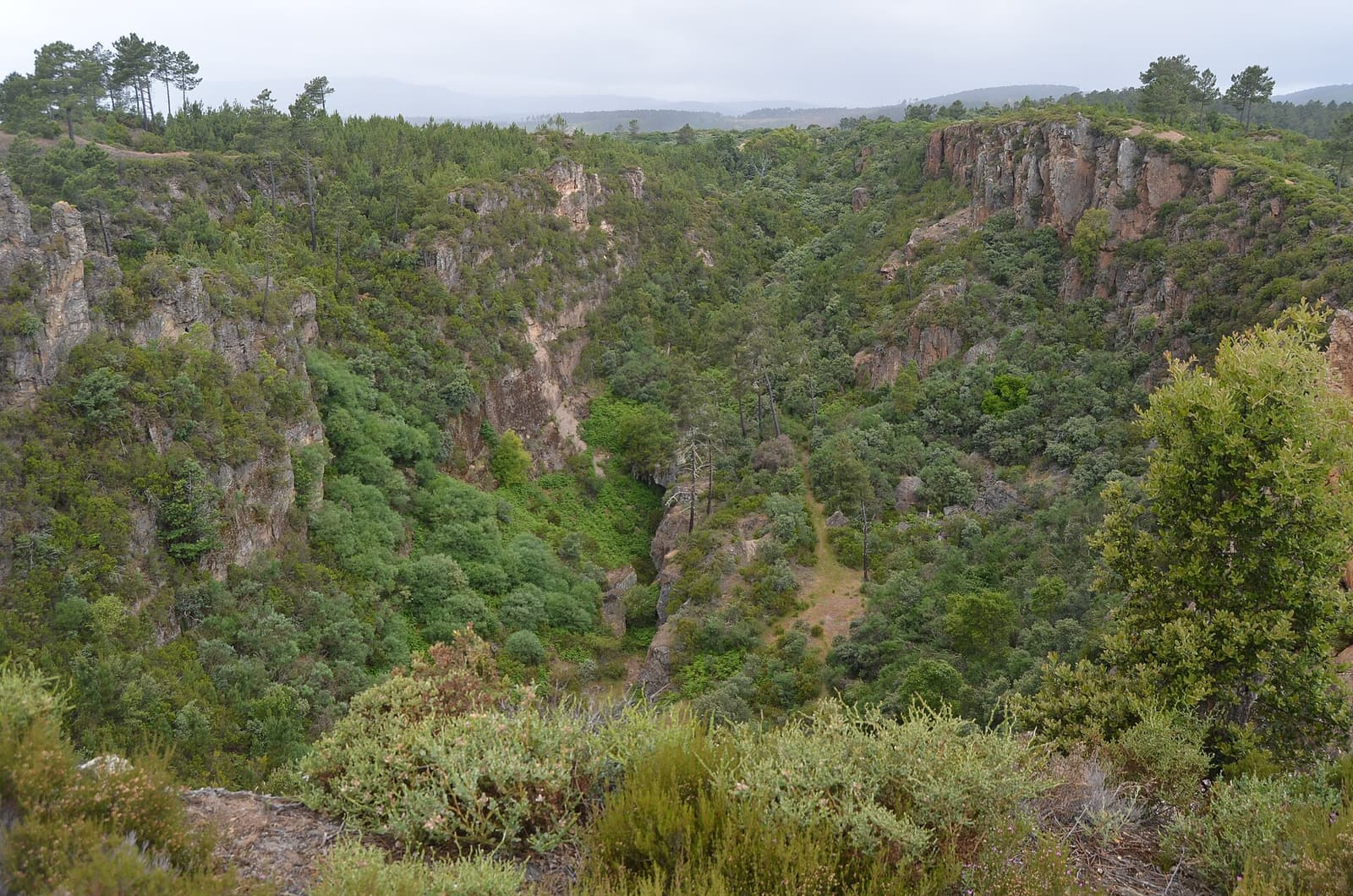 Roman Mines of TresminasThe Roman Mines of Tresminas in Vila Pouca de Aguiar constitute Portugal's largest Roman gold-mining complex, featuring open pits, galleries, and aqueducts.
 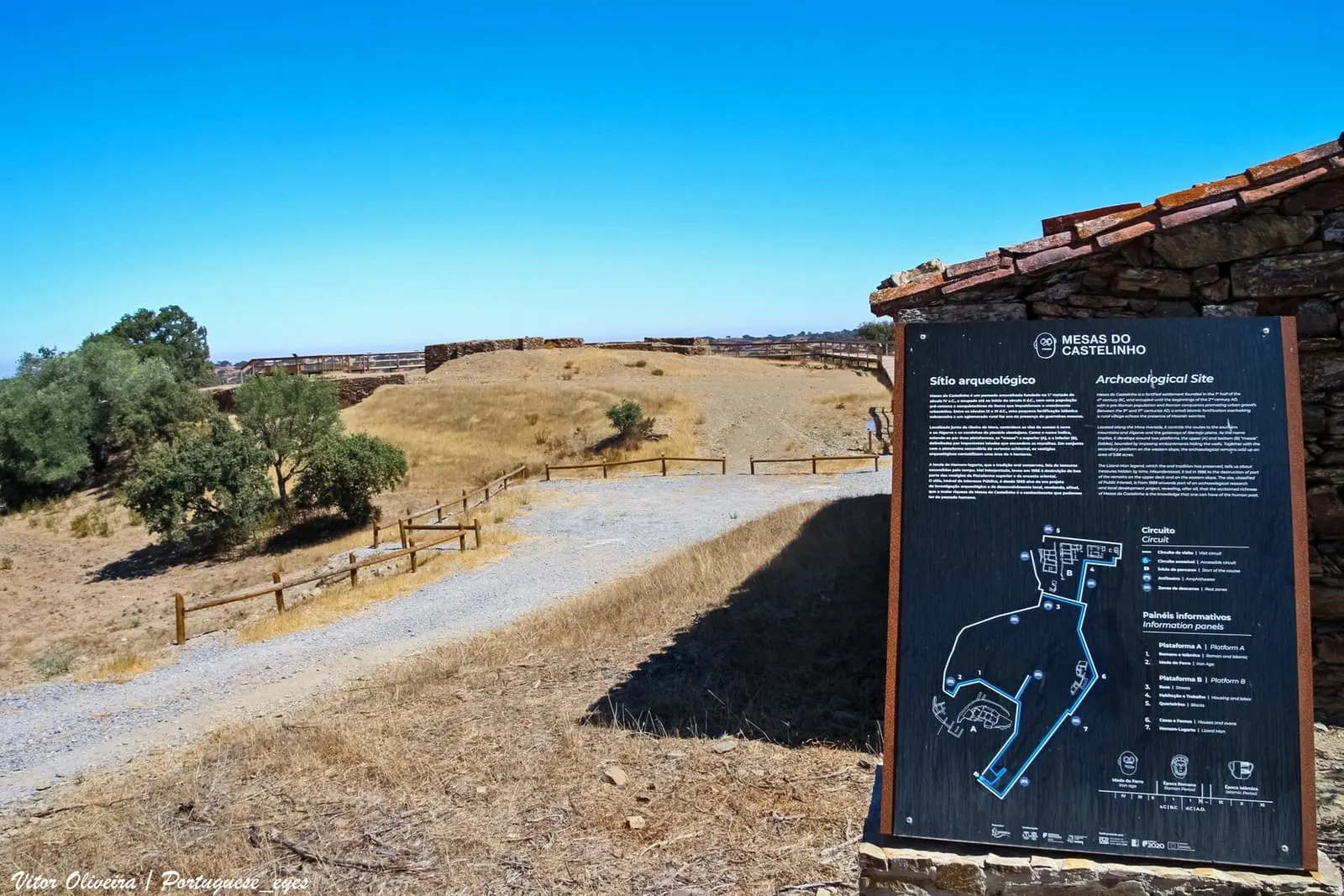 Roman mining archaeologyRoman mining in Portugal: the gold of Tresminas, the copper of Vipasca (Aljustrel) and the organisation of mining labour in Lusitania.
 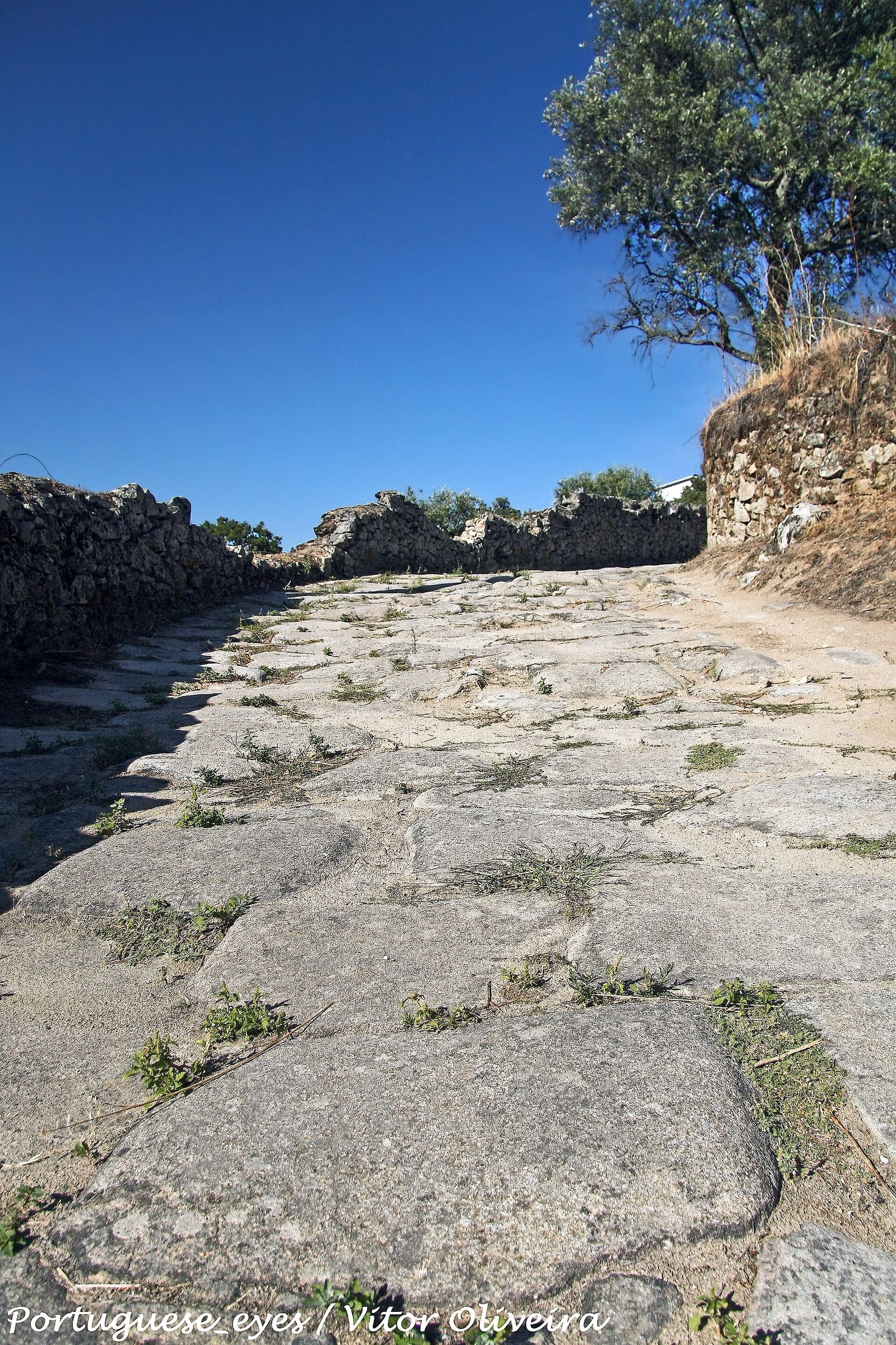 Roman RoadsRoman roads in Portuguese territory: the road network of Lusitania and Gallaecia, milestones, bridges, and the Antonine Itinerary.
 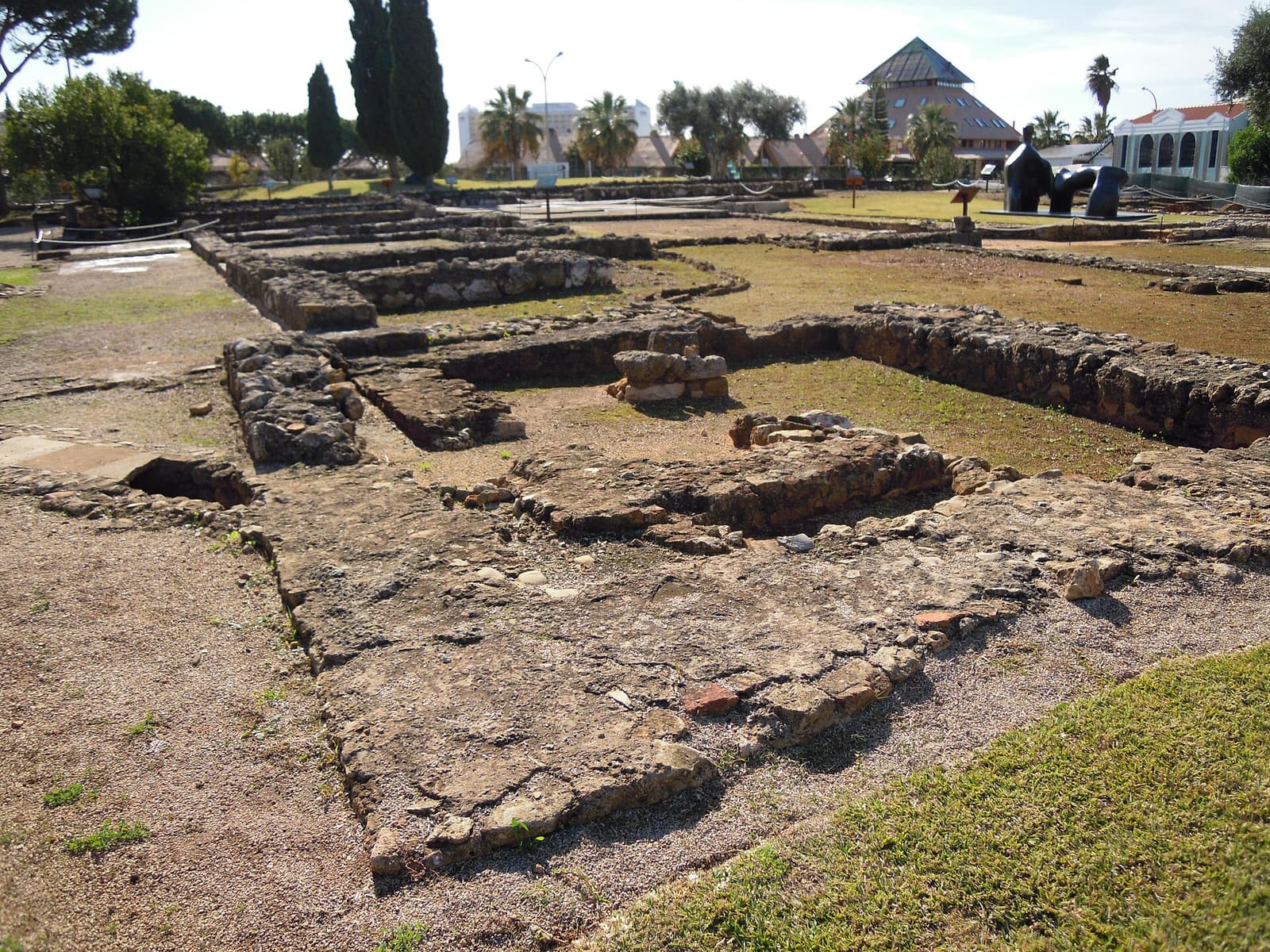 Roman Ruins of Cerro da VilaRoman Ruins of Cerro da Vila, a Roman villa and port station in Vilamoura (Quarteira, Loulé), featuring baths, fish-salting tanks, and an on-site museum.
 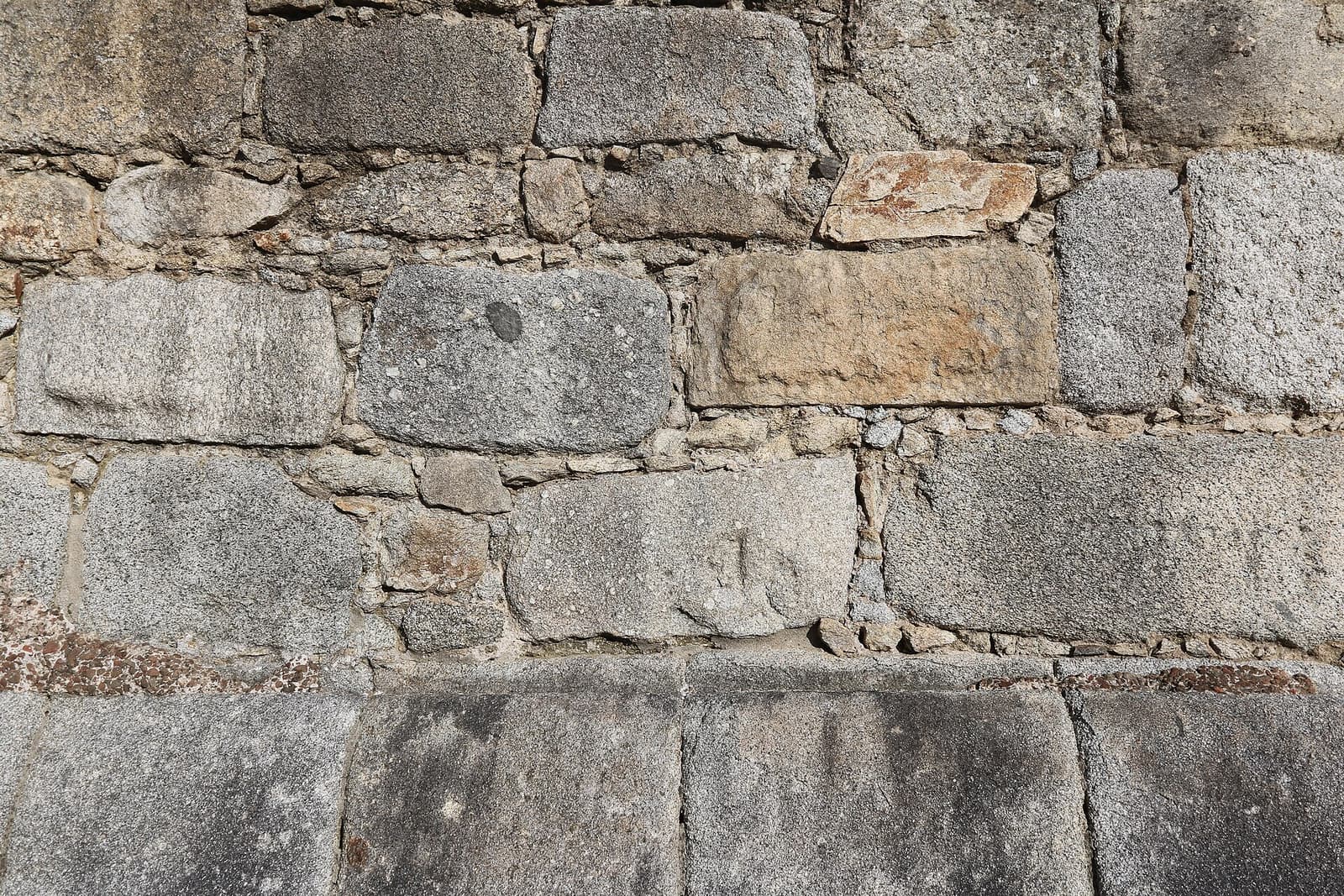 Roman Temple of ÉvoraThe Roman Temple of Évora, commonly called the Temple of Diana, is Portugal's best-preserved Roman monument in the UNESCO-listed historic center.
 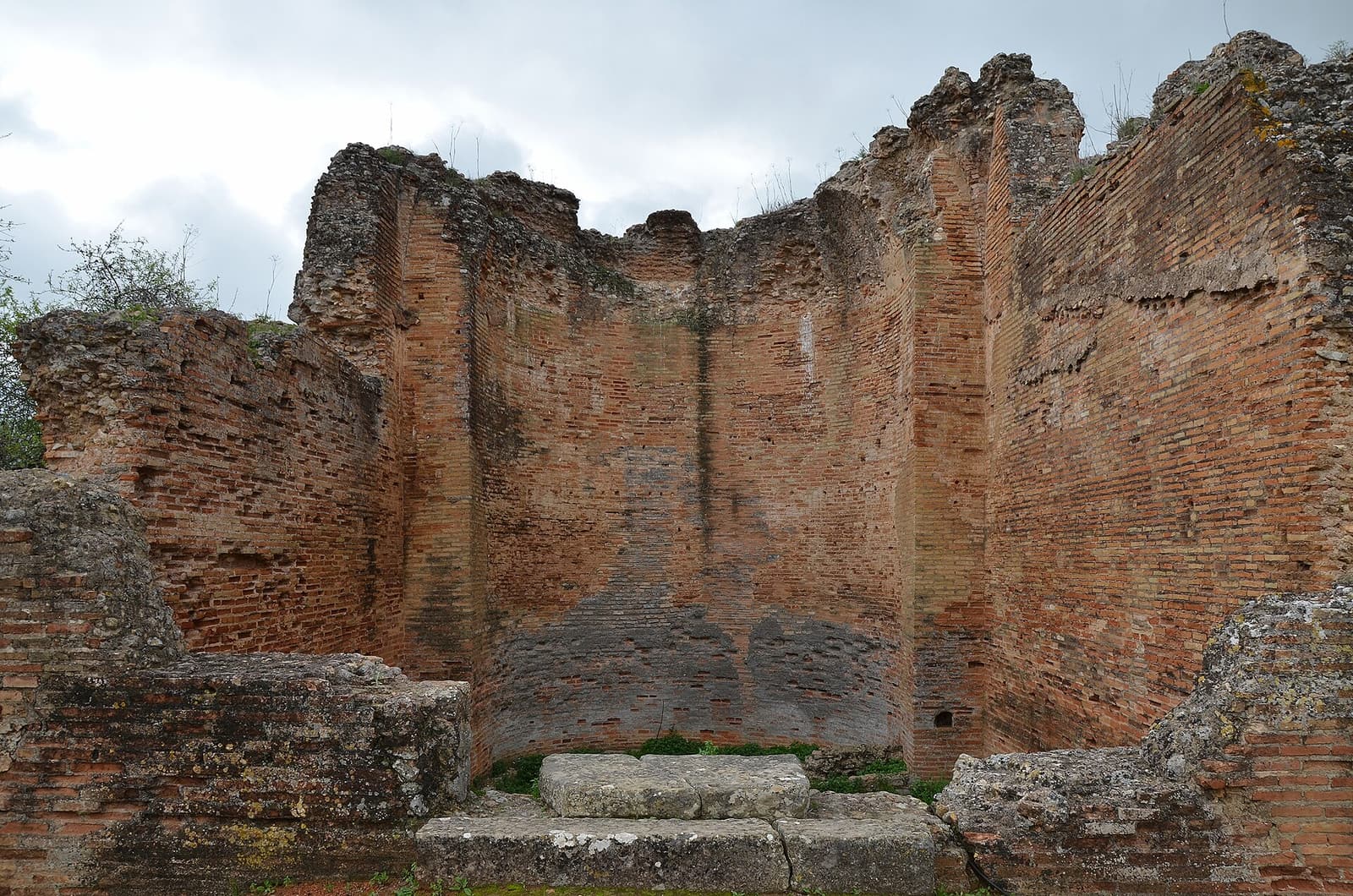 Roman Villa of MilreuRoman villa of Milreu in Estói (Faro), one of the most remarkable Roman complexes in the Algarve, featuring a temple-mausoleum and fish mosaics.
 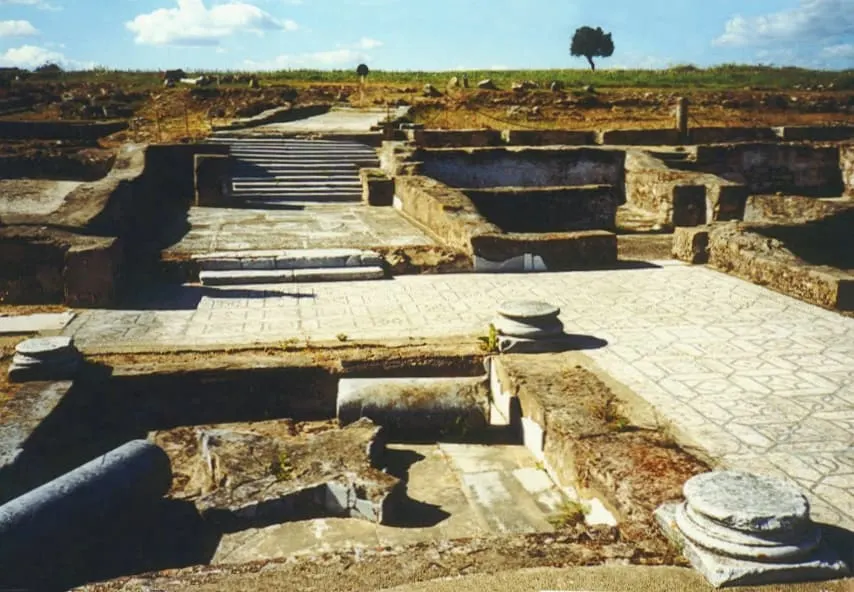 Roman Villa of PisõesDiscover the Roman villa of Pisões near Beja: mosaics, baths and a large outdoor pool. Explore its history, location and contacts for planning your visit.
 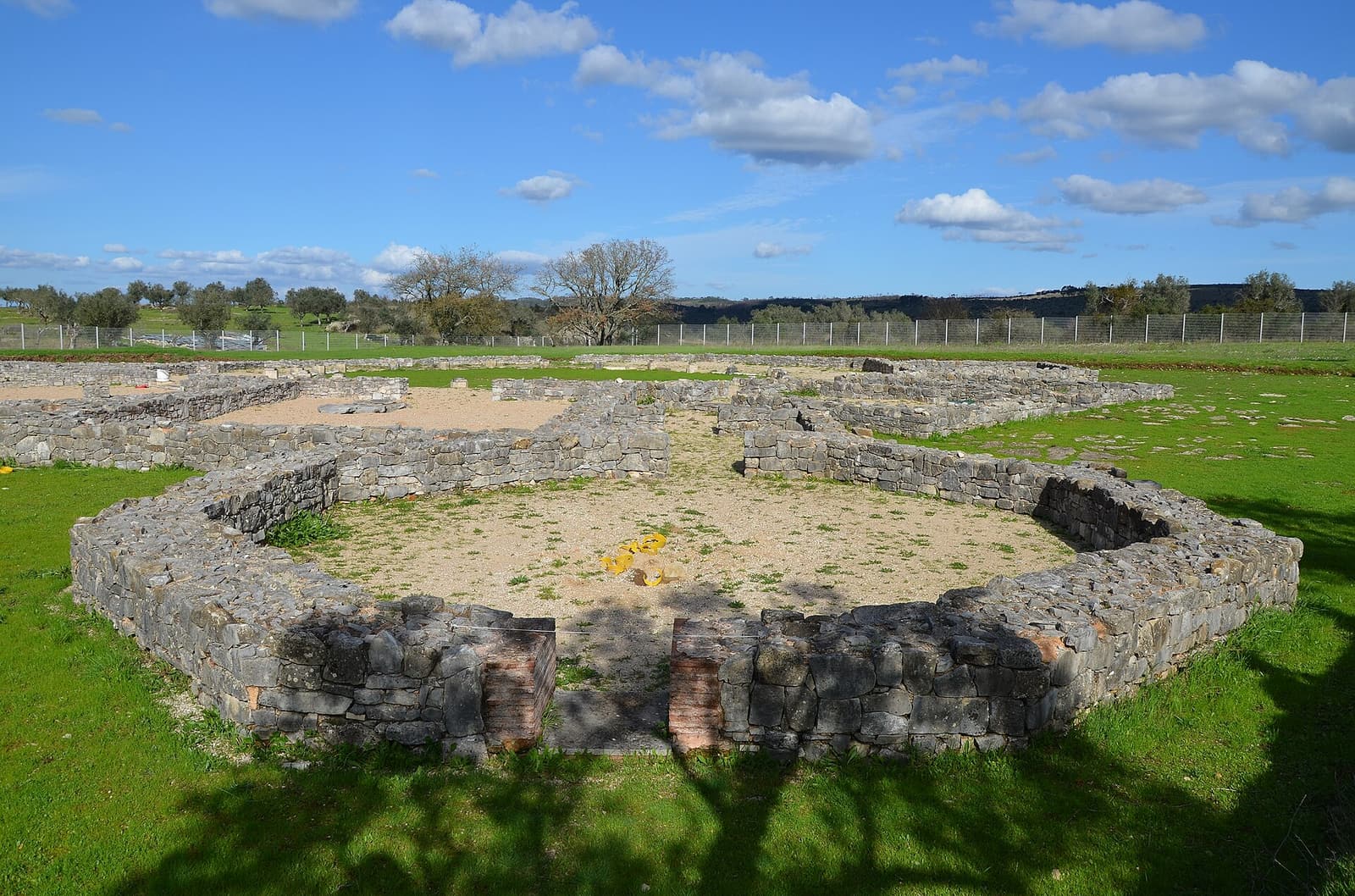 Roman Villa of RabaçalExplore Rabaçal’s Roman villa, octagonal courtyard and seasonal mosaics near Penela. Discover its history, national protection and arrange a guided visit.
 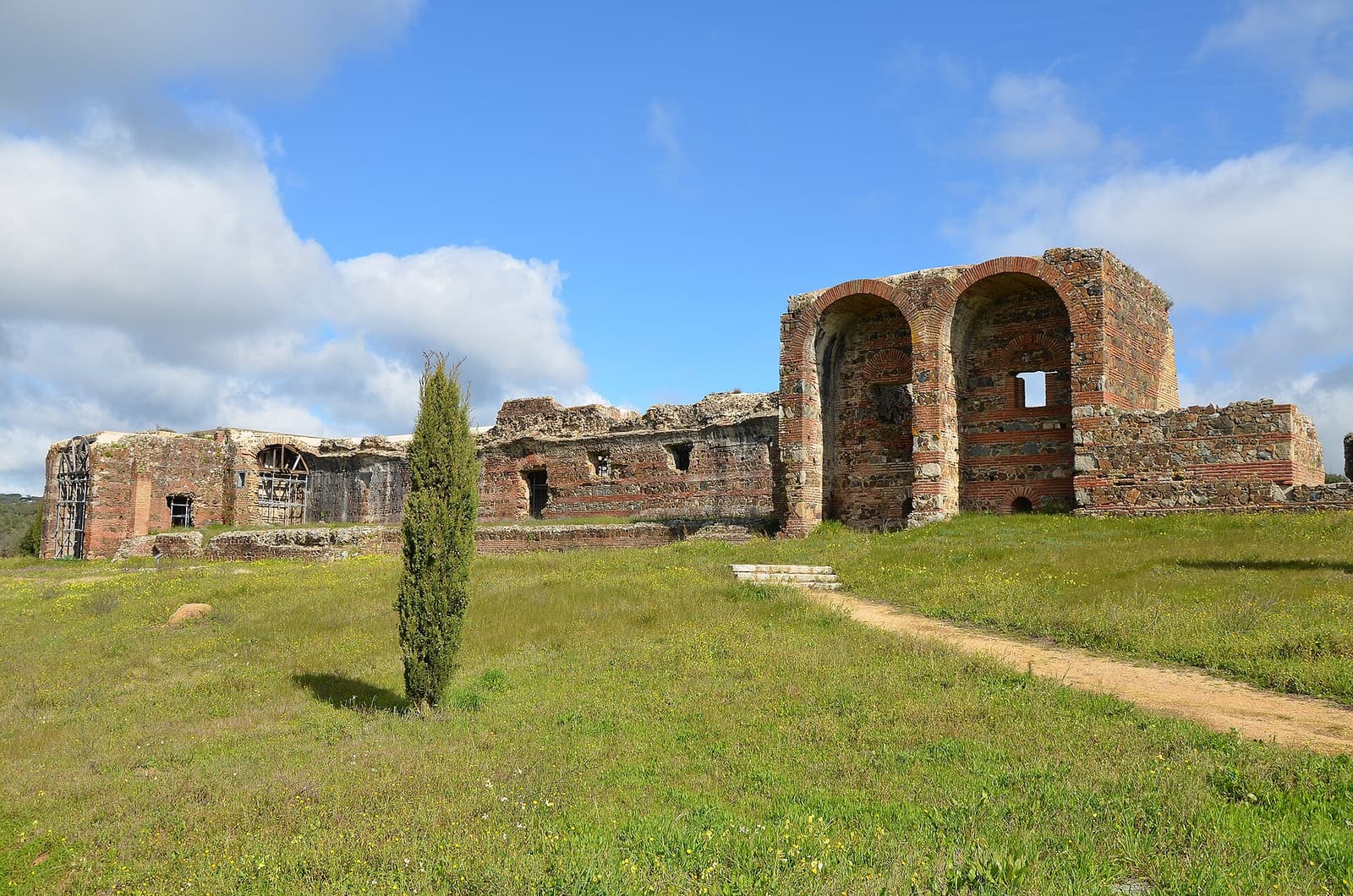 Roman Villa of São CucufateThe Roman Villa of São Cucufate in Vila de Frades (Vidigueira) is the best-preserved Roman rural residence in Portugal, with two-story elevations.
 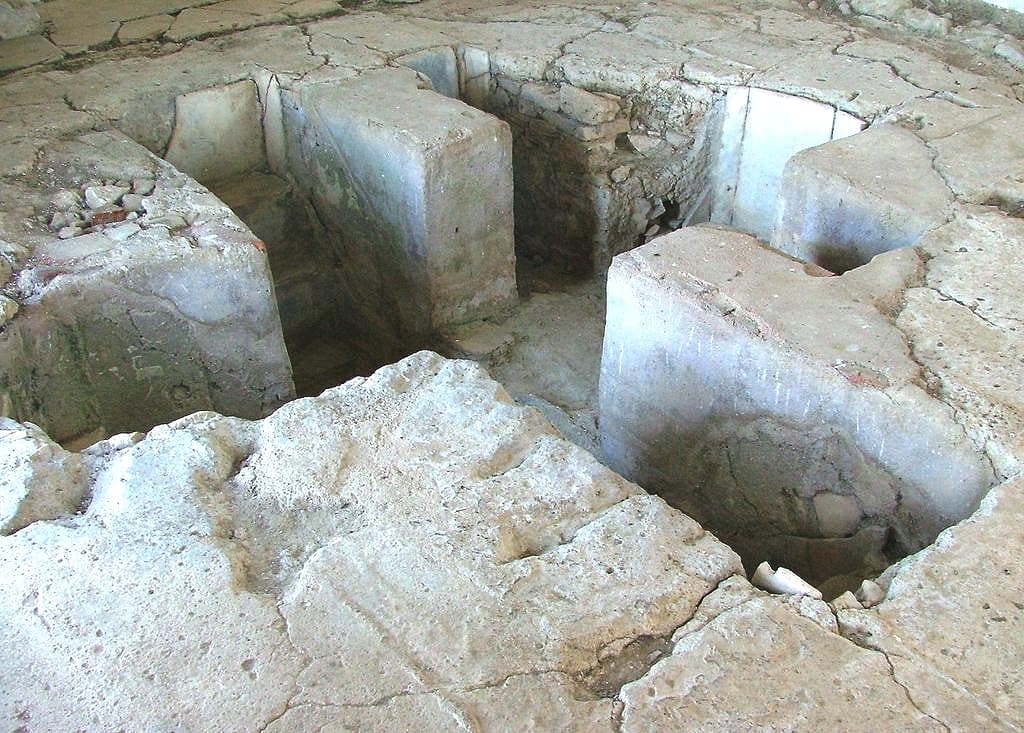 Roman Villa of Torre de PalmaThe Roman villa of Torre de Palma in Monforte was one of the largest in Lusitania, renowned for its Muses and Horses mosaics and its Paleochristian basilica. Roman Villas of LusitaniaCompare four Roman villas of Lusitania in Portugal: Rabaçal, Pisões, São Cucufate and Torre de Palma. Discover what to look for and how to plan each visit.
 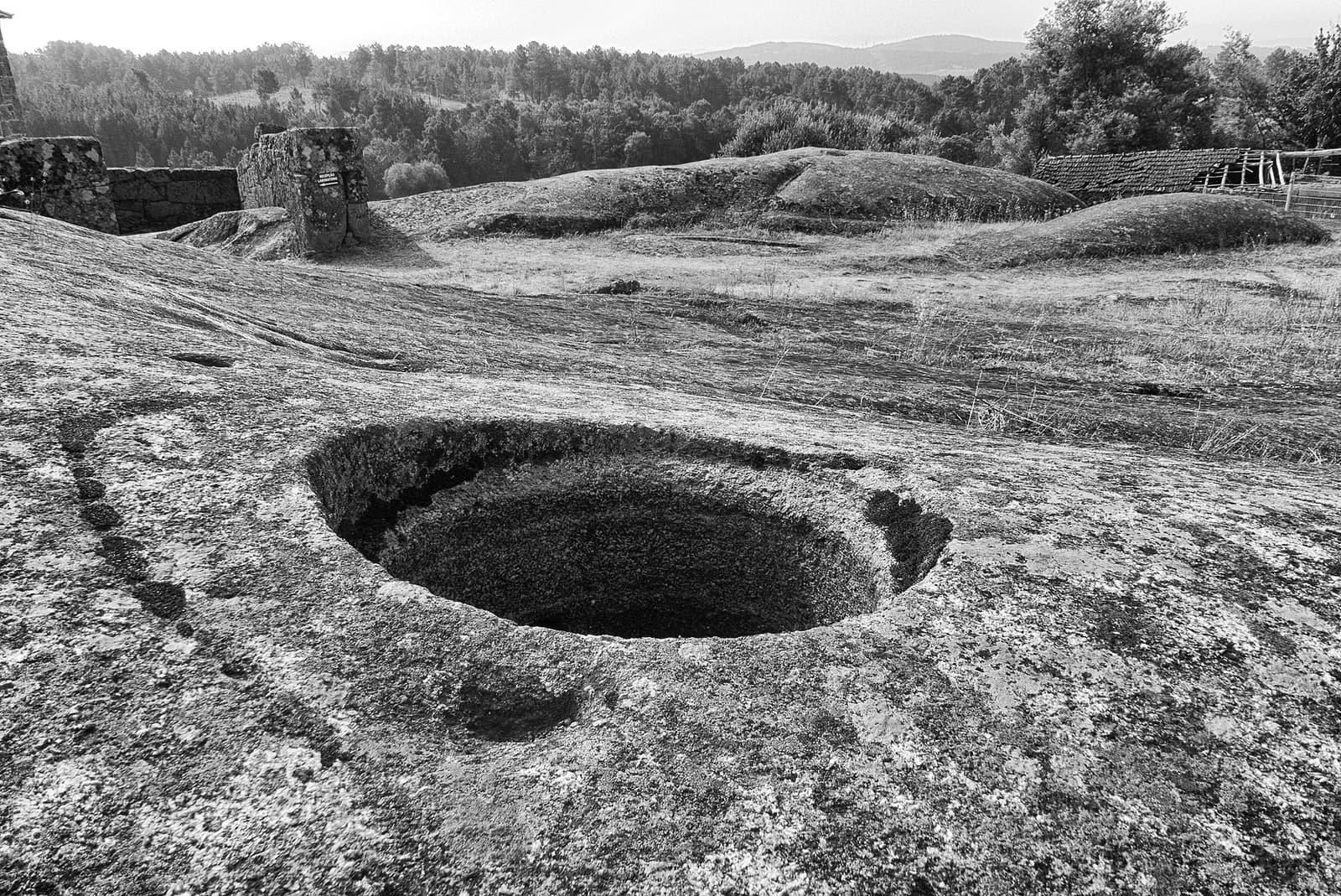 Sanctuary of PanóiasThe Sanctuary of Panóias in Vila Real is a Roman rock-cut sanctuary featuring tanks carved into the rock and Latin and Greek inscriptions dedicated to chthonic…
 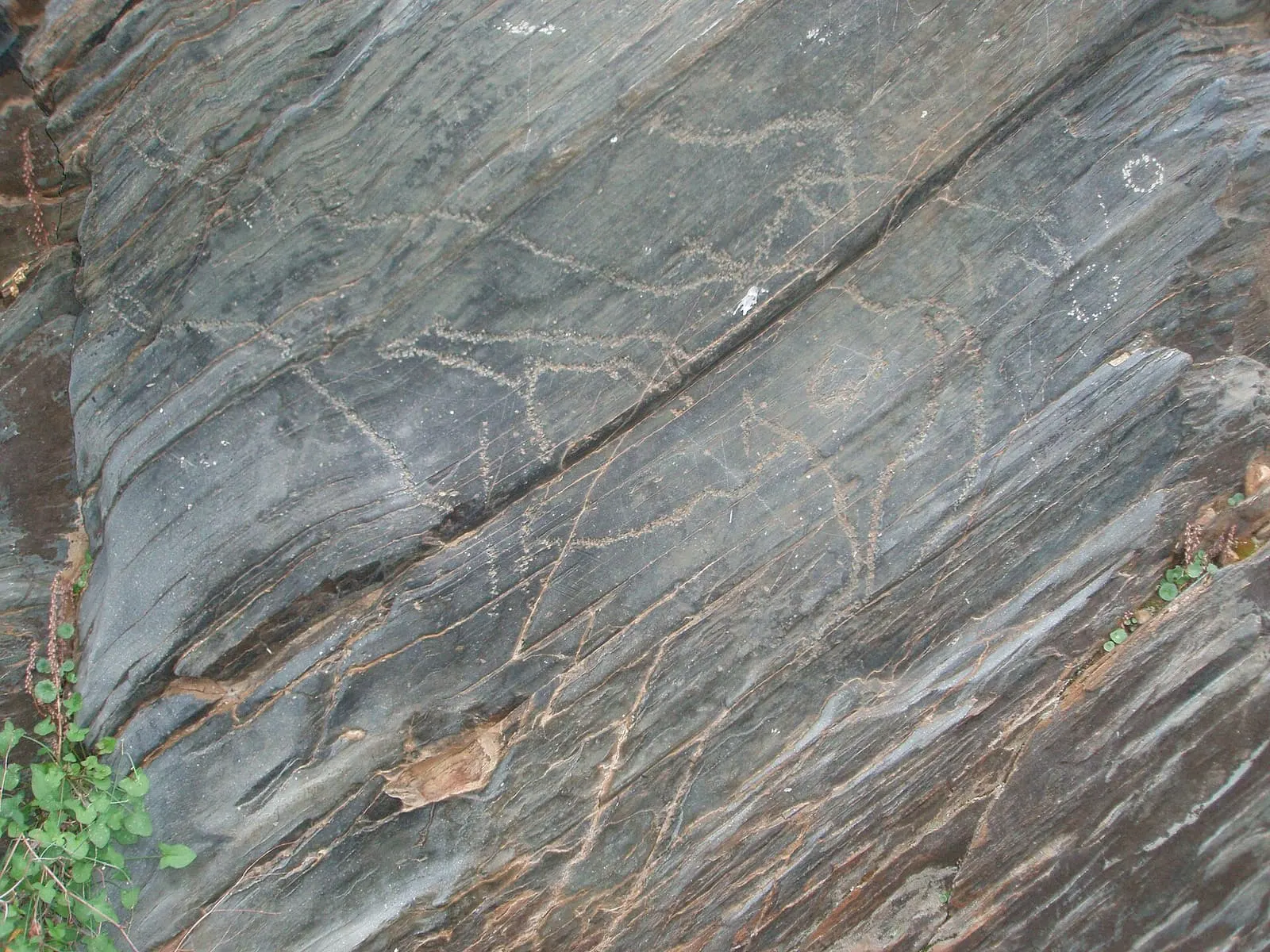 Siega VerdeSiega Verde in Salamanca, Spain: Palaeolithic engravings by the Águeda, added to the Côa World Heritage property in 2010. Discover its context and plan a visit. The Arade ShipwrecksThe Arade Shipwrecks: an underwater archaeology complex in the Arade River estuary between Portimão and Ferragudo, featuring vessels and anchorages from the…
 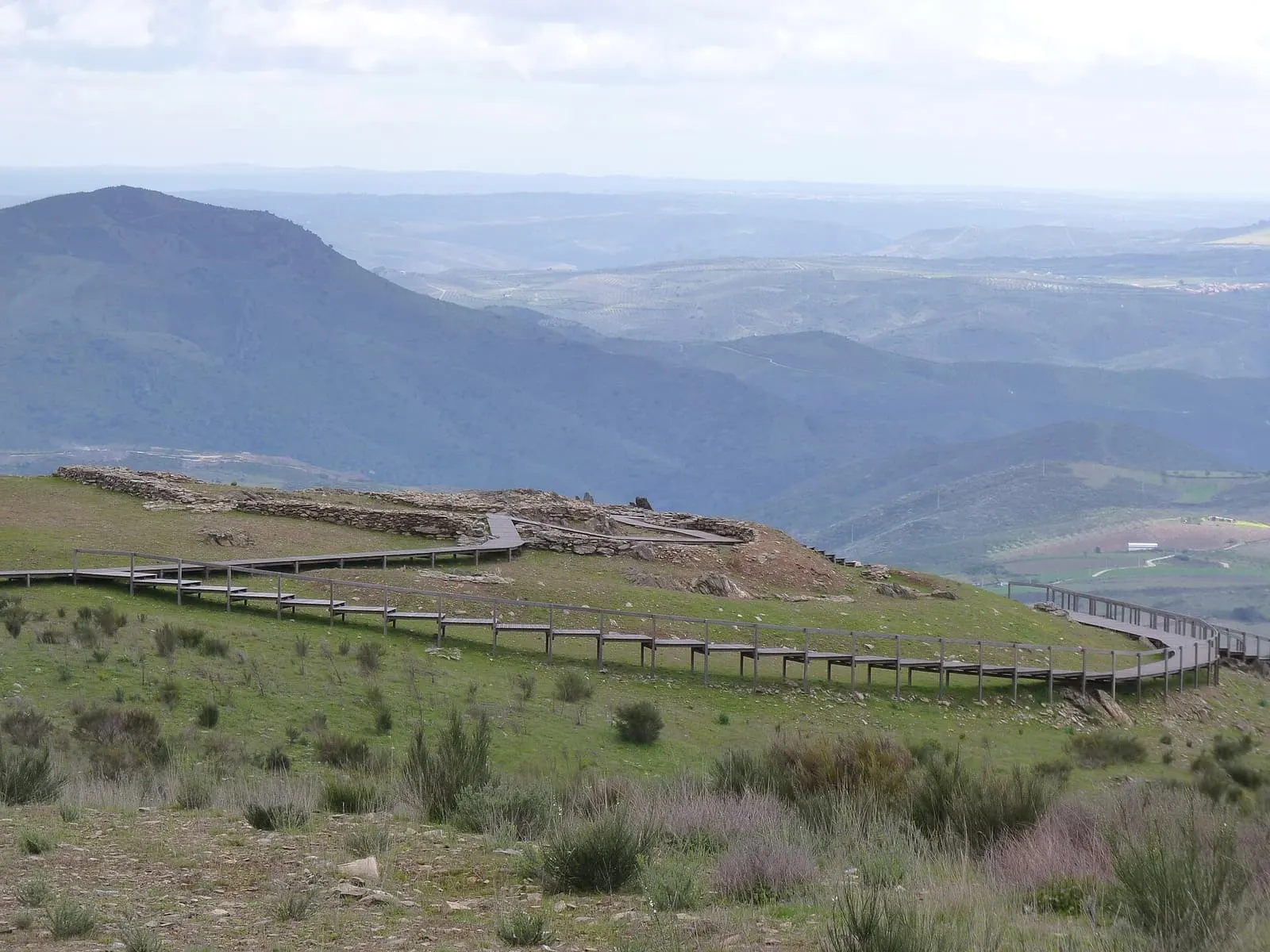 The Bronze Age in PortugalThe Bronze Age in Portugal: settlements, metallurgy, cist burials and stelae of the South-Western Bronze and the Atlantic Bronze in Portuguese territory (c.
 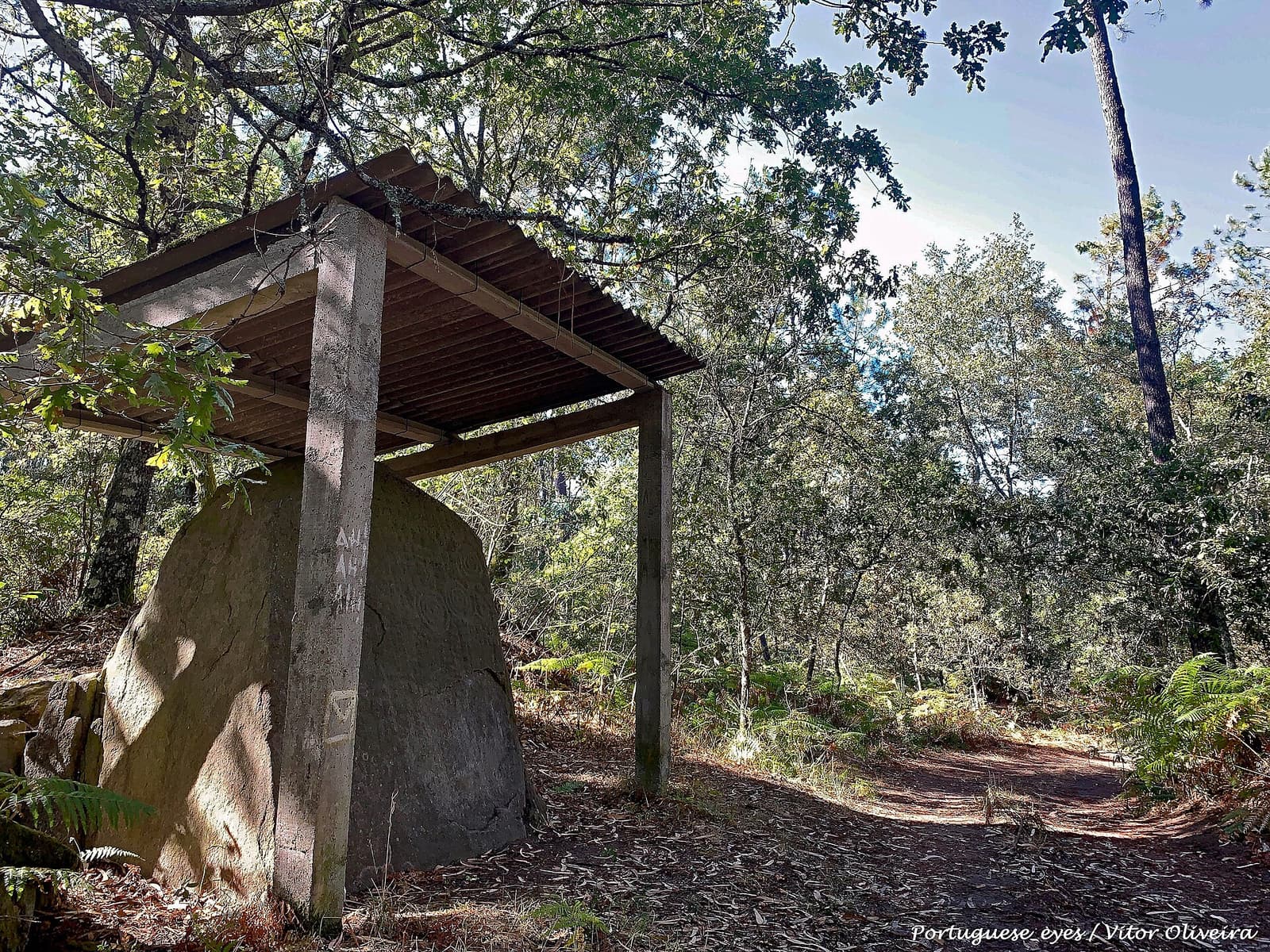 The Chalcolithic in PortugalThe Chalcolithic in Portugal: fortified settlements, copper metallurgy and Bell Beaker pottery in the third millennium BC, from Leceia to Zambujal and Perdigões.
 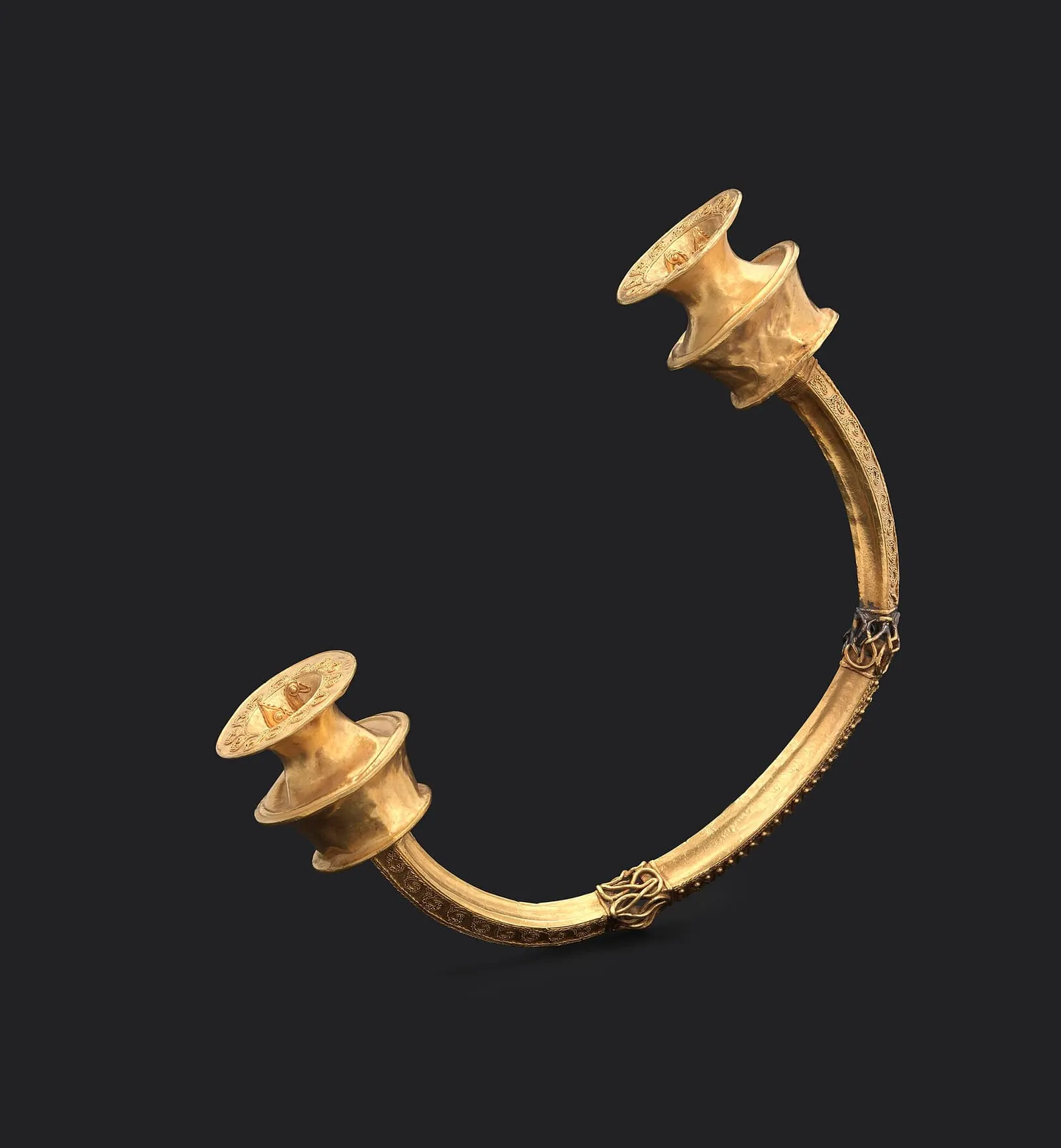 The Iron Age in PortugalThe Iron Age in Portugal: fortified settlements, the Castro culture, Mediterranean contacts and proto-historic peoples before Romanisation.
 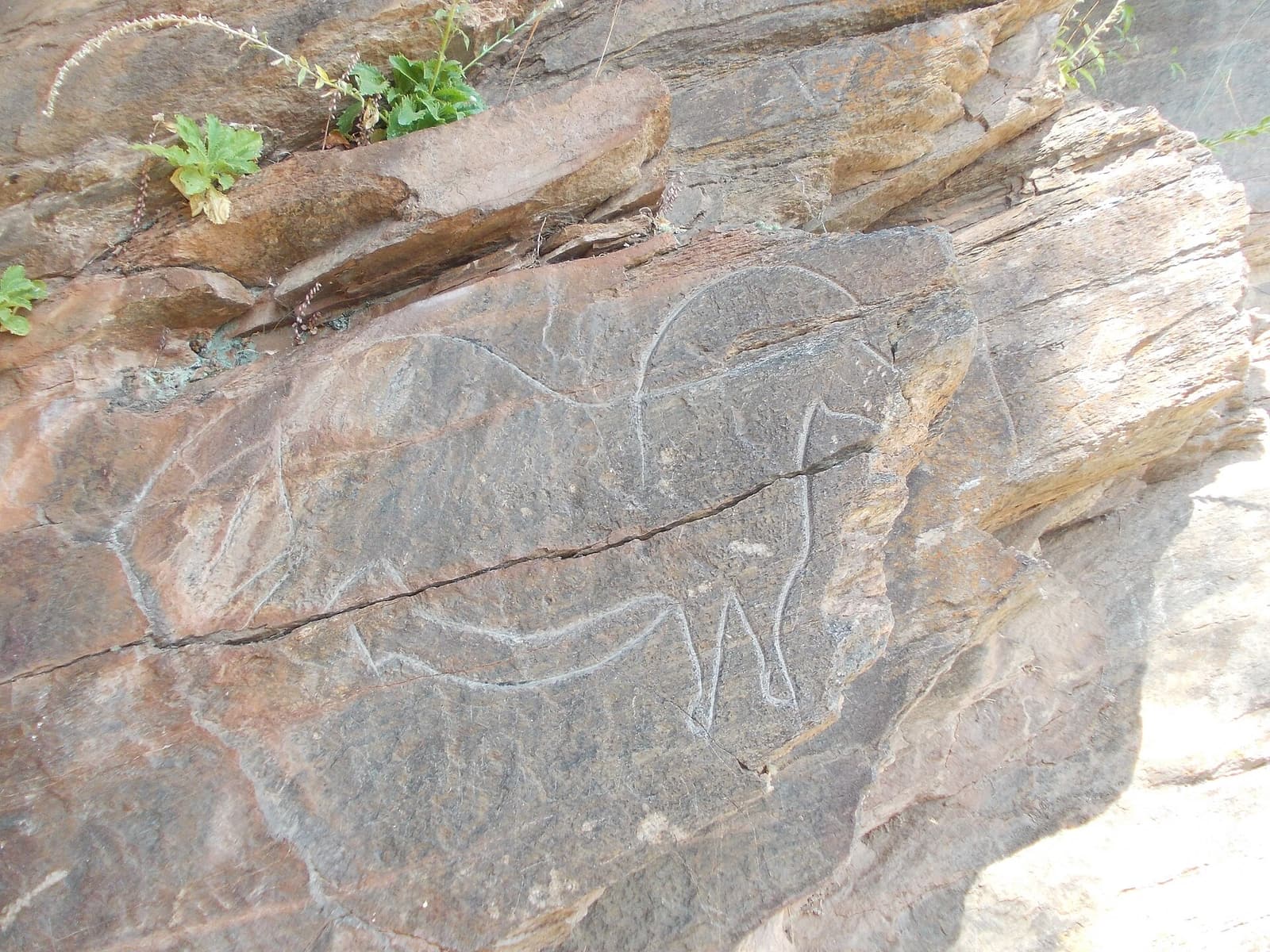 The Mazouco Rock EngravingsThe Mazouco rock engravings, at Freixo de Espada à Cinta, with the celebrated Palaeolithic horse — the first open-air rock art recognised in Portugal.
 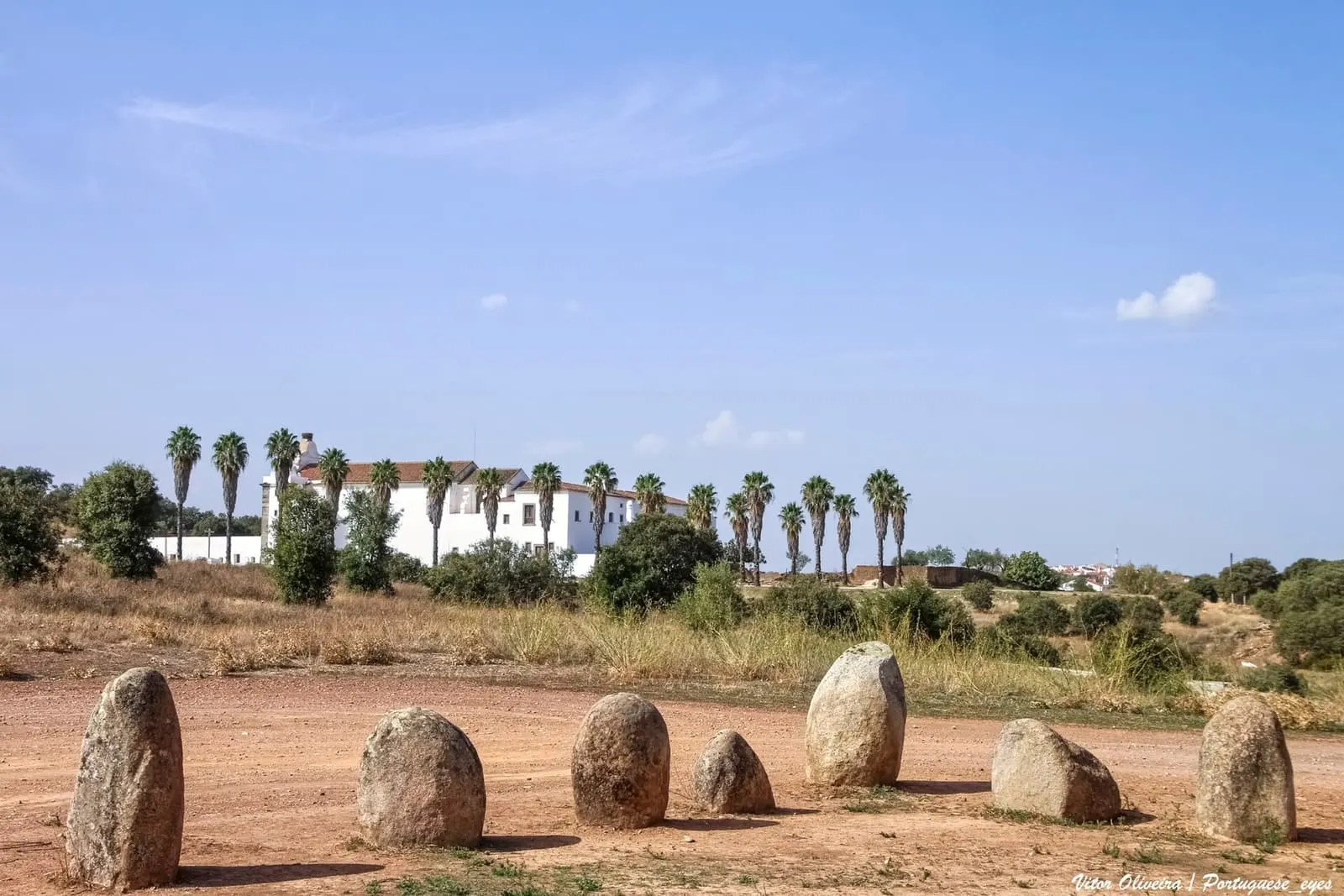 The megalithic complex of MonsarazThe megalithic complex of Monsaraz, in Reguengos de Monsaraz, brings together the Xerez cromlech, menhirs and dolmens of the Alentejo Neolithic.
 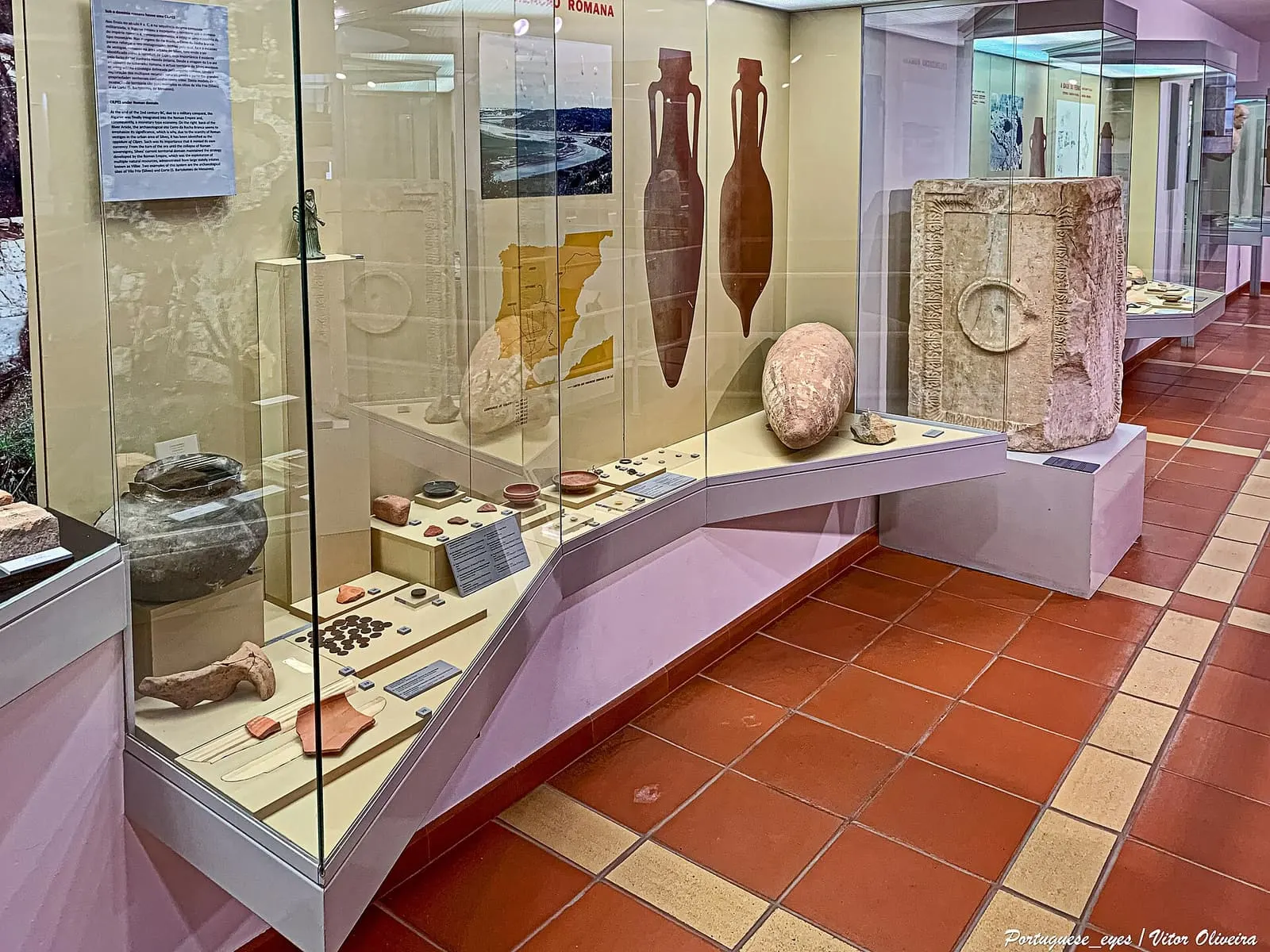 The Neolithic in PortugalThe Neolithic in Portugal: neolithisation, agro-pastoral communities, Cardial pottery, settlements, and the monumentalisation of the landscape between the 6th…
 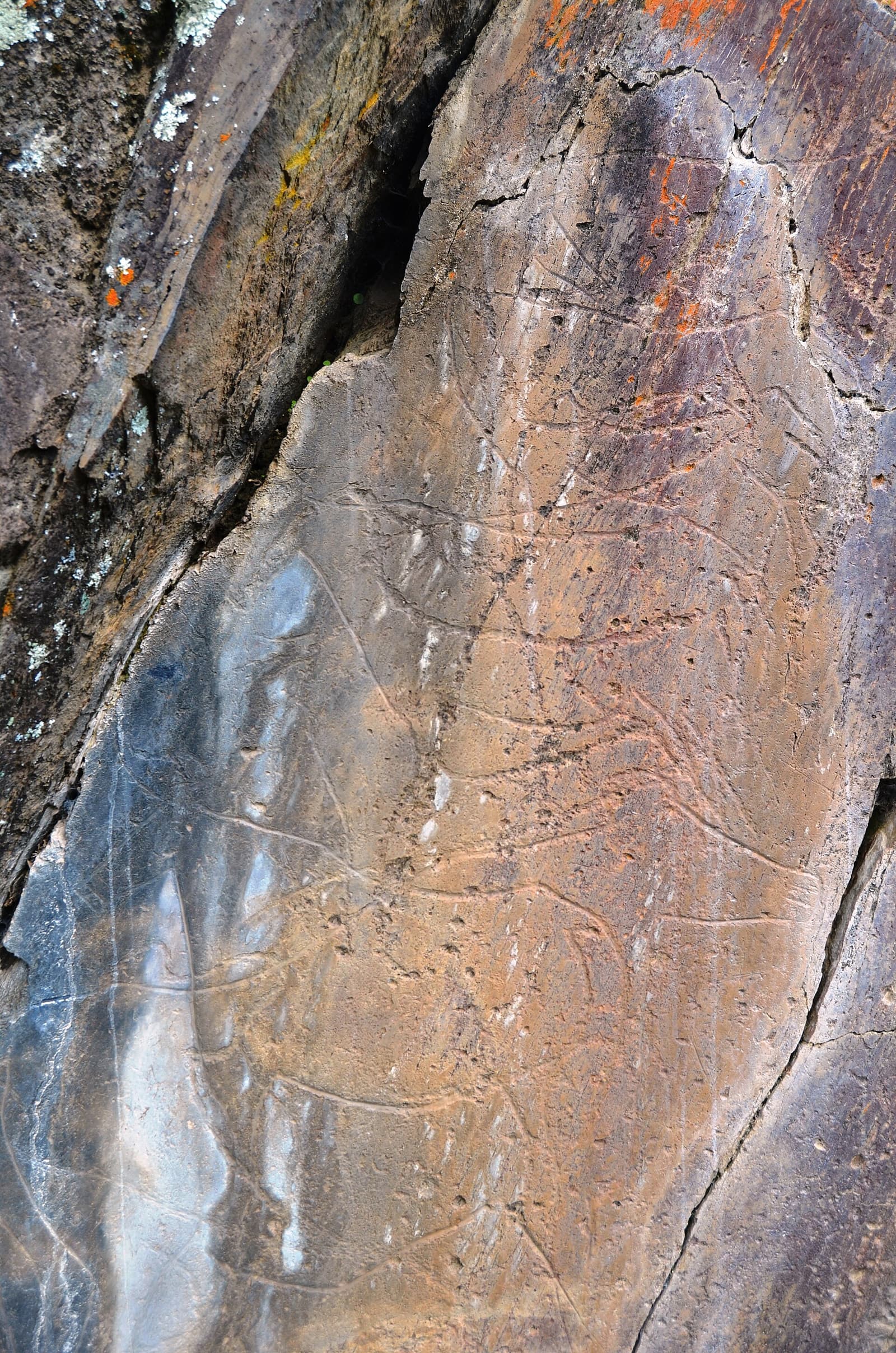 The Palaeolithic in PortugalThe Palaeolithic in Portugal: from the first hunter-gatherers to lithic industries and rock art, spanning hundreds of thousands of years.
 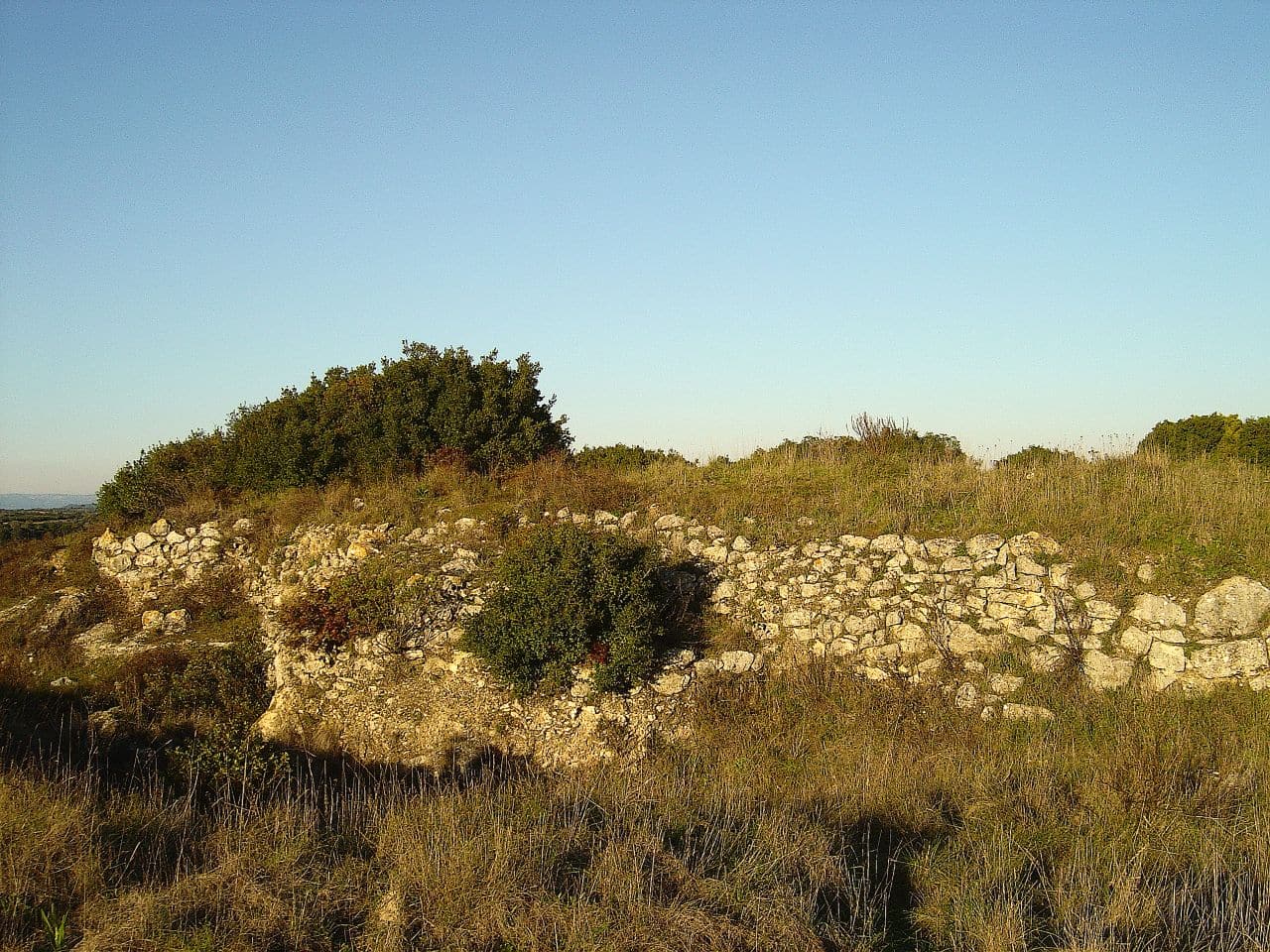 Vila Nova de São PedroChalcolithic fortified settlement of Vila Nova de São Pedro in Azambuja, eponymous site of the VNSP culture of Estremadura and a National Monument.