Monuments
Monuments of Portugal
Portugal’s monuments can be explored through their function, period and relationship with the landscape. Castles, cathedrals, monasteries, churches, palaces and aqueducts offer different ways to understand built history. This guide organises discovery by building type; it is not an exhaustive inventory of classified properties.
Reading a monument through its type
At a castle, look at defences and entrances; in a cathedral, the organisation of worship; at an aqueduct, the water route and engineering. Compare materials, alterations and setting with architectural periods and styles. Building type helps explain architecture but does not itself determine legal classification.
Types of built heritage
Start with castles, cathedrals and monasteries. For another religious tradition, explore the Synagogue of Tomar. Classification can protect an individual structure, an ensemble or an archaeological site.
Category, level and protection
Law No. 107/2001 distinguishes monument, ensemble and site as categories from national, public and municipal interest as classification levels. National Monument is the designation for nationally classified properties in any of the three categories. Public interest also recognises national importance, with a proportionate protection regime; municipal interest recognises significance predominantly for a municipality.
On the mainland, Património Cultural, I.P. works with the CCDR regional commissions and municipalities. The DGPC preceded the 2024 reorganisation. National classification is decided by government decree, public interest by ministerial order and municipal interest by the municipal executive. The classification system explains these distinctions.
Checking the official record
In the official property search, check current status, the classification act and maps. A protection zone safeguards the surroundings; it does not give every property inside it an individual classification. The Azores and Madeira have their own regional services. Records from different dates, territories or counting units cannot simply be added into a national total.
World Heritage inscription is a distinct international recognition. Portuguese law includes inscribed properties among assets of national interest in their respective categories. Read the property and buffer-zone boundaries: being in the same town or near an inscribed property does not itself establish inclusion.
3 entries to explore
No matches in this collection. Try another word or clear your search.
In this section — 3
Editor’s selection
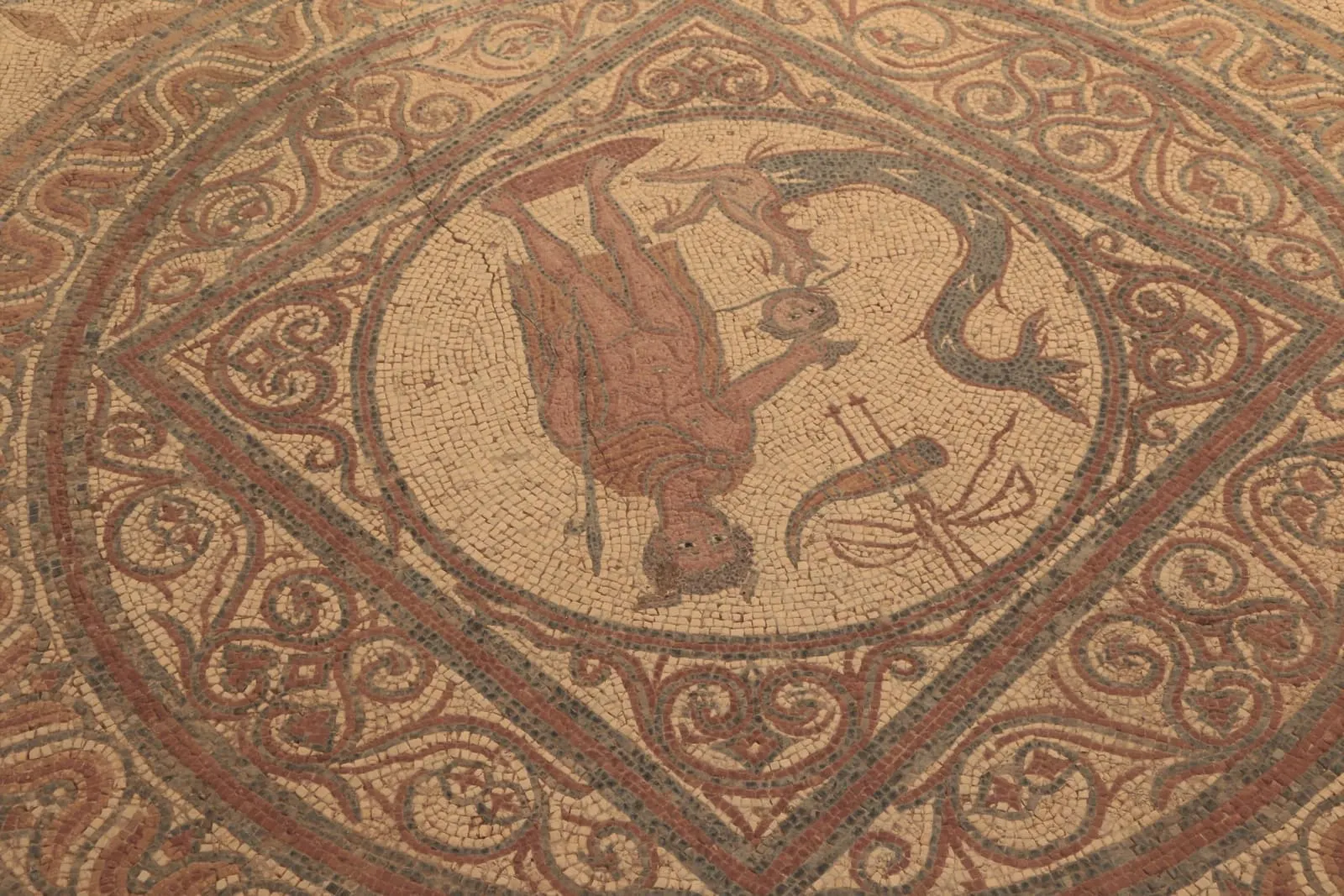
Megalithic
1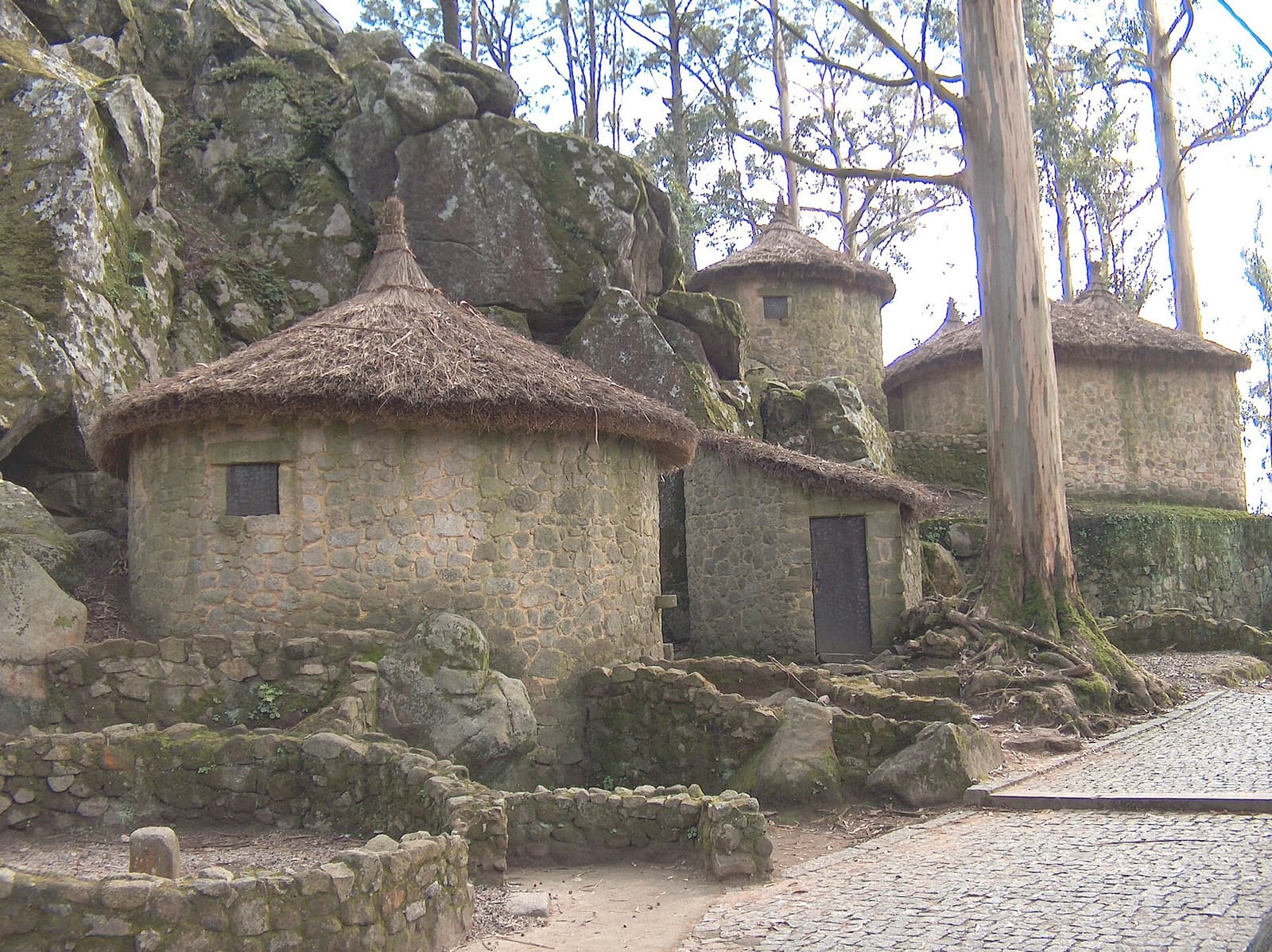
Roman Monuments
1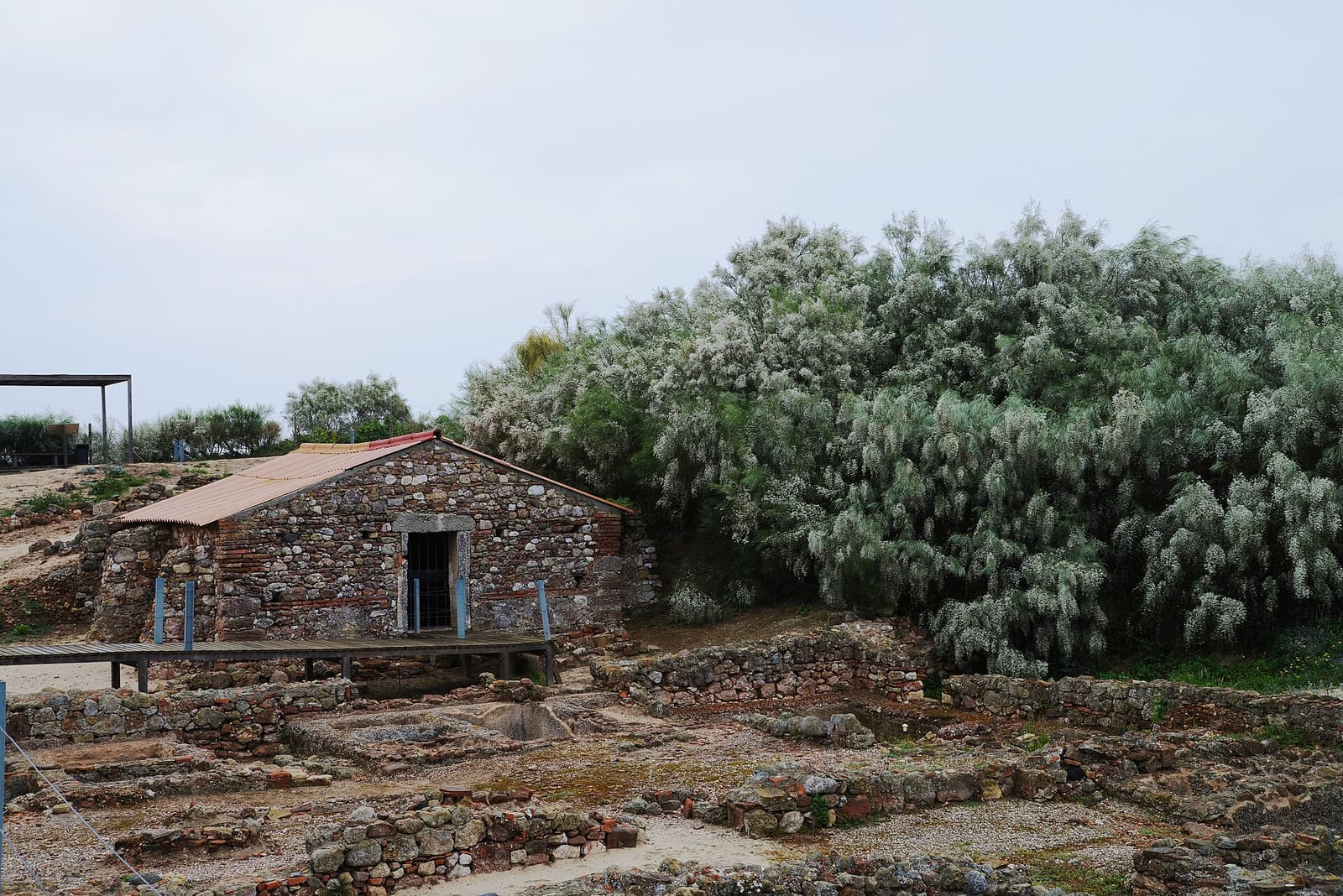
Frequently asked questions
- Are all monuments National Monuments?
- No. Monument can describe a category of asset or a place of historical interest. National Monument is the designation for properties classified as of national interest, including ensembles and sites.
- Who decides classification?
- On the mainland, Património Cultural, I.P. proposes national and public-interest classifications with the CCDR. National classification is decided by government decree, public interest by ministerial order and municipal interest by the municipal executive.
- How can I check a place’s protection?
- Read its official record, legal acts and boundary maps. Distinguish completed classification from an ongoing procedure, and the protected asset from its surrounding protection zone. The autonomous regions have their own services and rules.
Sources
- Lei n.º 107/2001 — texto atualizado (PGR Lisboa)
- Decreto-Lei n.º 309/2009 — texto atualizado (PGR Lisboa)
- Património Cultural, I.P. — Propor a classificação de um bem imóvel
- Decreto-Lei n.º 78/2023 — Património Cultural, I.P. (Diário da República)
- Decreto-Lei n.º 10/2024 — alterações, artigo 8.º (Diário da República)
- Património Cultural, I.P. — Pesquisa de Património Imóvel
- Património Cultural, I.P. — Diplomas de classificação e desclassificação