World Heritage
World Heritage in Portugal
Portugal has more than a dozen assets inscribed on UNESCO’s World Heritage List, ranging from the Palaeolithic art of the Côa Valley to living historic centres such as those of Évora, Porto and Guimarães. Each inscription rests on an outstanding universal value — the rare and demanding criterion that distinguishes World Heritage from merely national heritage.
Explore our guides to Coimbra, Évora, Sintra, the Côa Valley and Guimarães to discover different heritage landscapes and ensembles.
What “outstanding universal value” means
An asset enters the List only if it demonstrates a cultural or natural importance that transcends national borders and is common to humanity. To this criterion are added the requirements of authenticity (the asset preserves its original material and design) and of integrity (it remains complete and protected). To understand an inscription is, first of all, to understand the argument that justified it.
Geology and heritage
Explore another UNESCO programme through Portugal’s seven Global Geoparks. Geopark designation has its own criteria and revalidation; it is separate from inscription on the World Heritage List.
Biosphere reserves
The Man and the Biosphere Programme has its own designation, distinct from World Heritage inscriptions. Explore Portugal’s fourteen Biosphere Reserves, including islands and three territories shared with Spain.
55 entries to explore
No matches in this collection. Try another word or clear your search.
In this section — 55
Editor’s selection
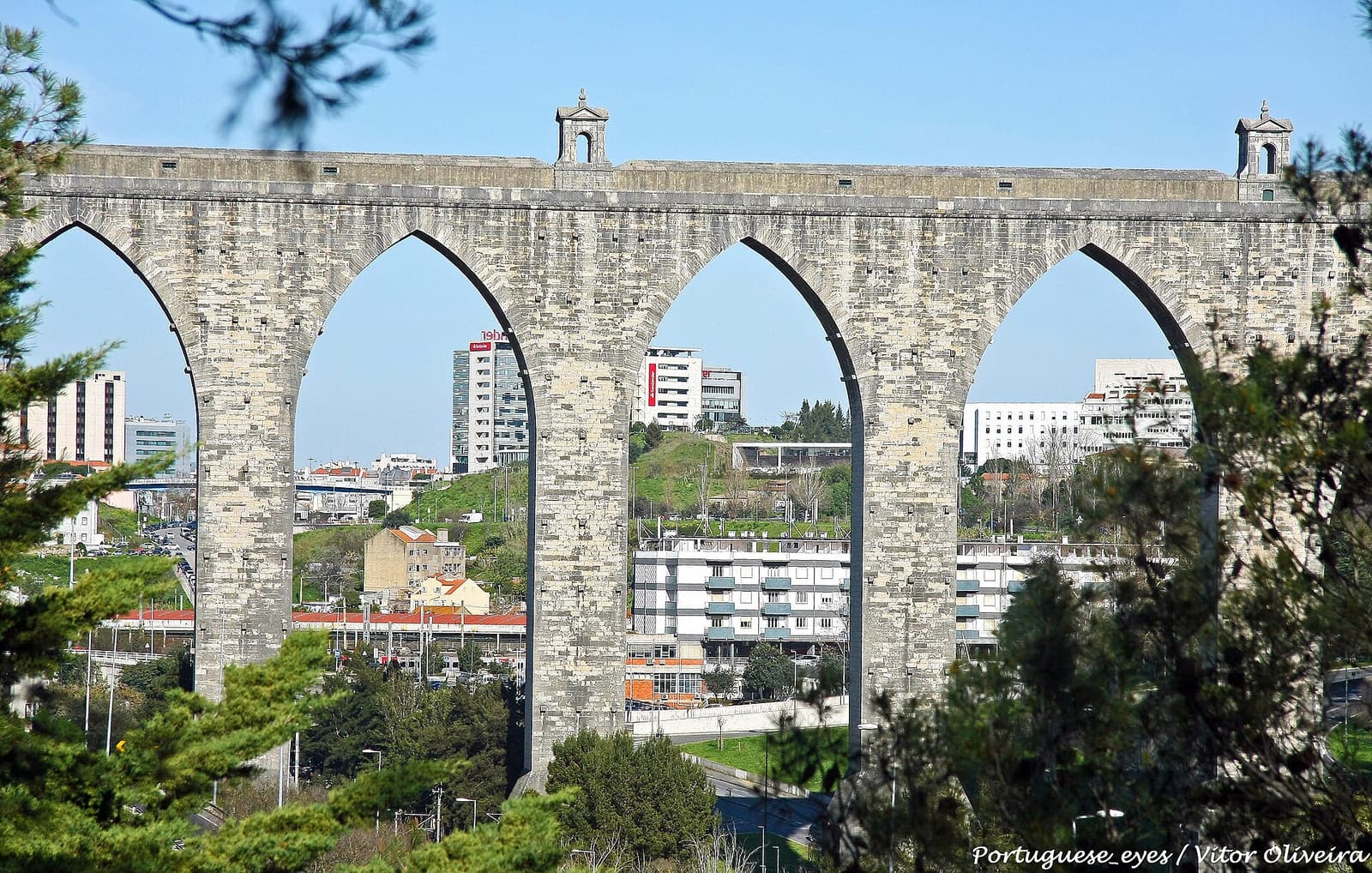 Águas Livres Aqueduct (UNESCO Tentative List)The Águas Livres Aqueduct, an eighteenth-century hydraulic system that supplied Lisbon, on Portugal's UNESCO World Heritage Tentative List since 2017.
 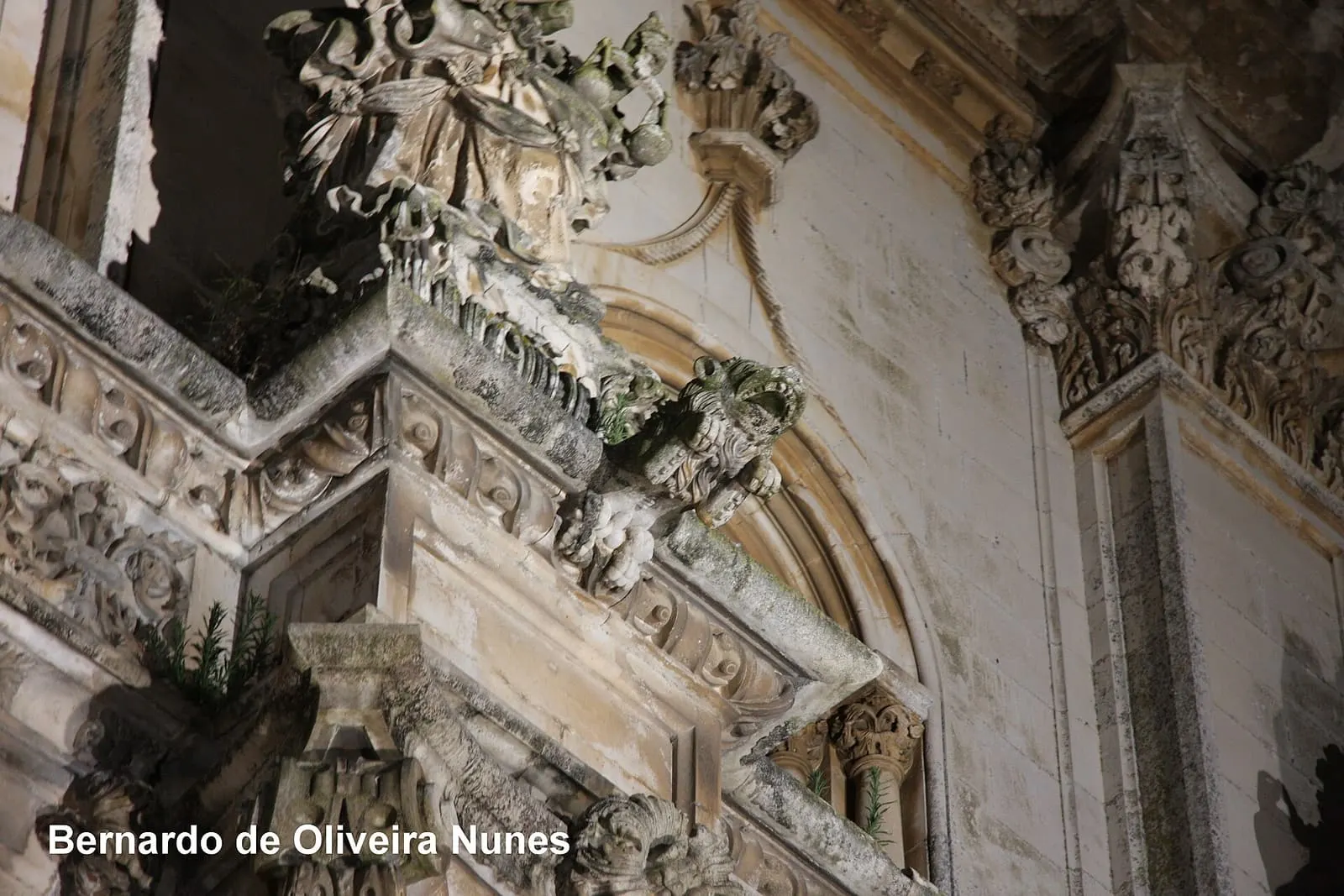 Alcobaça MonasteryMonastery of Santa Maria de Alcobaça, a Gothic Cistercian masterpiece and UNESCO World Heritage Site since 1989, houses the tombs of Pedro and Inês.
 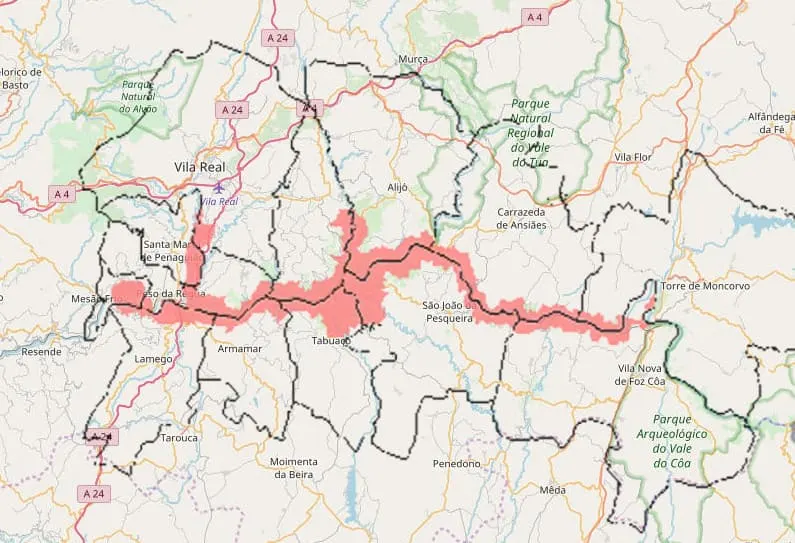 Alto Douro Wine RegionThe Alto Douro Wine Region, a terraced cultural landscape in the Douro valley inscribed by UNESCO in 2001, birthplace of Port wine for more than two millennia.
 Biosphere Reserves
1Global Geoparks
1Imaterial
1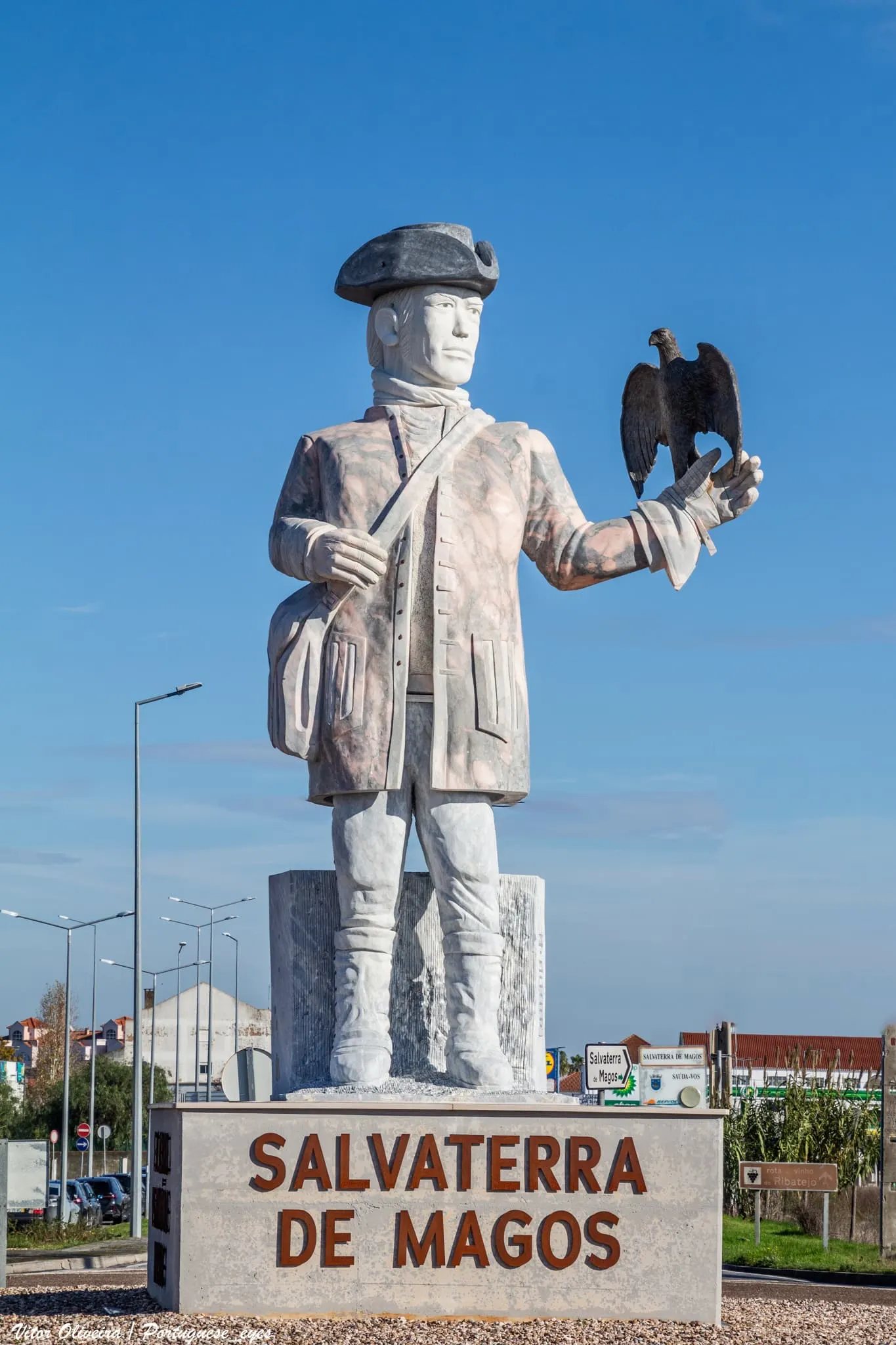
Intangible Heritage
12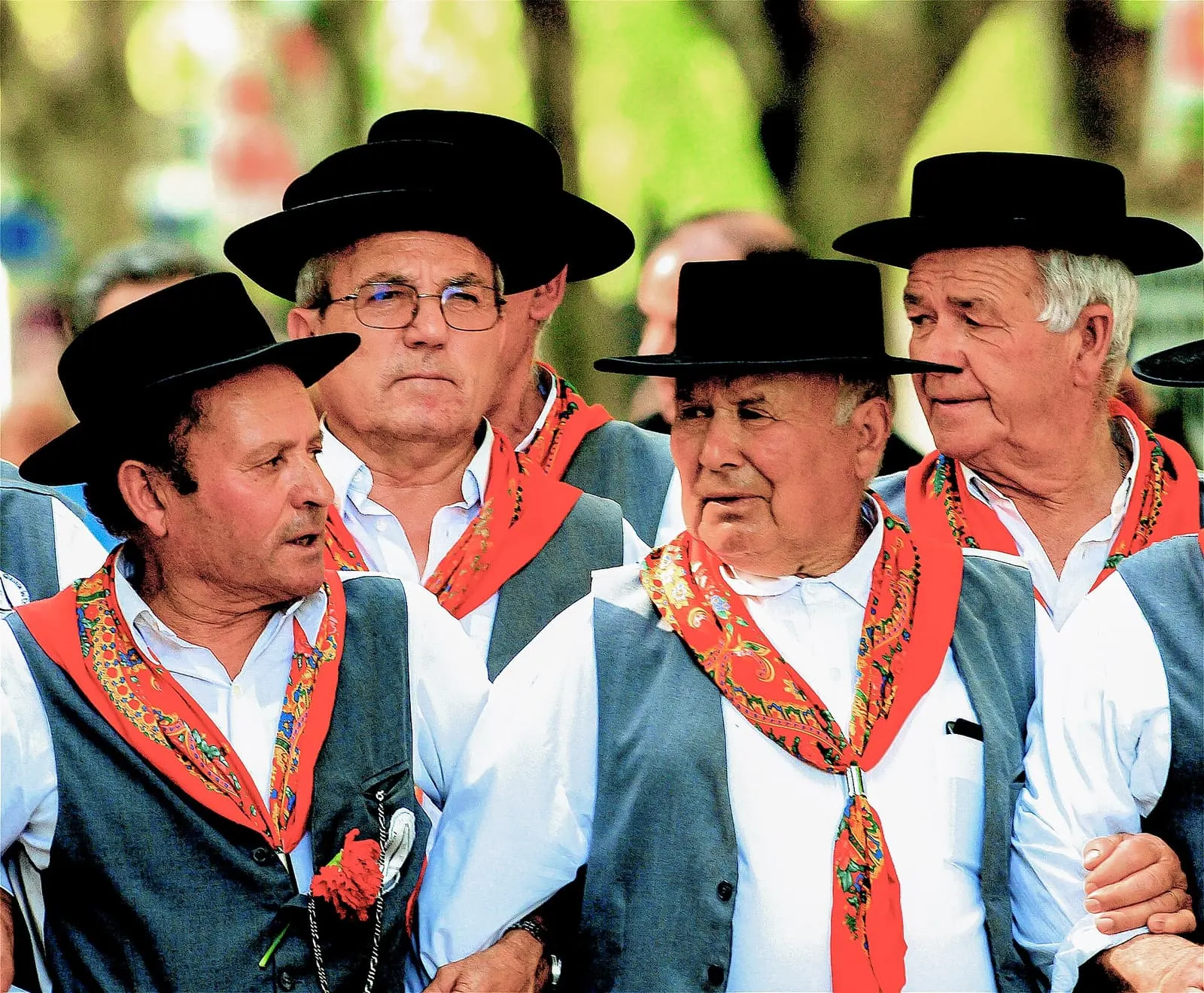 Cante Alentejano, polyphonic singing from the AlentejoCante Alentejano, the unaccompanied polyphonic choral singing of the Alentejo, was inscribed on UNESCO's List of Intangible Cultural Heritage in 2014. Cowbell Manufacturing, the Bell-Making Art of AlcáçovasCowbell manufacturing, the traditional craft of Alcáçovas in the Alentejo, was inscribed on UNESCO's List of Intangible Cultural Heritage in Need of Urgent…
 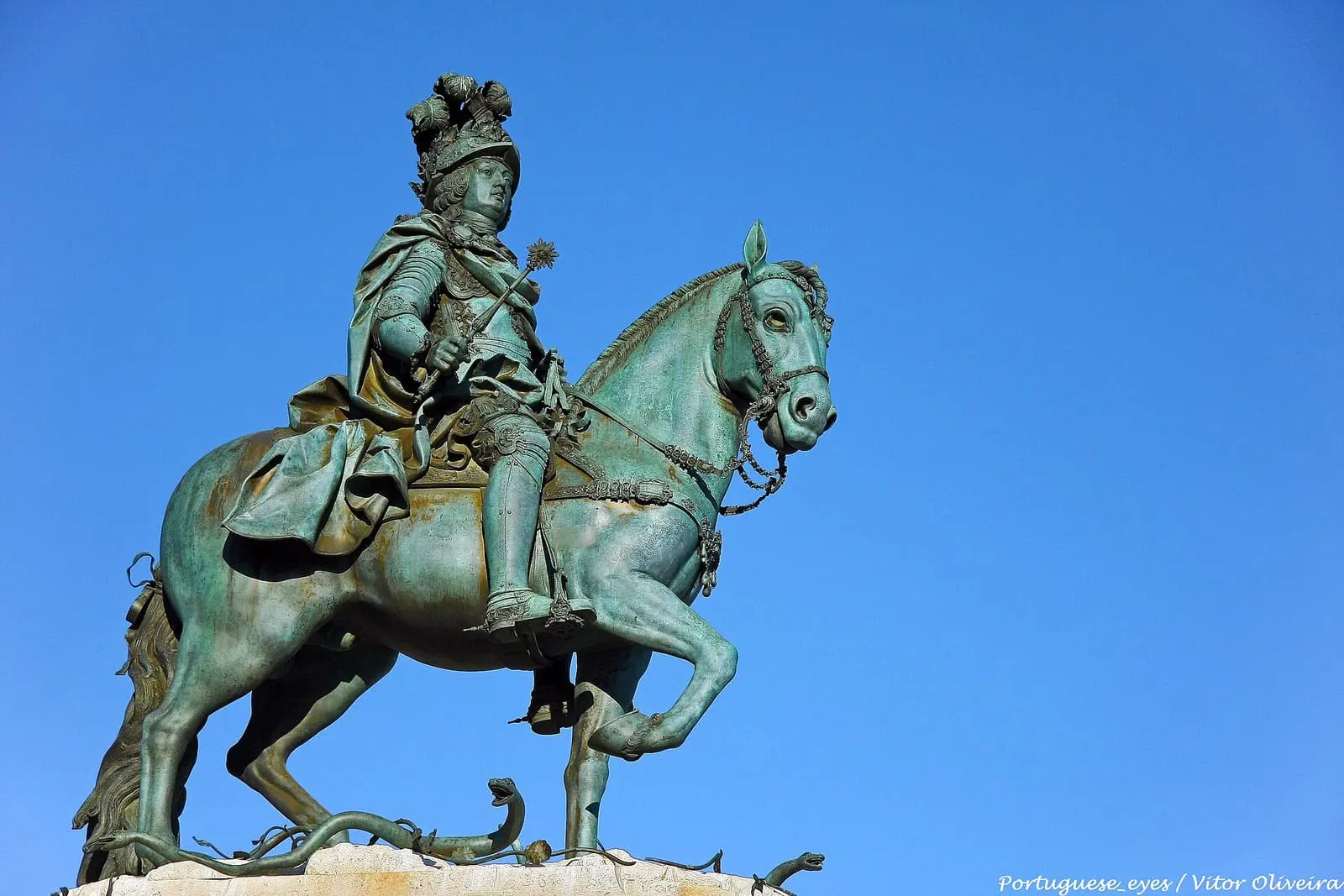 Equestrian Art in PortugalEquestrian art in Portugal, a classical riding tradition with the Lusitano horse, inscribed on UNESCO's Representative List of the Intangible Cultural Heritage…
 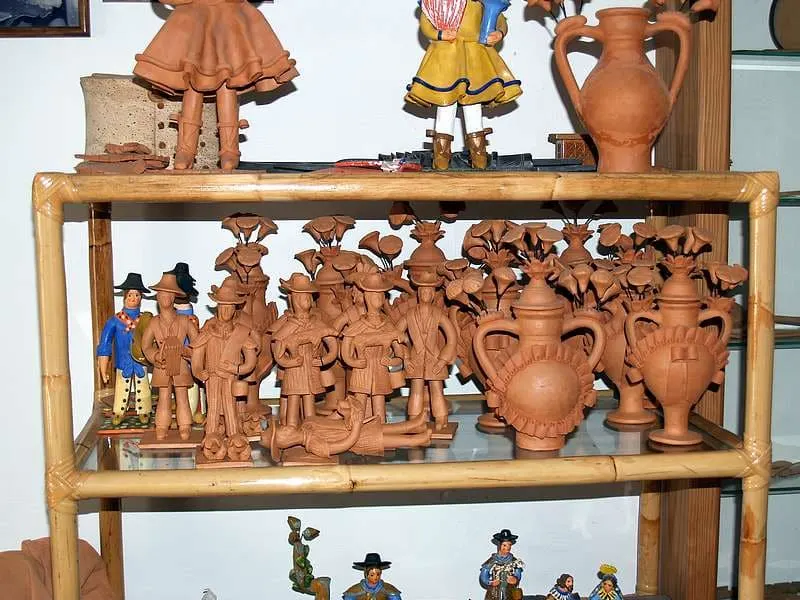 Estremoz Figures – Clay FigurinesThe Estremoz Figures, clay figurines from the Alentejo, were inscribed by UNESCO as Intangible Cultural Heritage of Humanity in 2017.
 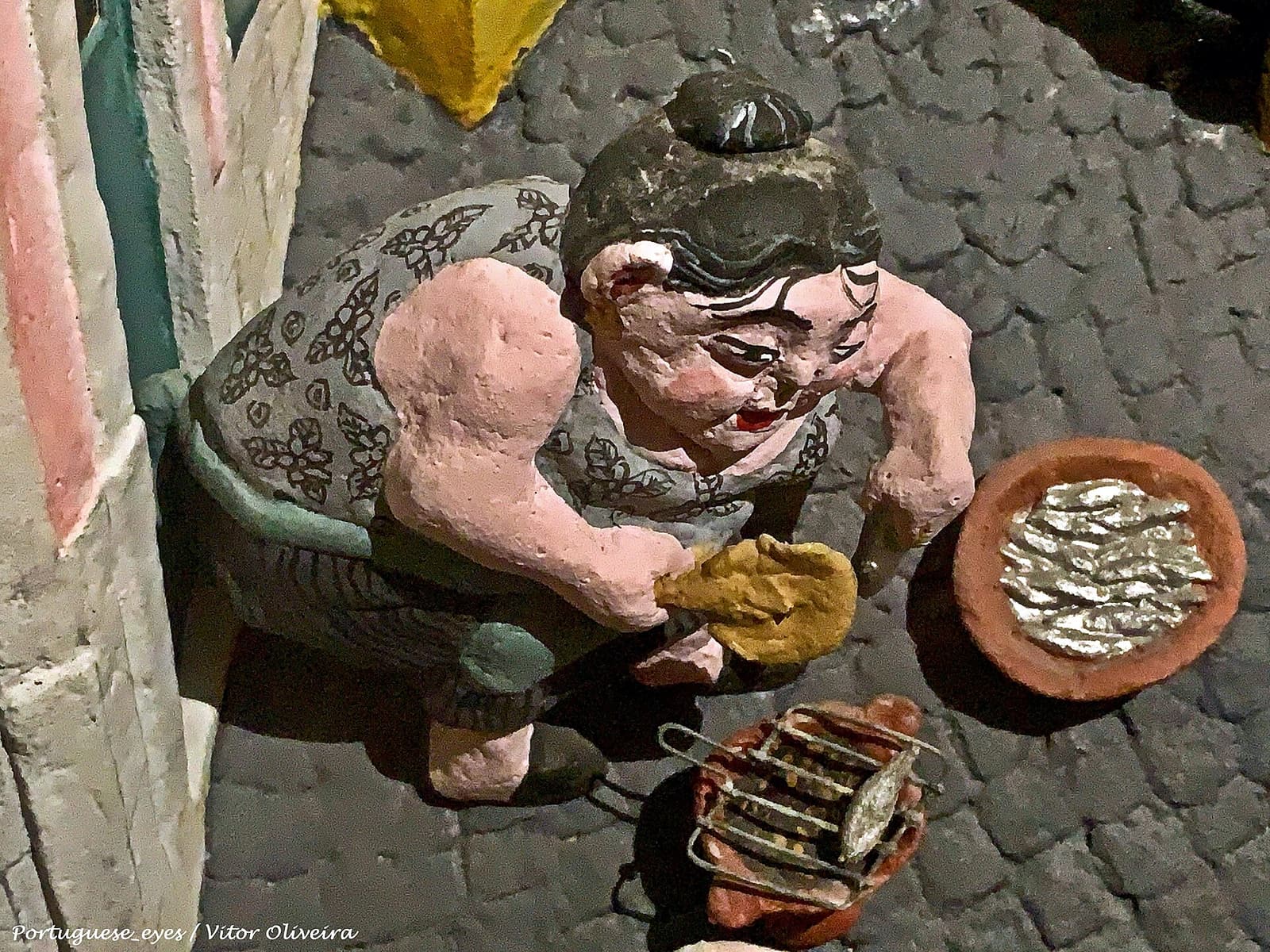 FadoFado, the urban popular song of Lisbon inscribed on UNESCO's Representative List of the Intangible Cultural Heritage of Humanity in 2011: history, the…
 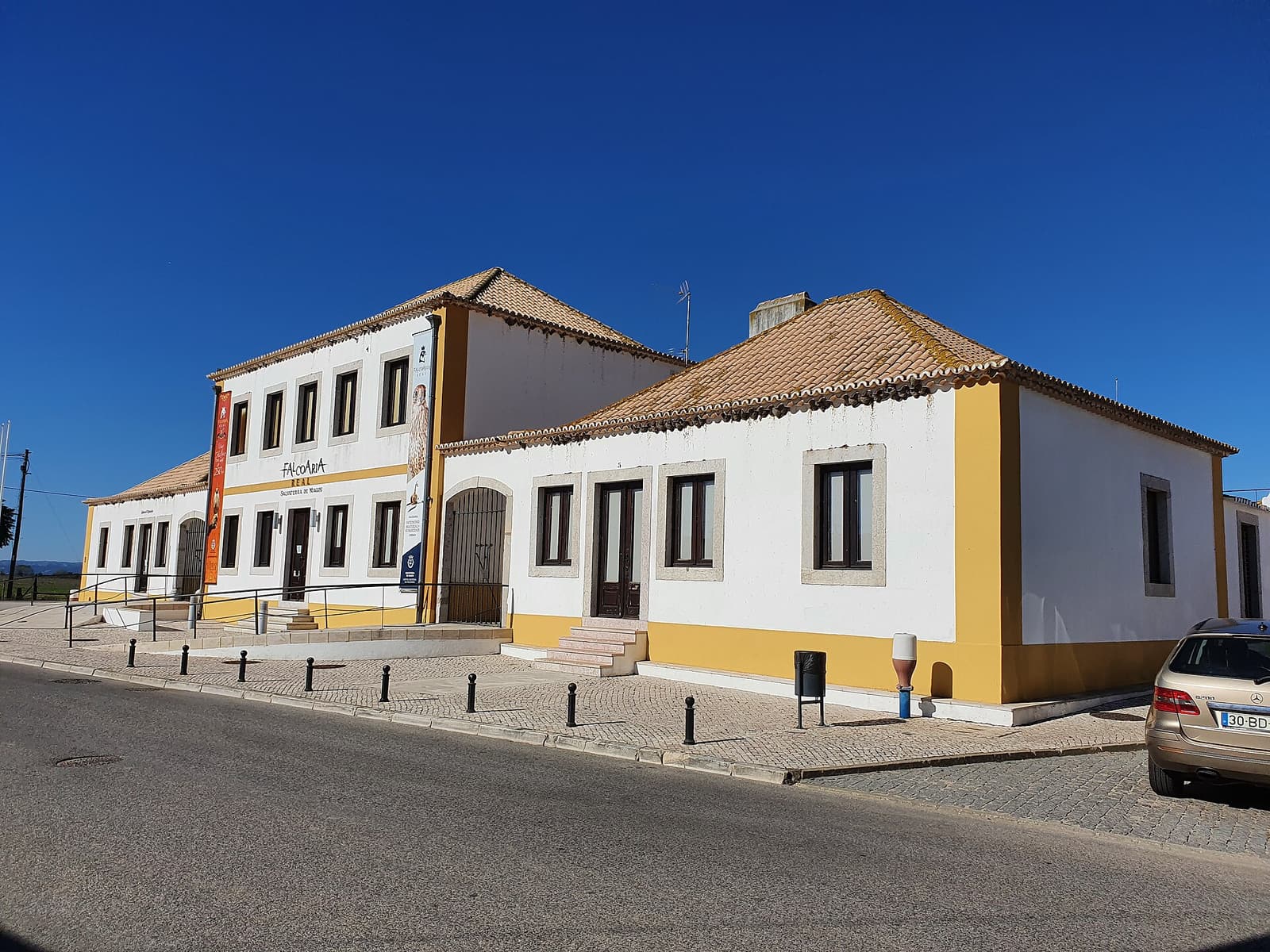 Falconry, a Living Human HeritageFalconry in Portugal, centred on the Royal Falconry of Salvaterra de Magos, inscribed as UNESCO Intangible Cultural Heritage of Humanity.
 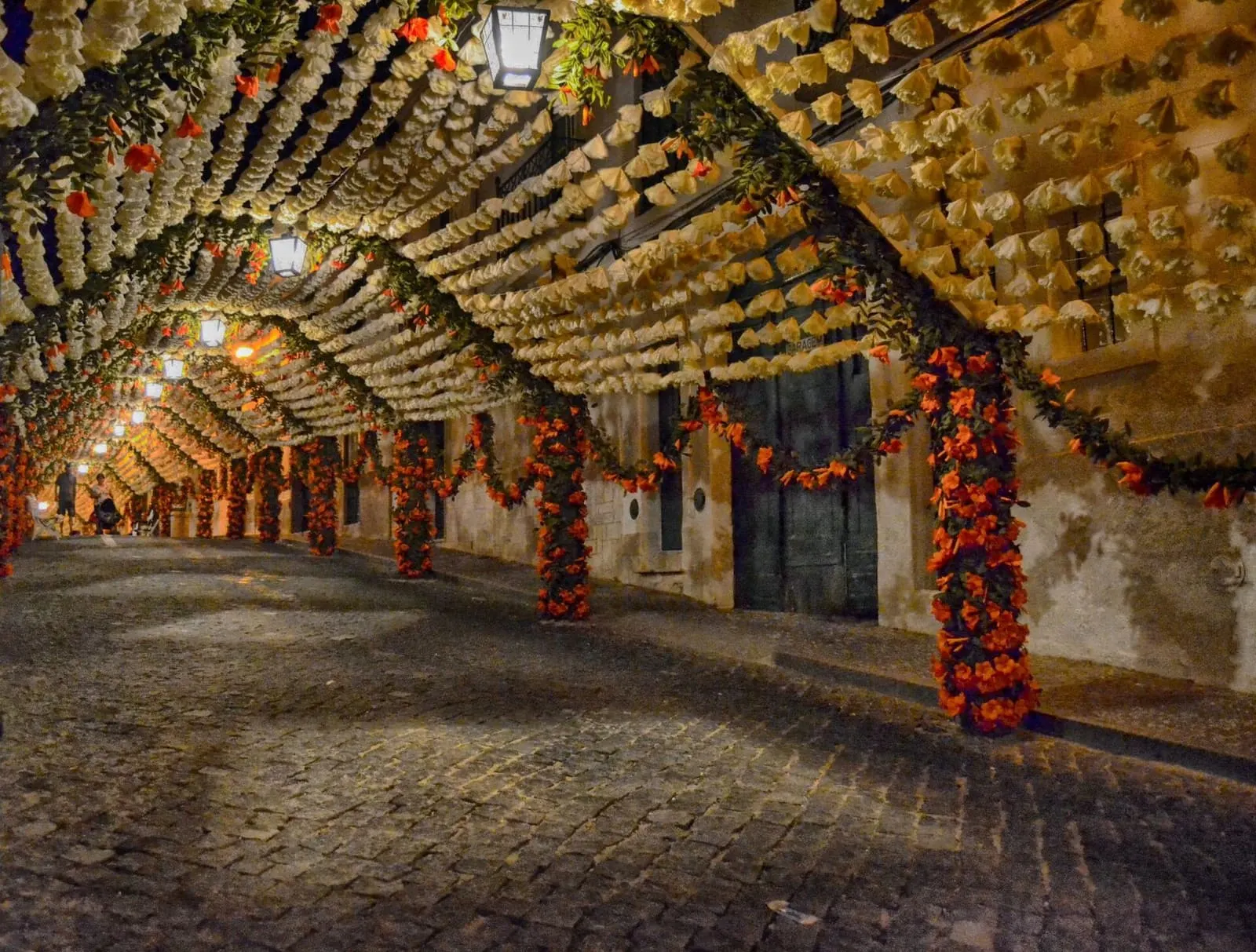 Festas do Povo of Campo MaiorThe Festas do Povo of Campo Maior, in the Alentejo, where the streets are covered in paper flowers. Intangible Cultural Heritage of Humanity since 2021.
 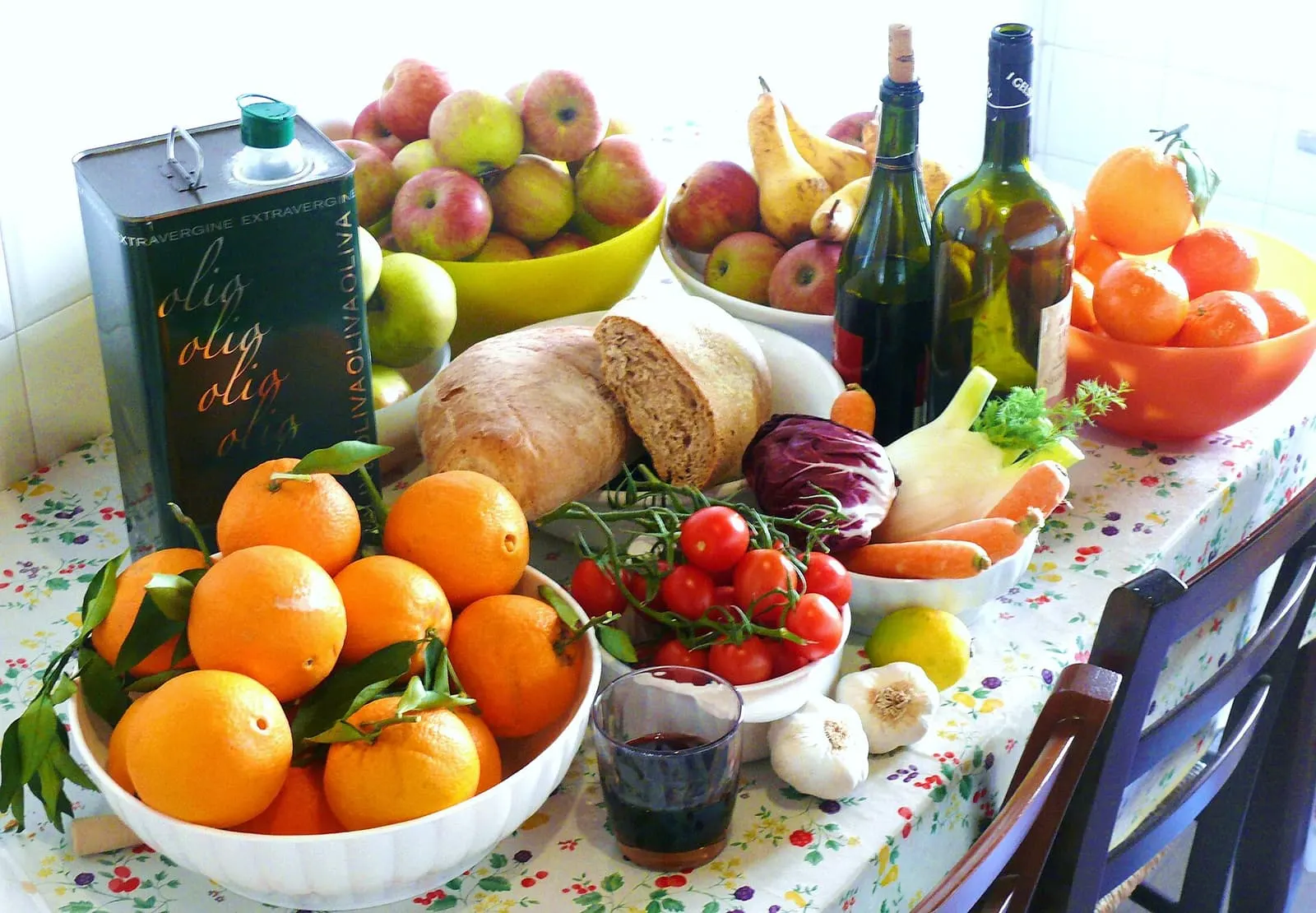 Mediterranean DietThe Mediterranean Diet, UNESCO Intangible Cultural Heritage since 2013, with Tavira as Portugal's representative community in this multinational nomination. Moliceiro Boat: The Naval Carpentry Art of the Aveiro RegionThe moliceiro boat of Aveiro Lagoon and its naval carpentry art, inscribed by UNESCO in 2025 on the List of Intangible Cultural Heritage in Need of Urgent… Ponte…nas ondas!: A Model for Safeguarding the Intangible Heritage of the Luso-Galician BorderPonte…nas ondas!, a Luso-Galician model for safeguarding intangible cultural heritage inscribed on UNESCO's Register of Good Practices in 2022, between Monção…
 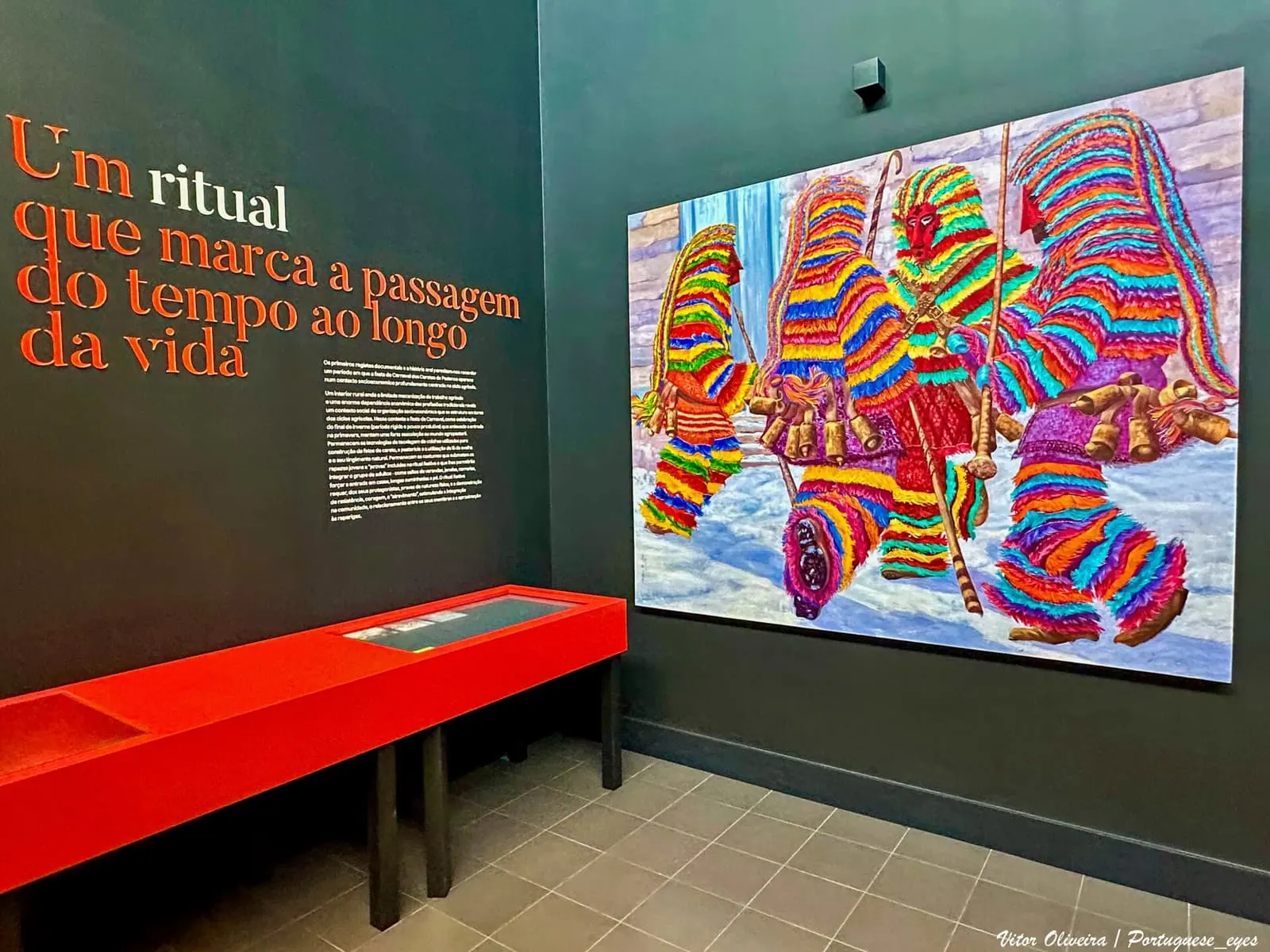 Winter Festivities, Caretos de PodenceThe Caretos de Podence, in Macedo de Cavaleiros, are part of the Winter Festivities inscribed as UNESCO Intangible Cultural Heritage of Humanity in 2019.
 Memory of the World
11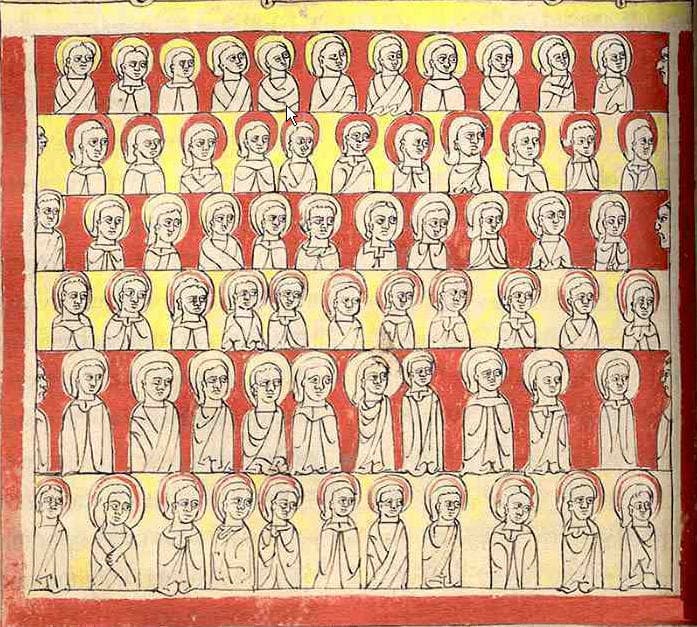 Beatus of Liébana: the Lorvão and Alcobaça manuscriptsExplore Lorvão and Alcobaça, the two Portuguese components of the 2015 Iberian Beatus registration, with dates and references for research in Lisbon. Chapas Sínicas: Macao records in Memory of the WorldExplore Macao’s Chapas Sínicas, registered in 2017, the originals held at Torre do Tombo and reference PT/TT/DCHN as a starting point for archival research. Corpo Cronológico: documents and research at Torre do TomboExplore the Corpo Cronológico, registered in 2007, its documentary dates and arrangement, and the references for research at Torre do Tombo in Lisbon. Ndembu Archives: documents from Angola in Memory of the WorldExplore the Ndembu Archives, registered in 2011, and distinguish the African documents held in Lisbon and Luanda before beginning your archival research.
 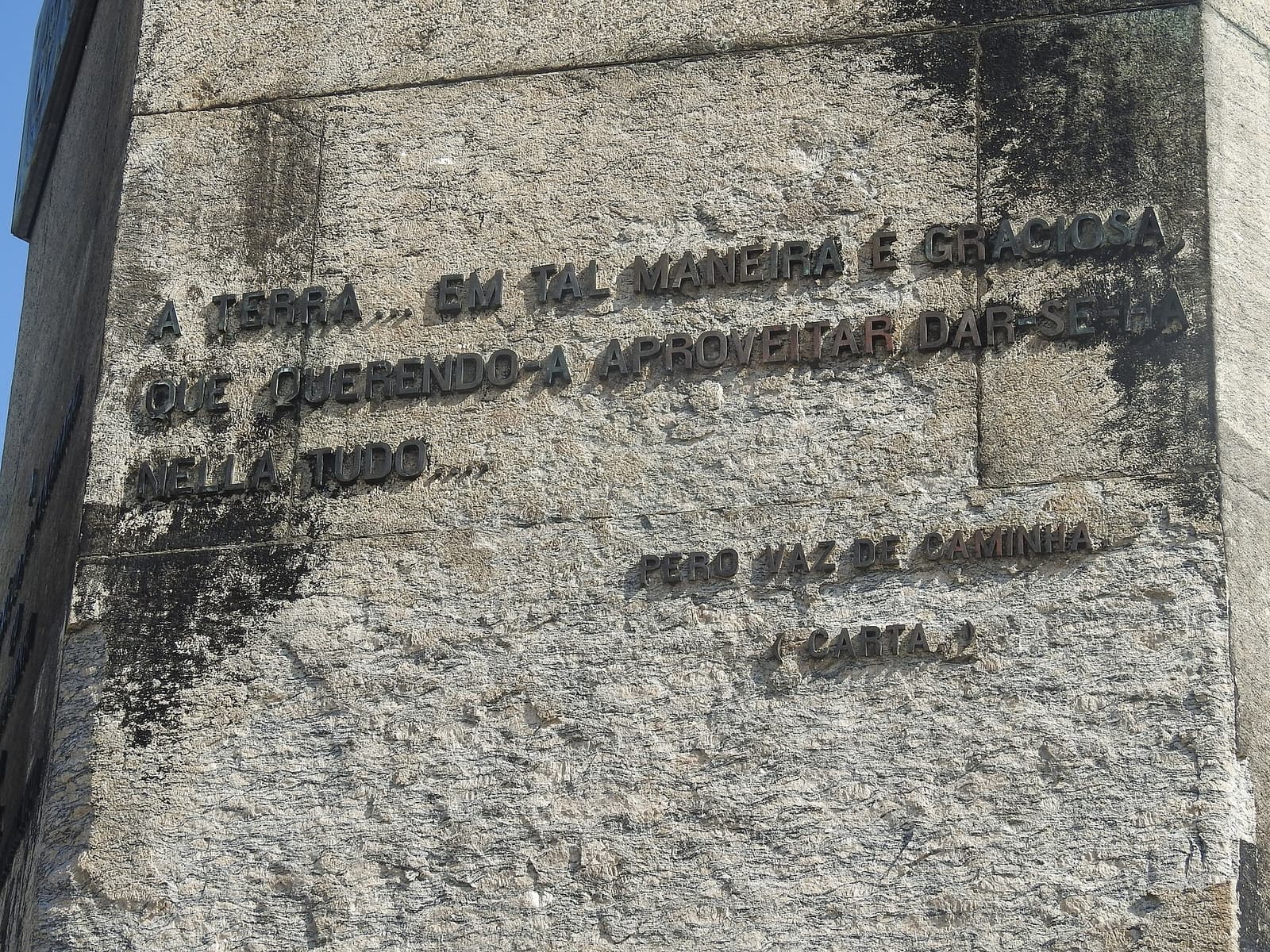 Pero Vaz de Caminha’s letter: manuscript, history and accessExplore Pero Vaz de Caminha’s 1500 letter, registered in 2005, and find its manuscript reference and digital images in the Torre do Tombo catalogue.
 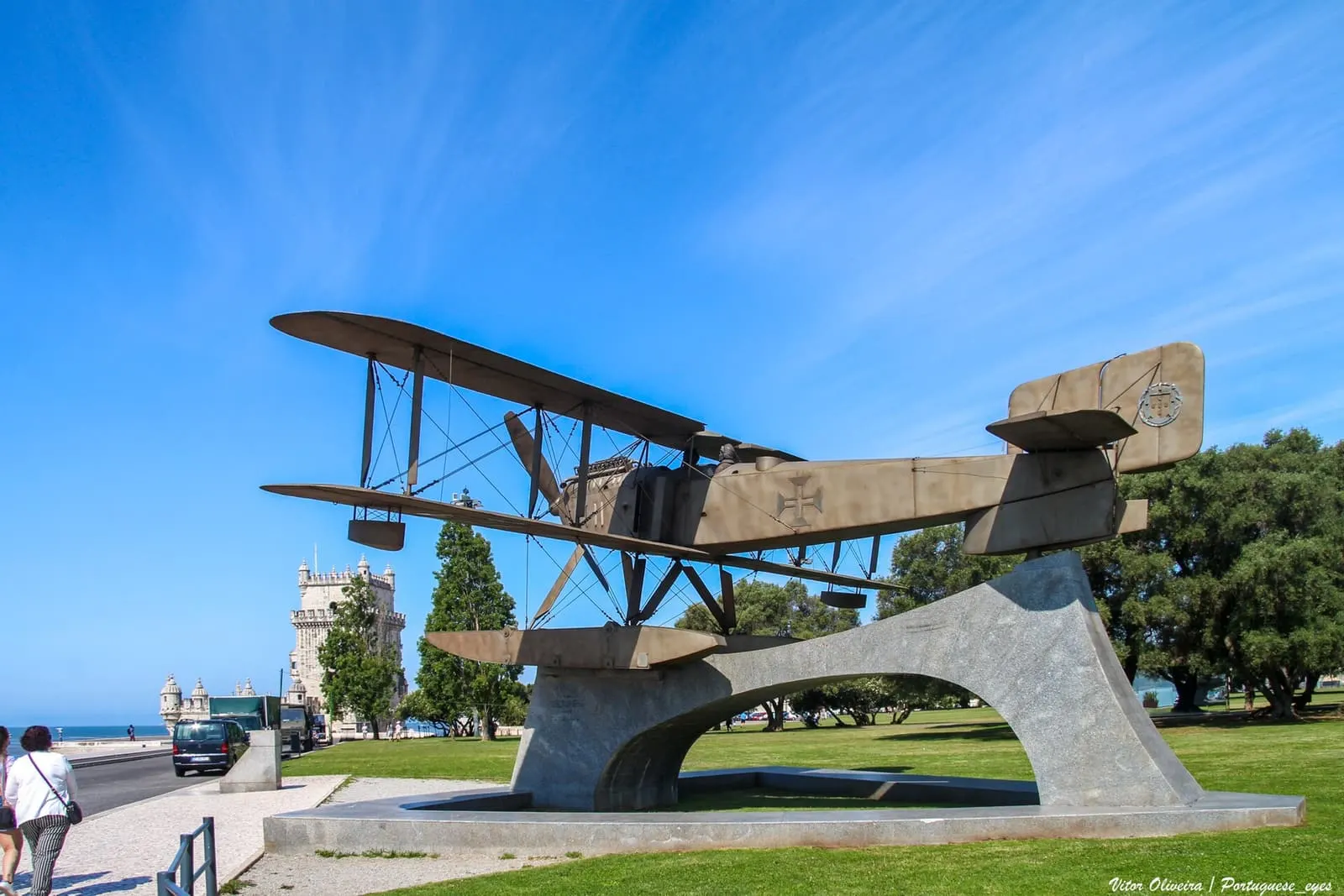 The 1922 South Atlantic flight: UNESCO-registered reportsExplore the reports of the 1922 South Atlantic flight, written in January 1923, registered in 2011 and held at the Portuguese Navy Historical Archive. The first circumnavigation: documents of Magellan and ElcanoExplore documents of Magellan and Elcano’s voyage, inscribed in Memory of the World in 2023, and Portuguese sources preserved at Lisbon’s Torre do Tombo. Treaty of Tordesillas: originals, ratifications and accessExplore the 1494 Treaty of Tordesillas, registered in 2007, its ratifications held in Lisbon and Seville, and catalogue references for documentary research. Vasco da Gama’s journal: manuscript Ms. 804 and research accessExplore Vasco da Gama’s 1497–1499 voyage journal, its surviving 1500–1550 manuscript copy held in Porto, and UNESCO Memory of the World registration in 2013.
 Recursos
1Tentative List
10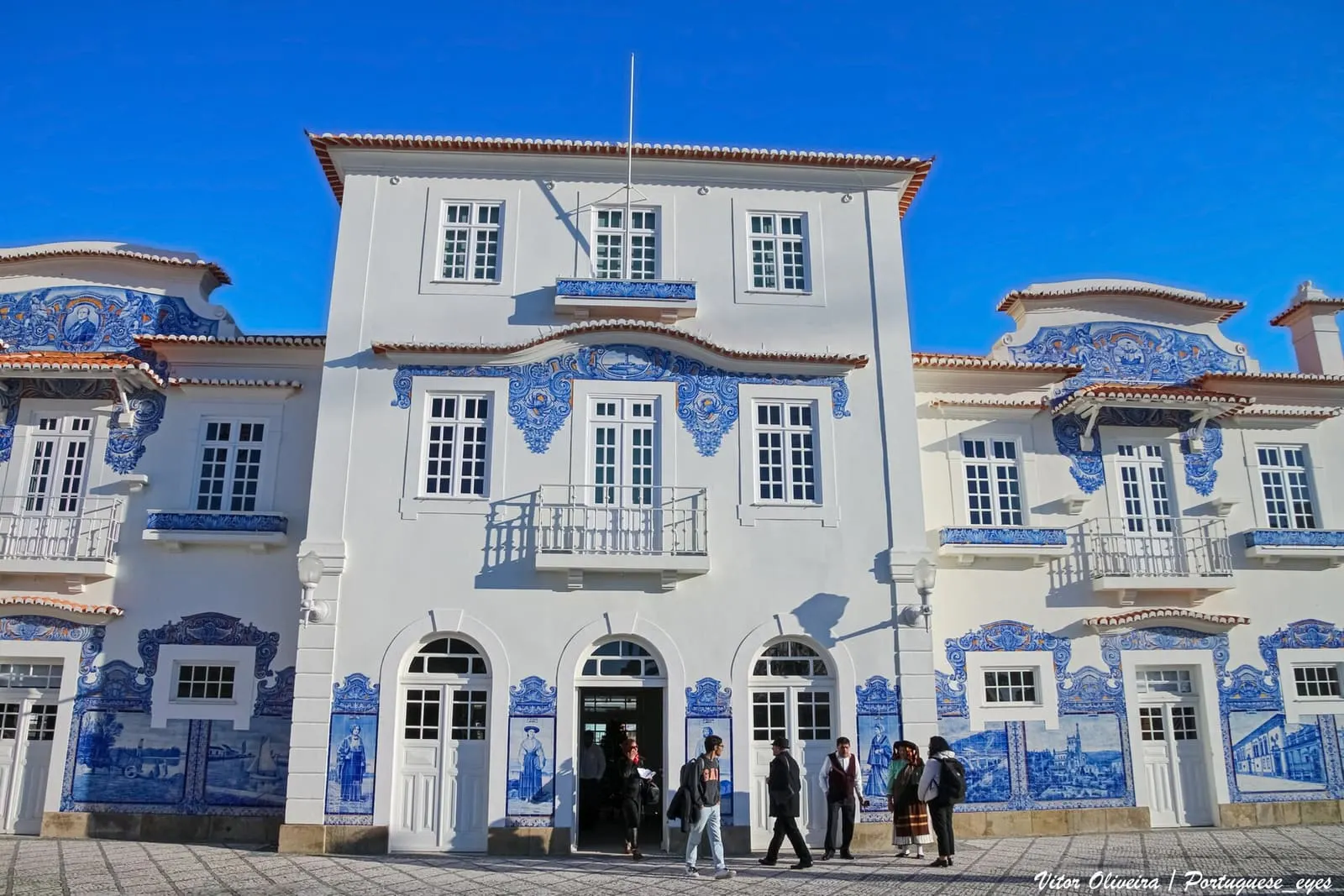 Discalced Carmelites' Desert and Palace-Hotel of Buçaco (Tentative List)The Discalced Carmelites' Desert and the Palace-Hotel of Buçaco, in the Serra do Buçaco, a candidate on Portugal's Tentative List for UNESCO World Heritage status.
 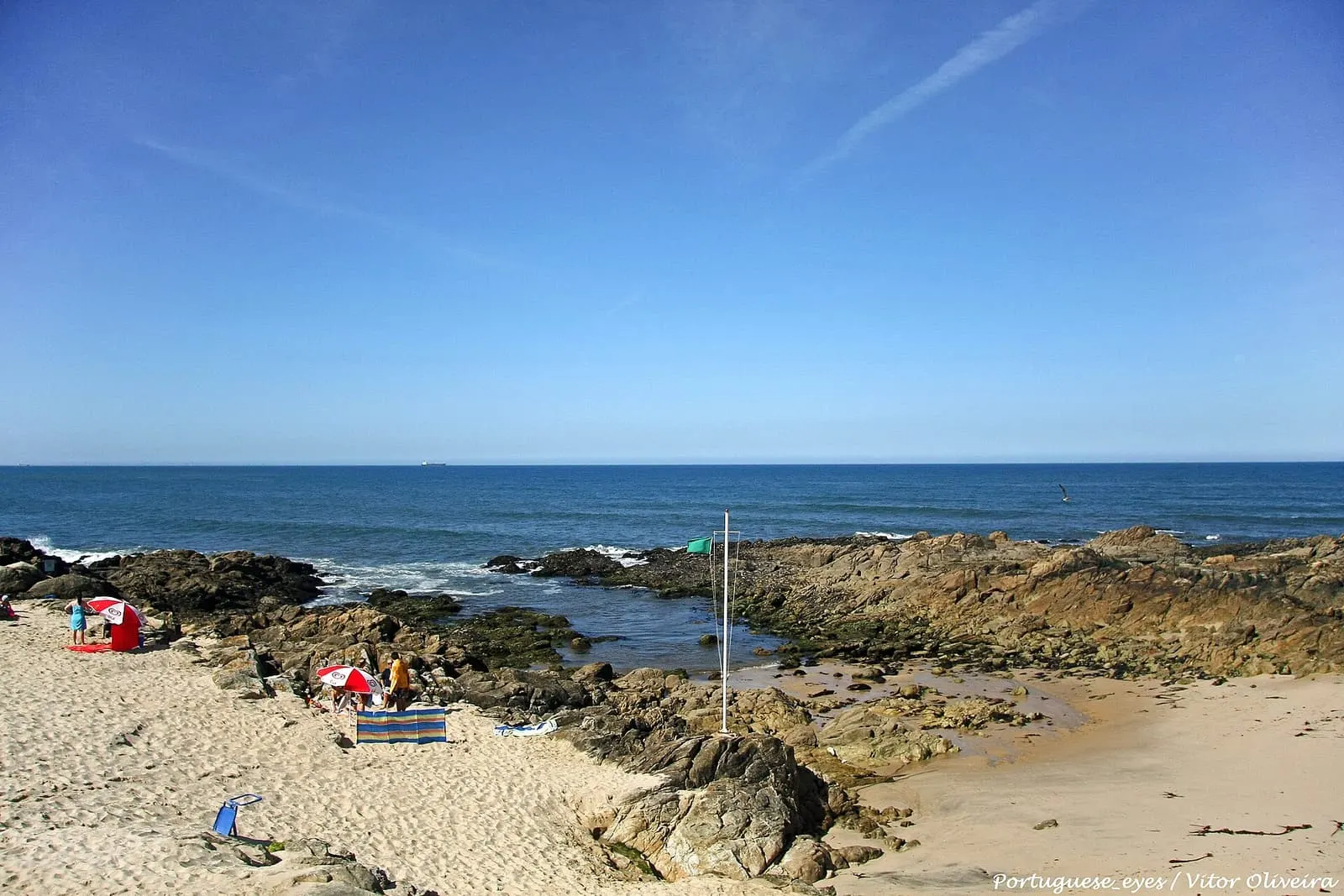 Ensemble of Álvaro Siza's Architectural Work in Portugal (Tentative List)A serial nomination of Álvaro Siza Vieira's works in Portugal, on UNESCO's Tentative List since 2017, comprising eight buildings in Porto, Lisbon and the coast…
 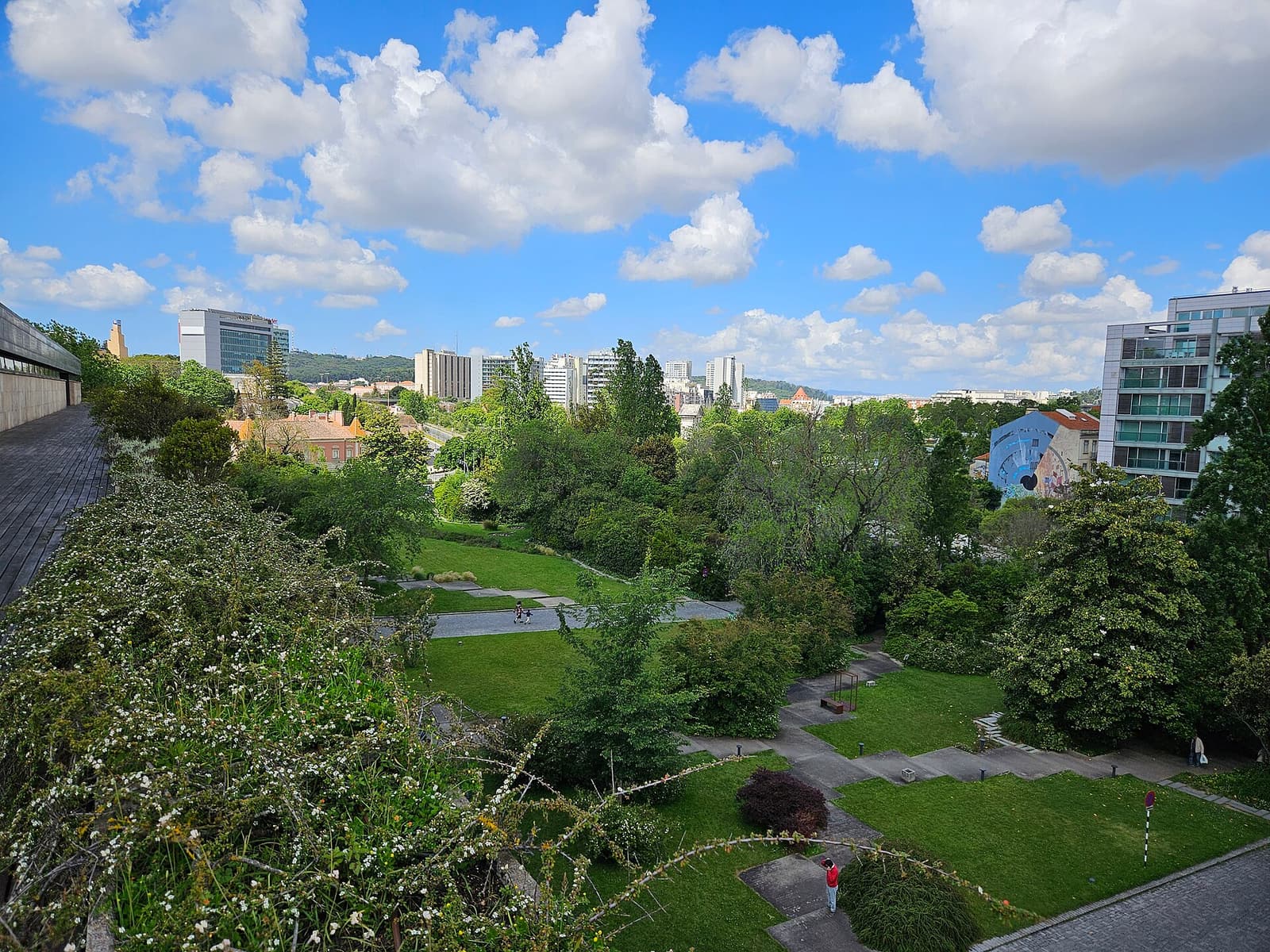 Headquarters and Garden of the Calouste Gulbenkian Foundation (Tentative List)Headquarters building and garden of the Calouste Gulbenkian Foundation in Lisbon, an icon of the Portuguese modern movement and a candidate on UNESCO's…
 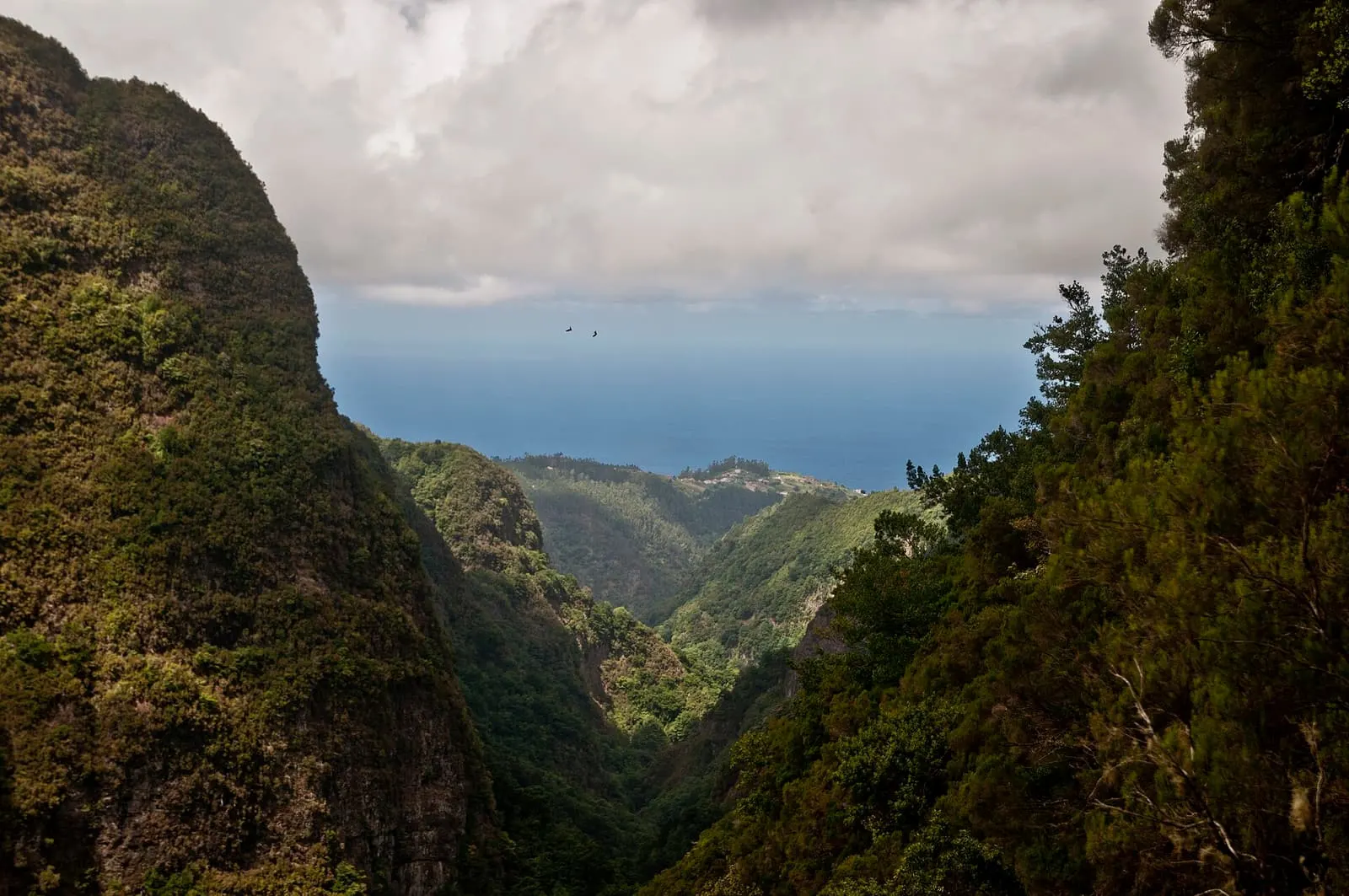 Levadas of Madeira Island (UNESCO Tentative List)The Levadas of Madeira, the island's centuries-old network of irrigation channels, have been part of Portugal's UNESCO World Heritage Tentative List since 2017. Mértola (Tentative List)Mértola, the museum-town of the Guadiana in Beja, on Portugal's Tentative List for World Heritage: a Roman, Islamic and Christian legacy in a single place. Mid-Atlantic Ridge (Tentative List)Transnational natural nomination of the Mid-Atlantic Ridge in the Azores, on Portugal's UNESCO Tentative List since 2017. Pombaline Lisbon (Tentative List)Lisbon's Baixa Pombalina, rebuilt after the 1755 earthquake, a World Heritage candidate on UNESCO's Tentative List since 2004. Selvagens Islands (Tentative List)The Selvagens Islands, a nature reserve in the Atlantic south of Madeira, have been on Portugal's Tentative List for UNESCO World Heritage since 2017. Vila Viçosa, a Renaissance Ducal Town (UNESCO Tentative List)Vila Viçosa, in the district of Évora, a Renaissance ducal ensemble of the House of Braganza, included on Portugal's Tentative List for UNESCO World Heritage.
 World Heritage — Cultural
8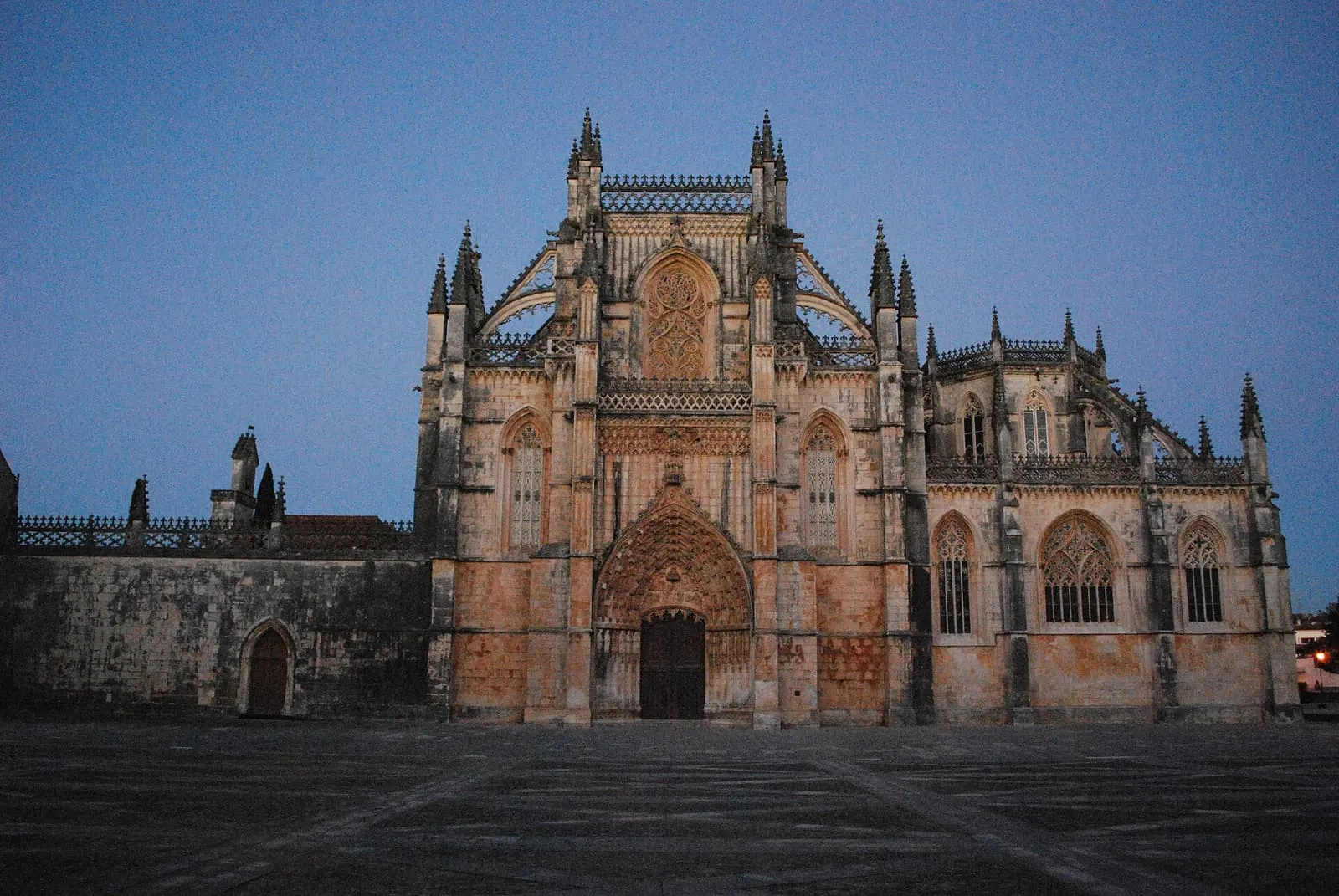 Batalha MonasteryMonastery of Santa Maria da Vitória in Batalha: a masterpiece of Gothic and Manueline styles, UNESCO World Heritage since 1983 and pantheon of the House of Aviz.
 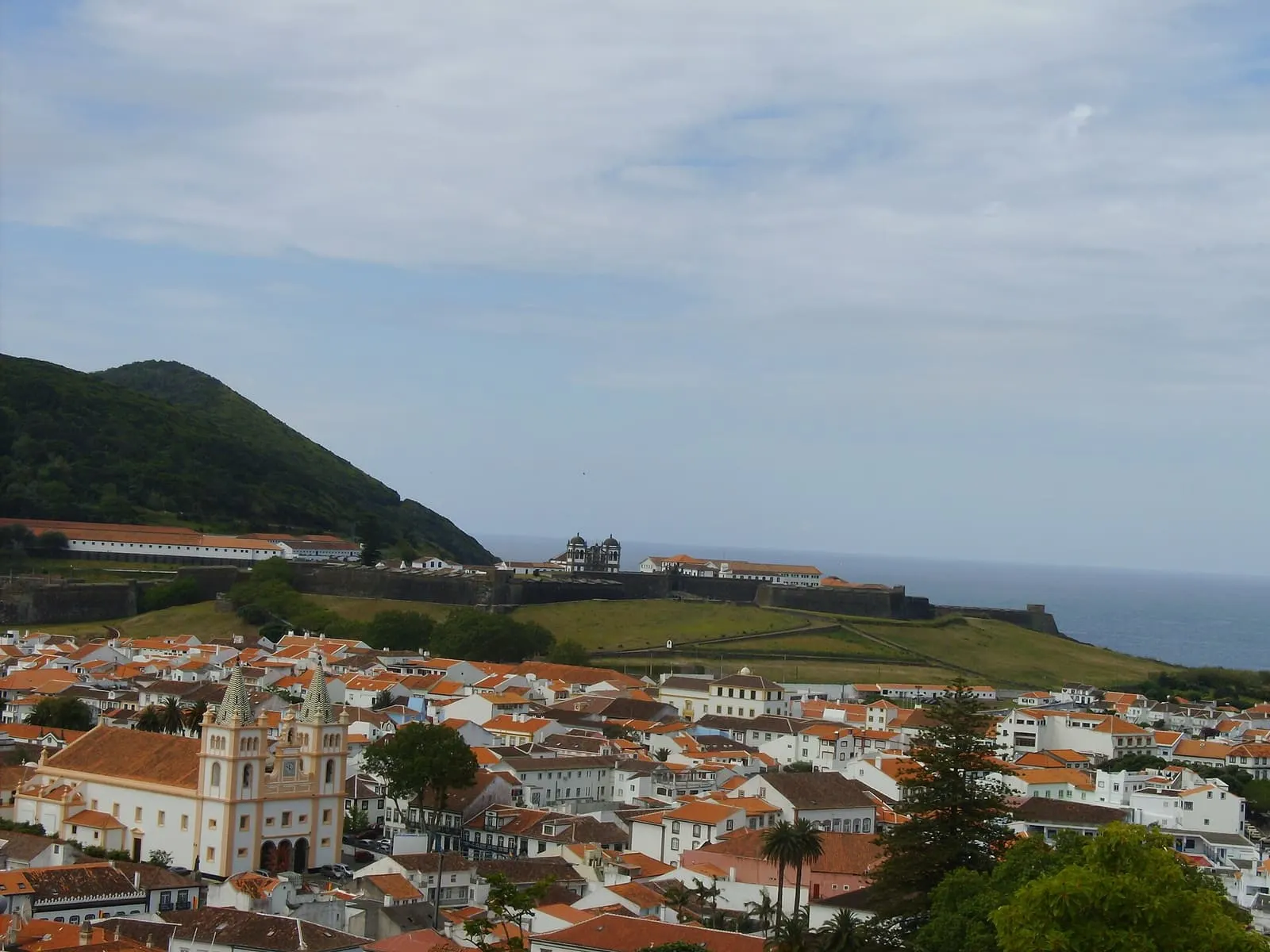 Central Zone of the Town of Angra do Heroísmo (Azores)Historic centre of Angra do Heroísmo, on Terceira Island (Azores): a Renaissance Atlantic port and UNESCO World Heritage Site since 1983.
 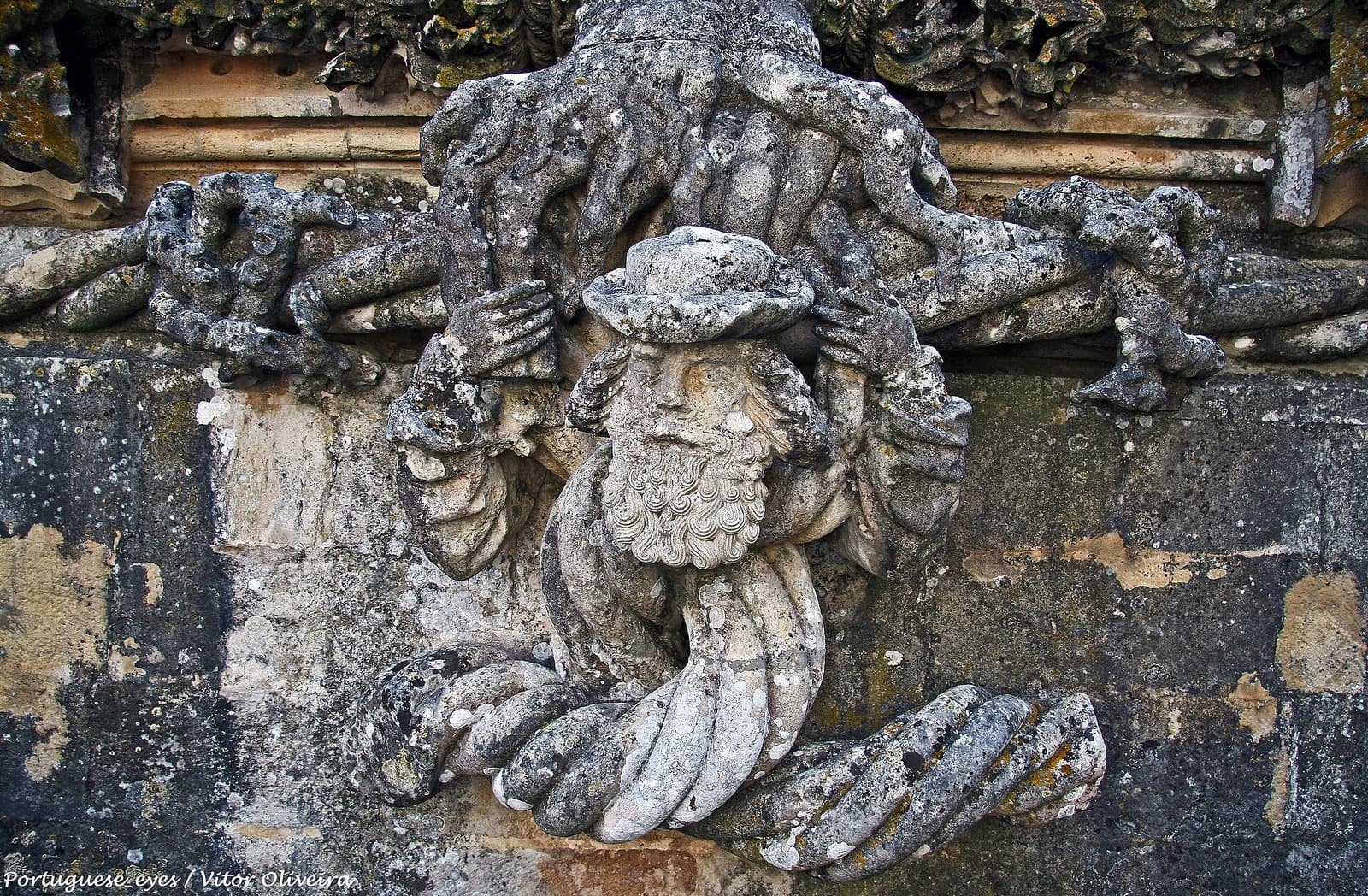 Convent of Christ in TomarThe Convent of Christ in Tomar, former seat of the Templars and the Order of Christ, a UNESCO World Heritage Site since 1983, with the Charola and the Chapter…
 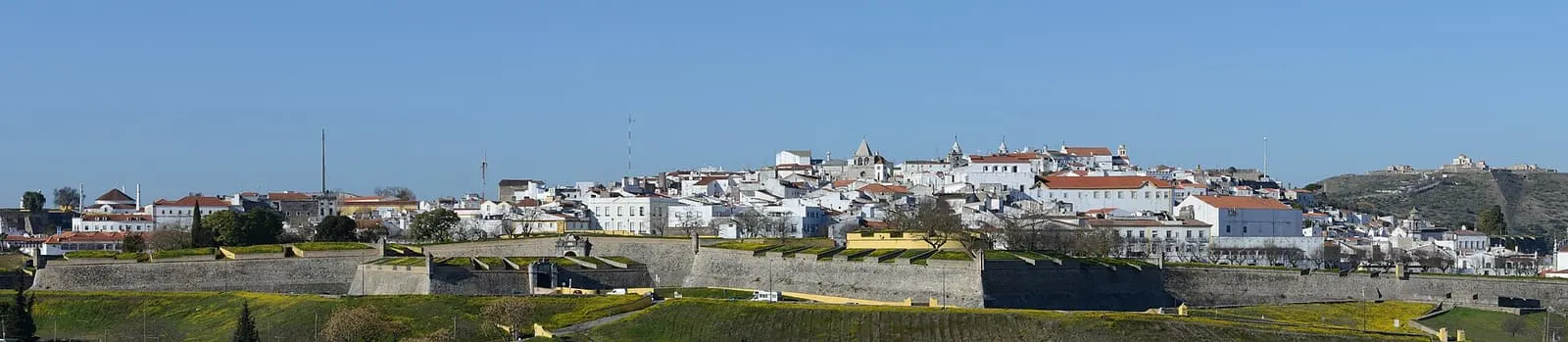 Garrison Border Town of Elvas and its FortificationsThe Garrison Border Town of Elvas, in the Alentejo, holds the largest system of bastioned fortifications in the world, a UNESCO World Heritage Site since 2012. Historic Centre of Porto, Luís I Bridge and Monastery of Serra do PilarHistoric Centre of Porto, Luís I Bridge and Monastery of Serra do Pilar, an urban landscape above the Douro inscribed on the UNESCO World Heritage List since 1996.
 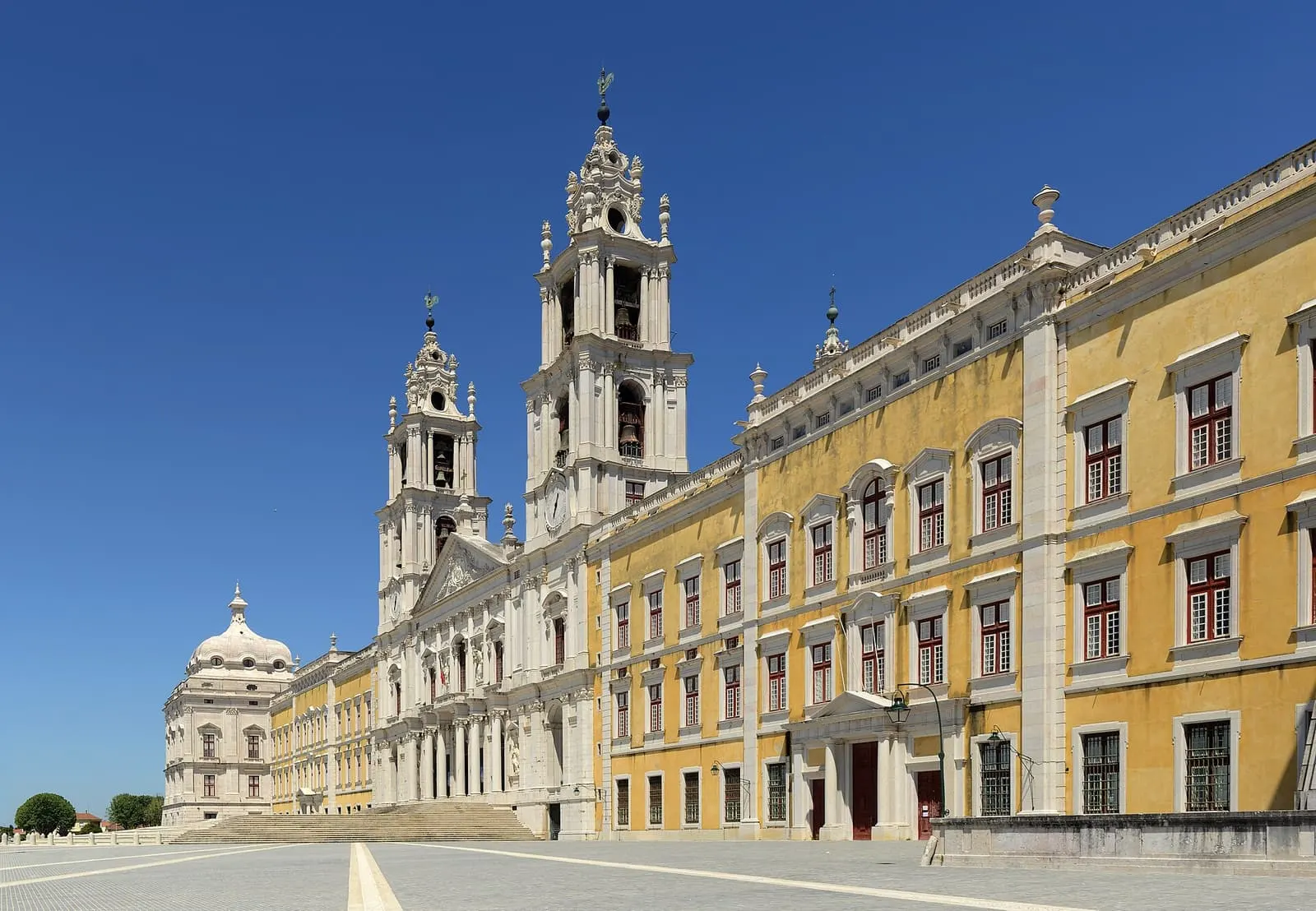 Royal Palace of MafraRoyal Palace of Mafra, a Baroque palace-monastery complex with basilica, library and hunting grounds, UNESCO World Heritage since 2019, located in Mafra…
 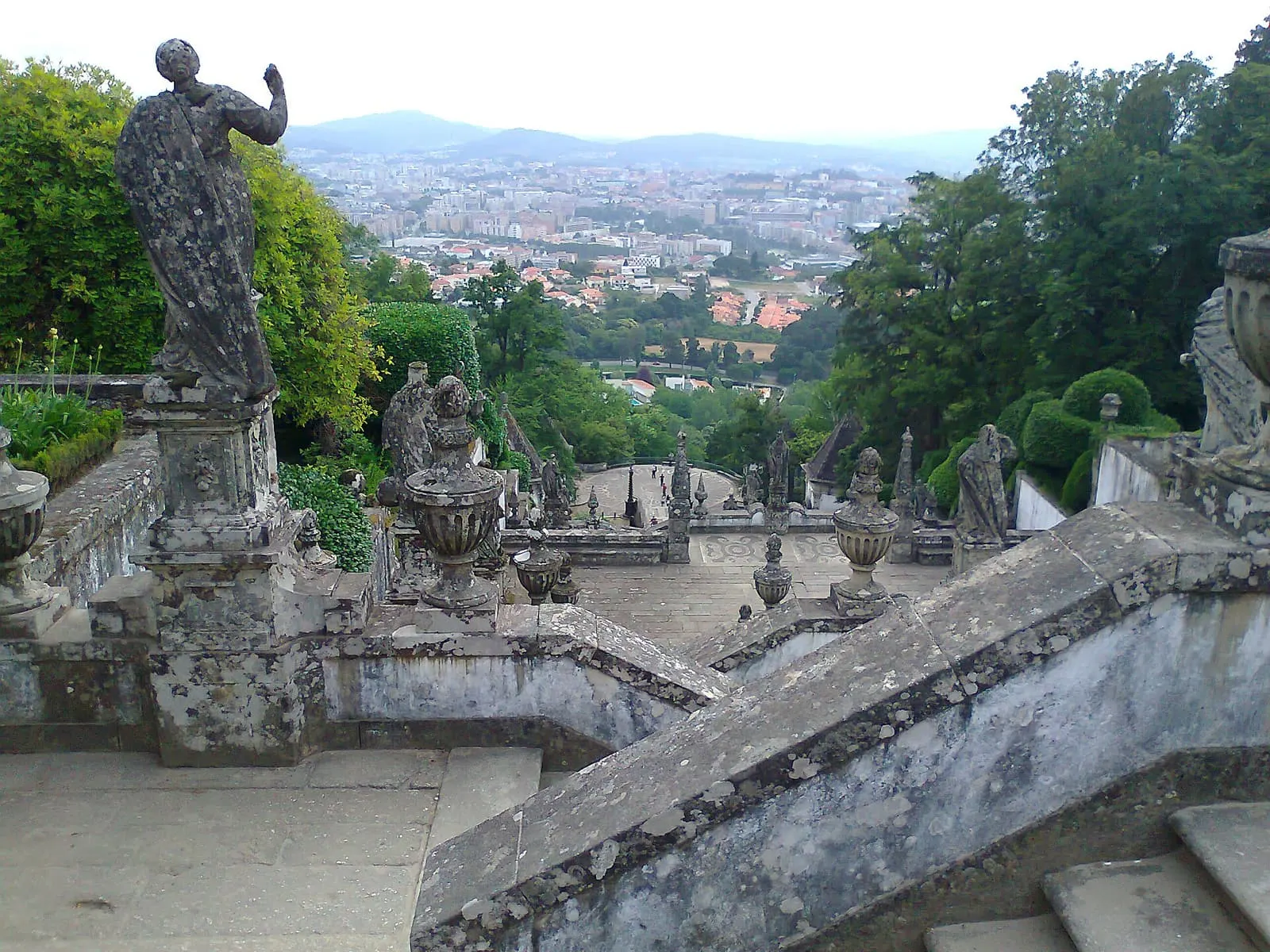 Sanctuary of Bom Jesus do Monte in BragaBaroque pilgrimage sanctuary in Tenões, Braga, featuring the famous monumental stairway: UNESCO World Heritage since 2019 and the foremost example of European…
 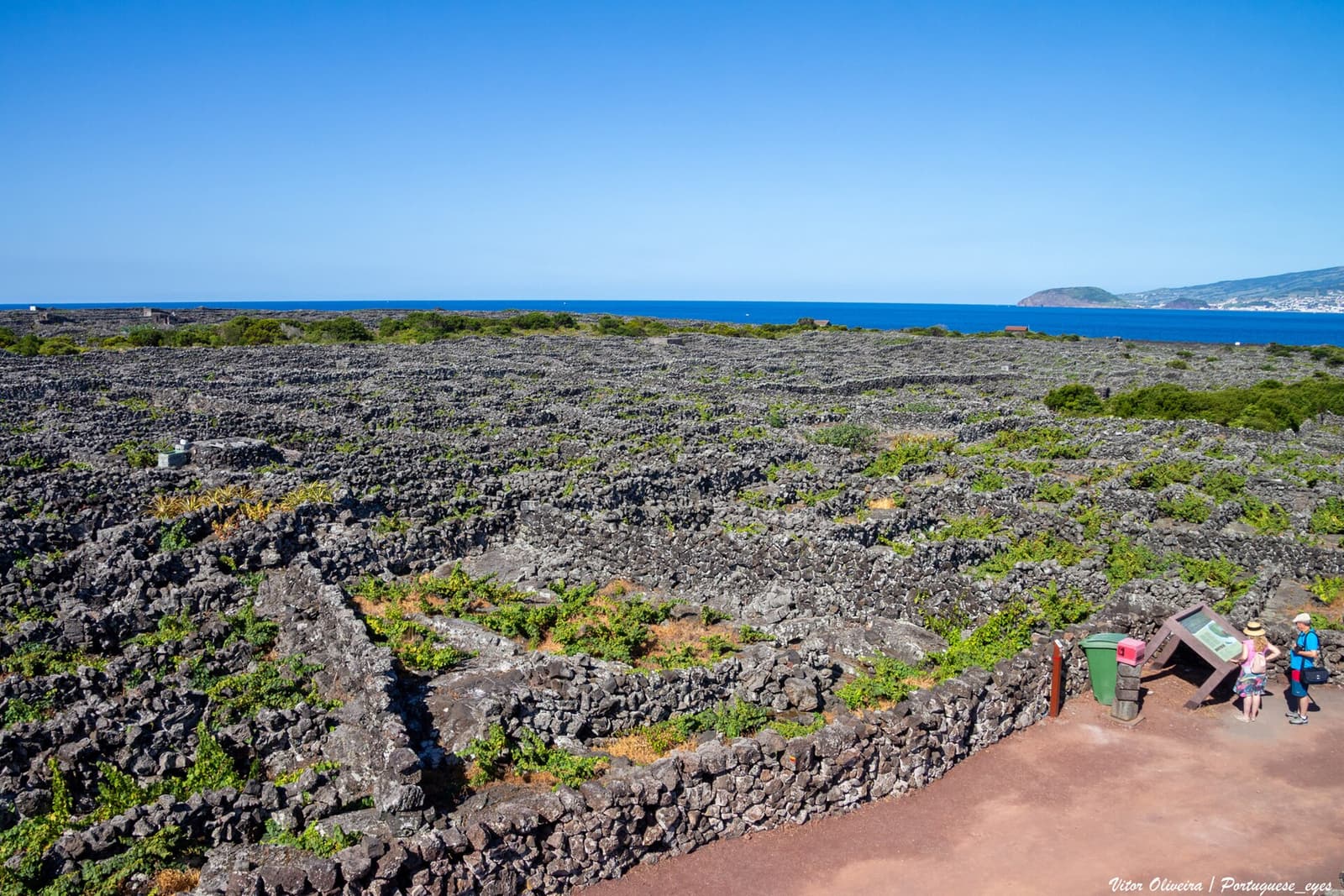 Vineyard Culture Landscape of Pico IslandVineyard Culture Landscape of Pico Island in the Azores: vineyards within black lava stone enclosures, a UNESCO World Heritage site since 2004 in Madalena.
 World Heritage — Natural
1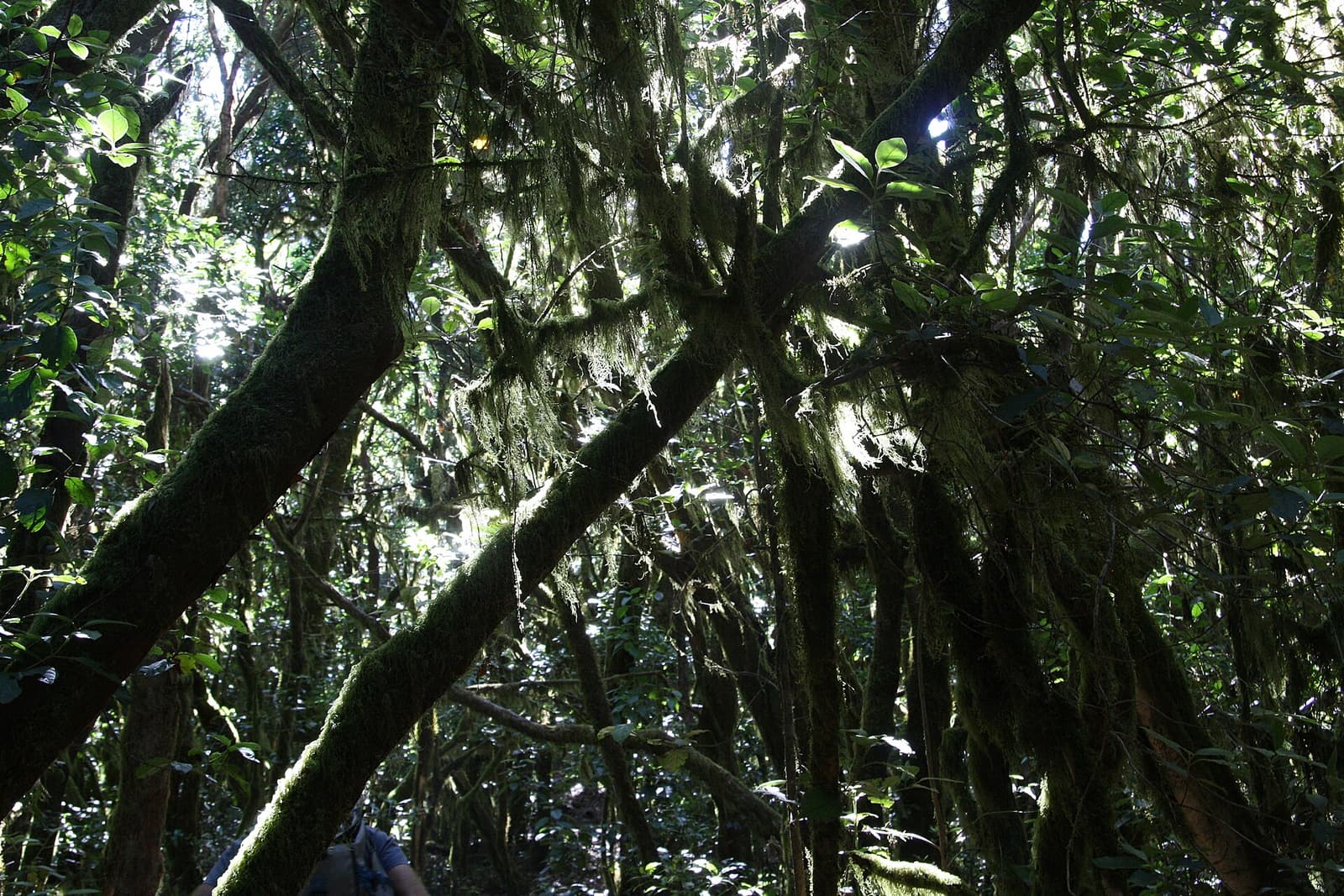
More to explore
6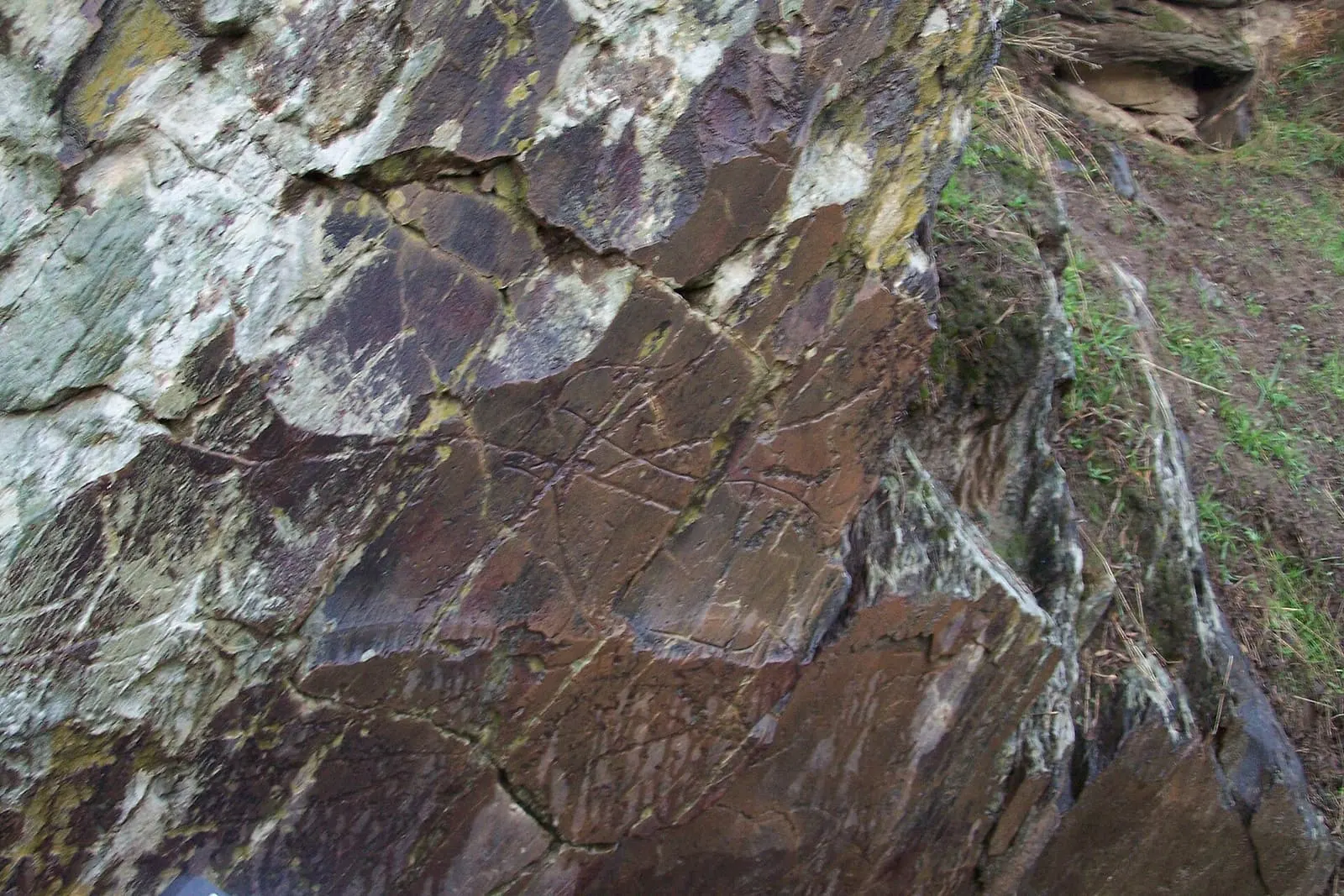 Côa Valley Archaeological SiteThe park that protects the Palaeolithic engravings of the Côa, inscribed by UNESCO in 1998 — and a model of how to conserve open-air rock art.
 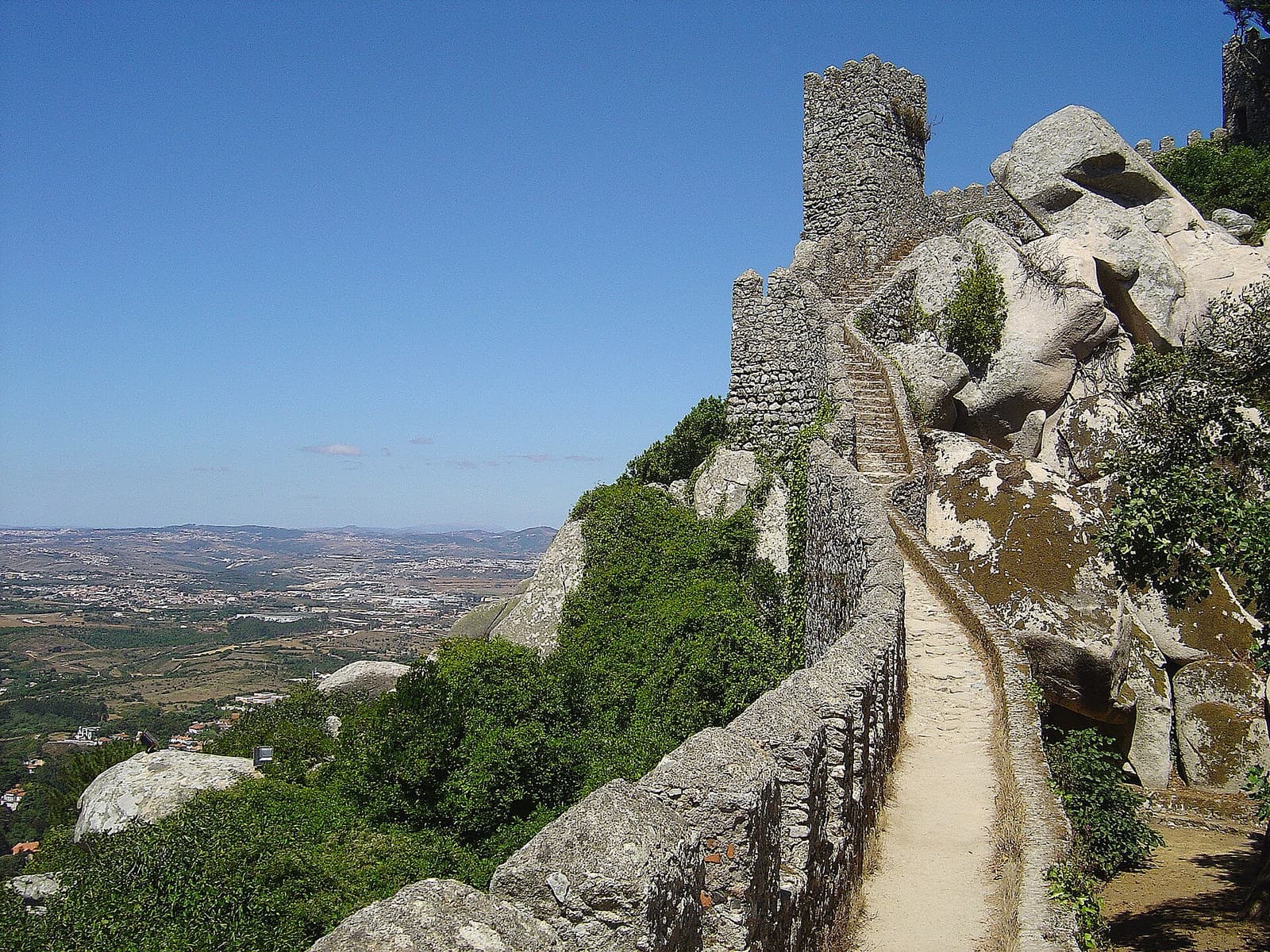 Cultural Landscape of SintraMountains, palaces and Romantic gardens in a landscape that UNESCO classified in 1995 as the first European site in the "cultural landscape" category.
 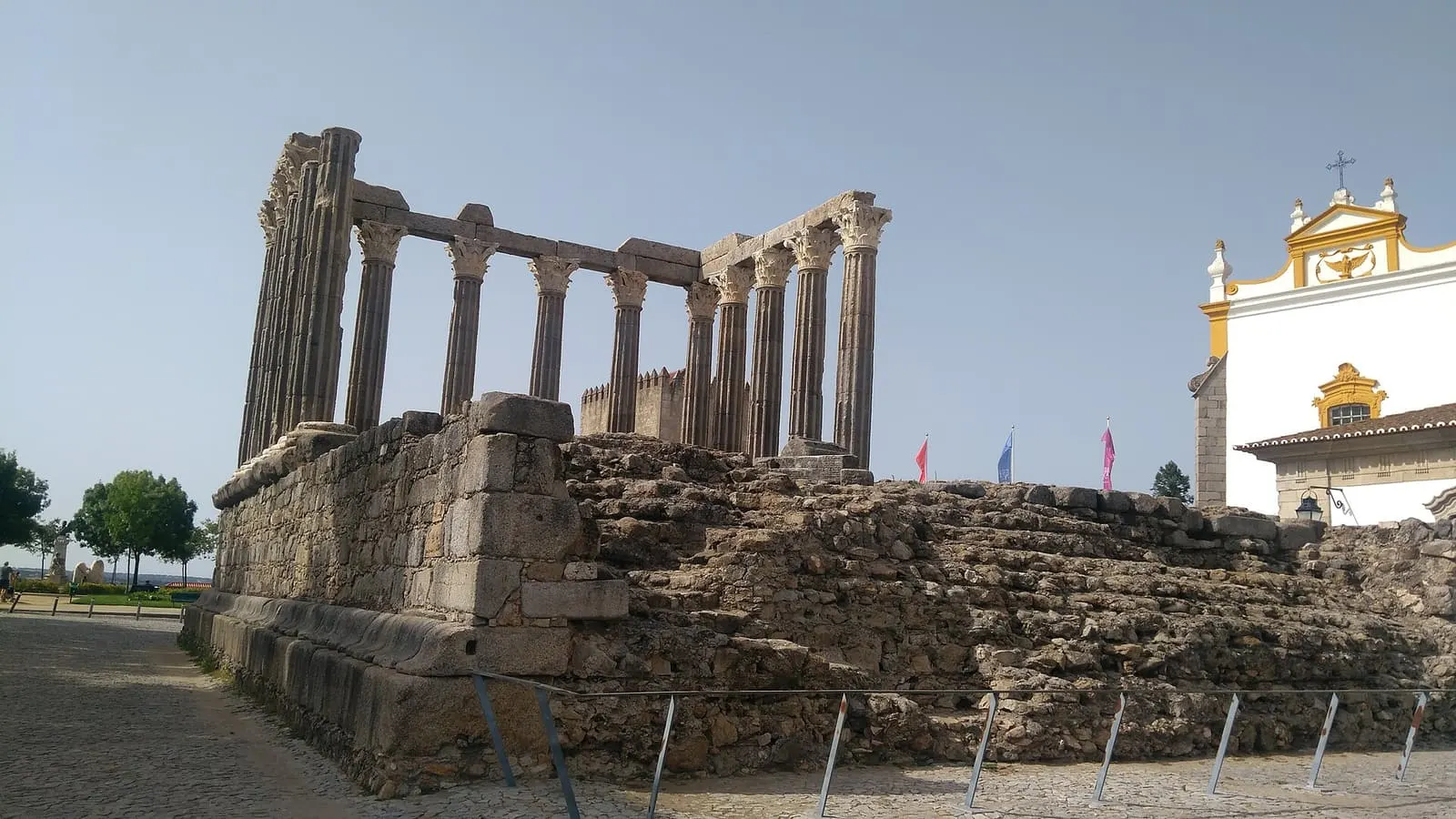 Historic Centre of ÉvoraAn Alentejo museum-city where the Roman temple, the medieval cathedral and the Renaissance palaces coexist within the same walls. World Heritage since 1986.
 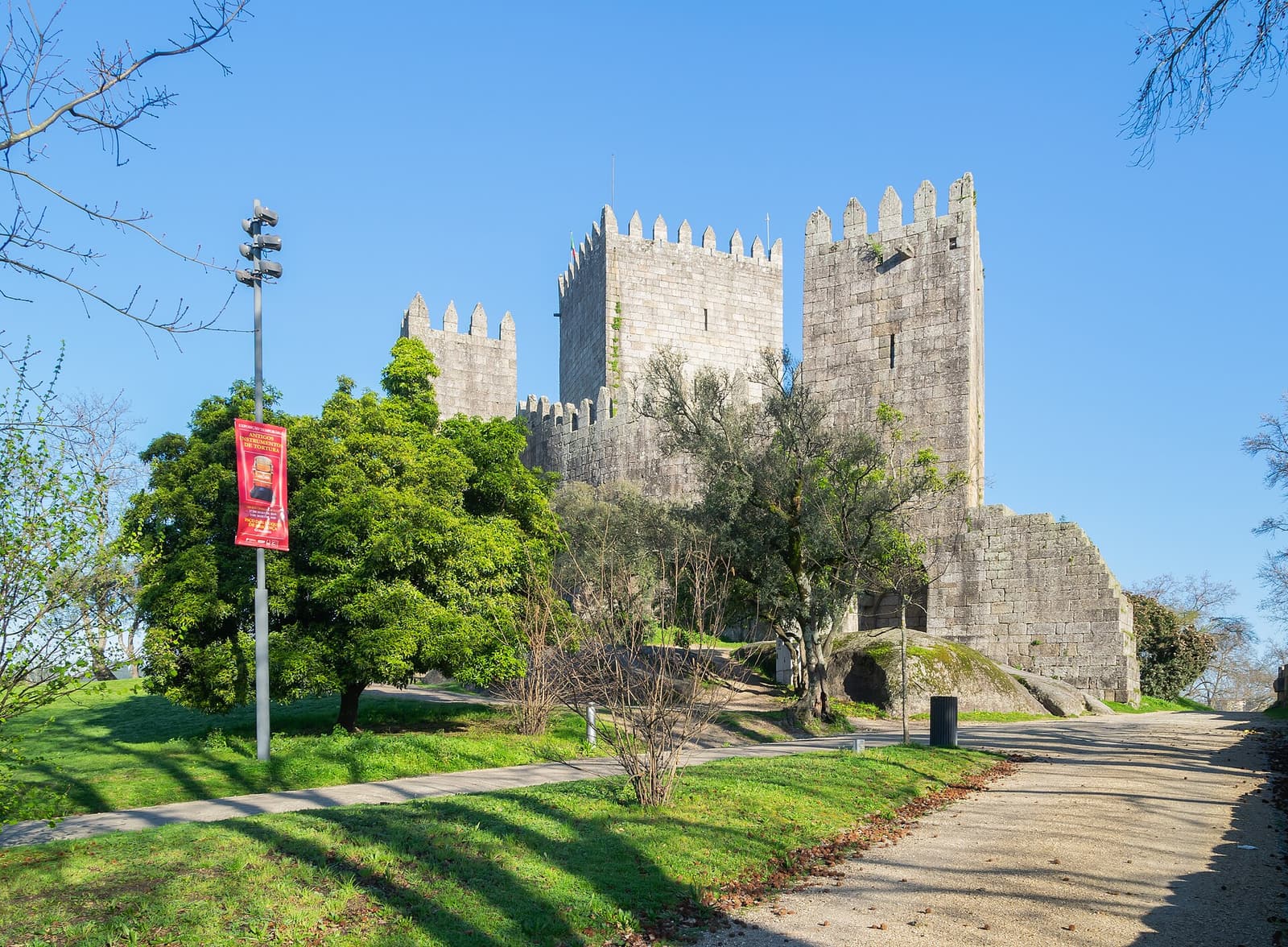 Historic Centre of Guimarães and Couros ZoneExplore Guimarães and the Couros Zone: World Heritage since 2001, extended in 2023, with medieval squares, historic houses and the traces of leather tanning.
 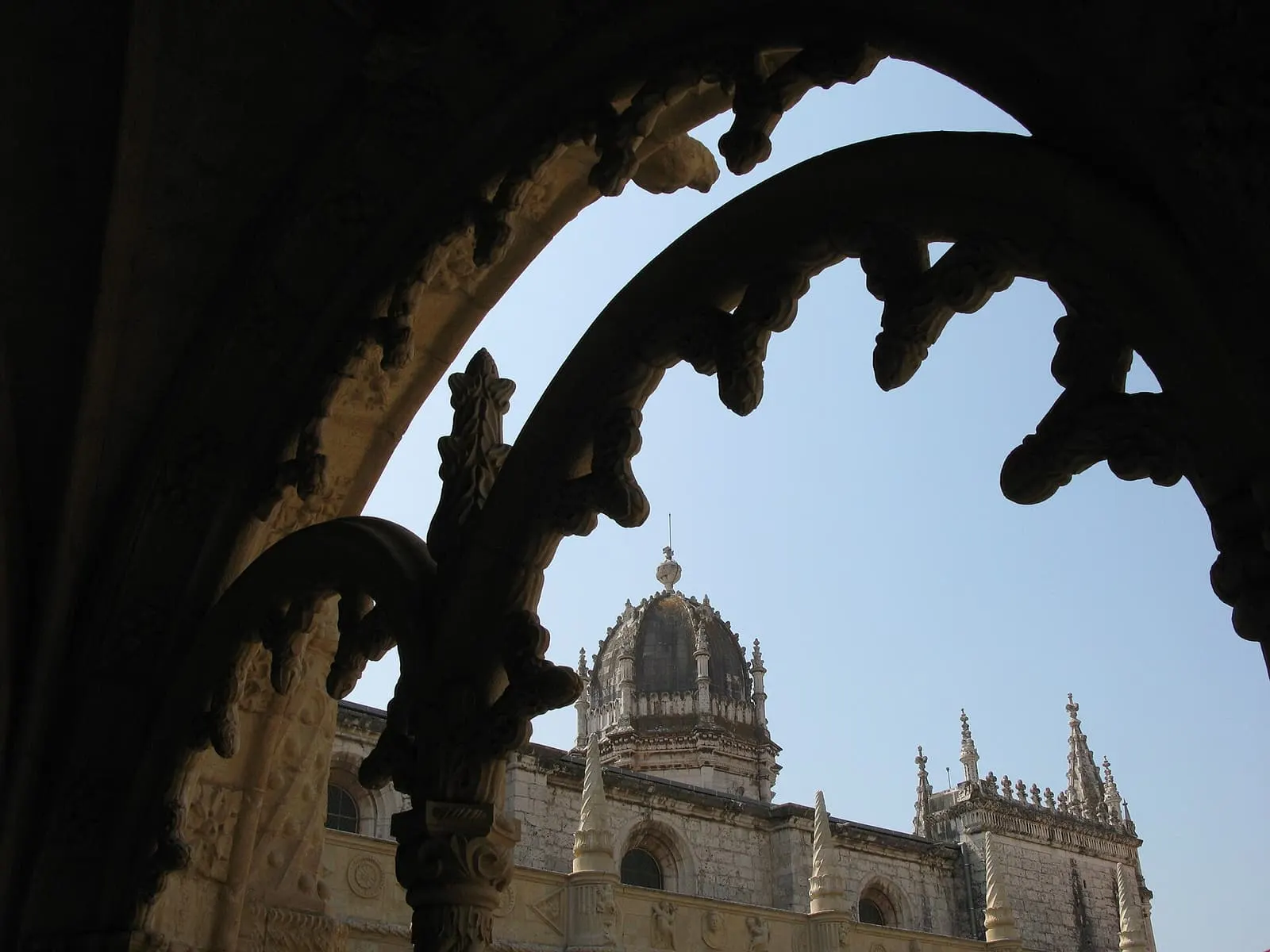 Jerónimos Monastery and Belém TowerThe Manueline ensemble at Belém, in Lisbon, inscribed on UNESCO's World Heritage List in 1983.
 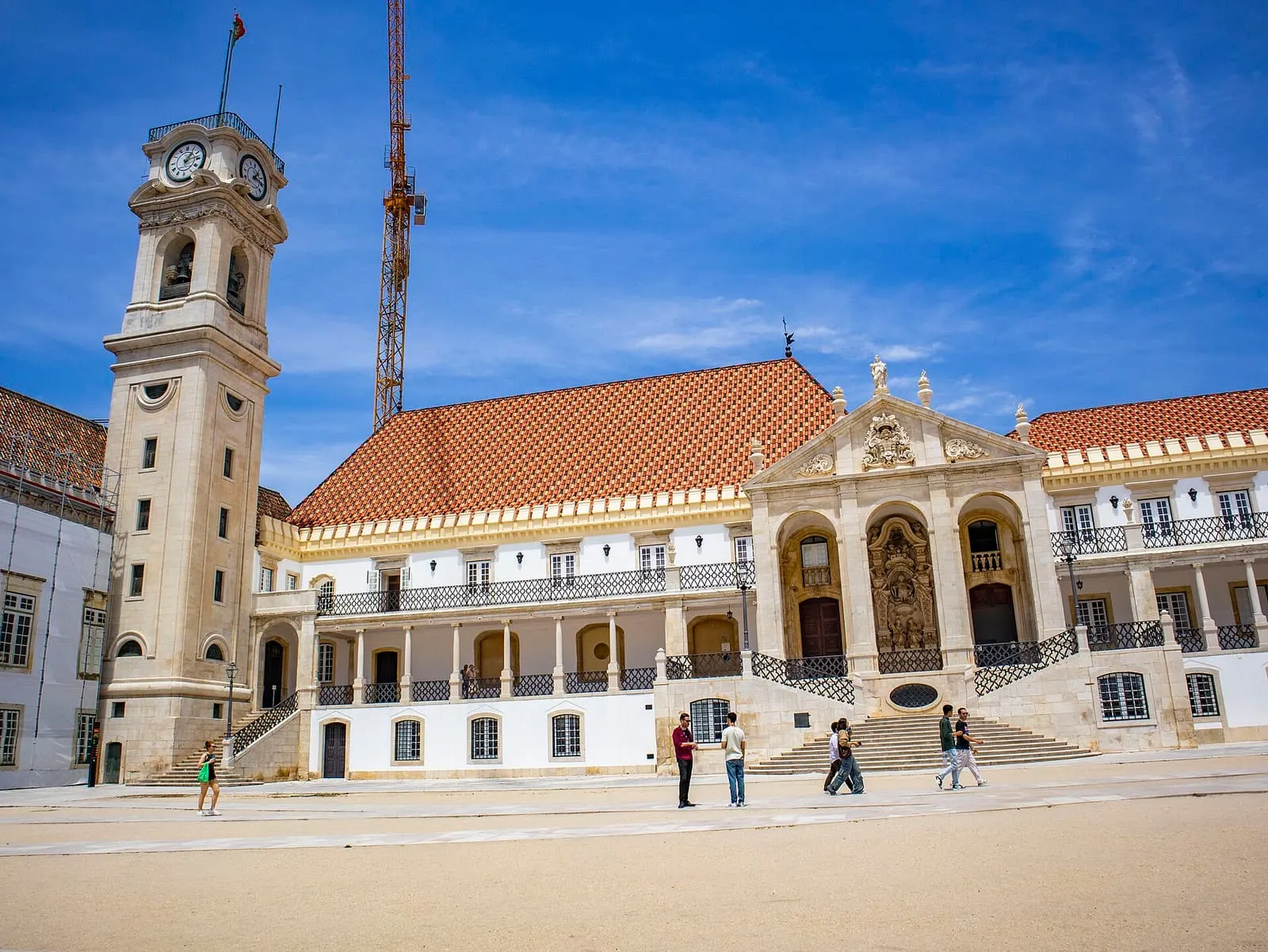 University of Coimbra — Alta and SofiaThe oldest Portuguese university and the city that grew up around it, inscribed on UNESCO's World Heritage List in 2013.