Resources
Heritage institutions and resources
Behind every classified monument lies a system: state bodies that protect it, laws that define it, museums that interpret it and routes that make it visitable. This section brings together the institutional, legal and practical dimension of Portuguese heritage — the E-E-A-T foundation underpinning everything else on the site.
How heritage is governed
The safeguarding of heritage in Portugal rests on a legal framework — the 2001 Framework Law — and on a network of institutions, from the Directorate-General for Cultural Heritage to the museums and the municipalities. To this section belong the history of these bodies, the classification system (National Monument, Property of Public Interest), the practice of conservation and the great heritage itineraries — from the Ways of St James to the Romanesque Route.
For a reading by territory, see the regional guides — North, Centre, Lisbon and the Tagus Valley, Alentejo and Algarve.
78 entries to explore
No matches in this collection. Try another word or clear your search.
In this section — 78
Editor’s selection
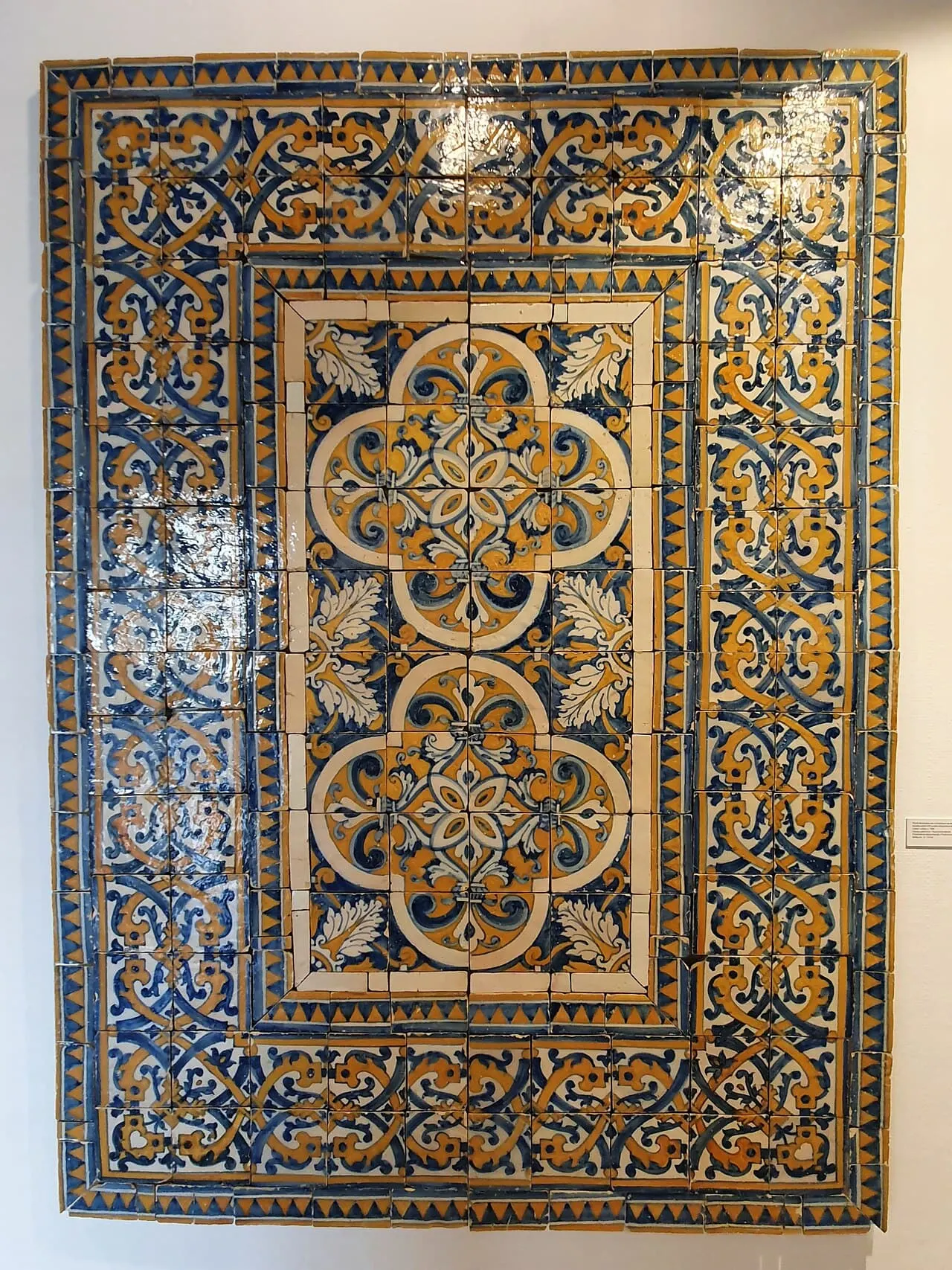 Decorative Arts and Fine Arts in PortugalGuide to Portuguese decorative and fine arts: azulejo tiles, goldsmithing, gilded woodcarving, faience, and folk ceramics, from the 15th century to the present day.
 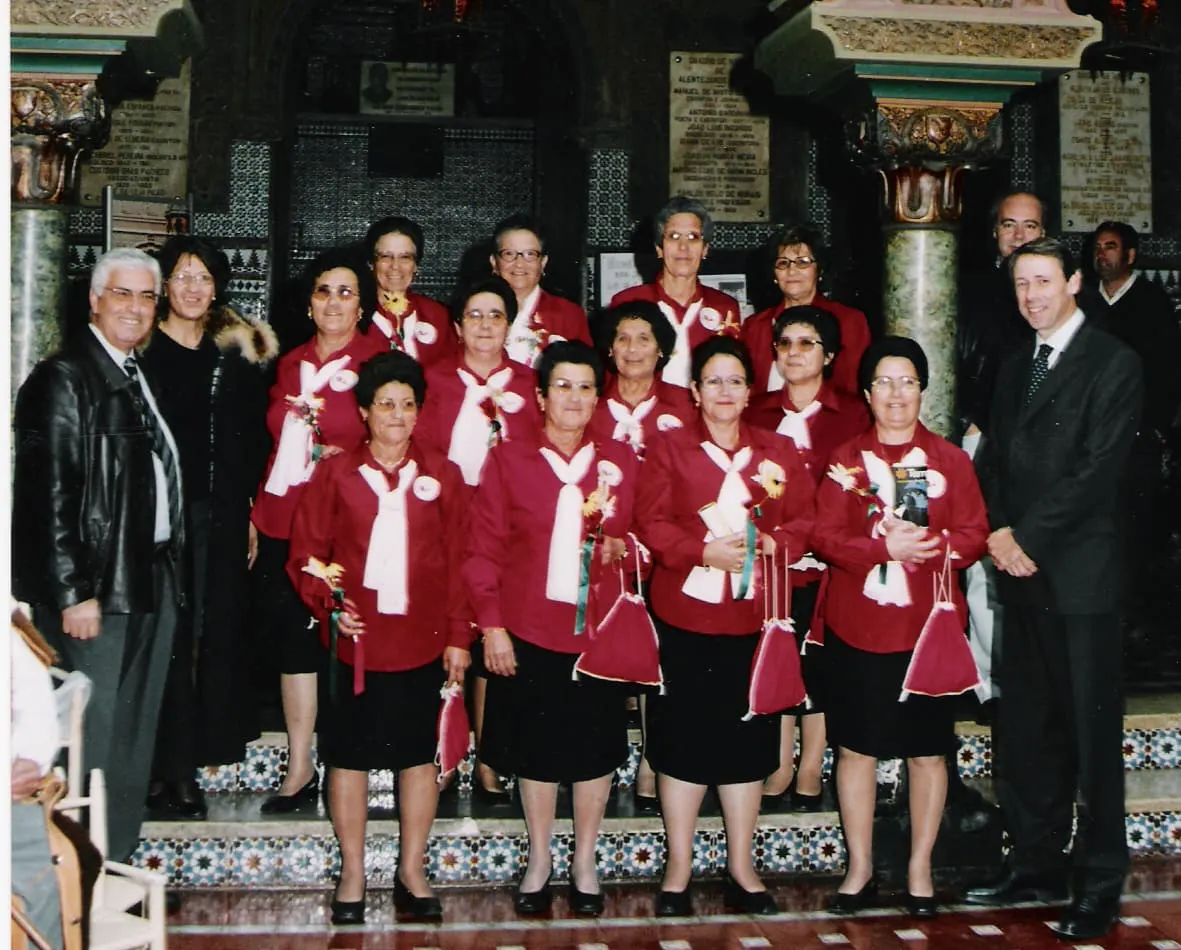 Intangible Cultural Heritage of PortugalGuide to Portugal's intangible cultural heritage: from the National Inventory of ICH to UNESCO inscriptions, from Fado to Alentejo's Cante and the…
 Imaterial
1Recursos
75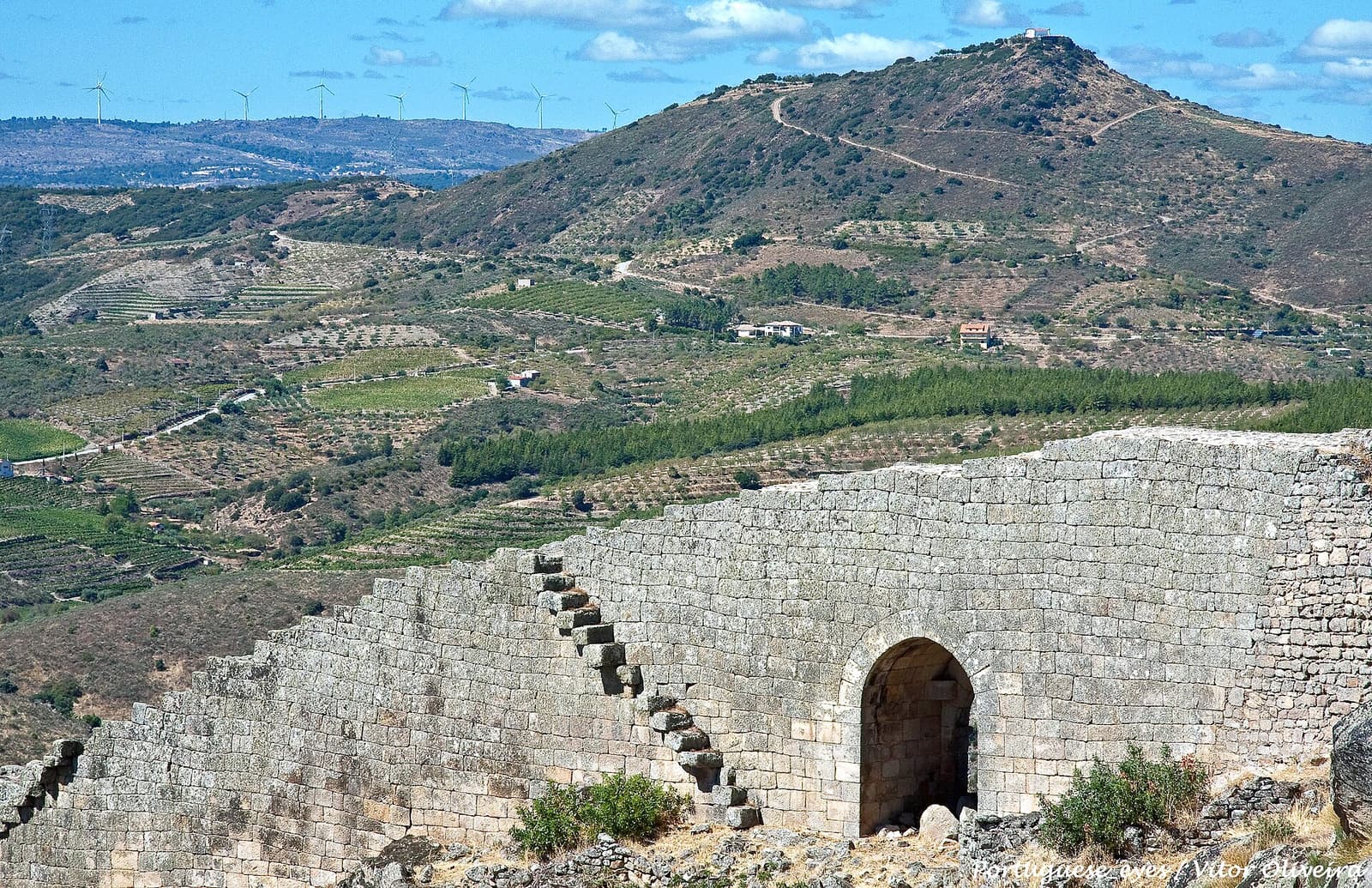 Administrative servitudes and heritage restrictionsWorks and transfers involving protected heritage: distinguish the classified asset, protection zone, municipal licence and pre-emption rights. Alentejo Wine RouteThe Alentejo Wine Route is the enotourism circuit of Alentejo's wineries and wine sub-regions, with headquarters and a tasting room in Évora. Bairrada Wine RouteThe Bairrada Wine Route traverses the demarcated region between the Mondego and Vouga rivers, land of the Baga grape, classic sparkling wines, and historic palaces. Bastioned Fortresses Route of the BorderThe Bastioned Fortresses Route of the Border connects Almeida, Elvas, Marvão, and Valença — four strongholds along the Portuguese-Spanish border and their…
 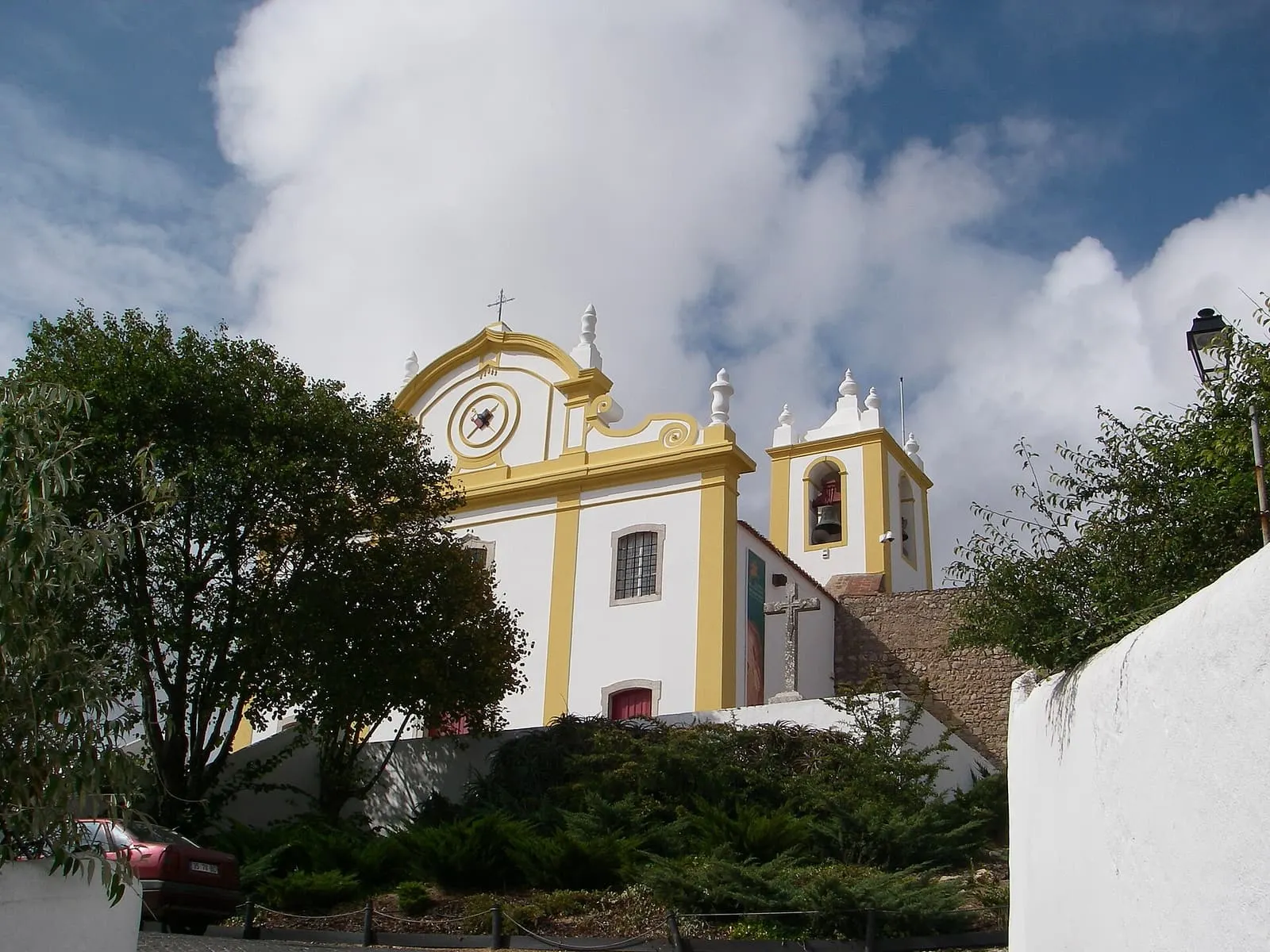 Central Portuguese Way of St JamesCentral Portuguese Way of St James: the Jacobean route from Lisbon and Porto to Tui, via Coimbra, Ponte de Lima and Valença, the most walked route.
 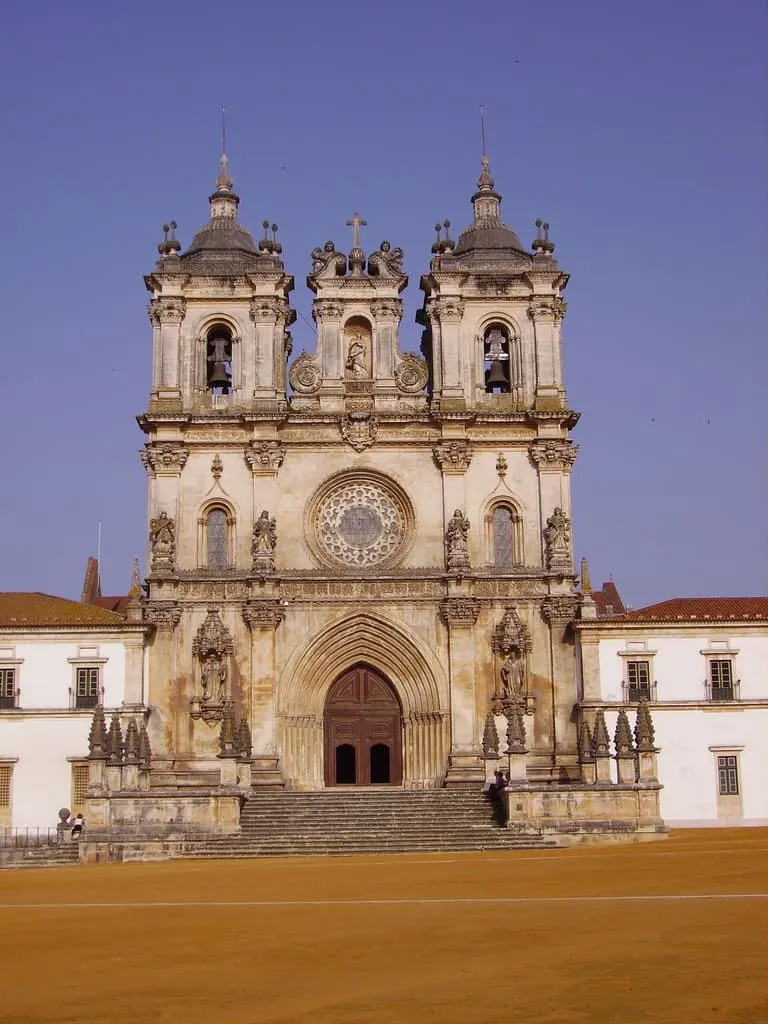 Cistercian Routes in PortugalItineraries of the Cistercian Route in Portugal, linking Cistercian monasteries from Alcobaça to São João de Tarouca and Salzedas in the Douro and Beira regions.
 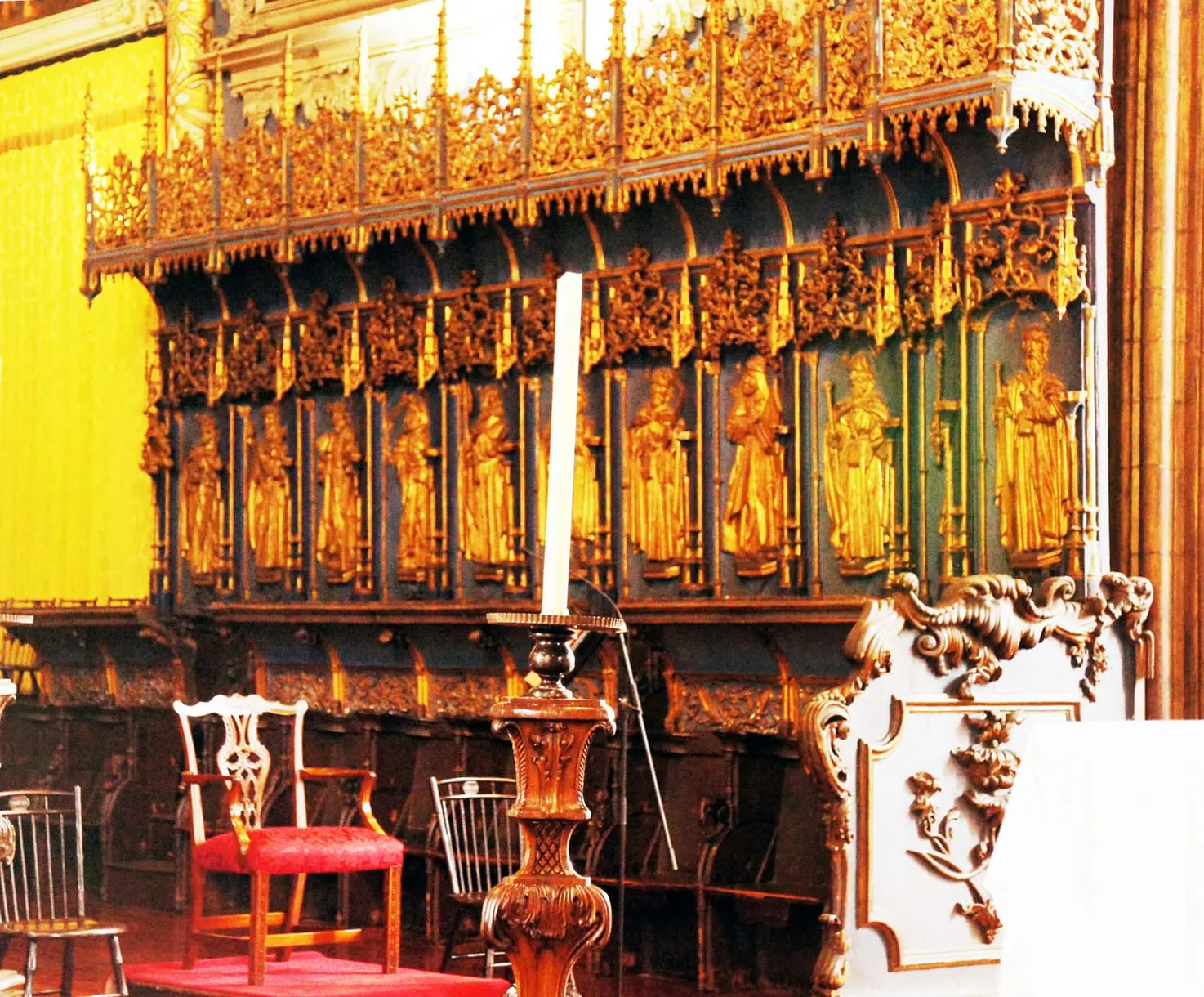 Conservation and restoration in PortugalHistory, doctrine and institutions of conservation and restoration in Portugal: from the DGEMN to the José de Figueiredo Laboratory and today's DGPC, the…
 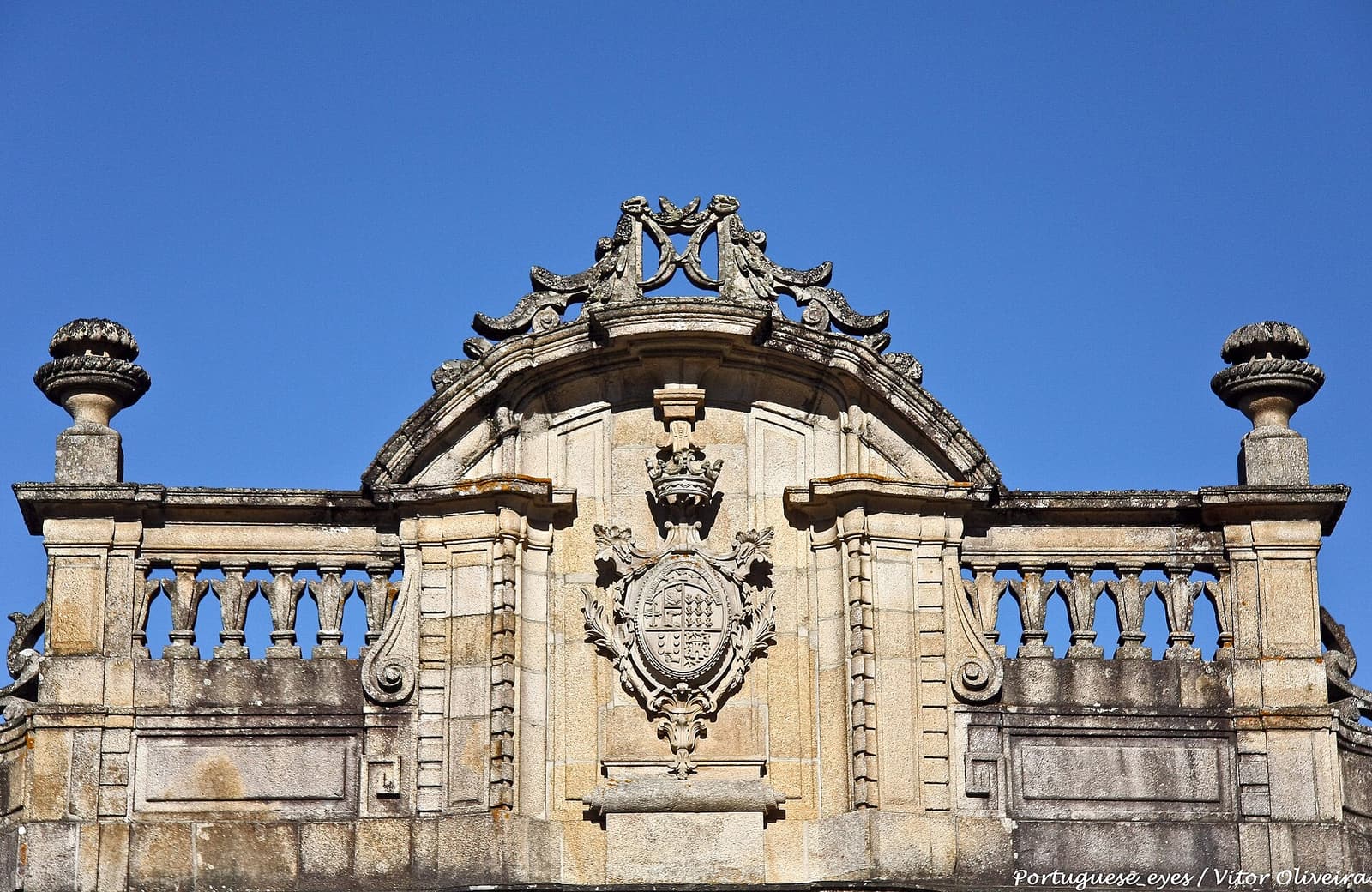 Cultural Heritage, I.P.Cultural Heritage, I.P.: the public institute established in 2024 that succeeded the DGPC in safeguarding Portugal's immovable and intangible heritage…
 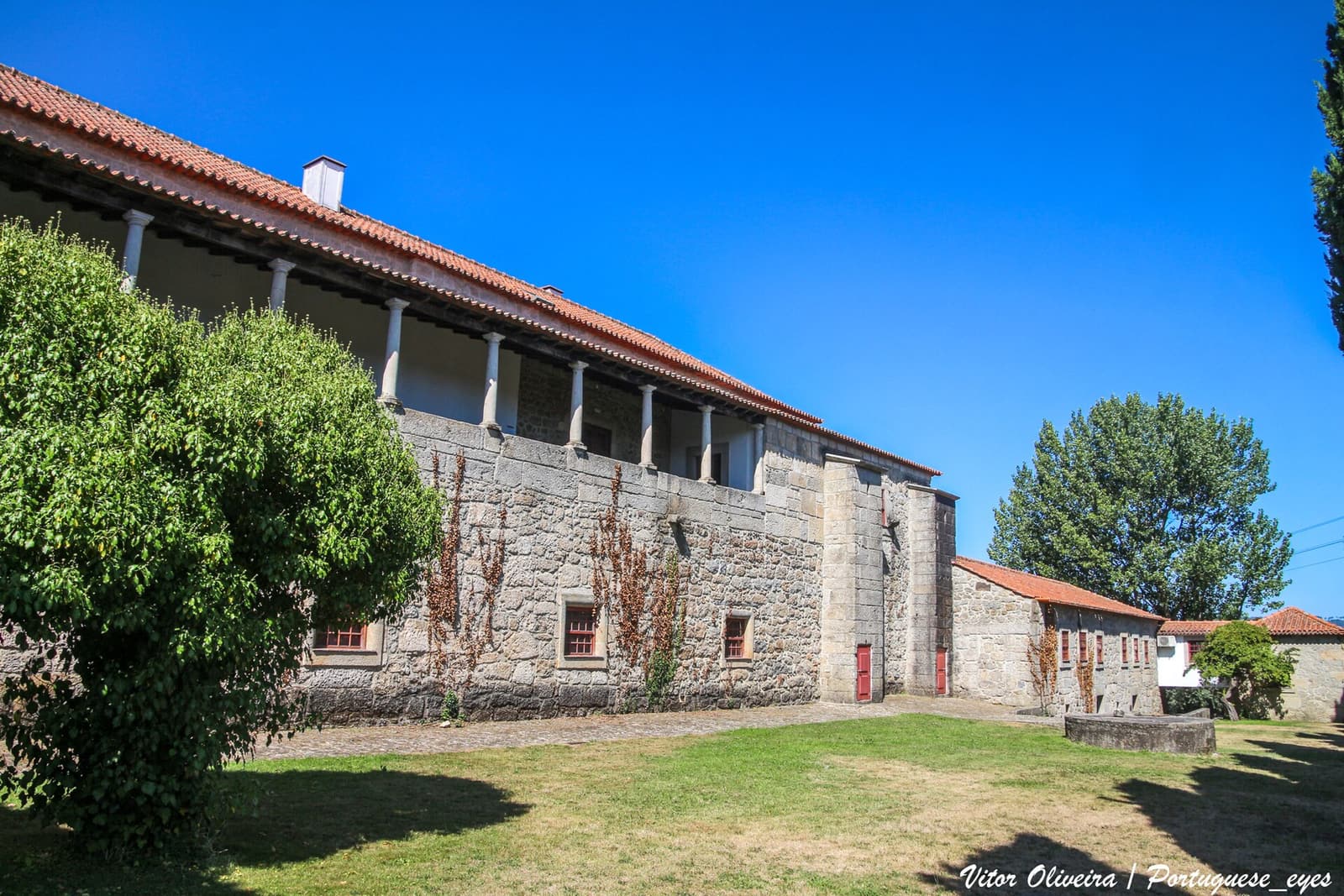 Dão Wine RouteThe Dão Wine Route traverses the demarcated region of Beira Alta, land of Touriga Nacional and Encruzado, among estates and wineries, with its headquarters in Viseu.
 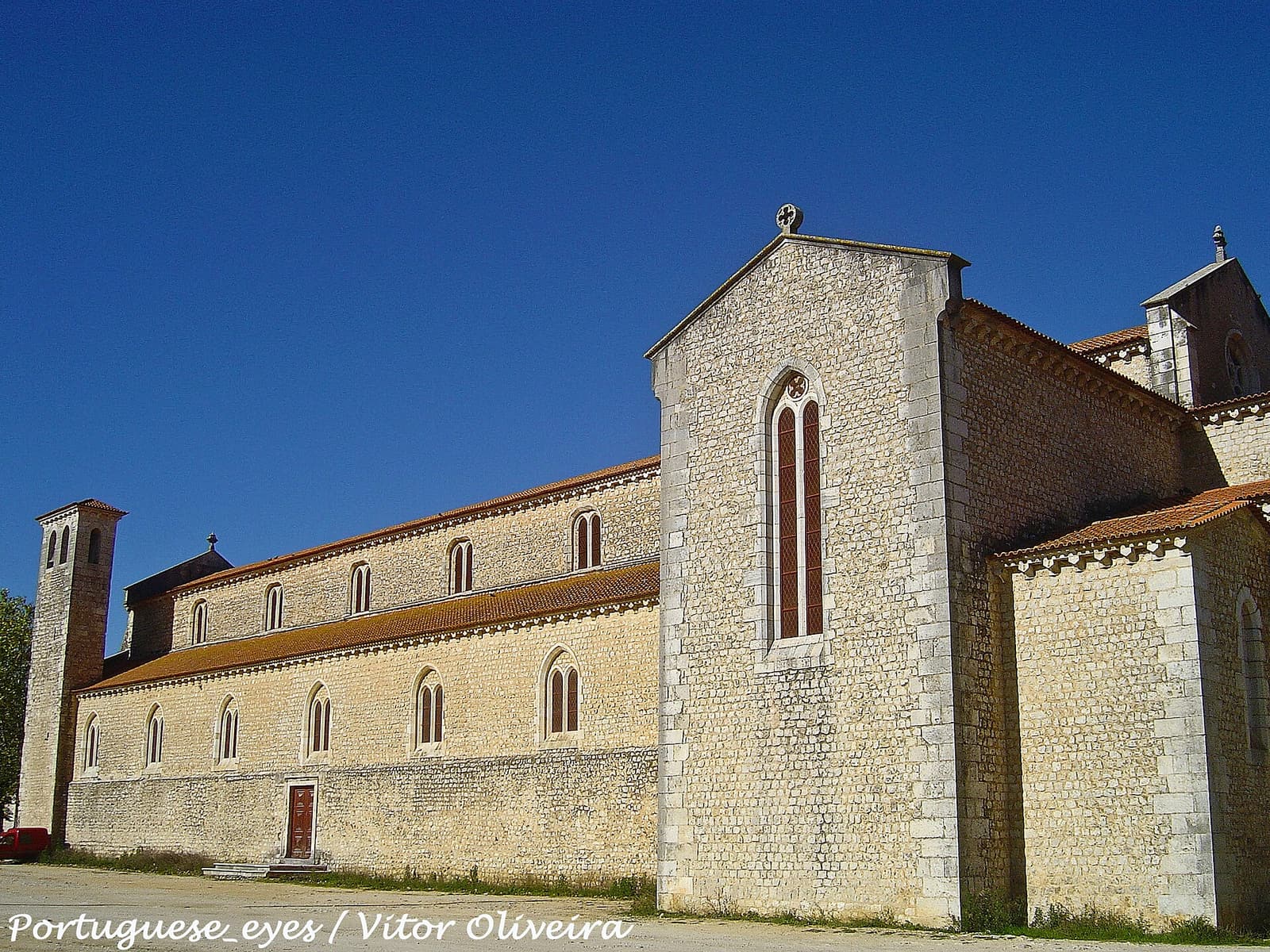 DGEMN — Directorate-General for National Buildings and MonumentsThe DGEMN (1929-2007), the State body responsible for the major restorations of monuments in Portugal and for creating the SIPA archive. Digital heritage and heritage digitisationDigitisation, 3D modelling and open access to Portuguese cultural heritage: the Matriz, SIPA, Europeana platforms and the Cultural Heritage 360 project.
 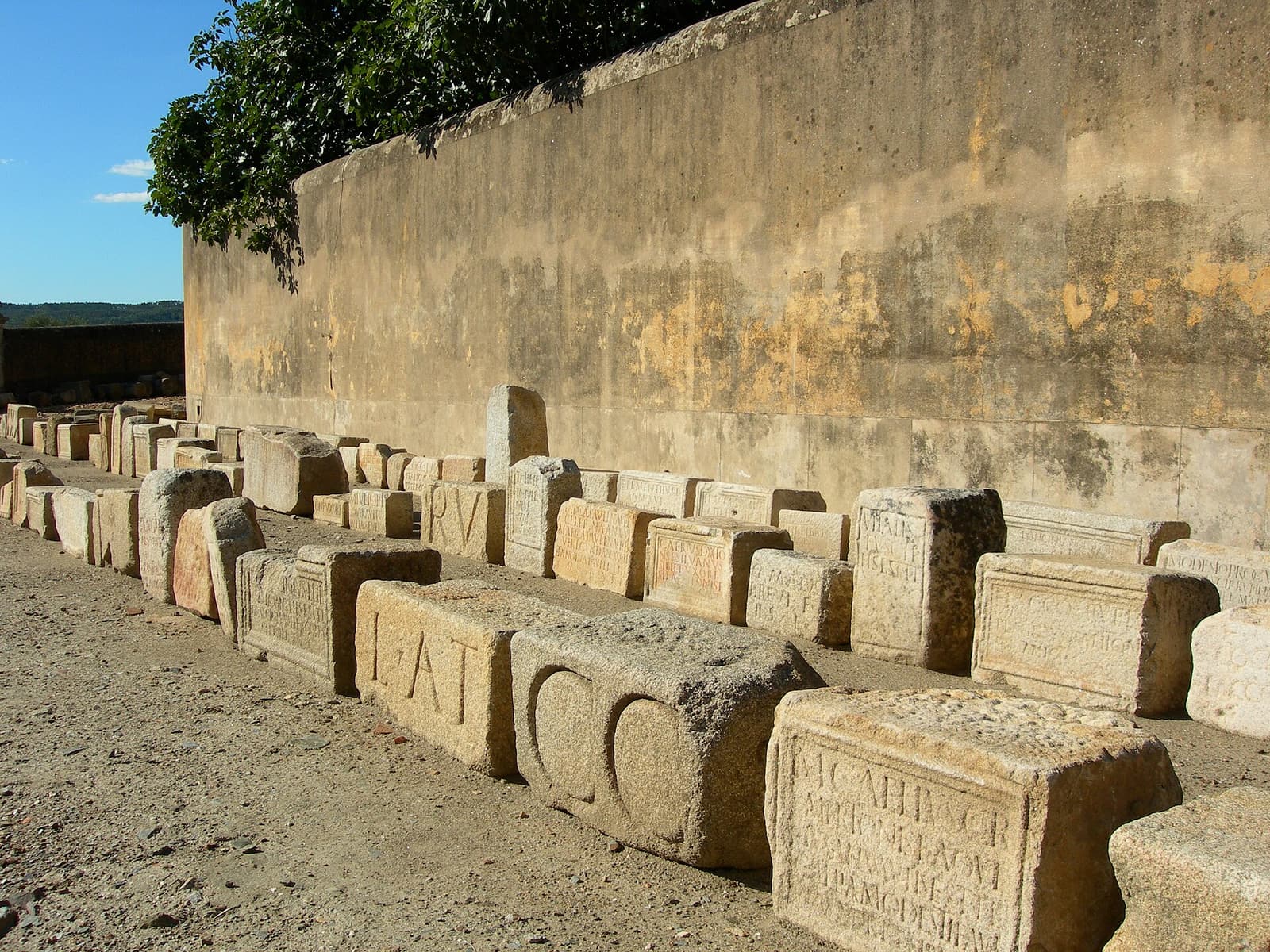 Directorate-General for Cultural Heritage (DGPC)The Directorate-General for Cultural Heritage (DGPC), the central body created in 2012 in Lisbon to oversee museums, monuments and the safeguarding of… Europeana and Portuguese heritage onlineEuropeana, the European digital library, aggregates Portuguese cultural heritage through the RNOD of the National Library of Portugal. Framework Law on Cultural Heritage (Law 107/2001)Read Portugal’s Law 107/2001: cultural heritage, classification categories and levels, inventories, responsibilities and World Heritage connections. Framework Law on Portuguese Museums (Law 47/2004)The Framework Law on Portuguese Museums (Law No. 47/2004) defines what a museum is, regulates accreditation and establishes the rights of the public in Portugal. Green Wine RouteThe Green Wine Route traverses the Minho and northwest Portugal, connecting estates, manor houses, and wineries in the country's oldest demarcated wine region. Heritage at Risk in PortugalMonuments and sites at risk in Portugal: abandonment, ruin, speculation and disaster, and the mechanisms for alert and heritage safeguarding.
 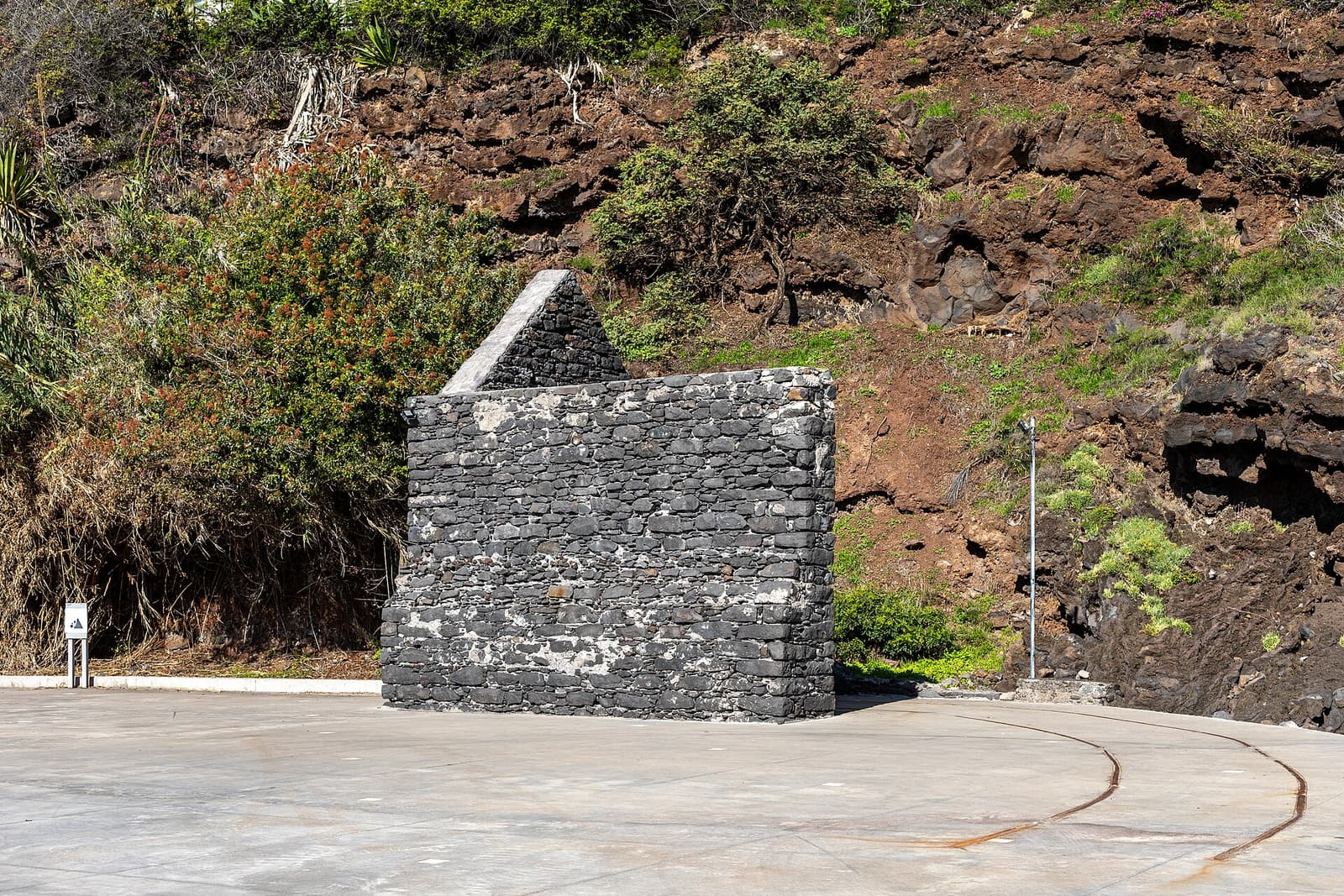 Heritage Classification System in PortugalUnderstand Portugal’s heritage categories and classification levels, current authorities, inventories and the boundaries of legal protection.
 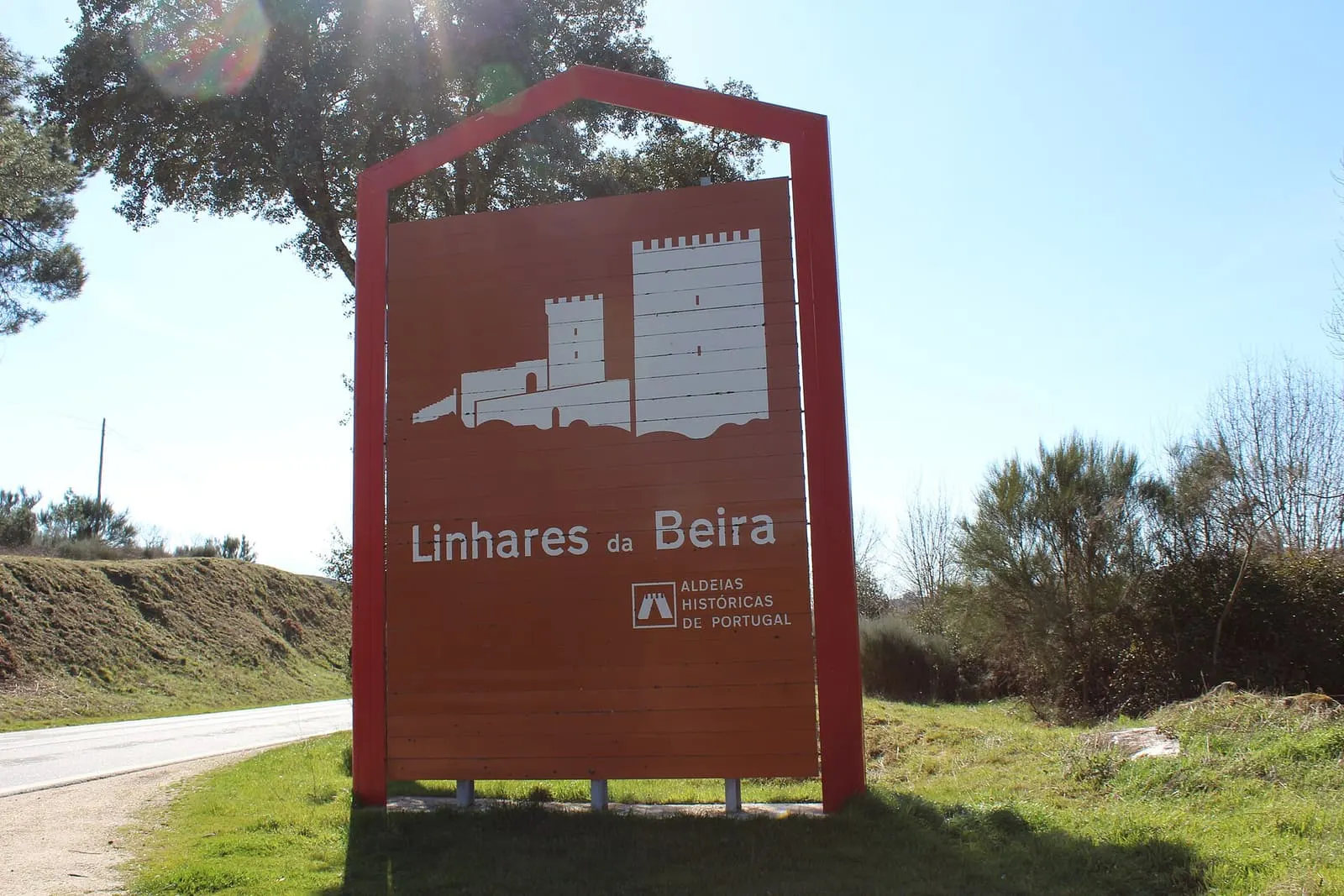 Historic Villages of PortugalThe Historic Villages of Portugal: a network of twelve fortified settlements in the Beira and the Serra da Estrela, with medieval castles and granite heritage.
  How is a heritage asset classifiedHow to propose classification of a heritage property in Portugal: documents, formal opening, investigation, hearing, decision and official status. ICOM PortugalICOM Portugal, the national committee of the International Council of Museums, represents the professional ethics and professionalisation of Portuguese… ICOMOS PortugalICOMOS Portugal, the national committee of the International Council on Monuments and Sites, is the technical voice of conservation and the advisory body for…
  IGESPAR — Institute for the Management of Architectural and Archaeological HeritageIGESPAR (2007–2011) managed Portugal's architectural and archaeological heritage, merging the IPPAR and the IPA and directly preceding the DGPC, in Lisbon. Illicit Trafficking of Cultural GoodsCombating the illicit trafficking of cultural goods in Portugal: theft, illegal export, and clandestine trade, and the role of the Judiciary Police and DGPC.
  IMC — Institute of Museums and ConservationThe Institute of Museums and Conservation (IMC, 2007–2012) brought together, in Lisbon, the national museums and the conservation of movable heritage, later…
 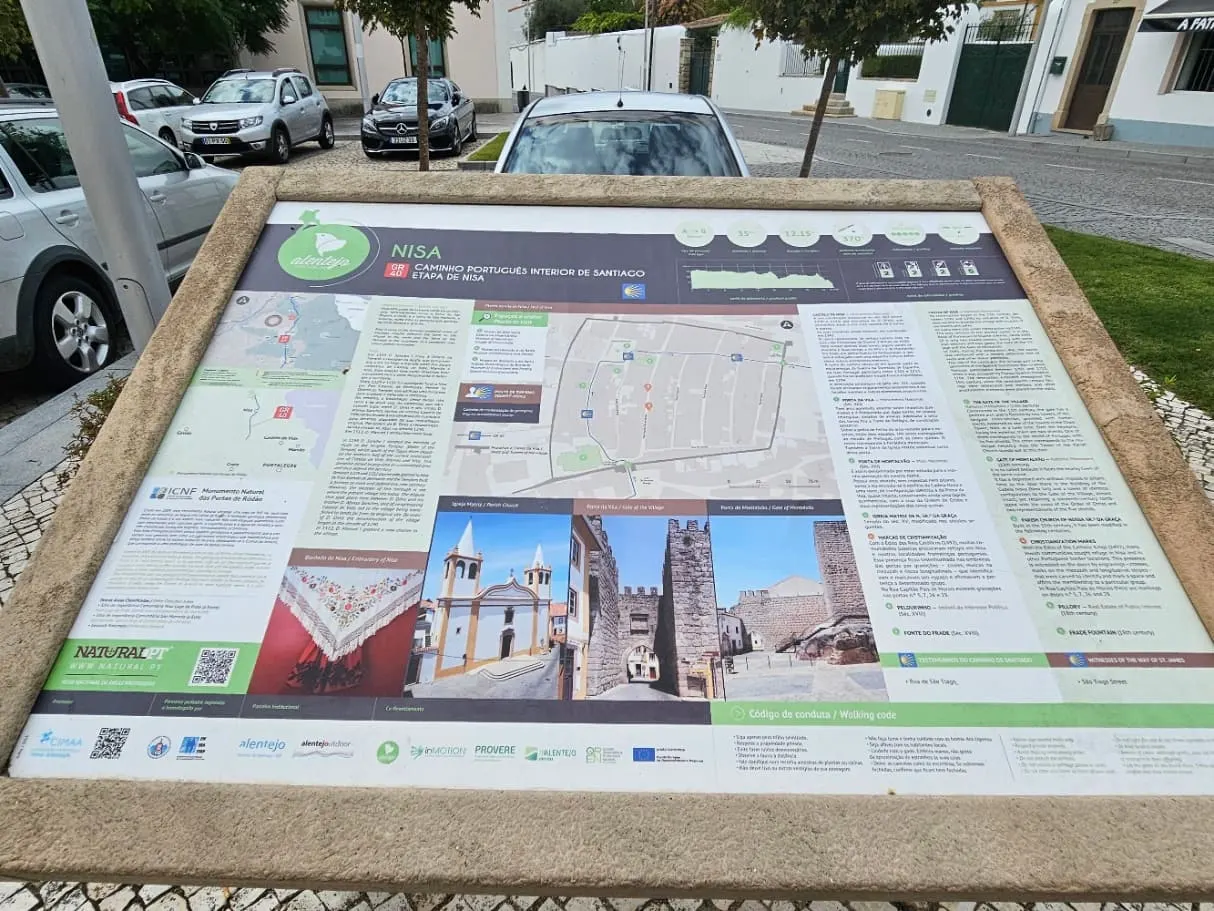 Inland Portuguese Way of St JamesThe Inland Portuguese Way of St James: the Jacobean route from Viseu to Chaves and Galicia, linking up with the Vía de la Plata towards Compostela, across… International heritage conventionsUNESCO and Council of Europe heritage conventions ratified by Portugal: dates, content and effects in Portuguese law. Inventory of Cultural HeritageThe inventory of cultural heritage in Portugal: an instrument for identifying and recording cultural assets under Law no. 107/2001, distinct from classification.
 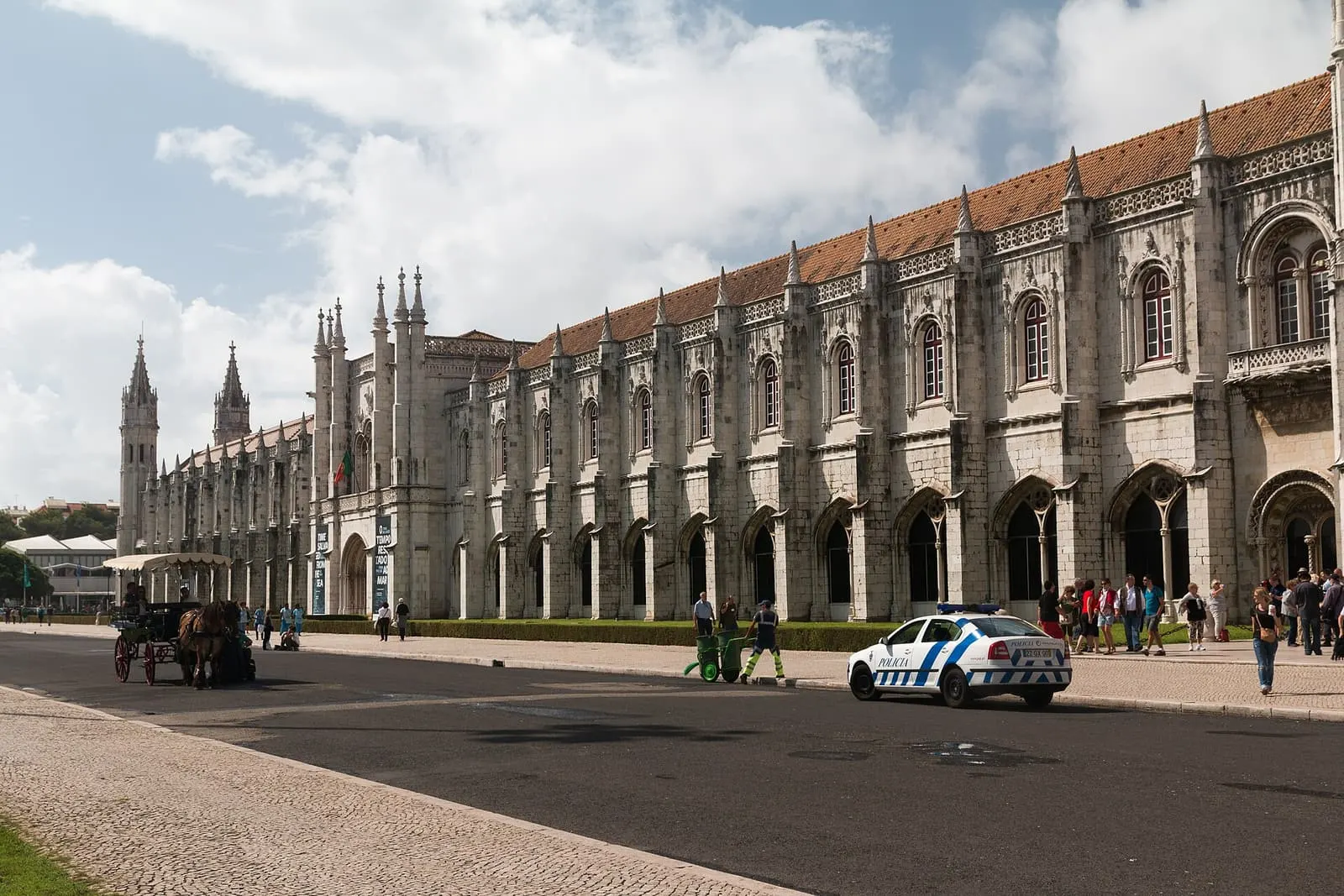 IPA — Portuguese Institute of ArchaeologyThe Portuguese Institute of Archaeology (IPA), a body of the Ministry of Culture created in 1997 in the wake of Foz Côa to oversee national archaeology.
 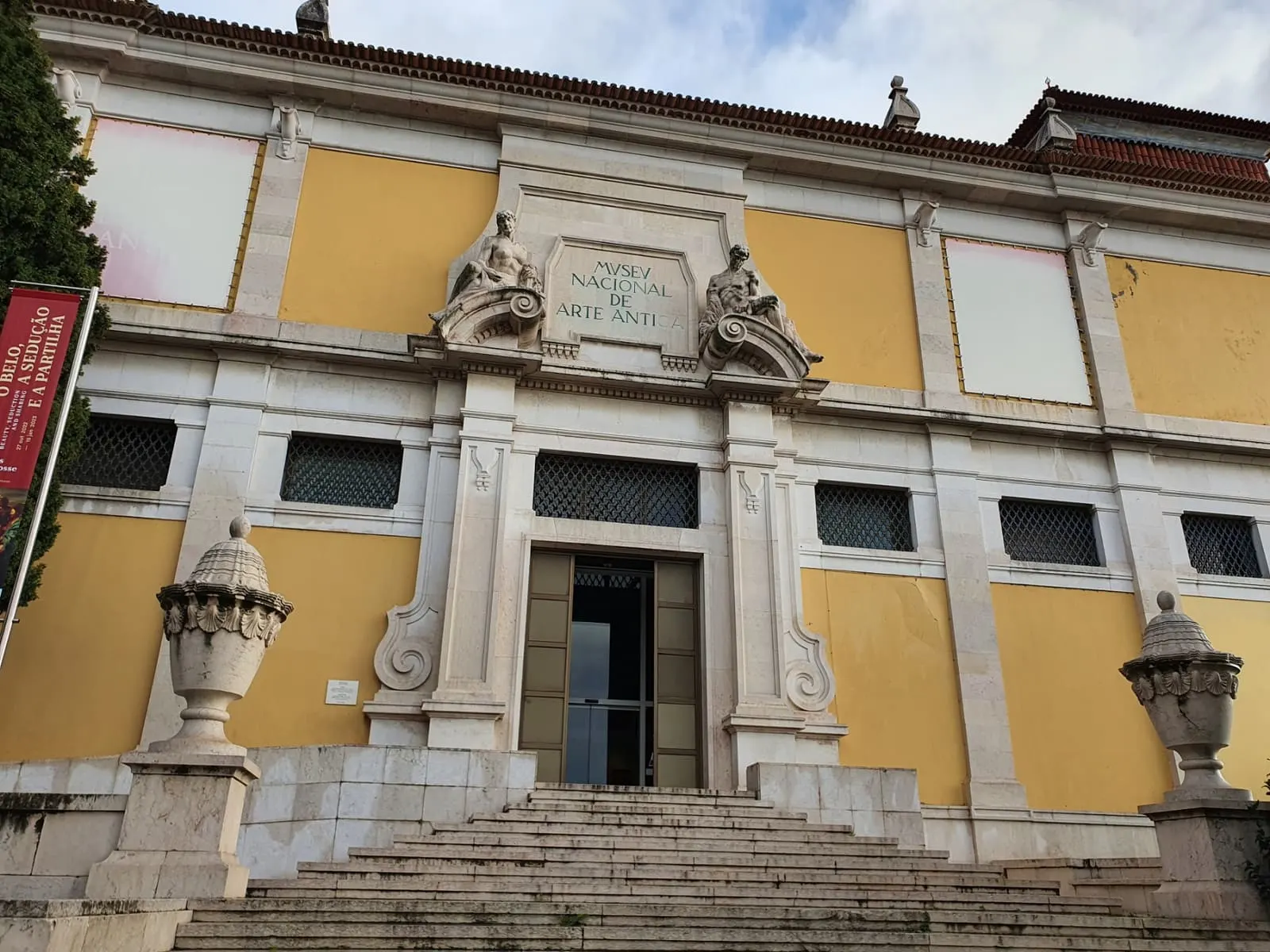 IPM — Portuguese Institute of MuseumsThe Portuguese Institute of Museums (IPM, 1991–2007) shaped national museum policy and created the Portuguese Museums Network, based in Lisbon.
 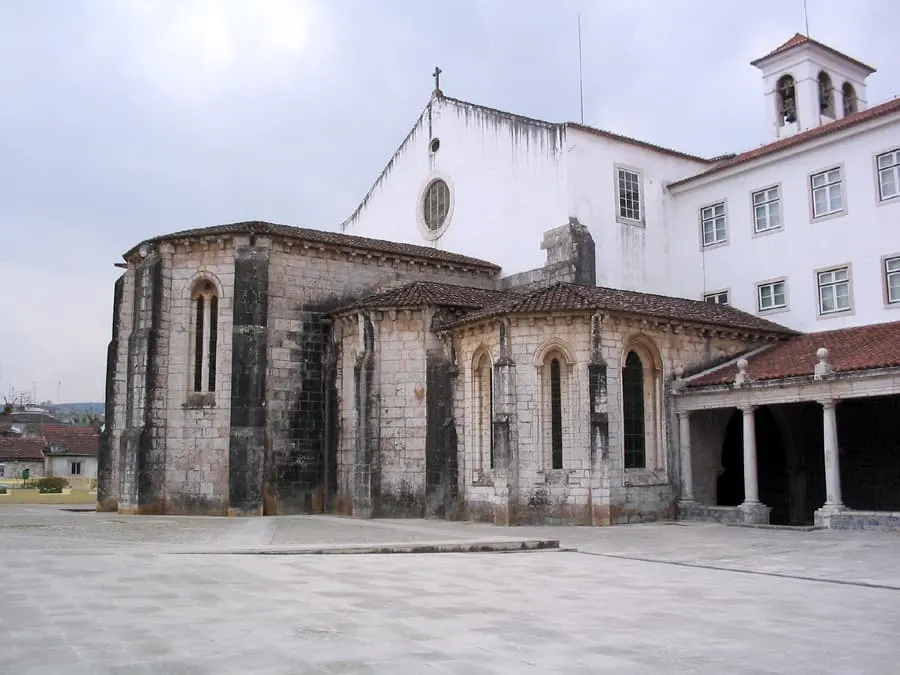 IPPAR — Portuguese Institute of Architectural HeritageIPPAR (1992–2007) managed and classified Portugal's architectural and archaeological heritage, succeeding the IPPC and preceding IGESPAR, with its headquarters…
 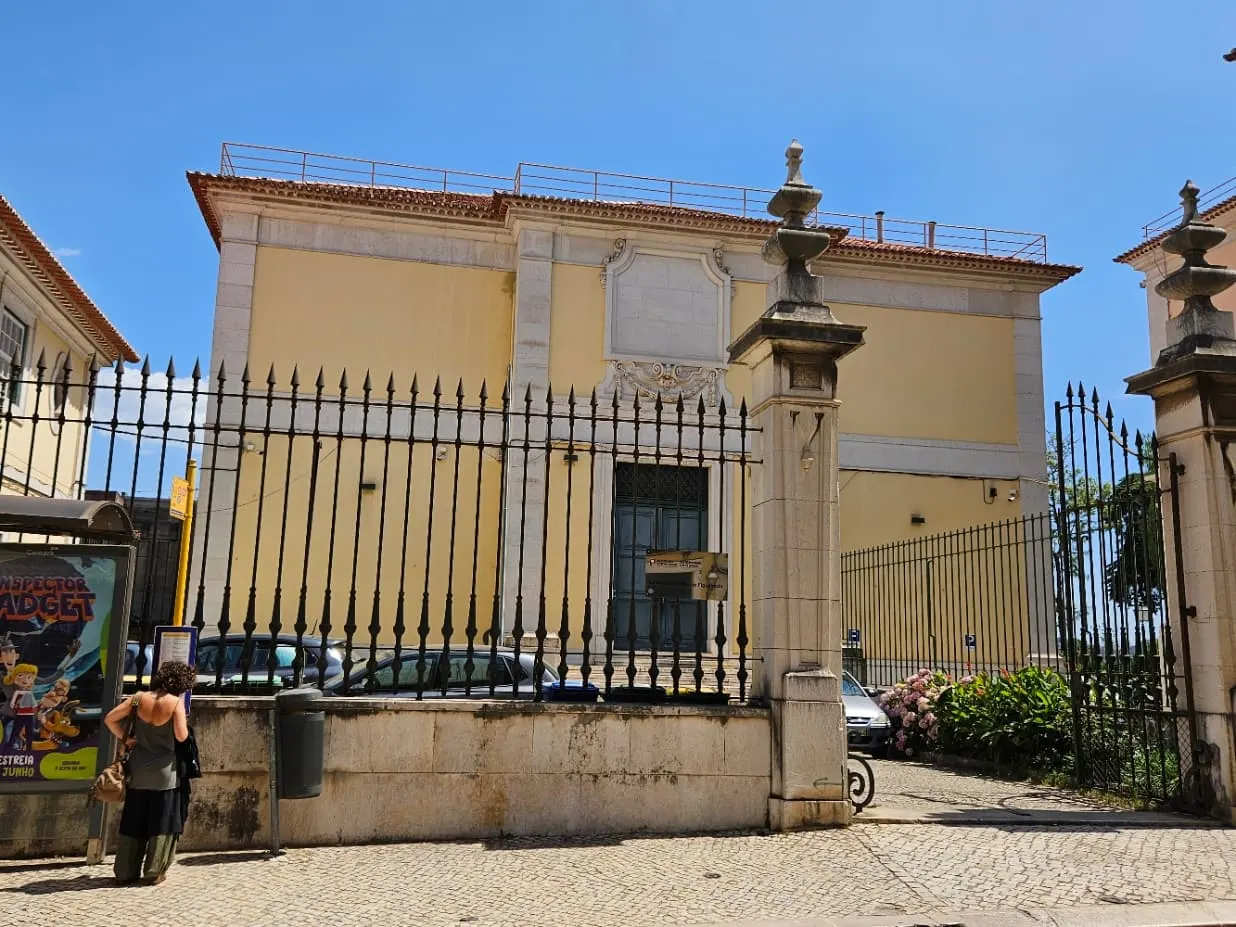 José de Figueiredo LaboratoryThe José de Figueiredo Laboratory in Lisbon: the national reference laboratory for the conservation and restoration of cultural property, with origins in the MNAA. Legal Framework for Intangible Cultural HeritageThe legal framework for safeguarding intangible cultural heritage in Portugal, established by Decree-Law No. 139/2009 following the 2003 UNESCO Convention. Legislation on Portuguese cultural heritageA map of Portuguese heritage law: framework, buildings, interventions, movable and intangible heritage, current authorities and international conventions.
  MatrizNet and RAIZ: search Portuguese museum collectionsFrom MatrizNet to RAIZ: search Portuguese museum collections, identify catalogue records and inventory numbers, and explore Madeira’s regional catalogue.
  MatrizPCIMatrizPCI is the digital platform that manages the National Inventory of Intangible Cultural Heritage in Portugal, maintained by the DGPC in Lisbon.
 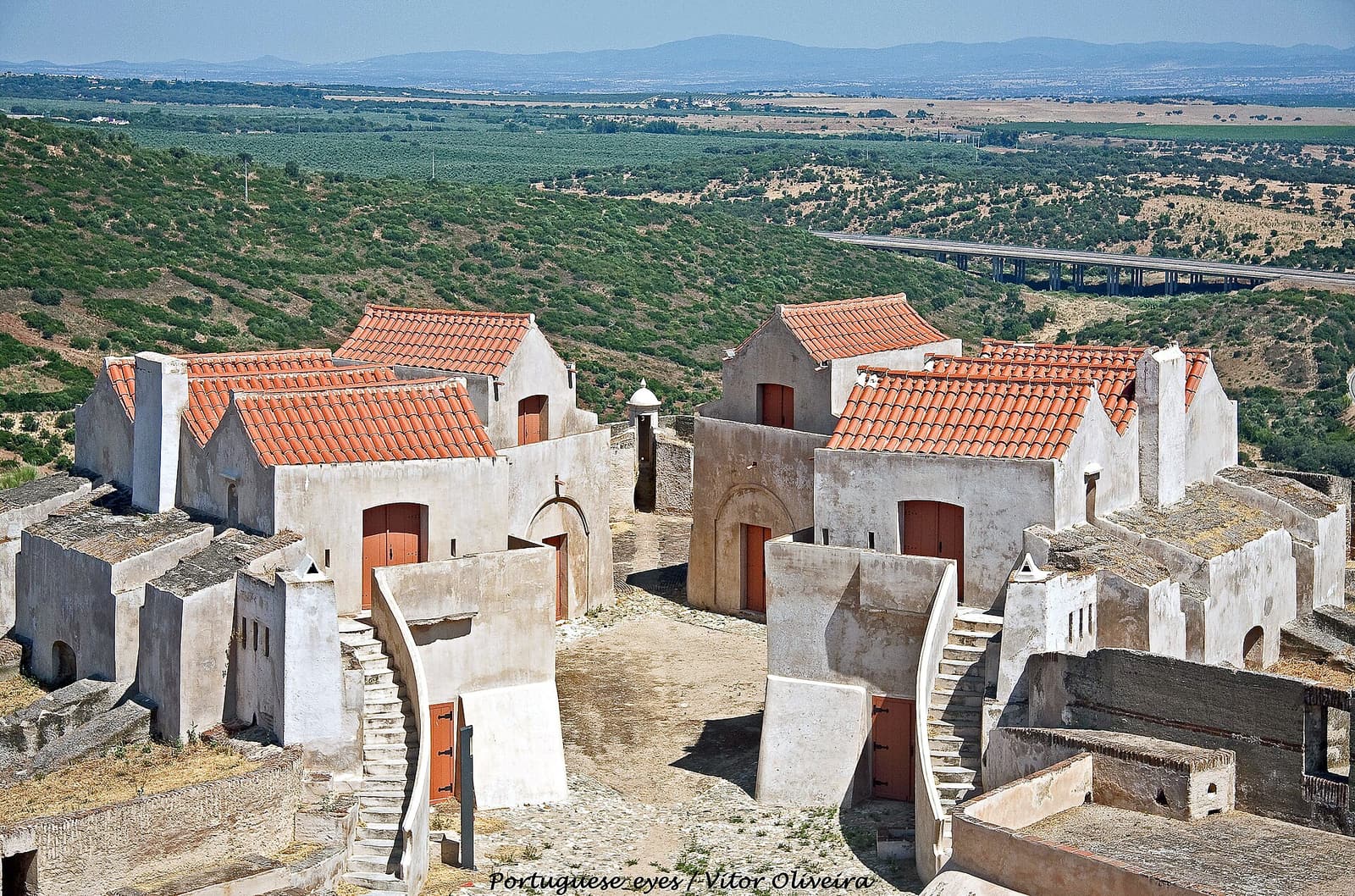 Military Tourism: Portugal's Fortifications RouteMilitary Tourism is the state program for the valorization of Portugal's military heritage, from medieval castles to star forts, launched in 2019.
 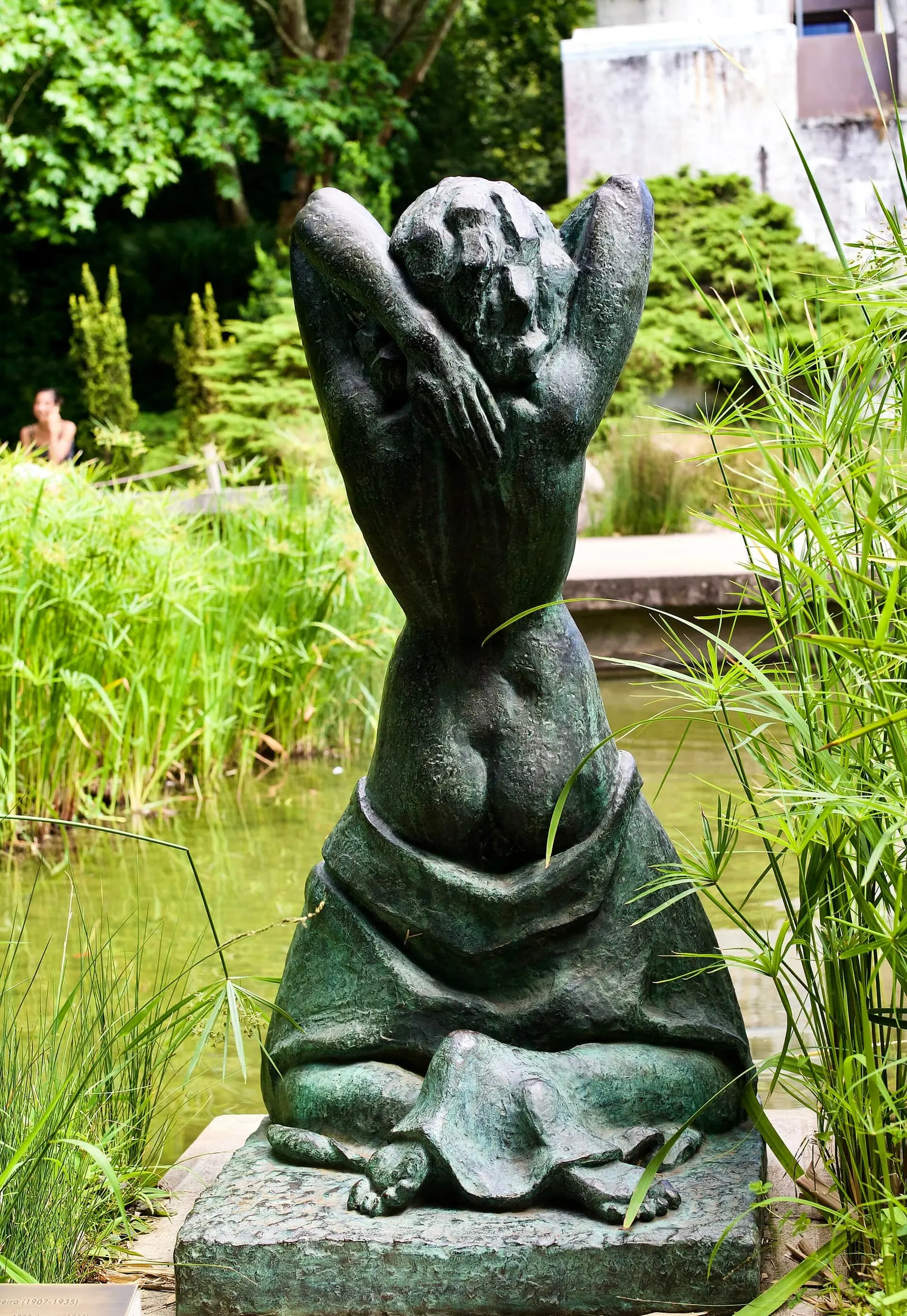 National Academy of Fine ArtsThe National Academy of Fine Arts, founded in 1836 in Lisbon, is the State's advisory academy for the classification and safeguarding of Portuguese artistic…
 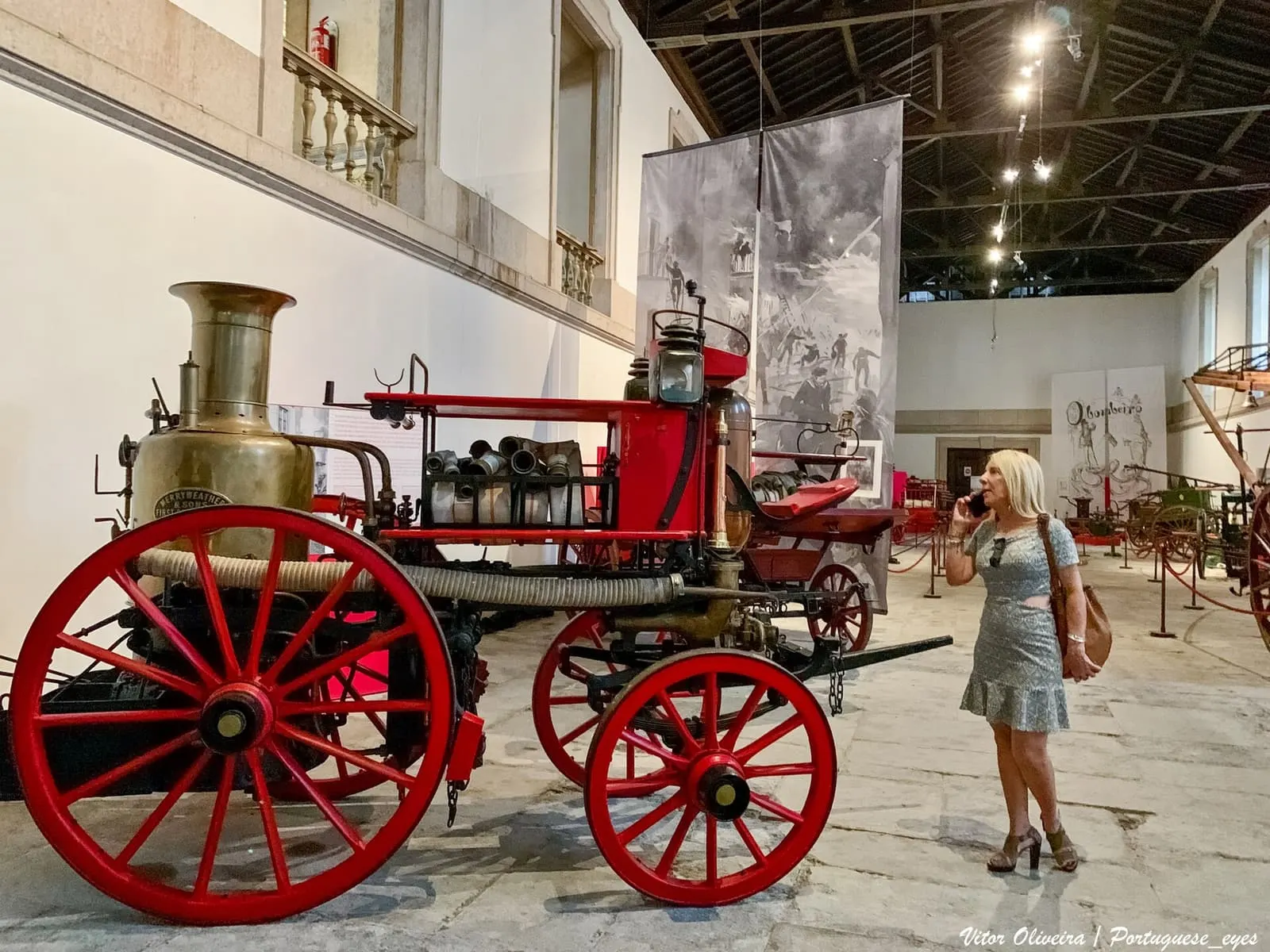 National Coach MuseumThe National Coach Museum in Belém, Lisbon, houses the world's most remarkable collection of royal ceremonial vehicles from the Portuguese Royal Household…
 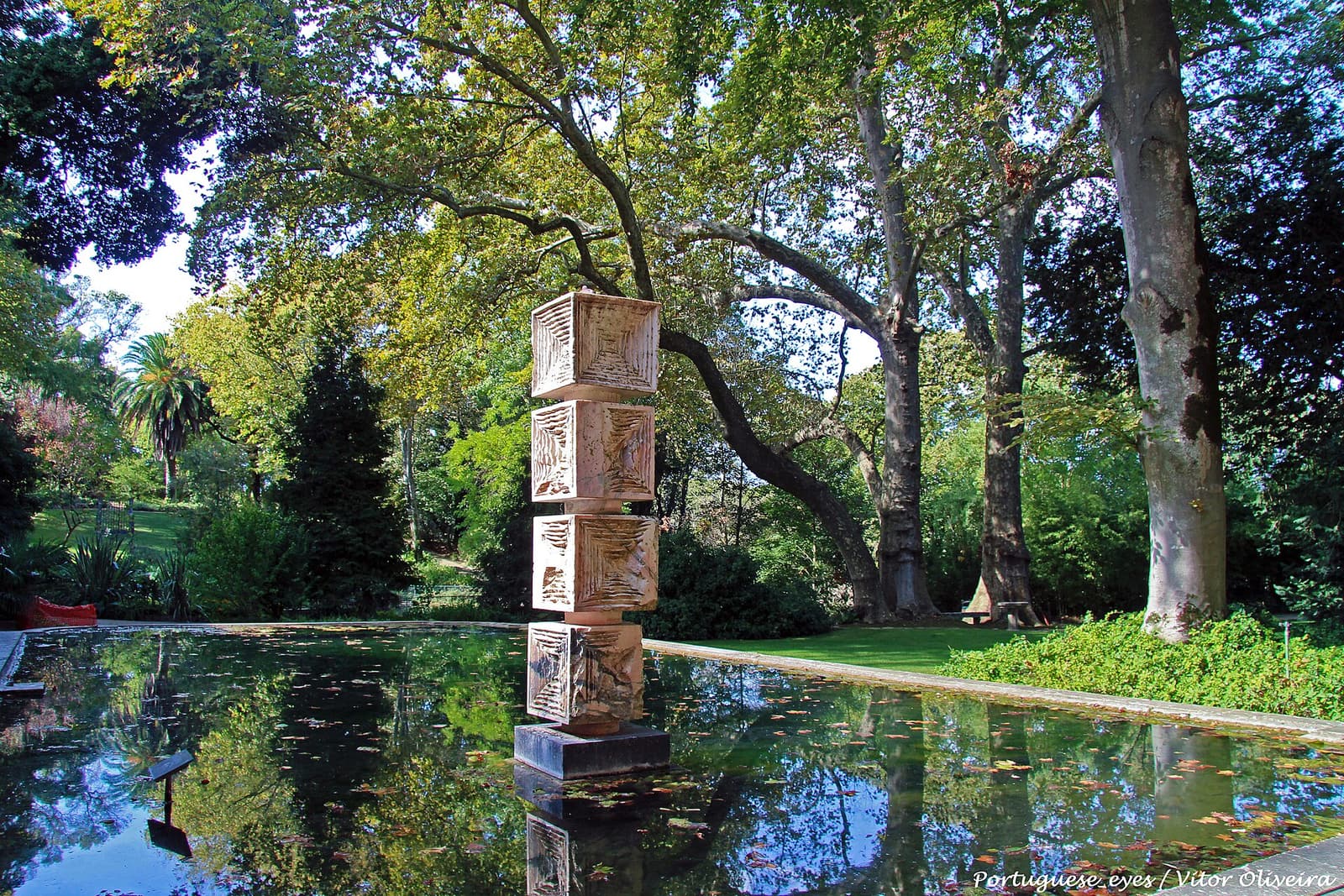 National Costume MuseumNational Costume Museum, at the Angeja-Palmela Palace in Lumiar, Lisbon: Portugal's principal collection of civil clothing and fashion, located at the…
 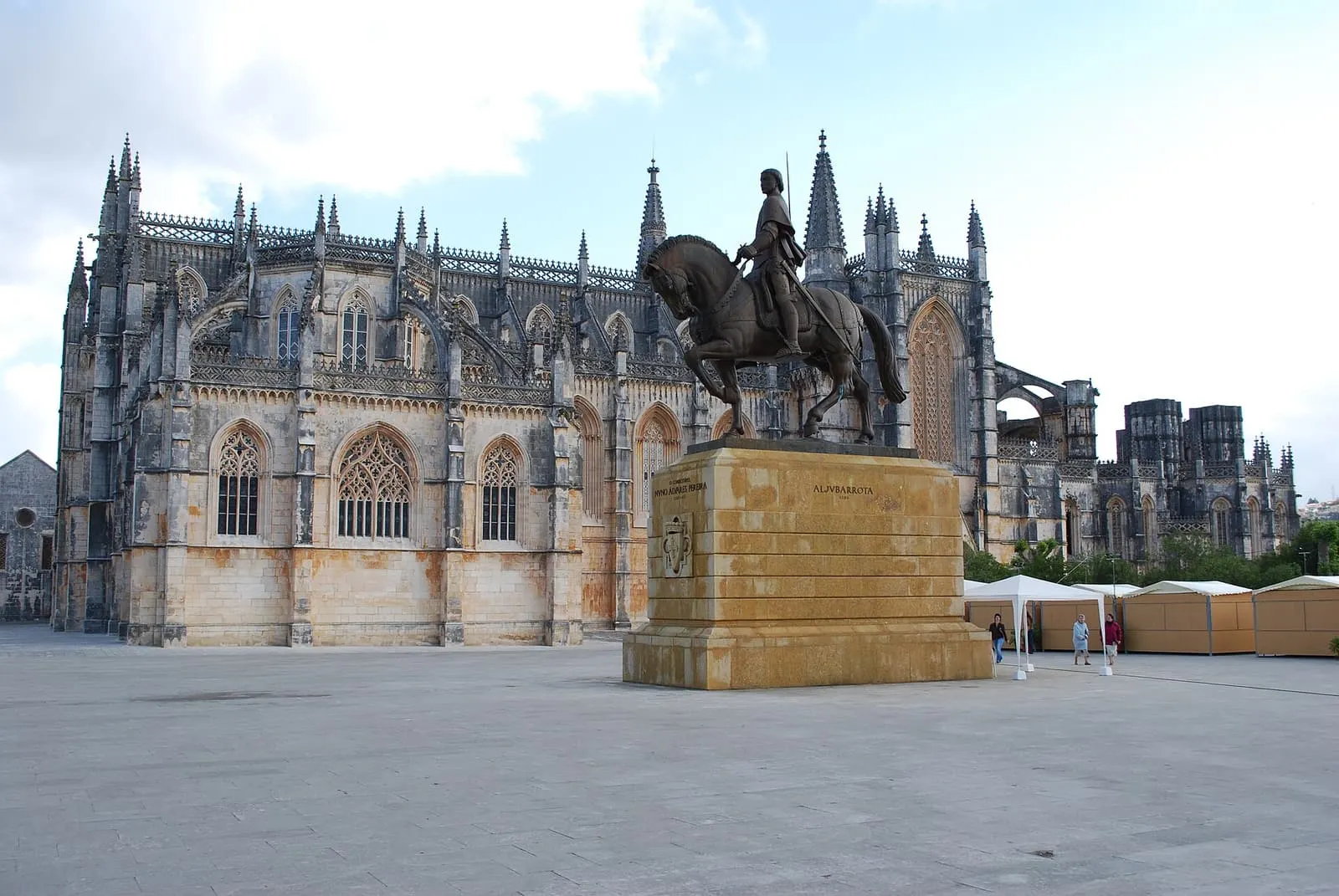 National MonumentWhat National Monument means in Portugal: national-interest classification, asset categories, government decrees and official protection boundaries.
 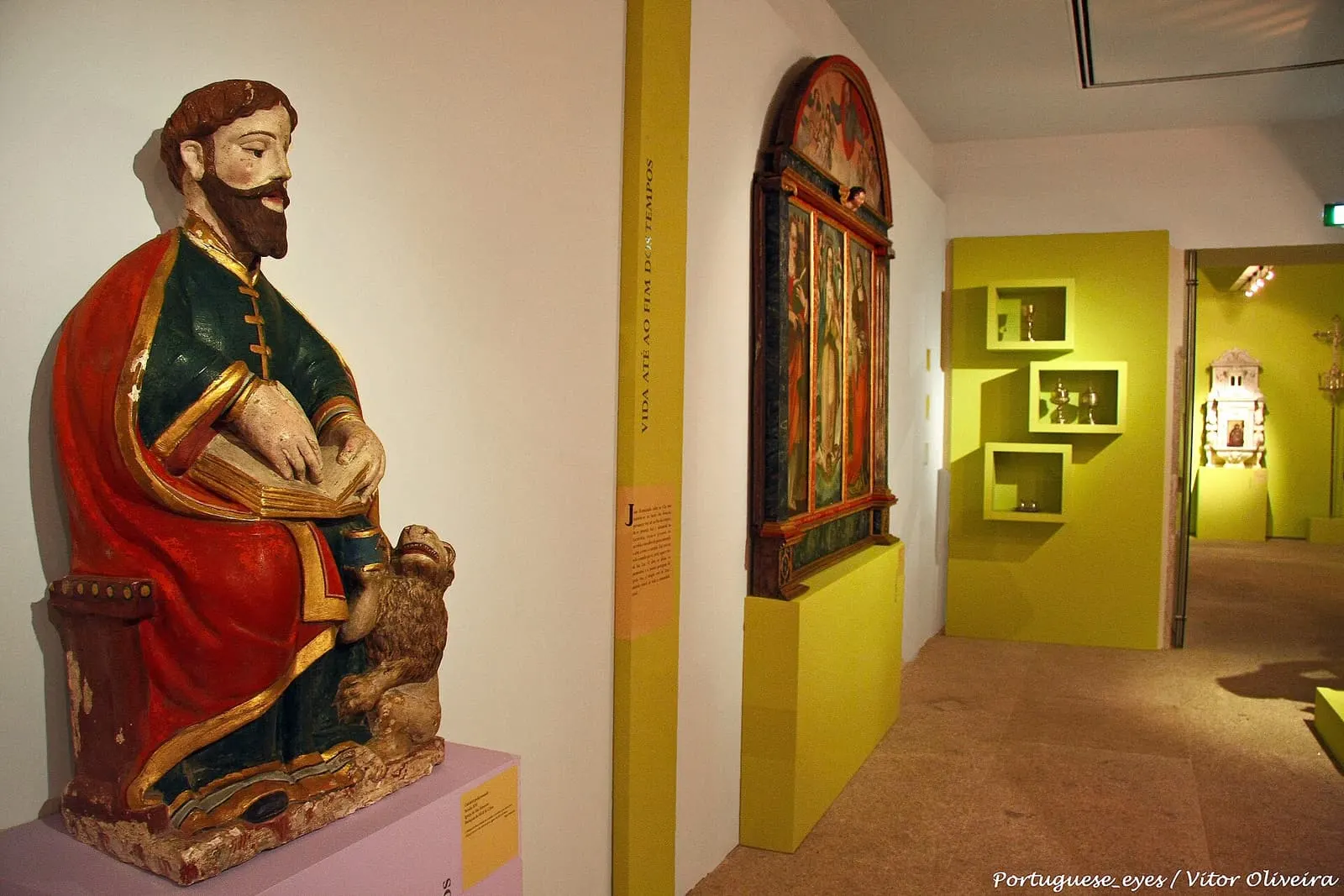 National Museum Grão VascoNational Museum Grão Vasco in Viseu: the museum at Paço dos Três Escalões dedicated to the paintings of Vasco Fernandes and the 16th-century Viseu school.
 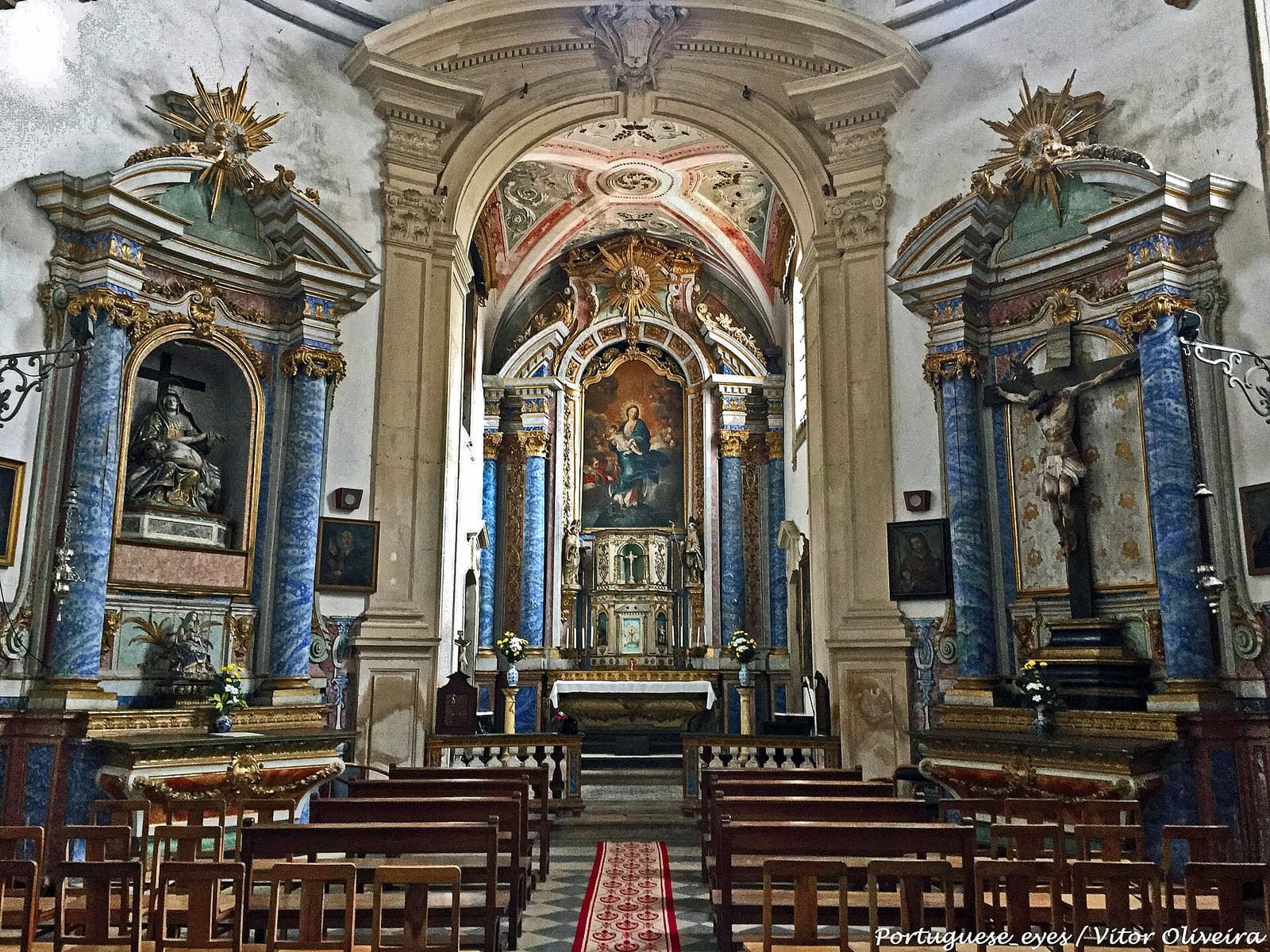 National Museum Machado de CastroNational Museum Machado de Castro in Coimbra: Portuguese sculpture, former Episcopal Palace and the Roman cryptoporticus of Aeminium.
 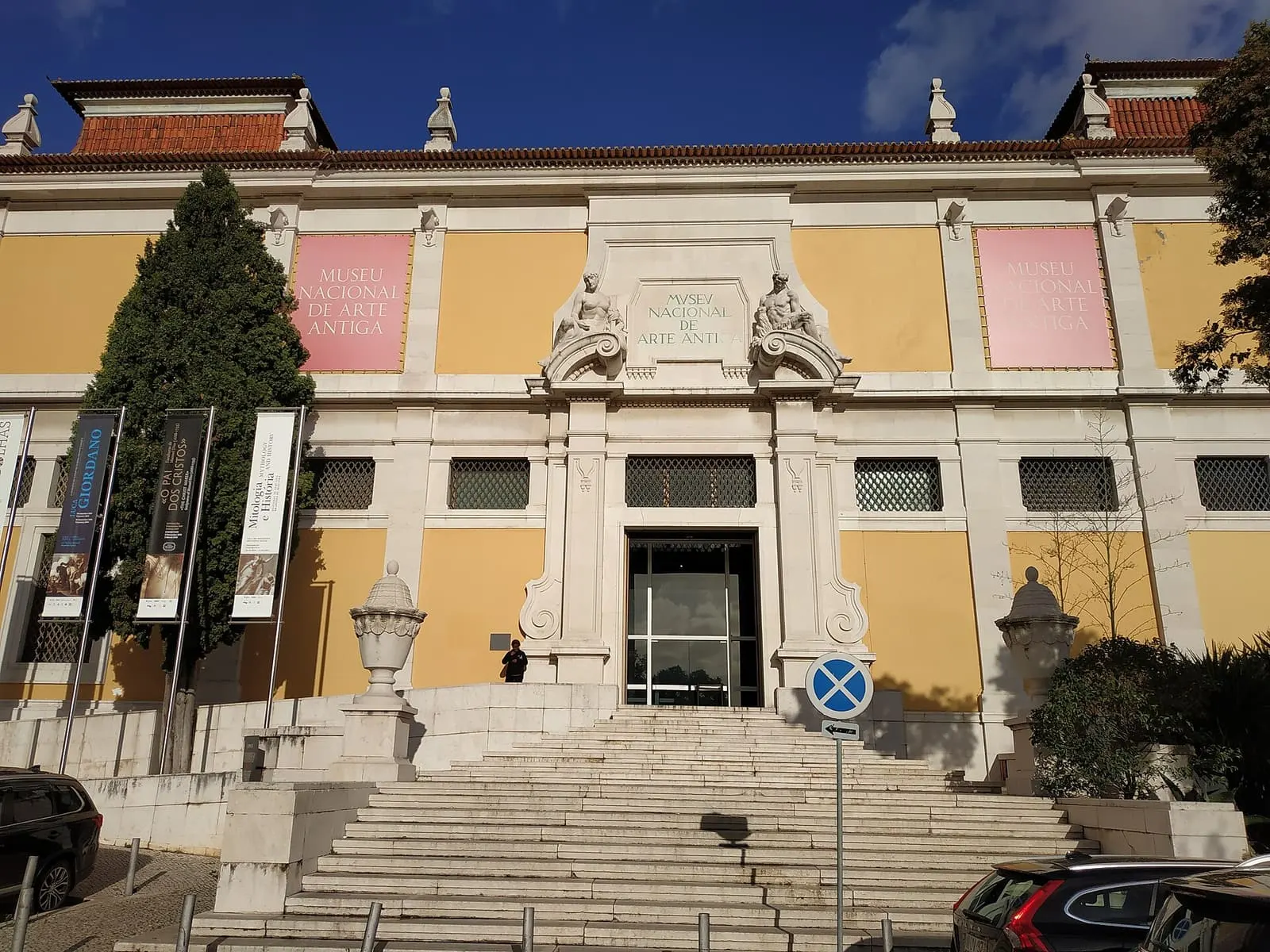 National Museum of Ancient ArtThe National Museum of Ancient Art in Lisbon is Portugal's first museum (1884) and houses the country's largest collection of national treasures.
 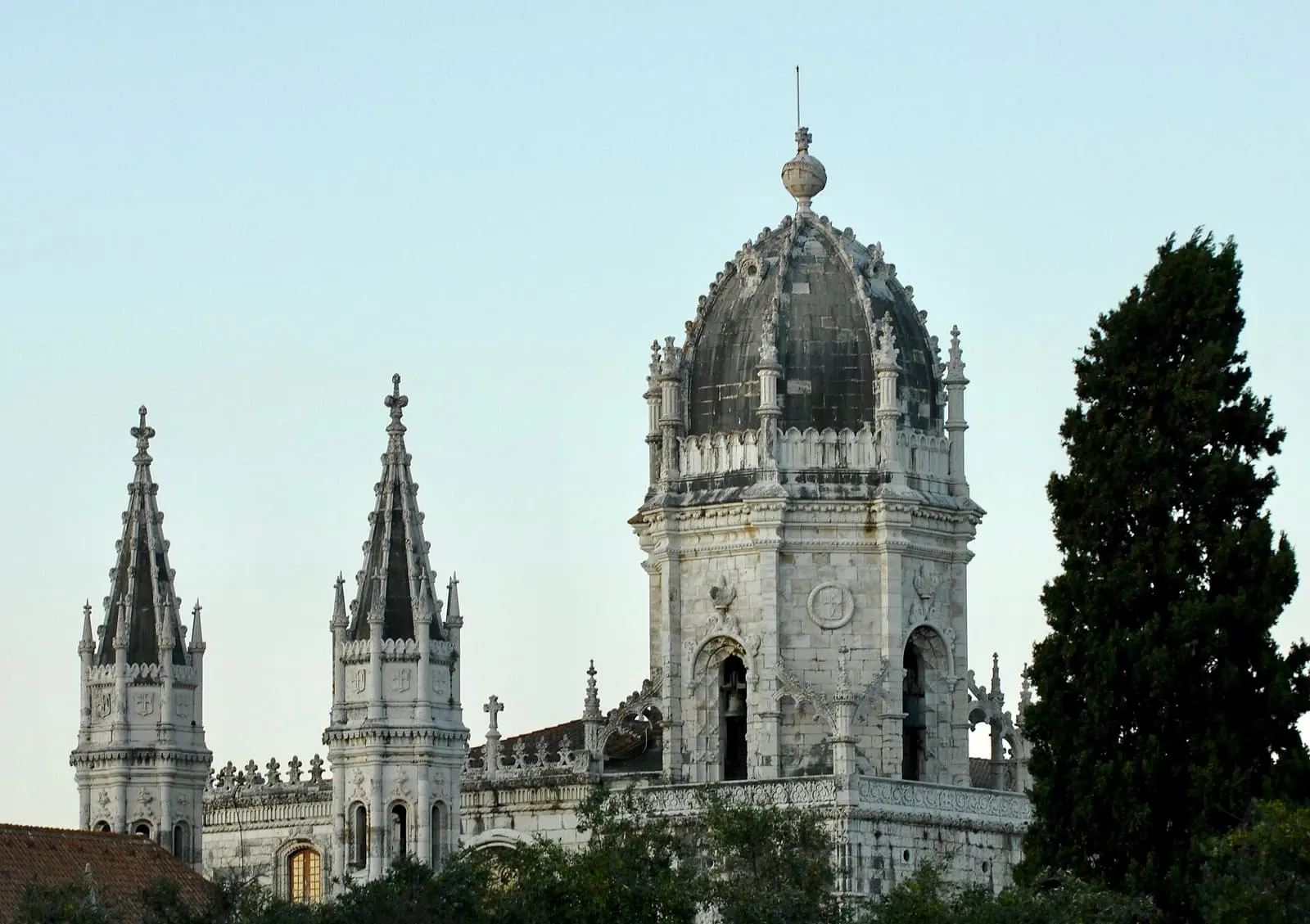 National Museum of ArchaeologyThe National Museum of Archaeology, founded in 1893 by Leite de Vasconcelos in the Jerónimos Monastery, Belém, Lisbon: a reference in archaeology.
 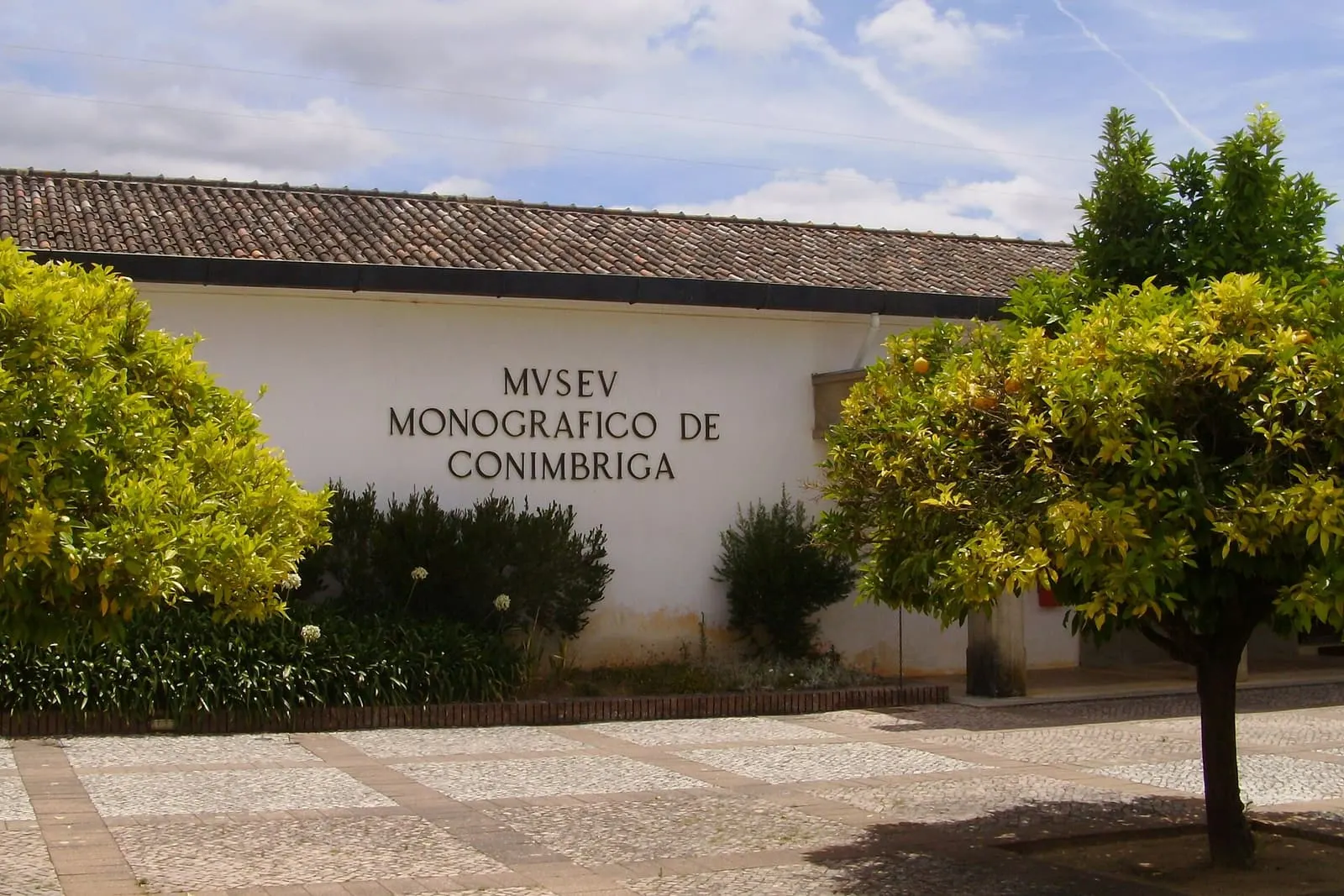 National Museum of ConimbrigaThe National Museum of Conimbriga, founded in 1962 near the Roman ruins of Condeixa-a-Nova, Coimbra district: Portugal's largest Roman city.
 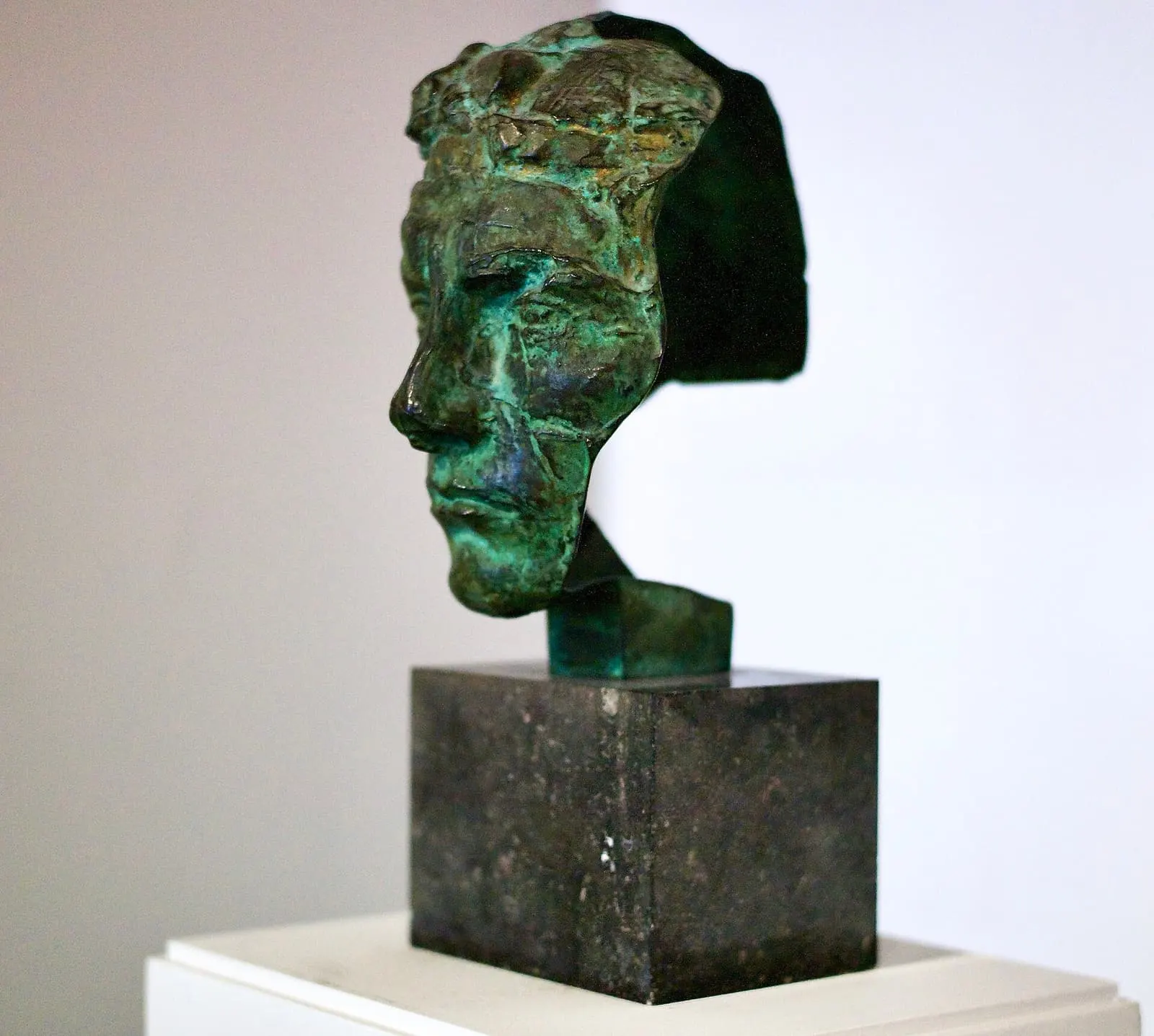 National Museum of Contemporary Art (Chiado Museum)National Museum of Contemporary Art (Chiado Museum) in Lisbon: the reference collection of Portuguese art from Romanticism to the present day.
 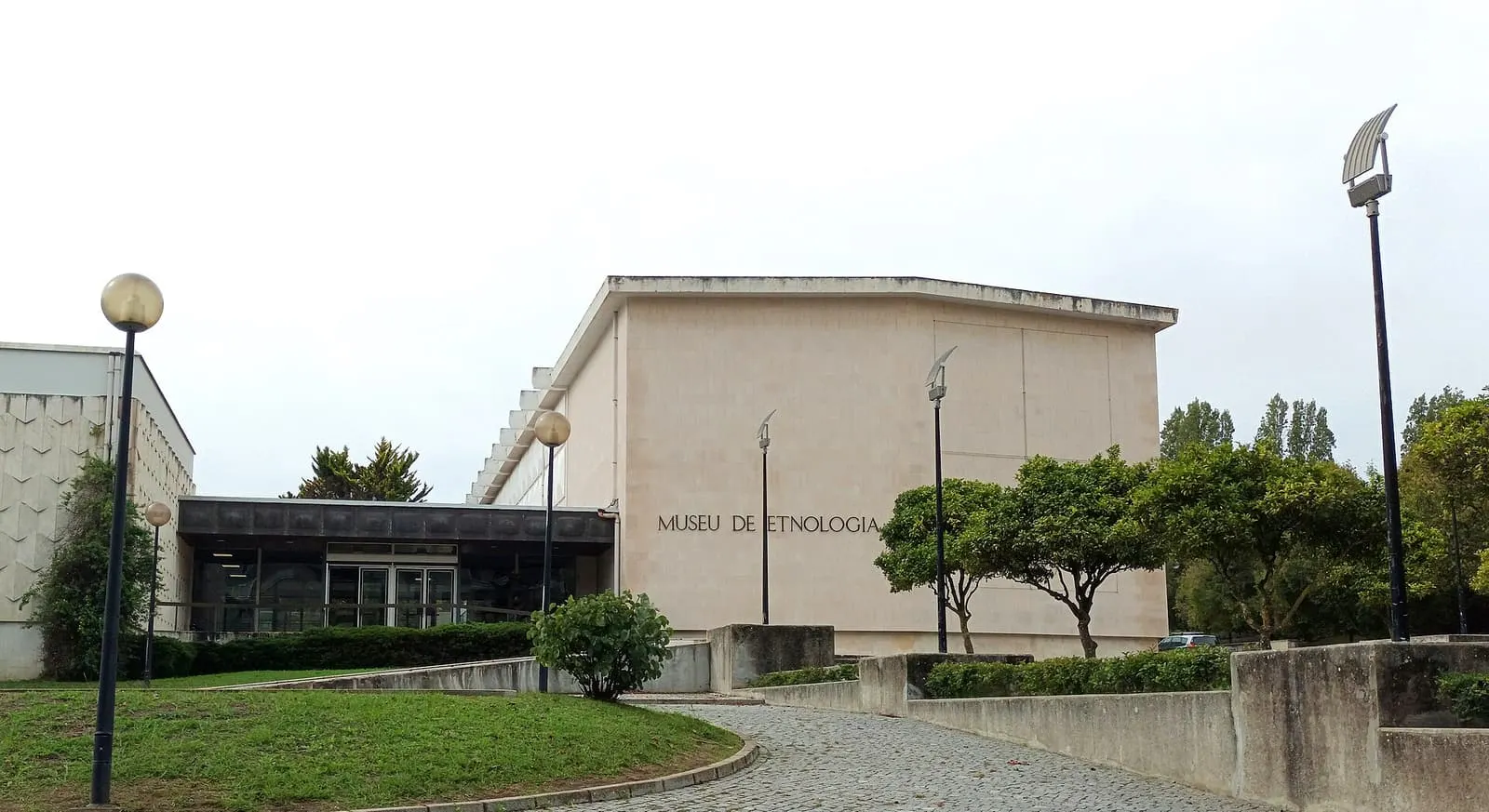 National Museum of EthnologyNational Museum of Ethnology in Lisbon: history, collections of Portuguese and non-European material culture, and the legacy of Jorge Dias in ethnographic studies.
 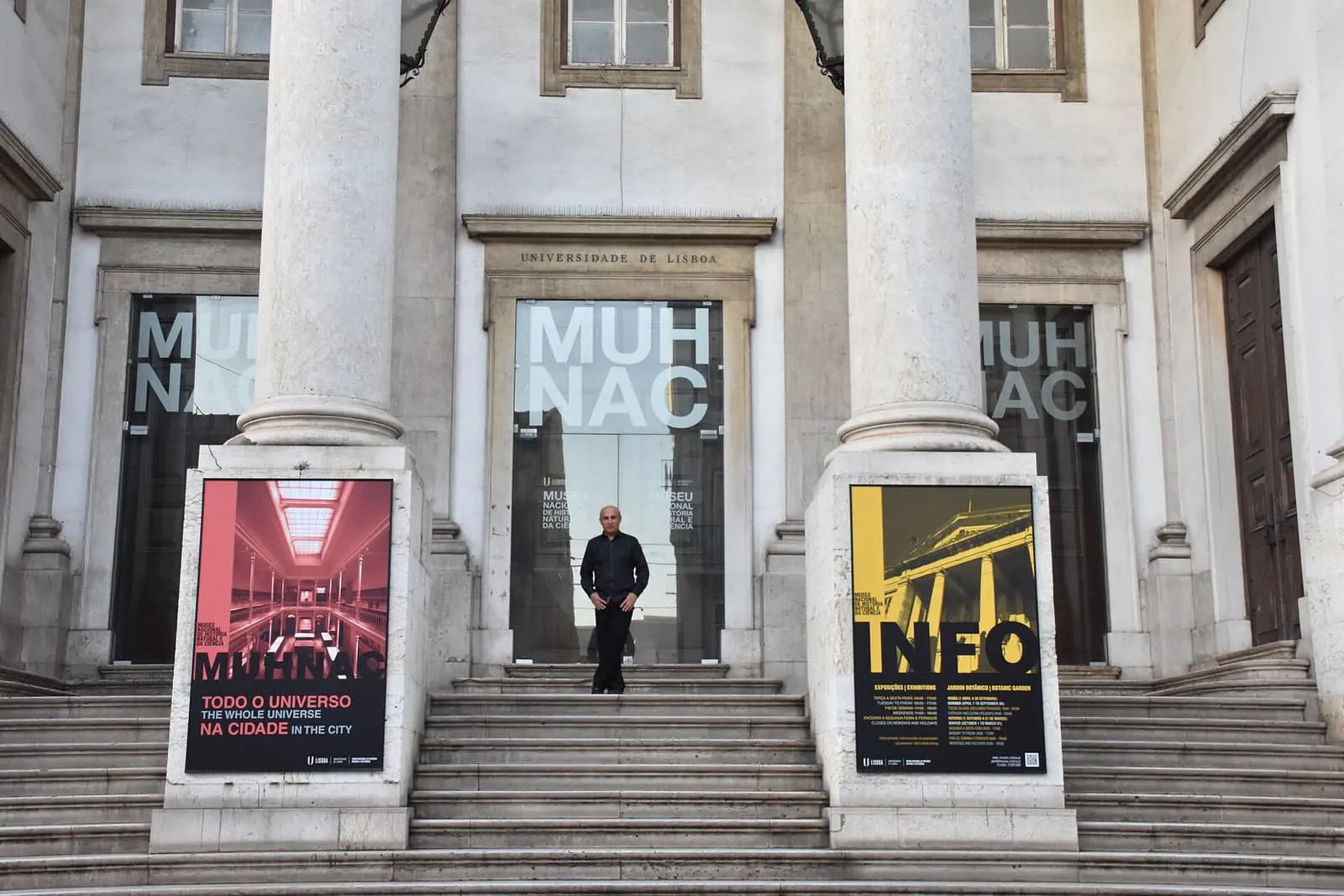 National Museum of Natural History and ScienceNational Museum of Natural History and Science (MUHNAC), the University of Lisbon's museum housed in the former Polytechnic School, featuring scientific…
 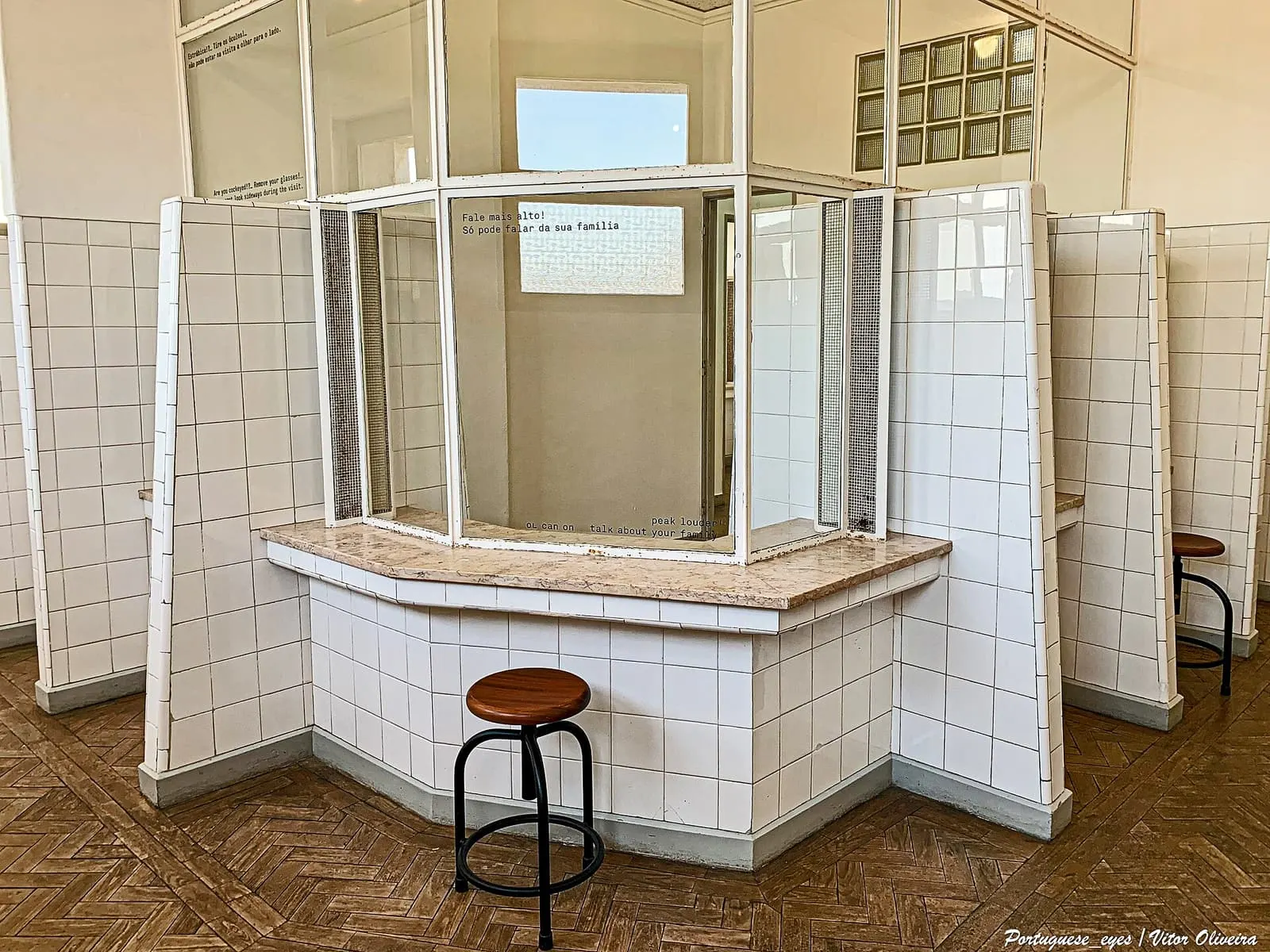 National Museum of Resistance and Freedom — PenicheNational Museum of Resistance and Freedom, housed in Peniche Fortress, a former political prison of the Estado Novo regime and a memorial to the anti-fascist… National Museum of Theatre and DanceThe National Museum of Theatre and Dance, located in the Monteiro-Mor Palace in Lumiar, Lisbon, gathers the heritage of performing arts in Portugal.
 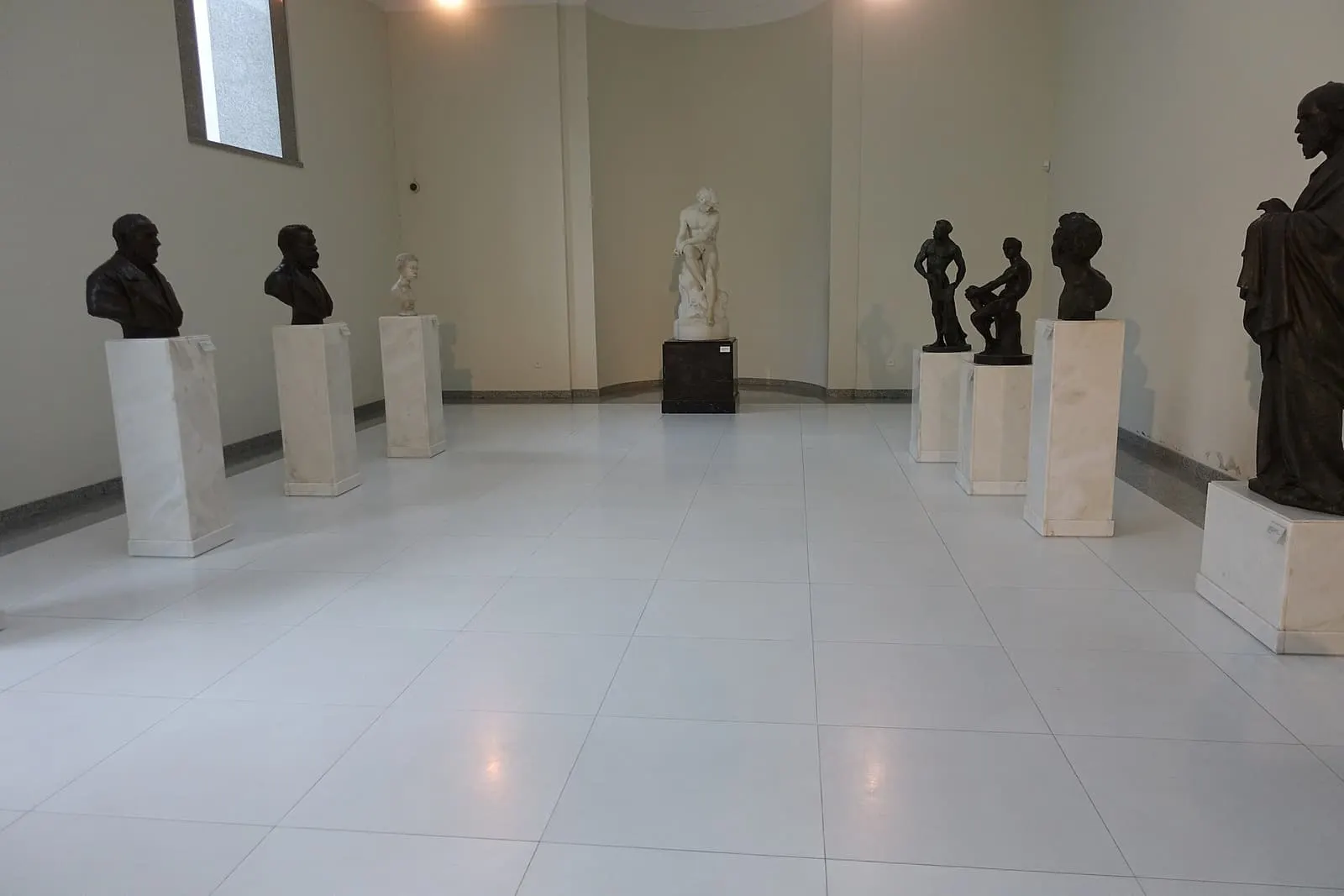 National Museum Soares dos ReisThe National Museum Soares dos Reis, located in the Carrancas Palace in Porto, is Portugal's oldest public art museum, founded in 1833.
  National Museums of PortugalThe national museums of Portugal: a group of state-run institutions with reference collections in art, archaeology and ethnology, and their history.
 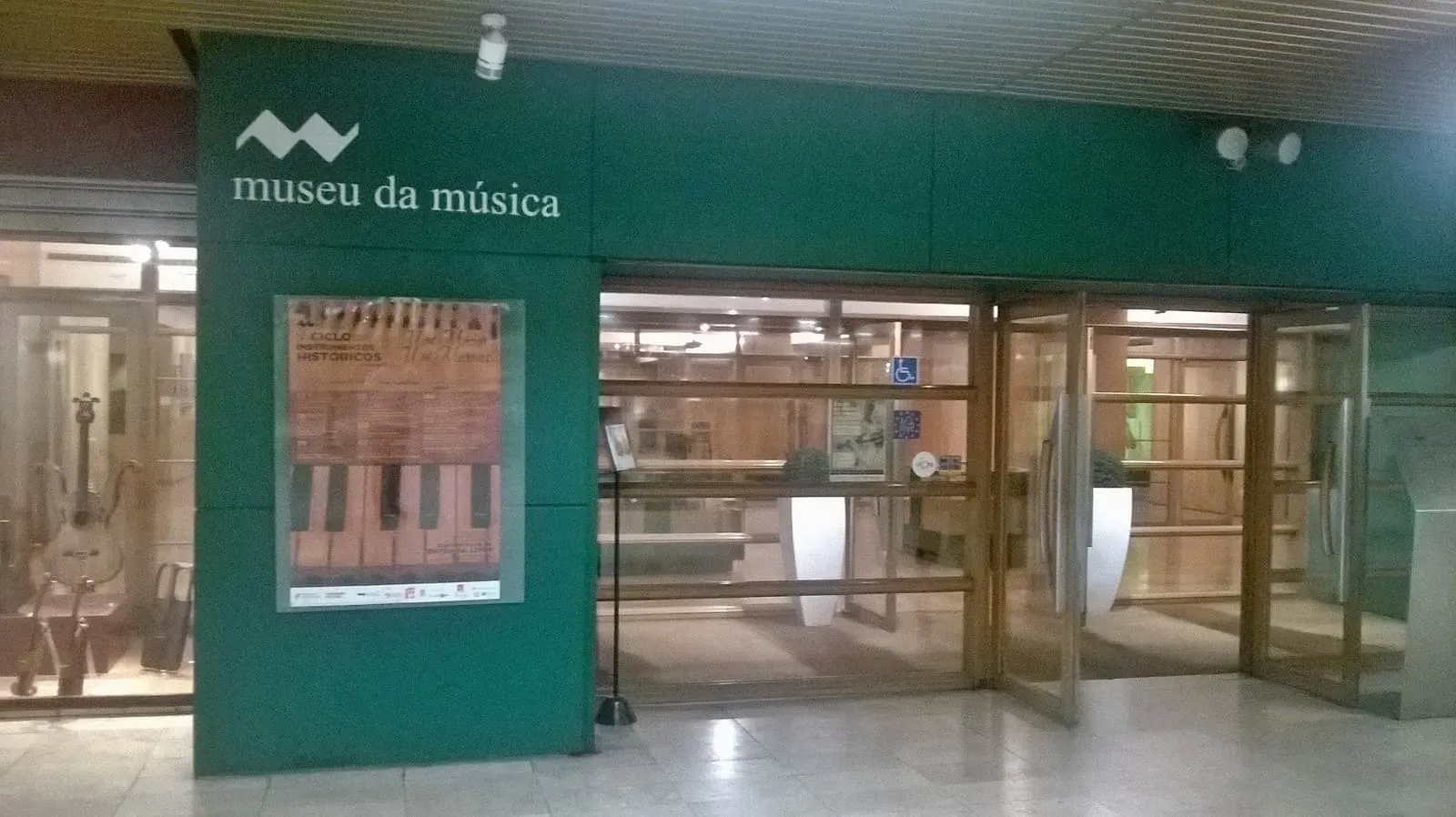 National Music MuseumNational Music Museum: Portugal's national collection of musical instruments and organological heritage, now housed in the Royal Building of Mafra.
 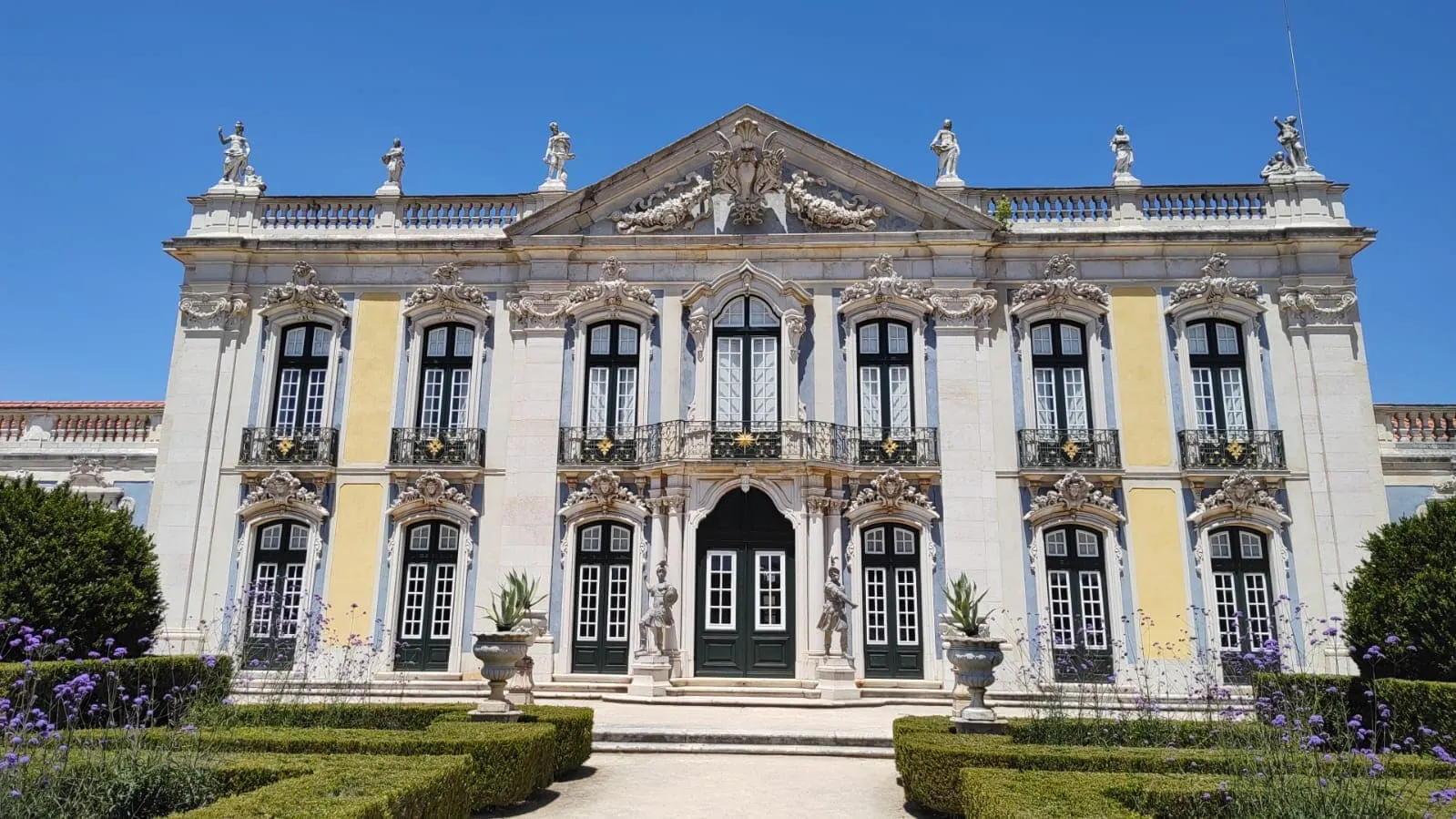 National Palaces of PortugalThe national palaces of Portugal — Ajuda, Pena, Sintra, Mafra and Queluz — former royal residences under state guardianship, their history and management.
 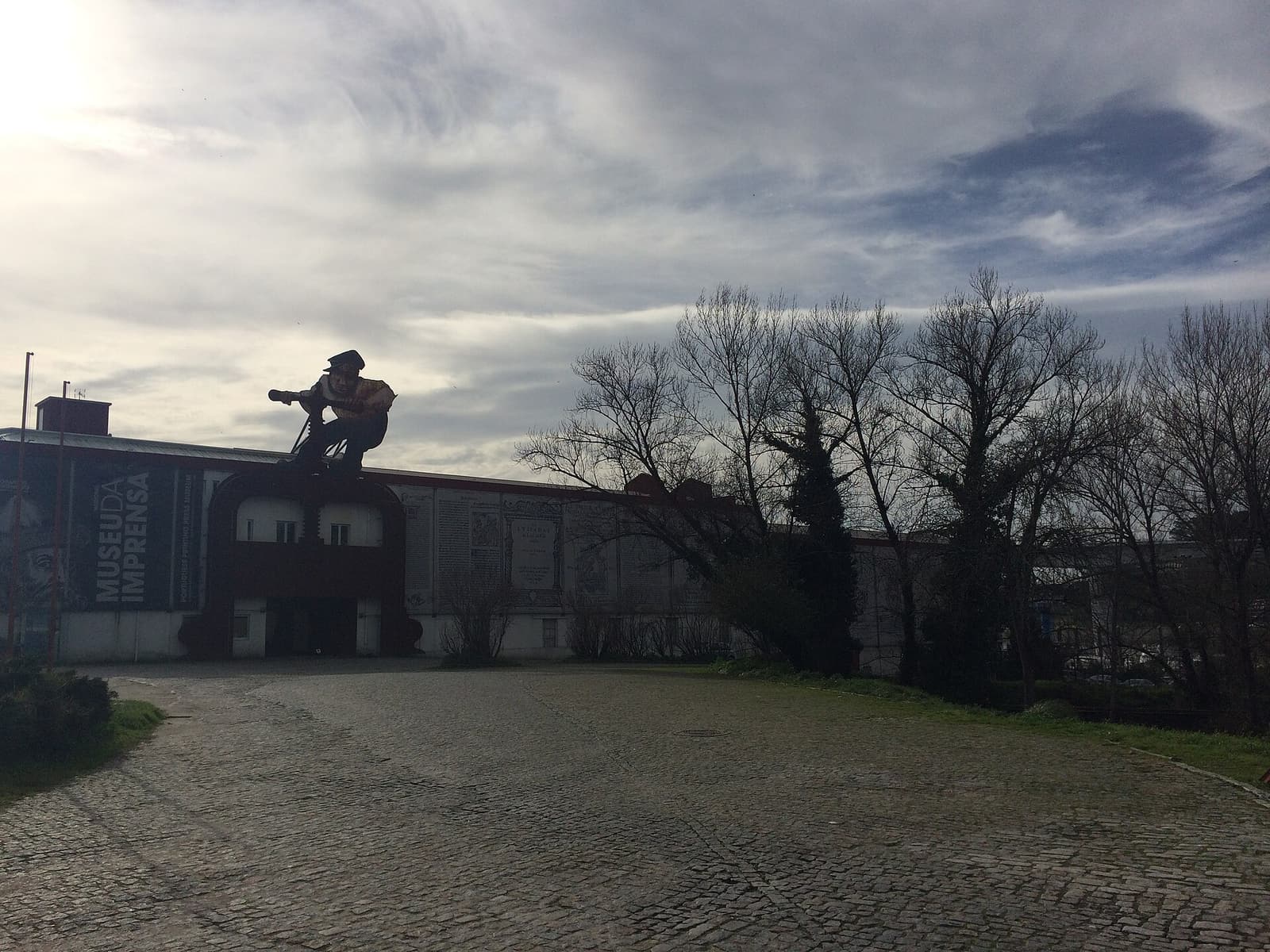 National Printing MuseumThe National Printing Museum in Porto preserves Portugal's typographic, newspaper and graphic arts heritage, with operational presses and machinery.
 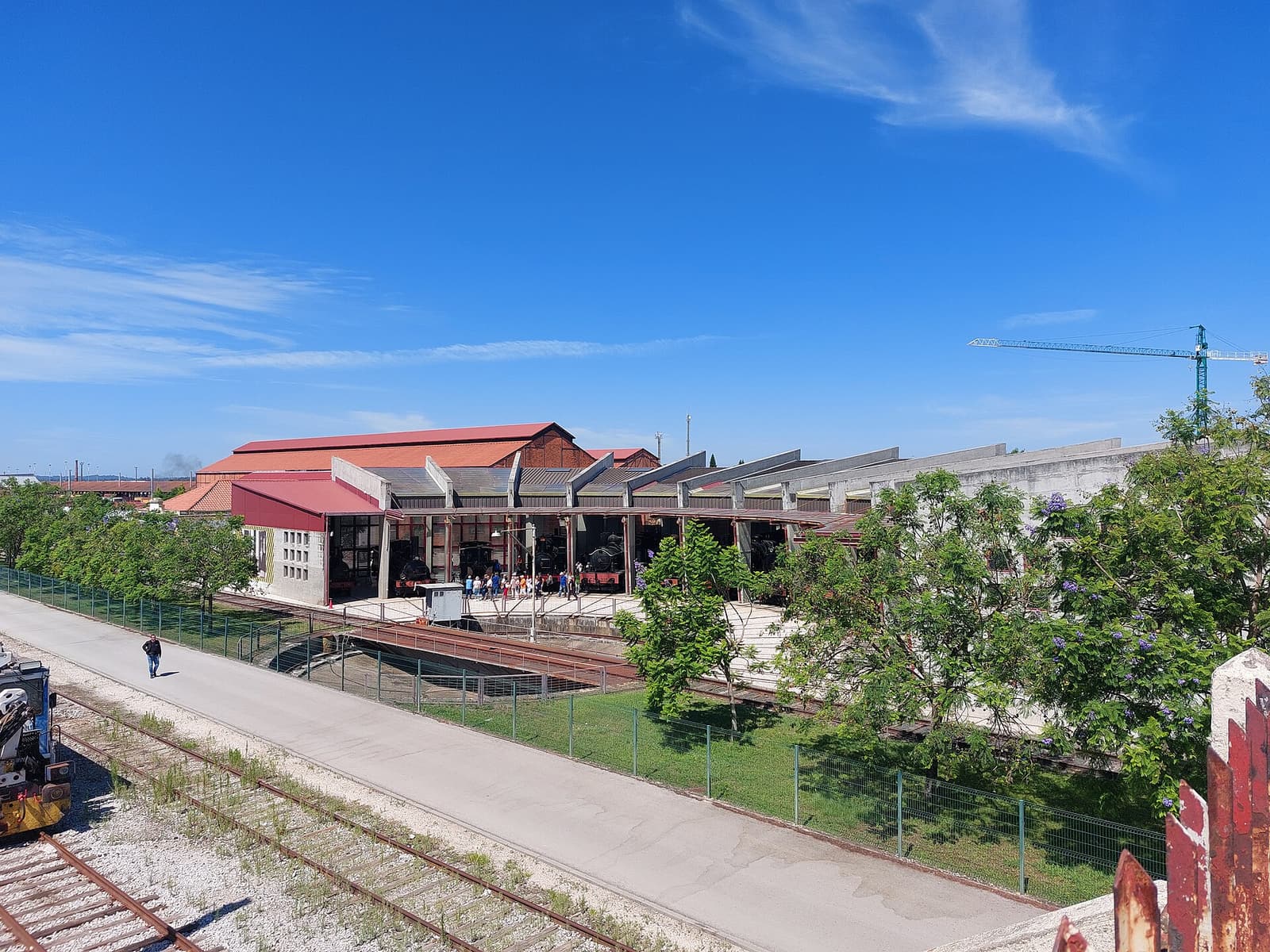 National Railway MuseumThe National Railway Museum in Entroncamento (Santarém district) preserves Portugal's railway heritage within a historic 4.5-hectare complex.
 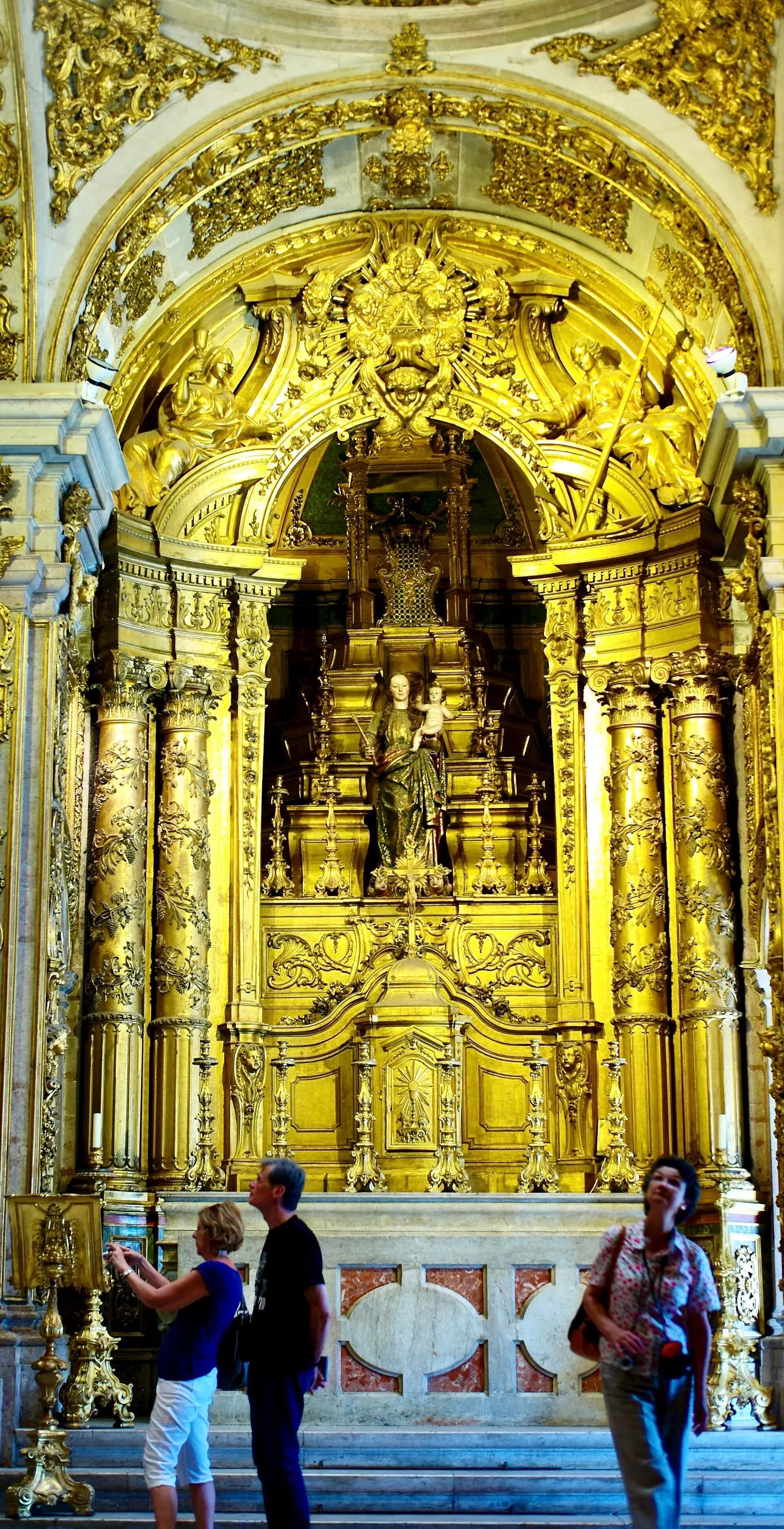 National Tile MuseumNational Tile Museum in Lisbon: the largest collection of Portuguese tiles, housed in the Convent of Madre de Deus, founded in 1509.
 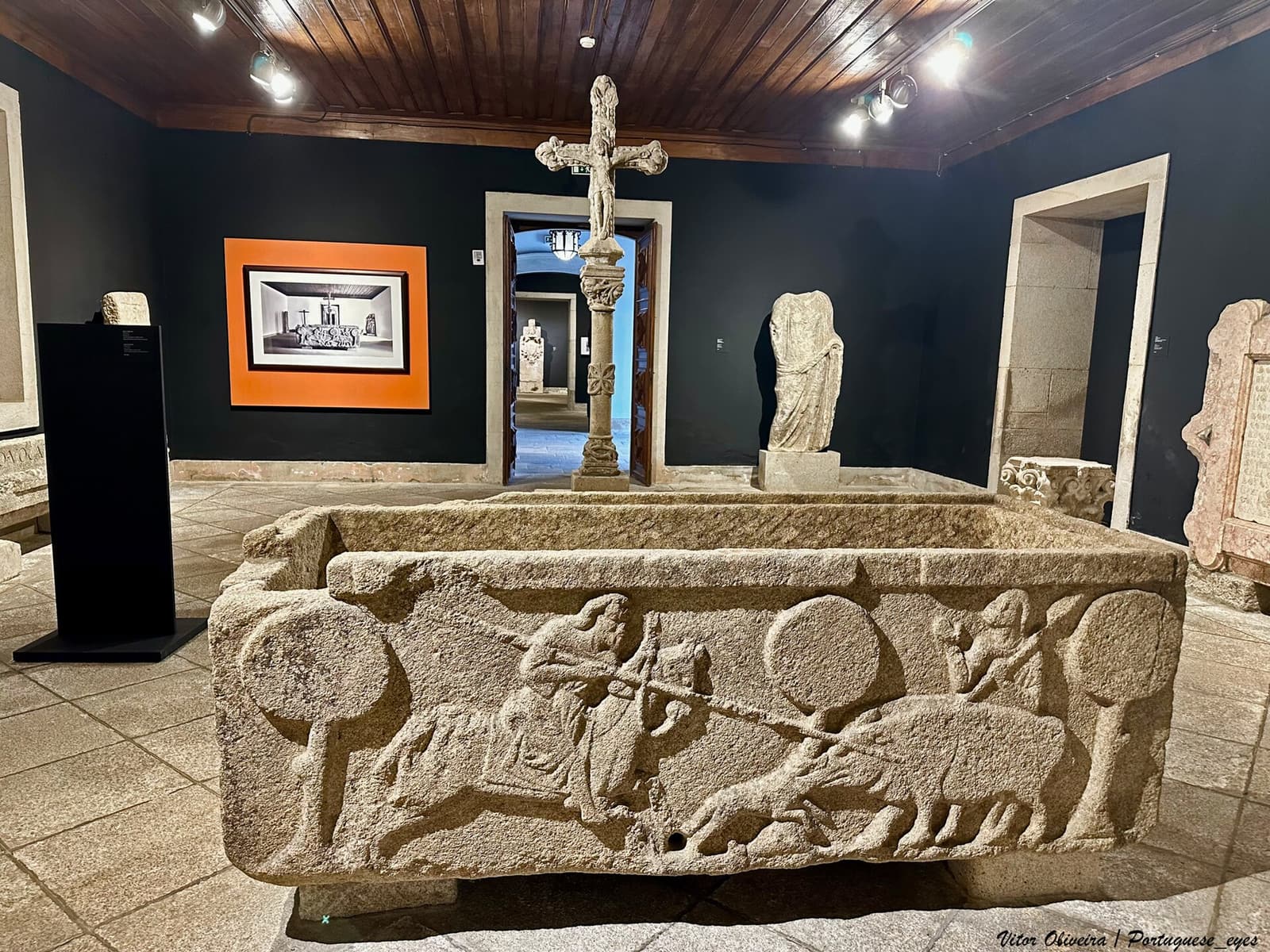 National TreasureNational treasure: the enhanced status of movable assets classified as of national interest in Portuguese cultural heritage law.
  Network of Jewish Quarters of PortugalThe Network of Jewish Quarters of Portugal — Routes of Sefarad brings together dozens of municipalities around Jewish and Sephardic heritage, headquartered in…
 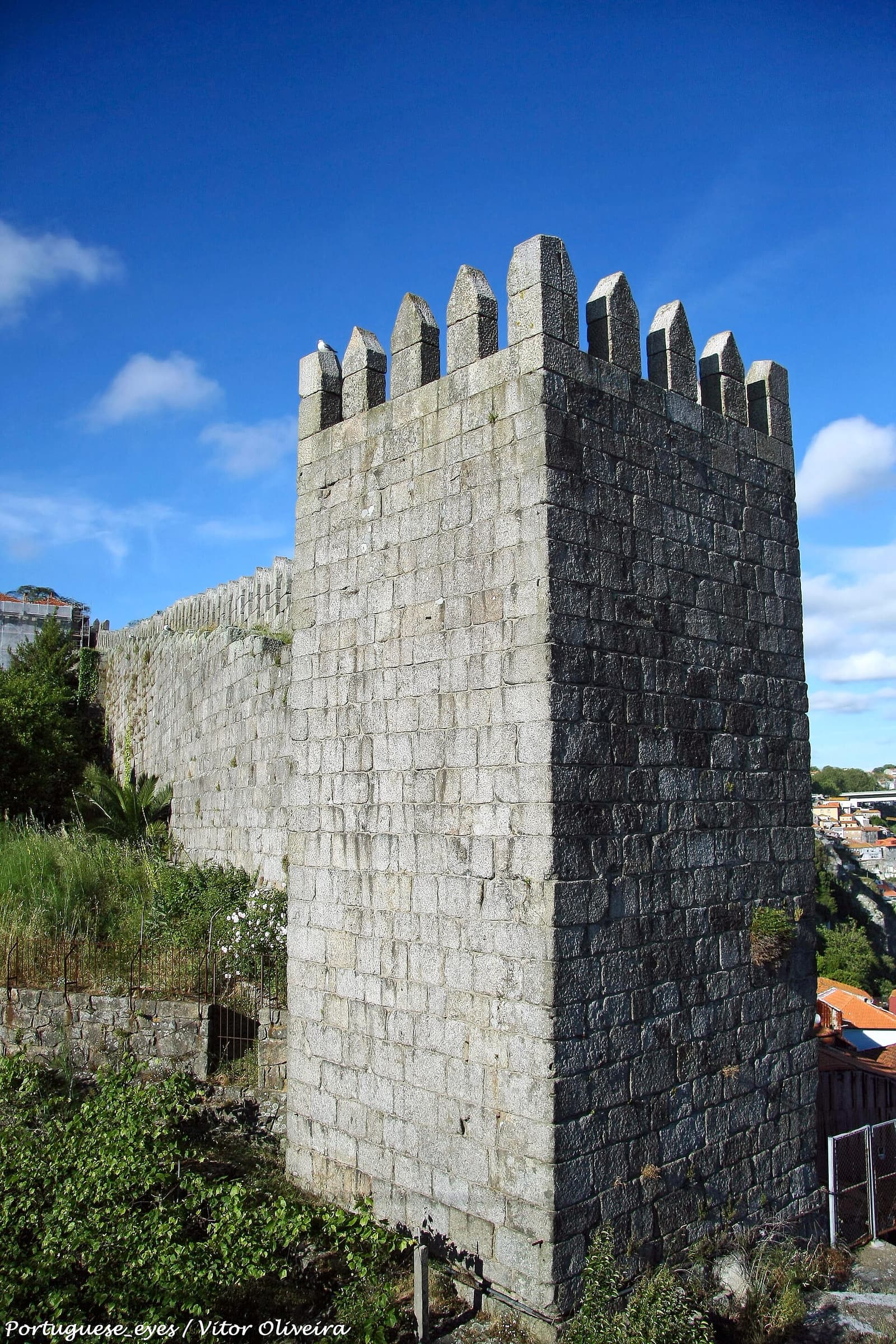 Port Wine RoutePort Wine Route: a wine tourism itinerary through the Douro wine region, a UNESCO-listed cultural landscape, centered around Peso da Régua, Pinhão, and Lamego.
  Portugal's Wine RoutesPortugal's Wine Routes connect enotourism and heritage across demarcated regions, from the Douro to Alentejo, uniting wine, landscape, and rural memory.
  Portuguese Coastal WayPortuguese Coastal Way: the coastal variant of the Way of St James, from Porto to Compostela through the Minho, with stages, history and Jacobean heritage. Portuguese Museum NetworkThe Portuguese Museum Network is the national system for museum accreditation and cooperation, established by the Framework Law for Museums.
 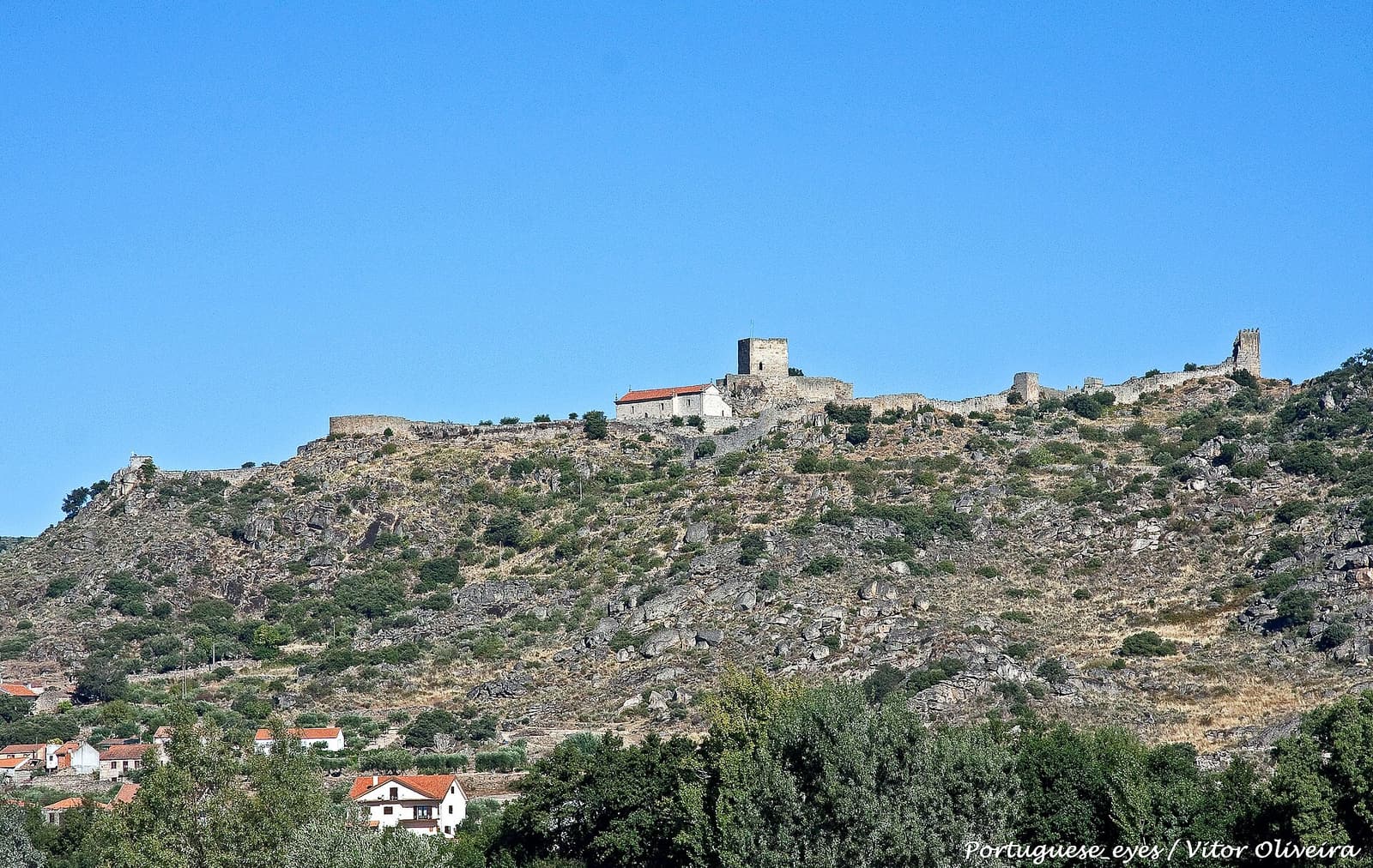 Property of Municipal InterestUnderstand municipal-interest heritage classification: local cultural significance, municipal decisions, required opinions and protection-zone rules.
 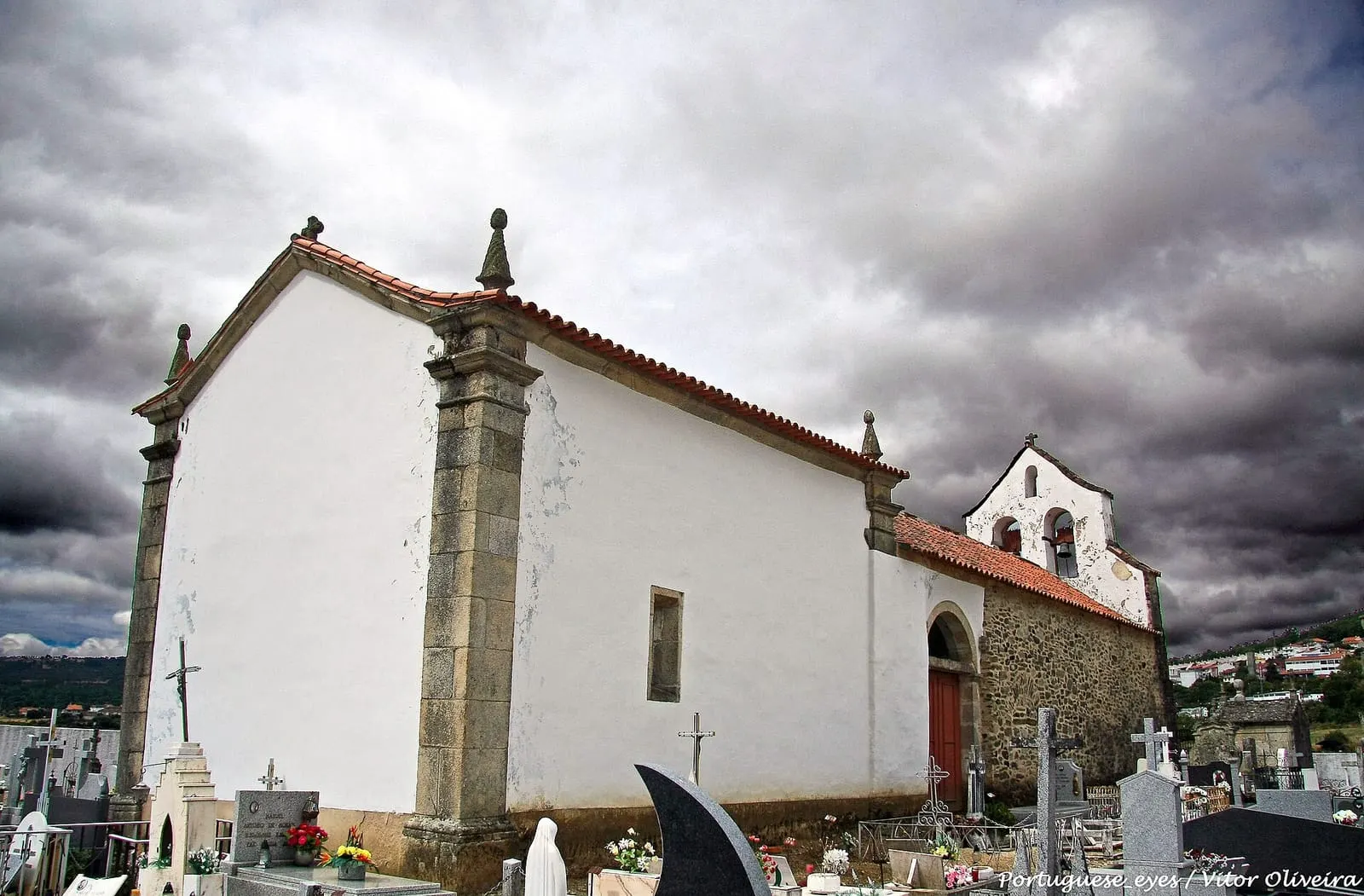 Property of Public InterestUnderstand public-interest heritage classification in Portugal: the legal criterion, IIP, MIP, CIP and SIP designations, orders and official records. Regional Directorates of CultureThe Regional Directorates of Culture (North, Centre, Alentejo and Algarve), deconcentrated services of the State with heritage safeguarding powers until 2024. Restitution of Colonial Heritage and the Decolonization of MuseumsThe Portuguese debate on the restitution of cultural assets to former colonies and the decolonization of museums: international context, cases, and impasses.
  Romanesque RouteThe Romanesque Route brings together 58 Romanesque monuments in the Sousa, Douro, and Tâmega valleys in northern Portugal, as part of a cultural project based…
 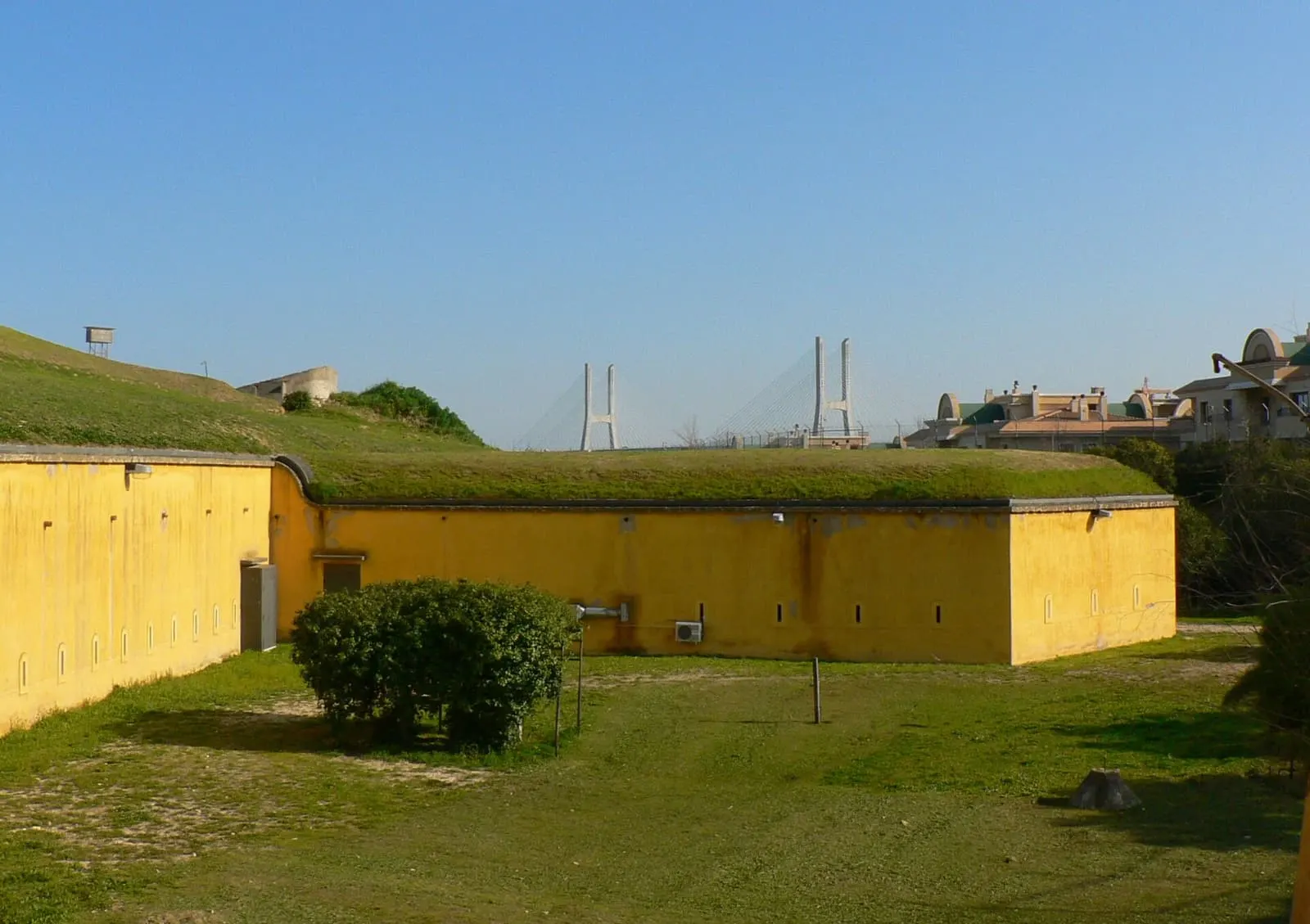 SIPA — Information System for Architectural HeritageExplore SIPA, Portugal’s architectural heritage inventory: find building records, consult archive guidance and discover the collections at Fort of Sacavém. Special Protection Zone (ZEP)Distinguish ZGP, ZEPP and ZEP in Portugal: boundaries, surrounding protection, municipal rules and the official maps and current legal acts.
 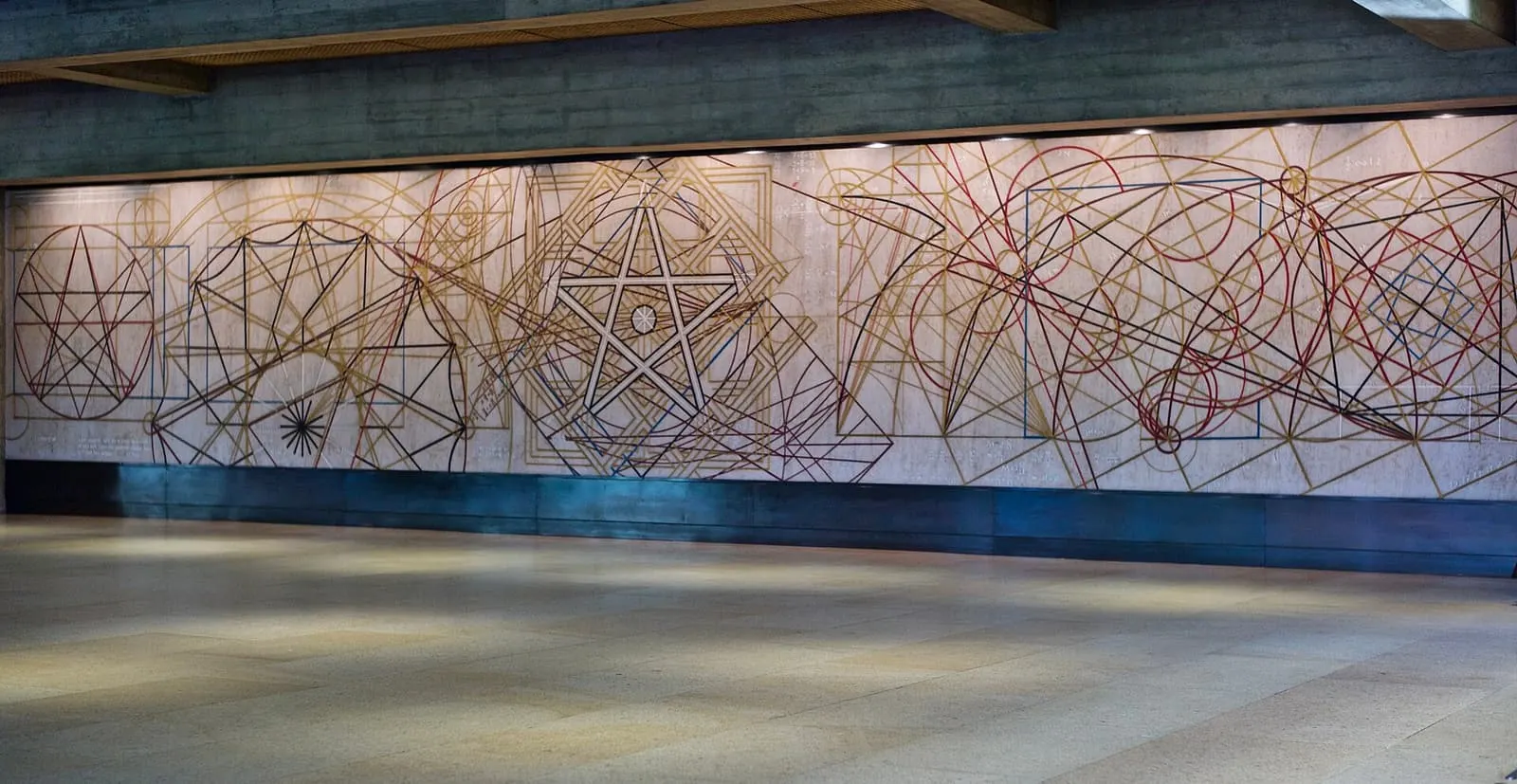 The Calouste Gulbenkian Foundation and heritageThe Calouste Gulbenkian Foundation, based in Lisbon, and its role in patronage, conservation and the promotion of Portuguese cultural heritage.
 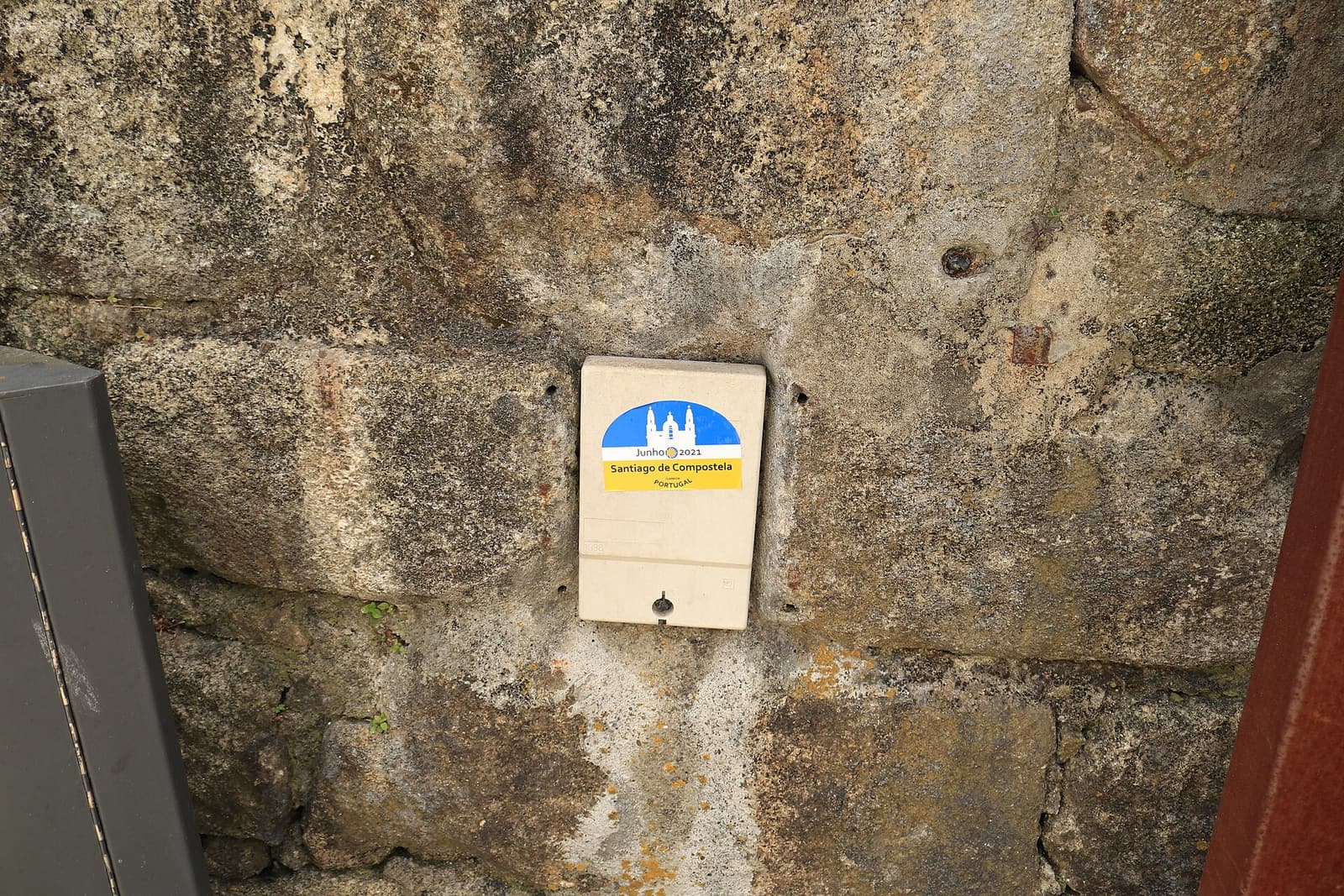 The Portuguese Ways of St JamesThe Portuguese Ways of St James: the network of Jacobean routes crossing Portugal towards Compostela, from the Algarve to Valença, and their heritage. The Profession of Conservator-RestorerThe profession of conservator-restorer in Portugal: a five-year educational path, ethics and deontology, and professional framework defined by ARP.
 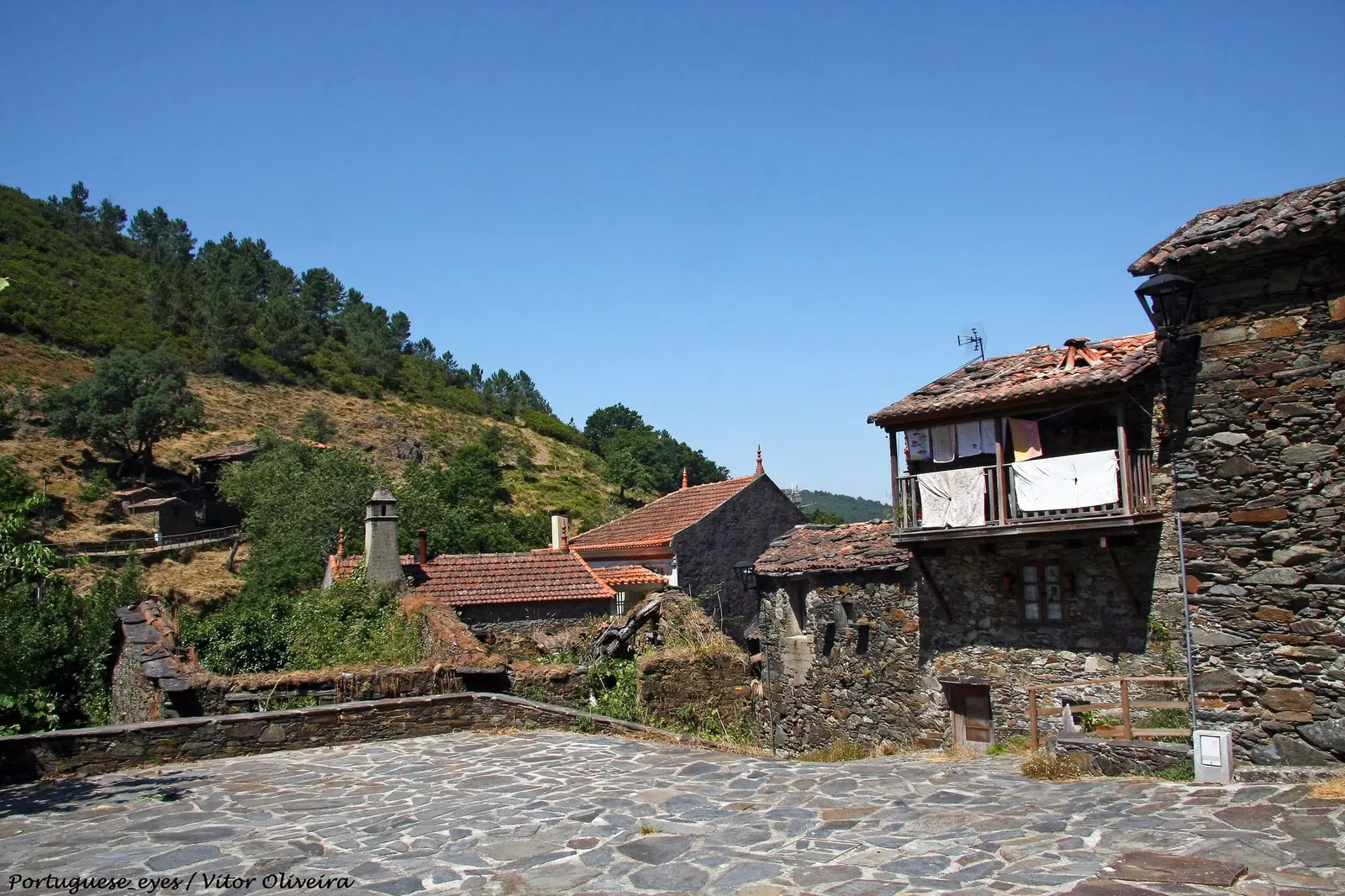 The Schist Villages (Aldeias do Xisto)Explore the 28 Aldeias do Xisto, including Coentral Grande, their four territories and varied rural heritage, with practical guidance for planning a visit.