Periods & Styles
Periods and Styles of Portuguese Architecture
Portuguese architecture is not merely a succession of imported styles, but a series of local responses to common challenges of Christian Europe. At times, Portugal receives and adapts; at others, it invents its own language. This hub organizes these major periods and styles, from the Romanesque of the first cathedrals to modernity, and links them to pages that explore them in detail.
From medieval stone to original invention
The first three eras form the foundation of the nation’s built heritage. The Romanesque, arriving via the Way of St. James and monastic orders, is sober and massive: the cathedrals of Coimbra, Braga, and Lisbon rise like fortresses, fitting for a country still engaged in border warfare. The Gothic, brought by mendicant orders, reaches its peak at Batalha Monastery, but always remains more restrained in height than the cathedrals of Northern Europe. Next comes the Manueline, Portugal’s first truly original style, which grafts nautical decoration—funded by the wealth of the Age of Discovery—onto a late Gothic structure.
The strength of Portuguese architecture lies less in any single style than in how they were layered upon the same territory—a monastery like Tomar combines Romanesque, Gothic, and Manueline within a single enclosure.
From classicism to modernity
The Counter-Reformation first brings the restrained classicism of the ‘plain style’ and later the exuberance of Baroque—the gilded woodwork and narrative azulejo tiles that adorn church interiors. The 1755 earthquake forces a rupture: the Pombaline style is rational, earthquake-resistant, and standardized, giving Lisbon its orthogonal grid. The 19th century introduces Neoclassicism, historicisms, and ironwork for stations and markets; the 20th century brings modernism and the so-called School of Porto. For a continuous narrative journey through this evolution, see the page dedicated to architectural periods.
Explore by period and style
Each of these styles survives in subsequent ones, and none disappear entirely. Reading Portuguese architecture is, above all, learning to recognize these layered styles within a single building or city.
33 entries to explore
No matches in this collection. Try another word or clear your search.
In this section — 33
Editor’s selection
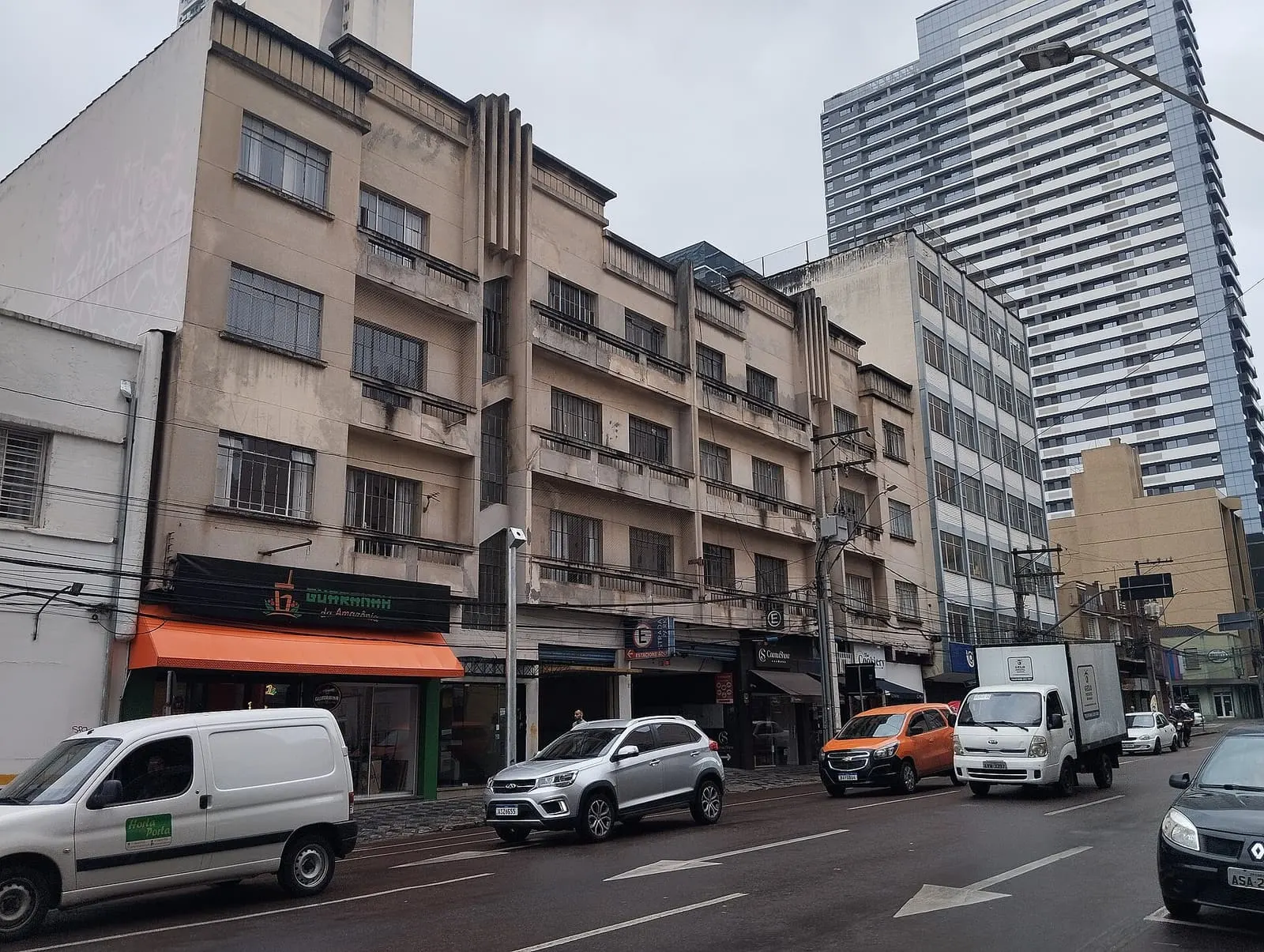 Art Deco in PortugalArt Deco in Portugal: the geometric language of the 1920s and 1930s in architecture, furniture, and graphic arts, from Lisbon to Porto.
 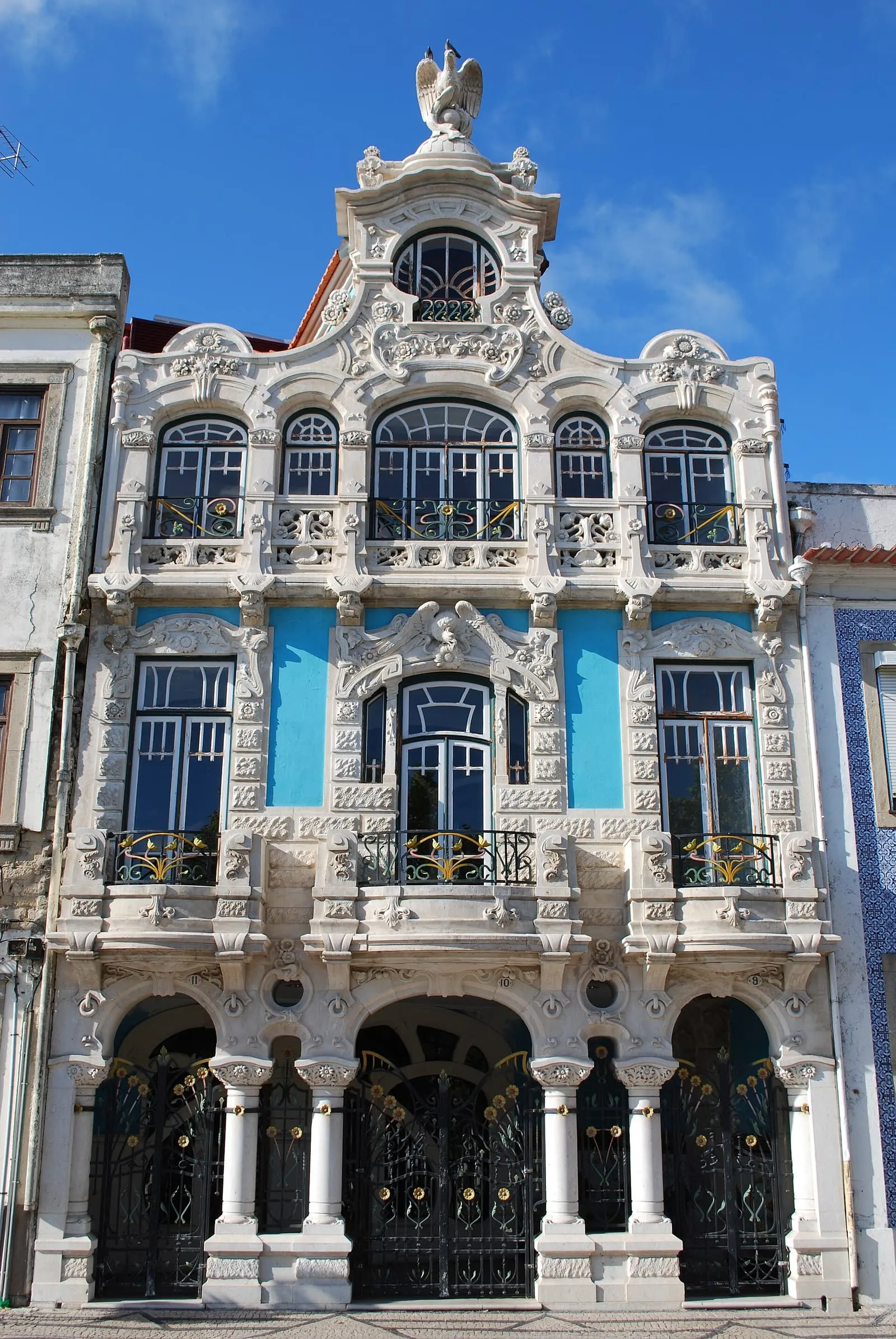 Art Nouveau in PortugalArt Nouveau (Arte Nova) in Portugal: chronology, characteristics and the great centres of Aveiro, Lisbon, Porto, Leiria and Caldas da Rainha.
 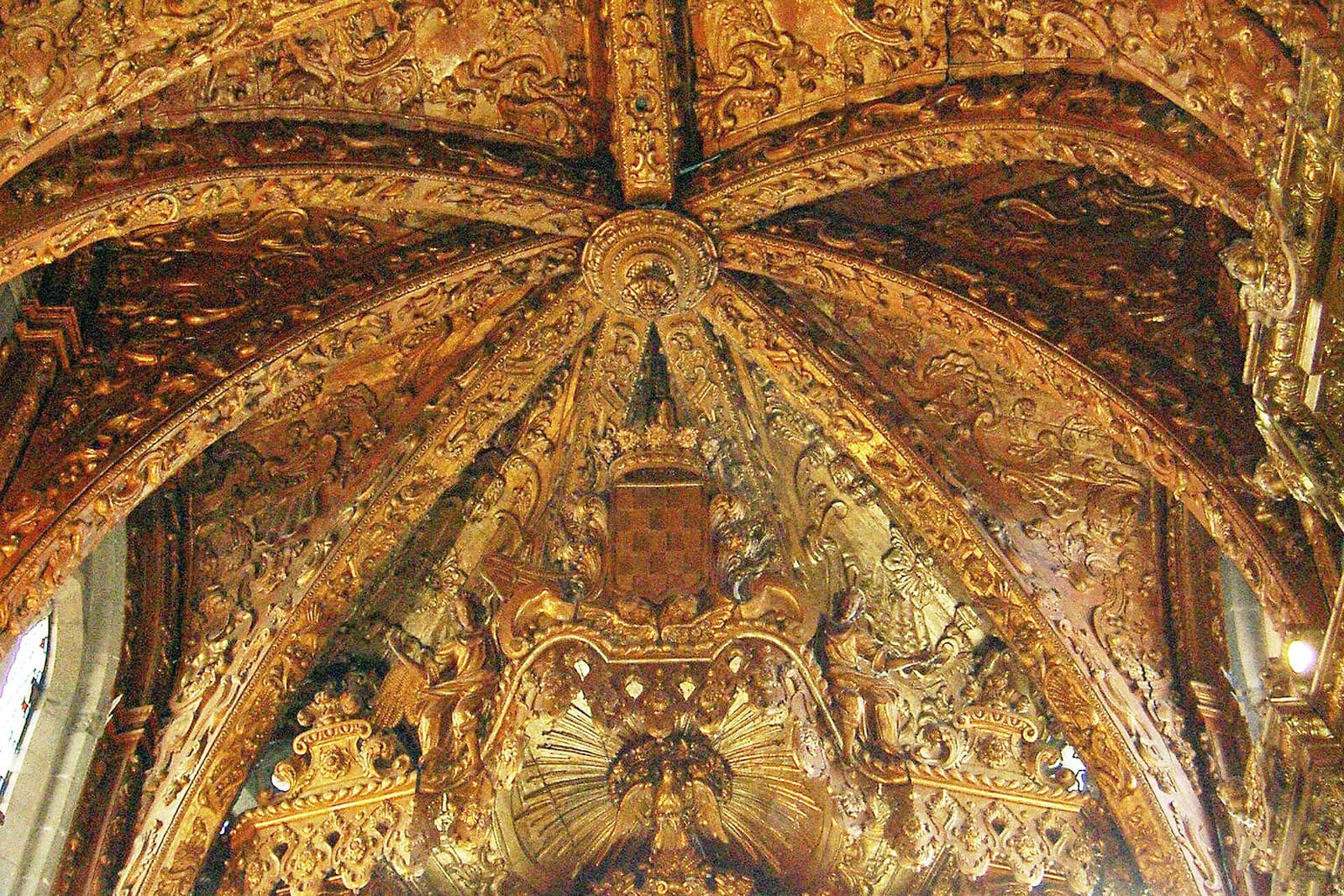 Baroque Architecture and Art in PortugalBaroque architecture and art in Portugal (17th-18th centuries): from the sobriety of the Plain Style to the Joanine opulence of gilded woodcarving, azulejo and…
 Periodos
30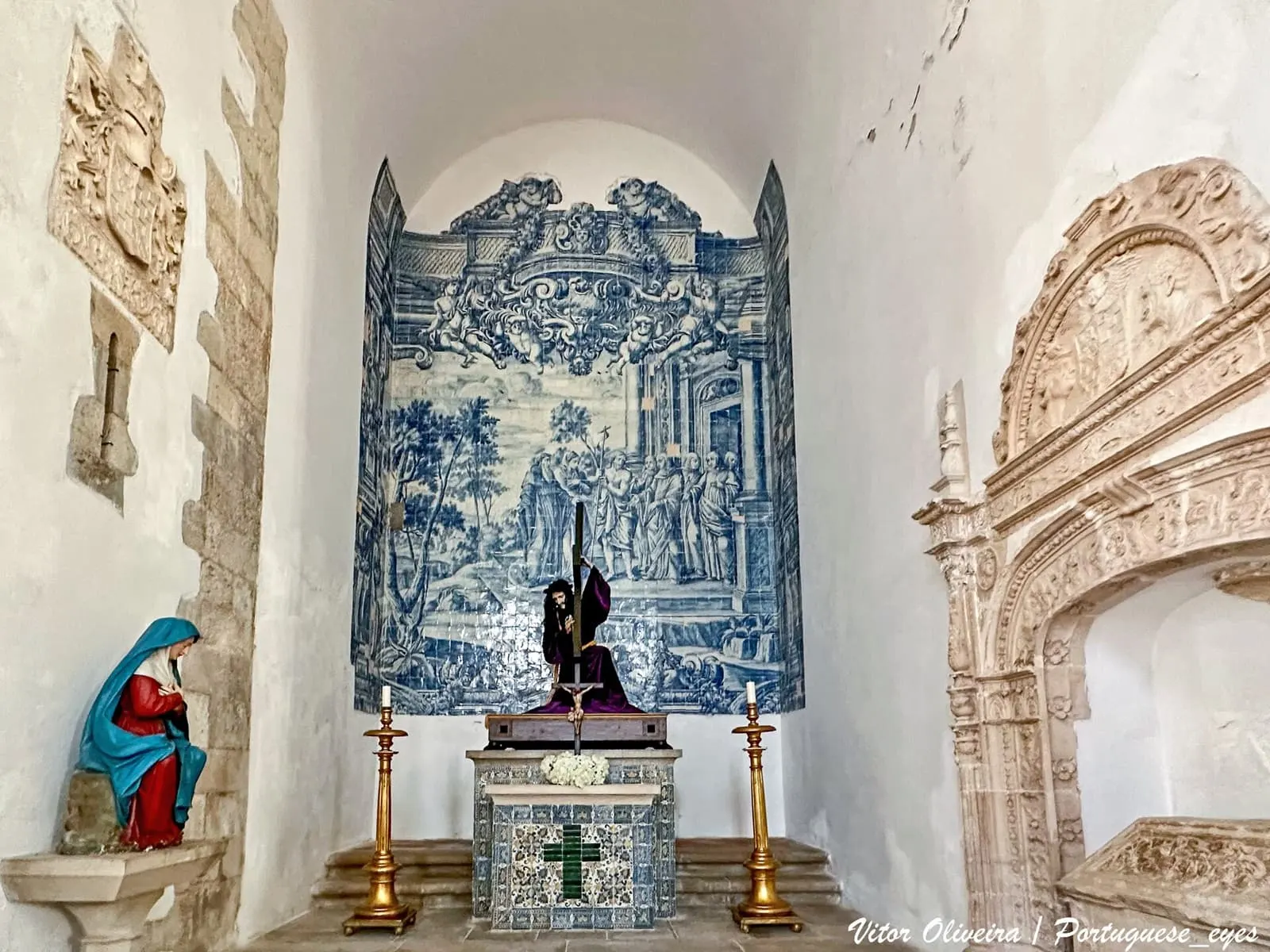 Gothic Architecture and Art in PortugalThe Gothic in Portugal, from the Cistercian austerity of Alcobaça to the Flamboyant exuberance of Batalha, by way of the mendicant architecture of the…
 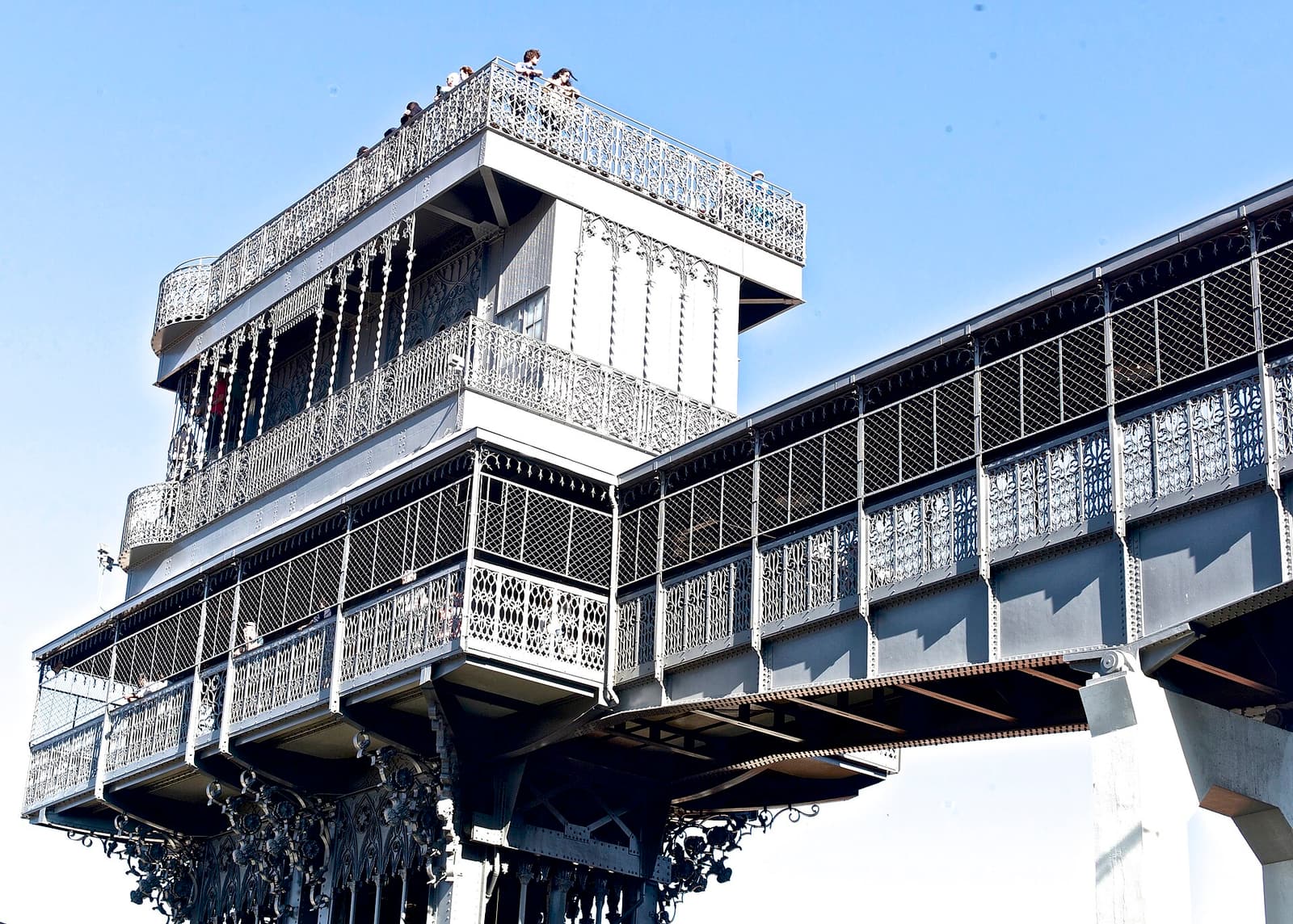 Iron Architecture in PortugalIron architecture in Portugal: nineteenth-century bridges, railway sheds, markets and lifts that wedded cast iron and glass from Lisbon to Porto. Islamic Art and Architecture in the Gharb al-AndalusIslamic art and architecture in the Gharb al-Andalus: castles, ceramics, urbanism and the Andalusi legacy that shaped southern Portugal between 711 and 1249.
 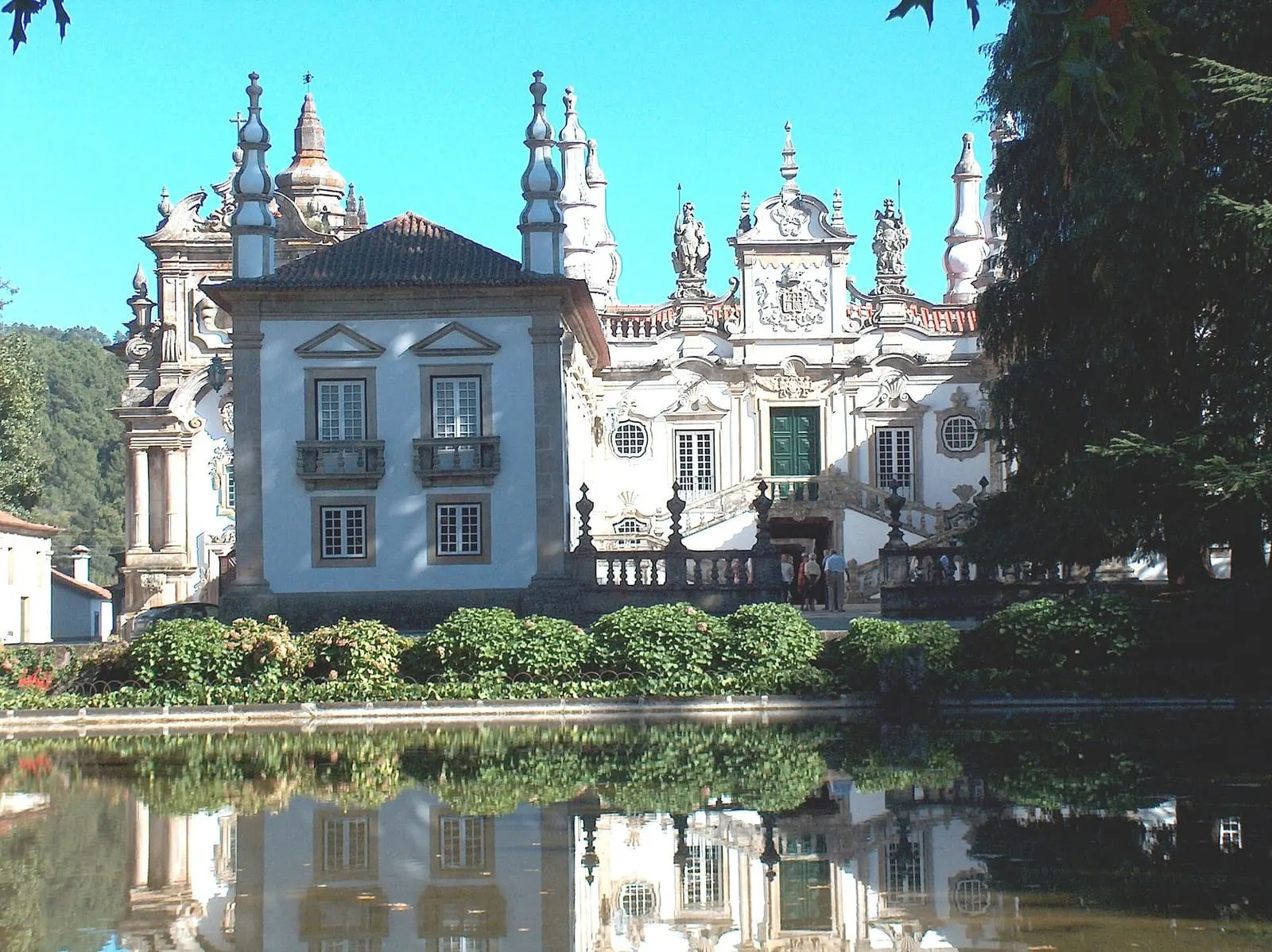 Joanine BaroqueThe Joanine Baroque, the courtly and theatrical art of the reign of King John V in Portugal, with Mafra, Nasoni and the opulent gilded carving funded by…
 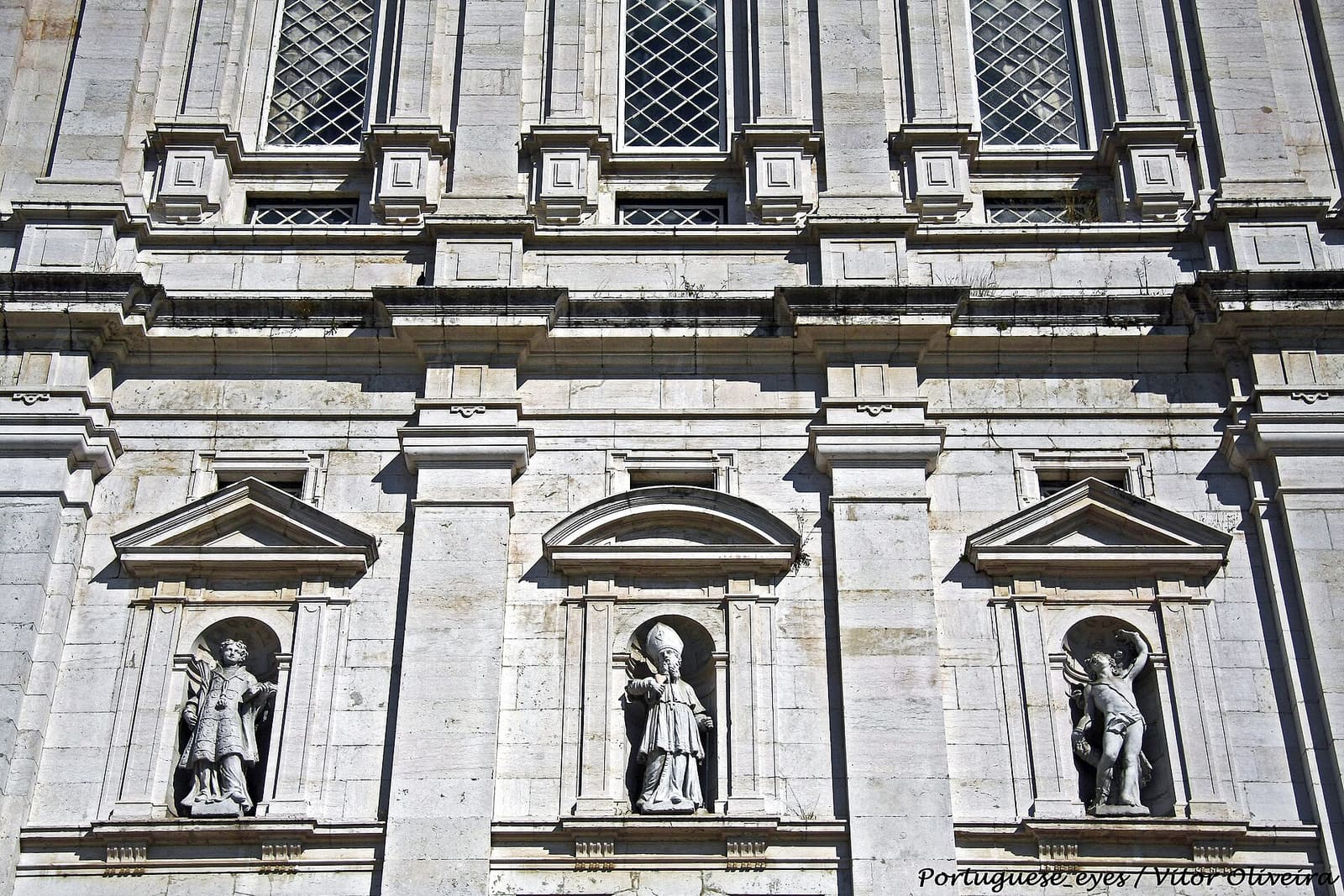 Mannerism in PortugalMannerism in Portugal (c. 1540-1650): the transition between the Renaissance and the Baroque, marked by the sobriety of the plain style and the Counter-Reformation.
 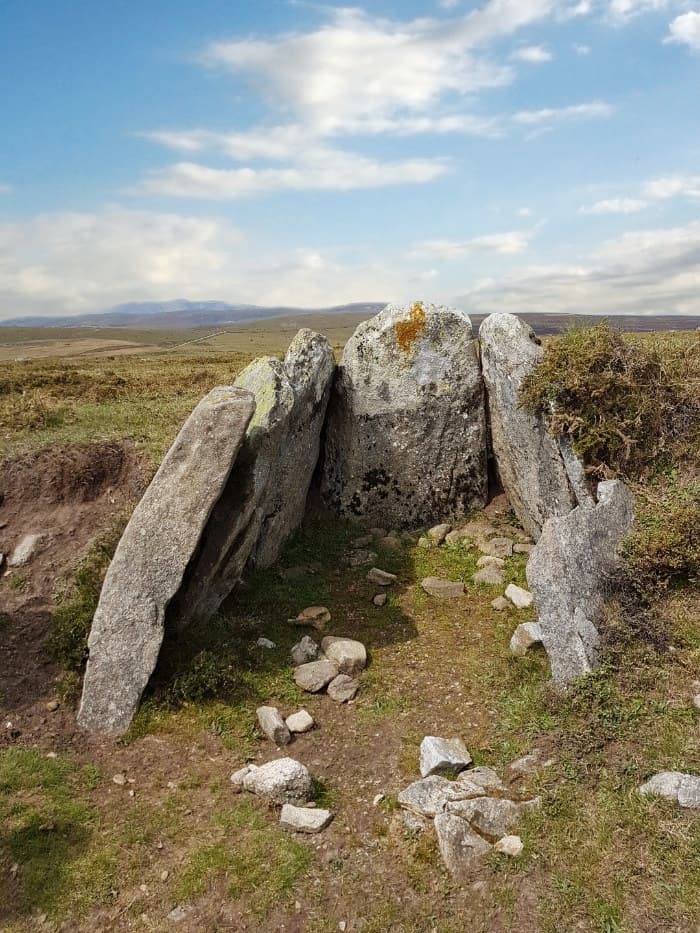 Megalithic Art in PortugalMegalithic art in Portugal: carvings and paintings on dolmens, menhirs and stone circles of the Neolithic and Chalcolithic, above all in the Alentejo and the Beira.
 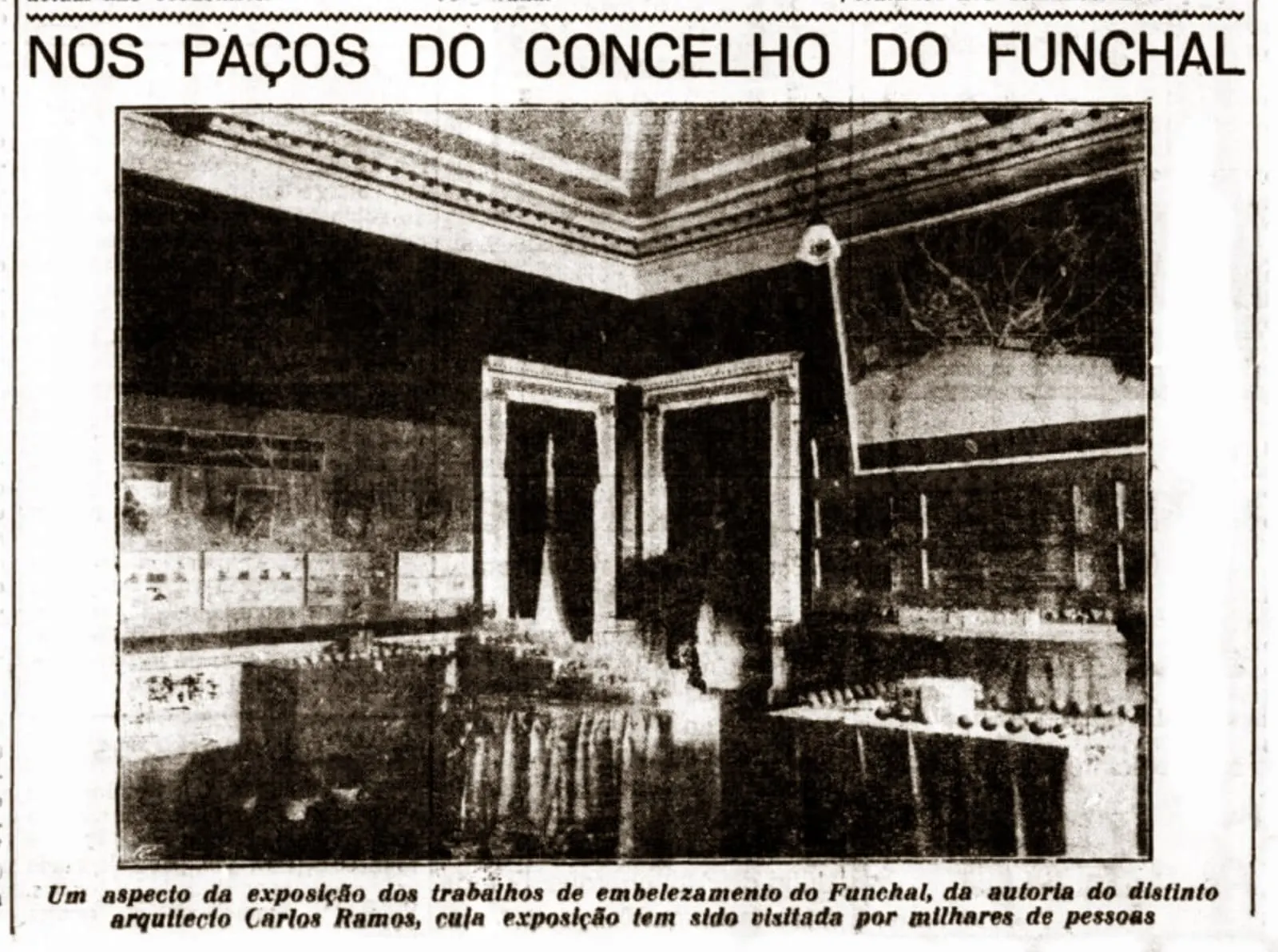 Modernism in Portuguese ArchitectureModernism in Portuguese architecture: from the reinforced concrete and rationalism of the 1920s generation to the tensions with the nationalism of the Estado Novo. Mozarabic Art and Architecture in PortugalMozarabic art in Portugal: Christians under Islamic rule and the Visigothic-Arab fusion that culminates in the Church of São Pedro de Lourosa (912).
 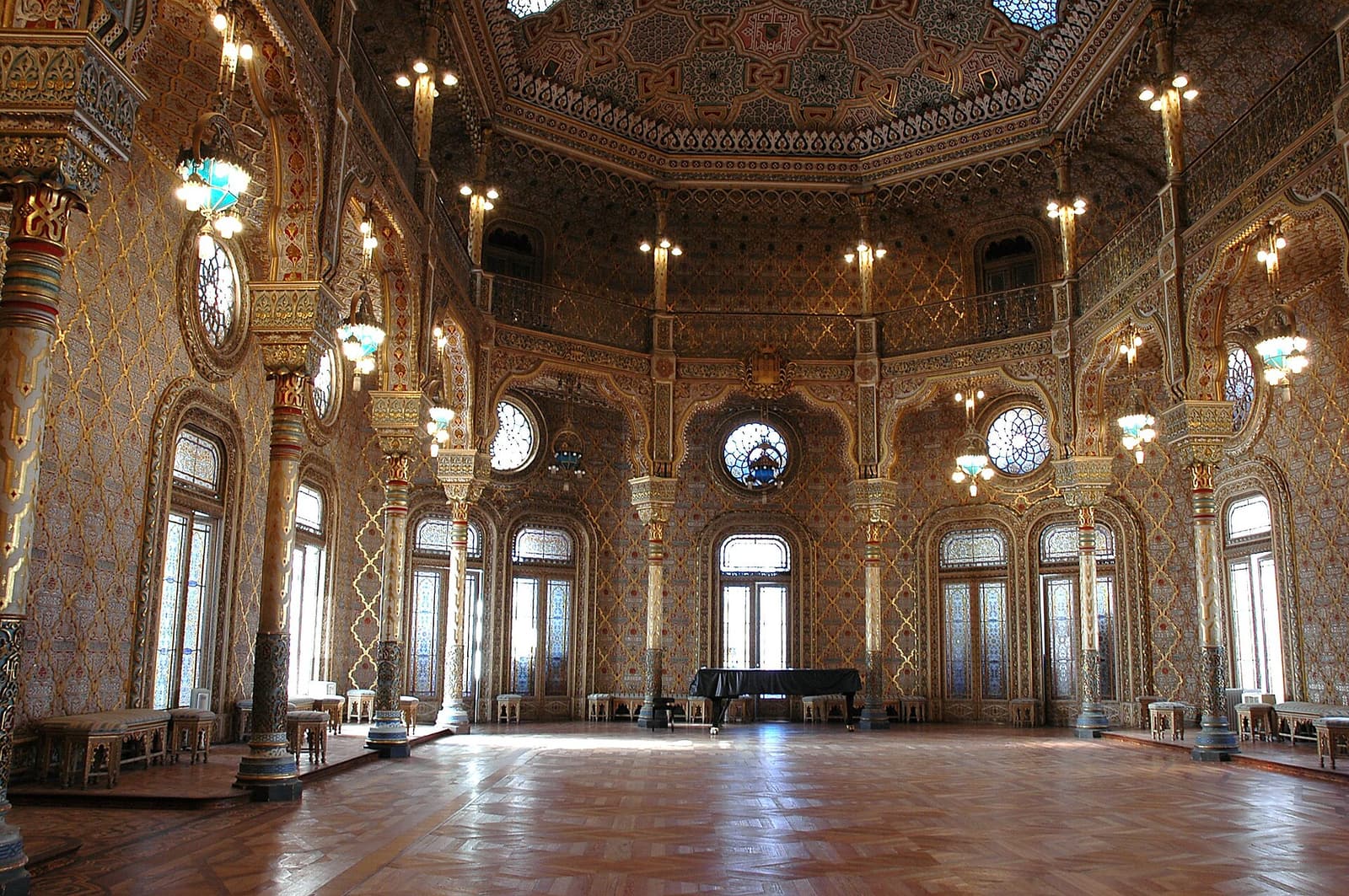 Neo-Arab Style in PortugalThe Neo-Arab style in Portugal: nineteenth-century Orientalist revivalism, from Sintra to the Campo Pequeno Bullring and the Arab Hall in Porto.
 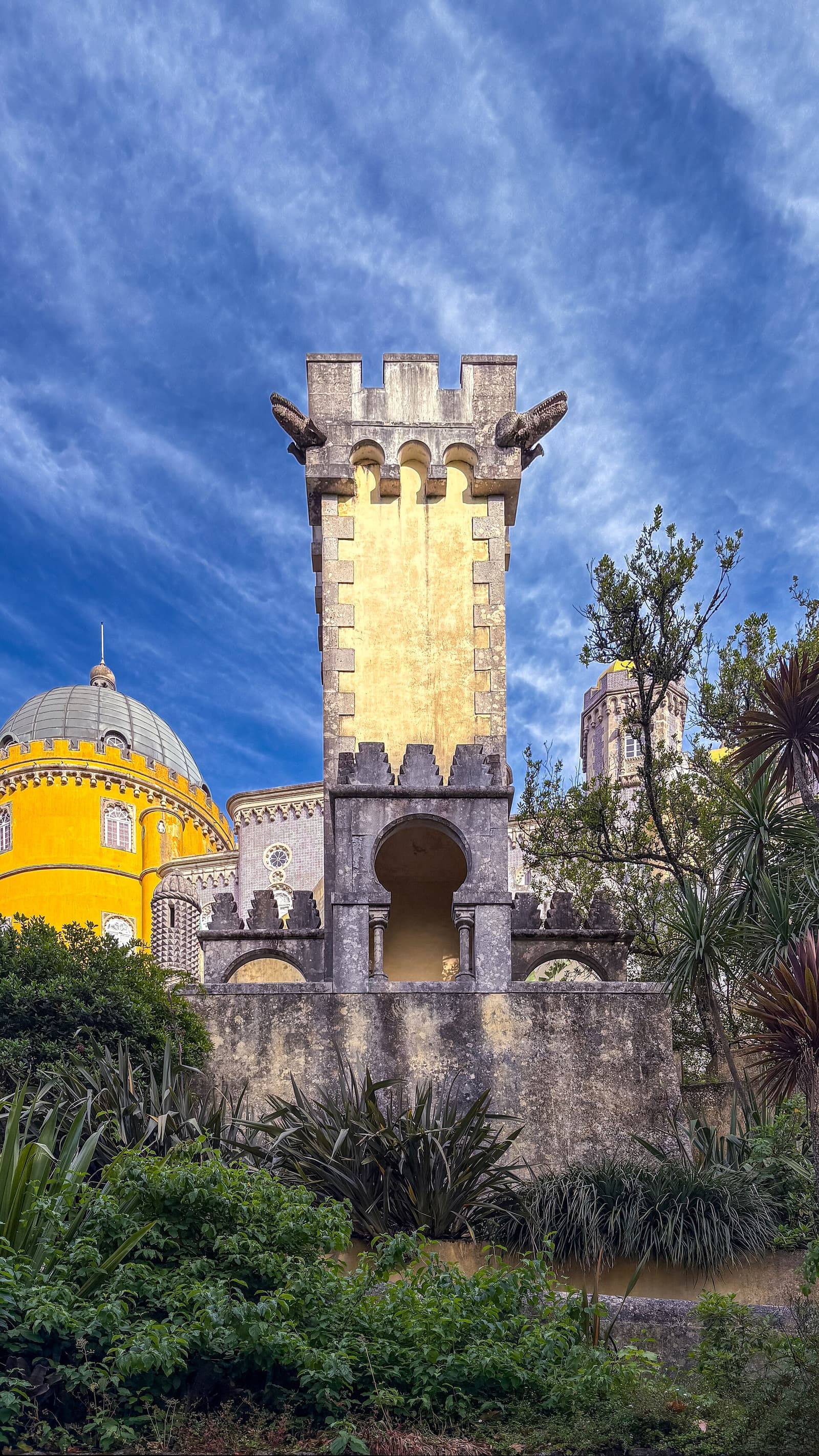 Neo-Gothic Style in PortugalThe Neo-Gothic style in Portugal: the nineteenth-century Gothic revival in palaces, churches and tombs, from restored ruins to the romantic fantasy of Sintra.
 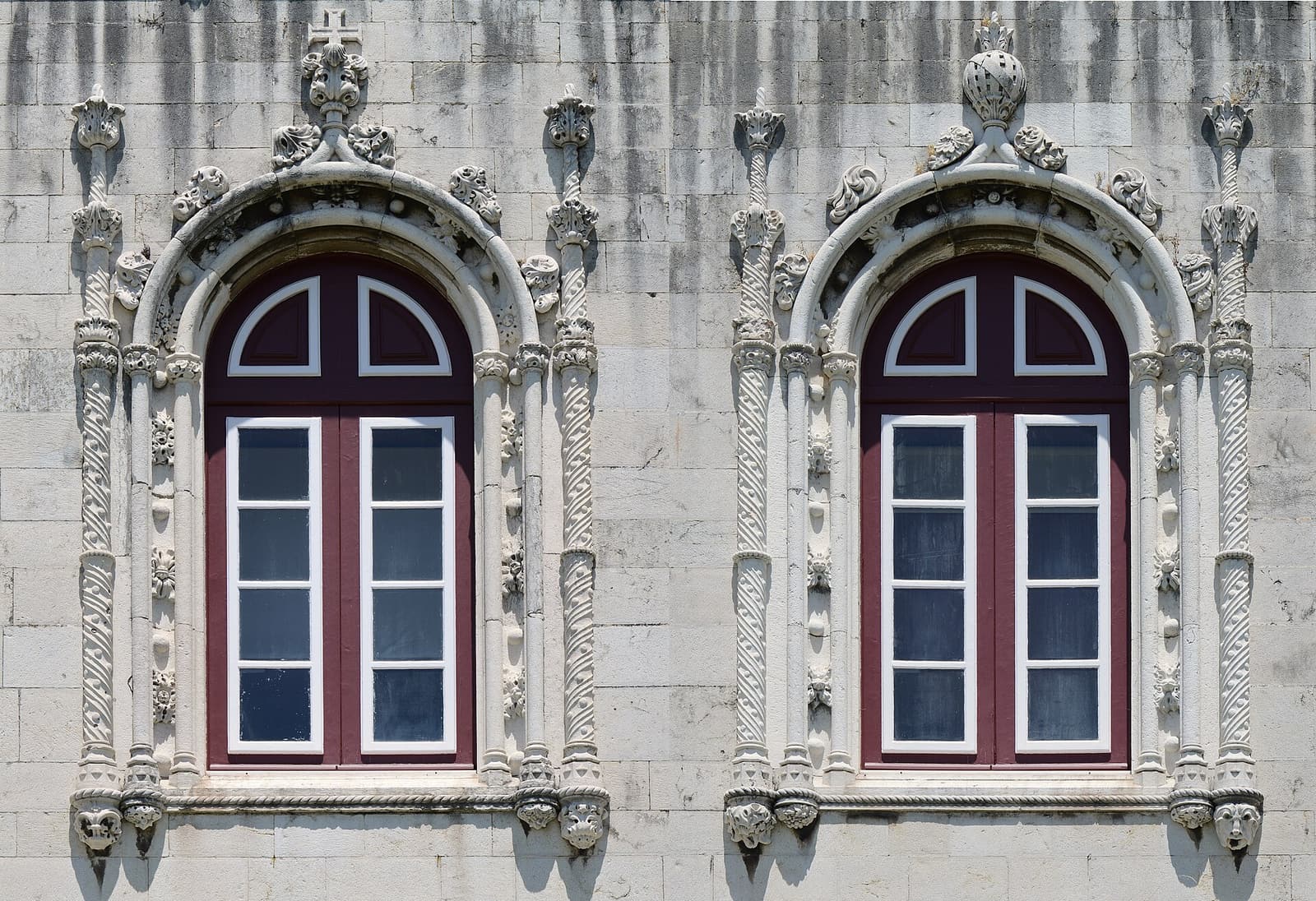 Neo-Manueline StyleThe Neo-Manueline style: the Romantic revival of the Manueline as a national idiom in Portugal, from the Pena Palace to Rossio Station.
 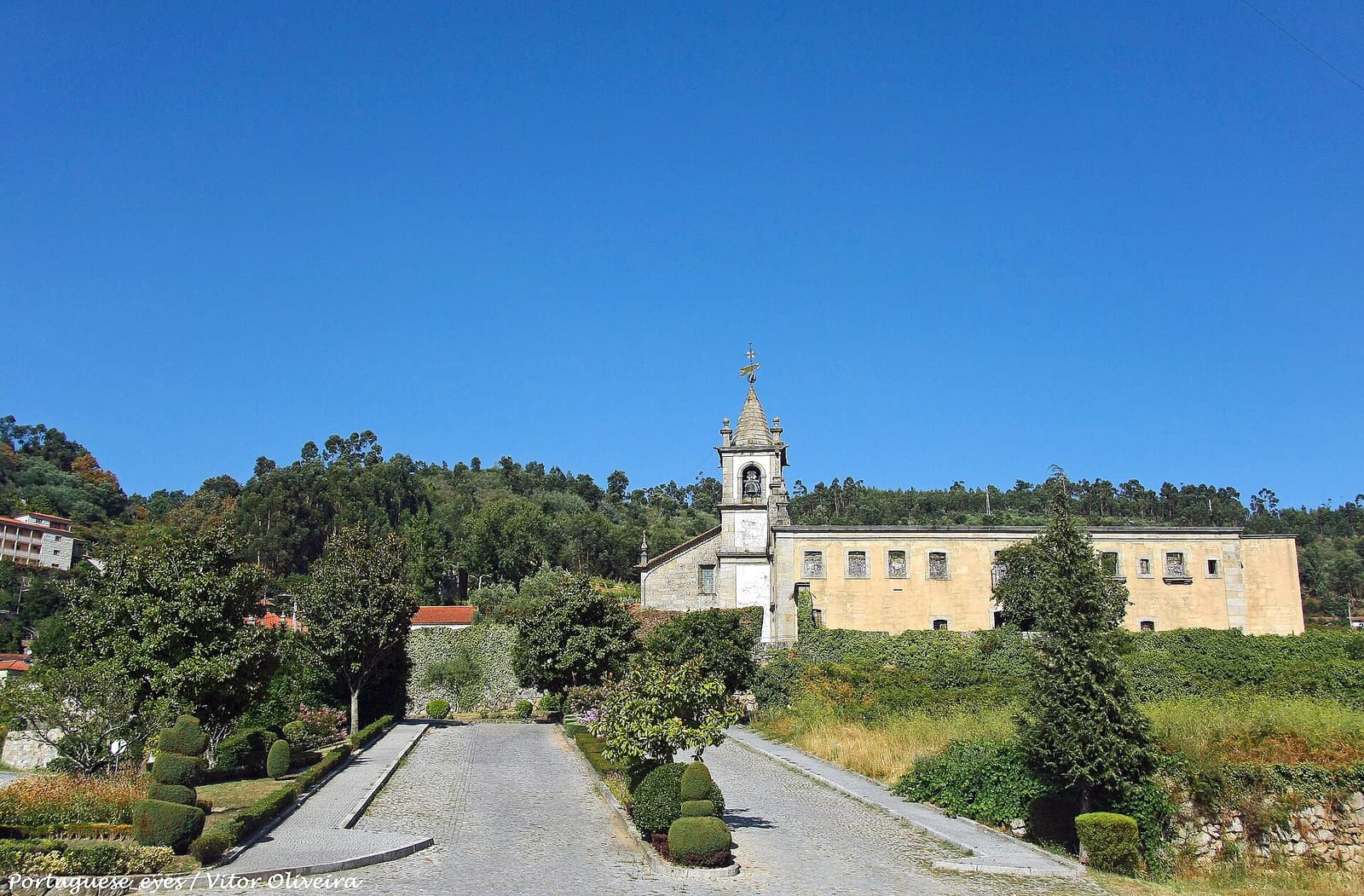 Neoclassicism in PortugalNeoclassicism in Portugal: the return to classical order between the late 18th and mid-19th centuries, from the Porto school to Lisbon.
 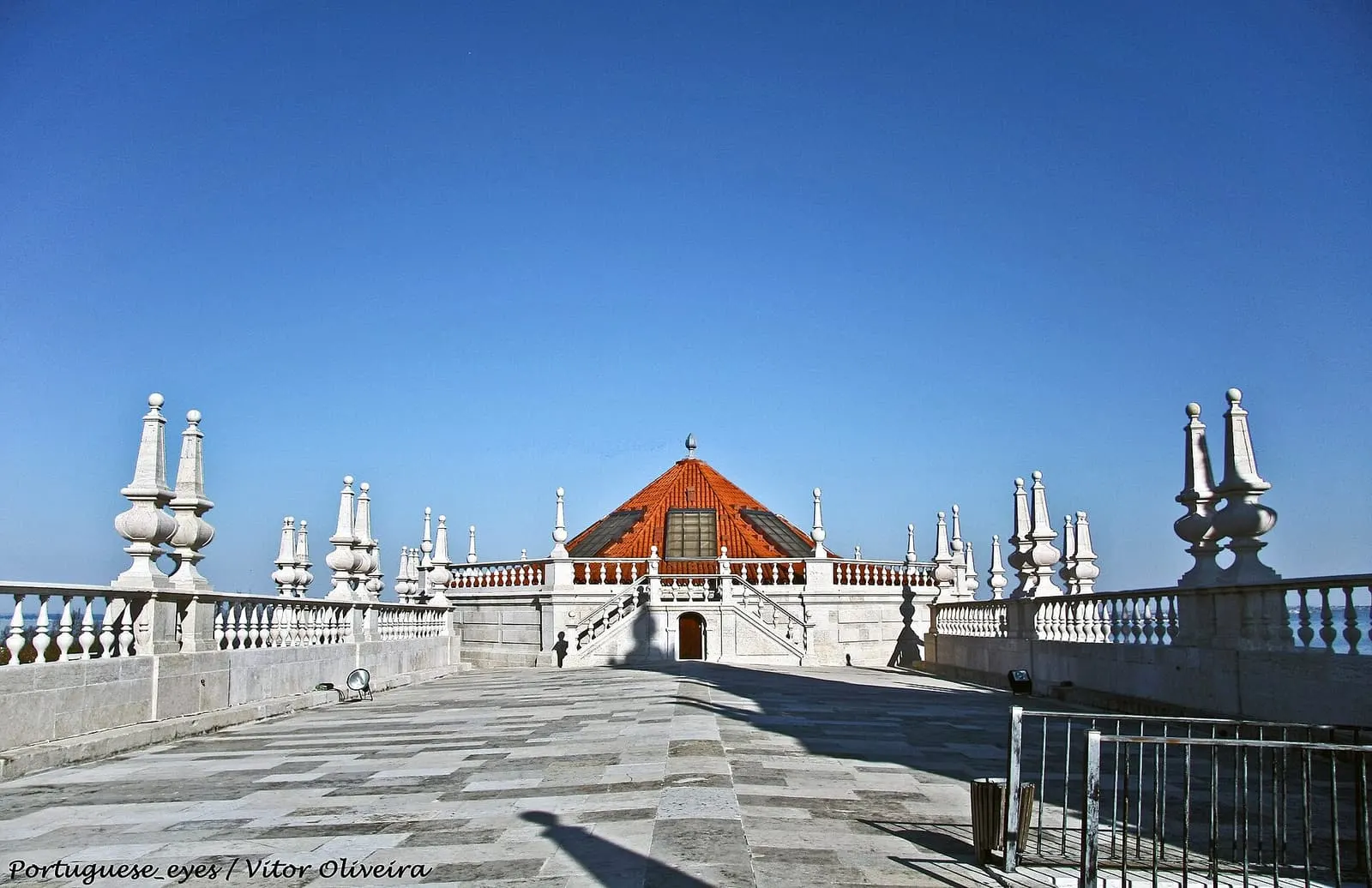 Plain Architecture (Estilo Chão)Plain architecture, or the estilo chão: the sober, stripped-down Mannerist current that dominated Portugal between c.
 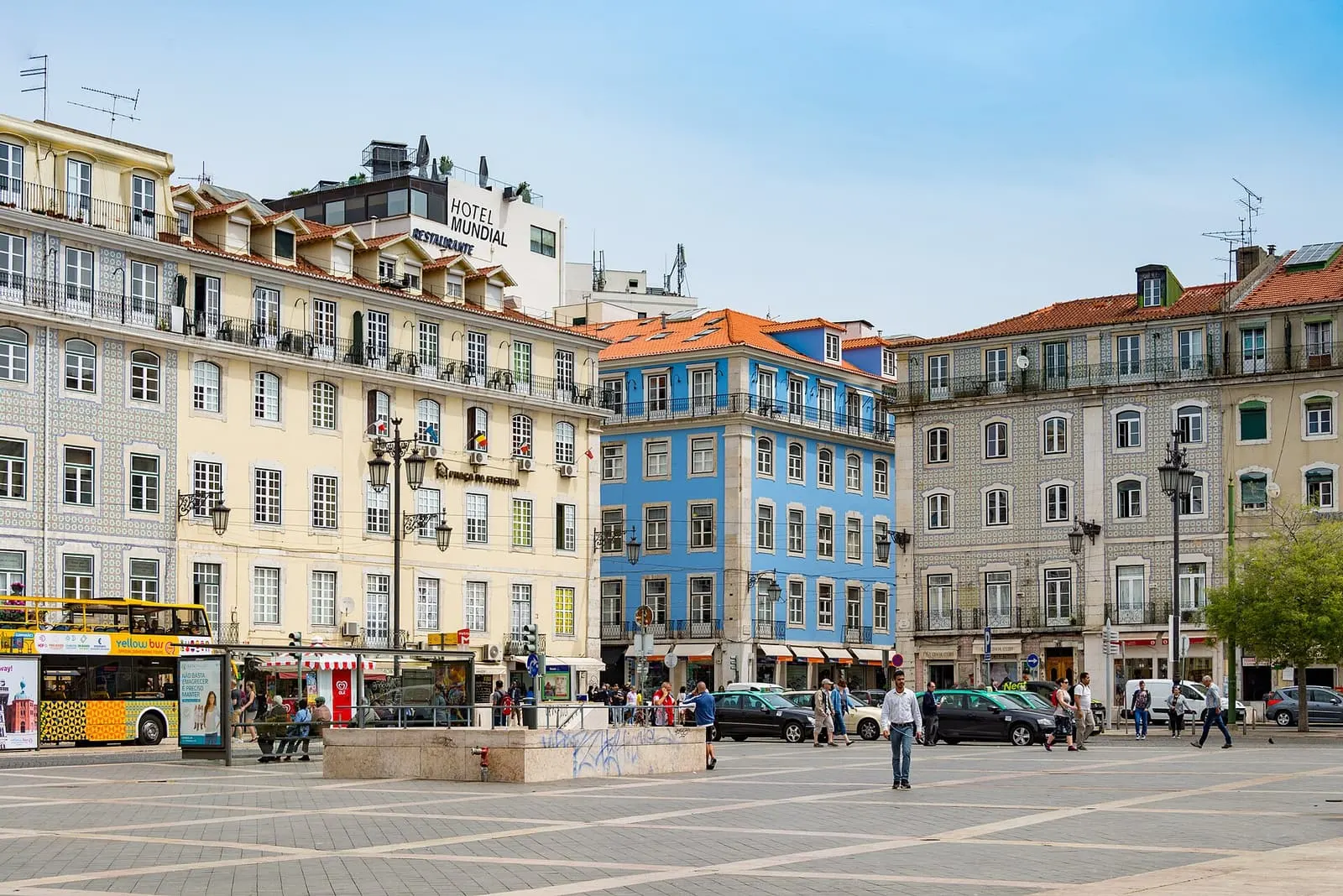 Pombaline StyleThe Pombaline style: the rational, earthquake-resistant architecture that rebuilt Lisbon's Baixa after the 1755 earthquake, from the gaiola pombalina cage to…
 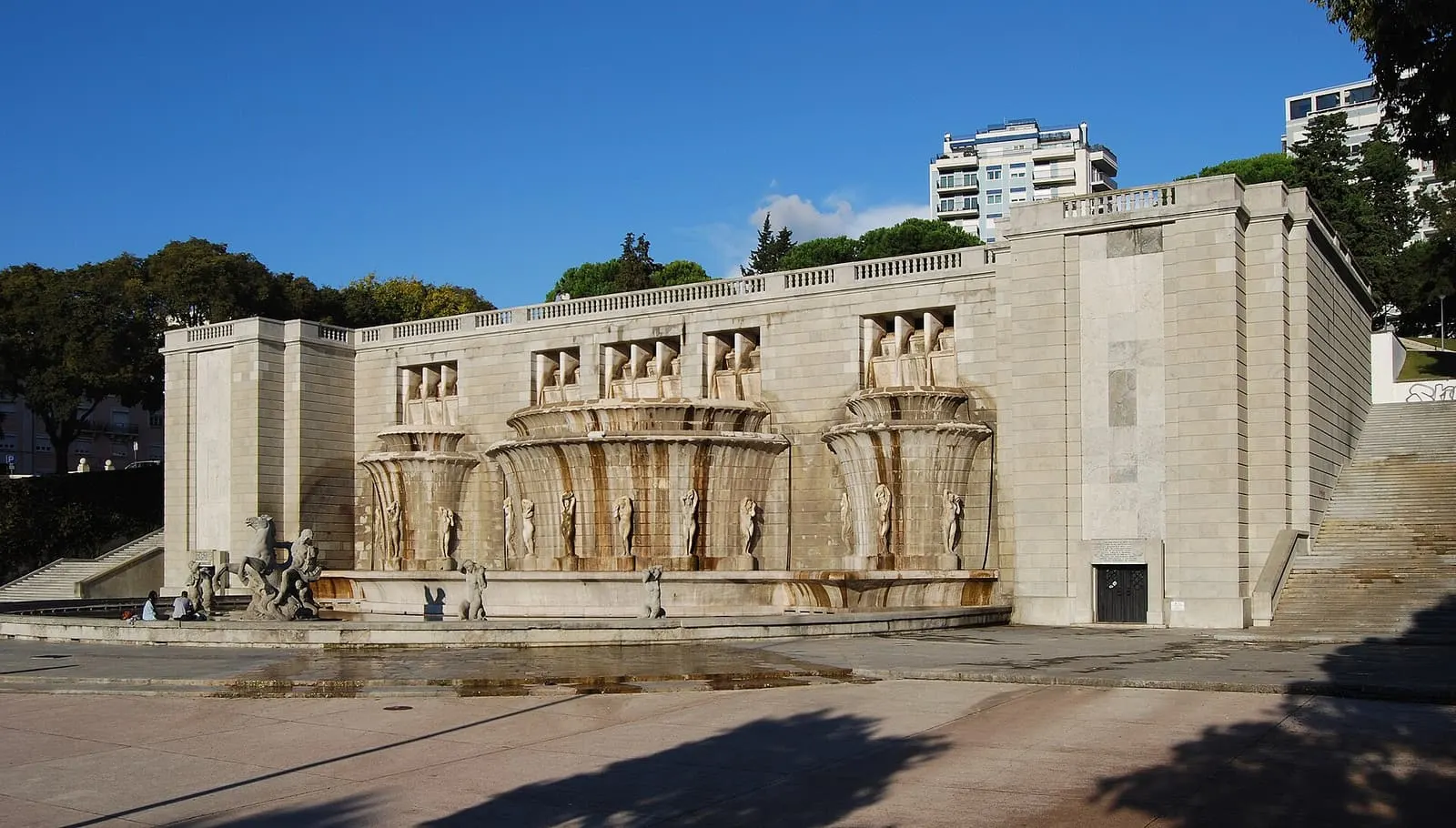 Portuguese Soft Style (Estado Novo)The Portuguese Soft Style: the nationalist and monumental architecture of the Estado Novo between the 1930s and 1950s, in Lisbon, Porto and throughout the country. Prehistoric Art and Architecture in PortugalAn overview of prehistoric art and architecture in Portugal, from the Palaeolithic to the Chalcolithic: rock art, megalithism and fortified settlements.
 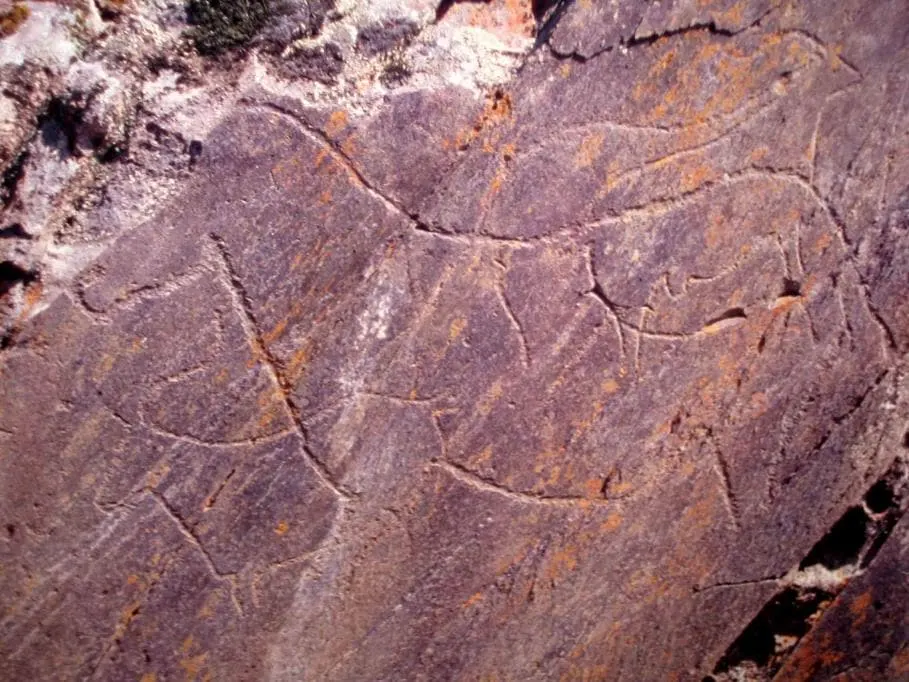 Rock Art of the Côa Valley and the PaleolithicPaleolithic open-air rock engravings in the Côa Valley, Vila Nova de Foz Côa, classified by UNESCO in 1998 as World Heritage.
 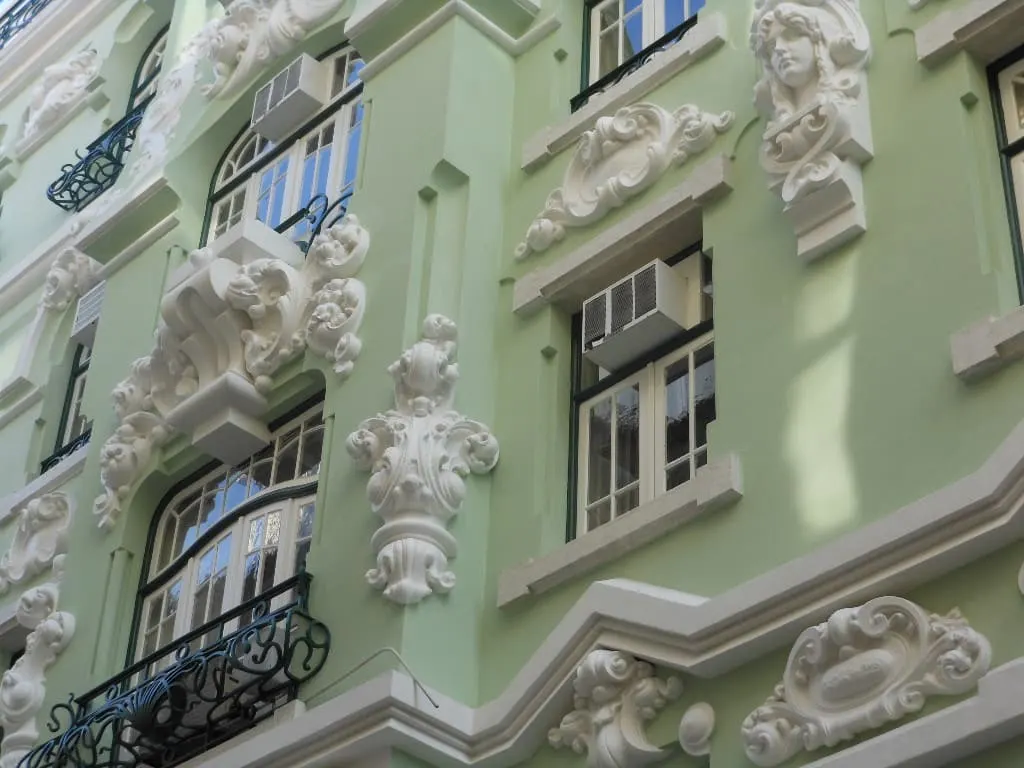 Rococo in PortugalRococo in Portugal: the light and asymmetrical taste of the mid-18th century, featuring André Soares, gilded woodcarving, and the churches of Braga and the North. Roman Architecture and Art in PortugalRoman architecture and art in Portugal: temples, villas, bridges, aqueducts, and mosaics from Lusitania, from the 2nd century BC to the 5th century AD.
 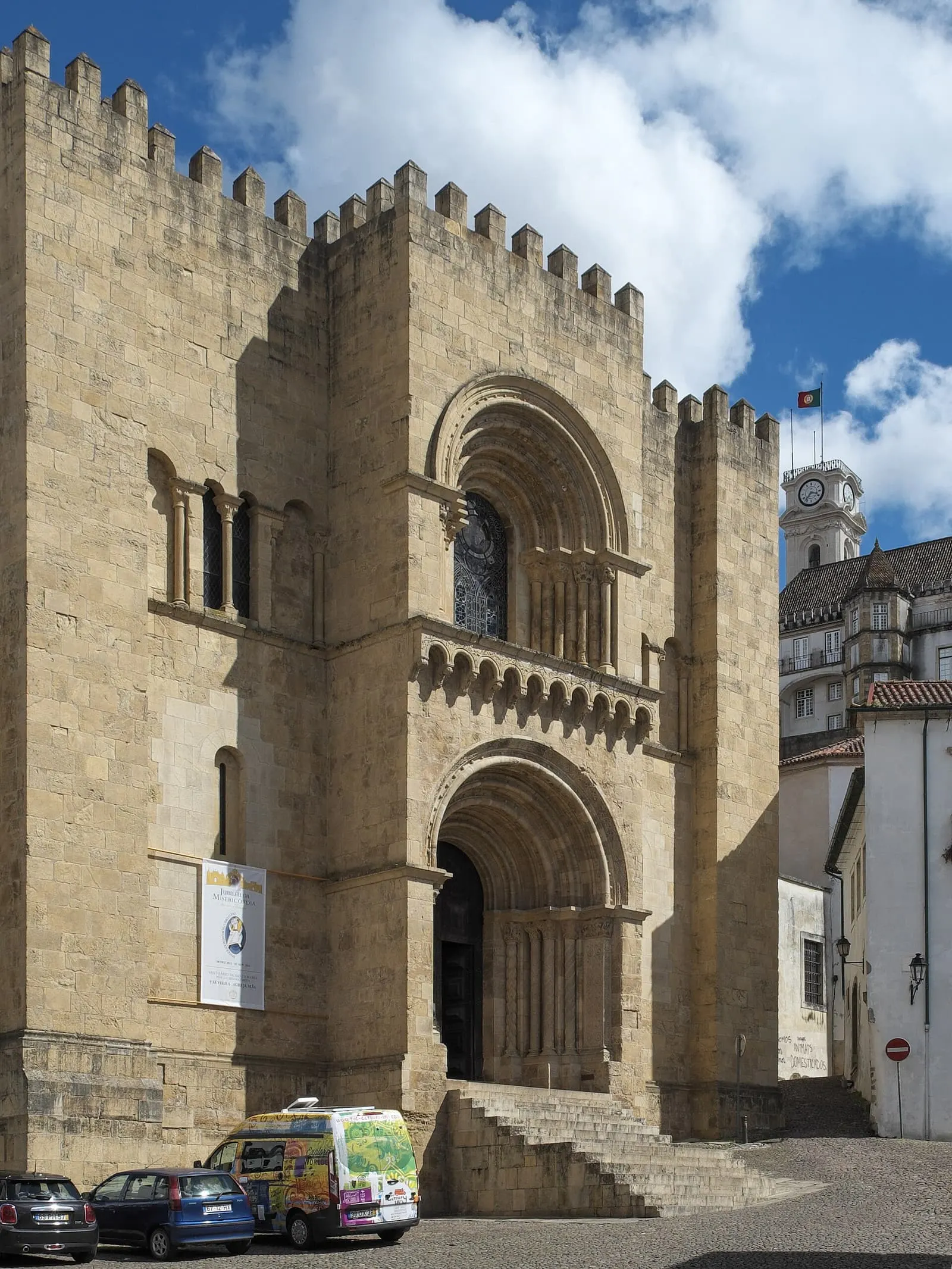 Romanesque Architecture and Art in PortugalThe Romanesque in Portugal (11th-13th centuries): cathedrals, monasteries and churches of Coimbra, Braga and the Vale do Sousa, between the Reconquista and the…
 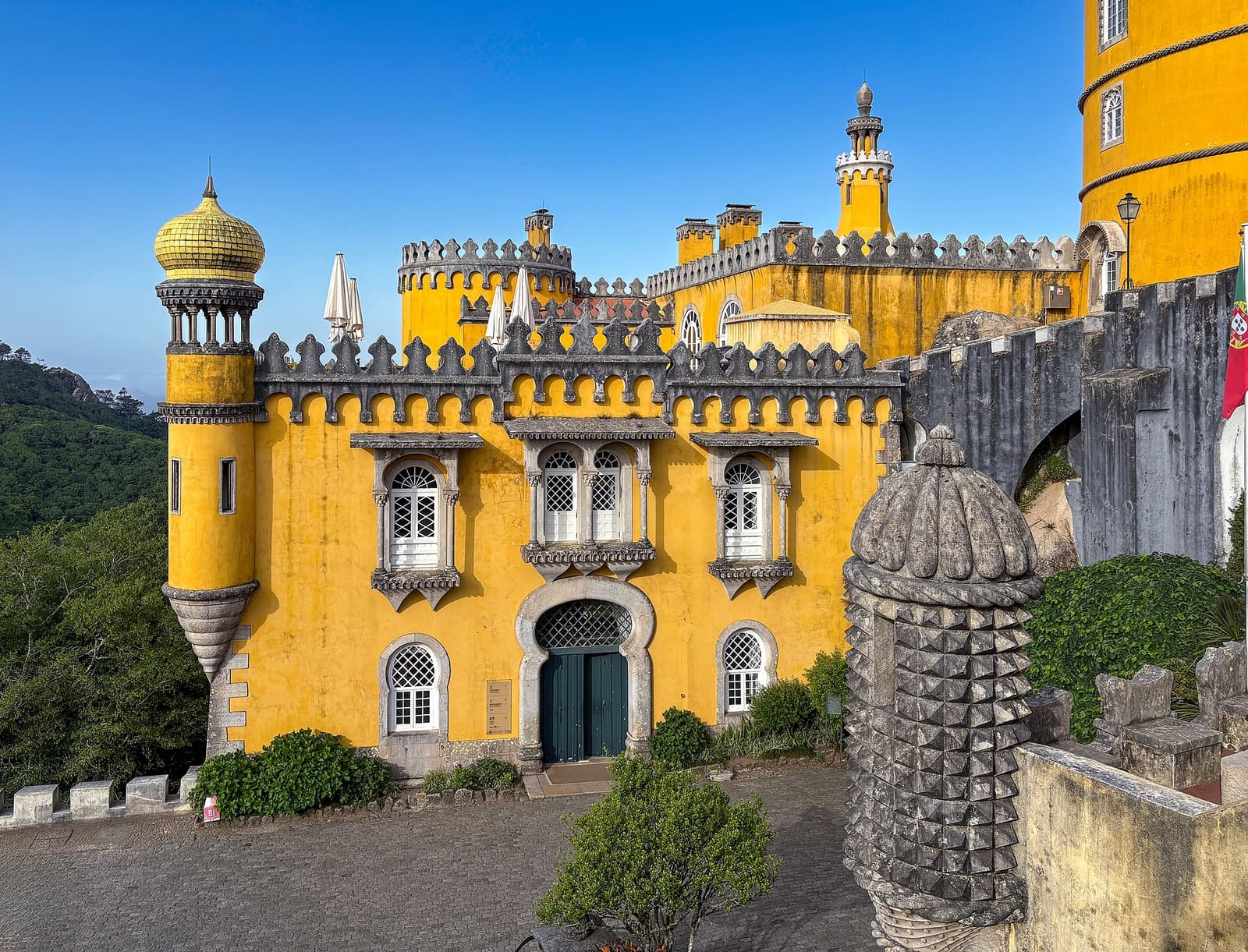 Romanticism and Revivalist ArchitectureRomanticism and revivalisms in 19th-century Portuguese architecture: the Neo-Manueline, Neo-Gothic, and Neo-Moorish styles, from the Pena Palace to Monserrate…
 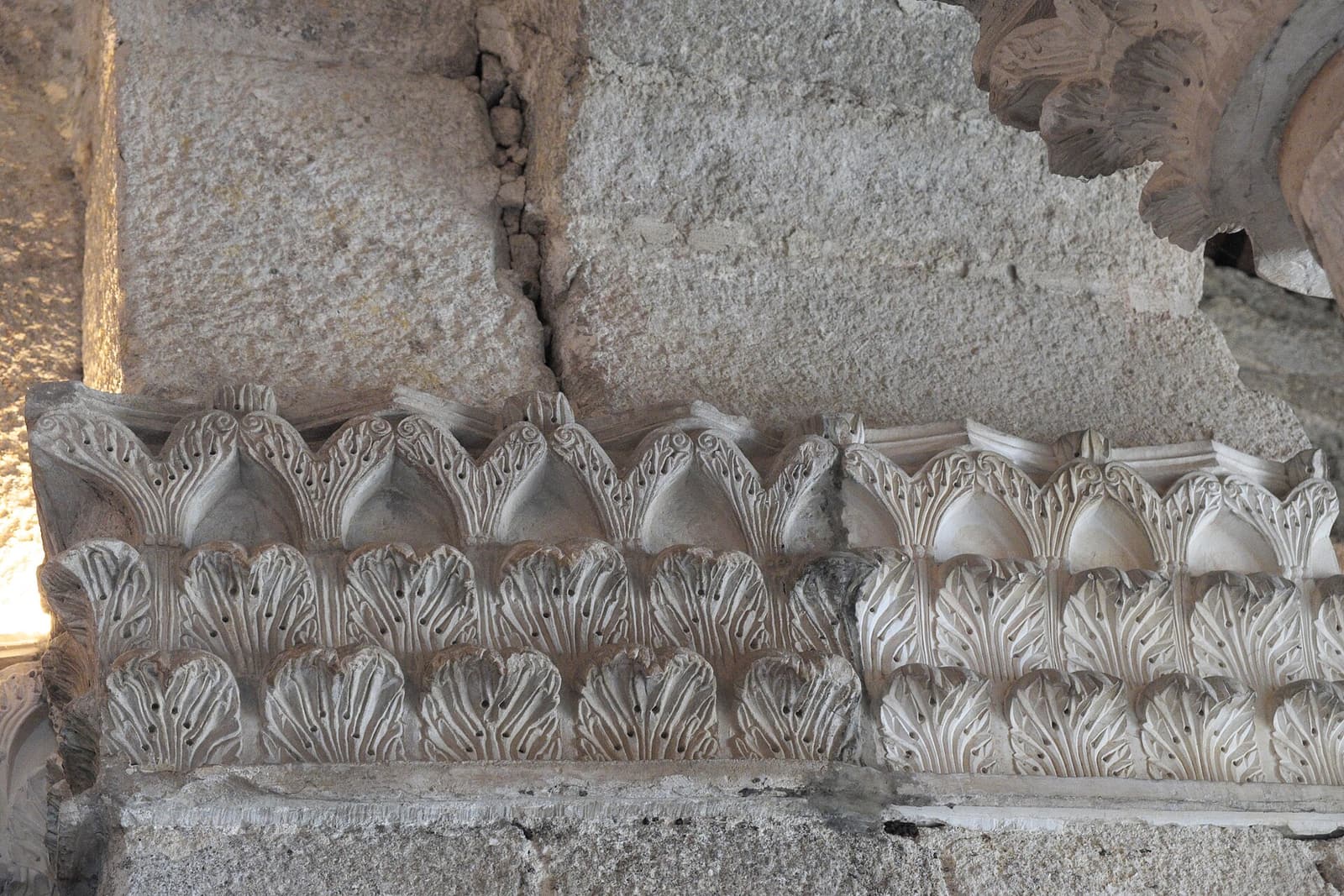 Suevic Art and ArchitectureSuevic art and architecture in the north-west of the Iberian Peninsula (409-585): the first autonomous Germanic kingdom of Gallaecia, with its capital at Braga.
 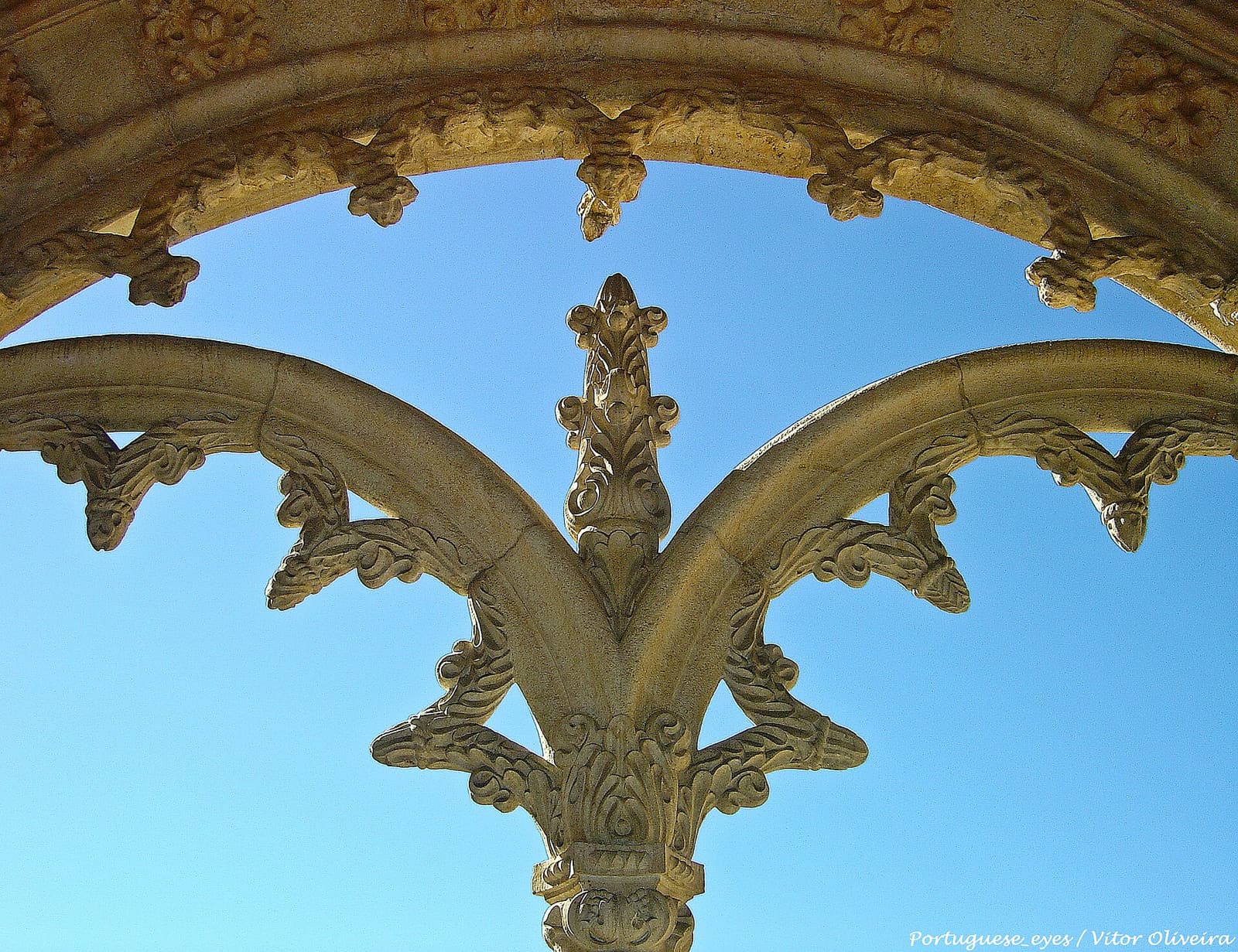 The Manueline StyleThe Manueline style, Portuguese Late Gothic of the reign of King Manuel I (1495-1521), marked by the nautical, naturalistic and heraldic ornamentation of the…
  The Porto SchoolThe Porto School, an architectural current born from the teaching of fine arts and the FAUP, founded by Fernando Távora and the matrix of Siza and Souto de Moura.
  The Renaissance in PortugalThe Renaissance in Portugal: the arrival of Italian classical grammar in 16th-century architecture, sculpture, and painting, from Coimbra to Évora. Visigothic Art and Architecture in PortugalVisigothic art and architecture in Portugal: churches and sculpture from the 5th to the 8th centuries, from São Frutuoso de Montélios to São Gião and the Beja…
 Frequently asked questions
- What are the main periods of Portuguese architecture?
- The major periods are Romanesque (11th–13th centuries), Gothic (13th–15th centuries), Manueline (c. 1490–1540), Mannerism and Baroque (16th–18th centuries), Pombaline (post-1755), and 19th- to 20th-century styles, from historicism to modernism.
- Is the Manueline style exclusively Portuguese?
- Yes. The Manueline is considered Portugal's first genuinely original architectural language: it grafts nautical and naturalistic ornamentation, linked to the Age of Discovery, onto a late Gothic structure, with no direct equivalent in other countries.
- What distinguishes the Pombaline style?
- The Pombaline style emerged from Lisbon's reconstruction after the 1755 earthquake. It is characterized by rationality, standardized façades, and the 'Pombaline cage'—a wooden framework designed to withstand earthquakes.