Lieux
Silves: Ancient Islamic Capital of the Algarve
Silves, the former Islamic capital of Garb al-Andalus in the Algarve: its red sandstone castle, medieval cathedral, and the Arab heritage of the city of Xelb.
- Lieu
- Silves, Faro
Silves is a city in the Faro district, in the heart of the Algarve, perched on a hill above the Arade River, just a few kilometers from the coast. Today, it is a quiet municipal seat with just over six thousand inhabitants, but for centuries, it was the most important city in the southern peninsula — the Xelb of Arab geographers, the capital of Garb al-Andalus, and one of the brightest centers of Islamic culture in the West.
Xelb, the City of Poets
Conquered by the Muslims in the early 8th century, Silves flourished thanks to the navigability of the Arade, which connected it to the sea and Mediterranean trade. Arab chroniclers described it as a prosperous and cultured city, renowned for the elegance of its language and the quality of its poets. In the 11th century, it became the capital of an independent taifa and hosted, while still a prince, al-Mutamid — the last Abbadid king of Seville and himself a poet — whose name became forever linked to the city.
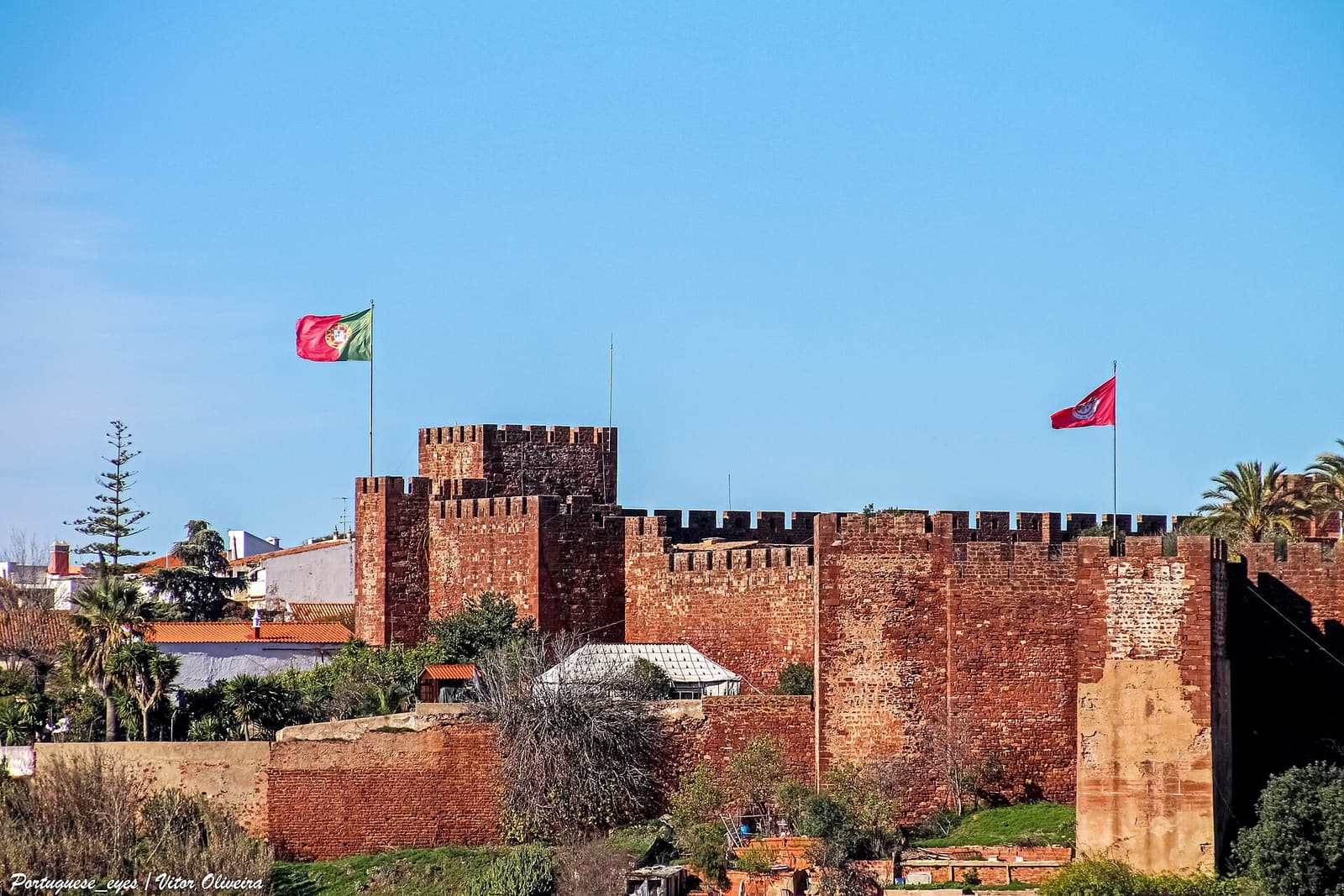
From this golden age remains the most imposing testimony of Islamic heritage in Portugal: the red sandstone castle of Silves, the largest Muslim fortress in the Algarve, with its nearly intact walled perimeter and a remarkable Almohad cistern carved into the rock. Archaeological excavations within the enclosure continue to reveal the urban layout and daily habits of Xelb, in a research program that makes the city one of the richest sites of Islamic archaeology in the country.
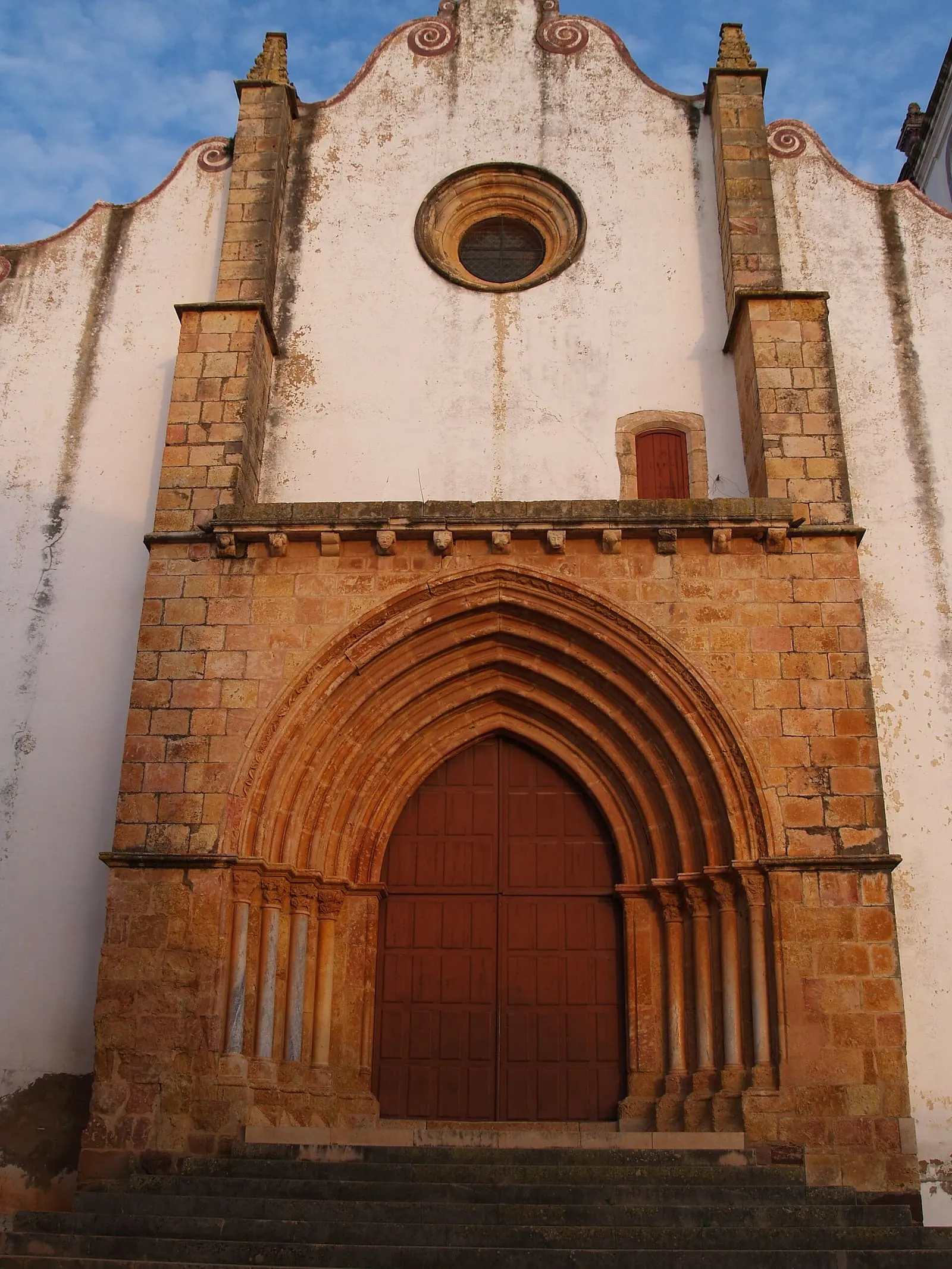
Few places in Portugal encapsulate the meeting of two civilizations so physically: the same hill that supported the Muslim alcazaba saw the Christian cathedral rise over the former main mosque.
From Christian Conquest to the Medieval Cathedral
The integration of Silves into the Kingdom of Portugal was slow and contested. In 1189, D. Sancho I took the city with the support of crusader fleets from northern Europe, but the Almohads reconquered it two years later. Only in 1242, with Paio Peres Correia, did the city fall definitively into Christian hands; in 1266, D. Afonso III granted it a charter. As the former capital, Silves retained the seat of the Algarve’s bishopric, and on the site of the old mosque, the Silves Cathedral was built, the most notable Gothic building in the region, a pantheon of bishops and a testament to the new religious order.
This layering of cultures — Phoenician, Roman, Islamic, and Christian — makes Silves an exemplary case of Moorish and Islamic heritage in the peninsula. At the city’s entrance stands the Cruz de Portugal, a white limestone calvary from the late 15th century, classified as a National Monument and, according to tradition, linked to the transfer of the remains of D. João II, who died in Alvor in 1495 and was temporarily buried in Silves Cathedral.
A City-Archive
With the silting of the Arade and the transfer of royal power to Lagos and later to Faro, Silves lost prominence from the 16th century onward. This decline, paradoxically, preserved its historic fabric: the walls, narrow streets, and buried remains were not erased by major reconstructions. Today, the red city of the Arade reads like an open-air archive, where each layer — from Almohad rammed earth to Gothic masonry — narrates a chapter in the long history of southern Portugal.
Questions fréquentes
- Why was Silves the capital of the Algarve?
- Under Muslim rule, Silves — then called Xelb — was the main urban, cultural, and commercial center of Garb al-Andalus, even becoming the capital of an independent taifa in the 11th century.
- When was Silves conquered from the Moors?
- The city was taken by D. Sancho I in 1189, with the help of crusaders, but was soon retaken by the Almohads. The definitive conquest occurred in 1242 by Paio Peres Correia, during the reign of D. Afonso III.
- What material is the Silves Castle made of?
- The castle was built from Silves sandstone, the region’s characteristic red sandstone, combined with rammed earth (taipa), a construction technique typical of Islamic military architecture.
Sources
Poursuivez la découverte
Patrimoine à proximité
D’autres lieux à découvrir aux alentours. Distances approximatives à vol d’oiseau, dans un rayon de 50 km.