Resources
Conservation and restoration in Portugal
History, doctrine and institutions of conservation and restoration in Portugal: from the DGEMN to the José de Figueiredo Laboratory and today's DGPC, the…
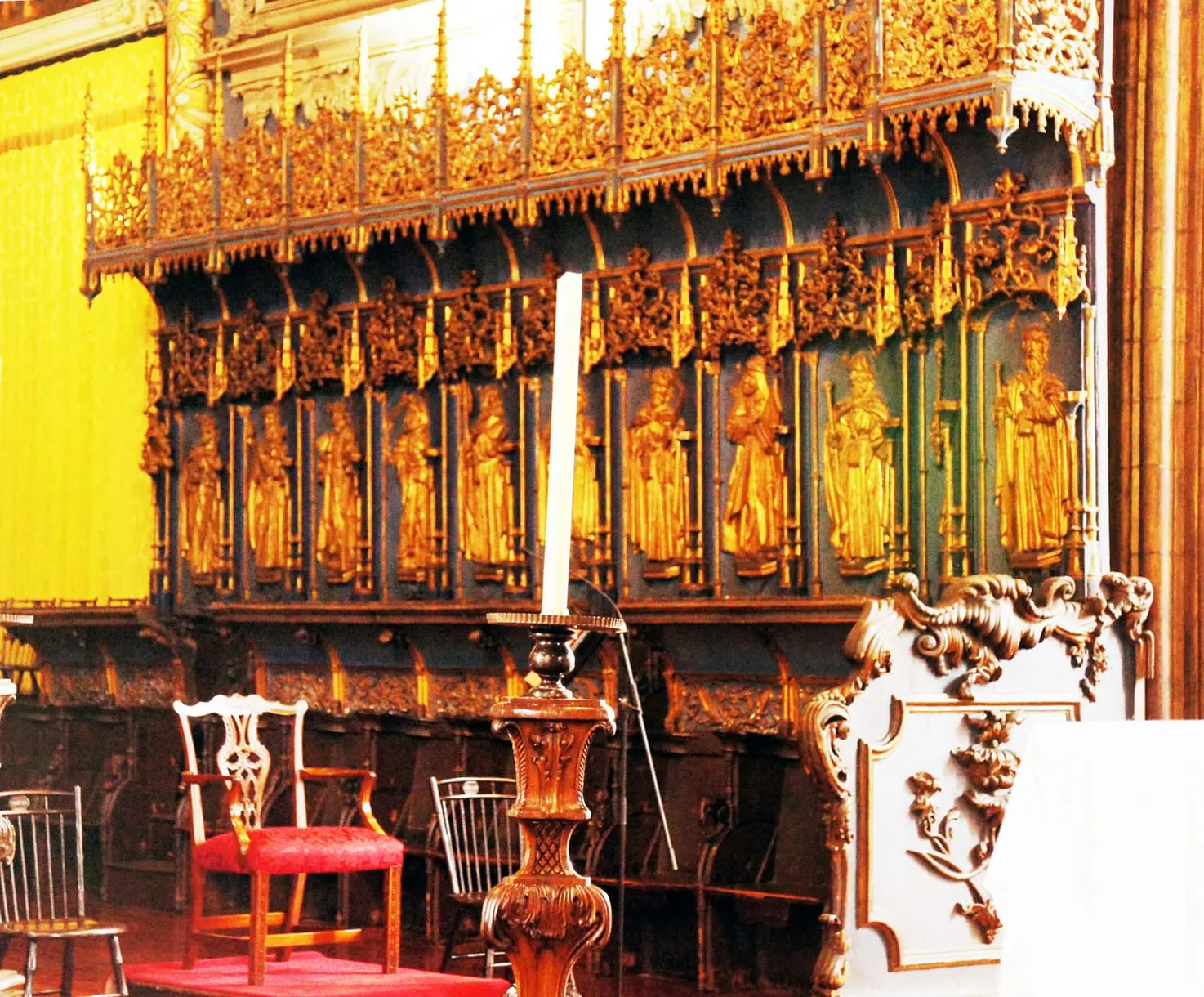
Conserving and restoring are two distinct and, in part, opposing acts. To conserve is to stabilise an object and halt its deterioration with the least possible intervention; to restore is to go further and reintegrate what is missing, to recompose what is legible, to restore unity to an object mutilated by time. The whole history of the discipline in Portugal can be read as a tension between these two gestures — and as the shift from a restoration of stylistic faith to a conservation of scientific method.
From stylistic restoration to modern doctrine
When the Portuguese state organised itself to intervene in its built heritage, it did so in the spirit of the nineteenth century. The creation, in 1929, of the Directorate-General for National Buildings and Monuments (DGEMN) institutionalised a restoration of stylistic cast, heir to Viollet-le-Duc: the monument was to be “freed” of later additions and led back to an idealised primitive state, preferably medieval. Castles, cathedrals and Romanesque churches were rebuilt according to this grammar, also serving a nationalist narrative of the Estado Novo. Many of those interventions are today read themselves as historical documents — testimony to an era and to a way of thinking about the past.
The doctrinal turn came with the internationalisation of the debate. The Venice Charter (1964) laid down principles that remain a reference: minimal intervention, reversibility, the clear distinction between the original and the added, respect for the contribution of all periods. These criteria are not technical details — they derive from a theory. Anyone who wishes to understand why heritage is conserved, and not merely how, should begin with the theory of heritagisation, which explains how any object whatsoever becomes an asset to be preserved.
The greatest risk of a restoration was never ruin: it was excessive confidence. To clean thoroughly, to complete, to “improve” — it is there, and not in neglect, that most of the original has been lost.
The laboratory school
Alongside the restoration of buildings, a remarkable tradition of conservation of movable property took shape in Portugal. It was born at the Museu Nacional de Arte Antiga, through the impetus of José de Figueiredo and João Couto, with the creation of a laboratory for the examination of works of art in the early twentieth century. From it emerged, in 1965, the José de Figueiredo Institute, for decades an international reference in the conservation of painting and tapestry. To this lineage we devote a dedicated page on the José de Figueiredo Laboratory, today a service of the central heritage administration.
The essence of this school was a method: to examine before intervening. Radiography, infrared reflectography, the analysis of pigments and paint layers transformed the restorer-craftsman into a conservator-restorer, a technician who starts from diagnosis and not from intuition. On the training and status of this activity, see the page dedicated to the conservator-restorer profession.
A chain of institutions
The institutional dimension of Portuguese conservation is a succession of bodies. The José de Figueiredo Institute was abolished in 2000 and replaced by the Portuguese Institute for Conservation and Restoration (IPCR); in 2007, its powers passed to the Institute of Museums and Conservation (IMC); and, in 2012, its merger with IGESPAR gave rise to today’s Directorate-General for Cultural Heritage. Each reorganisation redrew the boundaries between movable, integrated and built heritage, without ever erasing the continuity of laboratory practice.
This history is not merely administrative. It defines who decides, by what criteria and with what resources, on each object that reaches a restoration workshop — and it helps us understand heritage at risk, that which, for lack of means or of priority, awaits intervention. To look critically at a restoration is, ultimately, to recognise that behind each technical decision lies a choice about which past is to be conserved, and for whom.
Frequently asked questions
- What is the difference between conserving and restoring?
- Conservation seeks to stabilise an object and halt its deterioration, with minimal intervention. Restoration goes further and reintegrates or reconstitutes missing parts, always in a distinguishable and, ideally, reversible way.
- Which institution was responsible for restoring monuments under the Estado Novo?
- The Directorate-General for National Buildings and Monuments (DGEMN), created in 1929, led the great campaigns to restore monuments until the end of the twentieth century.
- Is there a Portuguese school of painting conservation?
- Yes. The tradition that began at the Museu Nacional de Arte Antiga and at the José de Figueiredo Laboratory (later Institute) produced an internationally recognised school of painting and tapestry conservation.
Sources
Resources for research
Find the sources. Follow the story.
Guides to researching buildings, exploring museum collections and understanding heritage protection.
SIPA
Get to know the architectural inventory, building records and documentary archive.
Read the guideMuseum collectionsMatrizNet
Explore the museum catalogue and records of works, materials, authorship and provenance.
Read the guideHeritage protectionHeritage classification
Understand cultural property categories and the levels of national, public and municipal interest.
Read the guide