Resources
Property of Municipal Interest
Understand municipal-interest heritage classification: local cultural significance, municipal decisions, required opinions and protection-zone rules.
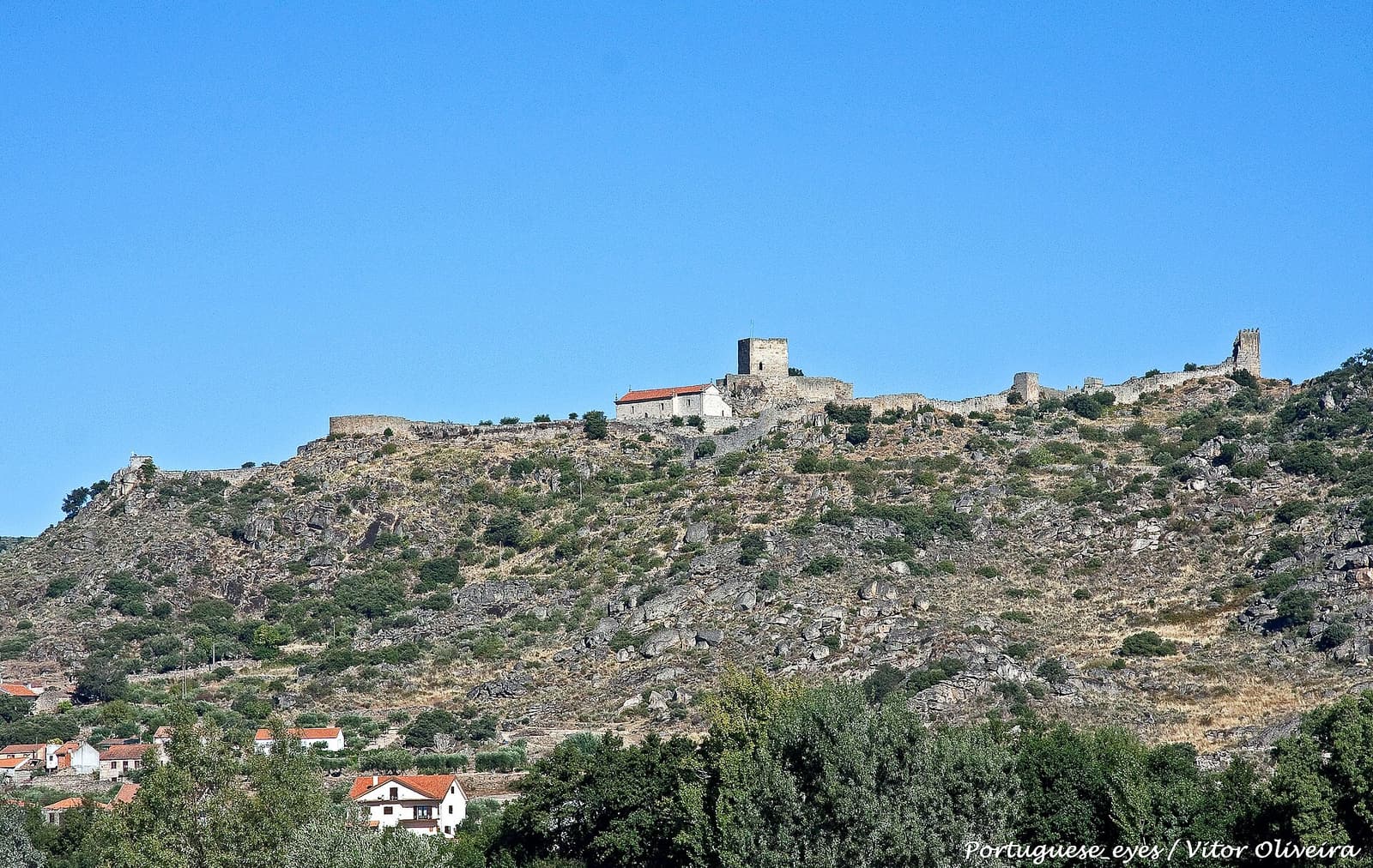
Municipal interest recognises cultural assets whose protection and enhancement are significant predominantly for a particular municipality. Article 15 of Law No. 107/2001 provides this definition. Property of Municipal Interest (IIM) is a designation found in records; the classification level does not identify the owner.
Local value and category
A building associated with community memory, an urban ensemble or a site may receive this recognition. Classification requires a reasoned assessment of cultural interest. An entry in a municipal catalogue or local appreciation alone is not a classification decision.
Monument, ensemble and site are categories distinct from classification levels. The classification system explains the combination and its relationship with national interest and public interest.
The municipal decision
Article 57 of Decree-Law No. 309/2009 assigns classification to the municipal executive. The procedure follows the general investigation, hearing and decision stages with adaptations. On the mainland, current Património Cultural, I.P. guidance provides for an opinion from the relevant CCDR followed by an opinion from the institute. The autonomous regions involve their own regional services.
A local decision still requires technical justification, communication and publication. Consult the municipal decision, published notice and map of the protected asset with the municipality and official records. Older documents may name services subsequently reorganised.
No automatic 50-metre surrounding zone
Properties classified or under classification as of municipal interest have no general protection zone. Article 58 allows a special protection zone, or a provisional special zone, when territorial planning instruments do not adequately safeguard the setting and the competent municipal body adopts the necessary decision.
Special protection must be read alongside the act and map, including any conditions. The absence of an automatic general zone does not remove protection of the classified asset itself.
Researching a record
Find the name, municipality, level, category, date and boundaries. Distinguish the municipal inventory from the classification procedure and check later changes. For an intervention, use the relevant file and competent services; a generic designation cannot replace the legal acts.
Frequently asked questions
- Who classifies a property of municipal interest?
- The municipal executive decides classification. Current Património Cultural, I.P. guidance provides for opinions from the relevant CCDR and the institute, or regional services in the autonomous regions.
- Does a municipal property always have a 50-metre zone?
- No. Properties classified, or under classification, as of municipal interest have no automatic general protection zone. They may have special or provisional protection under Article 58 of Decree-Law No. 309/2009.
- Does municipal interest mean municipal ownership?
- No. The level recognises cultural significance predominantly for the municipality. Ownership is separate, and the property may be privately owned.
Sources
- Lei n.º 107/2001 — texto atualizado (PGR Lisboa)
- Decreto-Lei n.º 309/2009 — texto atualizado (PGR Lisboa)
- Património Cultural, I.P. — Propor a classificação de um bem imóvel
- Decreto-Lei n.º 78/2023 — Património Cultural, I.P. (Diário da República)
- Decreto-Lei n.º 10/2024 — alterações, artigo 8.º (Diário da República)
- Património Cultural, I.P. — Pesquisa de Património Imóvel
- Património Cultural, I.P. — Diplomas de classificação e desclassificação
Resources for research
Find the sources. Follow the story.
Guides to researching buildings, exploring museum collections and understanding heritage protection.
SIPA
Get to know the architectural inventory, building records and documentary archive.
Read the guideMuseum collectionsMatrizNet
Explore the museum catalogue and records of works, materials, authorship and provenance.
Read the guideHeritage protectionHeritage classification
Understand cultural property categories and the levels of national, public and municipal interest.
Read the guide