Resources
National Monument
What National Monument means in Portugal: national-interest classification, asset categories, government decrees and official protection boundaries.
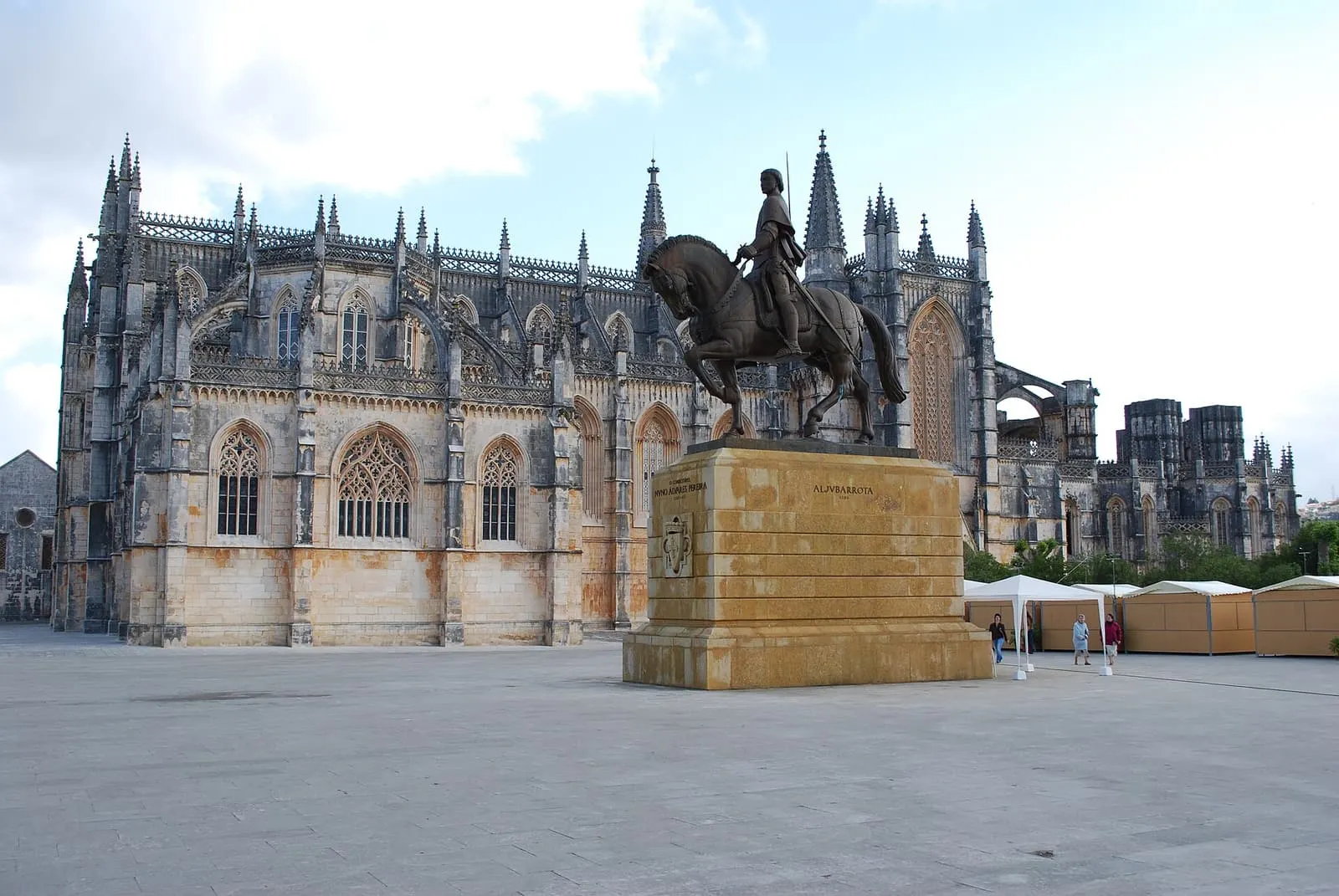
National Monument (MN) is the designation for immovable assets classified as of national interest. Article 15 of Law No. 107/2001 links that level to cultural significance for the nation. It can apply to an individual monument, an ensemble or a site; it is not an architectural type.
A designation predating the Republic
Classification has precedents earlier than October 1910. The official record for Coimbra’s Old Cathedral lists a decree of 10 January 1907 and another classification under the decree of 16 June 1910, published on 23 June. That major list preceded the proclamation of the Republic on 5 October 1910.
Historical acts remain essential evidence of what was protected. They may use names different from today’s or protect only parts of a building. Later decisions can extend or redefine classification.
Current decision and administration
National-interest classification is decided by the Government, on a proposal from the member responsible for culture, through a decree. On the mainland, Património Cultural, I.P. proposes classification and coordinates technical work with the CCDR and municipalities. The DGPC belongs to the institutional history preceding the 2024 reorganisation.
Public interest and municipal interest are separate levels with their own criteria and competences. Classification does not itself transfer ownership: a National Monument may remain privately owned.
Reading protection on the ground
Consult the decree, the property map and the protection zone. Under the applicable regime, the general zone extends 50 metres from the asset’s external boundaries, not from a central map point. A special zone has its own boundaries and conditions. A neighbouring property does not automatically acquire individual MN classification.
Work on the protected asset and interventions in its surroundings have different frameworks; consult the competent services and current acts. A historical record or photograph does not replace the official map. Follow the classification procedure and the official search to understand the decision.
Frequently asked questions
- Is National Monument a category or classification level?
- It is the designation given to immovable assets classified as of national interest. These may belong to the monument, ensemble or site categories.
- Who decides national classification?
- The Government decides by decree, on a proposal from the member responsible for culture. On the mainland, Património Cultural, I.P. proposes classification with the competent services.
- Did the designation begin with the Republic?
- No. Coimbra’s Old Cathedral was already classified in 1907. The important decree of 16 June 1910, published on 23 June, preceded the proclamation of the Republic on 5 October 1910.
Sources
- Lei n.º 107/2001 — texto atualizado (PGR Lisboa)
- Decreto-Lei n.º 309/2009 — texto atualizado (PGR Lisboa)
- Património Cultural, I.P. — Propor a classificação de um bem imóvel
- Decreto-Lei n.º 78/2023 — Património Cultural, I.P. (Diário da República)
- Decreto-Lei n.º 10/2024 — alterações, artigo 8.º (Diário da República)
- Património Cultural, I.P. — Pesquisa de Património Imóvel
- Património Cultural, I.P. — Diplomas de classificação e desclassificação
- Património Cultural, I.P. — Igreja da Sé Velha (70529)
- Assembleia da República — 1.ª República
Resources for research
Find the sources. Follow the story.
Guides to researching buildings, exploring museum collections and understanding heritage protection.
SIPA
Get to know the architectural inventory, building records and documentary archive.
Read the guideMuseum collectionsMatrizNet
Explore the museum catalogue and records of works, materials, authorship and provenance.
Read the guideHeritage protectionHeritage classification
Understand cultural property categories and the levels of national, public and municipal interest.
Read the guide