Intangible Heritage
Traditional Portuguese Bread
Traditional Portuguese bread: the know-how behind cornbread broas, rye bread from the mountains, and communal ovens that define rural baking traditions across…
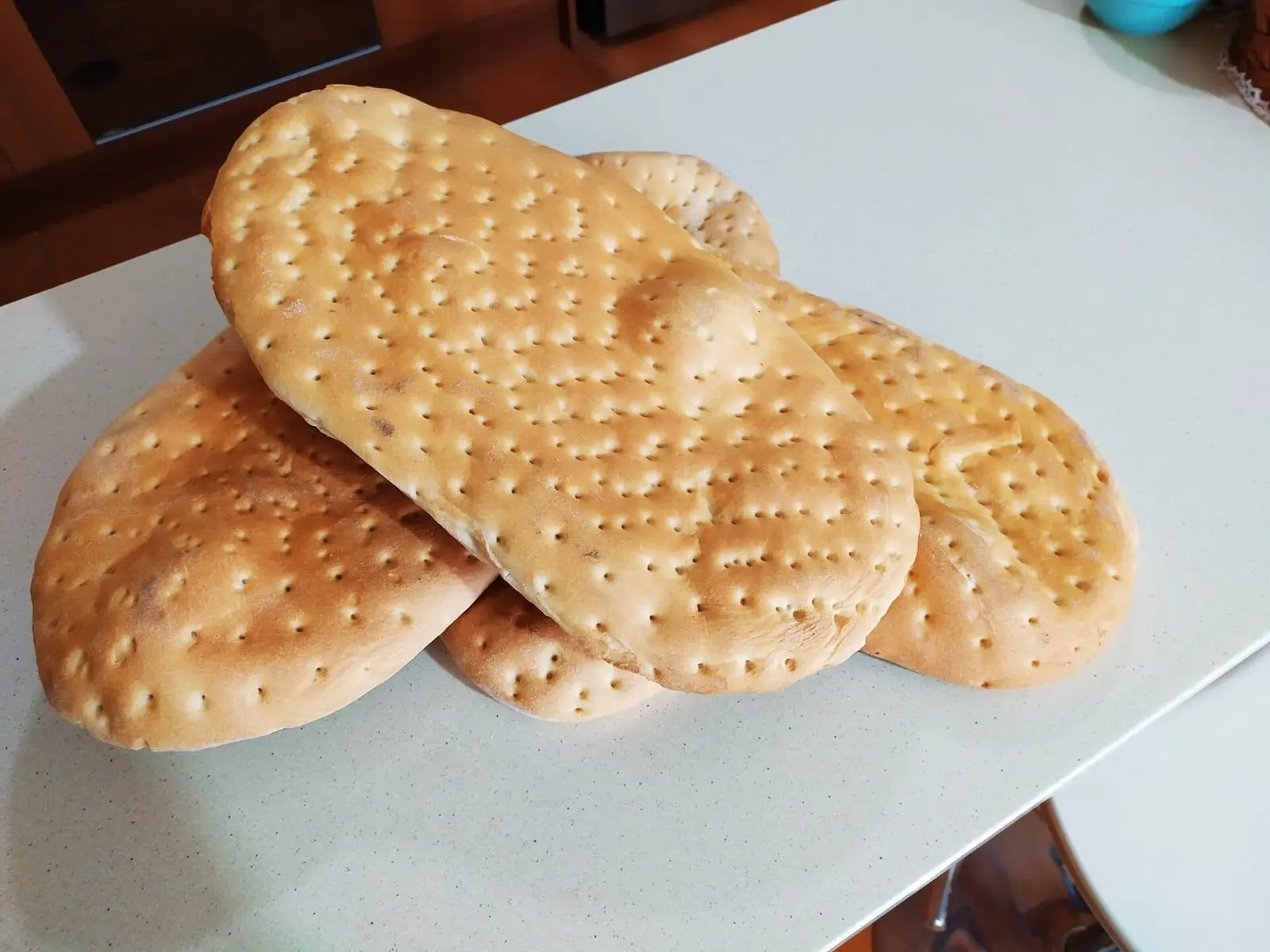
Traditional Portuguese bread is one of the oldest and most deeply rooted expressions of the country’s food culture. It results from baking know-how passed down through generations — from selecting and milling grains to kneading, fermenting, and baking in wood-fired ovens. More than a staple food, bread shaped rural economies, work calendars, and village sociability, forming part of Portugal’s intangible cultural heritage. Its vast regional diversity reflects the grains each territory could produce: wheat in the South and coastal areas, rye in cold mountains, and corn in the North and Center from the 16th century onward.
Cornbread Broa and Rye Bread
The broa is the most characteristic bread of Northern and Central Portugal. Made primarily with corn flour, often combined with rye, it stands out for its thick, crackly crust and dense, moist crumb. Before the arrival of American corn in the 16th century, broa was a rustic bread of rye or millet; the new grain transformed it profoundly, giving rise to the broas we know today. The most famous example is Broa de Avintes, from the parish of Avintes in Vila Nova de Gaia — a dark, dense, nearly crustless bread with an intense sweet-sour flavor, slowly baked for hours in a wood-fired oven.
Rye bread, in turn, is the bread of high, cold lands. In Trás-os-Montes, Beira Alta, and parts of Serra da Estrela and Serra do Açor, rye grows where wheat fails, and the dark bread it yields — heavy, slow-fermented, with a hard crust — keeps for many days. It’s the natural accompaniment to cured meats, olive oil, and hearty soups of mountain cuisine.
From Broa de Avintes to the rye bread of the mountains, each traditional bread tells the story of the grain a territory could cultivate — and the ingenuity with which communities turned it into sustenance.
From Mill to Communal Oven
The bread cycle began at the mill. Grain was taken to watermills, where controlling the millstone’s rotation, water flow, and grain drop ensured the flour didn’t overheat and produced a fine grind, followed by sifting with different mesh sieves for each flour type. This work intimately linked breadmaking to the watermills and azenhas scattered along the country’s rivers and streams.
Baking often took place in communal ovens — wood-fired ovens shared by a village or multiple families, managed in shifts and governed by collective rules. Lighting the oven, waiting for the right heat, loading the bread, and monitoring the bake were communal acts that rhythmed village life. Hand kneading, slow fermentation, and natural leaven (the “ferméntea” or starter saved from one batch to the next) completed a craft learned at home, primarily by women.
A Living Heritage
Today, many of these traditions are registered among Portugal’s traditional products, with some seeking protection through geographical indications. Traditional bread converses with other rural table expressions — traditional Portuguese cheeses and the values of the Mediterranean Diet, recognized by UNESCO. Despite industrialized baking, cornbread broas, rye bread, and communal ovens endure as identity markers, preserved by bakers, brotherhoods, and local festivals that celebrate, year after year, the “staff of life” of Portuguese communities.
Frequently asked questions
- What's the difference between broa and wheat bread?
- Broa is made primarily with corn flour, often mixed with rye, whereas white bread uses wheat flour. Broa has a thick, crackly crust, dense and moist crumb, and doesn't use commercial yeast, relying instead on slower fermentation. It's typical of Northern and Central Portugal, while wheat dominates in the South and coastal areas.
- Why is rye bread typical of mountain regions?
- Rye thrives in poor, cold, high-altitude soils where wheat struggles. Thus, in areas like Trás-os-Montes, Beira Alta, and Serra do Açor, rye bread became the daily staple, baked in communal ovens and capable of lasting many days.
- What was a communal oven?
- It was a wood-fired oven shared by a village or multiple households, where bread was baked in turns. Its management, scheduling of baking days, and sharing of heat and firewood were part of a collective organization that structured rural community life.