Resources
Portuguese Museum Network
The Portuguese Museum Network is the national system for museum accreditation and cooperation, established by the Framework Law for Museums.
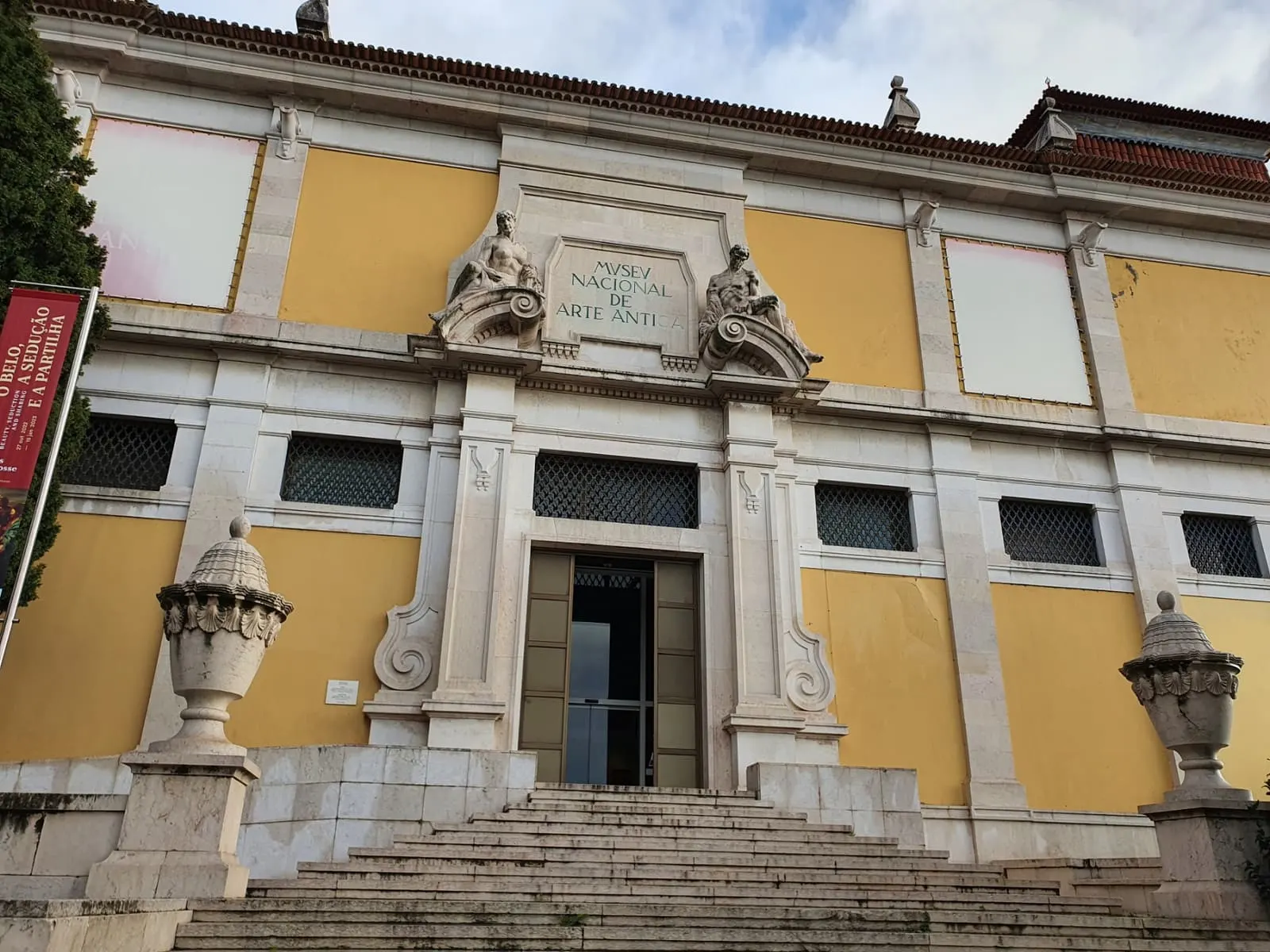
- Built
- 2000
The Portuguese Museum Network (RPM) is the central instrument of national museum policy: an organised system of museums, based on voluntary membership and progressive structuring, designed for decentralisation, mediation, qualification and cooperation between institutions. More than just a register, the Network establishes a common standard of technical requirements that distinguishes what, in Portugal, can claim to be a museum in the full sense of the term.
Origin and legal framework
The RPM was conceived in 2000 as a project structure under the Portuguese Institute of Museums, following a survey of the country’s museums that revealed a large but deeply heterogeneous landscape, with highly uneven practices and resources. The response to this fragmentation was to equip the sector with shared criteria and cooperation mechanisms.
The regulatory framework was consolidated in 2004 with the publication of the Framework Law for Portuguese Museums (Law No. 47/2004, of 19 August). This legislation had four structuring consequences for the sector: it legally defined the notion of a museum, established museological functions, institutionalised the Network itself and created the accreditation system. The process would later be regulated in detail by Ordinance No. 3/2006, which approved the accreditation application form.
The Framework Law did not merely organise a network of existing institutions: by defining what a museum is and what it should do, it established the criterion by which museological quality in Portugal would henceforth be measured.
Accreditation as an instrument
The operational core of the Network is accreditation — the evaluation and official recognition of a museum’s technical quality, aimed at promoting access to culture and enriching heritage. Accreditation verifies whether the institution fulfils essential museological functions: study and research, acquisition, inventory and documentation, conservation, security, interpretation and exhibition, and education. It is not an honorary title, but a certification that a museum meets the conditions to serve the public with rigour.
Over time, integration into the Network has taken various forms: by default (for museums under the central authority’s supervision), by protocol, by application for membership (until 2007) and, from then on, by application for accreditation. In 2001, at the outset, 64 museums joined — 28 by default and 36 by membership — a number that grew steadily over the following two decades, encompassing museums under national, municipal, private and religious governance.
Governance and institutional evolution
The structure responsible for the Network has followed the reorganisation of cultural heritage administration. Initially part of the Portuguese Institute of Museums, it was transferred to the Institute of Museums and Conservation in 2007, when this body brought together previously dispersed competences, and since 2012 has been part of the Directorate-General for Cultural Heritage. These changes in governance did not alter its nature: the Network remained a space for technical cooperation and qualification, distinct from the direct supervision exercised over the national museums of Portugal.
Today, the RPM brings together institutions of great geographical, thematic and governance diversity, serving as a reference for the professionalisation of the sector, the sharing of best practices and the design of public policies. Its existence has transformed the Portuguese museum landscape, replacing fragmentation with a system that has criteria, a common language and a shared ambition for quality.
Frequently asked questions
- What is the Portuguese Museum Network?
- It is an organised system of museums, based on voluntary membership, progressively structured and designed for decentralisation, mediation, qualification and cooperation between museums, currently managed by the Directorate-General for Cultural Heritage.
- When was the Portuguese Museum Network created?
- The Network was conceived in 2000 as a project structure under the Portuguese Institute of Museums, and was institutionalised by the Framework Law for Portuguese Museums in 2004.
- What does it mean for a museum to be accredited by the Network?
- Accreditation is the official recognition of a museum's technical quality, reflecting an assessment of compliance with the museological functions defined by law. It grants access to support programmes and formal integration into the Network.
Sources
Resources for research
Find the sources. Follow the story.
Guides to researching buildings, exploring museum collections and understanding heritage protection.
SIPA
Get to know the architectural inventory, building records and documentary archive.
Read the guideMuseum collectionsMatrizNet
Explore the museum catalogue and records of works, materials, authorship and provenance.
Read the guideHeritage protectionHeritage classification
Understand cultural property categories and the levels of national, public and municipal interest.
Read the guide