Resources
IPM — Portuguese Institute of Museums
The Portuguese Institute of Museums (IPM, 1991–2007) shaped national museum policy and created the Portuguese Museums Network, based in Lisbon.
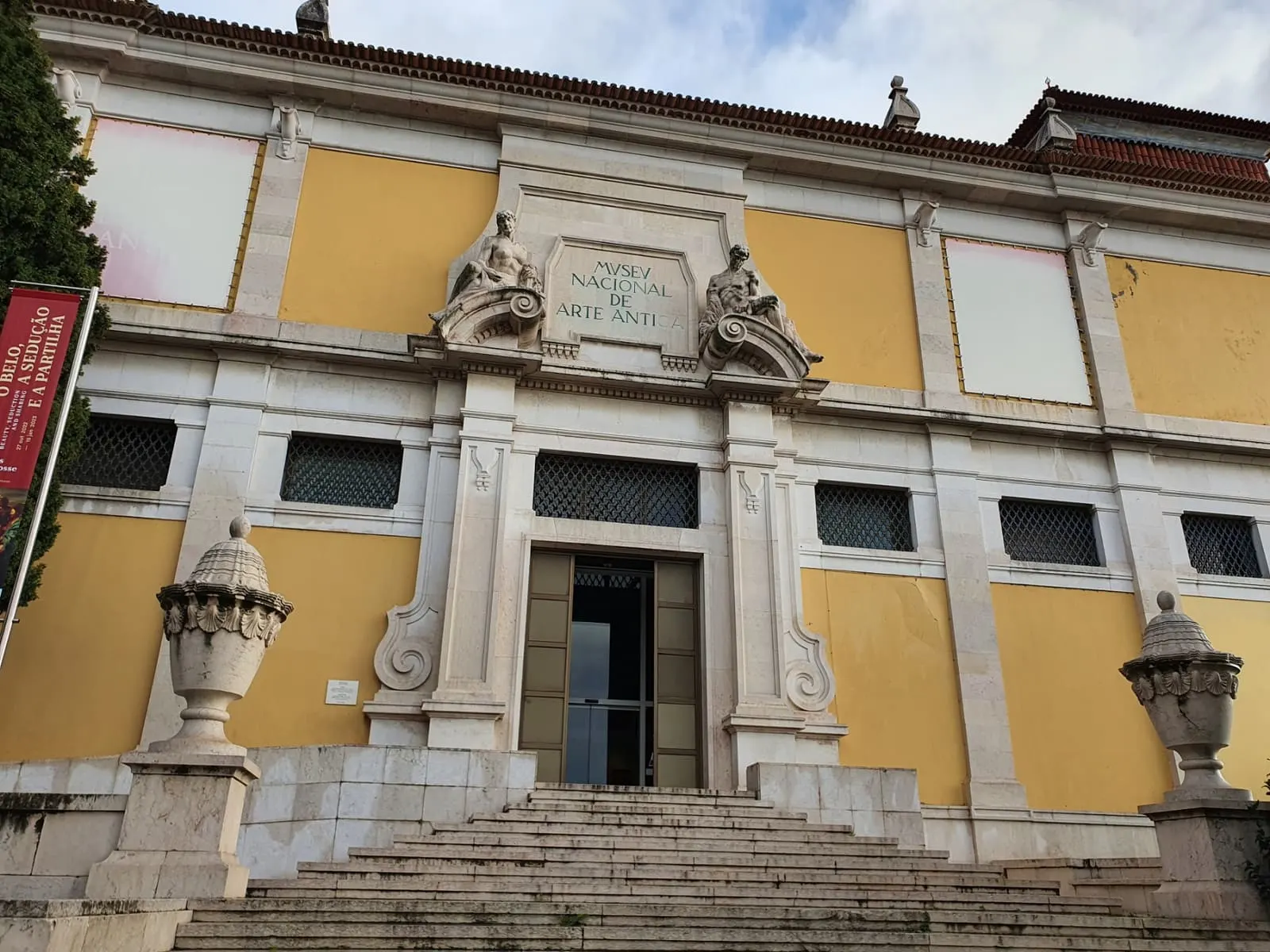
- Location
- Lisboa, Lisboa
- Built
- 1991–2007
The Portuguese Institute of Museums (IPM) was the central administration body that, between 1991 and 2007, directed the Portuguese State’s museum policy. A public-law legal entity endowed with administrative autonomy and its own assets, and overseen by the member of the Government responsible for cultural affairs, it was tasked with formulating and implementing the strategy for safeguarding and enhancing movable cultural heritage, coordinating the national museums and providing technical support to other museum institutions. Its headquarters were located in Lisbon.
Creation and remit
The IPM was established by Decree-Law no. 278/91 of 9 August, as part of the reorganisation of the services of the former Portuguese Institute of Cultural Heritage, from which it inherited the department dedicated to museums and movable heritage. A specialised body was thus born, independent of the oversight of built heritage, with the mission of structuring a national system of museums.
Its responsibilities included the direct management of a vast set of national museums — among them the Museu Nacional de Arte Antiga, the Museu Nacional dos Coches, the Museu Nacional do Azulejo and the Museu Nacional Soares dos Reis —, the definition of technical standards for the inventorying and conservation of collections, the programming of exhibitions and Portuguese representation in international museum forums. The institute also took on the editorial and training coordination of the sector, promoting the professionalisation of museology in Portugal.
The Portuguese Museums Network
The IPM’s most influential legacy was the creation, in 2000, of the Portuguese Museums Network. Initially conceived as a project structure dependent on the institute, the RPM resulted from preparatory work that included a survey of Portuguese museums, the first systematic assessment of the national museum landscape. The network introduced an accreditation model based on quality criteria — vocation, an inventoried collection, study, conservation, exhibition and educational services —, setting standards that would later be enshrined in the Framework Law on Portuguese Museums of 2004.
Through the RPM, the IPM came to coordinate museums under state, municipal, private and foundation oversight within a common framework of technical cooperation, training and financial support, contributing decisively to raising the standard of the country’s museums.
Dissolution and succession
Under the Programme for the Restructuring of the Central State Administration (PRACE), the IPM was dissolved in 2007. Its remit, together with that of the Portuguese Institute of Conservation and Restoration and the mission structure of the Portuguese Museums Network, passed to the newly created Institute of Museums and Conservation (IMC), which centralised museum oversight and the conservation of movable heritage within a single body.
The trajectory of the IPM is part of the succession of reorganisations that marked the history of heritage institutions in Portugal. Although dissolved, it left an institutional and regulatory framework — above all the Portuguese Museums Network — that continues to structure the national museum system, today under the aegis of its successor bodies.
Frequently asked questions
- What was the Portuguese Institute of Museums?
- It was the public body that, between 1991 and 2007, formulated and implemented the Portuguese State's museum policy, coordinating the national museums and providing technical support to other museums across the country.
- When was the IPM created?
- It was created by Decree-Law no. 278/91 of 9 August, following the reorganisation of the movable heritage services of the former Portuguese Institute of Cultural Heritage.
- What was the IPM's most lasting contribution?
- The creation of the Portuguese Museums Network in 2000, an instrument for the qualification and accreditation of Portuguese museums that still structures the national museum system today.
- Which institution succeeded the IPM?
- In 2007 the IPM was dissolved and integrated into the Institute of Museums and Conservation (IMC), which also brought together the Portuguese Institute of Conservation and Restoration and the structure of the Portuguese Museums Network.
Sources
Resources for research
Find the sources. Follow the story.
Guides to researching buildings, exploring museum collections and understanding heritage protection.
SIPA
Get to know the architectural inventory, building records and documentary archive.
Read the guideMuseum collectionsMatrizNet
Explore the museum catalogue and records of works, materials, authorship and provenance.
Read the guideHeritage protectionHeritage classification
Understand cultural property categories and the levels of national, public and municipal interest.
Read the guide