Intangible Heritage
Holy Week in Portugal
Holy Week in Portugal, from the Processions of the Steps and the Burial of the Lord to the Easter compassos, is one of the richest ritual cycles of intangible…
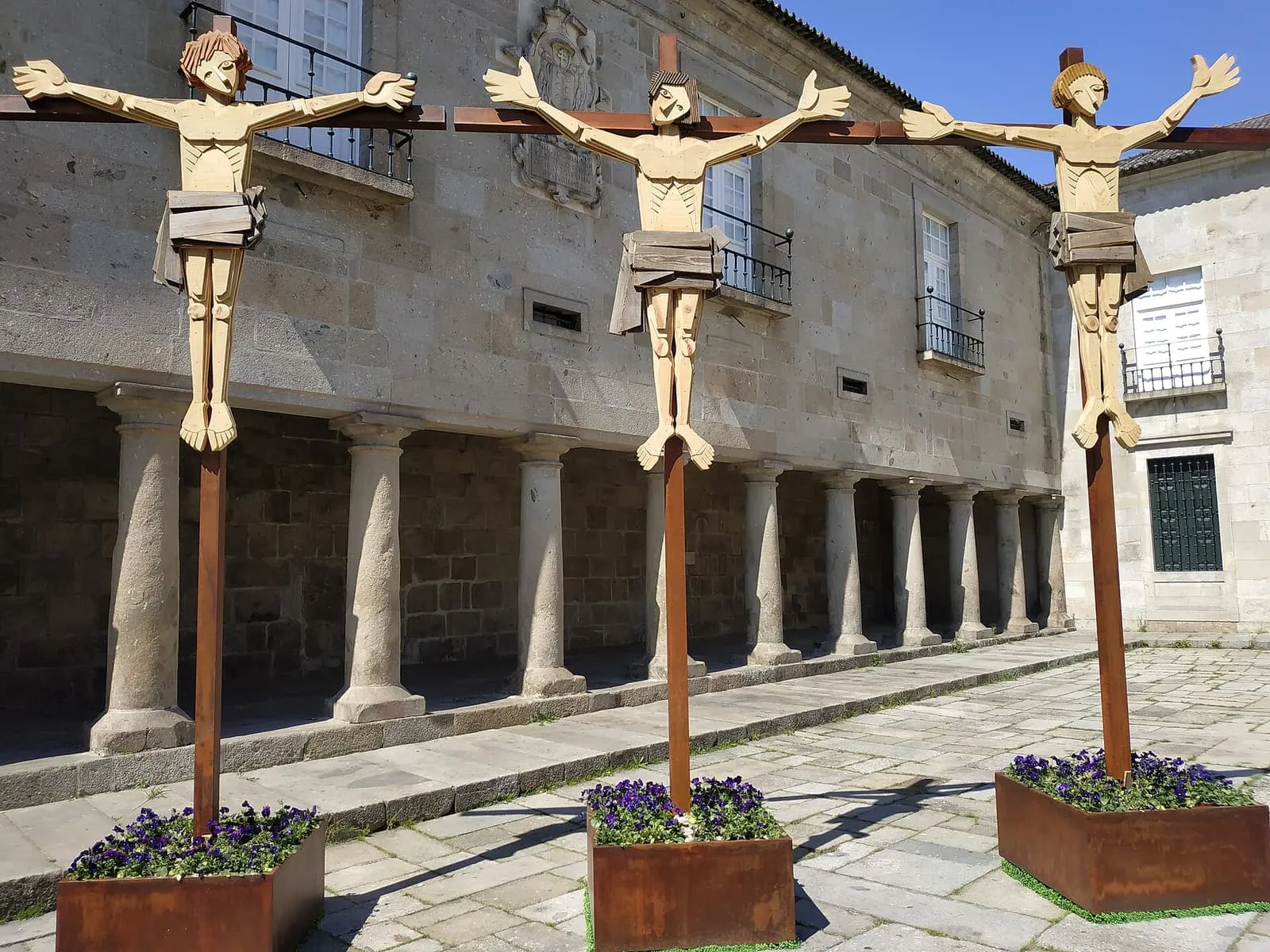
Holy Week is, in Portugal, the most intense and theatrical of the ritual cycles in the Christian calendar. Taking place in the week before Easter Sunday—from Palm Sunday to the vigil of the Resurrection—it extends the penitential time of Lent and culminates in the celebration of Christ’s death and resurrection. A movable feast, adjusted to the lunar calendar, it fluctuates between late March and April. Around it has crystallized a vast repertoire of processions, brotherhoods, chants, and domestic gestures that constitute one of the most vibrant chapters of Portuguese intangible cultural heritage, deeply intertwined with the built religious heritage.
From the Processions of the Steps to the Burial of the Lord
The heart of Holy Week lies in the processions, public enactments of the Passion that transform streets and churchyards into liturgical stages. The Procession of the Steps evokes the Stations of the Cross, with the image of the Lord of the Steps carried from church to church; the Ecce Homo procession shows Christ crowned with thorns; the Burial of the Lord, on Good Friday, accompanies the dead body in a solemn mourning cortege. These celebrations have documented roots in the 16th century: the Holy Week processions of Braga, the most famous in the country, preserve the Ecce Homo since 1513 and the Steps since 1597, with later additions like the Burial of the Lord in 1933.
Braga is further distinguished by the figure of the farricocos (or fogaréus), hooded penitents who, barefoot and clad in black tunics, traverse the city brandishing torches and fire bowls in a nighttime spectacle of great drama. But the tradition is not confined to Minho: Óvar is part of the European Network of Holy Week and Easter Celebrations, with five centuries of Lenten processions and its unique circle of Chapels of the Steps.
In Portuguese Holy Week, erudite liturgy and popular religiosity merge inseparably: what the Church codifies in the rite, the people extend into the street, the home, and the table.
The compasso and the Easter visitation
After the Passion, the joy of the Resurrection is expressed above all in the Easter compasso, a deeply rooted custom in the North of the country. On Easter Sunday, a group led by the parish priest departs from the parish church and, with a decorated cross, visits Christian homes to announce that Christ has risen and to bless each house. Families prepare with flowers, linens, and a bountiful table—the folar, almonds, sponge cake, and Easter lamb—welcoming the priest and kissing the cross in a gesture that seals the festive reunion of the community.
This domestic dimension is as essential as the processional one. Holy Week is not only about grand urban enactments but also about family devotions, the chants of brotherhoods, seasonal sweets, and the return of emigrants to their homeland. It is a time when the religious calendar completely reorders social life, especially in rural areas.
A heritage between faith and identity
More than folklore, Holy Week is a symbolic system that articulates belief, art, and collective memory. The processional images, floats, vestments, and even the architecture of the churches and chapels that host it make it a privileged observatory of Portuguese Baroque and Counter-Reformation culture, which has survived by adapting to each era. Several of these celebrations are classified as of tourist interest and are integrated into the circuits of shrines and pilgrimage sites that dot the country.
At the same time, Holy Week remains a profoundly local event: each place cultivates its particularities, its saints, and its routes, in a mosaic that resists uniformity. In this balance between common rite and singular expression lies its heritage value—that of a centuries-old tradition that, every year, takes to the streets once more.
Frequently asked questions
- When is Holy Week celebrated in Portugal?
- Holy Week is a movable feast that takes place in the week before Easter Sunday, from Palm Sunday to Resurrection Sunday. The date varies between late March and April, depending on the lunar calendar that determines Easter.
- Which is the most famous Holy Week in Portugal?
- The Holy Week of Braga is the most imposing and widely known in the country, with nighttime processions that attract over a hundred thousand visitors and are classified as of tourist interest. Óvar is another major center, with five centuries of Lenten processions.
- What is the compasso pascal?
- It is the Easter visitation, a deeply rooted custom especially in the North: on Easter Sunday, a group led by the parish priest visits the homes of the parish with a decorated cross, announcing the Resurrection and blessing the households.