UNESCO
UNESCO Intangible Cultural Heritage of Humanity in Portugal
Portuguese expressions inscribed on UNESCO's Intangible Cultural Heritage of Humanity lists, from Fado to Alentejo's Cante and falconry.
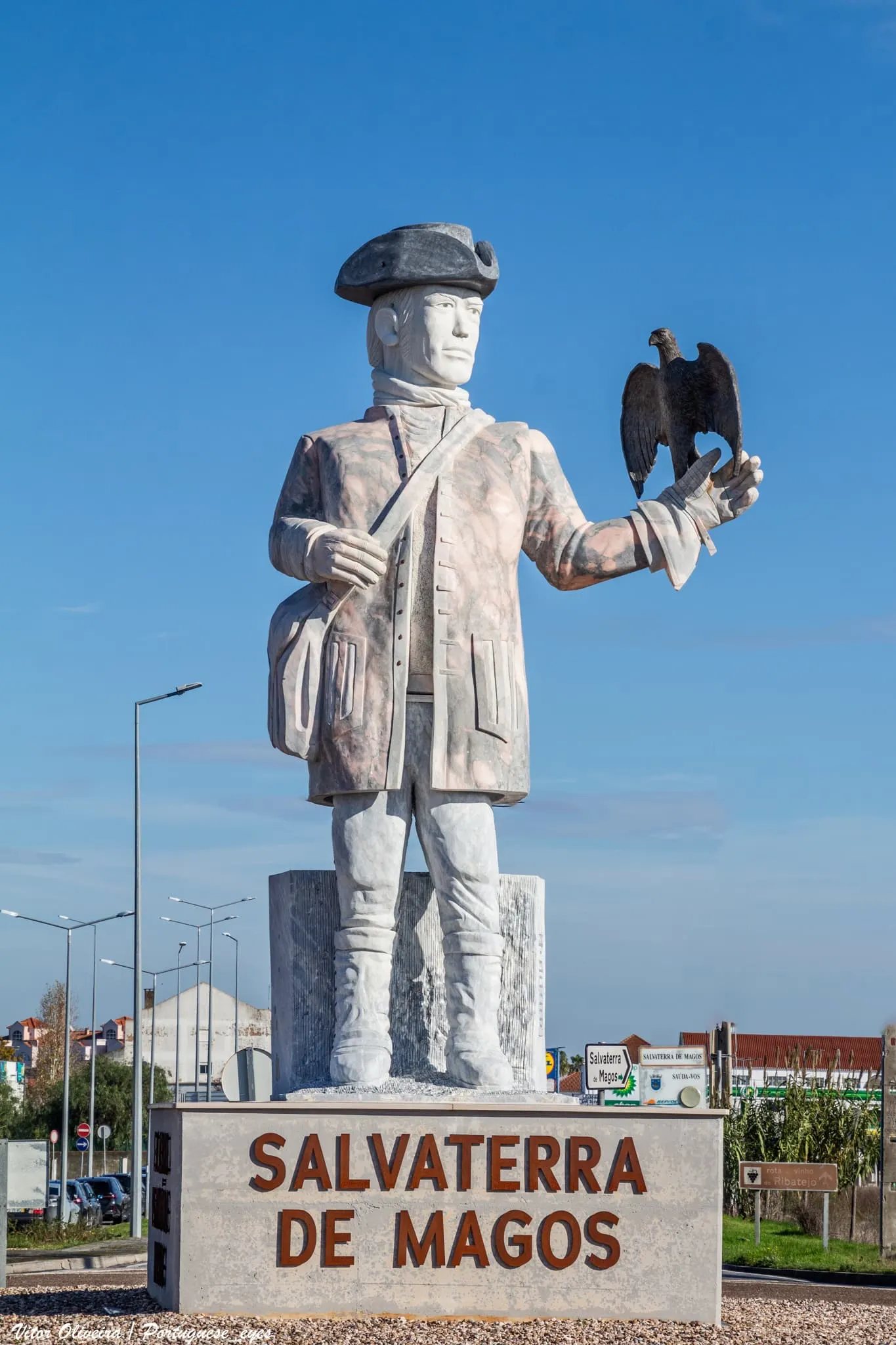
Intangible cultural heritage encompasses practices, representations, knowledge, and techniques that communities recognize as part of their identity and transmit from generation to generation—music, festive rituals, artisanal skills, and crafts. It differs from built heritage in that it resides not in monuments but in living people and gestures. Since ratifying the 2003 UNESCO Convention for the Safeguarding of the Intangible Cultural Heritage in 2008, Portugal has inscribed a growing number of expressions on the international lists, which now constitute one of the most recognizable mappings of Portuguese traditional culture.
UNESCO Lists
The 2003 Convention organizes international recognition into three instruments. The Representative List of the Intangible Cultural Heritage of Humanity highlights expressions whose visibility contributes to cultural diversity; the List of Intangible Cultural Heritage in Need of Urgent Safeguarding includes practices at risk of disappearing; and the Register of Good Safeguarding Practices recognizes exemplary preservation programs. Portugal is present in all three.
Eight elements are on the Representative List. Fado, Lisbon’s urban song, paved the way in 2011, followed by the Mediterranean Diet (2013), a transnational candidacy shared with several Mediterranean countries, and Cante Alentejano, the polyphonic singing from the south of the country, in 2014. Later additions included Estremoz clay figurines (2017), the Caretos of Podence Carnival (2019), Campo Maior’s Festas do Povo (2021), falconry—a multinational candidacy involving over twenty states—also in 2021, and equestrian art in Portugal, inscribed in 2024.
UNESCO recognition does not freeze a tradition: it commits the state and communities to keeping it alive, documented, and transmitted, lest the inscription lose its meaning.
Urgent Safeguarding and Good Practices
The Urgent Safeguarding List includes crafts threatened by a shortage of practitioners. Among them are the making of cowbells (2015), associated with Alentejo shepherding, the production process of black pottery from Bisalhães in Vila Real (2016), and the naval carpentry of the moliceiro boat in Aveiro’s lagoon, inscribed in 2025—Portugal’s most recent distinction. The Register of Good Practices includes, since 2022, a cross-border safeguarding model developed in the Portuguese-Galician border region.
In total, Portugal has twelve elements across the three lists, a portfolio encompassing music, gastronomy, annual cycle rituals, land and sea arts, and pastoral knowledge.
National Safeguarding
International recognition is linked to domestic instruments. Each candidacy is based on preliminary inventory work and a safeguarding plan, conducted in collaboration with the communities involved and framed by the national intangible cultural heritage regime in Portugal. This system, managed by the cultural heritage administration, maintains an inventory where many expressions are registered before—and independently of—any UNESCO recognition.
UNESCO inscriptions should also be read in dialogue with World Heritage built and natural sites: while the latter protects places and landscapes, intangible heritage protects the ways of life that give them meaning. Together, they paint a more complete picture of what Portugal considers cultural heritage—not just stone, but also voice, gesture, and celebration.
Häufige Fragen
- How many Portuguese expressions are on the Representative List of the Intangible Cultural Heritage of Humanity?
- Eight: Fado, the Mediterranean Diet, Cante Alentejano, Estremoz clay figurines, the Caretos of Podence, Campo Maior's Festas do Povo, falconry, and equestrian art in Portugal.
- What was the first Portuguese element recognized by UNESCO?
- Fado, inscribed on the Representative List in 2011, was the first Portuguese intangible cultural heritage expression distinguished by UNESCO.
- Which Portuguese elements are on the Urgent Safeguarding List?
- The making of cowbells (2015), the production process of black pottery from Bisalhães (2016), and the naval carpentry of the moliceiro boat in Aveiro (2025).