Ressourcen
Intangible Cultural Heritage of Portugal
Not all heritage fits in stone. In 2003, UNESCO adopted the Convention for the Safeguarding of the Intangible Cultural Heritage, expanding the notion of inheritance to include practices, expressions, knowledge, and techniques that communities recognize as their own—music, festivals, crafts, gastronomy, rituals. Portugal ratified this convention in 2008 and now has one of the most consistent presences in Southern Europe on its lists.
This page gathers and organizes this universe: UNESCO’s international inscriptions, the National Inventory that frames them, and the set of elements—from Lisbon’s Fado to the Alentejo Singing of the plains—that embody a heritage that only survives as long as it is practiced.
From the Convention to the National Inventory
International recognition rests on an internal foundation. Through Decree-Law No. 139/2009, Portugal established the National Inventory of Intangible Cultural Heritage, managed by the Directorate-General for Cultural Heritage through the MatrizPCI platform. This is where intangible manifestations are registered, documented, and monitored—a prerequisite, as a rule, for any UNESCO list nomination.
Internationally, the elements are distributed across three instruments: the Representative List, which celebrates the diversity of living heritage; the Urgent Safeguarding List, for practices at risk of disappearing; and the register of safeguarding best practices, which rewards exemplary models of transmission.
Intangible heritage requires a shift in perspective: the object to protect is not a thing, but a relationship—between those who transmit and those who learn.
The Elements Inscribed by UNESCO
The list is completed with falconry, recognized as a shared heritage by dozens of countries; the Aveiro moliceiro boat and naval carpentry, inscribed on the Urgent Safeguarding List; equestrian art in Portugal, the most recent addition to the Representative List; and Ponte nas Ondas!, a Luso-Galician model distinguished as a safeguarding best practice.
A Heritage Preserved Through Use
The greatest threat to intangible heritage is not ruin, but disuse. Unlike a cathedral or a castle, a living practice is not restored: it disappears when there is no one left to practice it. Therefore, safeguarding involves less freezing and more ensuring continuity—teaching, contexts for practice, transmission between generations.
This is also where the intangible interacts with the rest of Portuguese heritage. Many of these practices are anchored in specific places and buildings, completing the reading this site offers of intangible heritage as a theme and the set of Portuguese elements inscribed on the World Heritage. Understanding Portugal requires reading both heritages together: the one built in stone and the one that lives in gestures.
76 Beiträge entdecken
Keine Treffer in dieser Sammlung. Versuchen Sie ein anderes Wort oder löschen Sie die Suche.
In diesem Bereich — 76
Imaterial
76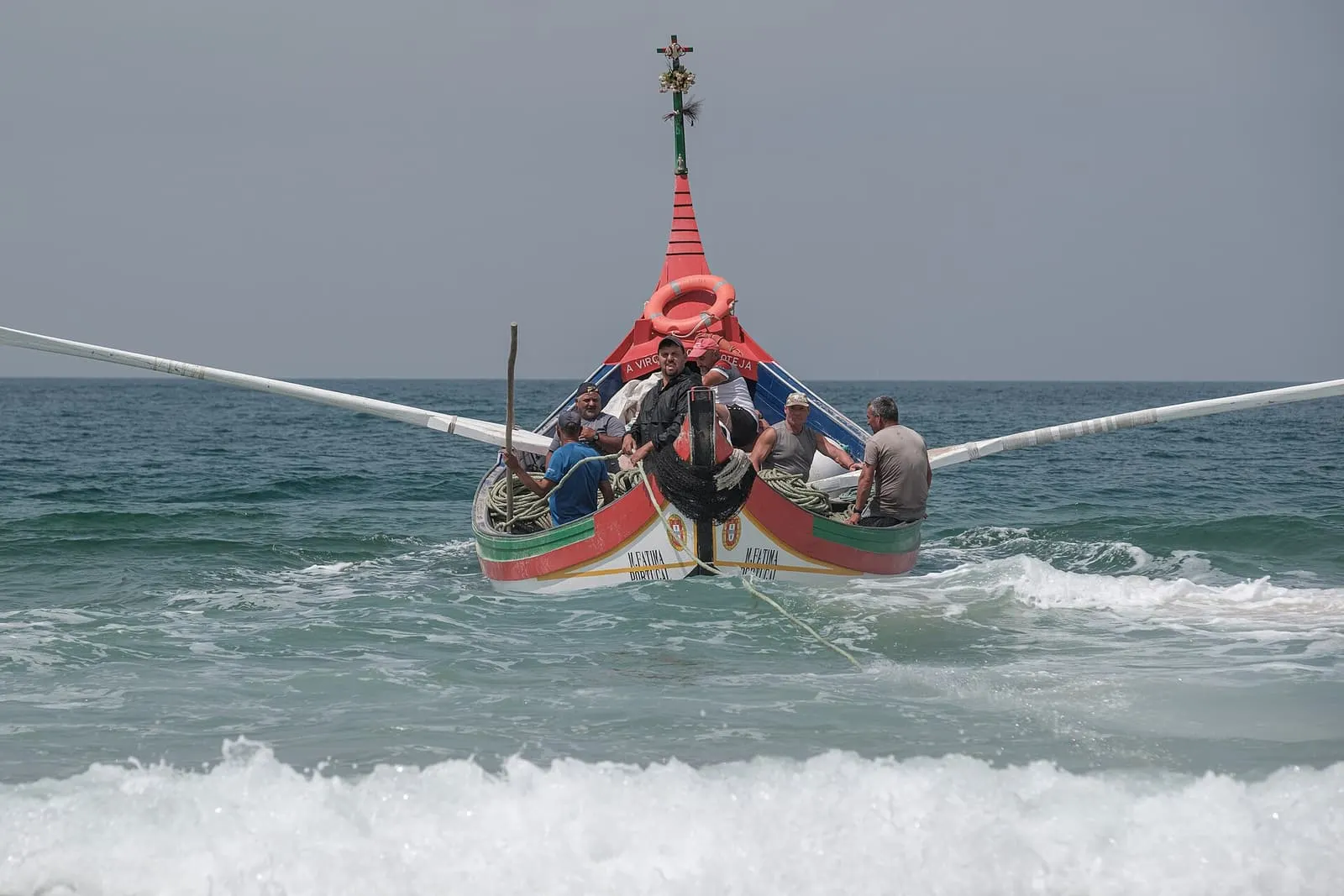 Arte XávegaDie Arte Xávega, eine handwerkliche Strandwadenfischerei mit halbmondförmigen Booten an der mittleren Küste Portugals, von Espinho bis Vieira de Leiria.
 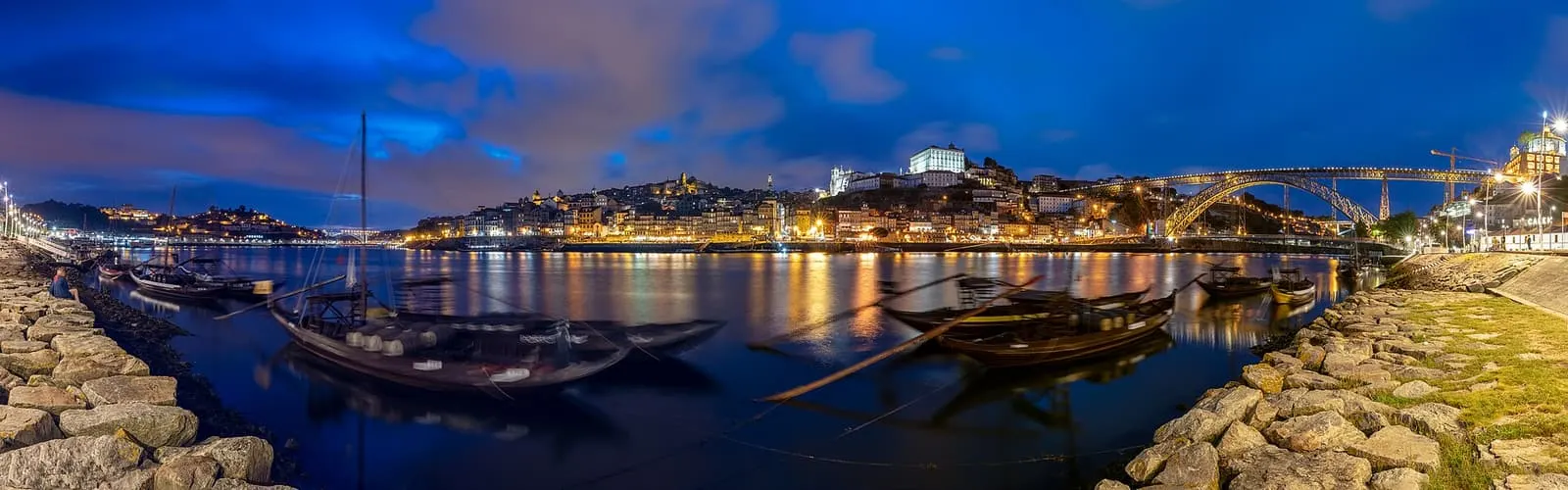 Barco RabeloDas Barco Rabelo, das traditionelle Boot des Douro, das die Fässer mit Portwein vom Alto Douro hinab nach Vila Nova de Gaia beförderte. Bau traditioneller ChordophoneDas handwerkliche Können beim Bau traditioneller portugiesischer Chordophone — Violas, Cavaquinhos und Gitarren — am stärksten ausgeprägt im Nordwesten, in…
 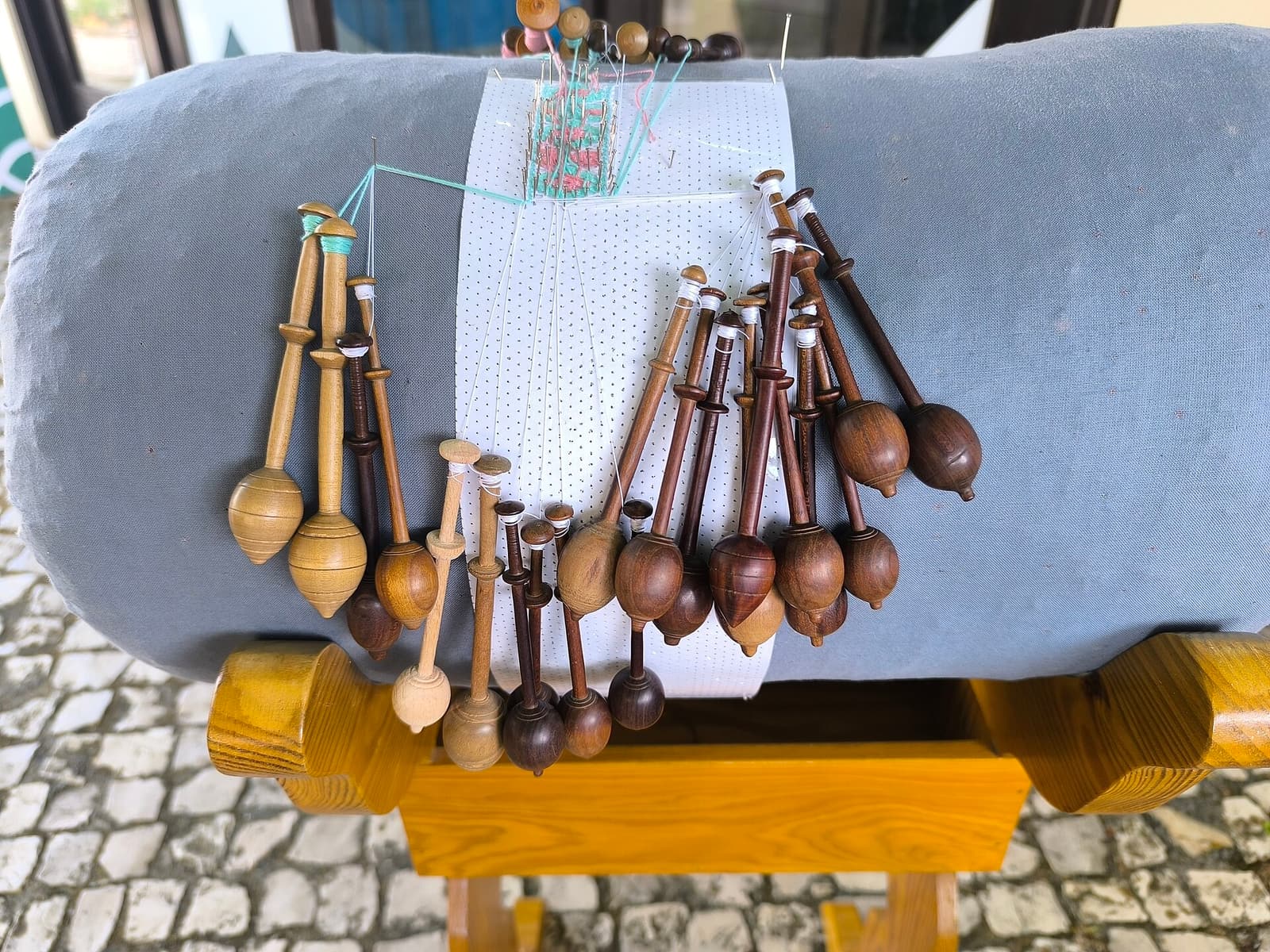 Bobbin LaceBobbin lace, a textile art from the fishing communities of Vila do Conde and Peniche, with centuries of tradition and identity in Portugal.
 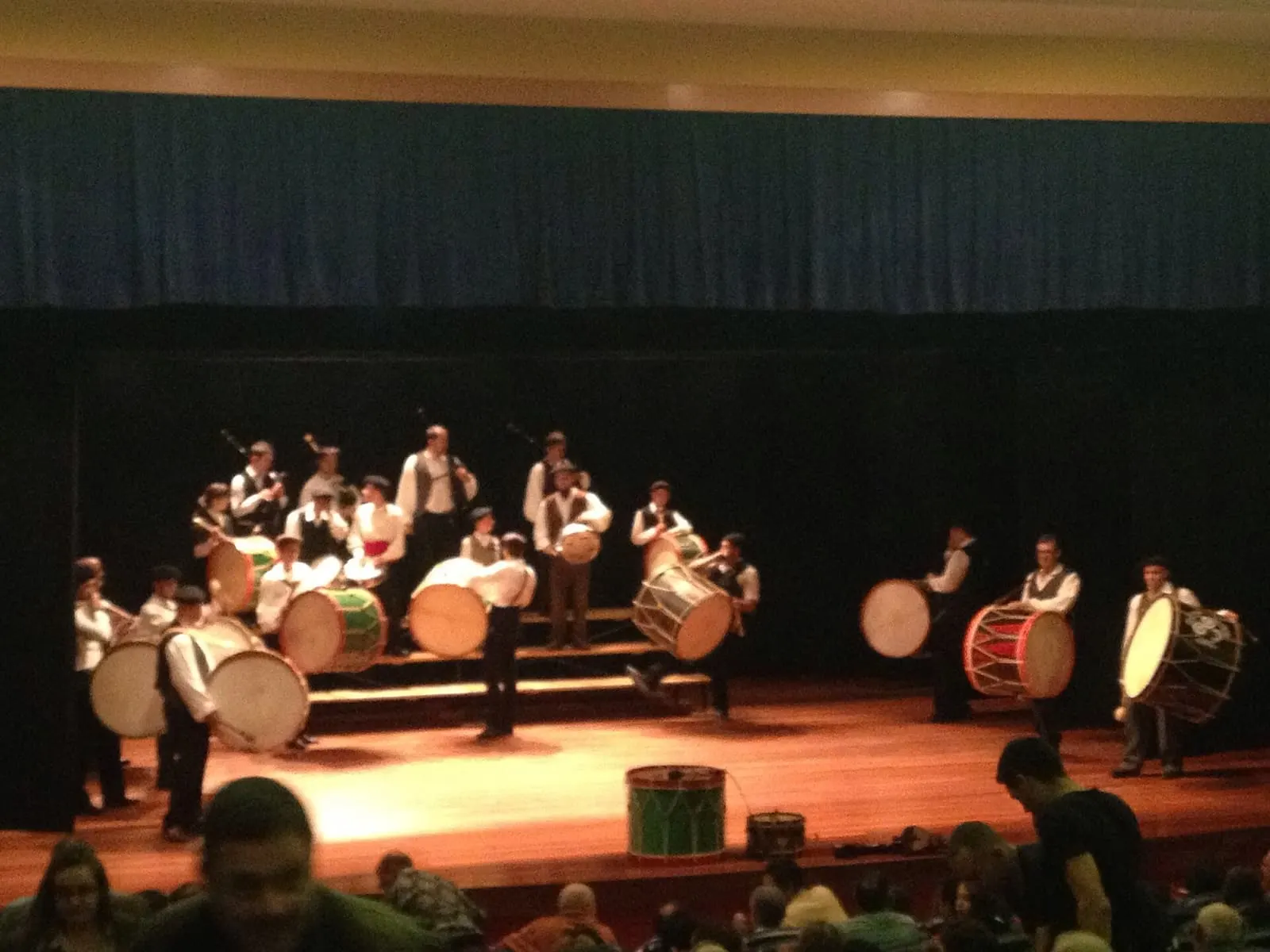 Bombos und Zés PereirasDie Gruppen von Bombos und Zés Pereiras aus dem Entre-Douro-e-Minho: Perkussion, Dudelsäcke und der Klang, der Wallfahrten und Volksfeste im Norden Portugals… Burel aus der Serra da EstrelaBurel, das traditionelle, gewalkte Wolltuch aus der Serra da Estrela, und seine handwerkliche Herstellung in Manteigas, im Bezirk Guarda. Cante ao Desafio (gesungenes poetisches Duell)Der Cante ao Desafio ist die gesungene poetische Stegreifdichtung im Wettstreit zwischen Improvisationsdichtern, eine lebendige Tradition vom Minho bis zum…
 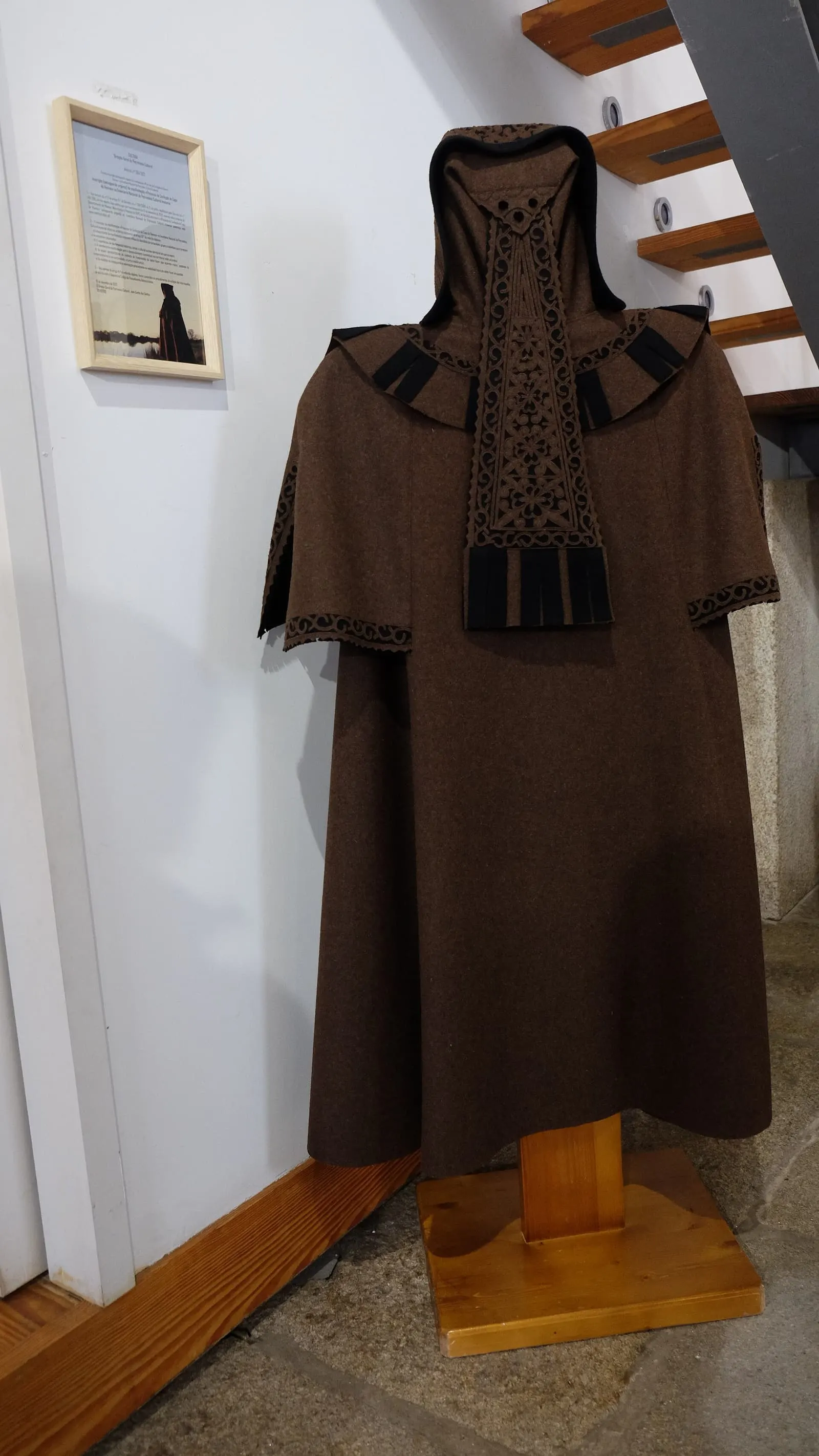 Capa de Honras de MirandaDie mirandesische Capa de Honras: der bestickte zeremonielle Mantel aus Burel der Terra de Miranda, das bedeutendste Stück der männlichen Tracht von Miranda do…
 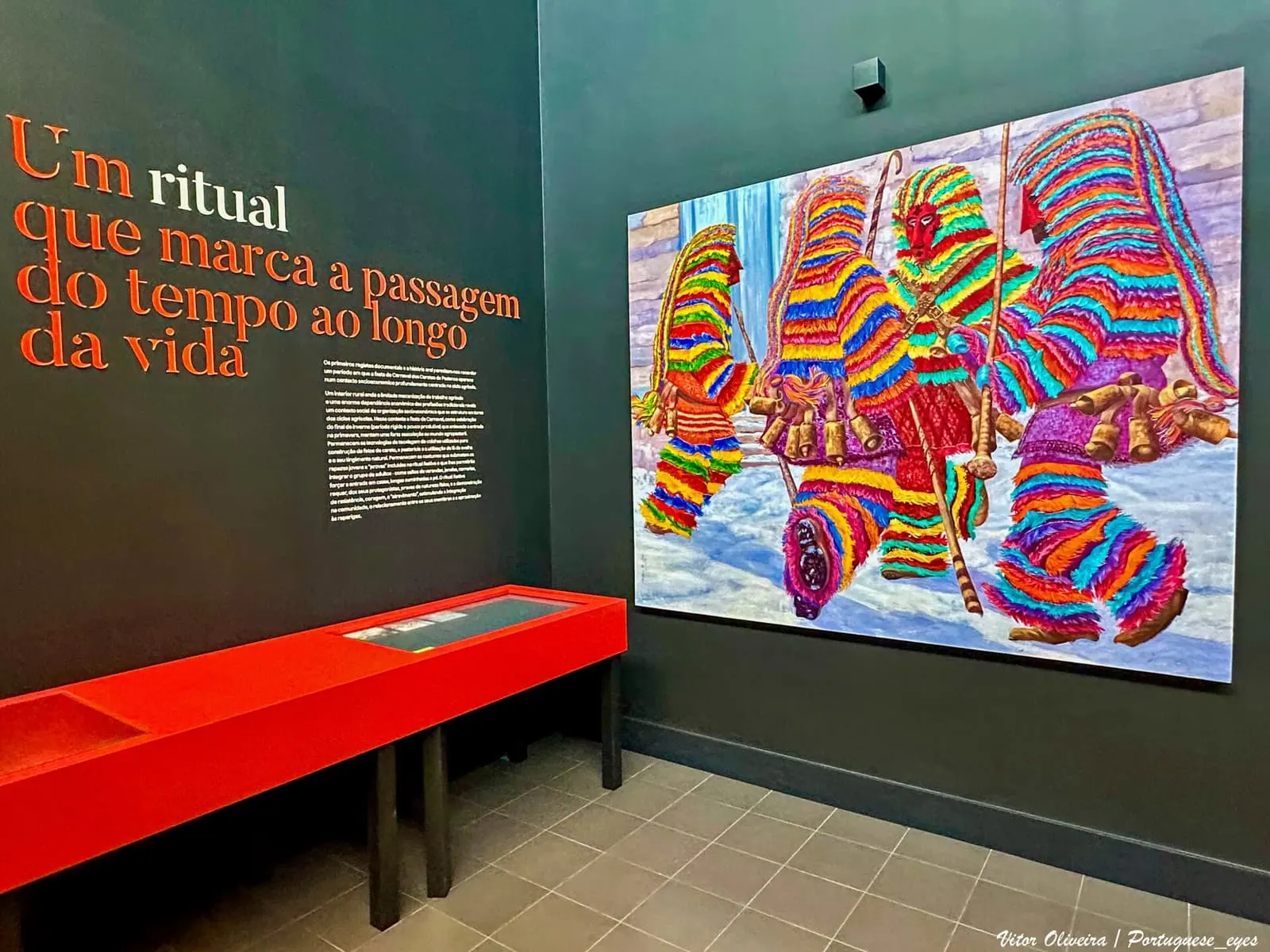 Caretos de PodenceDie Caretos de Podence, der von der UNESCO 2019 eingetragene Entrudo Chocalheiro von Macedo de Cavaleiros: Masken aus Blech, Wollfransen und Glocken.
 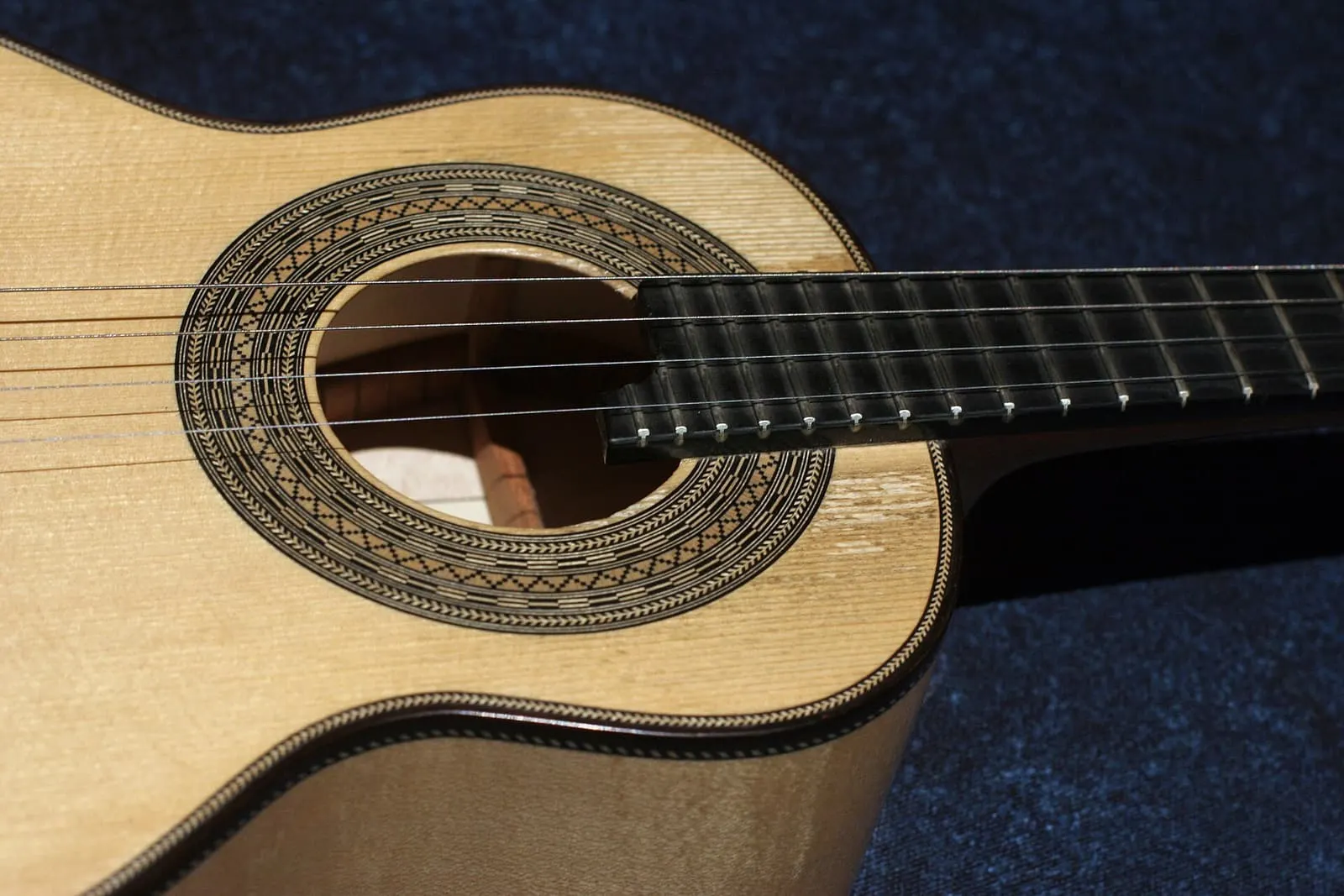 CavaquinhoDas Cavaquinho, ein kleines viersaitiges Chordophon aus dem Minho, Vorfahr der Ukulele und zentrales Instrument der Volksmusik im Nordwesten Portugals. Chita aus AlcobaçaDie Chita aus Alcobaça, ein bedruckter Baumwollstoff mit farbenfrohen floralen Mustern, Erbe der Textilindustrie des 18. und 19. Jahrhunderts im Distrikt Leiria. Compasso Pascal (österlicher Haussegen)Der Compasso Pascal oder Osterbesuch ist die Tradition der Haussegnung mit dem Kreuz am Ostersonntag, vor allem im Norden und im Zentrum Portugals lebendig.
 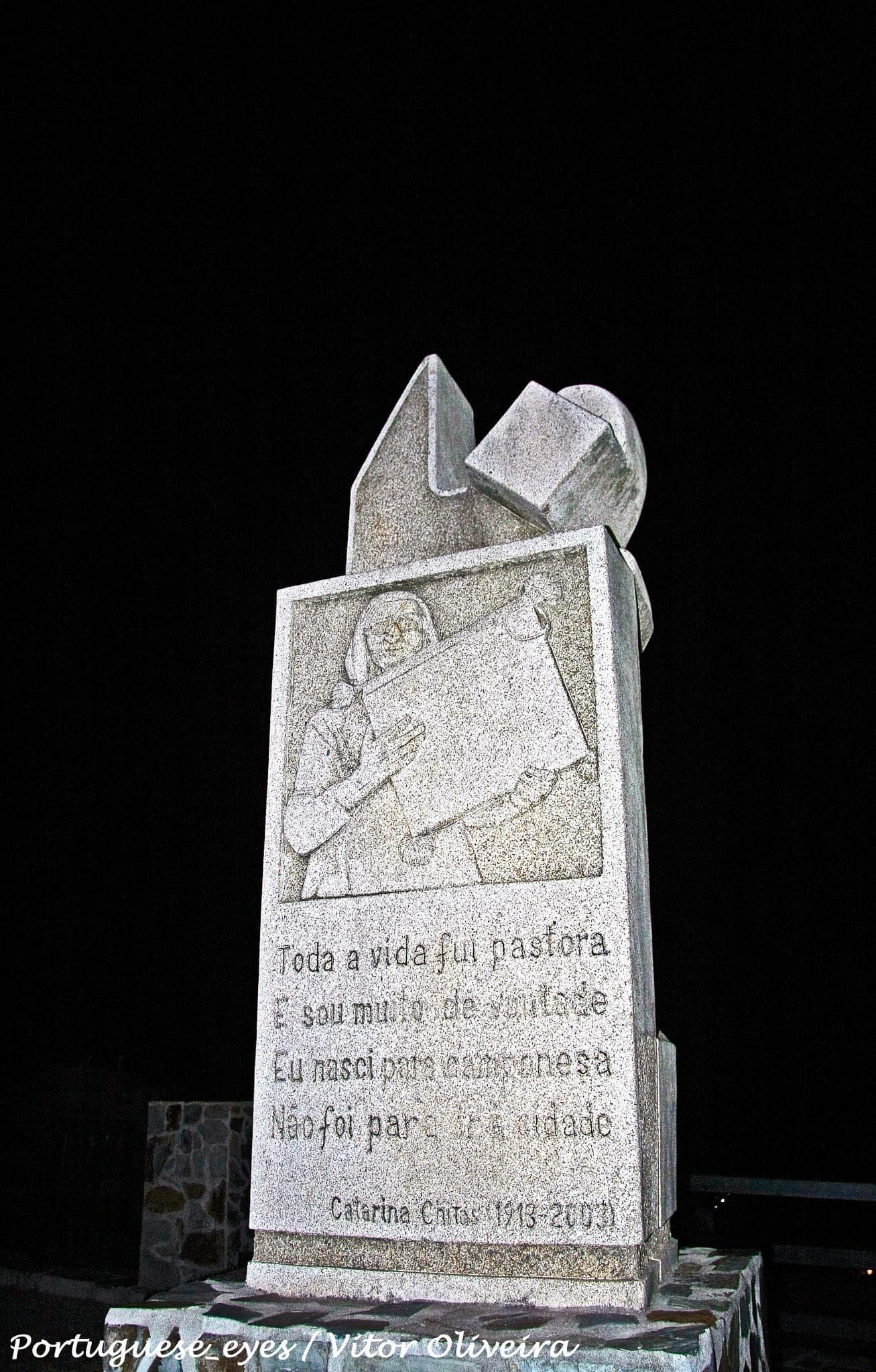 Das Adufe und die Musik der Beira BaixaDas Adufe, eine von den adufeiras der Beira Baixa gespielte quadratische Rahmentrommel, und die rituellen Gesänge von Idanha-a-Nova und Monsanto im Bezirk…
 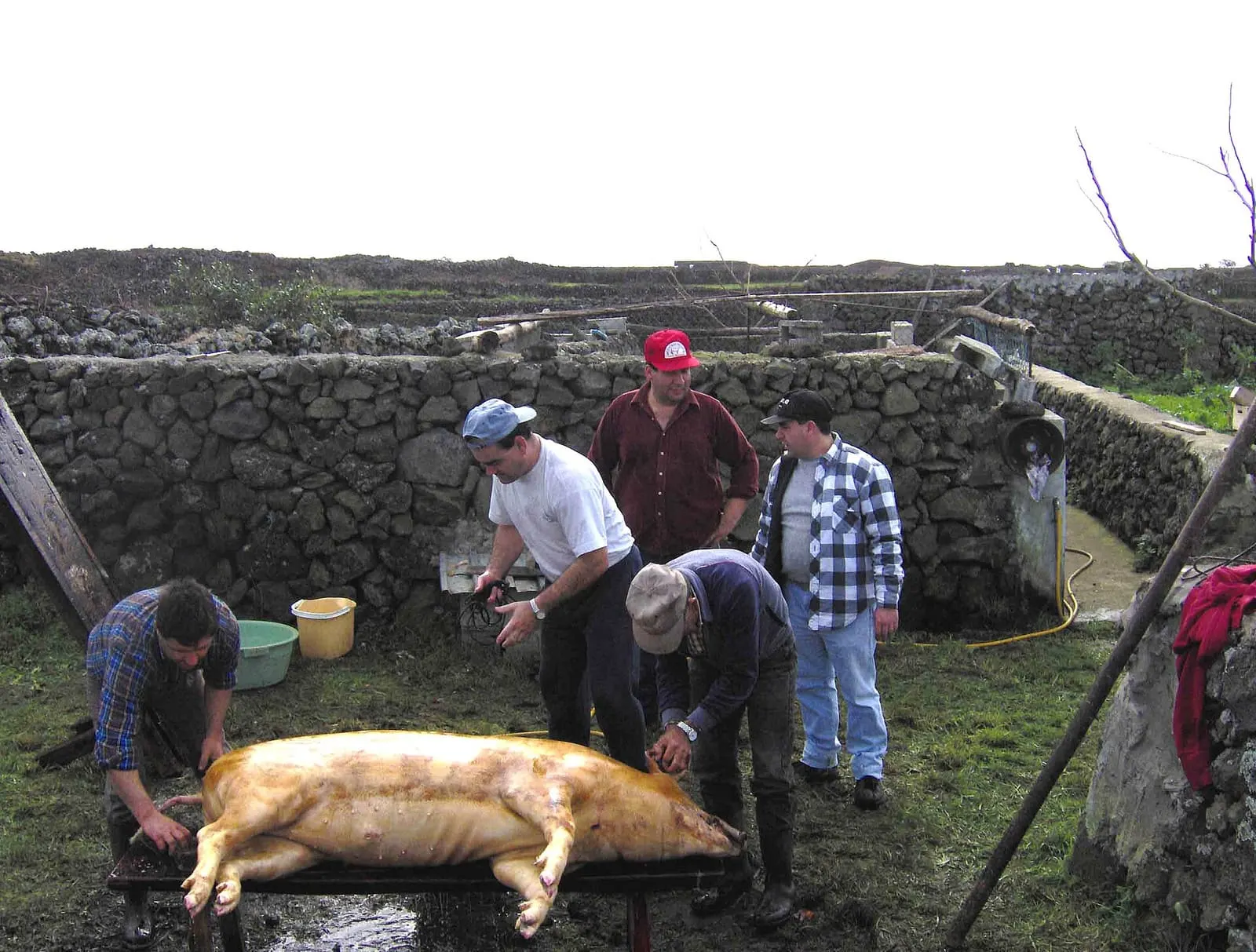 Das Schweineschlachten (Matança do Porco)Das Schweineschlachten, ein gemeinschaftliches Ritual des ländlichen portugiesischen Winters: Praktiken, Wurstwaren, Sarrabulho und sein Platz im immateriellen… Das Stierfest von BarrancosDas Stierfest von Barrancos im äußersten Südosten des Alentejo bewahrt den einzigen in Portugal legalen Stierkampf mit Tötung des Stiers, verbunden mit der…
 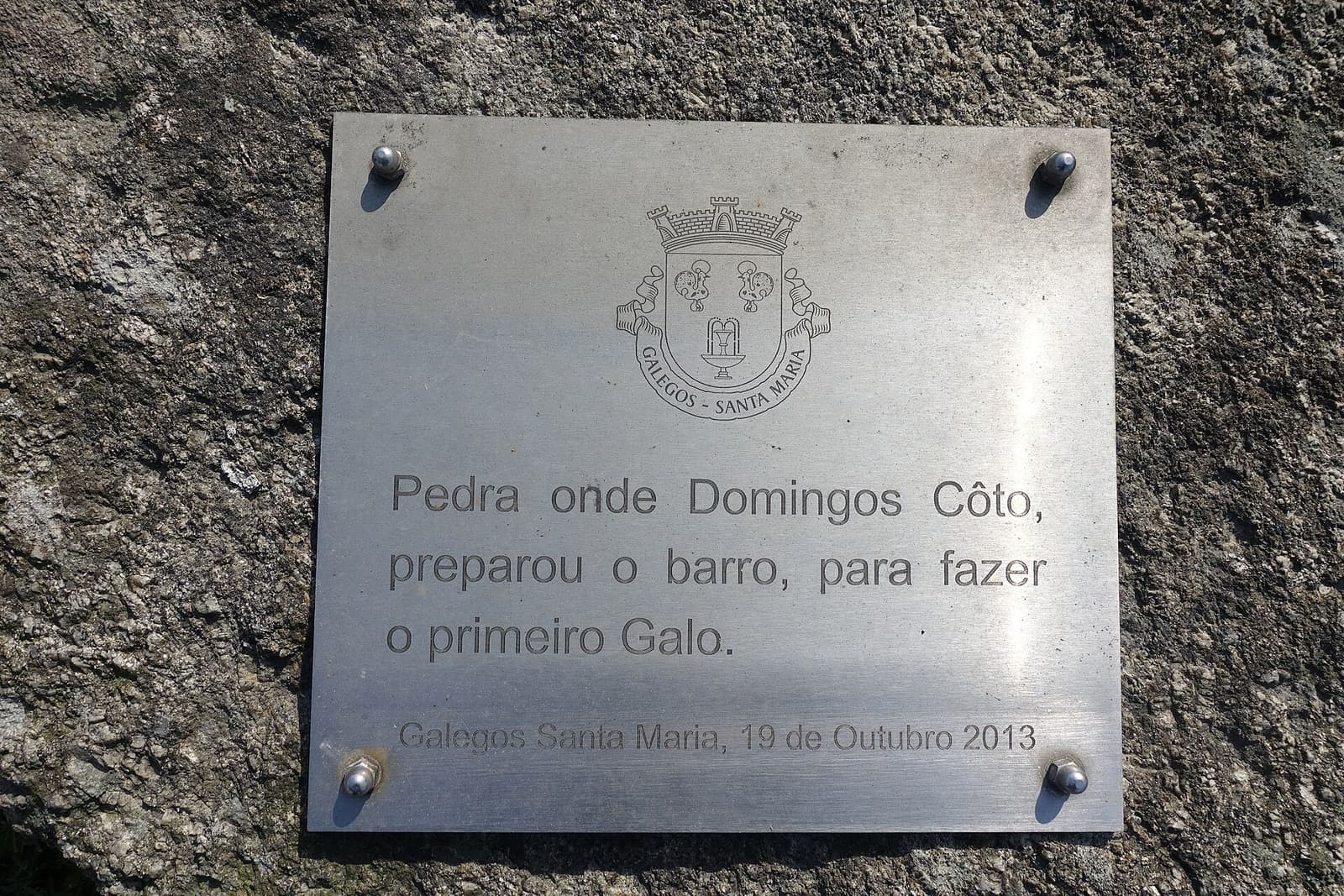 Der Hahn von BarcelosDer Hahn von Barcelos, eine aus einer mittelalterlichen Legende hervorgegangene Tonfigur, ist heute eines der bekanntesten Symbole Portugals und des… Die Concertina und die portugiesische VolksmusikDie Concertina, ein diatonisches Akkordeon mit zwei Knopfreihen, und ihre Rolle bei den Tänzen, Desgarradas und Folkloregruppen des Minho und Nordportugals. Die Festa dos Rapazes und die Wintermaskeraden von Trás-os-MontesDie Festa dos Rapazes und die Wintermaskeraden von Trás-os-Montes: Caretos, Loas und Übergangsriten der Sonnenwende im nordöstlichen Trás-os-Montes, rund um…
 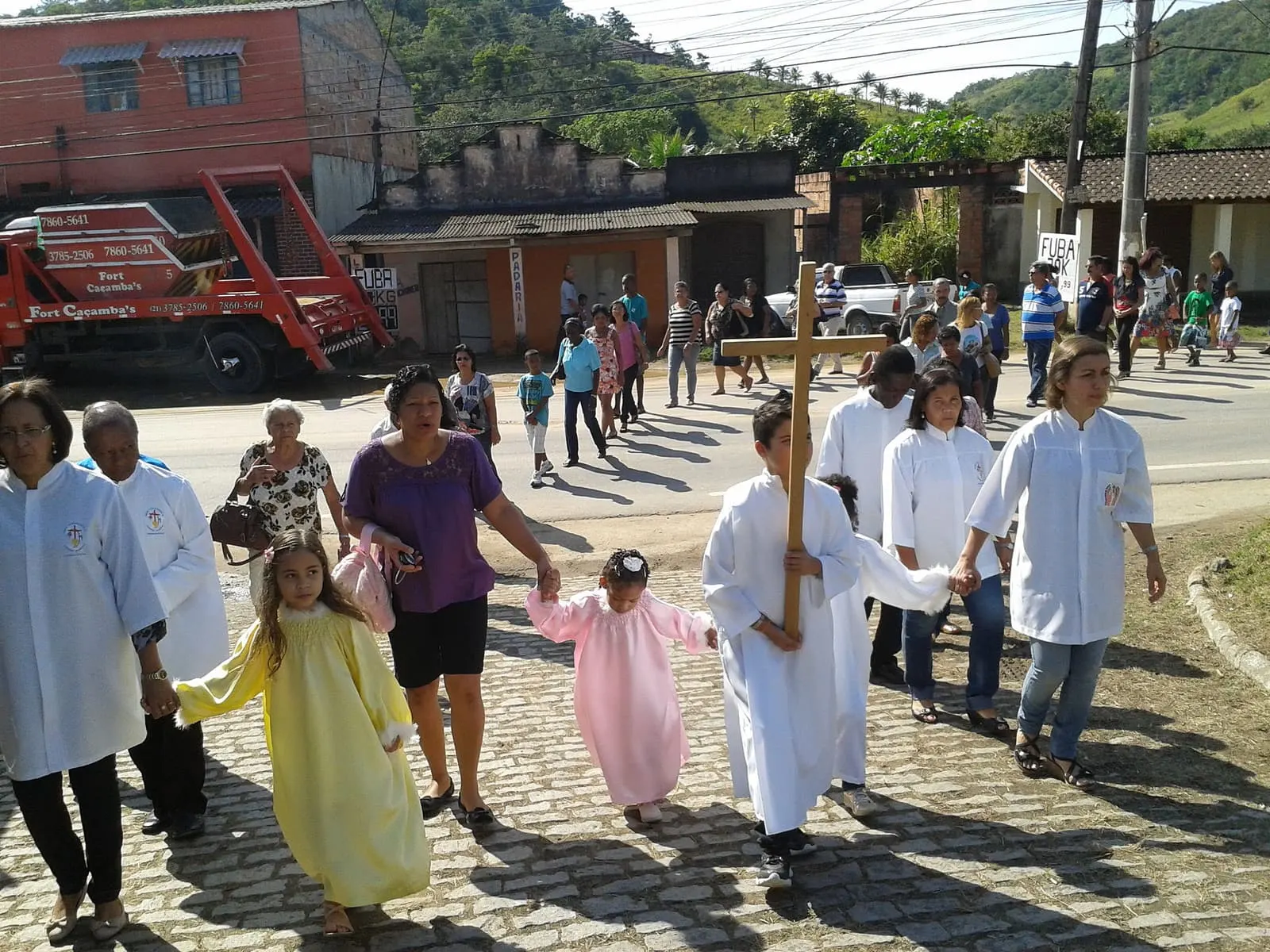 Die Festas de Santo António in LissabonDie Festas de Santo António in Lissabon: Volksumzüge, Straßenfeste, Sardinen und Hochzeiten im Juni zu Ehren des Schutzpatrons und Eheheiligen der Stadt. Die Karfreitagsprozessionen von BragaDie Karfreitagsprozessionen von Braga, eine der größten und ältesten in Portugal: die Farricocos, die Eselchen-Prozession und das Begräbnis des Herrn. Die Korkarbeit und der MontadoDas Know-how der Korkgewinnung und -verarbeitung sowie die Kultur des Montado, einer agro-silvo-pastoralen Landschaft in Alentejo und Ribatejo.
 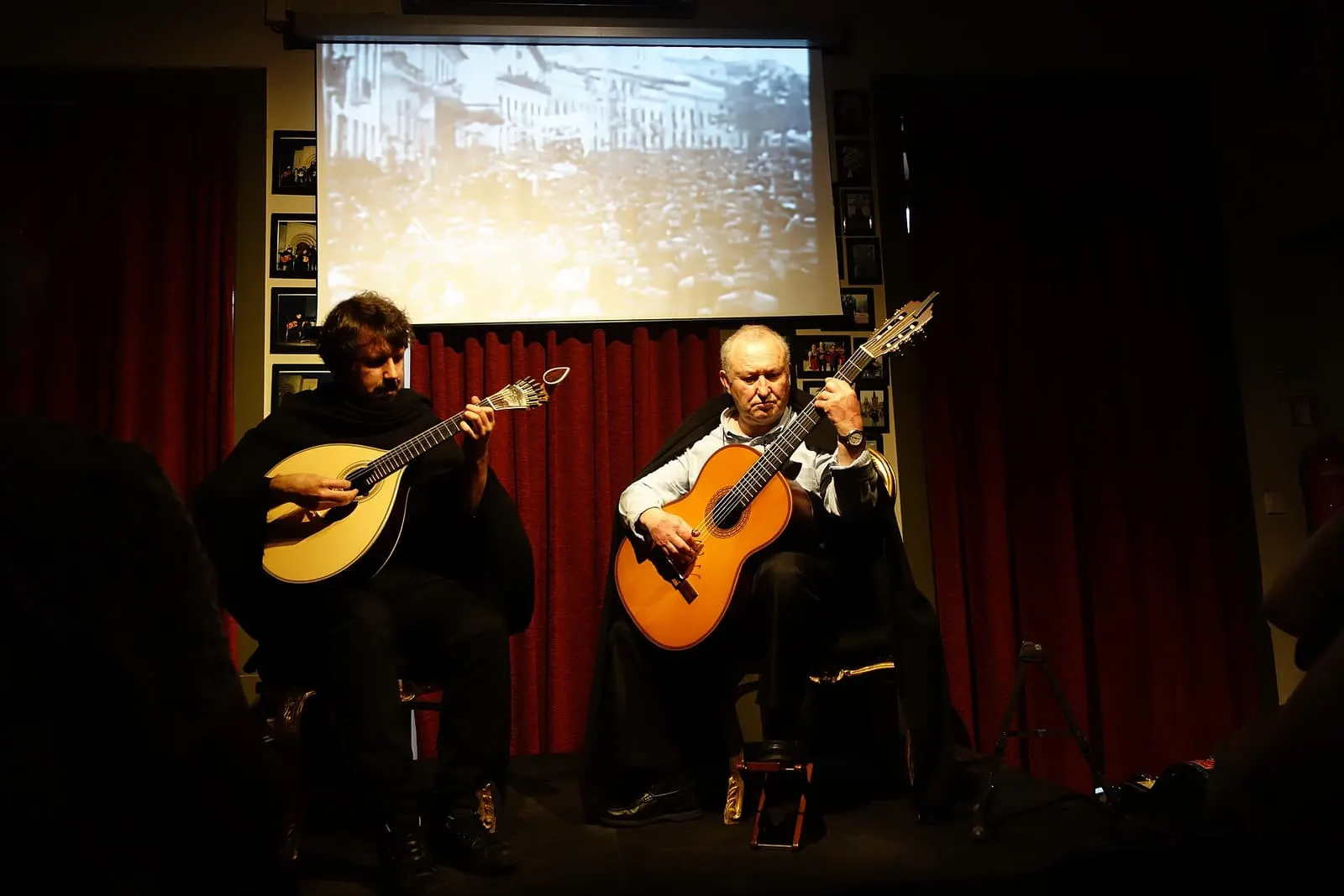 Fado de CoimbraDer Fado de Coimbra, ein akademischer und männlicher Ausdruck, der mit der Universität und der Serenade verbunden ist und in Umhang und Talar durch die Straßen…
  Fayence aus CoimbraDie Fayence aus Coimbra ist die historische Keramik aus dem Bairro das Olarias, berühmt für die handgemalten orientalischen und barocken Motive in Blau… Ferraria and Wrought IronBlacksmithing and the art of wrought iron in Portugal: the blacksmith's craft, forging techniques, and its place in intangible cultural heritage.
 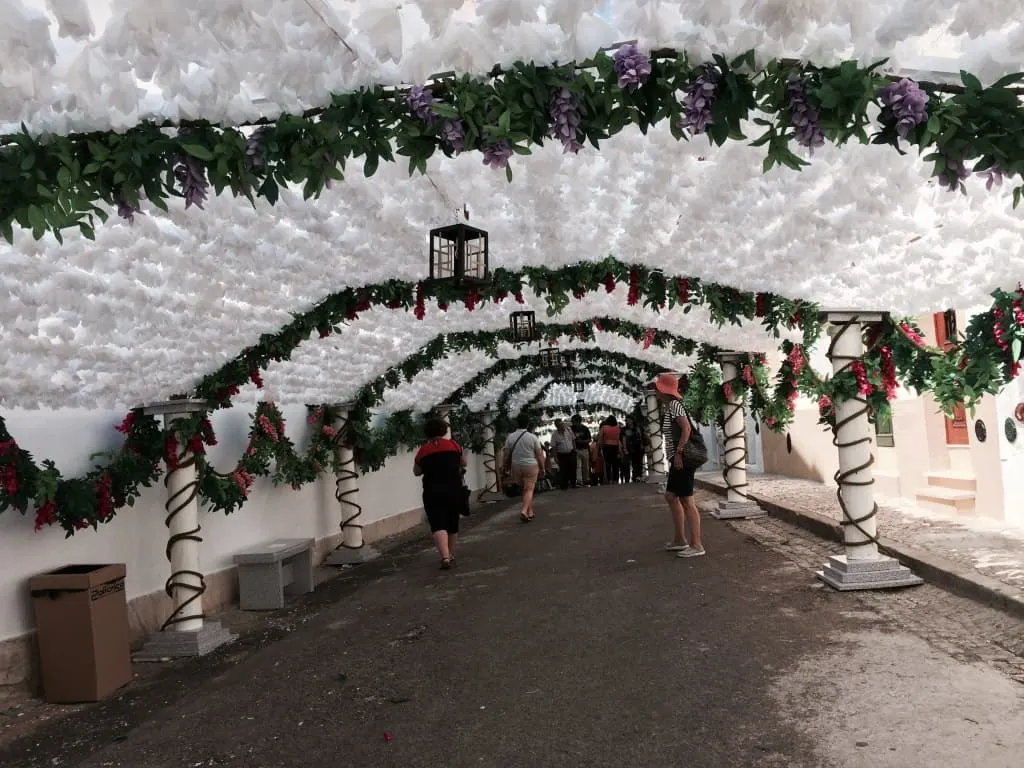 Festa do Povo von Campo Maior (Volksfest)Festa do Povo von Campo Maior: von der Bevölkerung mit Millionen Papierblumen geschmückte Straßen, 2021 von der UNESCO ausgezeichnet im Alto Alentejo.
 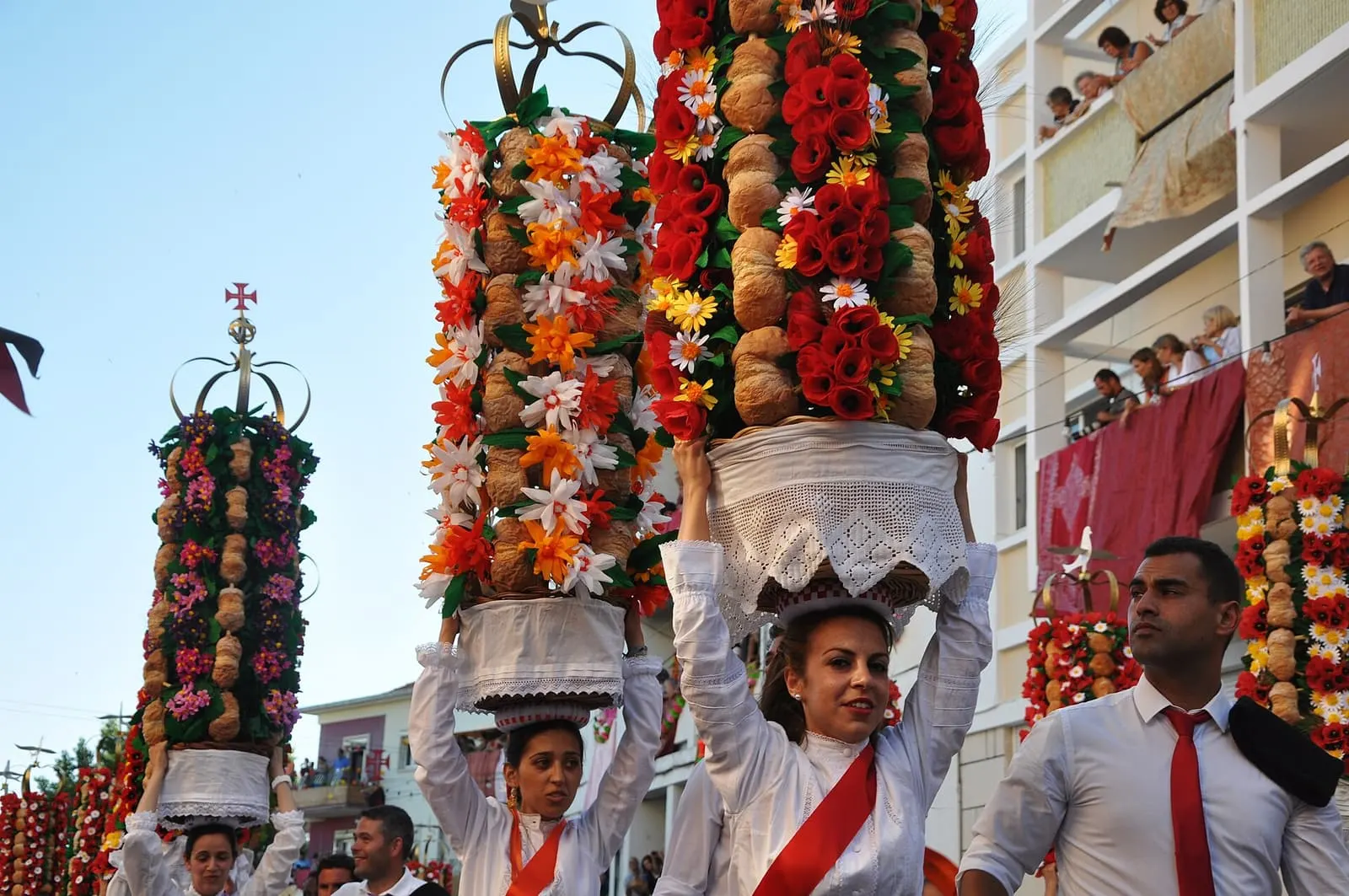 Festa dos Tabuleiros von TomarDie Festa dos Tabuleiros von Tomar, ein alle vier Jahre stattfindendes Fest des Heilig-Geist-Kults, bei dem junge Frauen Tabletts aus Brot und Blumen auf dem…
 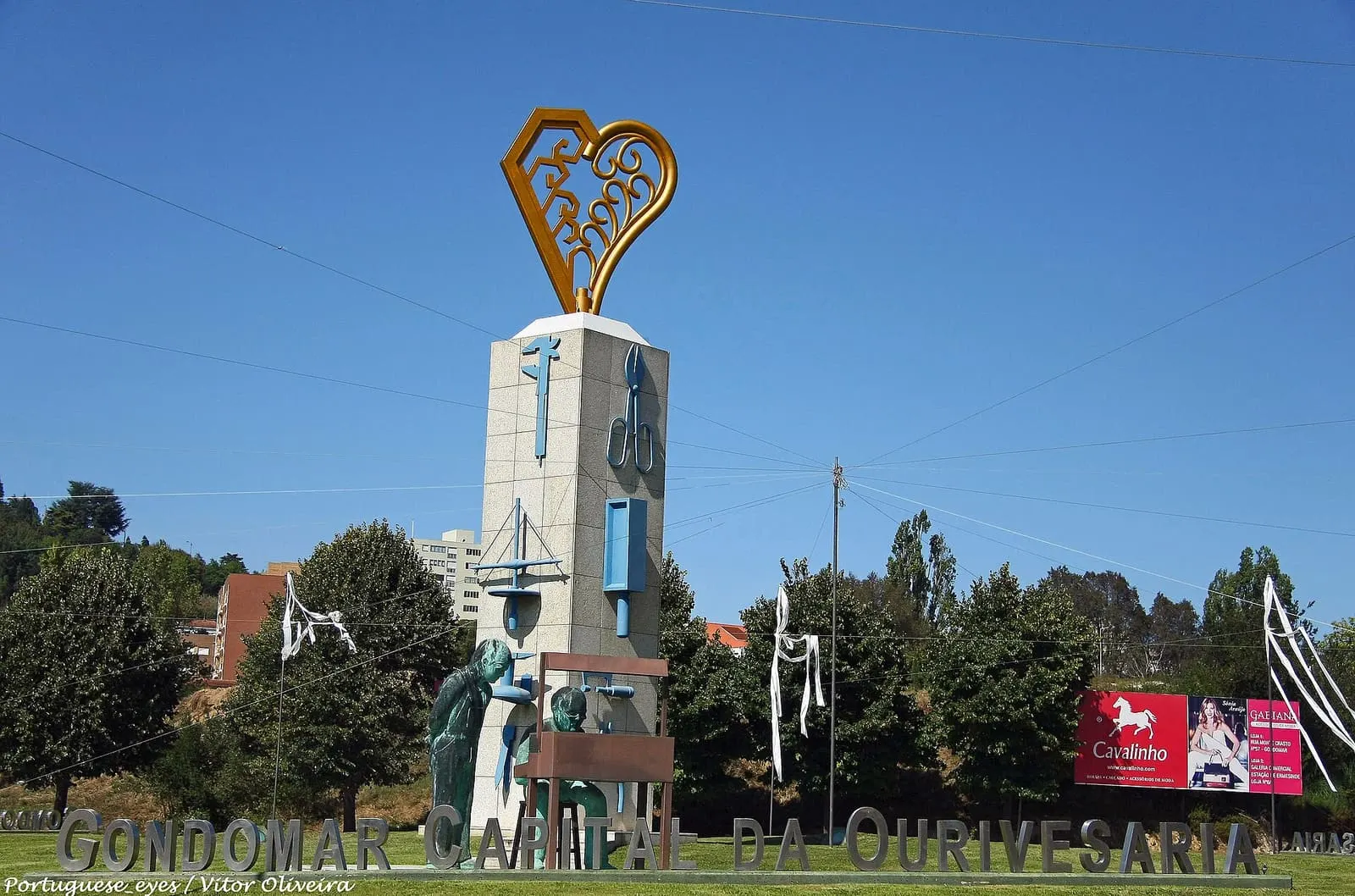 Filigran von GondomarDie Goldschmiedekunst aus Gold- und Silberdraht von Gondomar, im Distrikt Porto, 2023 in das Nationale Inventar des immateriellen Kulturerbes aufgenommen.
 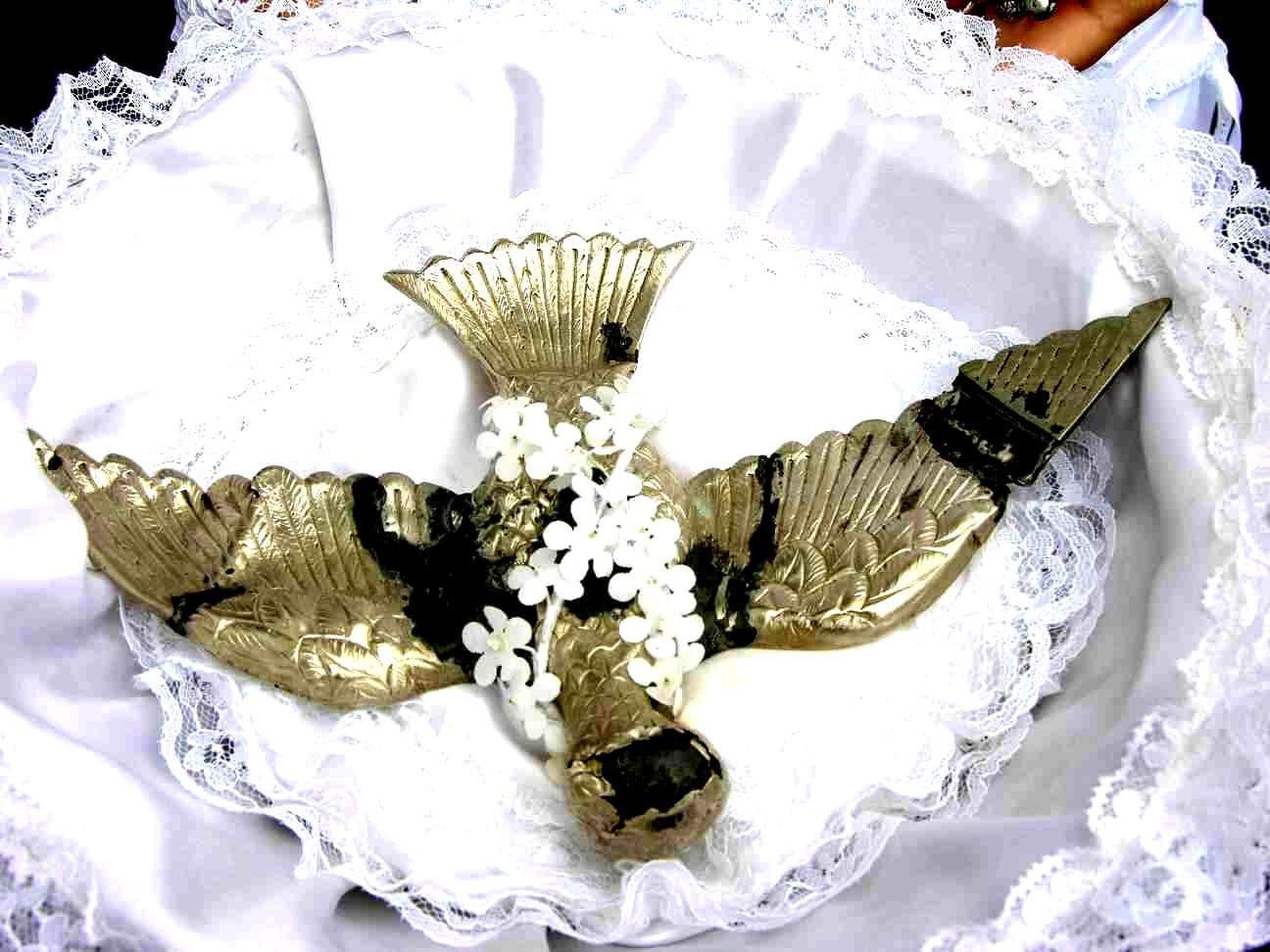 Heilig-Geist-Feste der AzorenDie Feste des Göttlichen Heiligen Geistes der Azoren: Imperien, Krönungen und Bodos, die einen gemeinschaftlichen Kult auf allen neun Inseln des Archipels… Herdenschutzhunde und traditionelle WeidewirtschaftDie portugiesischen Herdenschutzhunde und ihre Rolle beim Schutz der Herden: die autochthonen Rassen, die Abwehr des Iberischen Wolfs und das Wissen der… Herstellung von Kuhglocken (Chocalho-Kunst)Die handwerkliche Herstellung von Kuhglocken in Alcáçovas, Viana do Alentejo, wurde 2015 von der UNESCO in die Liste des dringend schutzbedürftigen Kulturerbes… Iberische Masken und MaskenträgerIberische Masken und Maskenträger der Winterfeste: ein gemeinsames Ritual zwischen dem Nordosten von Trás-os-Montes und Zamora, angeführt vom Karneval von Podence.
 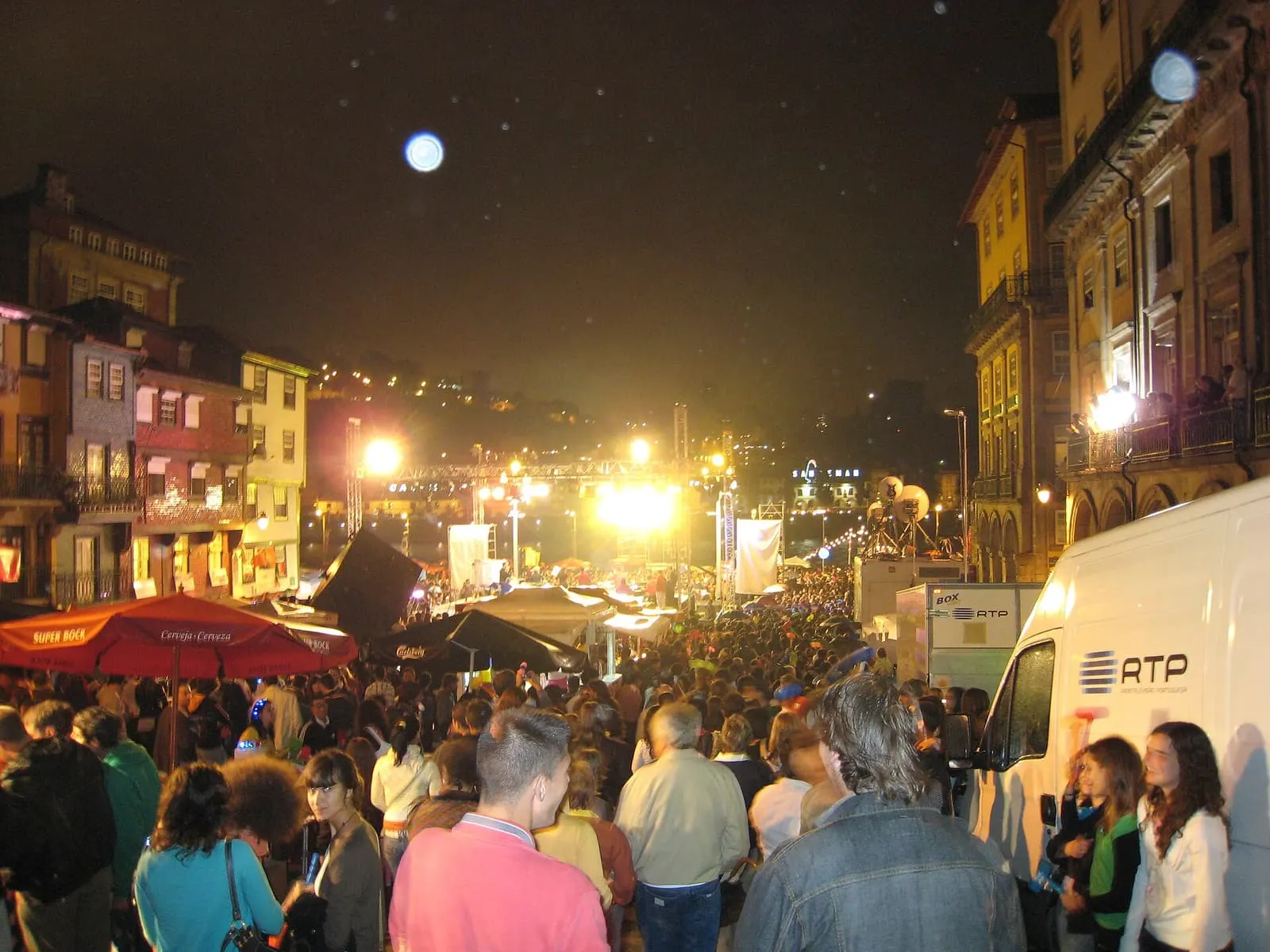 Johannisfest von PortoDas Johannisfest von Porto, die größte Nacht der Invicta, wird vom 23. auf den 24. Juni mit Hämmern, Basilikum, Cascatas, Sardinen und Feuerwerk gefeiert.
 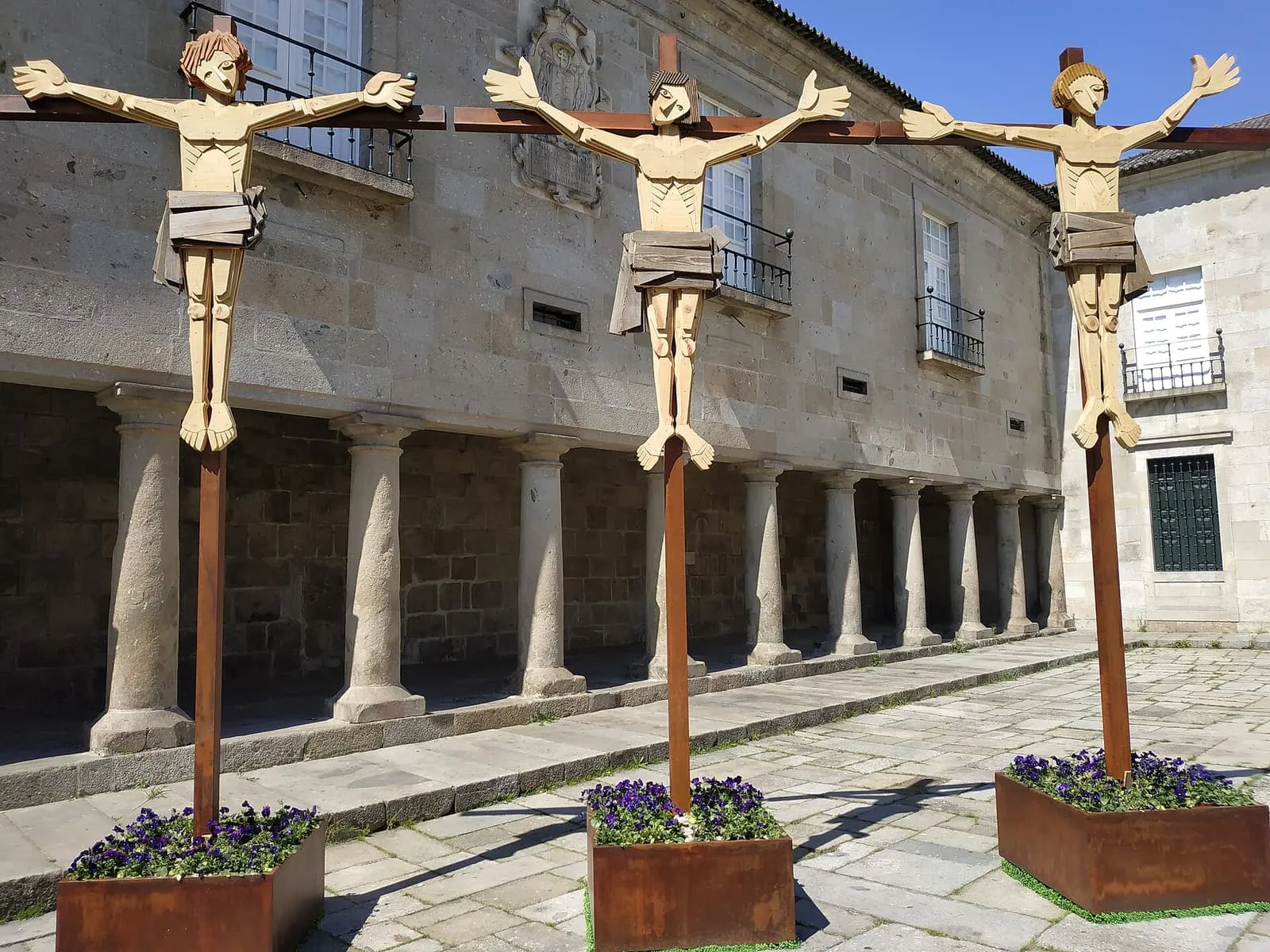 Karwoche in PortugalDie Karwoche in Portugal, von den Prozessionen der Schritte und des Begräbnisses des Herrn bis zu den österlichen Umzügen, ist einer der reichsten rituellen…
 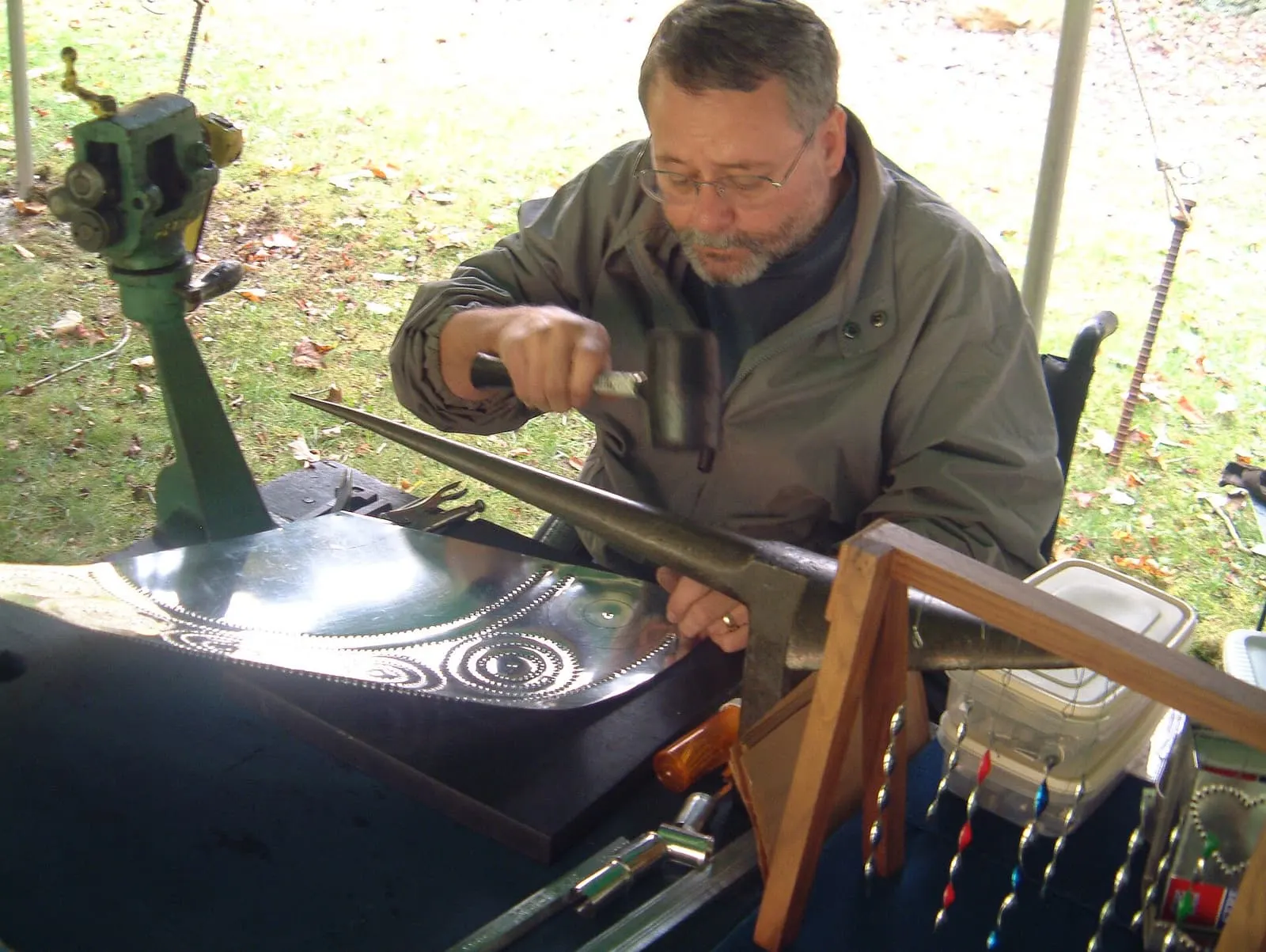 KlempnerhandwerkDas Klempnerhandwerk: das traditionelle Handwerk des Klempners in Portugal, der Weißblech und Messing in häusliche, landwirtschaftliche und dekorative Geräte… Klöppelspitze aus PenicheDie Klöppelspitze aus Peniche, eine jahrhundertealte Textilhandwerkskunst an der Küste von Leiria, ist das kunsthandwerkliche Aushängeschild des Ortes und eine…
 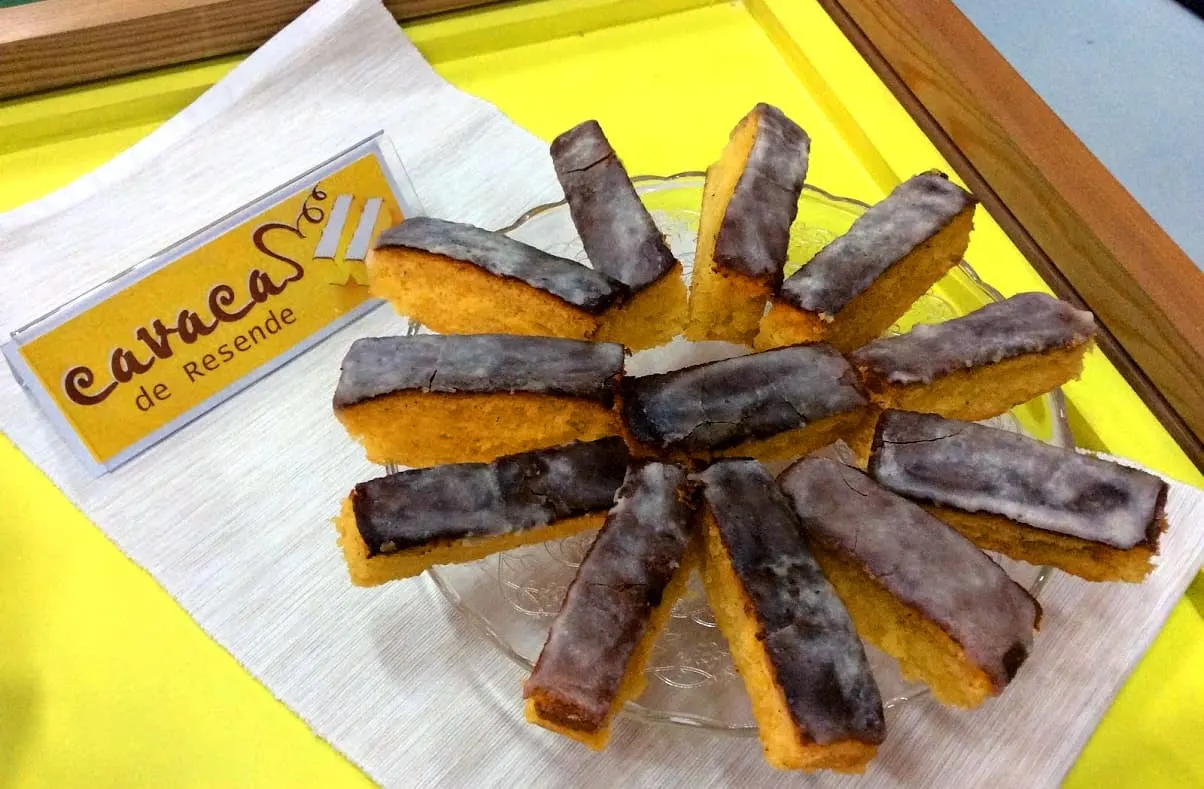 KlosterkonditoreiDie portugiesische Klosterkonditorei: die in Klöstern und Konventen entstandenen Süßspeisen aus Ei und Mandeln, von den pastéis de Belém bis zu den ovos moles… Liebestücher des MinhoDie Liebestücher des Minho, in Vila Verde und Umgebung mit Liebesversen bestickt, eine Liebeserklärung und das erste portugiesische Kunsthandwerk mit…
 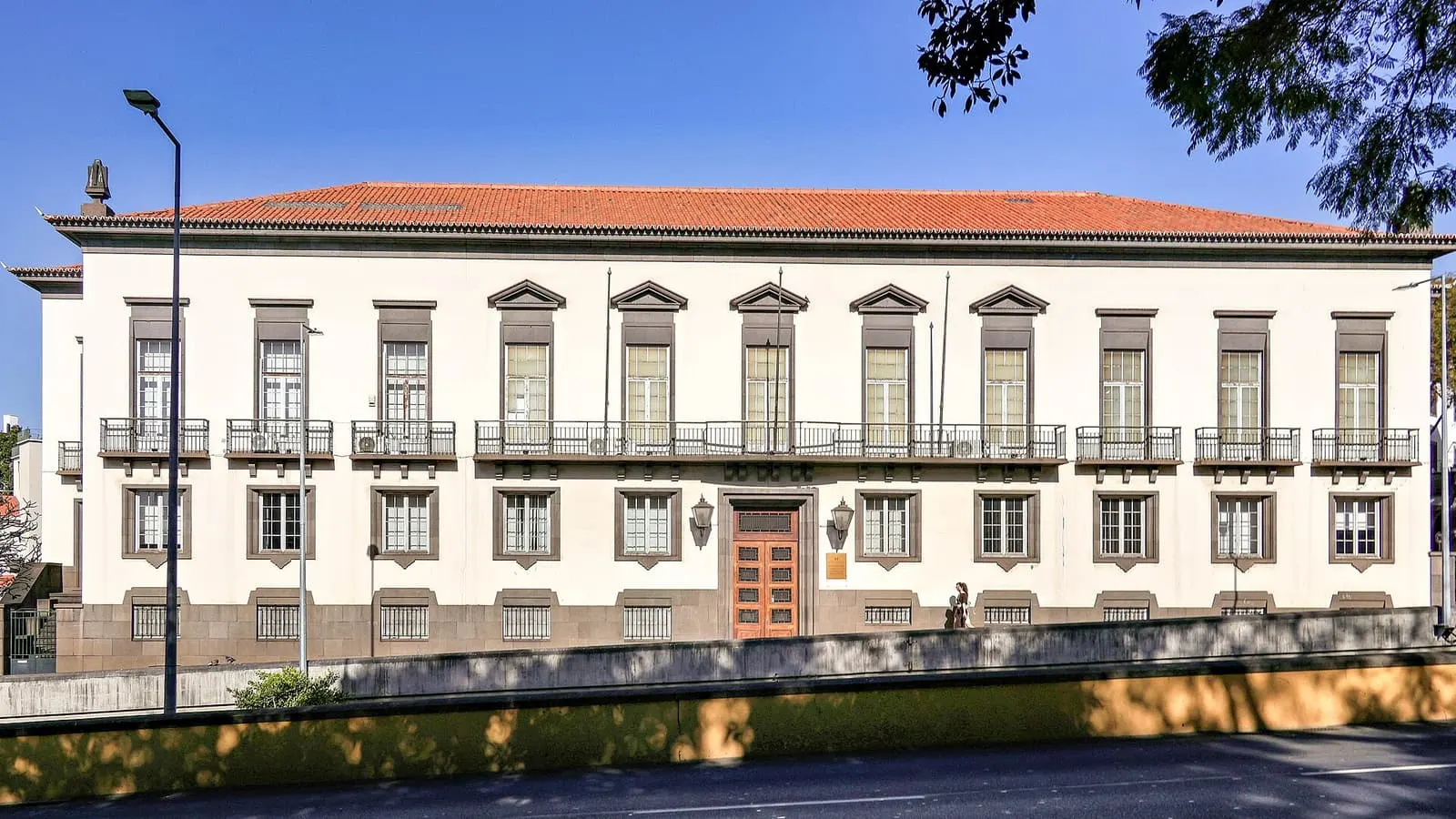 Madeira-StickereiDie Madeira-Stickerei, eine feine Textilkunst aus Funchal, seit 1938 zertifiziert, weltweit exportiert und durch ein Bleisiegel geschützt.
 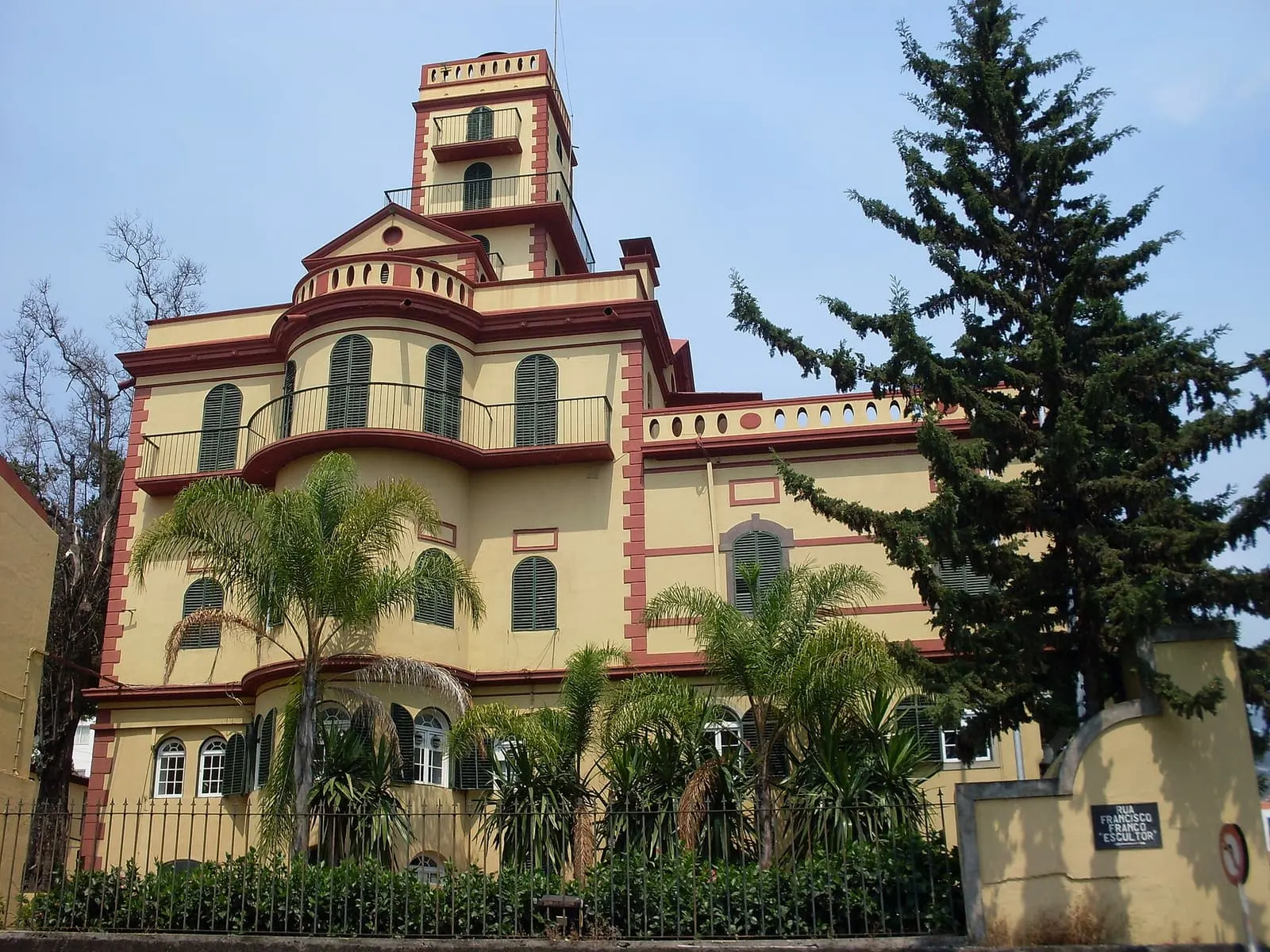 Madeira-WeinDer Madeira-Wein, ein auf der Insel Madeira produzierter, erhitzter und oxidativ gereifter Likörwein mit Jahrhunderte alter Tradition und dem einzigartigen… Manuelles GlockenläutenDas manuelle Glockenläuten und der Klangcode portugiesischer Glockentürme: das Handwerk des Glöckners, seine Funktionen in der Gemeinschaft und die Bedrohung…
 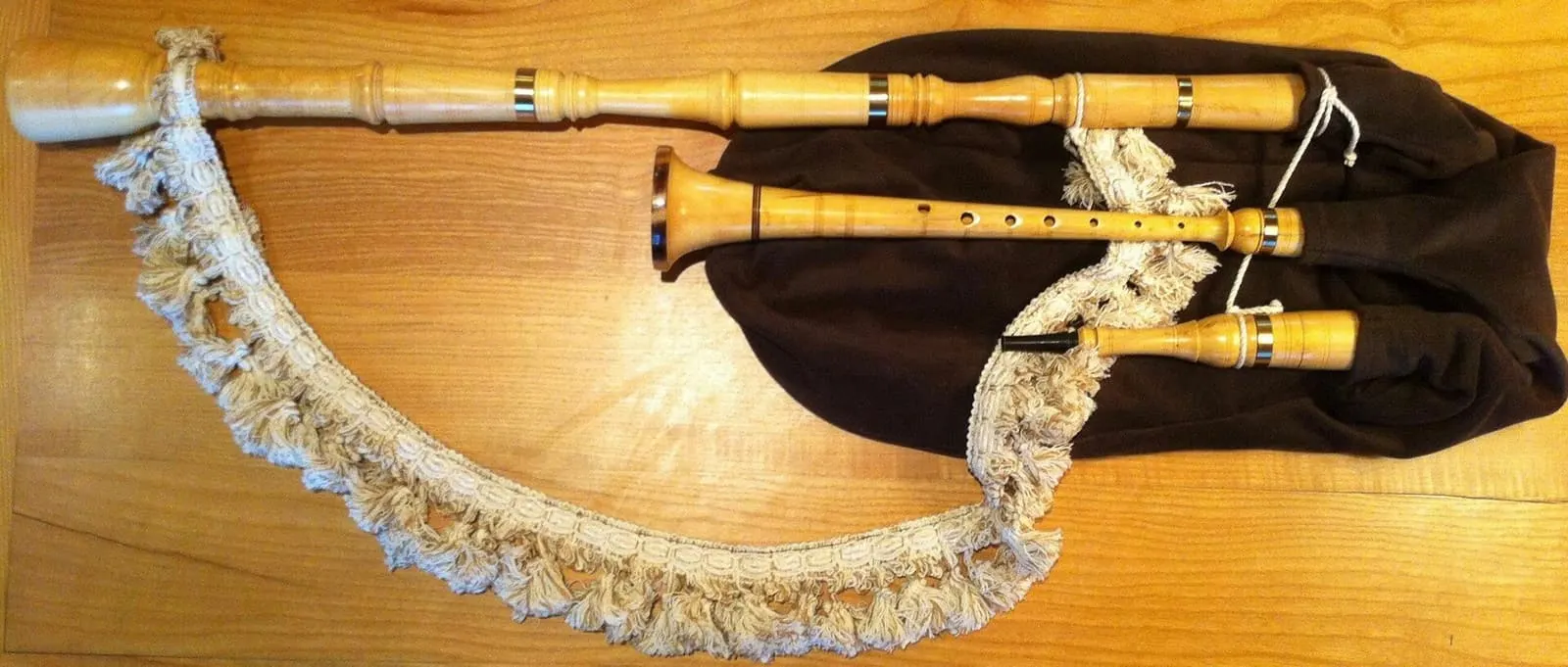 Mirandeser SackpfeifeDie Mirandeser Sackpfeife, ein handgefertigtes Aerophon der Mirandeser Hochebene, das die Lhaços der Pauliteiros und die rituellen Tänze von Trás-os-Montes…
 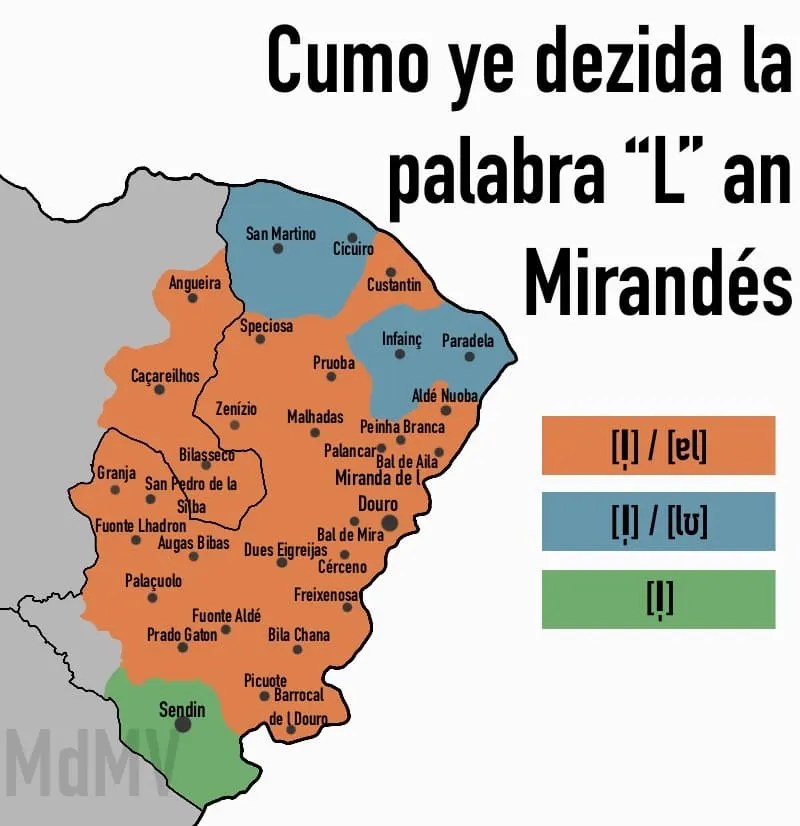 Mirandesische SpracheDas Mirandesische, zweite Amtssprache Portugals, asturleonesischen Ursprungs, gesprochen in der Terra de Miranda im Nordosten von Trás-os-Montes.
 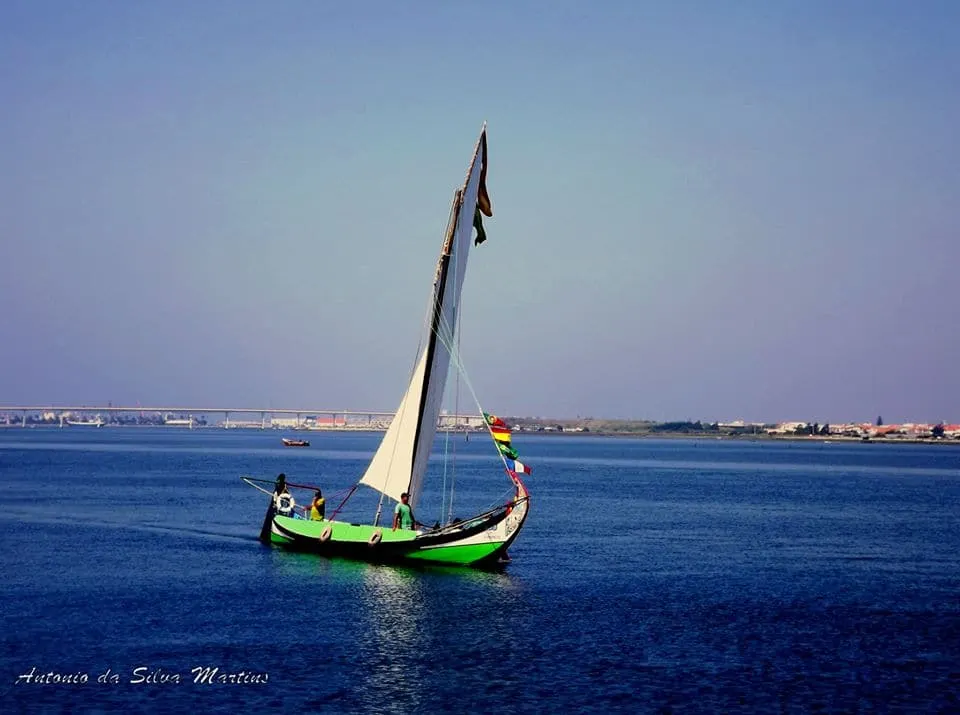 Moliceiro-BootDas Moliceiro-Boot der Ria de Aveiro: ein traditionelles Flachbodenboot mit bemalten Tafeln und Bootsbaukunst, das 2025 von der UNESCO ausgezeichnet wurde. Olaria de NisaA olaria pedrada de Nisa, no Alto Alentejo, distingue-se pelo empedrado de quartzo cravado no barro, uma tradição cerâmica do distrito de Portalegre. Olivenöl und traditioneller OlivenanbauOlivenöl und traditioneller Olivenanbau in Portugal: das Wissen und Können der Trockenölhaine, der regionalen Sorten und der alten Ölmühlen, von Trás-os-Montes…
  Oral Traditions and Popular LiteratureTales, legends, proverbs, riddles, and ballads from Portuguese oral tradition: verbal forms passed down through generations in intangible heritage.
 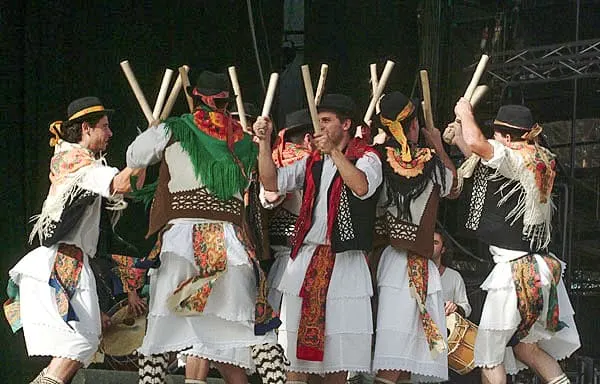 Pauliteiros de MirandaDie Pauliteiros de Miranda, ein ritueller Stocktanz aus der Terra de Miranda in Miranda do Douro, getanzt von Männern zum Klang von Dudelsack, Trommel und…
  Portugiesische GitarreDie portugiesische Gitarre, ein birnenförmiges Chordophon mit zwölf Saiten, das dem Fado von Lissabon und Coimbra eine Stimme verleiht, und die Kunst ihres Baus.
 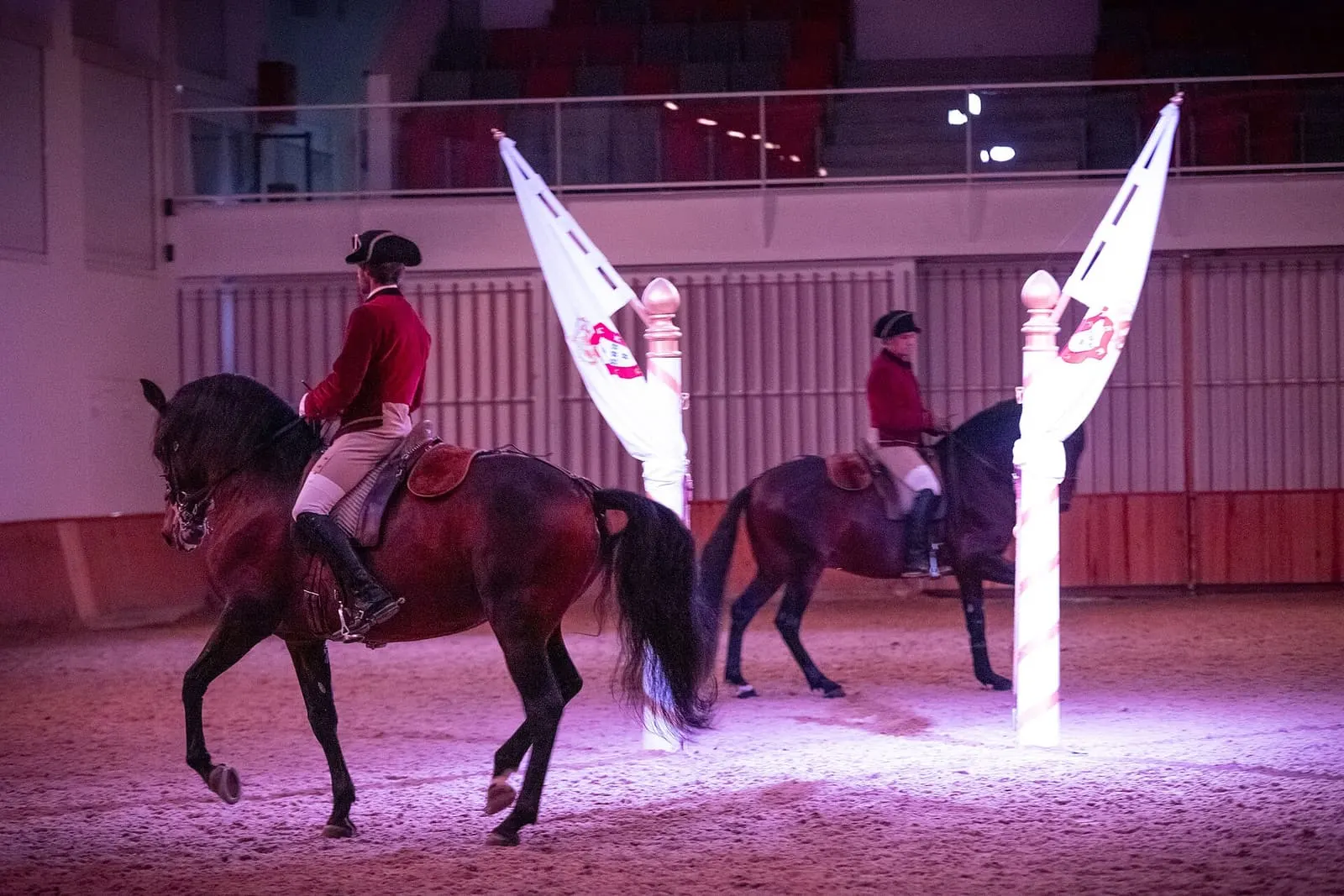 Portugiesische ReitkunstDie Portugiesische Reitkunst, die klassische Reitkunst des Lusitano-Pferdes und Erbin der Picaria Real, wurde 2024 von der UNESCO als immaterielles Kulturerbe…
 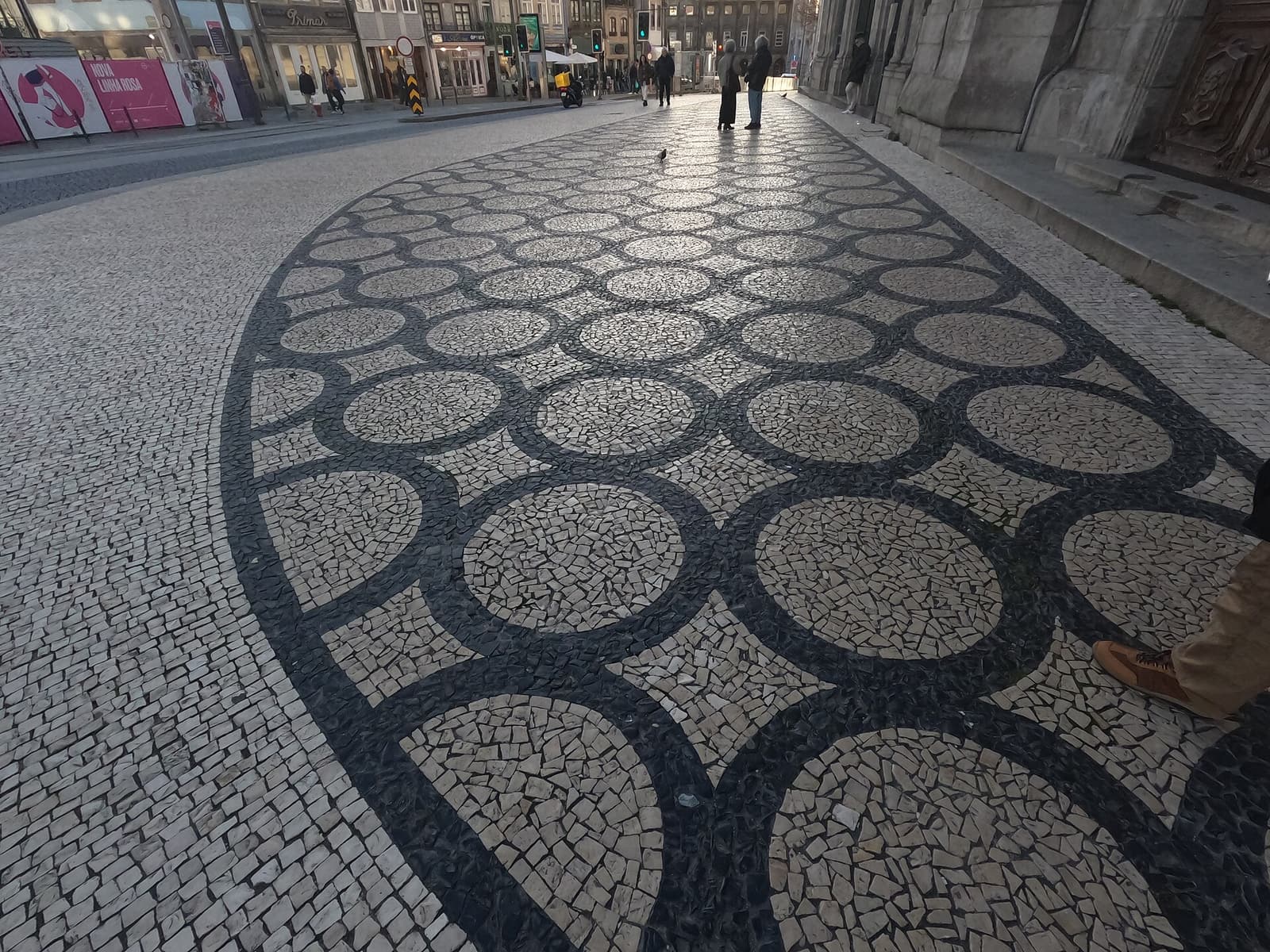 Portugiesisches Pflaster (Calçada Portuguesa)Das portugiesische Pflaster und das Handwerk des Pflasterers (calceteiro): die Kunst des Pflasterns mit Kalkstein und Basalt, ein Symbol der Straßen und Plätze…
 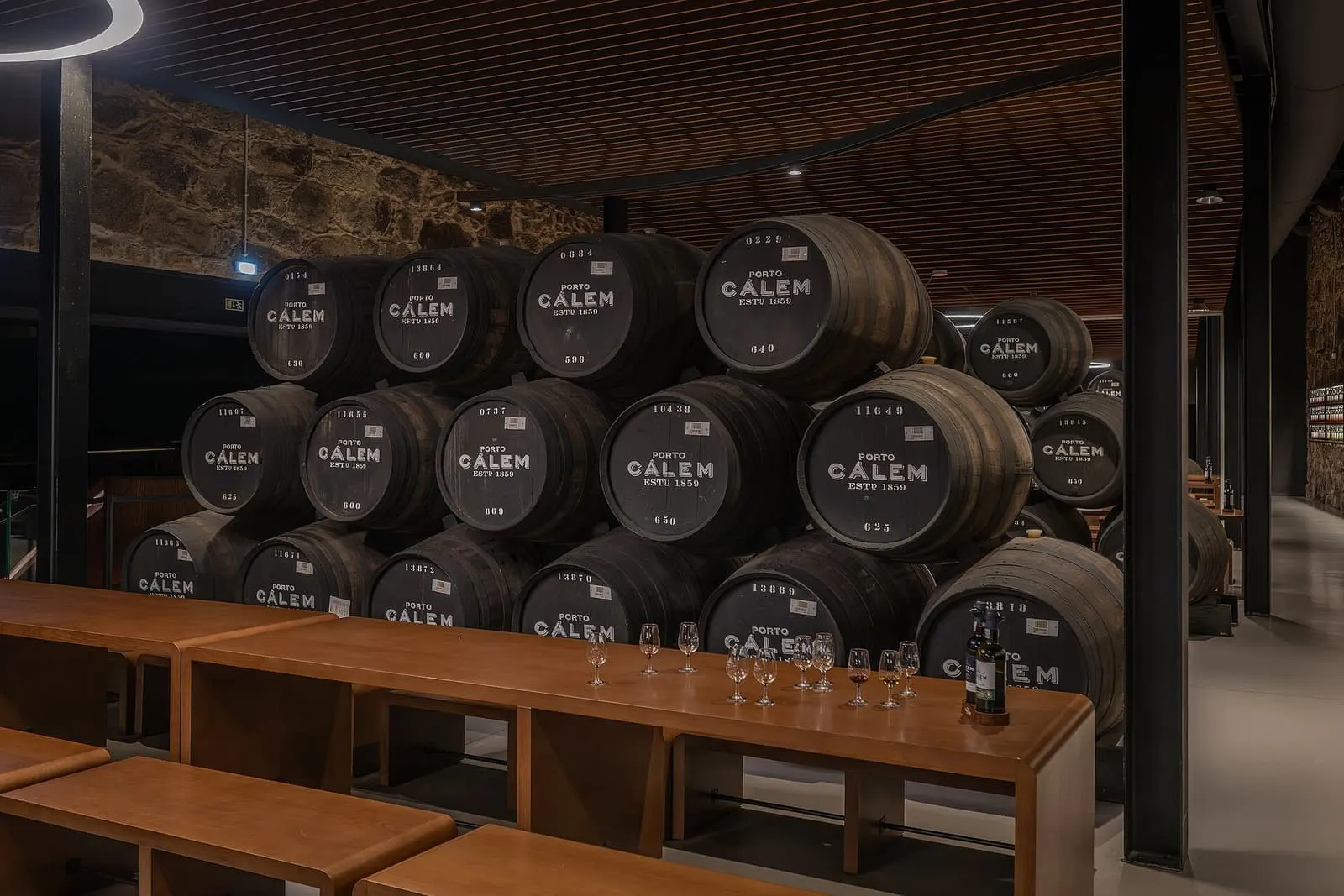 PortweinPortwein, der verstärkte Likörwein aus dem Douro: Geschichte, Produktionsmethoden, Sorten und das Know-how der ersten abgegrenzten Weinbauregion der Welt. Romanceiro Tradicional PortuguêsO Romanceiro Tradicional Português, conjunto de romances cantados de transmissão oral com origem medieval, sobrevive sobretudo em Trás-os-Montes. Schwarze Töpferei von BisalhãesDie schwarze Töpferei von Bisalhães in Mondrões, Vila Real: schwarzer Ton, gebrannt in der Soenga und 2016 von der UNESCO in die Liste des dringend…
 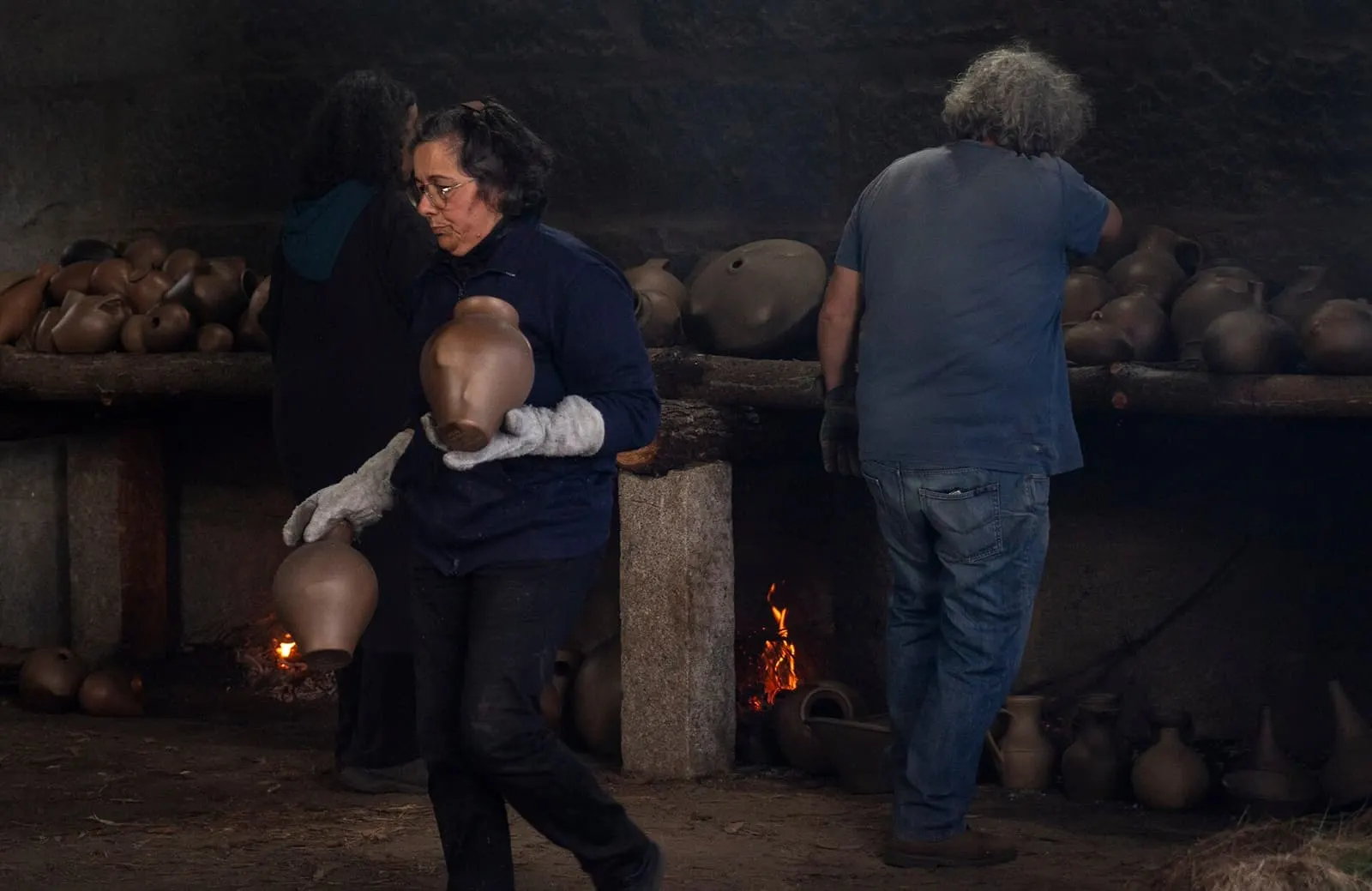 Schwarzer Ton und schwarze Töpferei des NordensSchwarzer Ton und schwarze Töpferei aus Nordportugal: von Bisalhães in Vila Real bis Gondar und Vilar de Nantes, eine von der UNESCO anerkannte Töpfertradition.
 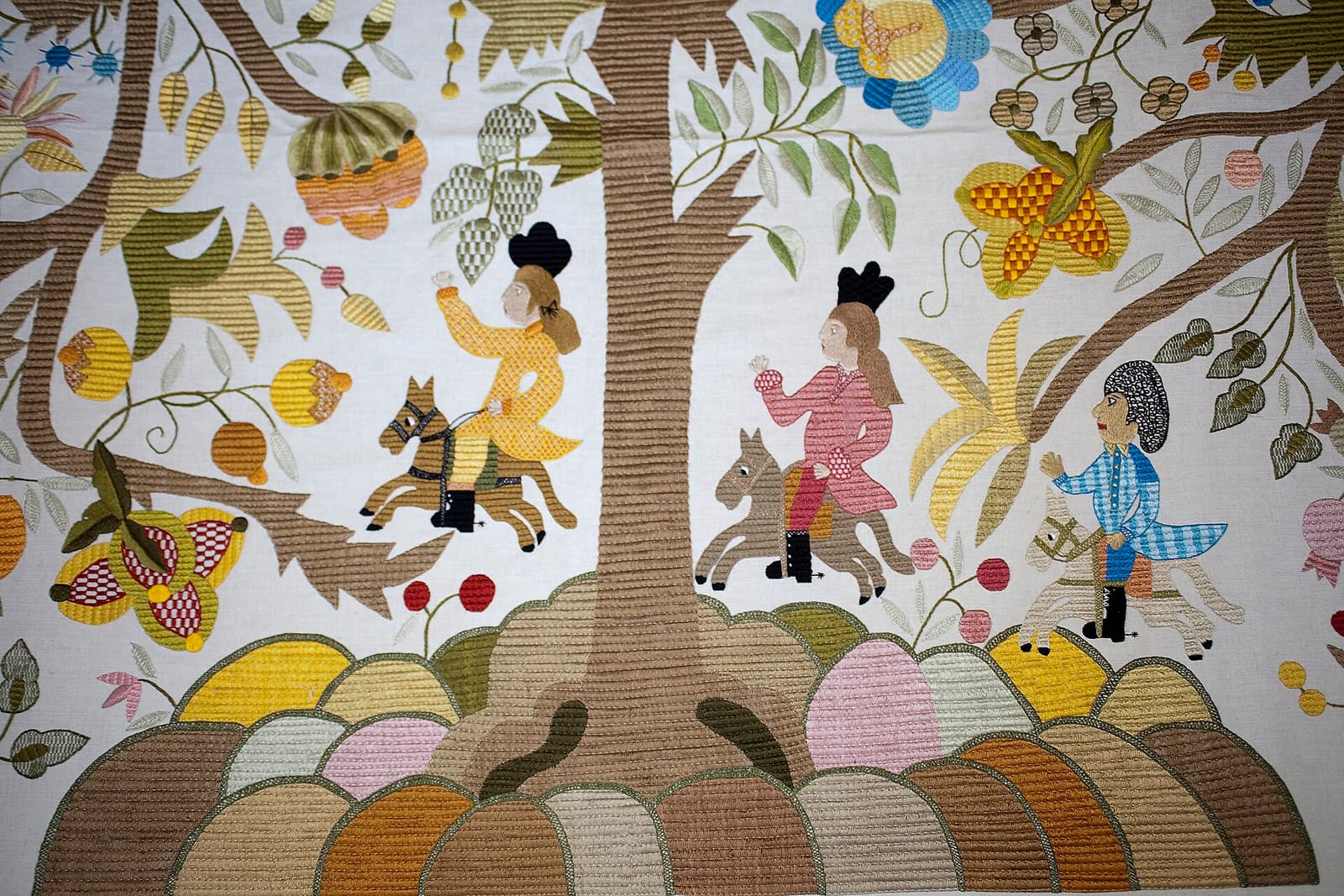 Stickerei von Castelo BrancoDie Stickerei von Castelo Branco, die Seide-auf-Leinen-Tagesdecken der Beira Baixa, mit dem Baum des Lebens und dem Stich von Castelo Branco. Stickereien und Spitzen der AzorenDie Stickereien und Spitzen der Azoren von den Inseln Terceira, Pico und Faial sowie die Künste der Fischschuppe und des Feigenbaummarks im azorischen Kunsthandwerk.
 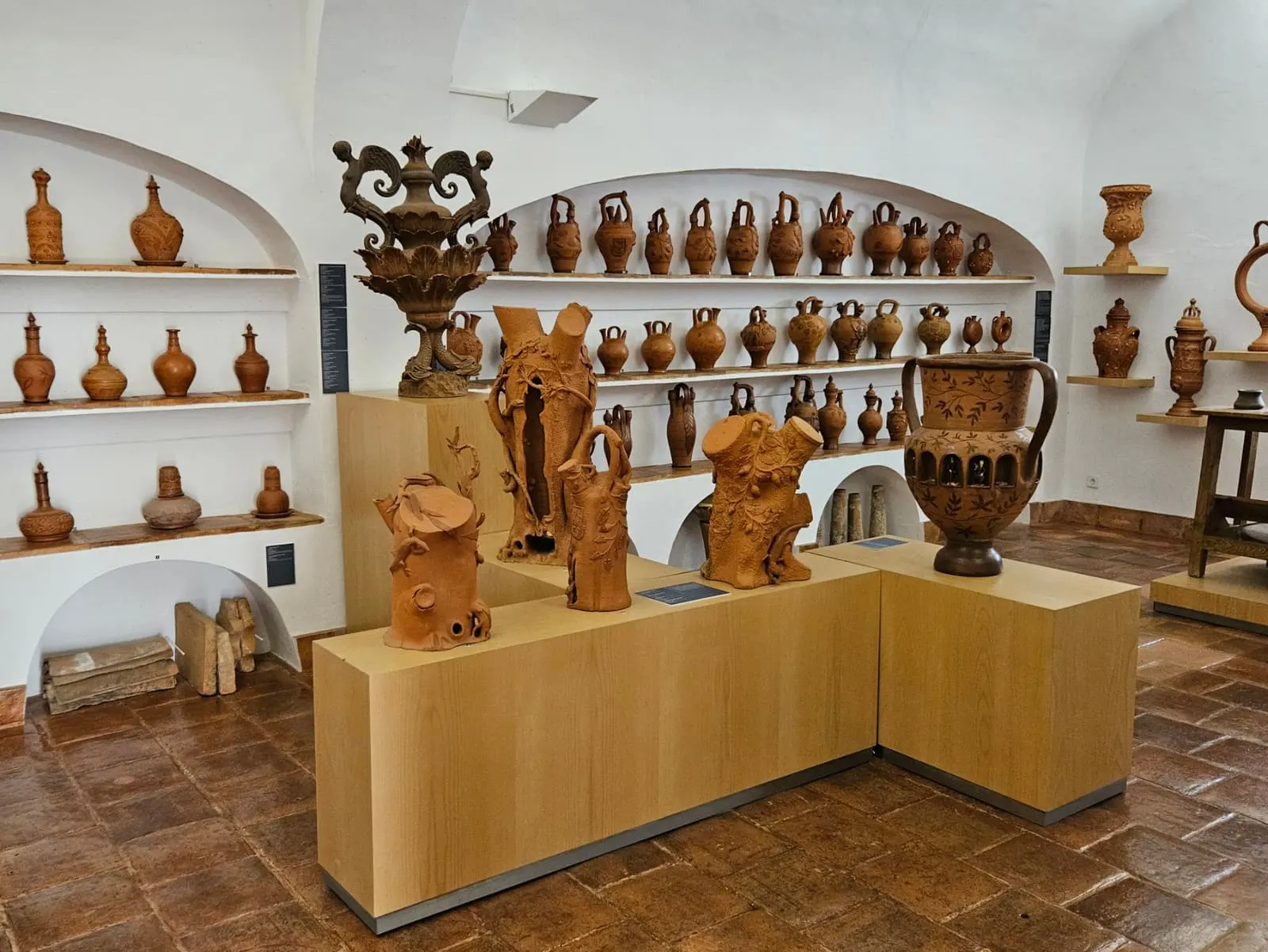 Tonfiguren von EstremozDie Bonecos de Estremoz, Tonfiguren aus dem Alentejo: Typologien, ikonische Figuren und die Tradition der boniqueiras, immaterielles Kulturerbe der Menschheit. Töpferei und Keramik aus BarcelosDie Töpferei und die figürliche Keramik aus Barcelos im Distrikt Braga: der Ton, die Figurenhersteller und der berühmte Hahn, die zu Symbolen der… Töpferei von RedondoTöpferei von Redondo: Alentejanische Tradition der figürlichen und utilitären Keramik im Distrikt Évora, mit Dekorationstechniken im Nationalen Inventar des… Traditional Portuguese PotteryTraditional Portuguese pottery: the craft of clay in the pottery centers of Barcelos, Bisalhães, Nisa, and Redondo, from the North to Alentejo.
 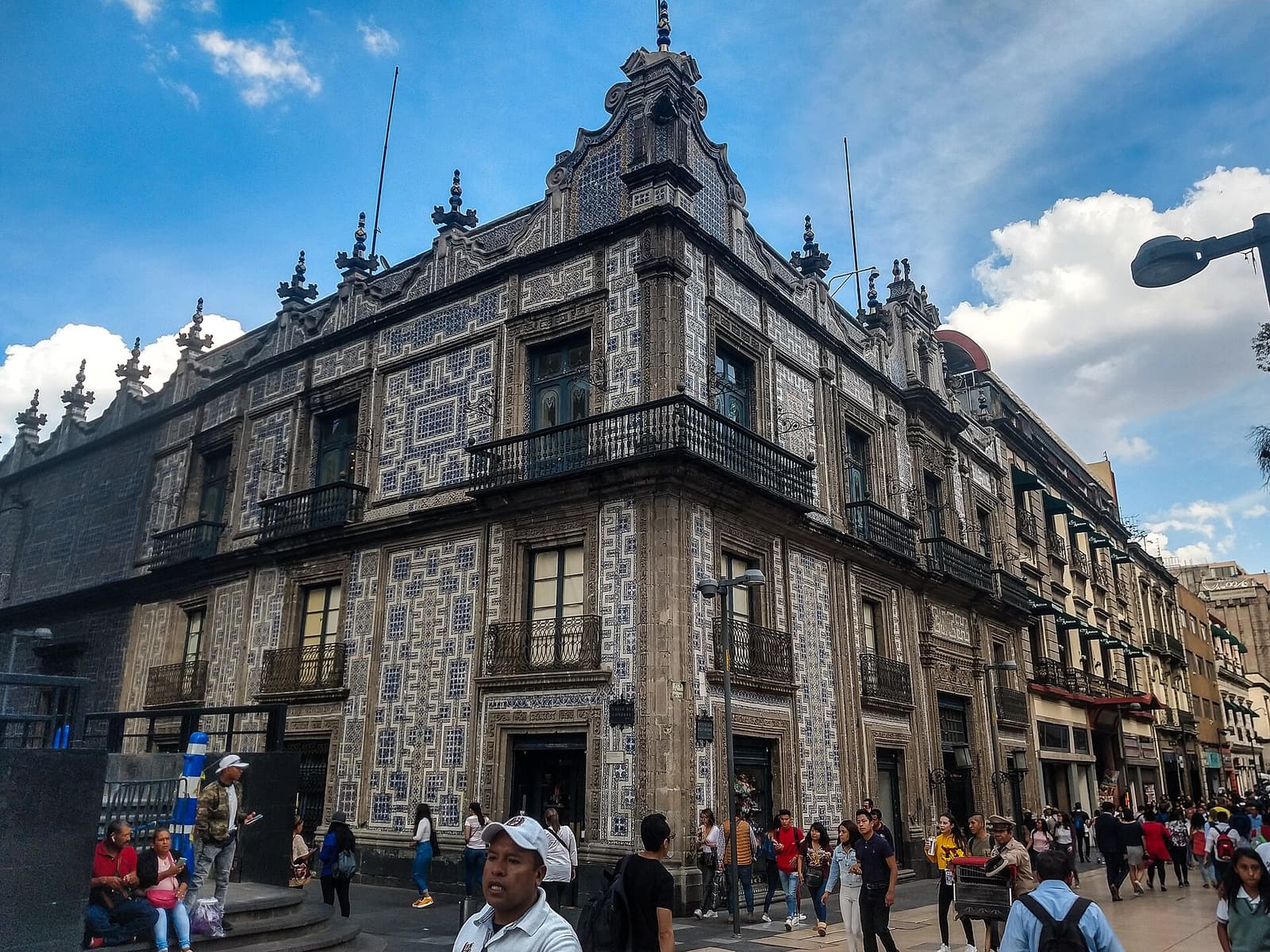 Traditionelle portugiesische AzulejoDie Kunst und das handwerkliche Können der traditionellen portugiesischen Azulejo, von der Herstellung der zinnglasierten Fayence bis zum Verlegen an Wänden… Traditionelle portugiesische KäsesortenTraditionelle portugiesische Käsesorten: Das Know-how der DOP-Schaf-, Ziegen- und Kuhmilchkäse, von der Serra da Estrela bis Azeitão, Serpa und São Jorge. Traditionelle portugiesische KorbflechtereiDie traditionelle portugiesische Korbflechterei: das Können des Flechtens von Weide, Binse, Gerte und Stroh, von Gonçalo bis Camacha, ein immaterielles… Traditionelle portugiesische StickereienDie traditionellen portugiesischen Stickereien, von den Tagesdecken aus Castelo Branco über die Liebestücher des Minho bis zur Stickerei aus Madeira… Traditionelle portugiesische WasserfahrzeugeDie traditionellen portugiesischen Fluss- und Meeresboote — moliceiro, rabelo, fragata, varino und xávega — und das Know-how des Schiffszimmerhandwerks in Portugal. Traditionelle Weberei und DeckenDas Handweben von Wolldecken und überwürfen in Portugal, von den Mantas aus Reguengos über den Cobertor de Papa bis zur Churra-Wolle aus Castro Laboreiro.
 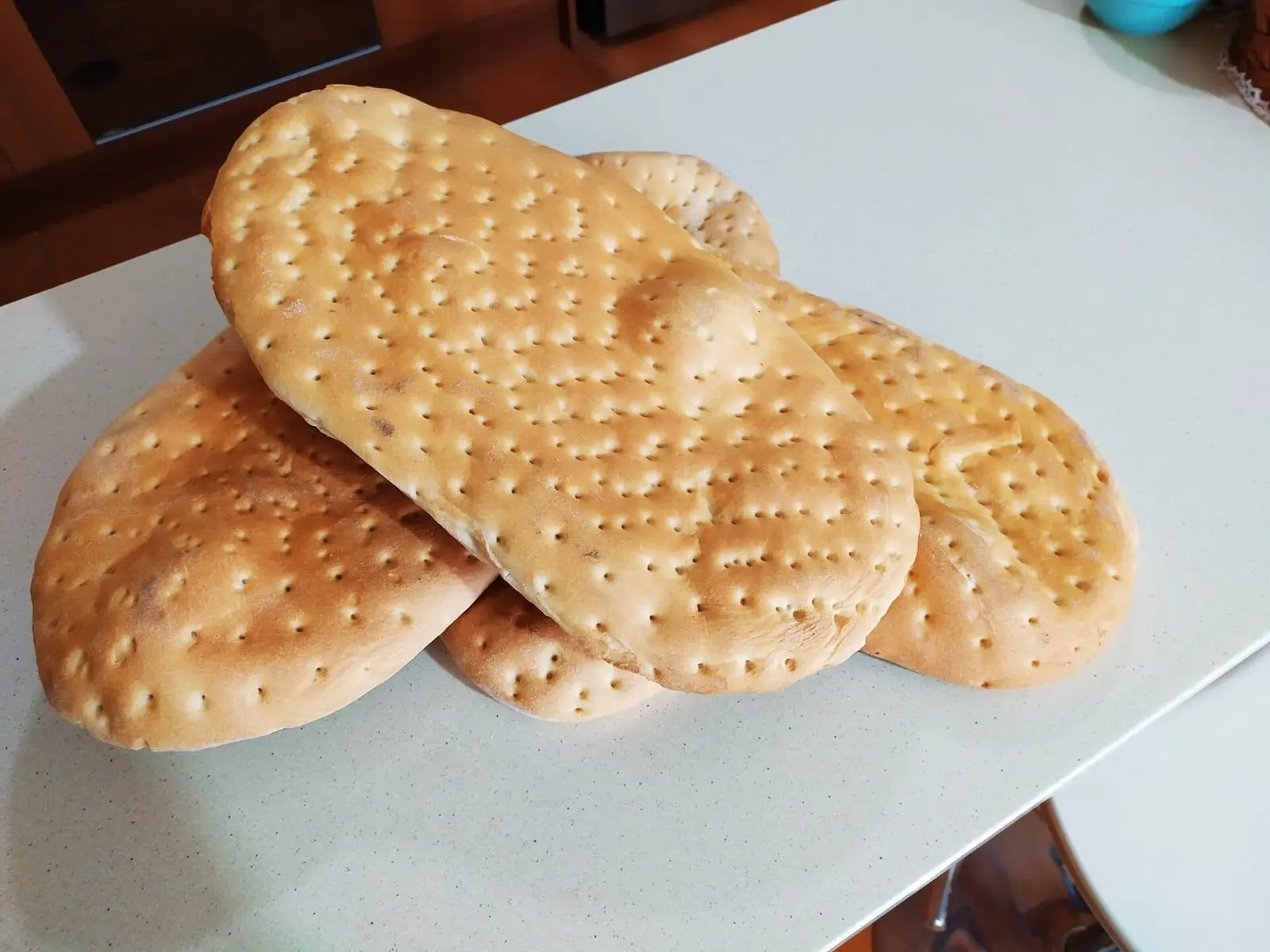 Traditionelles portugiesisches BrotTraditionelles portugiesisches Brot: Das Know-how der Maisbroa, des Roggenbrots aus den Bergen und der Gemeinschaftsöfen, die die ländliche Brotkultur des…
 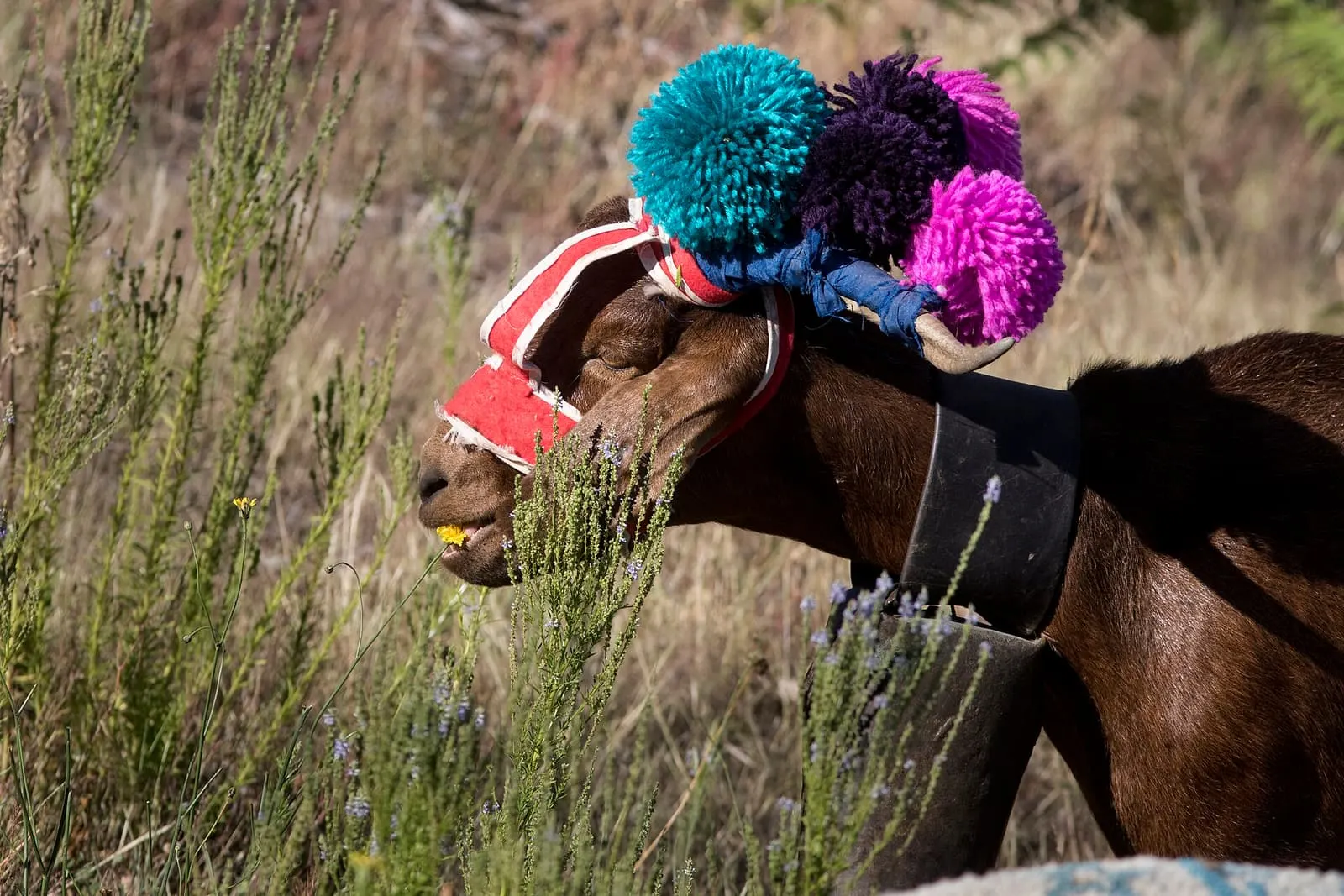 Transhumanz und HirtenkulturTranshumanz und Hirtenkultur in Portugal: die saisonalen Wanderungen von Herden und die Hirtenlebensweise in den Bergen, von der Serra da Estrela bis zum… Vimes und Korbwaren aus CamachaDie Weidenkorbwaren aus Camacha in Santa Cruz auf Madeira, dem Hauptzentrum portugiesischer Weidenflechtkunst, ein traditionelles Handwerk des bergigen…
 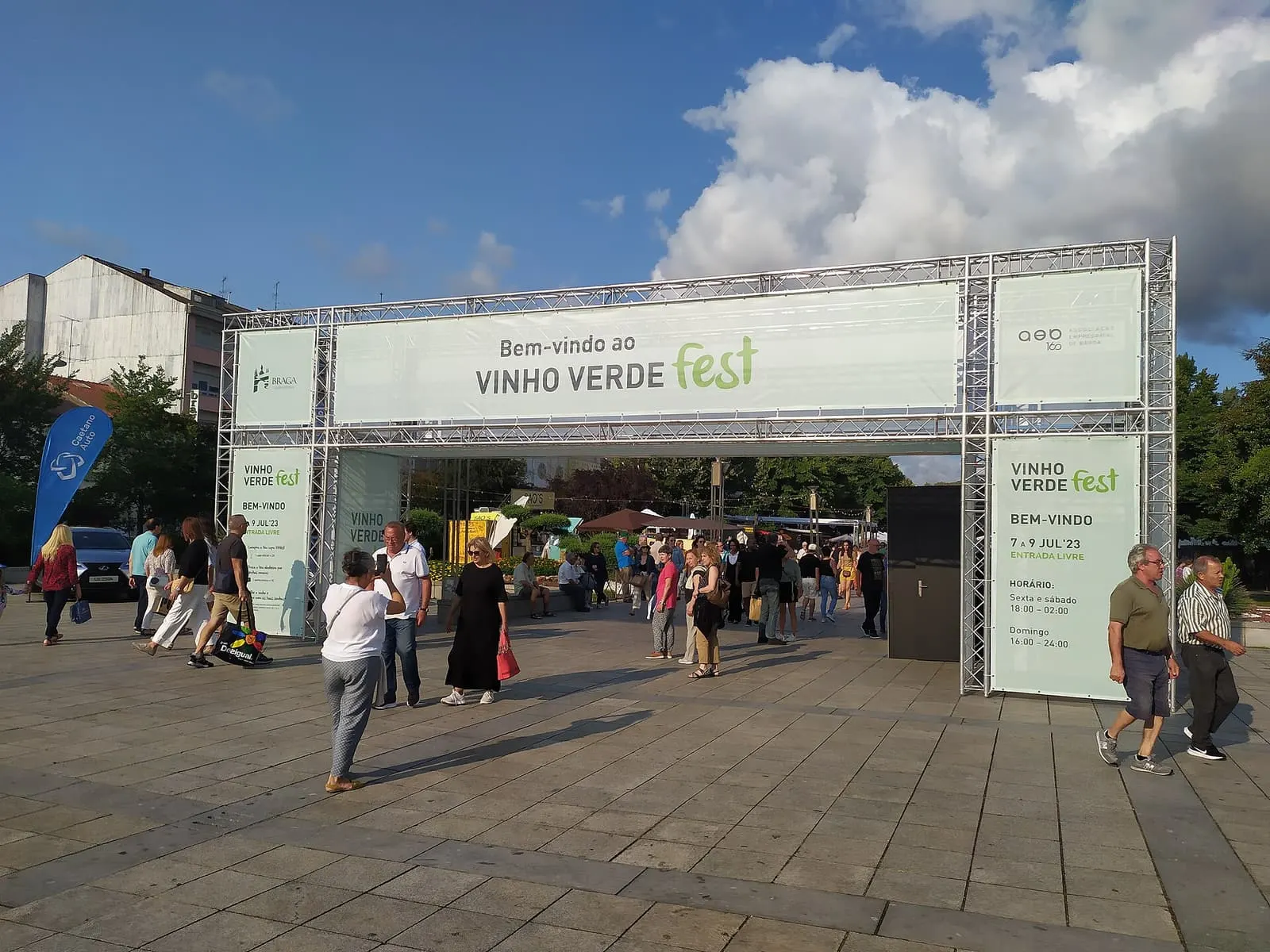 Vinho VerdeVinho Verde, der junge und frische Wein aus dem Minho und dem Nordwesten Portugals, verbunden mit den hochgezogenen Reben und der ältesten geschützten… Viola Campaniça, das Saiteninstrument des Baixo AlentejoDie Viola Campaniça, das große traditionelle Saiteninstrument des Baixo Alentejo, und ihr Universum aus Melodien, Wechselgesängen und Festtänzen.
  Viola de FadoDie Viola de Fado, ein sechssaitiges Stahlsaiteninstrument, das neben der portugiesischen Gitarre Harmonie und Rhythmus des Fado trägt, und ihre Rolle in der…
 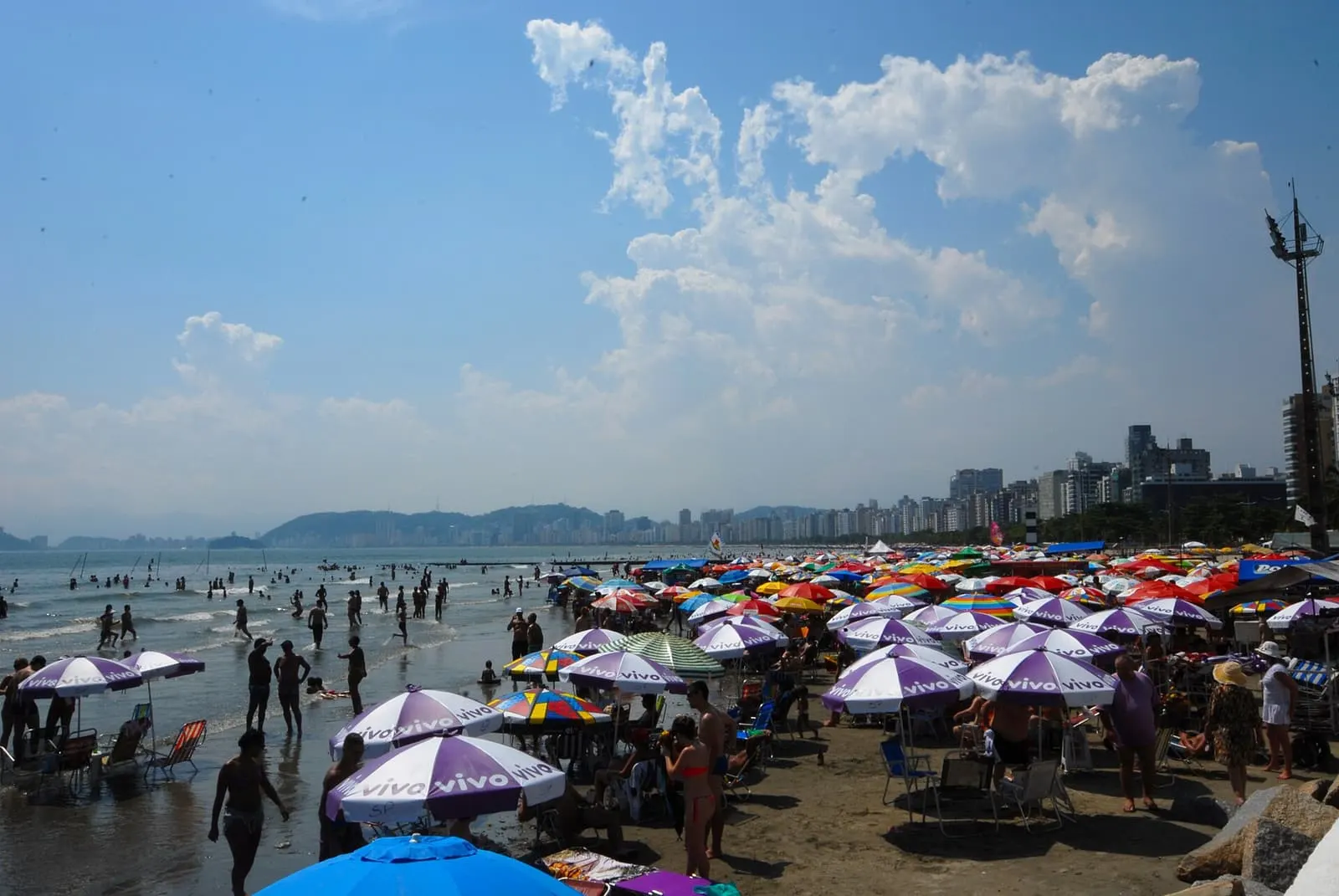 VolksheiligeVolksheilige: Die Juni-Feste in Portugal zu Ehren von Santo António, São João und São Pedro mit Straßenfesten, Umzügen, Feuern, Basilikumsträuchern und Sardinen.
 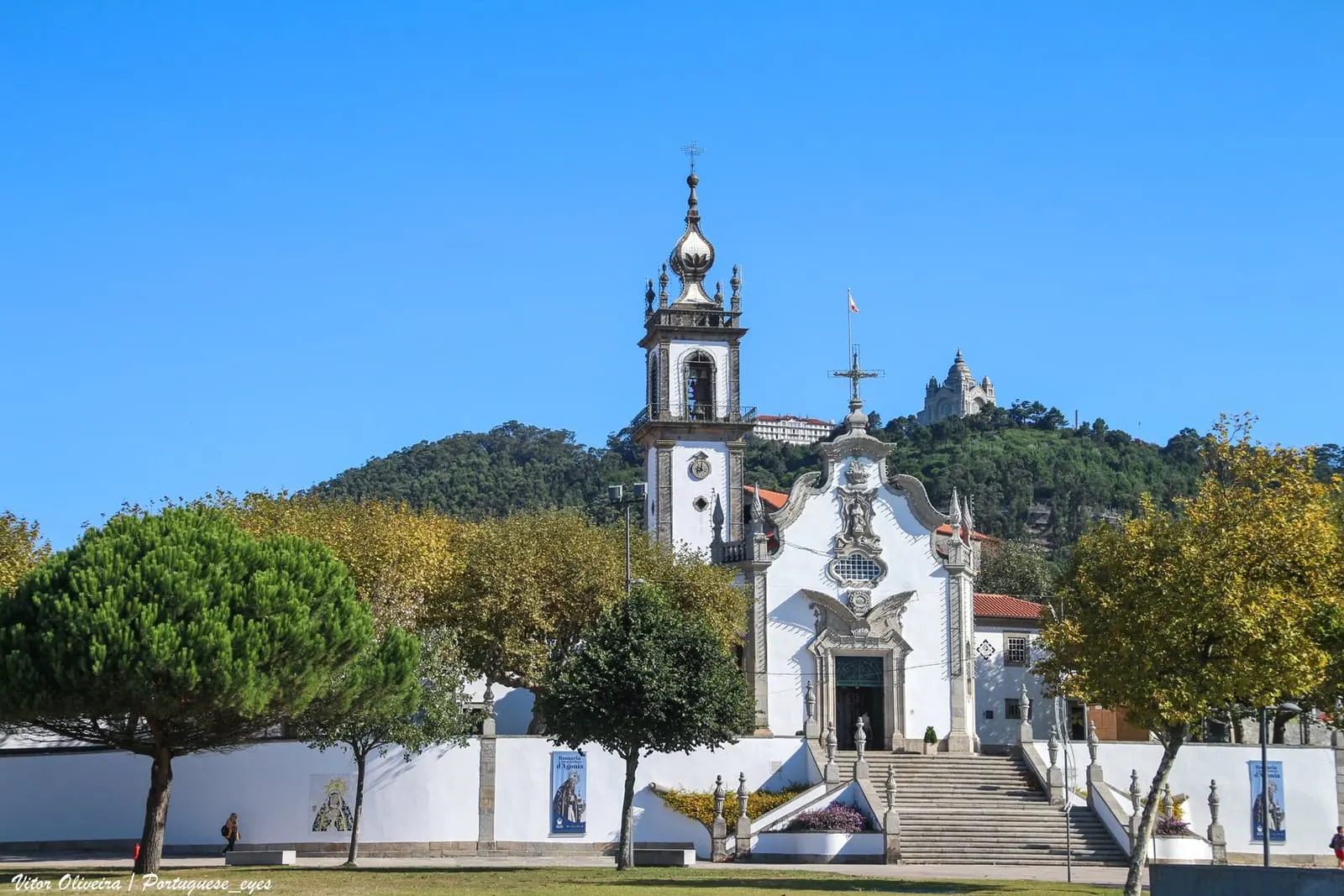 Wallfahrt der Nossa Senhora da AgoniaDie Wallfahrt der Nossa Senhora da Agonia in Viana do Castelo ist das größte Fest des Minho: Trachten, Gold, Blumenteppiche und eine Prozession aufs Meer im August. Wissen und Können im traditionellen SchiffbauDas Wissen und Können im traditionellen Schiffbau Portugals: Das Handwerk der Schiffszimmerer und Kalfaterer, die Holzschiffe bauen. Wurstwaren und RäucherfleischWurstwaren und Räucherfleisch Portugals: Alheiras, Chouriças, Salpicões und Butelos vom Norden bis zum Alentejo, das Können der Schweineschlachtung und der…
 Häufige Fragen
- How many Portuguese elements are inscribed by UNESCO as intangible heritage?
- Portugal has twelve elements on UNESCO's lists: eight on the Representative List, three on the Urgent Safeguarding List, and one recognized safeguarding best practice under Article 18 of the Convention.
- What distinguishes intangible heritage from built heritage?
- Intangible heritage consists of living practices, expressions, and knowledge—music, festivals, crafts, gastronomy. It is preserved by being passed down through generations, not by restoration like a monument.
- What is the National Inventory of Intangible Cultural Heritage?
- It is the instrument created by Decree-Law No. 139/2009 and managed by the DGPC through the MatrizPCI platform, where recognized intangible manifestations in Portugal are registered.