Resources
The Portuguese Ways of St James
The Portuguese Ways of St James: the network of Jacobean routes crossing Portugal towards Compostela, from the Algarve to Valença, and their heritage.
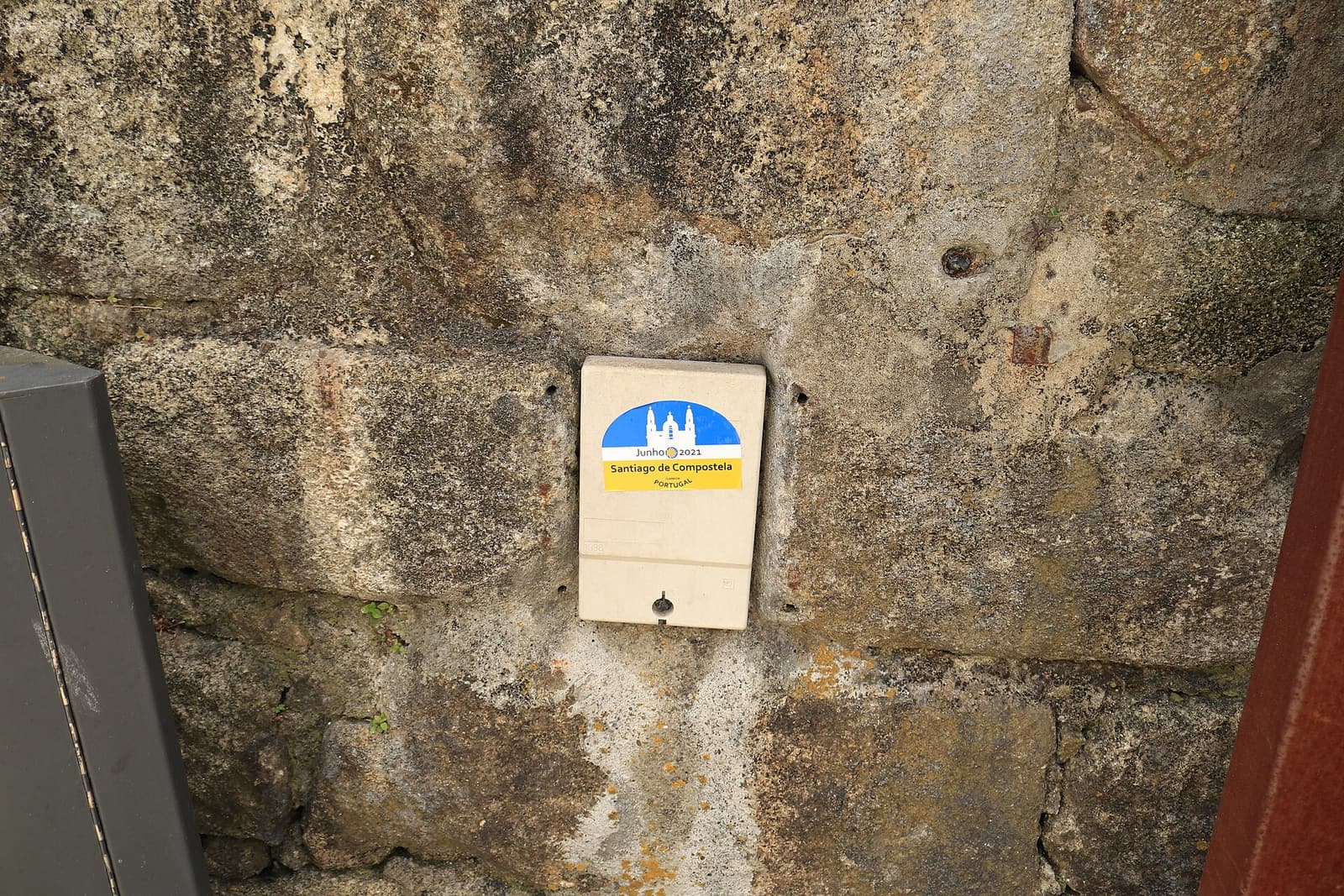
- Location
- Valença, Norte
The Portuguese Ways of St James are the set of pilgrimage routes that, from Portuguese territory, lead to the tomb of the apostle St James the Greater, in the cathedral of Santiago de Compostela, in Galicia. They form part of the vast European Jacobean network — one of the oldest and densest systems of devotional routes on the continent — part of which has been classified as a UNESCO World Heritage Site since 1993, with an extension to the French side in 1998. Across Portugal, these ways span centuries of history, marking landscapes, bridges, pilgrim hospitals and shrines that still dot the route today.
One network, several itineraries
Although people often speak of the “Portuguese Way” in the singular, it is in fact a network with several established branches. The most travelled is the Central Way, which climbs from Lisbon by way of Coimbra and Porto, crossing the rivers Ave, Cávado, Neiva, Lima and Minho before entering Galicia at Tui. Beside the Atlantic runs the Coastal Way, which links Porto to Valença in some 150 kilometres, with open light and a strong connection to the coast. In the east, the Interior Way advances through Viseu and Chaves towards Verín and the Galician Vía de la Plata — the first itinerary certified in the Centro Region, in 2021. To these are added variants such as the Eastern Way, originating in Tavira, and the Torres Way, coming from Amarante.
The diversity of the Portuguese branches is not a logistical detail: it reflects the very geography of the medieval kingdom, in which each bishopric, each bridge and each ford opened up a possible route to the Apostle’s sepulchre.
Medieval roots and the Holy Queen
Devotion to St James took root early in Portugal, fuelled by the proximity of Galicia and by the political importance of the cult during the Reconquista. The moment that best fixed the Portuguese Jacobean tradition was the pilgrimage of the Holy Queen Isabel. In 1325, after the death of her husband King Dinis, the queen set out from Barcelos towards Compostela, crossing the border at Valença and completing the final stage on foot. On 25 July, the feast of St James, she offered the Apostle sumptuous gifts, including crowns, vestments and sacred ornaments. When her tomb was opened in 1612, a pilgrim’s staff was found beside her remains, a memento of that journey. The episode, recounted in chronicles and later accounts, became a symbol of the devotional bond between the Portuguese crown and St James.
Over the centuries, foreign travellers such as Jerónimo Münzer, in 1495, and Nicola Albani, in 1745, left written testimonies of the route, attesting to the continuity of the Central Way as the chief historical road and as the source of a literary memory of international reach.
Heritage along the way
To travel the Portuguese Ways of St James is to cross an inventory of built heritage. Medieval and Roman bridges, such as the famous crossing at Ponte de Lima, served pilgrims and ordered the stages. Cathedrals, Romanesque churches, wayside crosses and former hostels mark out the route, many of them integrated into circuits such as the Romanesque Route in the Sousa and Tâmega valleys. The point of departure for Galicia became forever associated with the fortress of Valença, overlooking the Minho, the last landmark on Portuguese soil before reaching Tui.
Today, the restoration and waymarking of these itineraries — through municipalities, confraternities and Jacobean associations — has restored their vitality. The Portuguese Way has once again become, after the French Way, the most sought-after route for those making the pilgrimage to Compostela, gathering in a single gesture devotion, walking and the discovery of a centuries-old heritage spread across the entire national territory.
Frequently asked questions
- What are the main Portuguese Ways of St James?
- The Jacobean routes in Portugal are organised chiefly around the Central Way, the Coastal Way and the Interior Way, joined by variants such as the Eastern Way and the Torres Way.
- Where did Portuguese pilgrims cross into Galicia?
- The most-used historical crossing went through Valença, over the river Minho, towards Tui, although there were alternative passages along the coast and through the Trás-os-Montes interior.
- Did the Holy Queen Isabel make a pilgrimage to Santiago?
- Yes. In 1325, after the death of King Dinis, Queen Isabel of Aragon made a pilgrimage to Compostela, an episode that consolidated the Jacobean tradition in Portugal.
Sources
Resources for research
Find the sources. Follow the story.
Guides to researching buildings, exploring museum collections and understanding heritage protection.
SIPA
Get to know the architectural inventory, building records and documentary archive.
Read the guideMuseum collectionsMatrizNet
Explore the museum catalogue and records of works, materials, authorship and provenance.
Read the guideHeritage protectionHeritage classification
Understand cultural property categories and the levels of national, public and municipal interest.
Read the guide