Places
Valença
Valença, star-shaped 17th-18th century bastioned fortress in Alto Minho on the Minho River, facing Tui: history, fortifications and visiting the border city.
- Location
- Valença, Viana do Castelo
- Built
- século XVII–XVIII (fortificações abaluartadas)
- Style
- Arquitetura militar abaluartada
On the left bank of the Minho River at Portugal’s northernmost point, Valença stands as one of the most remarkable fortress-towns along the Portuguese-Galician border. This city in Viana do Castelo district owes its singular physiognomy to a ring of bastioned walls embracing its historic core - when viewed from above, appearing as a stone star suspended above the river facing Galicia’s Tui.
From medieval origins to fortress-town
Fortified settlement here dates to the 12th-13th century transition when defending this river crossing became crucial. The town received its charter from King Sancho I in 1217 as Contrasta - a name evoking its border stronghold status opposite Galicia. In 1262, King Afonso III reformed its military layout and renamed it Valença, expanding walls to encompass the entire settlement.
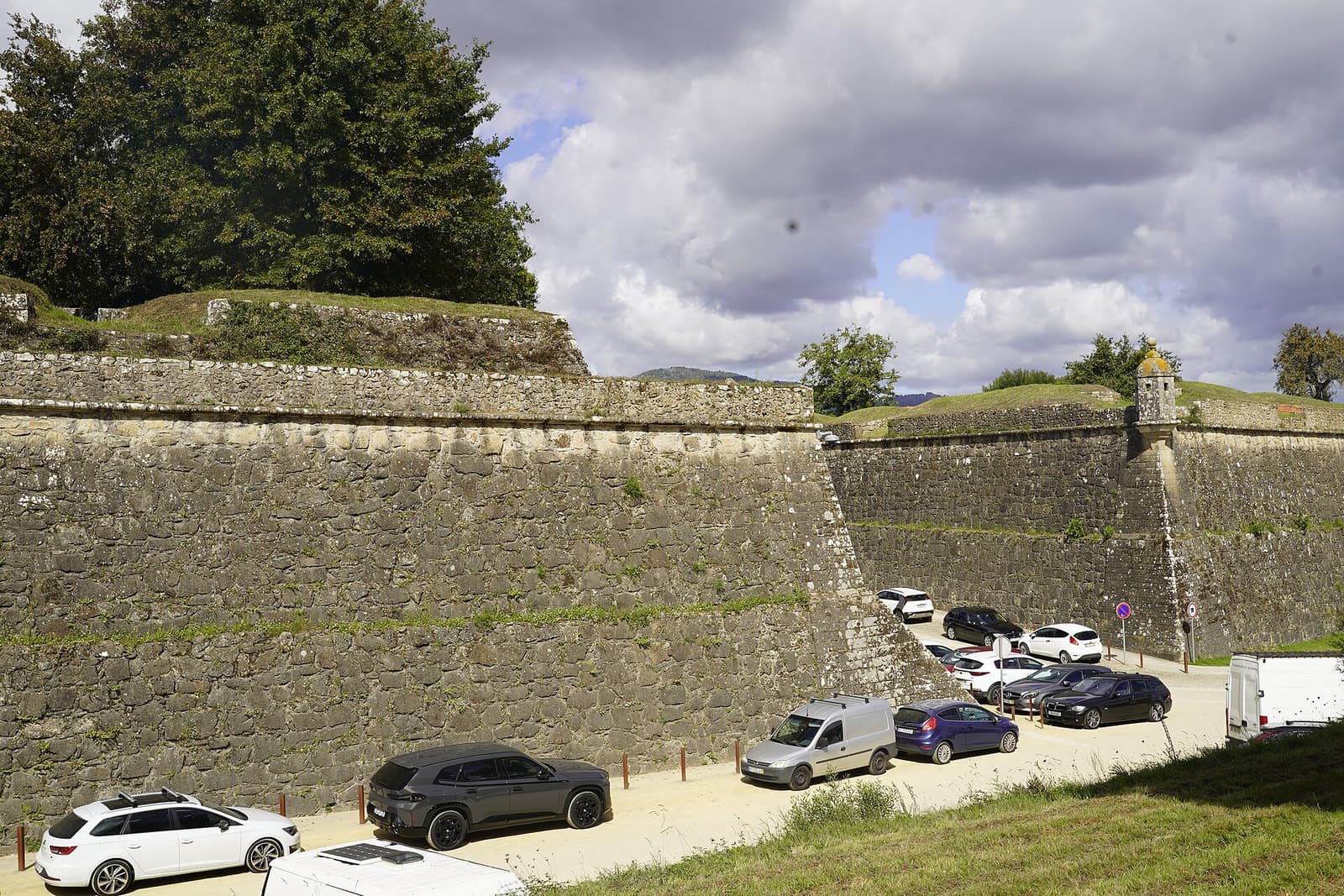
However, it was during the Restoration Wars in the 17th century that Valença acquired its distinctive profile. Military engineers constructed vast overlapping bastioned fortifications adapting to modern artillery needs by exploiting the terrain’s topography. By the early 18th century, Valença had become the Minho’s most important fortress-town and a linchpin in the kingdom’s border defense system.
Leveraging the terrain’s elevation with staggered curtains and bastions was the ingenious solution that transformed a riverside hill into a landscape-scale war machine.
A bastioned system of European scale
The defensive complex spans approximately 5km of walled perimeter, integrating ten bastions and two demi-bastions connected by ravelins, moats and monumental gates. This engineering, heir to 17th-18th century European bastion fortification principles, makes Valença a reference among Portugal’s walled towns, with its historic center remarkably preserved within the ramparts.
Recognized early for its heritage value - Valença’s fortress has been a National Monument since 1928. To understand the medieval structure preceding and incorporated into the 17th-century works, visit Valença Castle, the defensive system’s primitive core.
Living border city
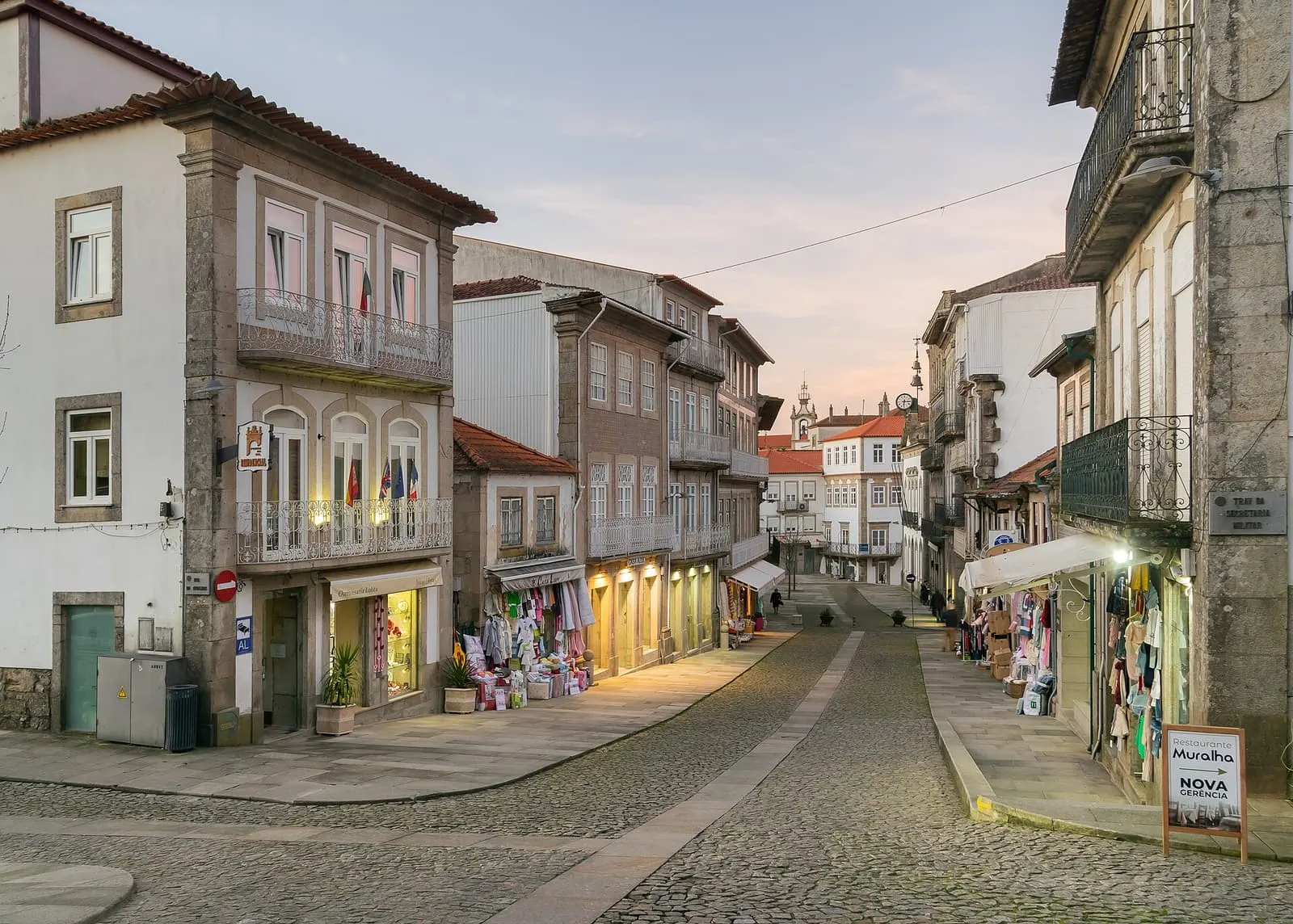
Valença was never just a military machine. Within its walls, narrow streets, churches, manor houses and squares sustain urban life in a border town now animated by commerce and pilgrim traffic. The town is a mandatory stop on the Central Portuguese Way to Santiago, crossing the Minho toward Galicia and making its international bridge one of the route’s most symbolic passages.
Elevated to city status in 2009, Valença continues gaining recognition: its fortress is part of the joint UNESCO tentative list nomination of Bastioned Fortresses of the Luso-Spanish Border (with Almeida and Marvão) and hosts an interpretation center for this border heritage. Located in Portugal’s Norte region, Valença condenses two millennia of military history and the vitality of a city still living within its own walls.
Frequently asked questions
- Where is Valença located?
- Valença is situated in the Viana do Castelo district of Alto Minho, on the left bank of the Minho River, facing the Galician city of Tui at Portugal's northernmost point.
- Why is Valença known as a fortress-town?
- For its imposing 17th-18th century bastioned fortress with approximately 5km of walls, ten bastions and two demi-bastions, built to defend the Portuguese-Galician border.
- Is Valença's fortress a UNESCO World Heritage Site?
- Not yet. It's part of the joint nomination of Bastioned Fortresses of the Luso-Spanish Border (with Almeida and Marvão) submitted to Portugal's UNESCO tentative list.
Sources
Keep exploring
Heritage nearby
More places to discover from here. Approximate straight-line distances, within 50 km.