Resources
IGESPAR — Institute for the Management of Architectural and Archaeological Heritage
IGESPAR (2007–2011) managed Portugal's architectural and archaeological heritage, merging the IPPAR and the IPA and directly preceding the DGPC, in Lisbon.
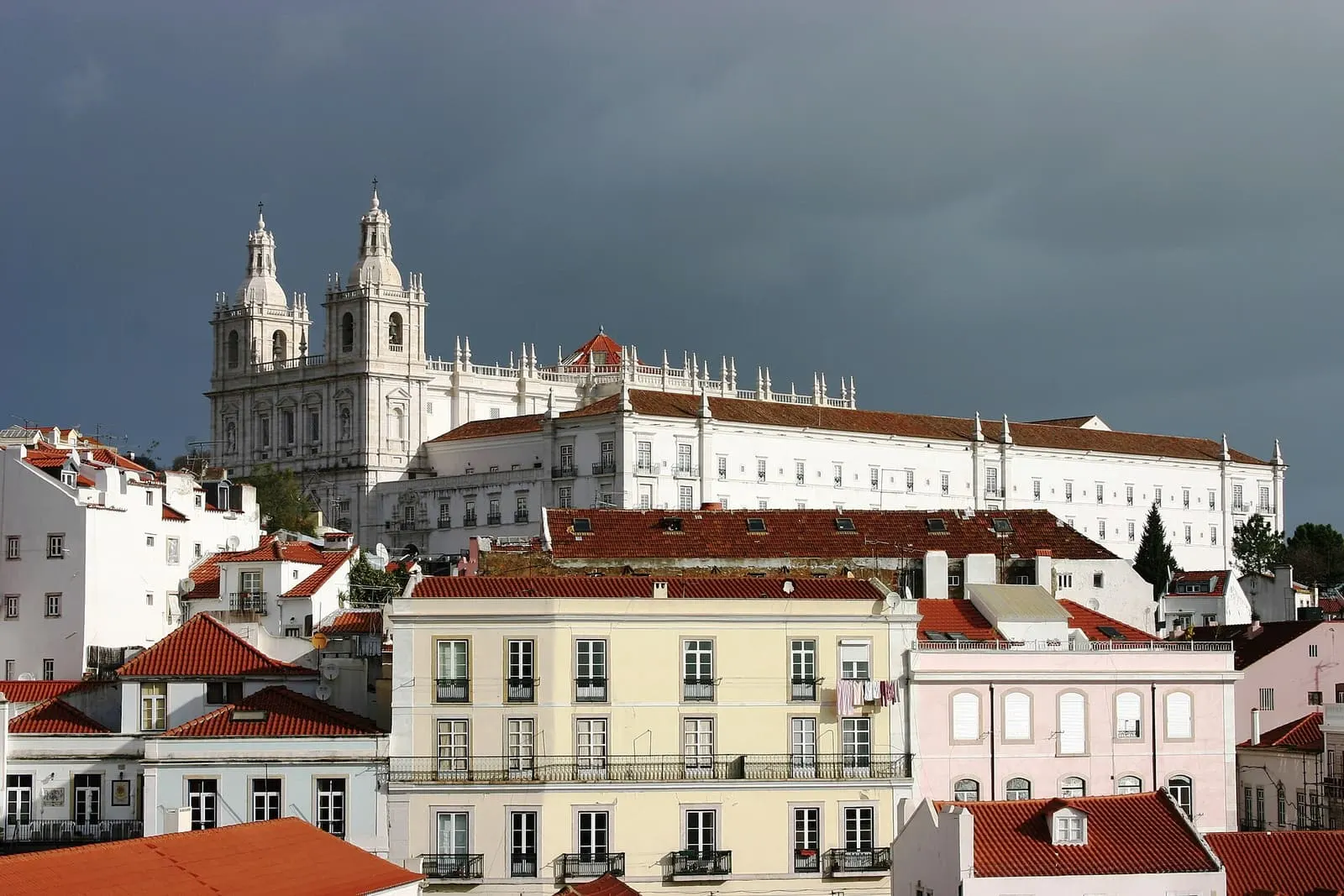
- Location
- Lisboa, Lisboa
- Built
- 2007–2011
The Institute for the Management of Architectural and Archaeological Heritage (IGESPAR, I.P.) was the body of the Portuguese central administration responsible, between 2007 and 2011, for the management and safeguarding of the classified immovable cultural heritage of mainland Portugal. Headquartered in the Palácio Nacional da Ajuda, in Lisbon, it was overseen by the Ministry of Culture and was the direct predecessor of the present-day Directorate-General for Cultural Heritage.
Creation and context
IGESPAR was created as part of the reorganisation of the public administration and the organic law of the Ministry of Culture, formally established by Decree-Law no. 96/2007 of 29 March. Its genesis resulted from the merger of two pre-existing institutes: the Portuguese Institute of Architectural Heritage (IPPAR), which for fifteen years had regulated the classification of built historical heritage, and the Portuguese Institute of Archaeology (IPA). The new institute also absorbed the powers of the then defunct Directorate-General for National Buildings and Monuments, concentrating in a single body the oversight of monumental buildings and of the archaeological record.
This unification sought to rationalise an administrative structure that, until then, had been dispersed across several services with overlapping responsibilities. IGESPAR brought together, under a single management, the architectural and the archaeological dimensions of immovable heritage.
Responsibilities and activity
IGESPAR was responsible for preparing and proposing the classification proceedings for monuments, ensembles and sites, defining and supervising special protection zones, authorising and monitoring archaeological work, and promoting the systematic inventory of immovable cultural property. It was also tasked with the conservation and restoration of a vast set of national monuments under the direct administration of the State, as well as the monitoring of Portuguese applications for World Heritage status.
Throughout its operation, the institute maintained and developed inventory instruments and databases that would serve as the foundation for the work of its successors, ensuring the continuity of the procedures for the legal protection of built and archaeological heritage.
Abolition and succession
IGESPAR’s institutional life was short. As part of a new reform of the cultural administration, it was abolished by Decree-Law no. 126-A/2011 of 29 December. Its responsibilities, together with those of the Institute of Museums and Conservation, passed to the newly created Directorate-General for Cultural Heritage, which came to concentrate the management of the country’s immovable, movable and museological heritage.
The trajectory of IGESPAR illustrates the succession of reorganisations that marked Portuguese heritage oversight in the first decades of the twenty-first century, a path that forms part of the broader history of heritage institutions in Portugal. Though short-lived, the institute represented a significant step in the integration of the architectural and archaeological competences that would come to characterise the subsequent heritage administration.
Frequently asked questions
- What was IGESPAR?
- It was the public institute that, between 2007 and 2011, managed and safeguarded the classified architectural and archaeological heritage of mainland Portugal, under the oversight of the Ministry of Culture.
- Which institutions gave rise to IGESPAR?
- It resulted from the merger of the Portuguese Institute of Architectural Heritage (IPPAR) with the Portuguese Institute of Archaeology (IPA), also incorporating responsibilities of the defunct Directorate-General for National Buildings and Monuments.
- Which institution succeeded IGESPAR?
- In 2011 IGESPAR was abolished and its functions passed to the Directorate-General for Cultural Heritage (DGPC), created through the merger of IGESPAR with the Institute of Museums and Conservation.
Sources
Resources for research
Find the sources. Follow the story.
Guides to researching buildings, exploring museum collections and understanding heritage protection.
SIPA
Get to know the architectural inventory, building records and documentary archive.
Read the guideMuseum collectionsMatrizNet
Explore the museum catalogue and records of works, materials, authorship and provenance.
Read the guideHeritage protectionHeritage classification
Understand cultural property categories and the levels of national, public and municipal interest.
Read the guide