Resources
IPA — Portuguese Institute of Archaeology
The Portuguese Institute of Archaeology (IPA), a body of the Ministry of Culture created in 1997 in the wake of Foz Côa to oversee national archaeology.
- Built
- 1997–2006
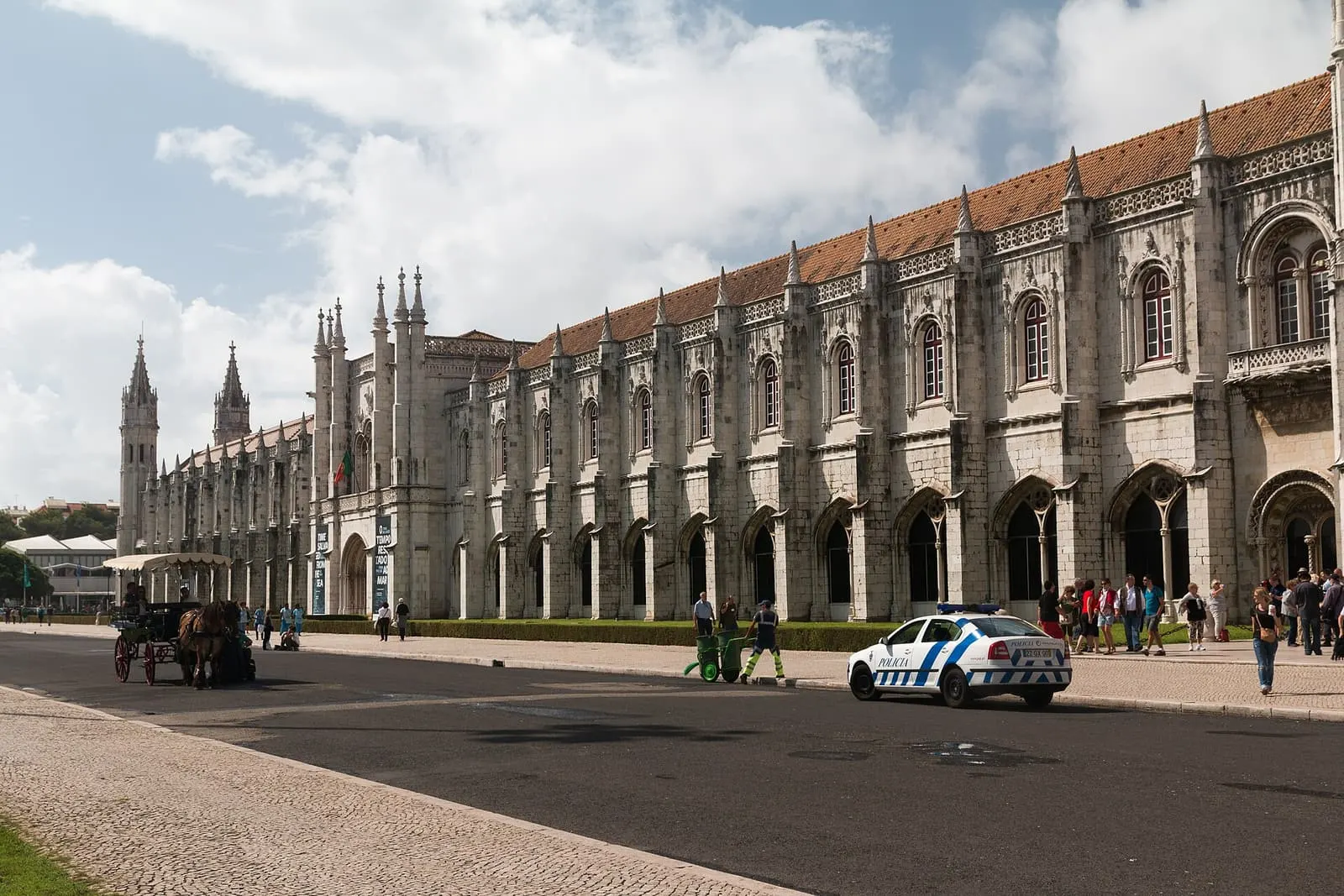
The Portuguese Institute of Archaeology (IPA) was a body of the Portuguese central administration, under the Ministry of Culture, which between 1997 and 2006 held responsibility for the oversight and regulation of archaeological activity in Portugal. Headquartered in Lisbon, it represented a far-reaching reform in the organisation of the discipline, removing archaeology from the remit of the institute that managed architectural heritage and endowing it, for the first time, with an autonomous structure of national scope.
Origins in the Foz Côa case
The creation of the IPA is inseparable from the so-called “Côa question”. The discovery, in 1994–1995, of a vast assemblage of Palaeolithic rock engravings in the Côa Valley, threatened by the construction of a dam on the river, sparked a national and international controversy that culminated in the suspension of the works. The episode exposed the weaknesses of the institutional framework of Portuguese archaeology and prompted a far-reaching political response.
It was in this context that Decree-Law no. 117/97 of 14 May 1997 was published, establishing the IPA. The institute took over the powers of licensing, supervision and promotion of archaeological work, also incorporating the Côa Valley Archaeological Park as a service with its own structure. Its first director was the archaeologist João Zilhão, who led the body between 1997 and 2002 and who had, in 1996, been tasked with organising the park and preparing the site’s nomination as a World Heritage Site — a classification obtained in December 1998.
Mission and activity
The IPA’s mission was to define the policy for managing archaeological heritage and to regulate and promote all activity in the sector. It fell to the institute to standardise excavation procedures, create instruments for recording and inventory, and structure the relationship between preventive archaeology and the growing volume of public and private works. This preventive strand, articulated with impact assessments, transformed national archaeological practice, multiplying salvage interventions across the territory.
The institute also sought to bring scientific research closer to heritage management, at a time when the understanding of Portuguese archaeology as a technically demanding and socially relevant activity was consolidating. Its work forms part of the long evolution of supervisory institutions, a theme developed in the history of heritage institutions.
Dissolution and legacy
The IPA’s existence was relatively brief. During the 15th Constitutional Government, the minister Pedro Roseta announced his intention to dissolve it, which prompted successive protests from the archaeological community. The merger was carried out by Decree-Law no. 215/2006 of 27 October, which brought the IPA and the Portuguese Institute of Architectural Heritage together into a single body, IGESPAR. The latter, in turn, would be integrated in 2012 into the present-day Directorate-General for Cultural Heritage.
Despite its short period of operation, the IPA left a lasting mark: it established licensing and preventive archaeology routines that endured in its successor structures and consolidated the valorisation of the Côa as a founding case of a new relationship between development and the safeguarding of heritage.
Frequently asked questions
- When was the Portuguese Institute of Archaeology created?
- The IPA was created by Decree-Law no. 117/97 of 14 May 1997 as a body of the Ministry of Culture responsible for managing the national archaeological heritage.
- What is the IPA's connection to the Foz Côa case?
- The institute was born out of the controversy over the Côa engravings (1994–1995), which led to the suspension of the dam and the creation of a new structure to oversee Portuguese archaeology.
- What happened to the IPA?
- In 2006, by Decree-Law no. 215/2006 of 27 October, the IPA merged with the Portuguese Institute of Architectural Heritage, giving rise to IGESPAR.
Sources
Resources for research
Find the sources. Follow the story.
Guides to researching buildings, exploring museum collections and understanding heritage protection.
SIPA
Get to know the architectural inventory, building records and documentary archive.
Read the guideMuseum collectionsMatrizNet
Explore the museum catalogue and records of works, materials, authorship and provenance.
Read the guideHeritage protectionHeritage classification
Understand cultural property categories and the levels of national, public and municipal interest.
Read the guide