Periods & Styles
Modernism in Portuguese Architecture
Modernism in Portuguese architecture: from the reinforced concrete and rationalism of the 1920s generation to the tensions with the nationalism of the Estado Novo.
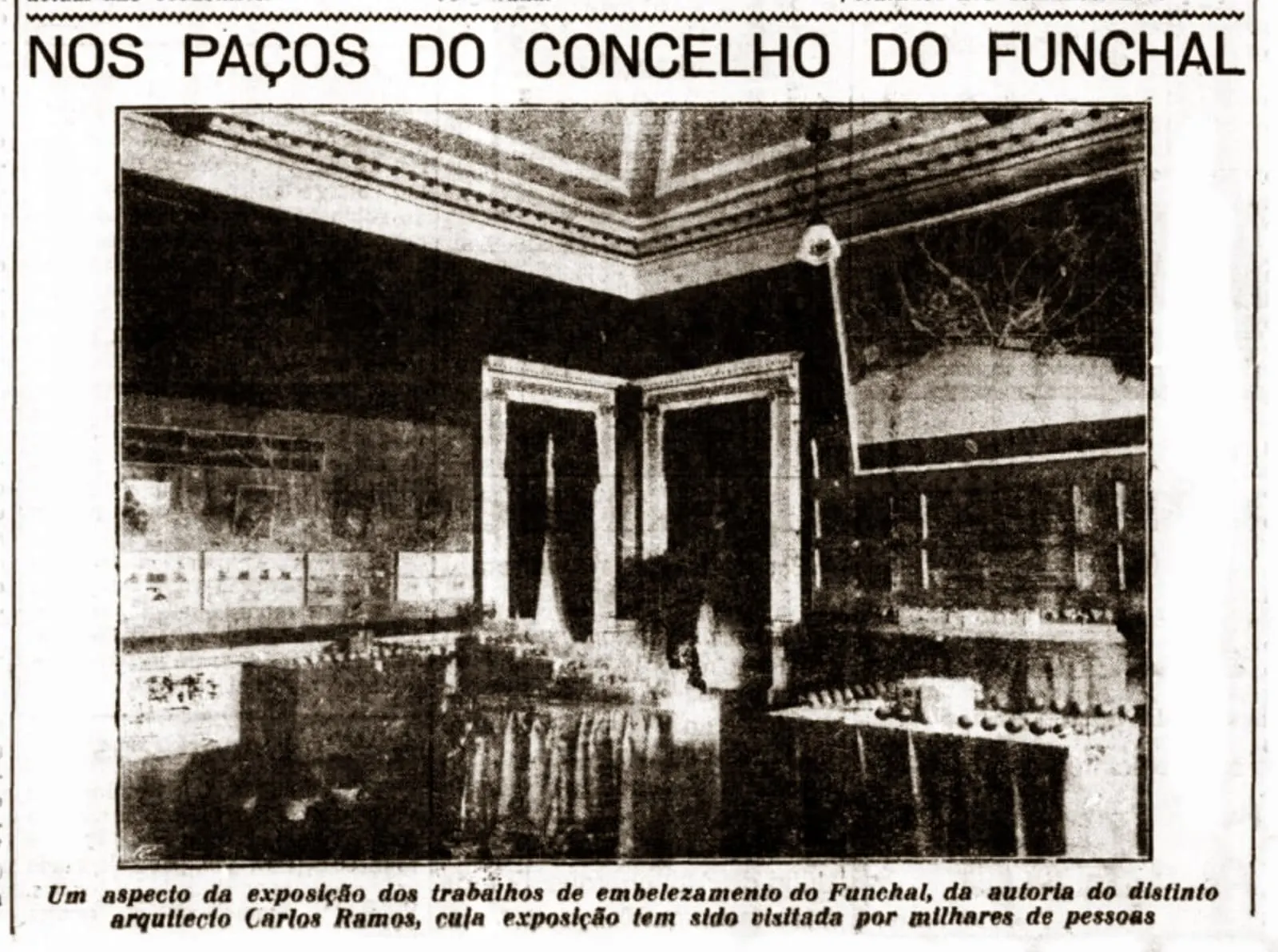
Modernism was the current that broke, in Portuguese architecture, with the eclecticism and historicism that prevailed in the transition from the nineteenth to the twentieth century. Although the first coherent manifestations only emerged in the late 1920s, the movement embodied a profound shift: the replacement of academic composition with a language grounded in function, economy of means and the direct expression of materials. Alongside Art Deco in Portugal, with which it coexisted and at times merged, Modernism defined the face of Portuguese architecture between the two wars and continued, in renewed forms, until the middle of the century.
Conditions and protagonists
Three factors converged to make this renewal possible. The first was technical: the widespread adoption of reinforced concrete freed the plan and the façade from the constraints of the load-bearing wall, allowing large spans, terraces and pared-down volumes. The second was generational: a group of architects trained in the fine-arts schools of Lisbon and Porto exchanged the eclectic repertoire for an avowedly modern conception. The third was political, with the instability of the First Republic giving way, in 1926, to a military dictatorship and, later, to the Estado Novo.
In Lisbon, names such as Luís Cristino da Silva, Cassiano Branco, Porfírio Pardal Monteiro, Jorge Segurado, Cottinelli Telmo and the brothers Carlos and Guilherme Rebelo de Andrade asserted the new language. In Porto, the renewing impulse came from figures such as Morais Soares and Cunha Leão, gaining decisive momentum when Carlos Ramos directed the School of Fine Arts — a teaching legacy that lies at the origin of the future Porto School.
Landmark works
The work usually considered inaugural is the Cineteatro Capitólio, in Parque Mayer, designed by Cristino da Silva (drawn from 1925, inaugurated in 1931), whose reinforced concrete structure is owed to the engineer Belard da Fonseca. Cassiano Branco signed the Éden-Teatro and several buildings of marked plasticity. Pardal Monteiro designed the Instituto Superior Técnico (1929–1941), a complex that was decisive in winning the acceptance of modern architecture by the authorities and by private initiative, and later the Church of Nossa Senhora de Fátima, with stained-glass windows by Almada Negreiros. Jorge Segurado designed the Liceu Dona Filipa de Lencastre (1937) and collaborated on the Casa da Moeda (the Mint).
Portuguese Modernism was rarely a pure rationalism: it was born of mixed parentage, crossing functionalist austerity with Art Deco ornamentation and, later, with the monumentality the regime demanded.
Between modernity and nationalism
The consolidation of the Estado Novo introduced a decisive tension. The regime, through António Ferro and the Secretariat of National Propaganda, knew how to attract the modern artists, but progressively favoured a nationalist, monumental aesthetic of classical inspiration. Many of the architects who had pioneered the break — including Cottinelli Telmo, author of the now-vanished central pavilion and of the Padrão dos Descobrimentos for the Exhibition of the Portuguese World of 1940 — ended up moderating their rationalist language, giving body to the so-called “português suave” (soft Portuguese style). This shift lies at the heart of the architecture of the Estado Novo and explains why the historiography of the 1960s read the period as a retreat in the face of the international avant-gardes.
The resumption of the modern agenda would come about above all from the late 1940s and throughout the 1950s, opening the way to contemporary architecture in Portugal. Seen from a distance, the modernist experience left a twofold legacy: a remarkable group of urban buildings, today protected, and the formation of an architectural culture that would make possible the international prestige achieved by Portuguese architecture in the second half of the twentieth century.
Frequently asked questions
- Which building is considered the first Portuguese modernist work?
- The Cineteatro Capitólio in Lisbon, designed by Luís Cristino da Silva and inaugurated in 1931, is generally regarded as the first modernist work built in Portugal, combining a modern idiom with Art Deco influences.
- Who were the principal architects of Modernism in Portugal?
- Prominent figures include Luís Cristino da Silva, Cassiano Branco, Carlos Ramos, Porfírio Pardal Monteiro, Jorge Segurado, Cottinelli Telmo and the Rebelo de Andrade brothers, active above all from the late 1920s onwards.
- Why did Modernism come into tension with the Estado Novo?
- From the 1930s onwards, the regime promoted a nationalist and monumental aesthetic that led several modernist architects to moderate their rationalist idiom, giving rise to a period of synthesis between modernity and nationalism.