Resources
National Music Museum
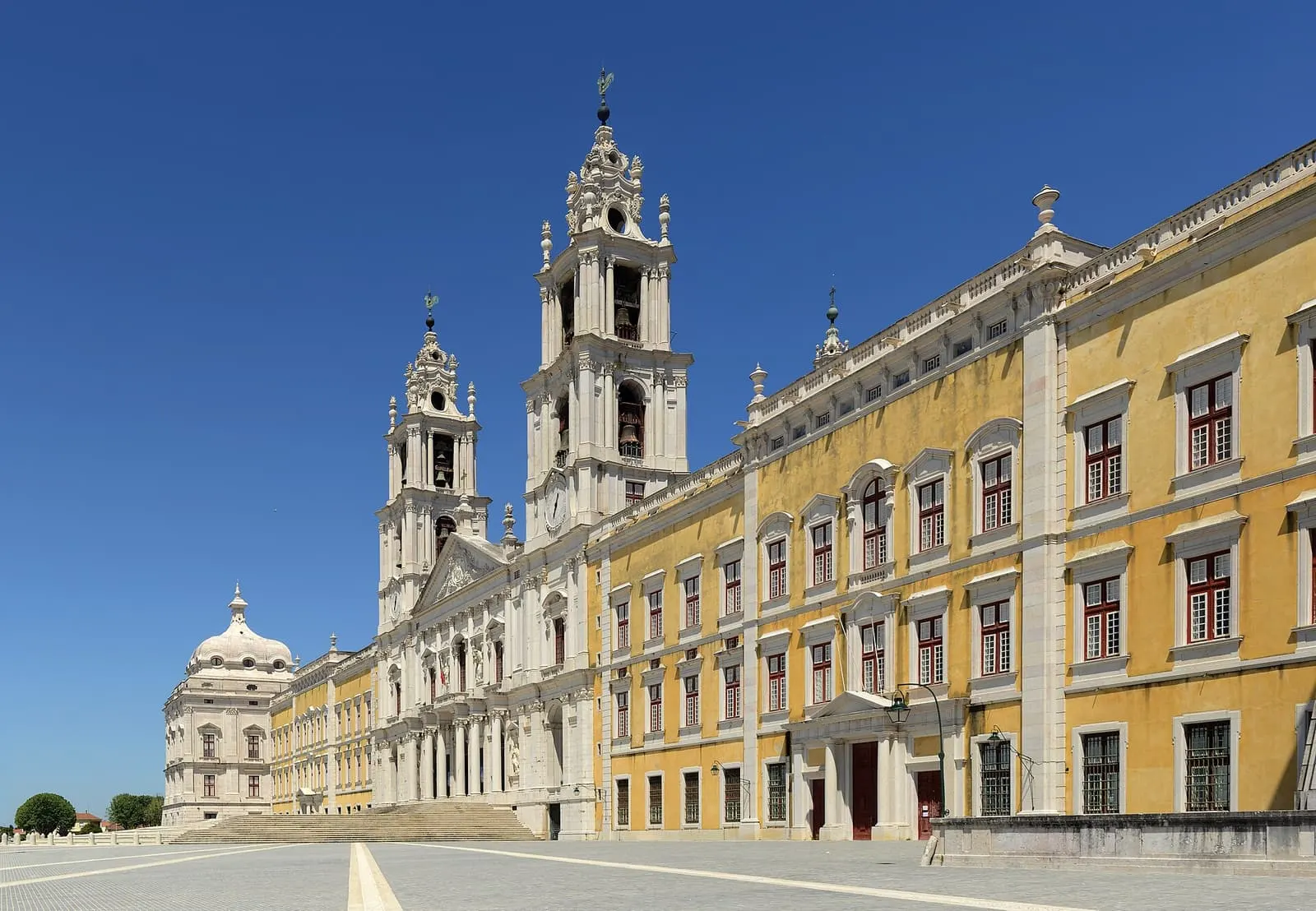
National Music Museum: Portugal's national collection of musical instruments and organological heritage, now housed in the Royal Building of Mafra.
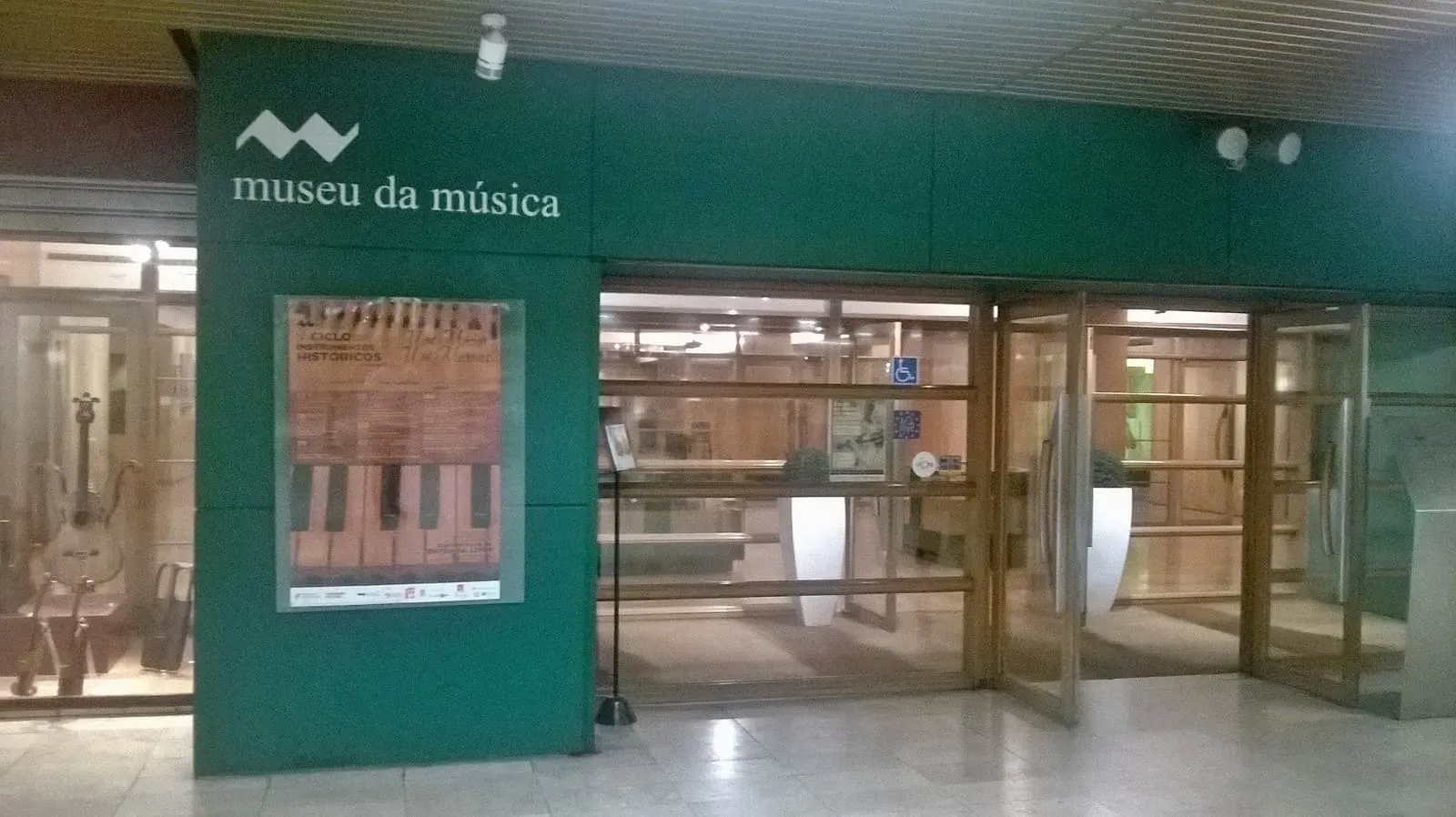
- Location
- Mafra, Lisboa
- Built
- 1916
The National Music Museum is the institution responsible for safeguarding, studying, and promoting Portugal’s public collection of musical instruments. It brings together over 1,300 instruments dating from the 16th to the 21st century, alongside manufacturing tools, recording equipment, iconographic archives, phonograms, sheet music, and various documentation. Within the Portuguese context, it stands as the primary repository of organological heritage — the material study of instruments as objects.
Origins and Formation of the Collection
The idea of a public music museum became reality in 1905 when the instrument collection of composer Alfredo Keil, author of A Portuguesa’s music, was made accessible to visitors. The project was championed by musicologist Michel’angelo Lambertini, who gathered rare specimens from diverse origins and merged them with Keil’s holdings. This effort led to the creation in 1916 of the Lisbon Instrumental Museum, the founding nucleus of today’s institution.
Throughout the 20th century, the collection grew through acquisitions and donations, achieving national museum status. Between 1994 and 2023, it was housed in an unconventional space: the Alto dos Moinhos metro station in Lisbon. It forms part of the national museums of Portugal network and the Portuguese Museum Network, institutional frameworks that define conservation standards, research, and public access.
Collection and National Treasures
Several museum instruments are classified as national treasures. Highlights include the 1758 harpsichord by Joaquim José Antunes, the 1782 Pascal Taskin harpsichord made for Louis XVI of France’s court, the Boisselot & Fils piano that Franz Liszt brought to Lisbon during his 1844-1845 Iberian tour, and a 1725 Stradivarius cello owned by King D. Luís. Alongside European string and keyboard instruments, the collection also documents Portuguese folk instruments and local craftsmanship traditions.
The collection allows the history of chamber, court, and folk music to be read through the objects themselves, complementing the study of intangible sound heritage with the material and technical dimensions of instrument making.
The New Headquarters in Mafra
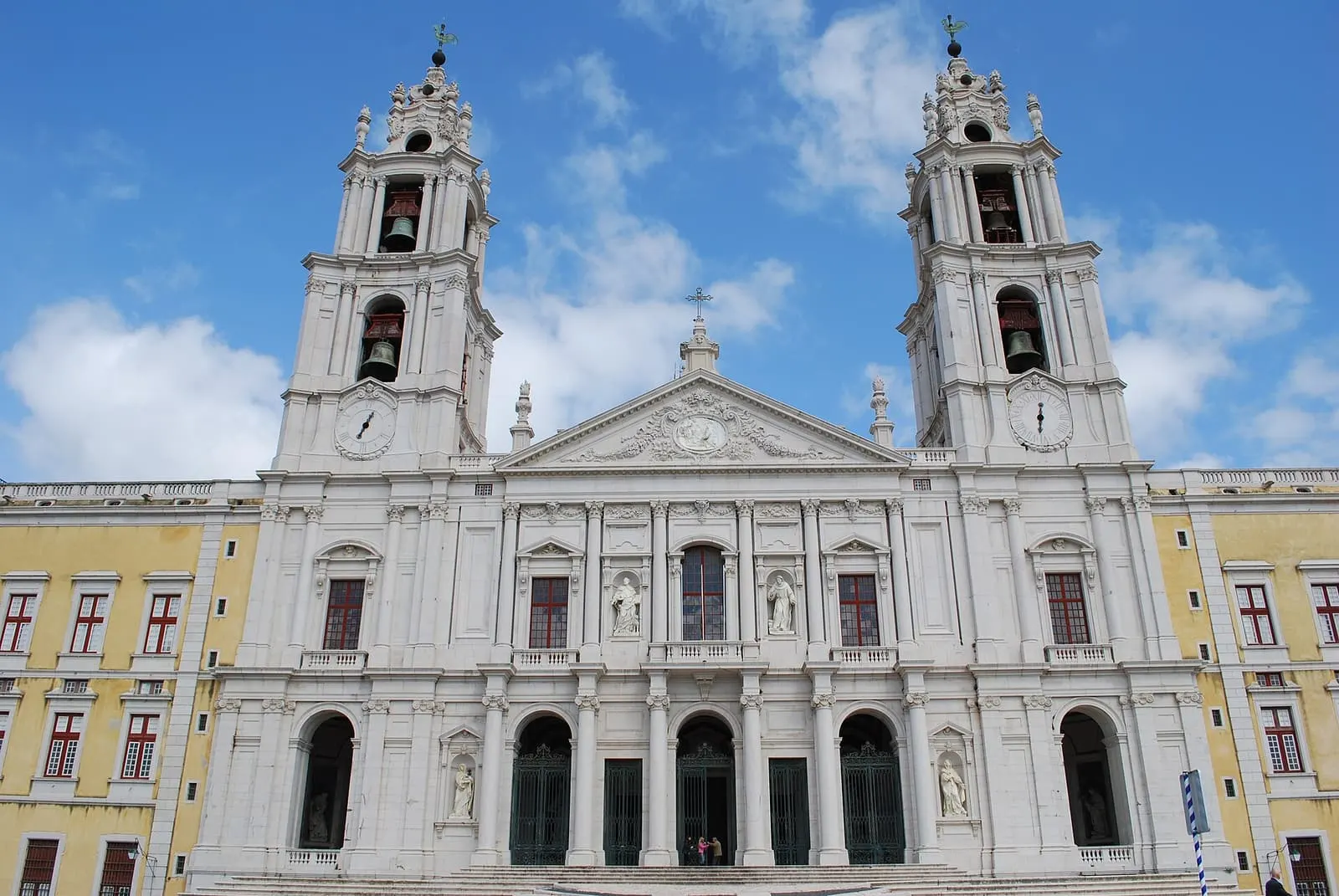
Closed to the public in October 2023, the museum relocated to the north wing of the Royal Building of Mafra, a monastic-palatial complex designated as UNESCO World Heritage. The renovation, funded by the Recovery and Resilience Plan, revitalized approximately 2,000 square meters and doubled the number of exhibited pieces. The reopening occurred on 22 November 2025, permanently establishing the museum at the National Palace of Mafra, in dialogue with its famed basilica and historic carillon.
Frequently asked questions
- Where is the National Music Museum currently located?
- Since November 2025, the museum has been housed in the north wing of the Royal Building of Mafra, at the National Palace of Mafra. It previously operated from 1994 to 2023 at the Alto dos Moinhos metro station in Lisbon.
- Which high-value instruments are part of the collection?
- Among the pieces classified as national treasures are the harpsichord by Joaquim José Antunes (1758), the harpsichord by Pascal Taskin (1782), the Boisselot & Fils piano played by Franz Liszt, and a 1725 Stradivarius cello that belonged to King D. Luís.
- When was the museum founded?
- Its origins trace back to Alfredo Keil's collection, made visitable in 1905, and the creation of the Lisbon Instrumental Museum in 1916, driven by musicologist Michel'angelo Lambertini.
Sources
Keep exploring
Heritage nearby
More places to discover from here. Approximate straight-line distances, within 50 km.
Resources for research
Find the sources. Follow the story.
Guides to researching buildings, exploring museum collections and understanding heritage protection.
SIPA
Get to know the architectural inventory, building records and documentary archive.
Read the guideMuseum collectionsMatrizNet
Explore the museum catalogue and records of works, materials, authorship and provenance.
Read the guideHeritage protectionHeritage classification
Understand cultural property categories and the levels of national, public and municipal interest.
Read the guide