Resources
National Museum of Theatre and Dance
The National Museum of Theatre and Dance, located in the Monteiro-Mor Palace in Lumiar, Lisbon, gathers the heritage of performing arts in Portugal.
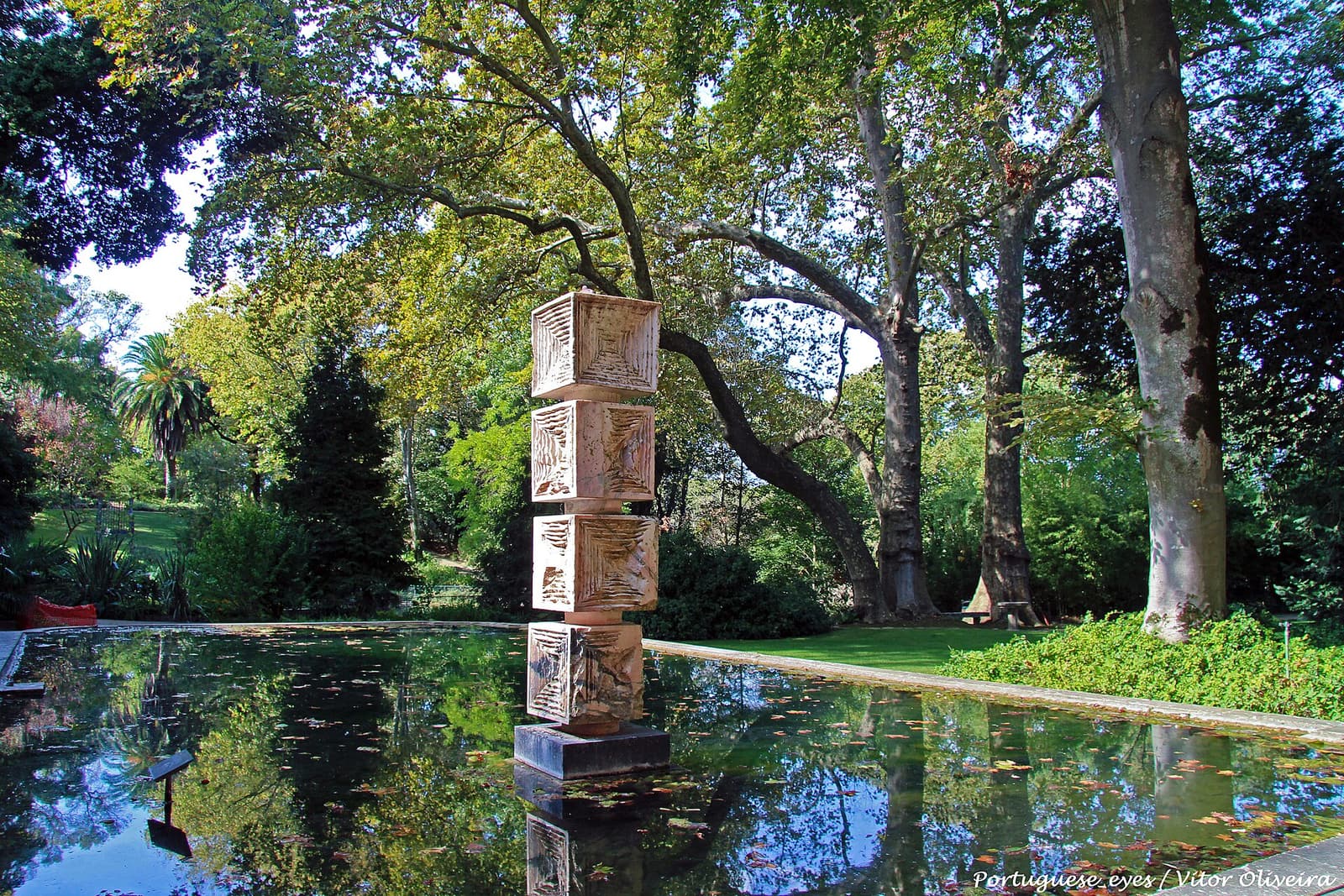
- Location
- Lumiar, Lisboa, Lisboa
- Built
- 1985
The National Museum of Theatre and Dance is the institution that gathers, studies, and promotes the heritage of performing arts in Portugal. It is located in the Monteiro-Mor Palace in Lumiar, Lisbon, within a historic estate shared with the National Museum of Costume and the extensive Monteiro-Mor botanical park, planted from the 1750s onwards.
History and Installation
The museum was officially established in 1982 and opened to the public on 4 February 1985, under the name National Theatre Museum. In January 2015, it was renamed the National Museum of Theatre and Dance, recognising its longstanding role in documenting both disciplines.
The choice of the Monteiro-Mor Palace was not accidental. The 18th-century building, whose name recalls the Monteiro-Mor (Master of the Hunt) position held by its former owners, was acquired by the Portuguese state and, after a fire that severely damaged it, was fully restored to house the collection. The integration of two museum houses and a historic garden into a single complex has made Monteiro-Mor one of the city’s most unique cultural hubs, inseparable from the history of heritage institutions in Portugal.
Collections
The museum’s holdings are vast and primarily cover the 18th to 20th centuries. They include stage costumes and props, set models, theatrical designs, drawings and caricatures, programmes, posters, postcards, press clipping albums, manuscripts, musical scores, and the curious paper theatres. This collection is complemented by an important photographic archive, with tens of thousands of images documenting companies, performances, and performers over more than two centuries.
These collections reconstruct the memory of revue theatre, opera, ballet, circus, and puppet theatre, offering a rich portrait of the relationship between Portuguese audiences and the stage. Alongside the material collection, the museum maintains a documentation centre and specialised library with around 40,000 titles, essential for the study of theatres and opera houses and national stage life.
Role in the Museum Landscape
As a state-run museum, it is part of the national museums of Portugal and participates in the Portuguese Museum Network. Its mission is distinguished by the immaterial and ephemeral nature of what it preserves: the performance, which exists only in the moment of representation, survives here through the objects, documents, and images that remain. Therefore, the museum functions less as a gallery of finished works and more as a living archive of stage creation, serving researchers, students, artists, and the general public.
Frequently asked questions
- Where is the National Museum of Theatre and Dance located?
- It is housed in the Monteiro-Mor Palace, at Largo de São João Baptista, in the parish of Lumiar, Lisbon, sharing the Monteiro-Mor park with the National Museum of Costume.
- When did it become the National Museum of Theatre and Dance?
- Established in 1982 and inaugurated in 1985 as the National Theatre Museum, it received its current designation in January 2015, acknowledging its role in documenting dance as well.
- What can be seen in the collections?
- Stage costumes, theatrical designs, set models, posters, programmes, photographs, manuscripts, and paper theatres from the 18th to 20th centuries, in a collection comprising hundreds of thousands of items.
Sources
Keep exploring
Heritage nearby
More places to discover from here. Approximate straight-line distances, within 50 km.
Resources for research
Find the sources. Follow the story.
Guides to researching buildings, exploring museum collections and understanding heritage protection.
SIPA
Get to know the architectural inventory, building records and documentary archive.
Read the guideMuseum collectionsMatrizNet
Explore the museum catalogue and records of works, materials, authorship and provenance.
Read the guideHeritage protectionHeritage classification
Understand cultural property categories and the levels of national, public and municipal interest.
Read the guide