Resources
Cultural Heritage, I.P.
Cultural Heritage, I.P.: the public institute established in 2024 that succeeded the DGPC in safeguarding Portugal's immovable and intangible heritage…
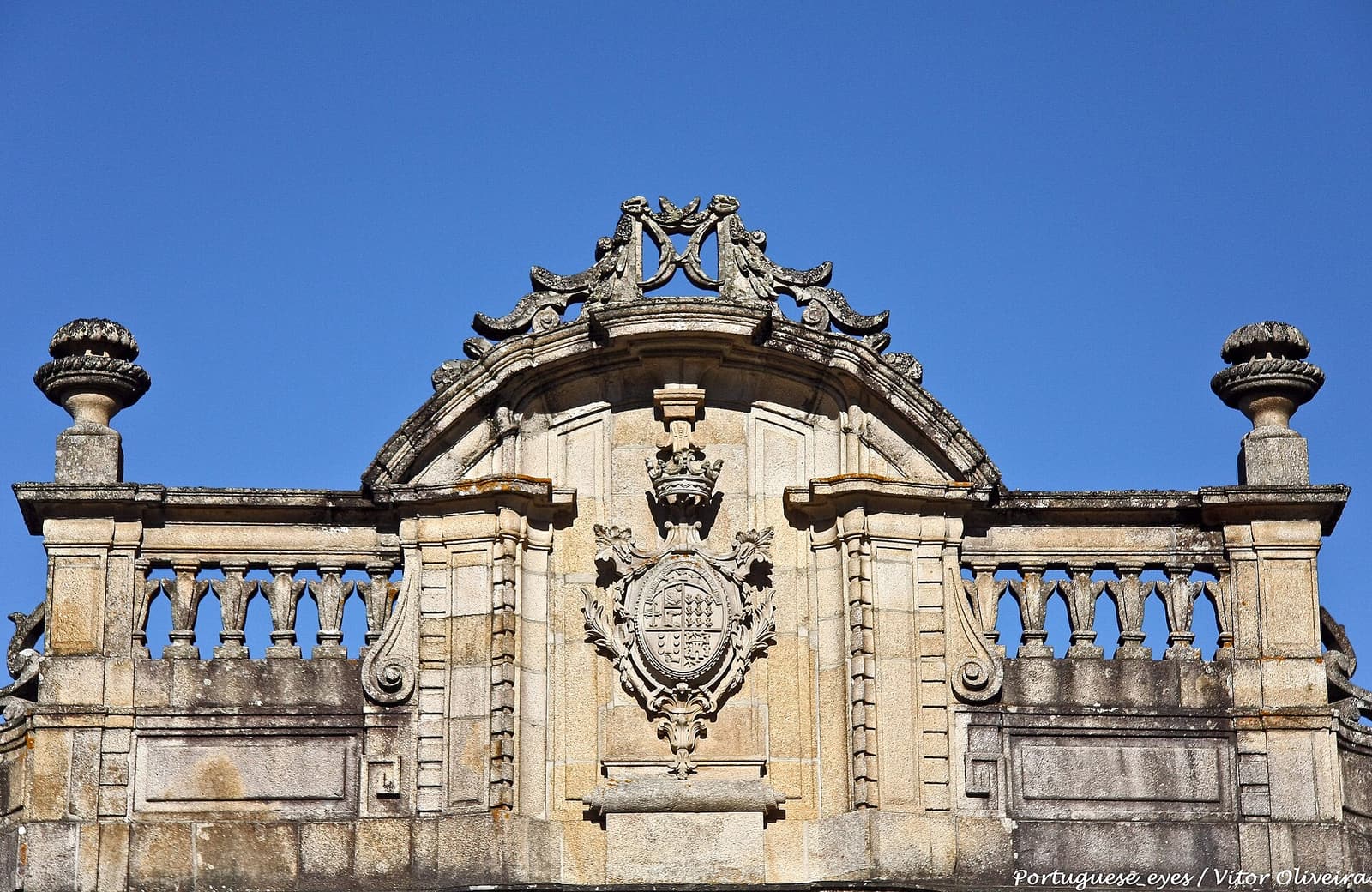
- Location
- Lisboa, Lisboa
- Built
- 2024
Cultural Heritage, I.P. is the Portuguese public institute that ensures the fulfillment of the State’s obligations in the field of safeguarding, researching, conserving, restoring, promoting, disseminating, and internationalizing tangible and intangible cultural heritage. It operates under the supervision and jurisdiction of the Ministry of Culture and began its activities on January 1, 2024, establishing its headquarters at the Palácio Nacional da Ajuda in Lisbon.
Creation and Framework
The institute was created by Decree-Law No. 78/2023, of September 4, as part of a major reorganization of heritage administration. This process led to the abolition of the Directorate-General for Cultural Heritage (DGPC) and the division of its responsibilities between two new entities, both established by Decrees-Law Nos. 78/2023 and 79/2023, of September 4:
- Cultural Heritage, I.P., focused on immovable and intangible heritage;
- Museums and Monuments of Portugal, E.P.E., a public company that succeeded the DGPC in managing the network of national museums, palaces, and their respective movable collections.
This division marked the end of a single-agency model that had been in place since 2012, when the merger of previous institutes gave rise to the DGPC. The 2023-2024 reform thus represents another chapter in the history of heritage institutions in Portugal, marked by successive administrative restructurings over the past decades.
Responsibilities and Competences
Cultural Heritage, I.P. is responsible for coordinating the national policy for safeguarding cultural heritage, implementing the classification, inventory, and protection procedures outlined in the heritage classification system. The institute also directly manages a set of monuments, ensembles, and sites classified as being of exceptional national importance—including castles, cathedrals (or former cathedrals), churches, monasteries, convents, chapels, and hermitages, as well as notable examples of civil architecture.
In the intangible realm, the institute assumes the State’s responsibilities related to the inventory and safeguarding of intangible cultural heritage, aligning with Portugal’s international commitments in this area. It also maintains functions of research, conservation, restoration, publishing, and dissemination, continuing missions previously carried out by its predecessors.
The division of responsibilities with Museums and Monuments of Portugal, E.P.E. is based on a logic of specialization: while the public company focuses on museological management and national palaces, the public institute oversees the technical guardianship of immovable and intangible heritage and represents the State in safeguarding obligations. The model was the subject of public debate at the time of its approval, particularly regarding coordination between the two entities and the clarity in assigning responsibilities for monuments that also include museological collections.
Continuity of the DGPC’s Work
The new institute inherited the technical tools developed by its predecessors, including documentary databases and inventory systems for built and movable heritage. For the public and researchers, Cultural Heritage, I.P. maintains its role as the national reference authority in matters of legal heritage protection, following up on international conventions and the foundational legislation that frames the State’s actions in this sector.
Frequently asked questions
- What is Cultural Heritage, I.P.?
- It is the Portuguese public institute, under the jurisdiction of the Ministry of Culture, responsible for safeguarding, researching, conserving, promoting, and disseminating immovable and intangible cultural heritage. It began operations on January 1, 2024.
- Which entity did the DGPC succeed?
- The Directorate-General for Cultural Heritage (DGPC) was abolished at the beginning of 2024, and its responsibilities were divided between two new entities: Cultural Heritage, I.P., and Museums and Monuments of Portugal, E.P.E.
- What is the difference between Cultural Heritage, I.P. and Museums and Monuments of Portugal, E.P.E.?
- The public institute primarily deals with immovable and intangible heritage and the management of exceptionally significant monuments and sites; the public company manages the national network of museums and palaces and their respective movable collections.
Sources
Resources for research
Find the sources. Follow the story.
Guides to researching buildings, exploring museum collections and understanding heritage protection.
SIPA
Get to know the architectural inventory, building records and documentary archive.
Read the guideMuseum collectionsMatrizNet
Explore the museum catalogue and records of works, materials, authorship and provenance.
Read the guideHeritage protectionHeritage classification
Understand cultural property categories and the levels of national, public and municipal interest.
Read the guide