UNESCO
Intangible Cultural Heritage of Humanity in Portugal
Portuguese manifestations inscribed by UNESCO as Intangible Cultural Heritage of Humanity, from Fado to Alentejo's Cante and traditional cowbell craftsmanship.
The Convention for the Safeguarding of the Intangible Cultural Heritage, adopted by UNESCO in 2003 and ratified by Portugal on May 21, 2008, expanded the concept of heritage beyond monuments and sites. It now encompasses oral traditions and expressions, performing arts, social practices, rituals, and craft knowledge that communities recognize as part of their identity and transmit from generation to generation. In Portugal, this international recognition aligns with the National Inventory of Intangible Cultural Heritage, an instrument that constitutes a prerequisite for any UNESCO nomination.
The Representative List
The Representative List of the Intangible Cultural Heritage of Humanity gathers manifestations that illustrate the diversity of living heritage and the importance of its safeguarding. Portugal began its journey in 2011 with Fado, the urban song born in Lisbon’s popular neighborhoods, inextricably linked to the Portuguese guitar and, in a distinct register, Coimbra Fado, with its academic and male tradition.
Other inscriptions followed, covering very diverse domains: the Mediterranean Diet in 2013, a transnational nomination shared with several Mediterranean countries, with Tavira as Portugal’s representative community; Cante Alentejano in 2014, a polyphonic choral singing without instruments typical of southern Portugal; the craftsmanship of Estremoz clay figures in 2017; and the Caretos of Podence, ritual masks from the winter Carnival of Trás-os-Montes, in 2019.
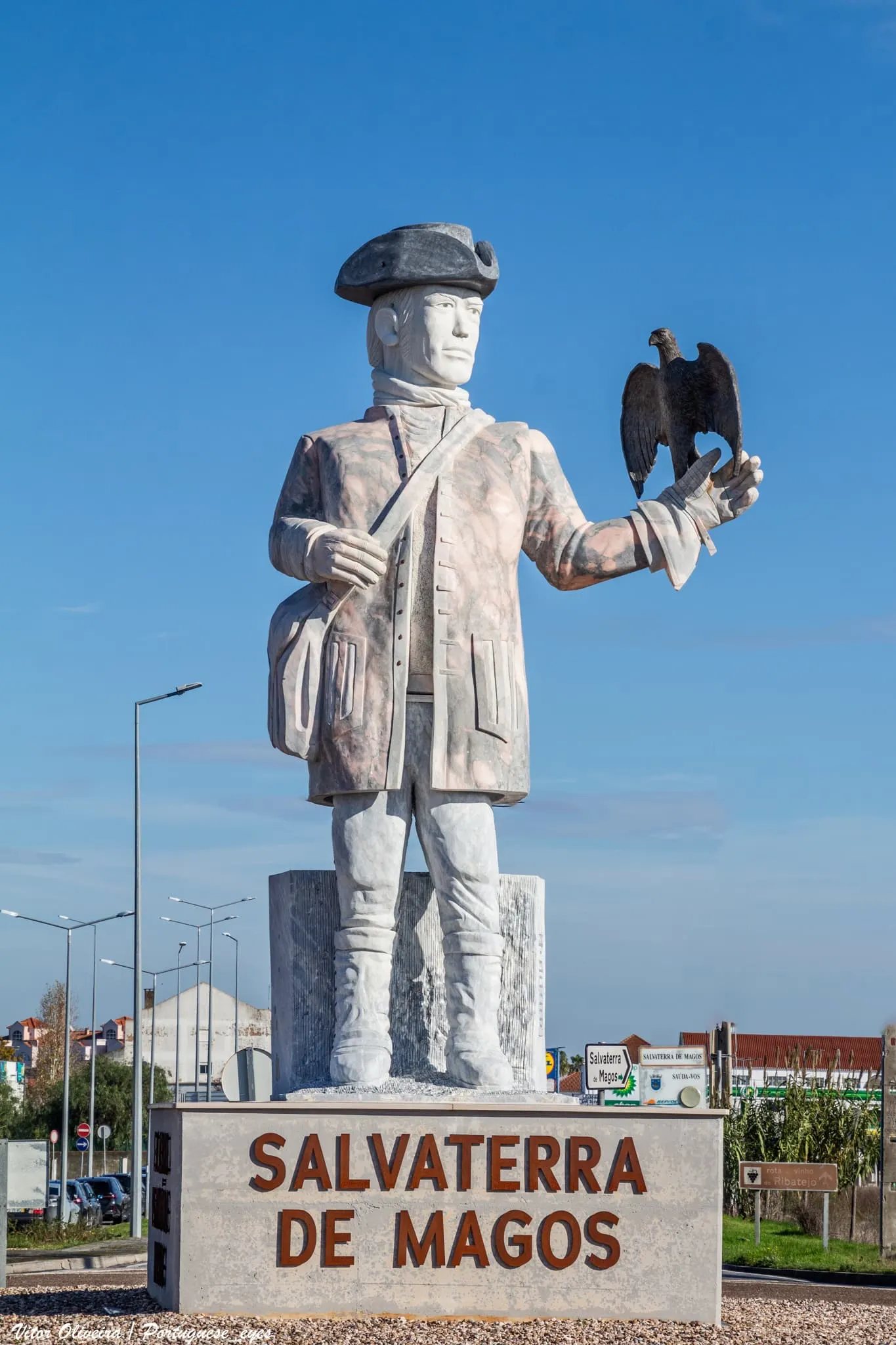
The following decade brought three new inscriptions: the community festivities of Campo Maior and Falconry — the latter shared by over twenty countries — in 2021, and equestrian art in Portugal in 2024.
Intangible heritage isn’t preserved like stone: it lives as long as it’s practiced. Each inscription is less a trophy than a commitment to transmission, at risk of the expression disappearing with the last generation that masters it.
The Urgent Safeguarding Lists
Not all manifestations reach UNESCO in a state of vitality. The List of Intangible Cultural Heritage in Need of Urgent Safeguarding is intended for threatened practices, and Portugal has inscribed the traditional manufacture of cowbells in 2015 — a craft concentrated mainly in Alcáçovas, Alentejo —, the black pottery of Bisalhães, from the Vila Real region, in 2016, and the naval carpentry art of the moliceiro boats of Ria de Aveiro in 2025. These inscriptions serve as warnings and, simultaneously, as mechanisms for international support to recover knowledge at risk of disappearing.
A Recognition That Obliges
UNESCO inscription confers visibility and prestige but implies duties. The Portuguese state commits to inventorying, documenting, and supporting the transmission of each element, working with bearer communities, who are the true protagonists of the process. Unlike built world heritage, there’s no physical asset to restore here: what’s protected are people, gestures, and memories. This set of manifestations, from singing to pottery, from ritual to gastronomy, paints a profound portrait of Portuguese popular culture and its continuity in the present, fitting into the broader framework of intangible heritage in Portugal.
Frequently asked questions
- How many Portuguese manifestations are inscribed by UNESCO as intangible heritage?
- Portugal has eight elements on the Representative List of the Intangible Cultural Heritage of Humanity and three on the List of Intangible Cultural Heritage in Need of Urgent Safeguarding, totaling eleven recognized manifestations.
- What was the first Portuguese manifestation recognized by UNESCO?
- Fado, the urban popular music of Lisbon, was Portugal's first inscription, added in 2011 to the Representative List.
- What's the difference between the Representative List and the Urgent Safeguarding List?
- The Representative List highlights living and shared expressions; the Urgent Safeguarding List identifies practices threatened with disappearance that require immediate protective measures.