Immaterielles Erbe
Oral Traditions and Popular Literature
Tales, legends, proverbs, riddles, and ballads from Portuguese oral tradition: verbal forms passed down through generations in intangible heritage.
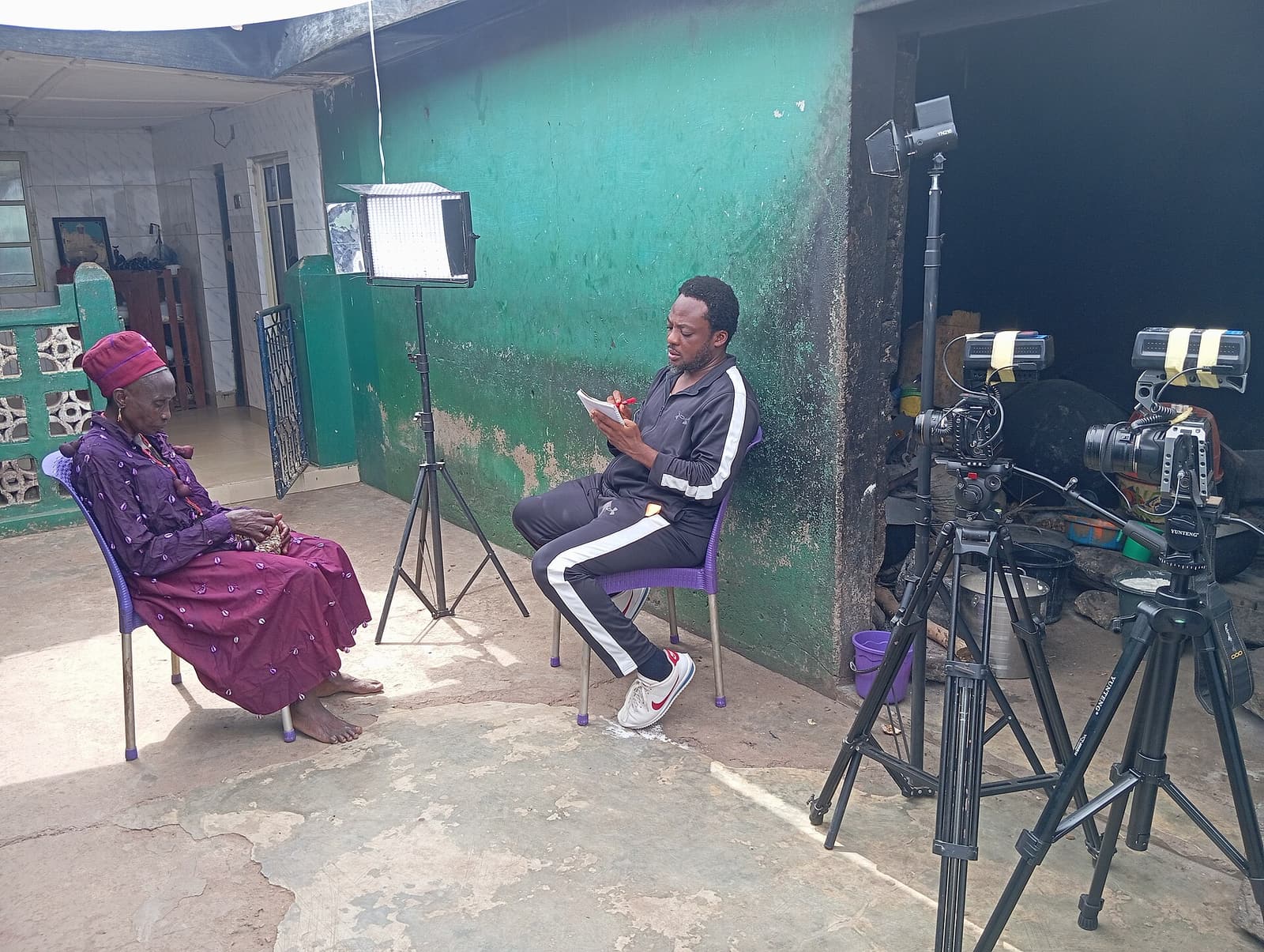
Oral traditions and popular literature form one of the oldest and most extensive territories of Portugal’s intangible heritage: the vast array of verbal art—tales, legends, proverbs, riddles, prayers, nursery rhymes, and sung ballads—that communities have created, preserved, and passed down orally for centuries. Unlike written literature, these traditions have no fixed author or definitive text. Each storyteller recreates the narrative based on a sequence of episodes they know, adapting it to their audience, the setting, and their own memory. This plasticity is the source of their vitality: oral tradition is not preserved as an object but is reborn with each retelling.
Genres and Forms
Portuguese oral literature is extraordinarily diverse. Folk tales range from magical stories filled with princesses, enchanted Moorish maidens, and talking animals to moral fables, jokes, and cautionary tales. Legends are anchored in a place, historical figure, or event, explaining the origin of a name, a spring, or a shrine. Proverbs distill practical and ethical wisdom into fixed, rhythmic phrases, while riddles play with wit and metaphor. Alongside these are folk prayers, children’s rhymes, game chants, and the narrative songs of the Portuguese traditional ballad tradition, epic-lyric poems that recount tales of war, chivalry, love, and the sea—some with roots in medieval Iberian traditions.
Oral tradition is not an archive of the past but a living form of knowledge: it survives as long as there are those who tell it and those who listen.
Collection and Study
The scholarly discovery of this heritage emerged in the 19th century, fueled by Romanticism and Europe’s growing interest in the folk roots of nations. Almeida Garrett, a leading figure in Portuguese Romanticism, was the pioneer: his Romanceiro, published between 1843 and 1851, collected and reworked traditional ballads, fixing them in writing for the first time. The next generation took a more systematic and scientific approach. Teófilo Braga published the two-volume Contos Tradicionais do Povo Português in 1883, part of a broader survey of national traditions that had already included the Cancioneiro e Romanceiro Geral Português (1867). Philologist Adolfo Coelho also compiled folktales and folklore studies, situating Portuguese material within a broader European context.
Persistence and Safeguarding
Much of this literature survived in communal and work settings—gatherings by the fireplace, corn husking, pilgrimages, and children’s play circles. Some forms retain remarkable performative vitality, like the cante ao desafio, where two improvisers duel in sung verse before an audience. Linguistic diversity is also reflected in this heritage: the Mirandese language, spoken in northeastern Portugal and recognized as the country’s second official language, preserves its own repertoire of tales, sayings, and songs.
Today, spontaneous oral transmission has weakened due to urbanization and the dominance of written and audiovisual culture, making safeguarding an urgent task. Oral traditions are recognized as a domain under UNESCO’s 2003 Convention for the Safeguarding of Intangible Cultural Heritage and can be inventoried and protected under Portugal’s National Inventory of Intangible Cultural Heritage, part of the broader framework of intangible cultural heritage in Portugal. Documenting, recording, and returning these voices to communities ensures that memory continues to speak.
Häufige Fragen
- What are oral traditions and popular literature?
- They encompass verbal art forms—tales, legends, proverbs, riddles, prayers, and sung ballads—created and passed down orally within communities, with no fixed author and constantly recreated with each retelling.
- Who first collected Portuguese oral literature systematically?
- Almeida Garrett pioneered systematic collection with his 'Romanceiro' (1843-1851), followed by ethnographers like Teófilo Braga, author of 'Contos Tradicionais do Povo Português' (1883), and philologist Adolfo Coelho.
- Are oral traditions protected as cultural heritage?
- Yes. Orality is part of the domain recognized by UNESCO's 2003 Convention and can be inscribed in Portugal's National Inventory of Intangible Cultural Heritage.