Places
Tavira
Tavira, in the eastern Algarve: castle, bridge over the Gilão River, dozens of churches and salt pans preserving Roman, Islamic and medieval heritage.
- Location
- Tavira, Faro
On the eastern margin of the Algarve, where the Gilão River approaches the Ria Formosa before reaching the sea, stands Tavira, one of Portugal’s southern cities with the densest historical memory. Its urban landscape — pitched roofs, church towers, an arched bridge over water — encapsulates successive layers of occupation from the Bronze Age to the present, making it a true Algarve palimpsest.
From Phoenician origins to Roman city
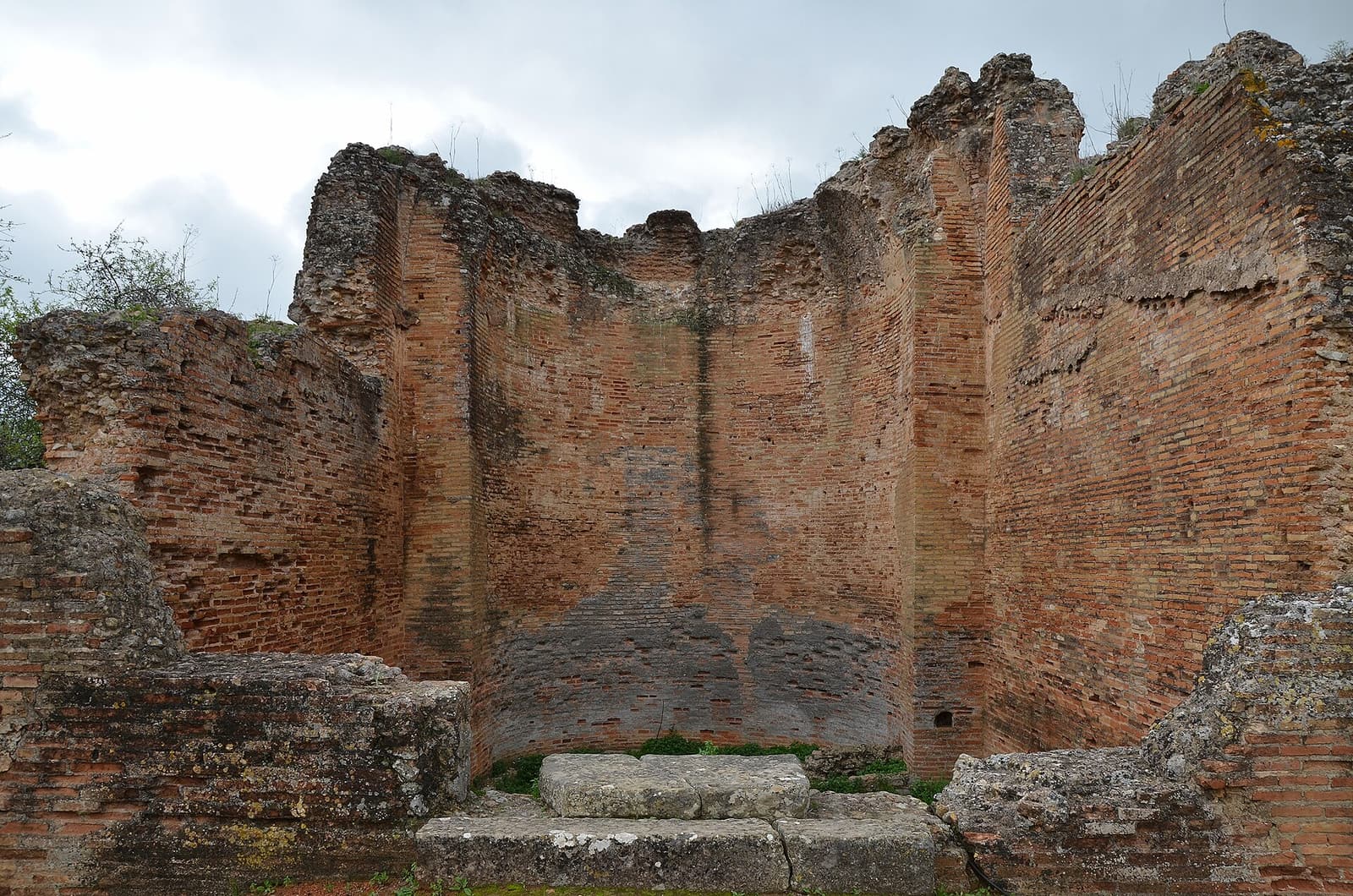
The mouth of the Gilão attracted settlers early on. Iron Age remains and Phoenician contacts dating back to the 8th century BC place Tavira among the earliest orientalizing settlements in the Iberian West. During Roman times, the region fell within the orbit of Balsa, an important coastal city located nearby (Luz de Tavira), a transit point between Atlantic ports. This ancient heritage connects Tavira to the broader fabric of Roman archaeology in Portugal, where the coastal Algarve played a pivotal commercial role.
Islamic heritage and the Reconquista
It was under Islamic rule, between the 8th and 13th centuries, that the town acquired lasting urban contours: winding street layouts, an alcazaba on the heights, and an intimate relationship with irrigated agriculture and the sea. Tavira thus belongs to the network of settlements that still reveal Islamic art and culture in Portugal, much like nearby Silves, the former capital of Garb al-Andalus.
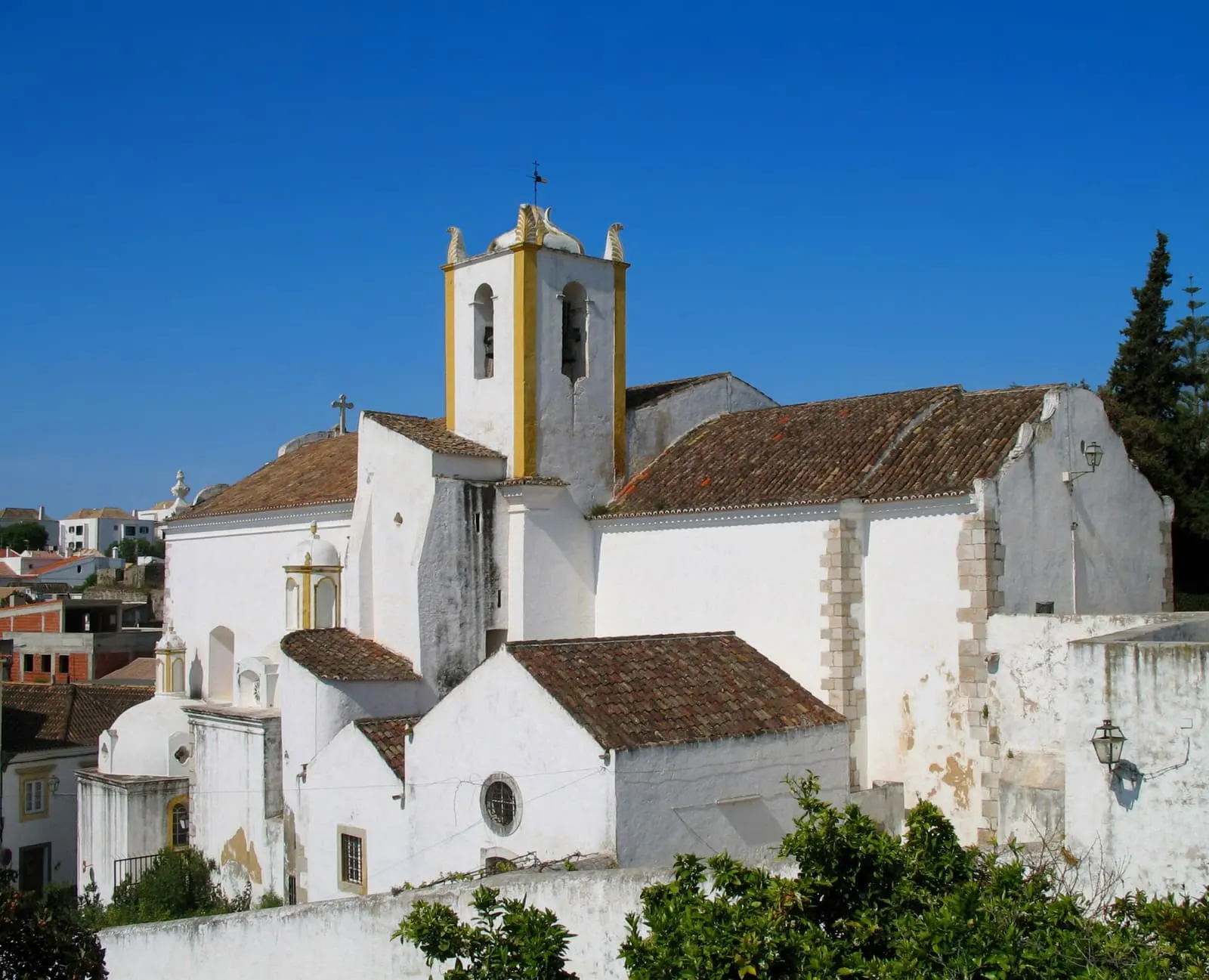
The Christian conquest came late and violently. In 1242, Dom Paio Peres Correia, Master of the Order of Santiago, took the town after an episode traditionally linked to the killing of seven knights during a truce. The Church of Santa Maria do Castelo, built over the former mosque, houses the tombs of the master and his companions, etching in stone the founding memory of Christian Tavira.
More than an isolated monument, it is the layering — mosque turned church, alcazaba turned castle — that makes Tavira a living document of transition between two worlds.
The city of churches
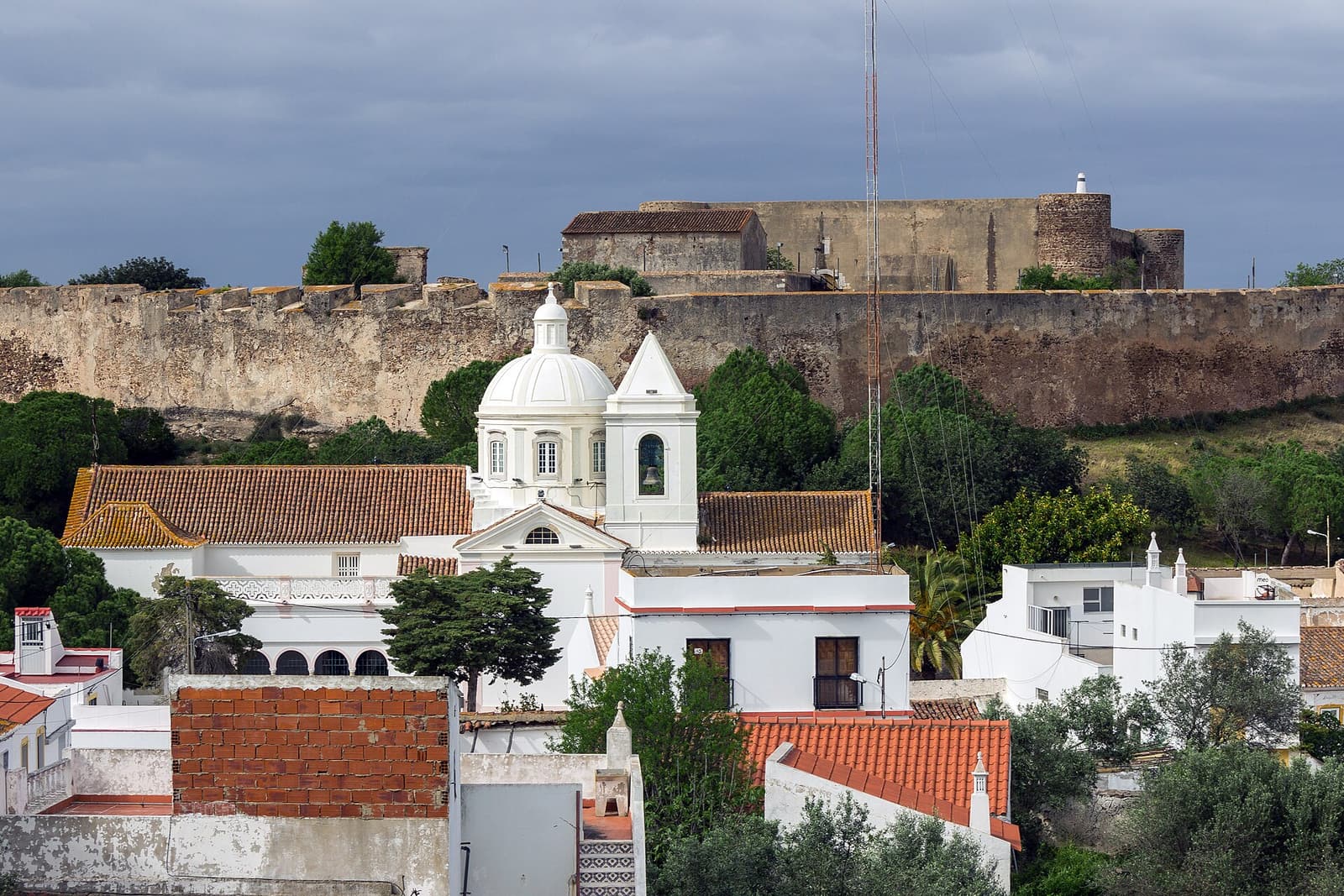
Late medieval and early modern prosperity, fueled by tuna fishing, salt production and Atlantic trade, resulted in a profusion of temples: Tavira is often called the “city of churches,” with about thirty scattered across its urban fabric. Major landmarks include the castle with its walls; the Misericórdia Church, a notable expression of Algarve Renaissance; and the ancient seven-arched bridge over the Gilão, often claimed as Roman but essentially of medieval and Islamic construction, repeatedly rebuilt.
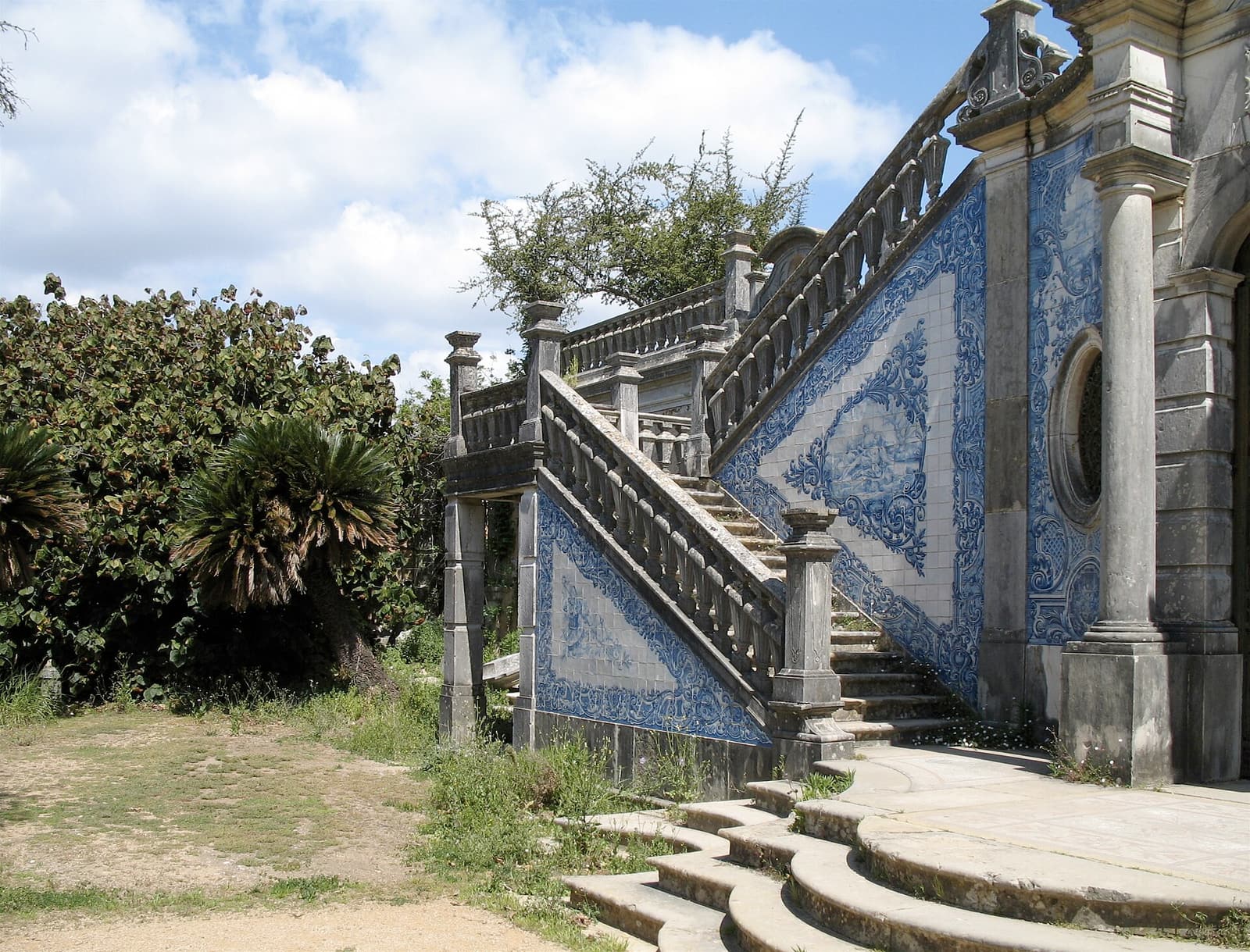
The 1755 earthquake severely damaged the city, necessitating reconstruction campaigns that shaped its 18th-century appearance, visible in palaces like the Galeria, now a museum.
Salt, estuary and Mediterranean diet
Surrounding the town, the landscape is dominated by extensive salt pans and marshes of the Ria Formosa, where “Tavira Salt” maintains protected designation artisanal production. This ancestral connection between city, water and food earned Tavira the role as Portugal’s representative community in UNESCO’s 2013 inscription of the Mediterranean Diet as Intangible Cultural Heritage.
Located in the eastern Algarve, just kilometers from Faro and the monumental ensemble defining the historic Algarve, Tavira offers one of the most complete readings of how time accumulates in a southern Portuguese city.
Frequently asked questions
- When was Tavira conquered from the Moors?
- The town was definitively taken in 1242 by Dom Paio Peres Correia, Master of the Order of Santiago, after a bloody confrontation associated with the death of seven Christian knights.
- How many churches does Tavira have?
- Tavira is known as the city of churches: it boasts about thirty temples, a legacy of centuries of prosperity linked to fishing, salt and Atlantic trade.
- What is Tavira's bridge over the Gilão River?
- It is an ancient seven-arched bridge connecting both banks of the Gilão. Often said to be Roman, its visible structure is mainly of medieval and Islamic origin, heavily rebuilt over the centuries.
Sources
Keep exploring
Heritage nearby
More places to discover from here. Approximate straight-line distances, within 50 km.