Places
Alentejo
The Alentejo is the largest of the Portuguese regions, stretching south of the Tagus to the mountains of the Algarve, across a territory of golden plains, cork and holm oak woodlands and broad horizons where walled cities and whitewashed villages rise up. In terms of heritage, it is one of the most densely layered cultural landscapes in the country: from prehistoric megalithism to the museum-cities of Évora and Elvas, from the border fortresses to the living traditions of collective song, the Alentejo condenses millennia of history into a single horizon.
Cities listed by UNESCO
The heritage heart of the region lies in its two cities inscribed on the World Heritage List. Évora, the ancient Roman Ebora and an archiepiscopal see, preserves an exceptional historic core, with the Roman Temple, the Cathedral, the Royal Palaces and the famous Chapel of Bones in the Church of São Francisco; it was listed in 1986. Further east, beside the Spanish border, the Garrison Border Town of Elvas preserves the largest ensemble of bastioned fortifications in the world, distinguished by UNESCO in 2012.
The Alentejo is the only Portuguese region where two historic cities, just a few dozen kilometres apart, are both included on the World Heritage List — testimony to a frontier that, for centuries, was at once a line of defence and a hinge between civilisations.
Frontier, castles and megalithism
Its condition as a borderland deeply marked the Alentejo. Along the frontier line follow one another castles and fortified towns — among them the striking Castle of Marvão, perched atop a granite spur —, forming part of the candidate ensemble of the bastioned fortifications of the border. To the west, above the Guadiana, Mértola guards one of the richest Islamic legacies on the Peninsula, with its medieval mosque transformed into a church. Long before these stones, however, Neolithic communities had peopled the plain with dolmens, menhirs and cromlechs, making the Alentejo one of the epicentres of European megalithism.
Living heritage and the arts of the land
Alentejan identity is not measured in stone alone. The Cante Alentejano, a polyphonic song without instruments, was inscribed in 2014 on UNESCO’s representative list of intangible heritage, giving collective voice to the people of the countryside. To this intangible legacy are added the arts of the land, such as the clay figures of Estremoz, also distinguished by UNESCO, and the noble legacy of the Ducal Palace of Vila Viçosa, cradle of the House of Bragança.
18 entries to explore
No matches in this collection. Try another word or clear your search.
In this section — 18
Castles & Fortifications
1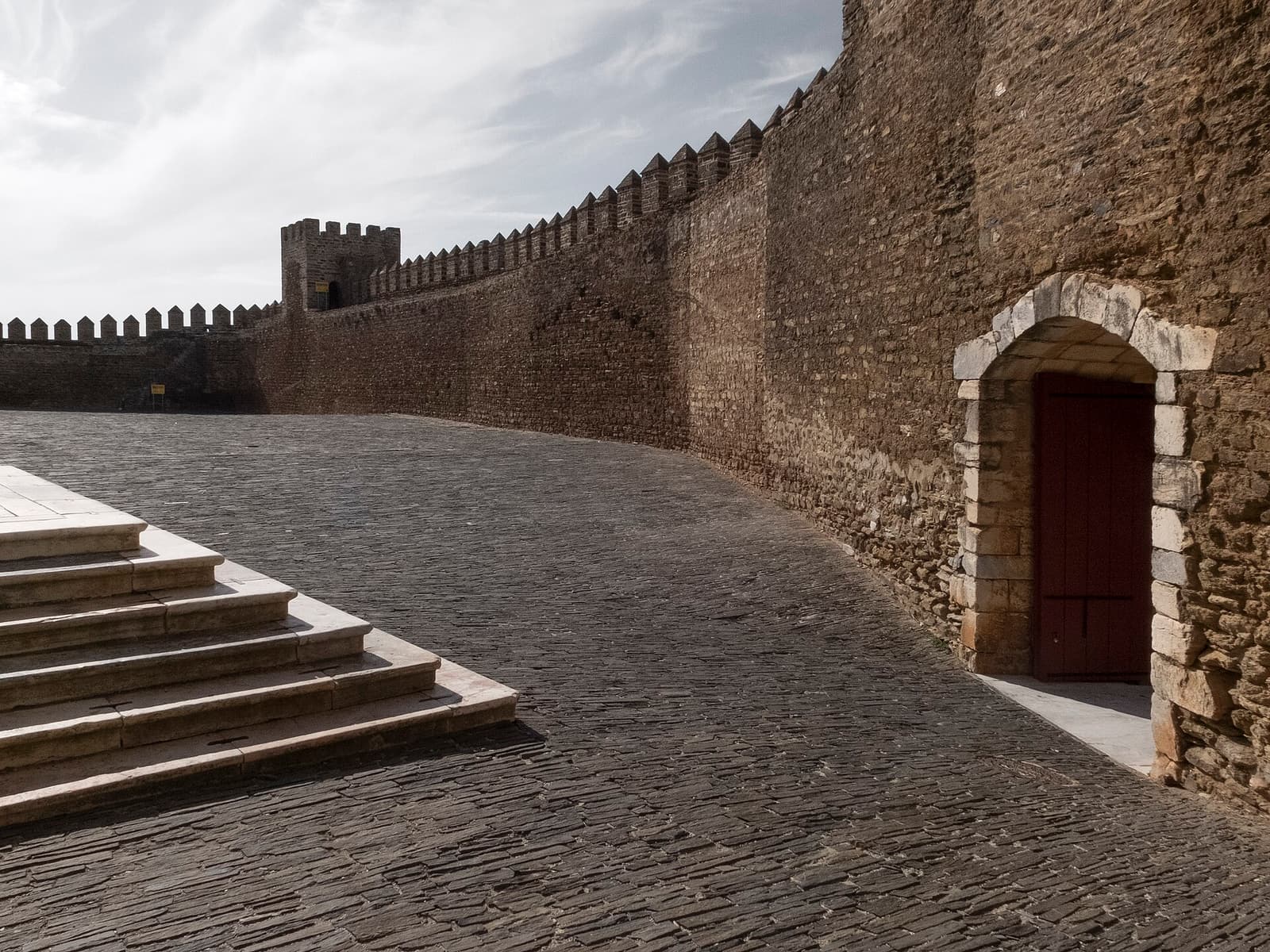
Lugares
17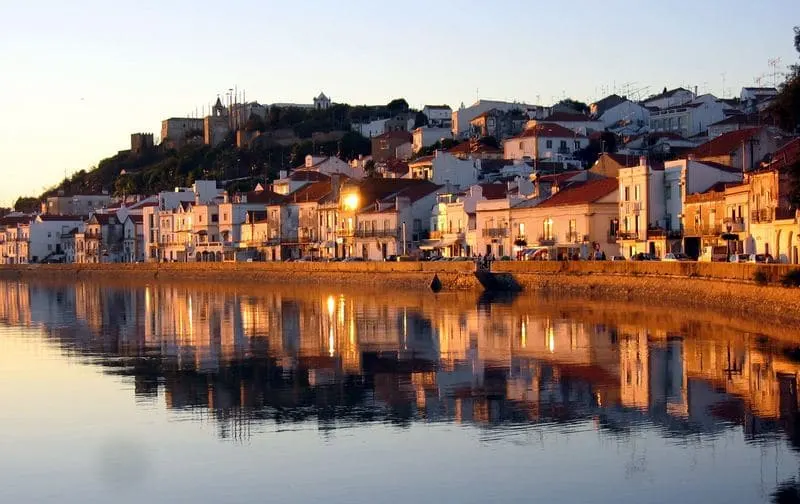 Alcácer do SalAlcácer do Sal, in the district of Setúbal: one of the oldest settlements in Europe, with a castle overlooking the Sado and more than 27 centuries of history.
 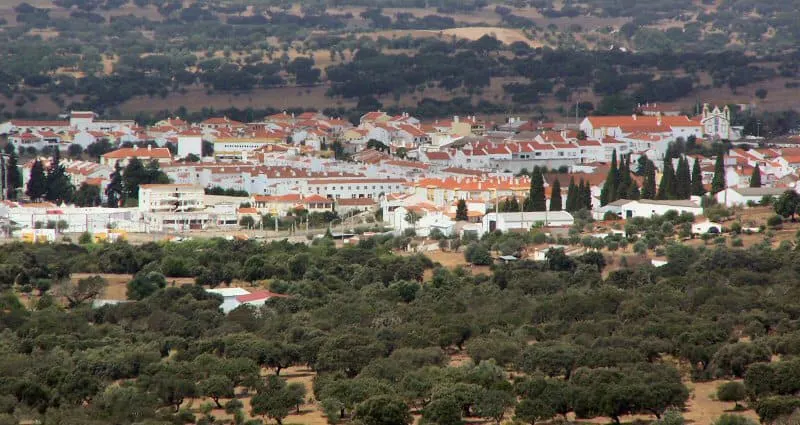 Alter do ChãoAlter do Chão, a town in the Alto Alentejo in the district of Portalegre, with a medieval castle and the Coudelaria de Alter, the oldest stud farm in the country.
 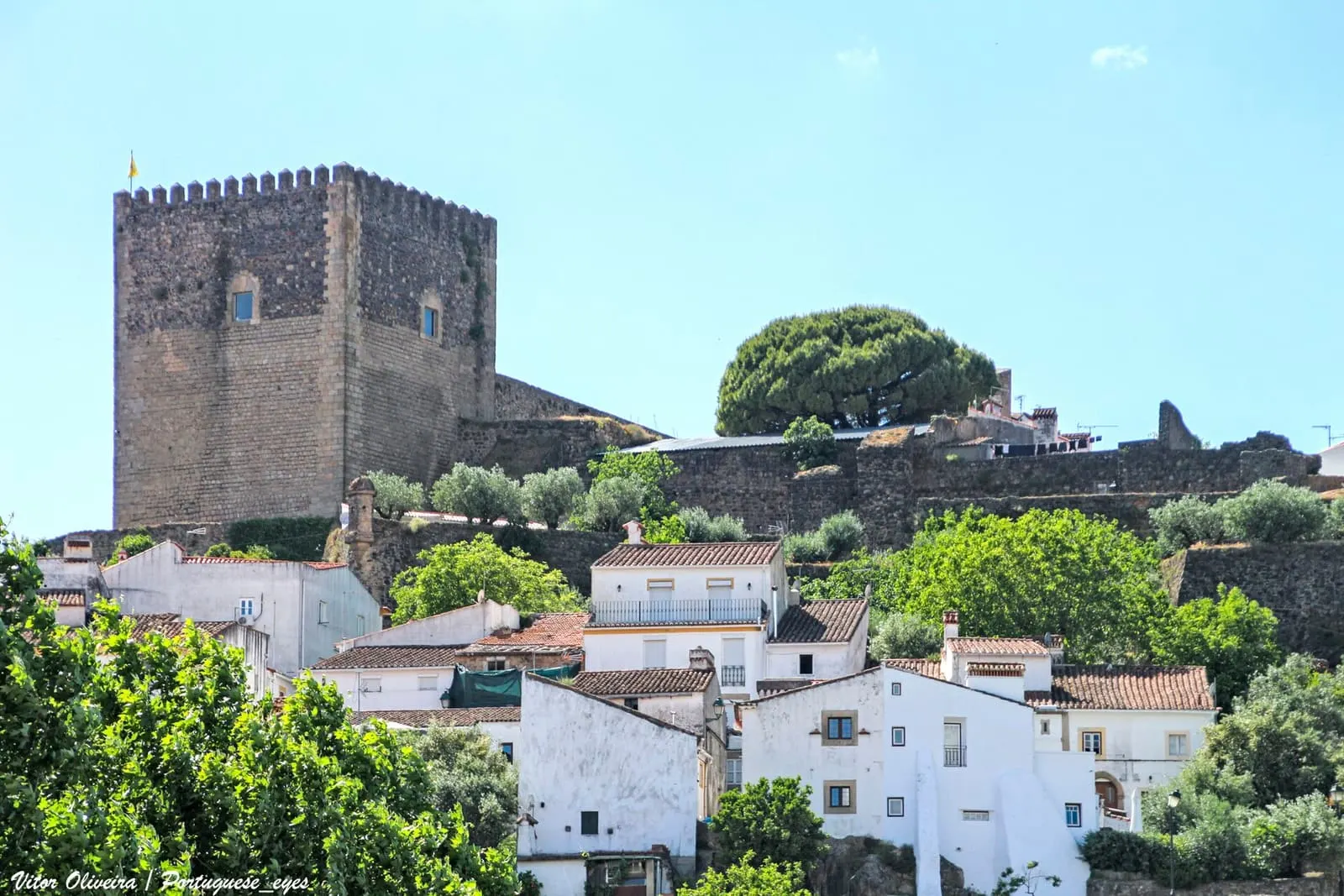 AvisAvis, a town in the district of Portalegre in the Alto Alentejo, birthplace of the Order of Avis: castle, medieval towers, the Queen's Tower and the Convent of…
 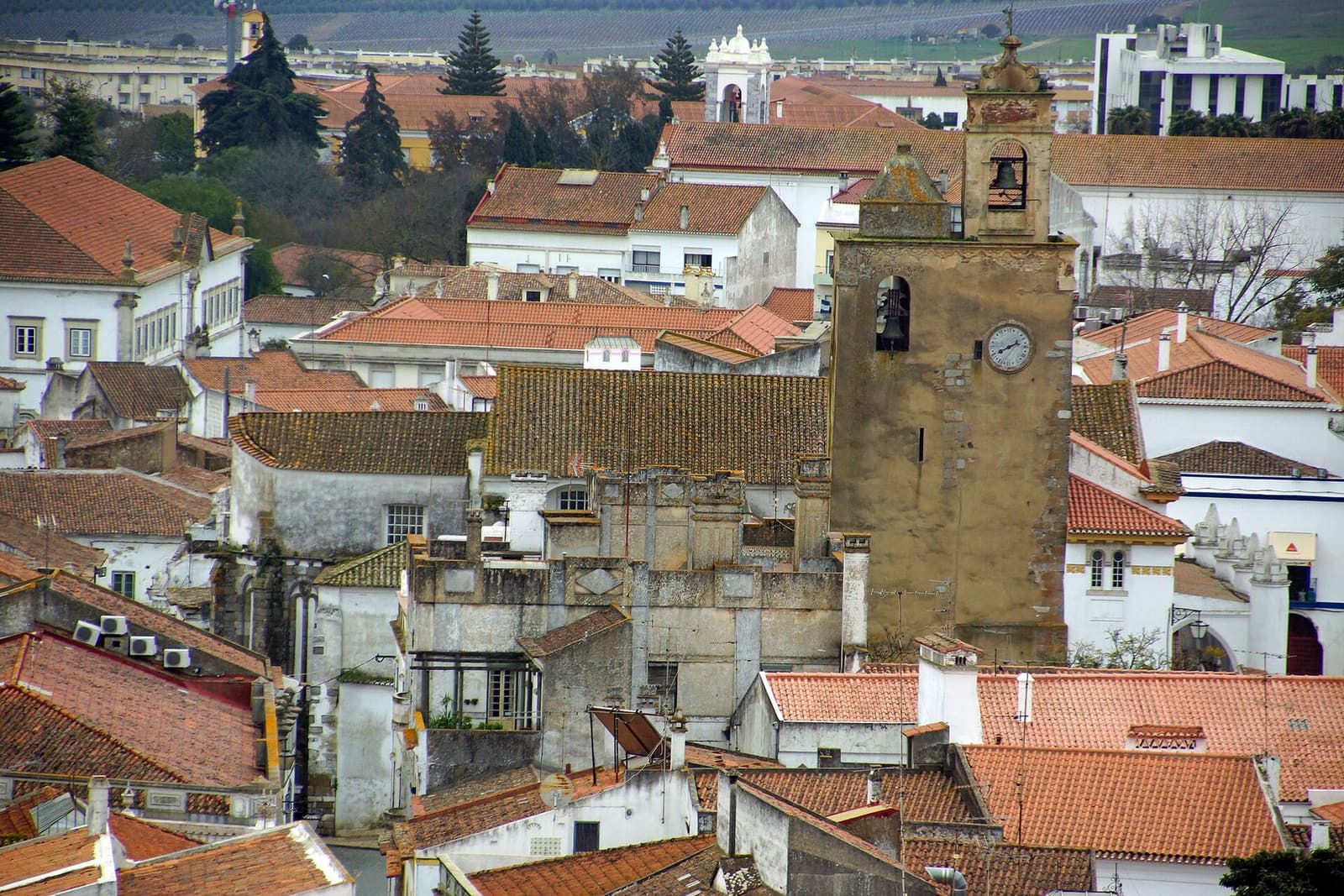 BejaBeja, capital of the Baixo Alentejo: the ancient Roman Pax Iulia, with a Gothic castle, the tallest keep in the country and the Convento da Conceição.
 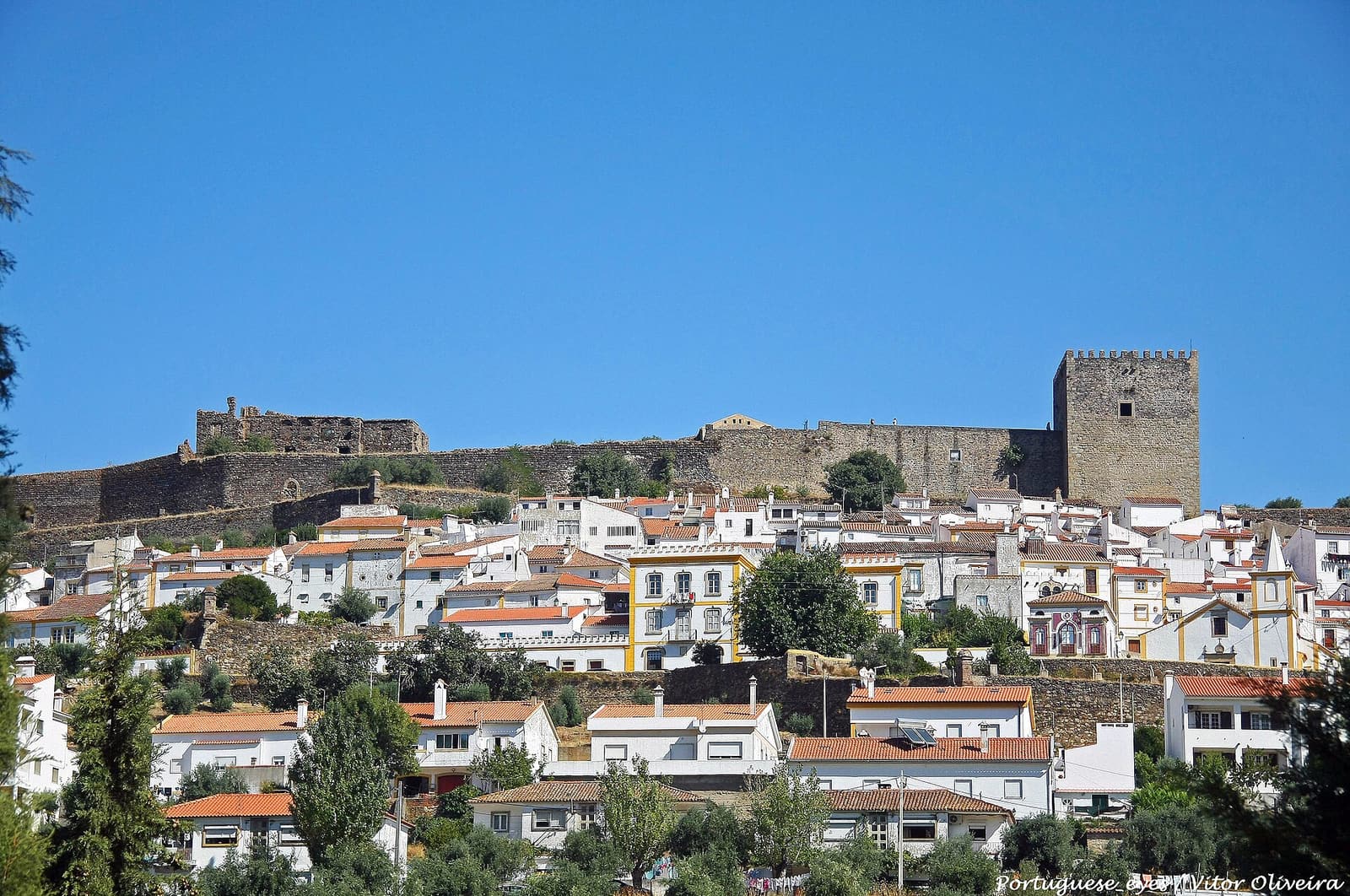 Castelo de VideCastelo de Vide, a town in the Alto Alentejo in the district of Portalegre, with a medieval castle, Jewish quarter and synagogue, known as the Sintra of the…
 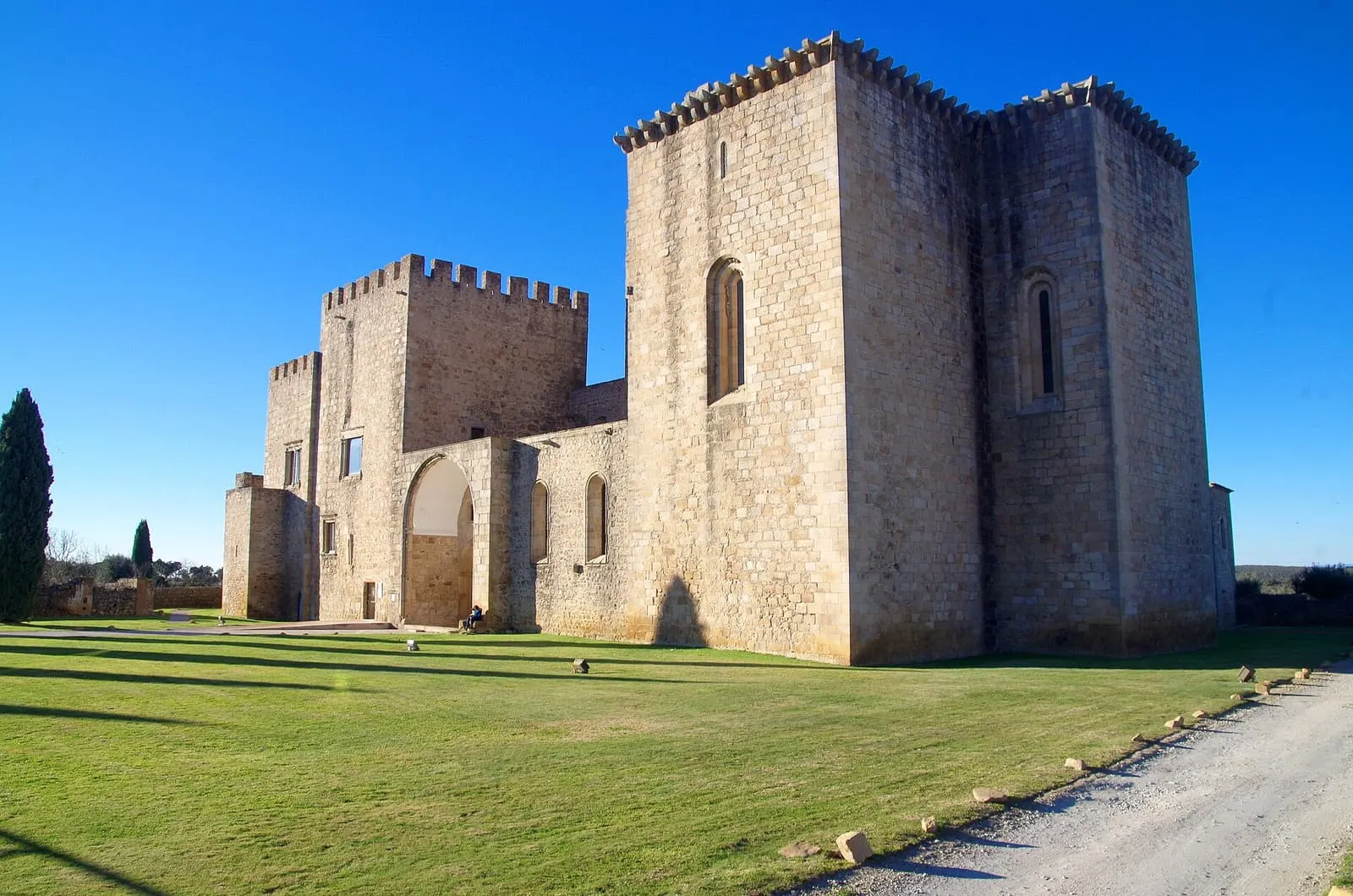 CratoCrato, a town in the Alto Alentejo in the district of Portalegre, was the seat of the Hospitallers in Portugal and is home to the Monastery of Flor da Rosa.
 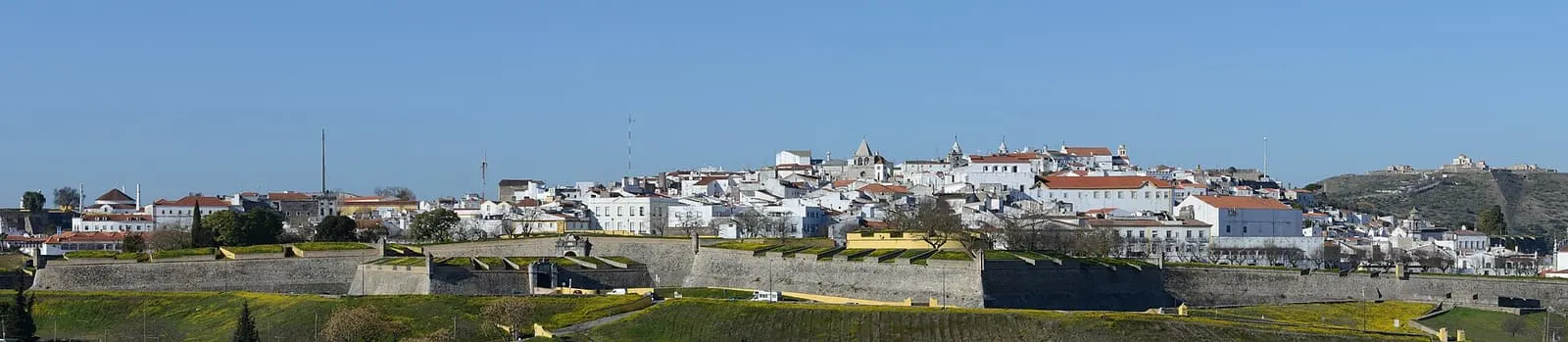 ElvasElvas, a UNESCO-listed frontier garrison town of the Alto Alentejo, with bastioned fortifications, the Amoreira Aqueduct and a historic centre.
 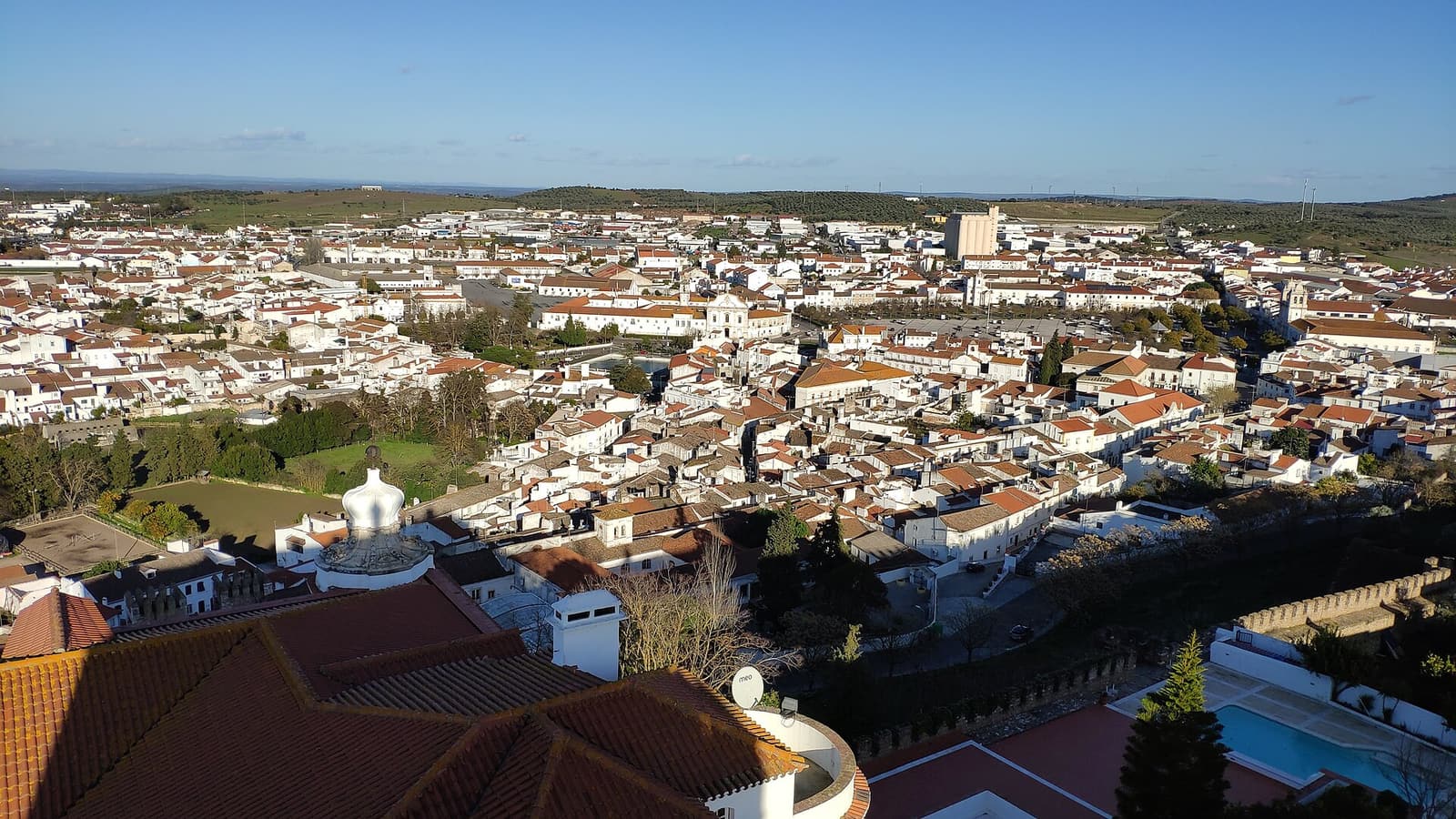 EstremozEstremoz, the white city of Central Alentejo: a medieval castle, the Tower of the Three Crowns, marble and the UNESCO-recognised Bonecos de Estremoz clay figures.
 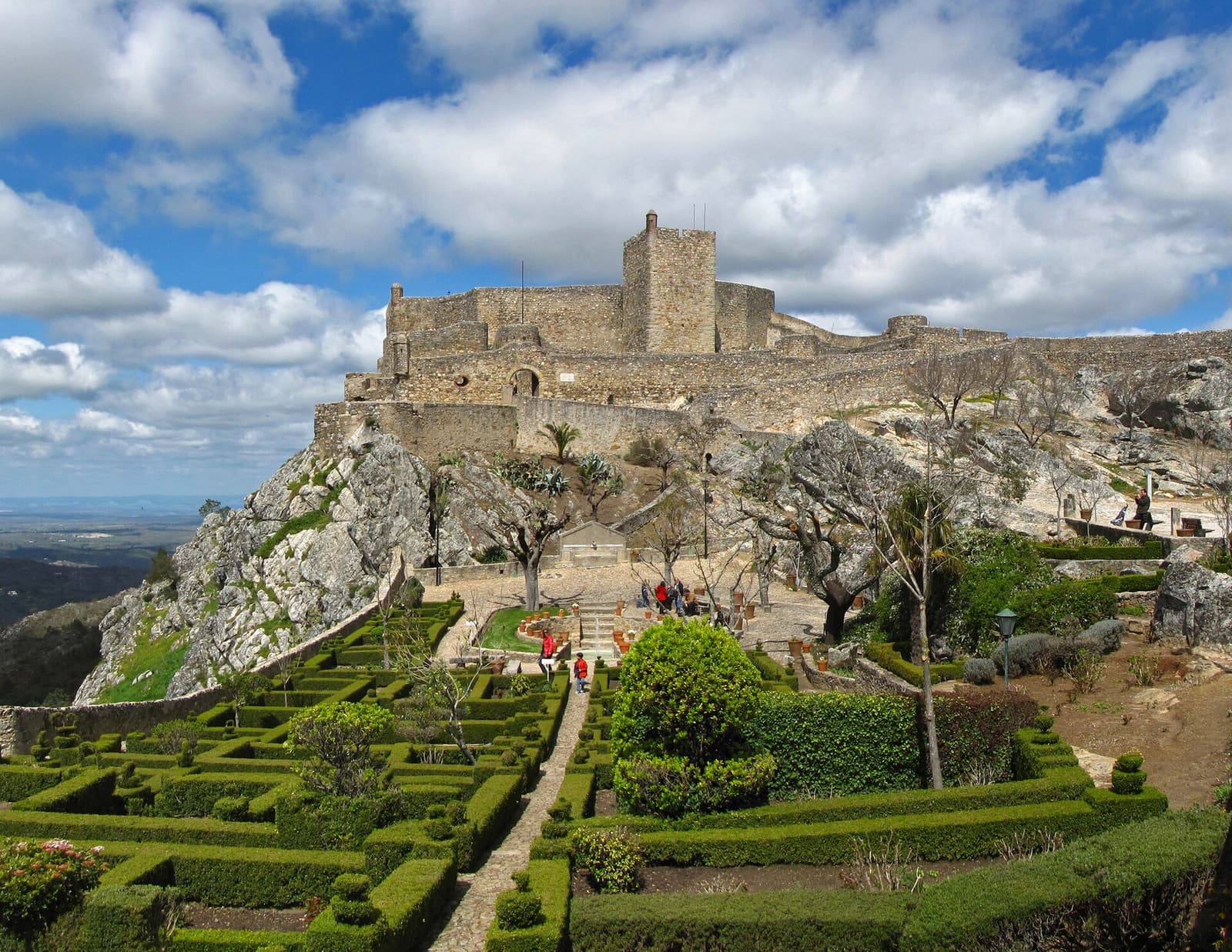 MarvãoMarvão, a walled town on the summit of the Serra de São Mamede, in the district of Portalegre: medieval castle, Alentejo houses and views over the borderland.
 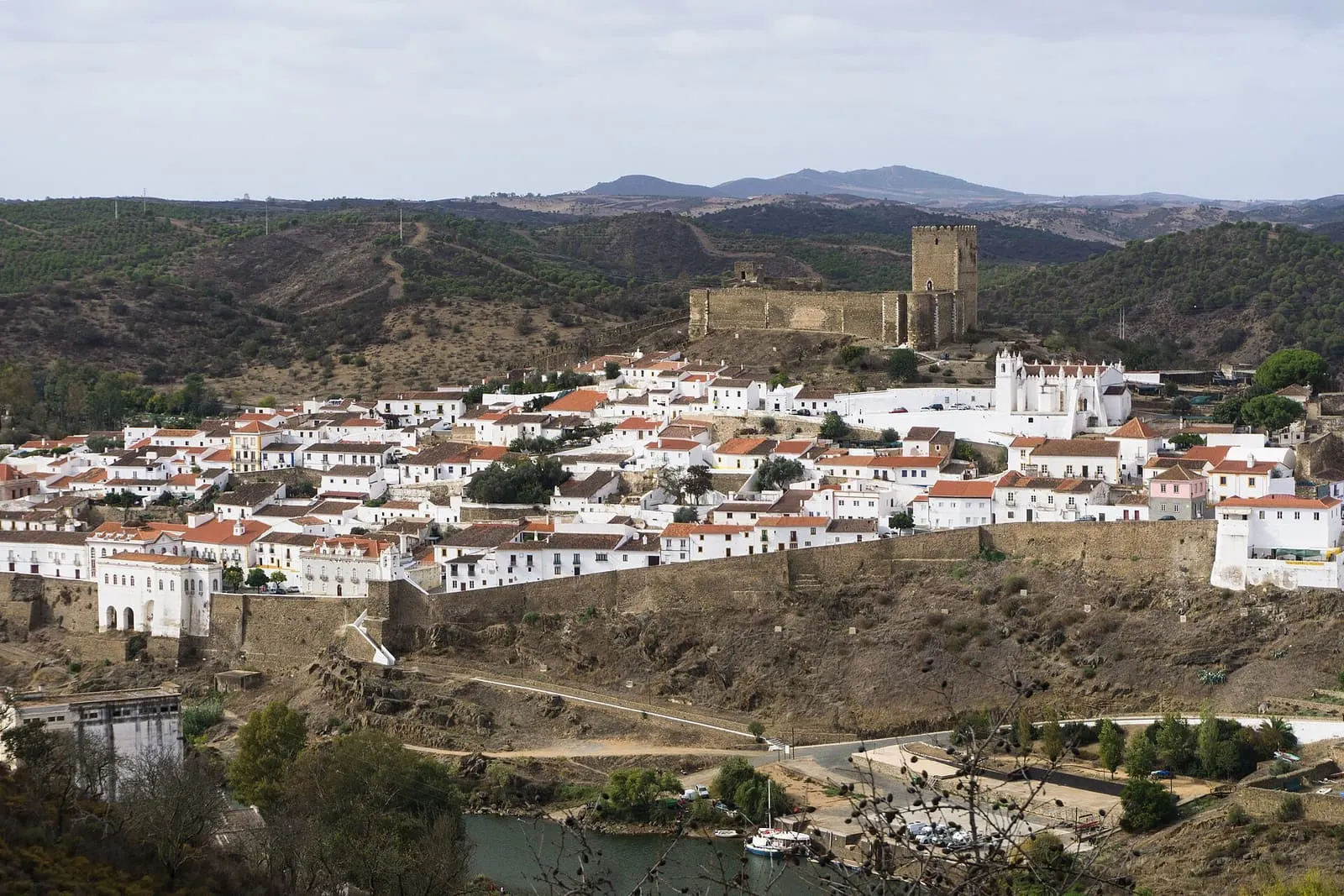 MértolaMértola, a museum-town of the Baixo Alentejo overlooking the Guadiana, in the district of Beja, with a mosque-church, castle and remarkable Islamic…
 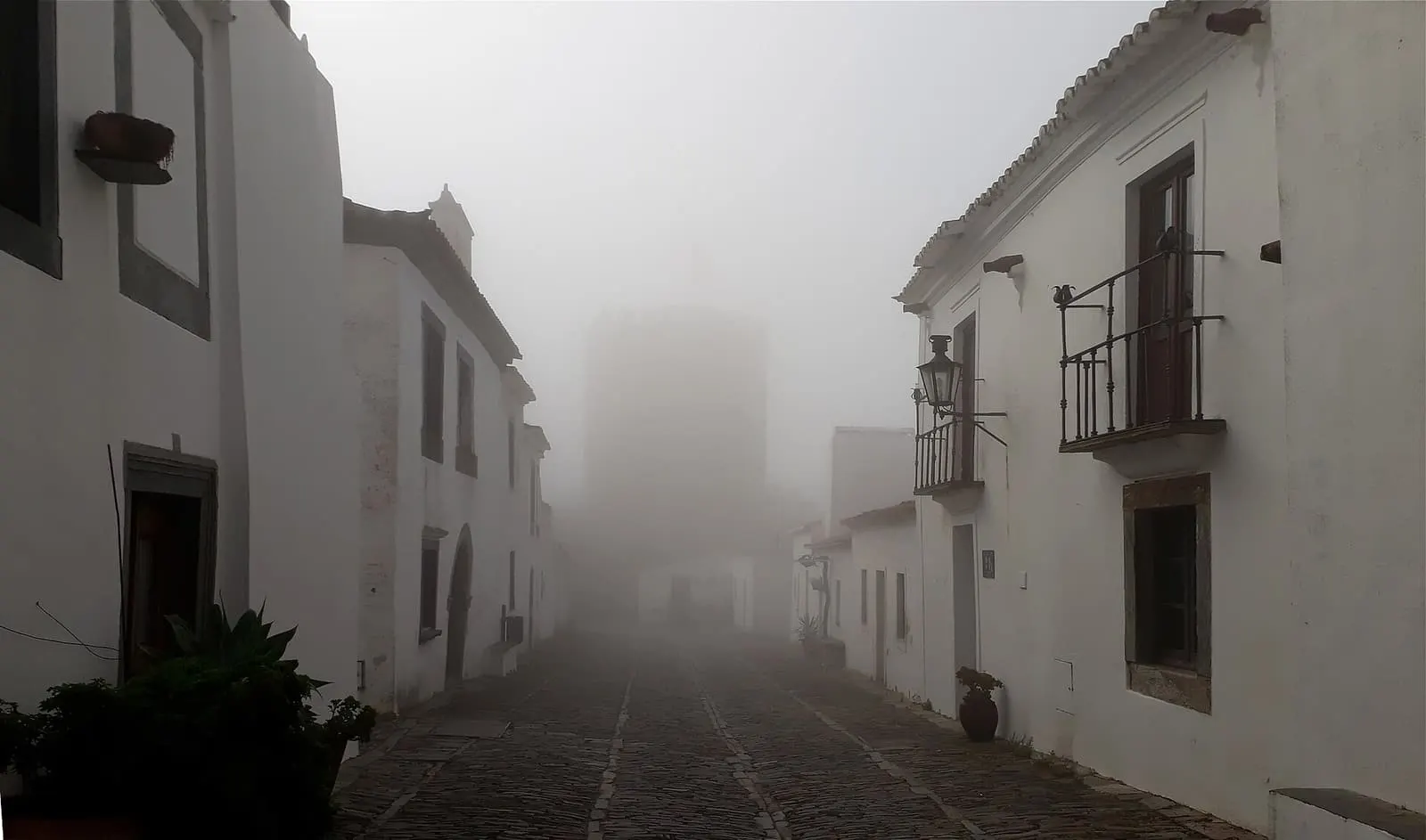 MonsarazMonsaraz, a medieval walled town in the Alentejo, in the municipality of Reguengos de Monsaraz, perched above the Guadiana and the Great Lake of Alqueva.
  Montemor-o-NovoHeritage guide to Montemor-o-Novo, an Alentejo town in Évora district, featuring its medieval castle, convents, and the legacy of Saint John of God.
  MouraMoura, a town in the Lower Alentejo region of Beja district: medieval castle, Mouraria quarter, and deep Islamic heritage along the Guadiana River in Alentejo.
 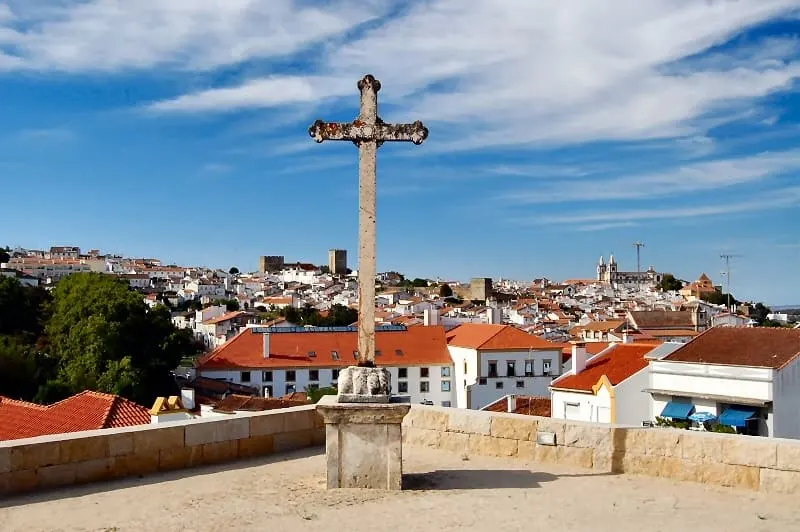 PortalegrePortalegre, district capital in Alto Alentejo: Cathedral, Baroque palaces, the São Mamede mountain range, and the renowned Portalegre tapestries.
 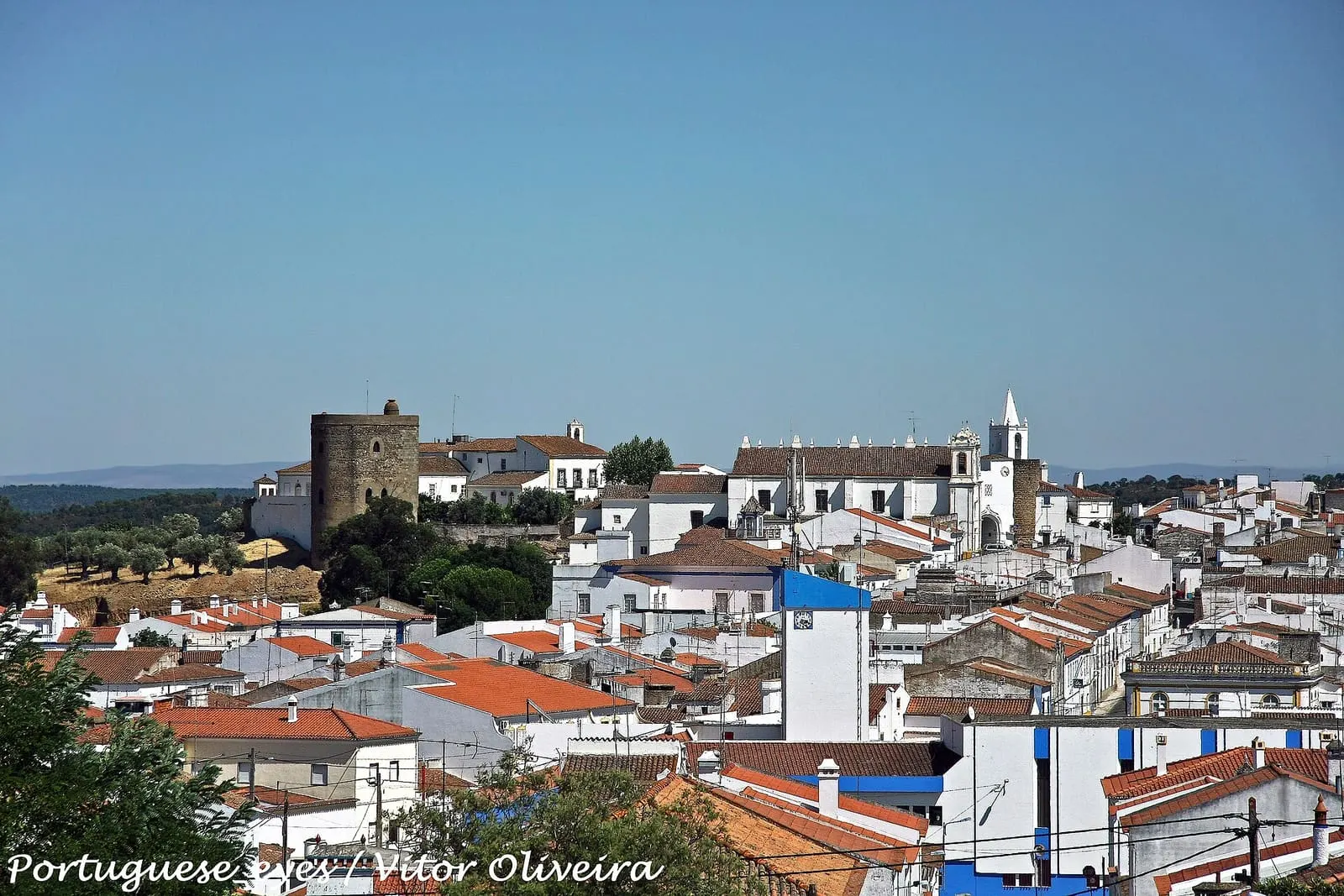 RedondoRedondo, a walled town in Central Alentejo, Évora district: a Dinis-era castle, medieval walls, and one of Portugal's most vibrant pottery traditions.
 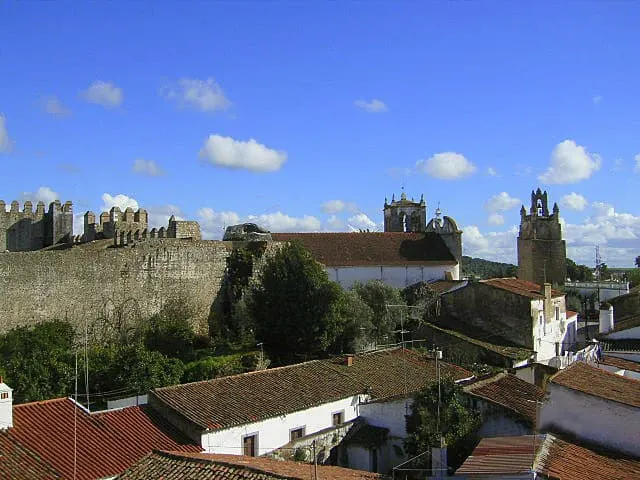 SerpaSerpa, a walled town in Baixo Alentejo, Beja district: medieval castle, 17th-century aqueduct, monumental noria and whitewashed historic center.
 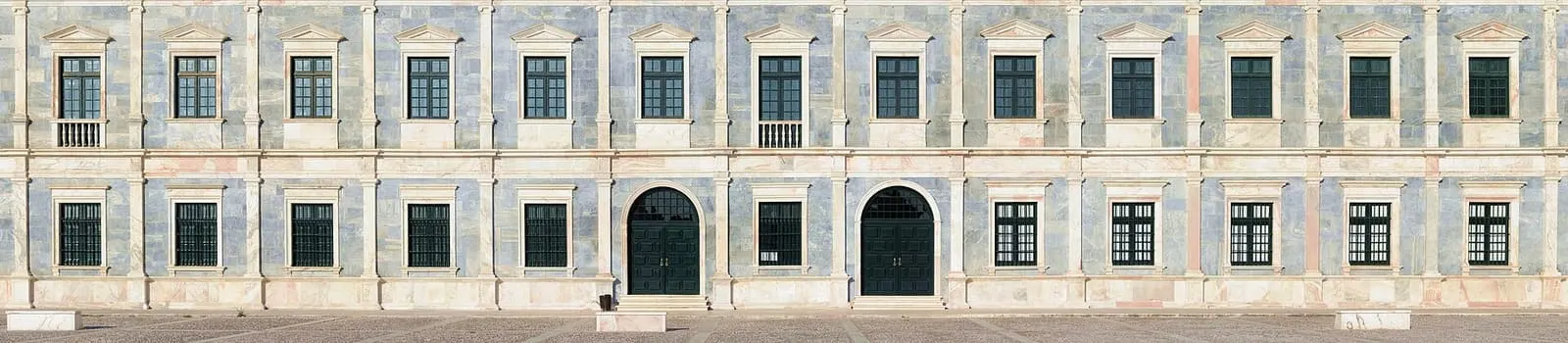 Vila ViçosaGuide to Vila Viçosa, a ducal town in the Alentejo region of Évora district: the Ducal Palace of the Braganzas, the medieval castle, and the marble capital.
 Frequently asked questions
- Which sites in the Alentejo are UNESCO World Heritage Sites?
- The Alentejo has two properties inscribed on the World Heritage List: the Historic Centre of Évora (1986) and the Garrison Border Town of Elvas and its Fortifications (2012). The region is also home to the Cante Alentejano, recognised in 2014 as Intangible Cultural Heritage of Humanity.
- Which is the most important city in the Alentejo's heritage?
- Évora is the principal heritage centre of the Alentejo. Its walled historic core, with its medieval layout, brings together the Roman Temple, the Cathedral, the Church of São Francisco with the Chapel of Bones and several palaces, justifying its classification as a World Heritage Site.
- What is Alentejan megalithism?
- The Alentejo has one of the greatest concentrations of megalithic monuments in Europe, with dolmens (antas), menhirs and cromlechs raised between the 5th and 3rd millennia BC, such as the Cromlech of the Almendres, near Évora, and the Great Dolmen of Zambujeiro.