Intangible Heritage
Transhumance and Pastoralism
Transhumance and pastoralism in Portugal: seasonal movements of herds and the pastoral way of life in the mountains, from Serra da Estrela to Barroso in…
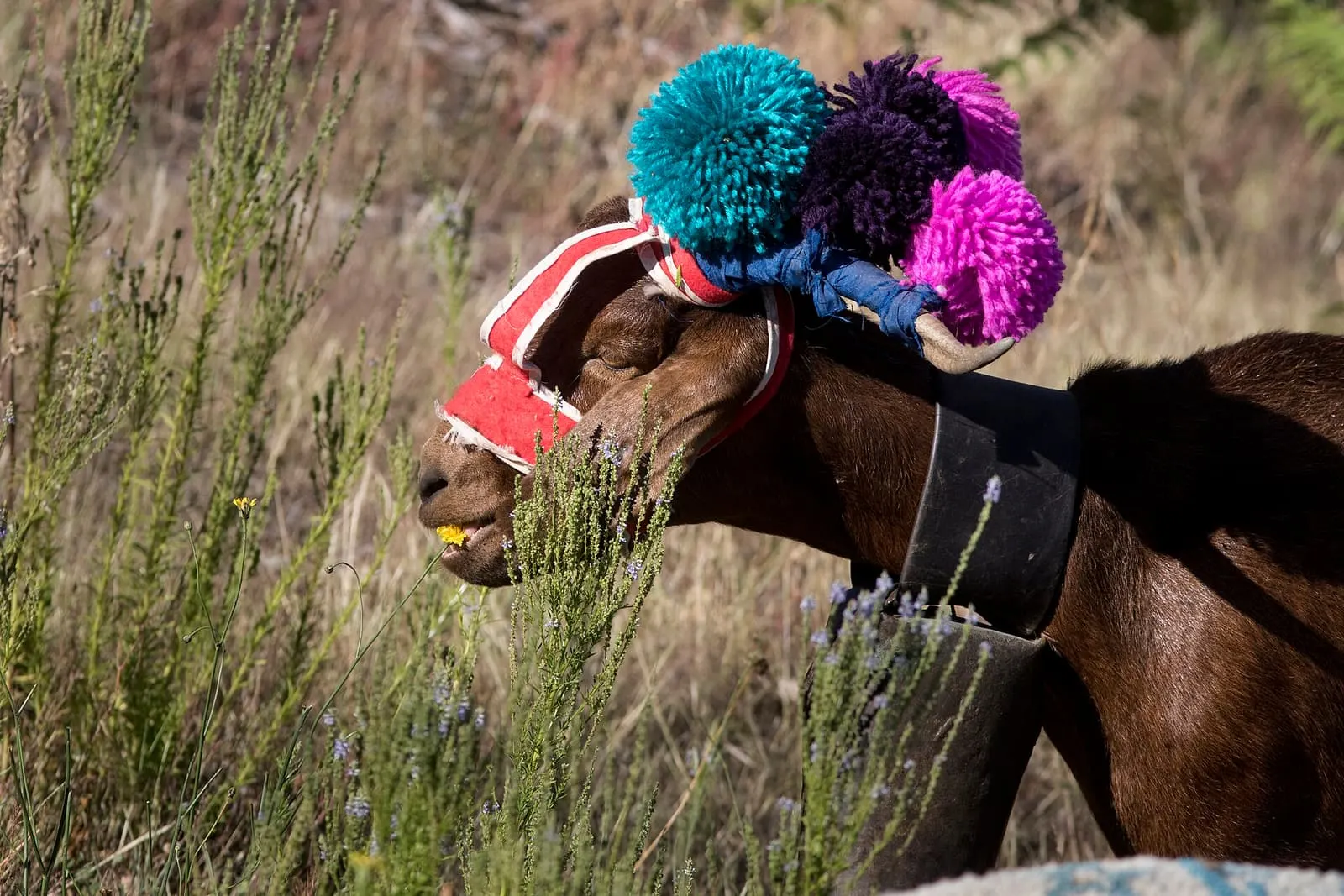
Transhumance is the seasonal movement of herds between pastures at different altitudes and regions, guided by shepherds who traverse the same paths year after year. In Portugal, this ancient practice has shaped the lives of mountain communities for centuries, from Serra da Estrela to Barroso, and is inextricably linked to pastoralism — the knowledge, gestures, and techniques that sustain extensive livestock farming in highland areas.
A cycle between mountain and plain
The movement of herds follows the rhythm of the seasons. In summer, when lowland pastures dry up, shepherds lead their sheep to high-altitude pastures where grass remains green longer; this is upward or summer transhumance. In winter, faced with snow and cold on the peaks, the direction reverses: herds descend to milder regions like Alentejo, Beira Baixa, or the Douro valley, returning to the mountains in spring.
These journeys followed dedicated routes — canadas or cabanais — wide, winding paths often lined with stone walls, connecting mountain villages to winter grazing lands. Villages such as Sabugueiro, Folgosinho, or Videmonte in Serra da Estrela were, for generations, starting points for these treks that could last many days on foot.
Transhumance is not merely the movement of animals: it is an entire geography etched into the landscape, made up of paths, shelters, springs, and place names that only shepherds knew how to read.
Knowledge of a pastoral culture
Transhumant pastoralism demands deep knowledge of the land, climate, and animal behavior. Shepherds rely on essential helpers, foremost among them the livestock guardian dog and its role in protecting herds, hardy breeds developed to defend sheep from wolves along the routes. The sound accompanying the herd is also part of this culture: cowbells, products of bell-making craft and artisanal bell production, allow animals to be located and each herd identified by its distinctive chime.
From this pastoral economy emerge products that have become emblematic. The milk of Serra da Estrela sheep gives rise to some of Portugal’s most celebrated traditional cheeses, while wool sustained rural industries like Serra da Estrela burel, a thick, waterproof fabric used to make the shepherds’ own coats.
Memory, recognition, and future
Once central to the economy of the mountains, transhumance is now greatly diminished and sustained by fewer and fewer shepherds. Long-distance journeys on foot have largely given way to road transport, and the depopulation of the interior threatens the continuity of this tradition.
In response, communities, local authorities, and associations have sought to valorize this legacy. Festivals and transhumance routes — such as those in Seia, Serra da Estrela — are organized, and the practice has been inscribed in the National Inventory of Intangible Cultural Heritage, joining the broader intangible cultural heritage of Portugal that efforts aim to safeguard. At the European level, transhumance features on UNESCO’s Representative List of the Intangible Cultural Heritage of Humanity through a multinational nomination shared by Mediterranean and Alpine countries, a testament to the continental scale of a way of life that, from Portuguese mountains to the Alps, shares the same ancestral gestures.
Frequently asked questions
- What is transhumance?
- It is the seasonal movement of herds between winter pastures in lowlands and summer pastures in the mountains, along specific routes travelled by shepherds, their dogs, and livestock.
- Where is transhumance practiced in Portugal?
- Mainly in Serra da Estrela and the central interior, but also in Trás-os-Montes, Barroso, and border mountain ranges, though on a much smaller scale compared to the past.
- Is transhumance recognized as cultural heritage?
- Yes. In Portugal, it is inscribed in the National Inventory of Intangible Cultural Heritage, and at the European level, transhumance is part of UNESCO's Representative List through a multinational nomination, though Portugal is not included in this particular submission.