Resources
Historic Villages of Portugal
The Historic Villages of Portugal: a network of twelve fortified settlements in the Beira and the Serra da Estrela, with medieval castles and granite heritage.
- Location
- Beira Interior, Centro
- Built
- 1991
The Historic Villages of Portugal form a network of twelve settlements in the country’s central interior, bound by a common thread: the survival, in stone, of centuries of military, religious and everyday history. Scattered mainly across the districts of Guarda, Castelo Branco and Coimbra, they stand out against the harsh landscape of the Beira Interior and the slopes of the Serra da Estrela, where granite and schist shaped not only the houses but the entire way of inhabiting the frontier.
Origin and purpose of the network
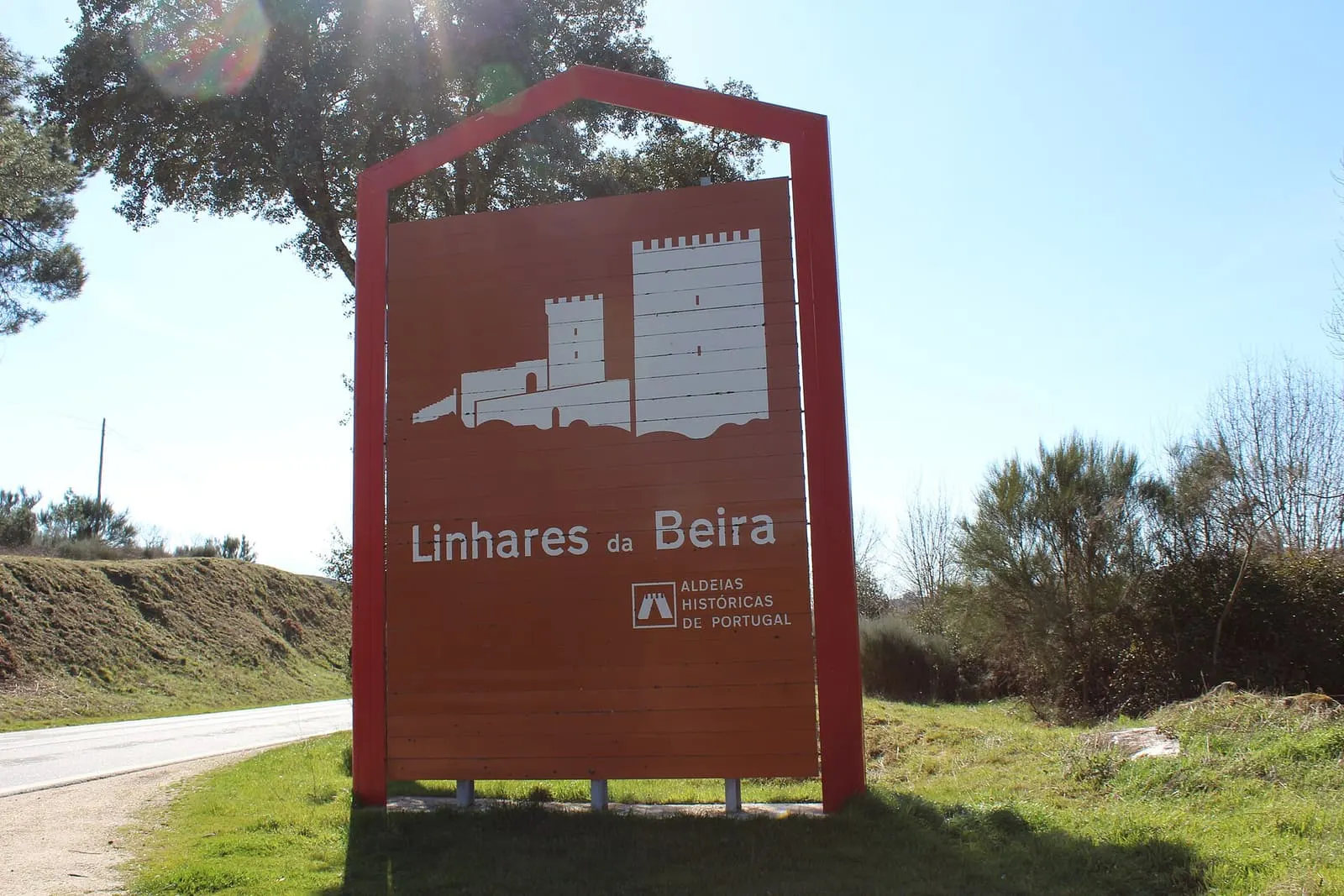
The group arose from a government programme drawn up in 1991, within the framework of policies of cohesion and of combating the depopulation of the interior. The intervention concentrated initially on ten villages — Almeida, Castelo Mendo, Castelo Novo, Castelo Rodrigo, Idanha-a-Velha, Linhares da Beira, Marialva, Monsanto, Piódão and Sortelha — where walls, houses, streets and infrastructure were restored. In 2003 Belmonte and Trancoso joined, completing the network of twelve. Management fell to a development association that coordinates the municipalities involved, promoting the safeguarding of the built fabric and cultural tourism as a driver of demographic revitalisation.
The programme reversed a logic common in Portuguese heritage: instead of protecting isolated monuments, it treated the entire village — the urban fabric, the houses, the people — as the asset to be preserved.
A frontier territory
Much of these villages owe their appearance to their condition as raia, the contested frontier line with Castile during the Middle Ages and the Early Modern period. Hence the castles, the rings of walls and, in the case of Almeida, the remarkable bastioned fortress shaped like a twelve-pointed star, raised according to the principles of modern military architecture. Others preserve the purest medieval layout, such as Sortelha, whose granite houses nestle within an almost intact walled perimeter, or Monsanto, famed for the dwellings that fit between enormous boulders on the flank of a hill crowned by a Templar castle.
Not all owe their importance to arms. Idanha-a-Velha was the Roman Igaeditania and a Visigothic episcopal see; Belmonte, birthplace of the navigator Pedro Álvares Cabral, preserves one of the oldest living Jewish communities in the country, linking it naturally to the Network of Jewish Quarters of Portugal. Piódão, in turn, embedded in the Serra do Açor, stands out for its bluish schist and its amphitheatre-like architecture, close to the world of the Schist Villages.
Heritage and visiting
To wander the Historic Villages is to read, in stone, several layers of the Iberian past: pre-Roman hillforts, Roman roads, Romanesque and Gothic cathedrals and churches, Manueline pillories, synagogues and manor houses. The coherence of the group lies not in a date or a style, but in the heritage density concentrated in small, well-preserved cores, today walkable on foot and linked by signposted itineraries.
More than a tourist route, the network is an instrument of heritage and territorial policy. By settling population, restoring buildings and enhancing the cultural offer, it seeks to halt the depopulation of one of the country’s most fragile regions — making medieval memory a resource for the future of the communities that still inhabit these stones.
Frequently asked questions
- How many Historic Villages of Portugal are there?
- There are twelve: Almeida, Belmonte, Castelo Mendo, Castelo Novo, Castelo Rodrigo, Idanha-a-Velha, Linhares da Beira, Marialva, Monsanto, Piódão, Sortelha and Trancoso.
- When was the network created?
- The government programme that gave rise to it was drawn up in 1991, initially covering ten villages of the Beira Interior; Belmonte and Trancoso joined in 2003.
- Where are the Historic Villages located?
- They are spread mainly across the districts of Guarda, Castelo Branco and Coimbra, in the Beira Interior and Serra da Estrela region, in central Portugal.
Sources
Resources for research
Find the sources. Follow the story.
Guides to researching buildings, exploring museum collections and understanding heritage protection.
SIPA
Get to know the architectural inventory, building records and documentary archive.
Read the guideMuseum collectionsMatrizNet
Explore the museum catalogue and records of works, materials, authorship and provenance.
Read the guideHeritage protectionHeritage classification
Understand cultural property categories and the levels of national, public and municipal interest.
Read the guide