Places
Sortelha
Sortelha, a historic walled village in the municipality of Sabugal, with a medieval castle and granite houses on a massif in Beira Interior, Guarda district.
- Location
- Sortelha, Guarda
- Built
- século XII
- Style
- Arquitetura militar medieval
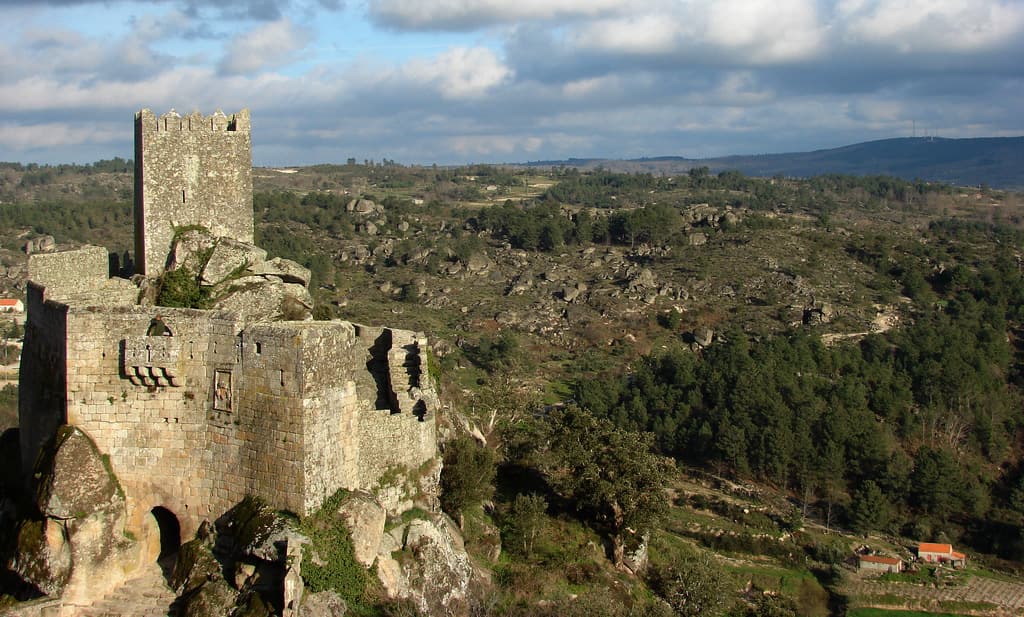
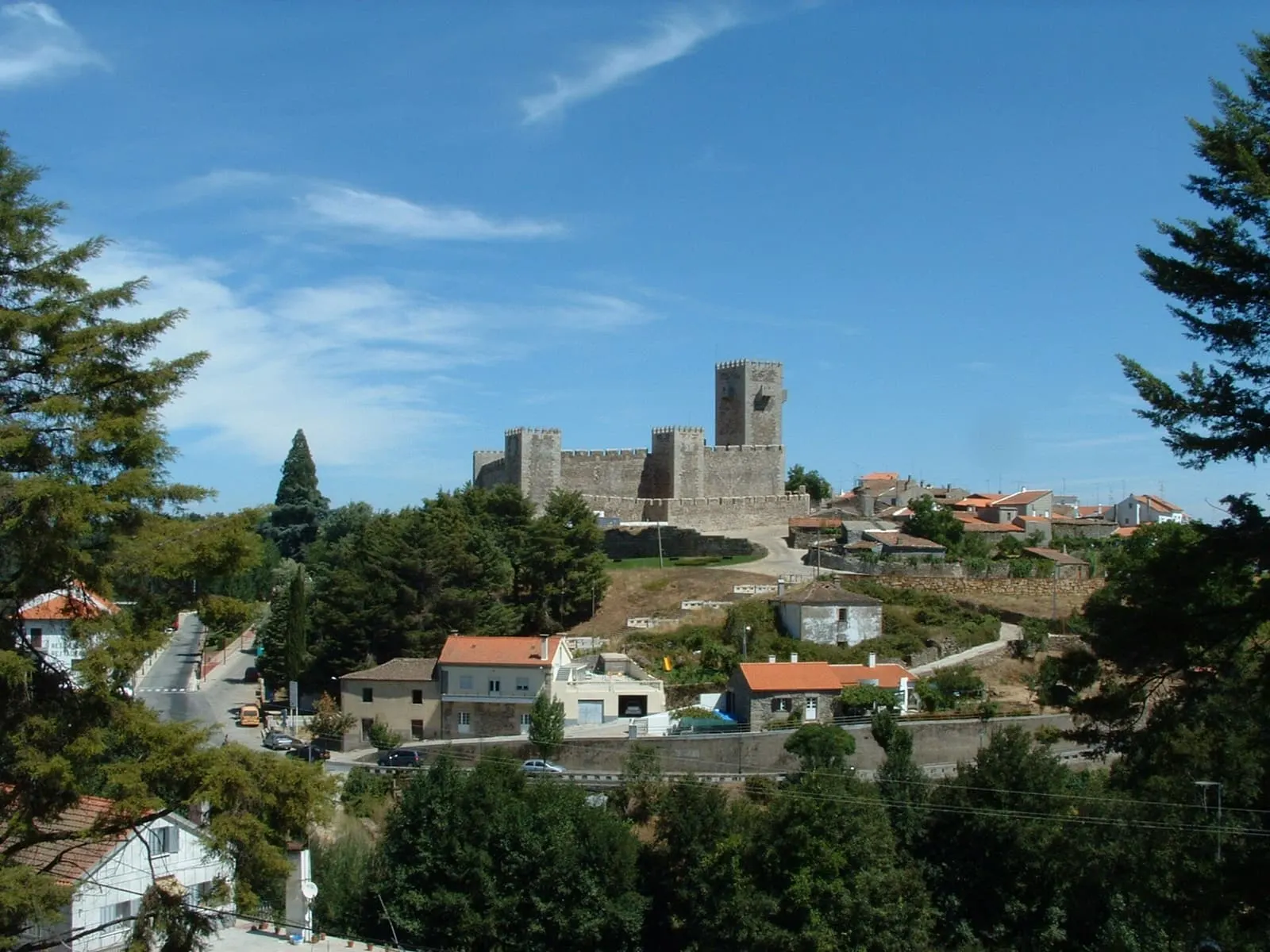
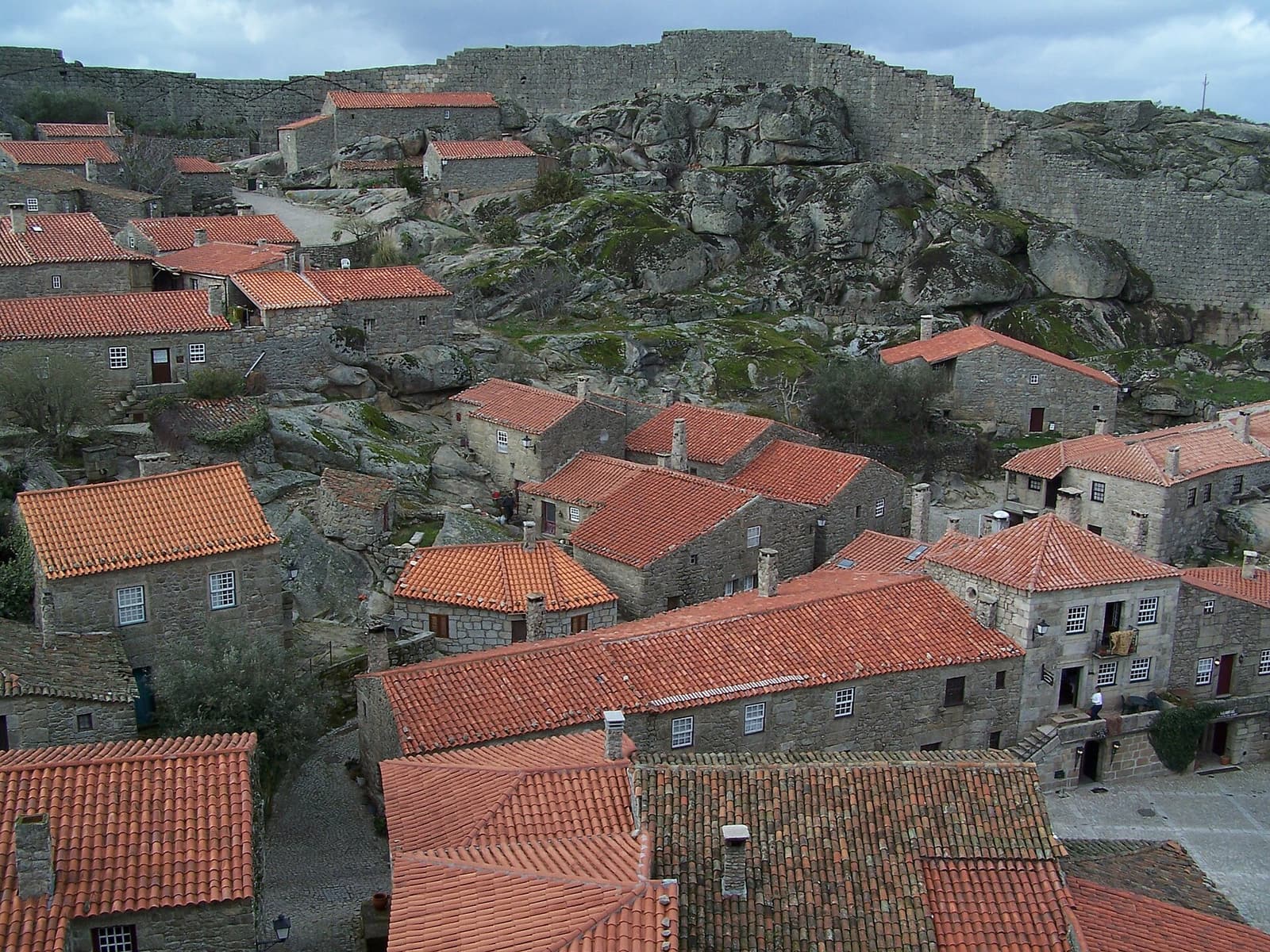
Perched on a granite massif at about 760 meters above sea level, Sortelha is one of the best-preserved walled villages on the Portuguese border. It belongs to the municipality of Sabugal, in the Guarda district of Beira Interior, and its granite houses rise among colossal boulders, enclosed by a ring of walls that embrace the castle and the parish church. Those who pass through its medieval gates find a place where time seems to have stood still: narrow streets, loose-stone houses, and the silence of the Beira plateaus.
A border town
The occupation of Sortelha’s rocky outcrop dates back to times before the foundation of Portugal, but it was in the Middle Ages that the place acquired the military character that still defines it today. It was King Sancho I in the 12th century who spurred the fortification of this strategic position along the border defined by the Côa River. In 1228, King Sancho II granted a charter to the settlement, later confirmed by King Dinis, who ordered the expansion of the castle and the walled perimeter.
In 1288, Sortelha became a municipal seat, a dignity it retained for centuries and of which eloquent traces remain, such as the pillory marking the old municipal power. The loss of this status, following the liberal administrative reforms of the 19th century, condemned the town to a slow desertification—paradoxically, it was this slumber that allowed the medieval ensemble to survive almost intact to this day.
Forgotten by modern history, Sortelha preserved what many more prosperous towns lost: its entire medieval silhouette, fixed in stone as if in a portrait.
The castle and the granite houses
At the highest point of the enclosure stands the Castle of Sortelha, with its square keep and curtain walls blending into the rocky outcrops. Classified as a National Monument in 1910, it is the defensive heart of the village and offers, from the top of its battlements, a sweeping view of the mountains and the border plain.
Within the walls, the houses follow the logic of granite: the buildings rest on the rock, use natural boulders as walls, and display windows and portals with Gothic and Manueline outlines. The parish church, dedicated to Our Lady of the Snows, dates back to the 14th century and retains woodcarvings and tiles from later periods. Around it, archaeological research has revealed numerous anthropomorphic tombs carved into the rock, evidence of very early Christian occupation.
Legends and living heritage
The cliffs surrounding the village fuel popular imagination. The famous Lovers’ Stone, or Eternal Kiss, evokes the legend of two lovers turned to stone, a motif that has become a symbol of Sortelha. This symbolic and scenic dimension integrates the village into the network of Portugal’s Historic Villages, which brings together border settlements of exceptional heritage value.
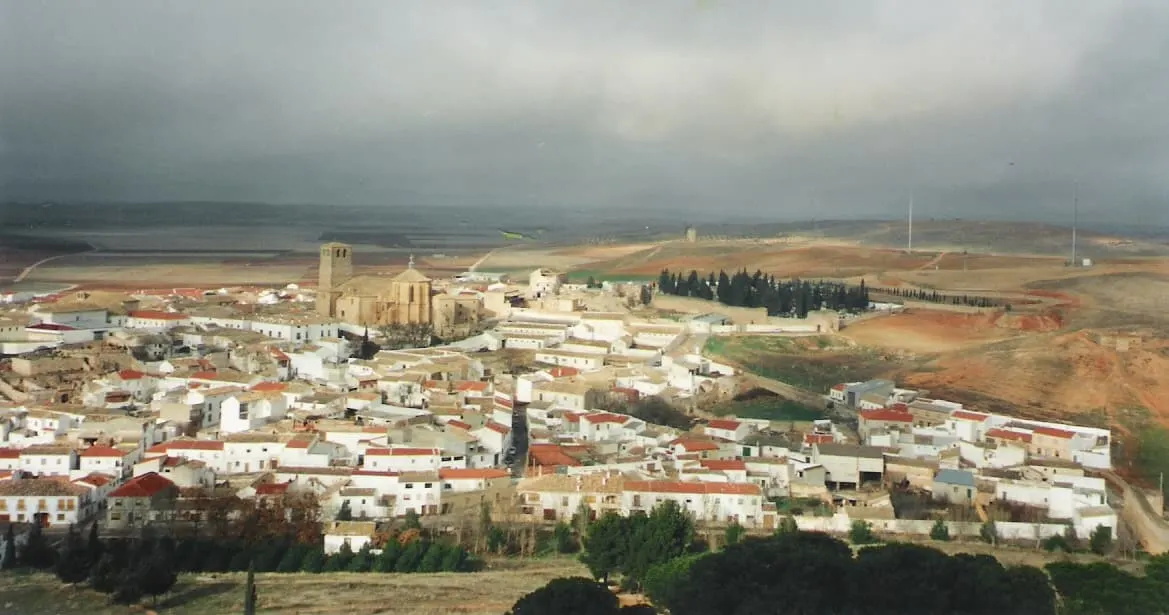
A few kilometers away, the town of Sabugal, the municipal seat, also boasts a castle with a pentagonal tower and a historic center of medieval origin, extending the network of fortresses that once defended this border. Like the nearby Monsanto in Beira Baixa, Sortelha belongs to that family of granite villages where human architecture and living rock have become indistinguishable, and where the memory of the border is still written on every wall.
Frequently asked questions
- Where is Sortelha located?
- Sortelha is a parish in the municipality of Sabugal, in the Guarda district of Beira Interior. The historic core stands on a granite massif at about 760 meters above sea level, near the border with Castile.
- When was the village of Sortelha founded?
- Of medieval origin, Sortelha received its charter from King Sancho II in 1228, later confirmed by King Dinis. It became a municipal seat in 1288, a status it lost during the liberal administrative reforms of the 19th century.
- Is Sortelha one of Portugal's Historic Villages?
- Yes. Sortelha is part of the network of Portugal's Historic Villages, distinguished by its walled ensemble and granite houses, restored mainly during works carried out in the 1990s.
Sources
Keep exploring
Heritage nearby
More places to discover from here. Approximate straight-line distances, within 50 km.