Typologies
Vernacular and Popular Architecture
Portuguese vernacular and popular architecture: traditional houses by region, local materials, and the Survey on Popular Architecture in Portugal (1955-1961).
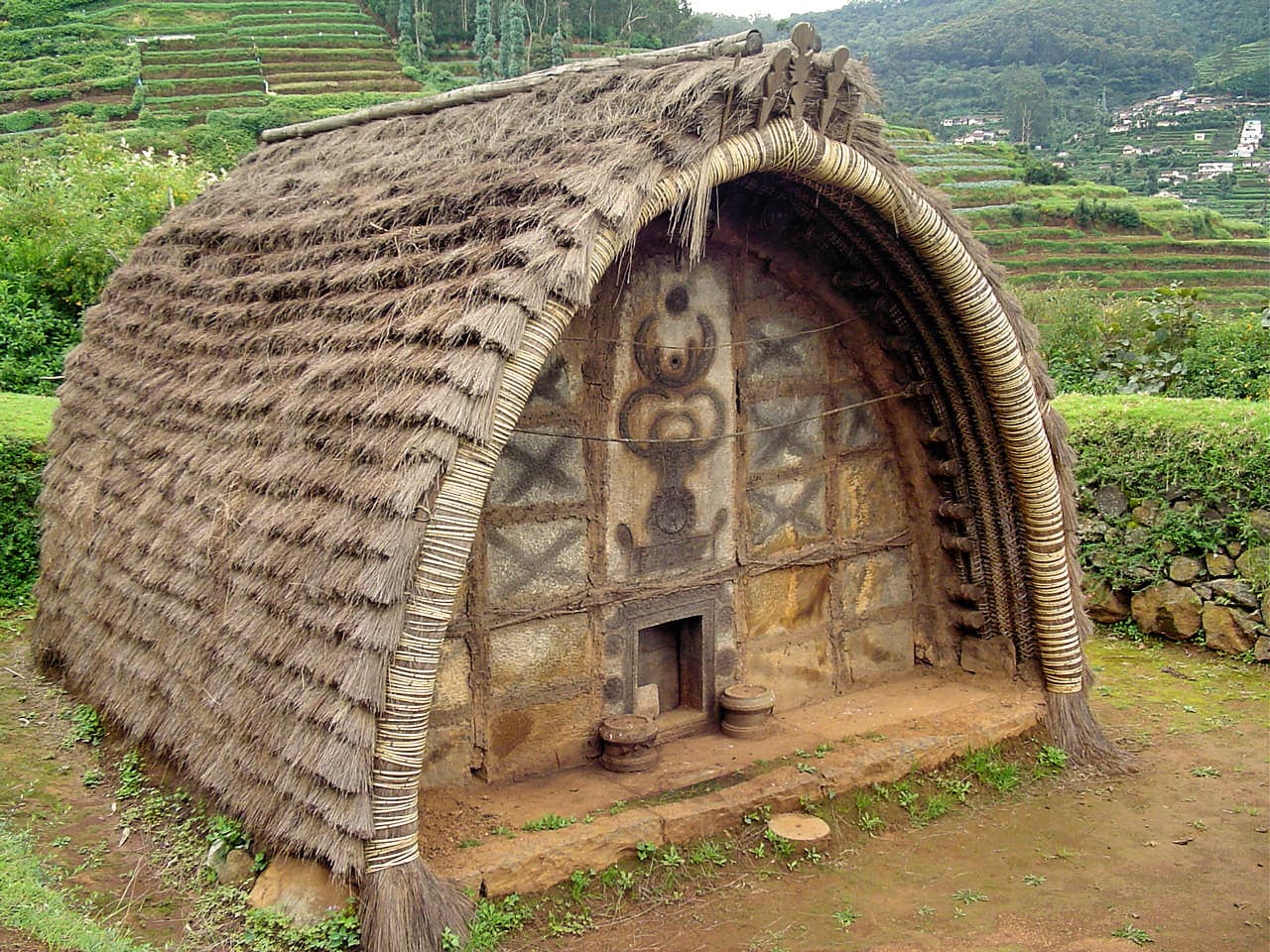
Vernacular architecture — also called popular or traditional — refers to the body of construction built according to inherited knowledge of each place, using locally available materials and, as a rule, without the intervention of architects. It is architecture without a recognized author, shaped by generations of stonemasons and carpenters, directly responding to the climate, terrain, agricultural economy, and ways of life of each region. In contrast to the grand typologies of erudite architecture gathered in typologies of built heritage, this is an everyday heritage, made up of farmhouses, barns, ovens, mills, and granaries.
The land as material
The first key to Portuguese vernacular architecture is the available material. In the granite-rich North, dressed stone defines the granite houses of Minho, sturdy and with four-sided roofs, often with living quarters above the stable. In the mountains of Beira and the interior, schist slabs build entire villages of gray tones, perched on slopes. Further south, where building stone is scarce, rammed earth and whitewashed adobe dominate: these are the single-story Alentejo houses, with simple volumes and few openings, designed to combat the heat. On the Algarve coast, the same logic produces flat roofs, ornate parapets, and lace-like chimneys. This reading intersects with the regional solutions explained in the pages on granite houses of Minho, schist houses, and Alentejo houses.
The classic division of this architecture contrasts a North of two-story houses — humans and livestock under the same roof — with a South of sprawling single-story houses; between them, a transitional strip where the two logics mix.
To this residential grammar are added outbuildings, as expressive as the houses themselves. The granaries and corn cribs of Minho and Trás-os-Montes — ventilated granaries raised on stilts to store corn away from moisture and rodents — are perhaps the most recognizable icon of this construction universe.
The Survey on Popular Architecture
The systematic study of this architecture owes much to a foundational moment: the Survey on Popular Architecture in Portugal, promoted by the National Union of Architects and conducted between 1955 and 1961. Under the impetus of Francisco Keil do Amaral, six teams of architects traveled across the country, divided into six zones — from Minho and Douro Litoral to the Algarve, passing through Trás-os-Montes, Beiras, Estremadura and Ribatejo, and Alentejo. They gathered thousands of photographs, drawings, and notes that culminated, in 1961, in the two-volume work Popular Architecture in Portugal.
The Survey had a dual significance. As a document, it captured a portrait of rural construction at a time when it was beginning to disappear. As a gesture, it dismantled the idea, dear to the Estado Novo, of a single, national “Portuguese house”: by revealing the enormous regional diversity, it showed that there was no single model, but many, each born of its environment. The reflection continued in ethnography, particularly in the synthesis Traditional Portuguese Architecture by Ernesto Veiga de Oliveira and Fernando Galhano, which organized these forms into broad types — the multi-story block house, the single-story house, the urban house.
A fragile heritage
Unlike erudite monuments, vernacular architecture rarely enjoys individual legal protection. Its value is collective and landscape-based: it is read in the ensemble of the village, in the relationship with fields and paths, in the coherence of materials. This also makes it a vulnerable heritage — to rural abandonment, ruin, and rehabilitations that replace traditional techniques with industrial solutions. Territorial safeguarding initiatives, such as networks of inland villages, seek to curb this erosion, recognizing that these anonymous houses hold, in their simplicity, the deepest memory of the Portuguese way of living.
Frequently asked questions
- What is vernacular architecture?
- It is architecture built according to the traditional knowledge and techniques of each place, using locally available materials and usually without the intervention of architects. In Portugal, it is often used synonymously with popular or traditional architecture.
- What is the difference between vernacular and popular architecture?
- In practice, the terms are used interchangeably. 'Vernacular' emphasizes the connection to local 'dialect' construction; 'popular' highlights collective and anonymous authorship; 'traditional' underscores the hereditary transmission of knowledge. They all refer to the same universe of construction.
- What was the Survey on Popular Architecture in Portugal?
- It was a survey promoted by the National Union of Architects between 1955 and 1961, which divided the country into six zones and resulted in the work 'Popular Architecture in Portugal' (1961), still the foremost reference on the subject today.