Typologies
Typologies of Built Heritage
Built heritage can also be read through types — families of buildings that share a common function, form, and evolution. Knowing the typology of a monument is halfway to understanding it: a castle, a cathedral, and a monastery respond to different challenges, with different grammars.
Reading built heritage by type
Typology intersects with periods and styles: the same type — a church, a castle — spans centuries and reinvents itself in each era. The fortifications, for example, are a military typology’s response to a technical revolution, that of artillery. This section complements the individual monuments with a reading by families.
58 entries to explore
No matches in this collection. Try another word or clear your search.
In this section — 58
Editor’s selection
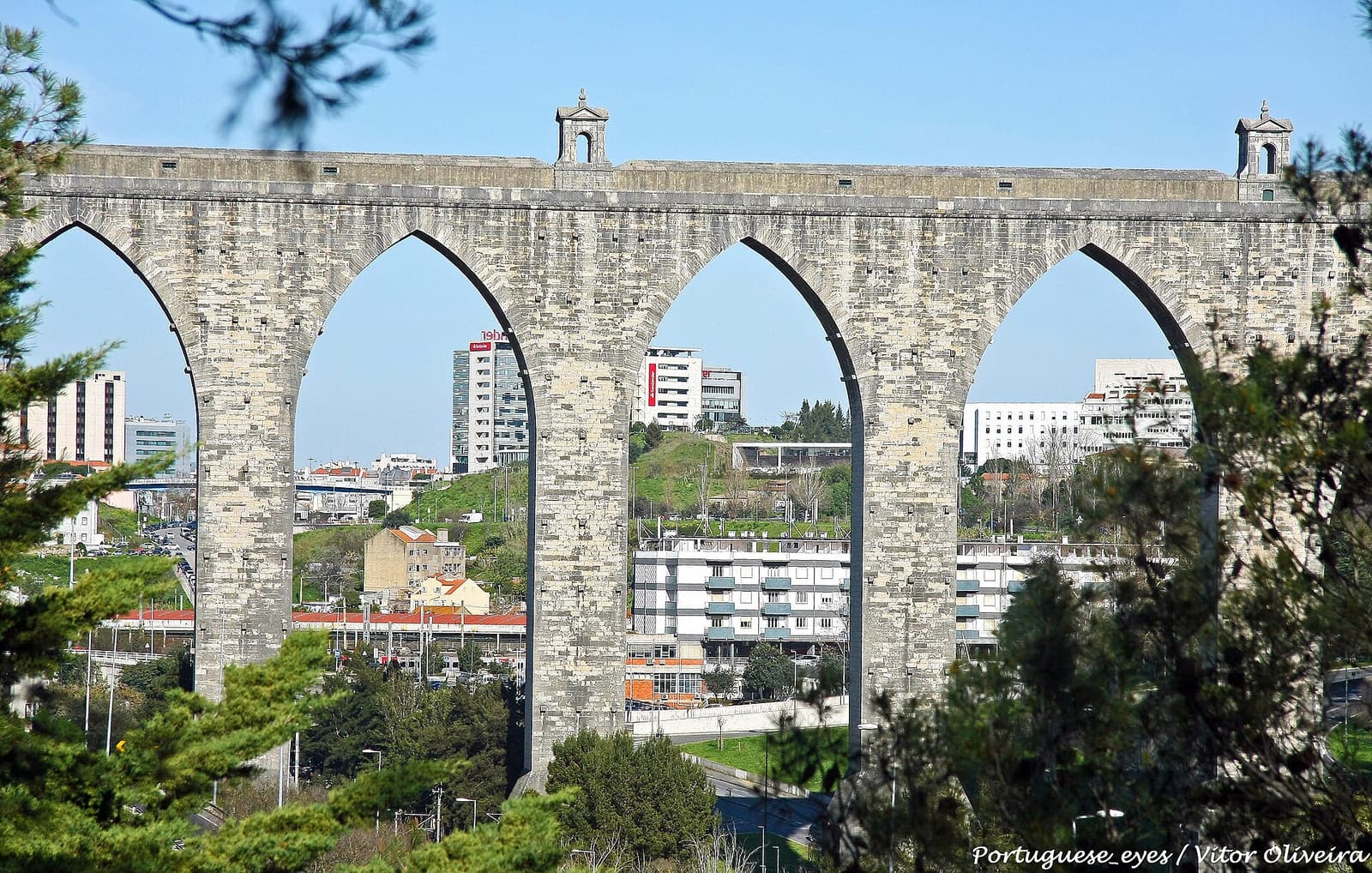 Aqueducts of PortugalThe aqueducts of Portugal: from Roman arcades to the great hydraulic works of the 16th and 18th centuries that supplied water to Lisbon, Évora and Tomar.
 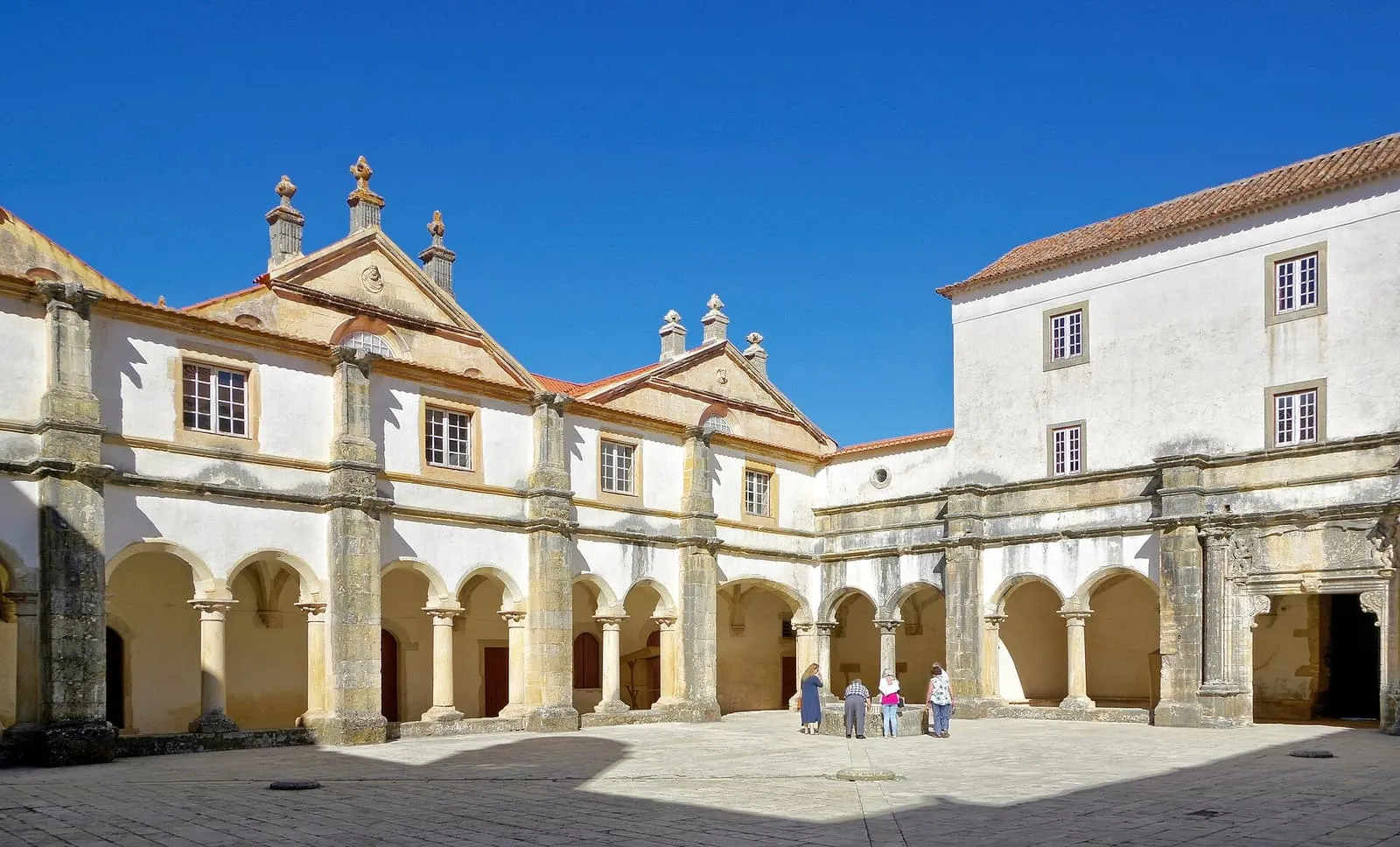 Convents and FriariesThe convents of the mendicant and religious orders in Portugal: architecture, cloister, conventual church, history, and the impact of the 1834 dissolution.
 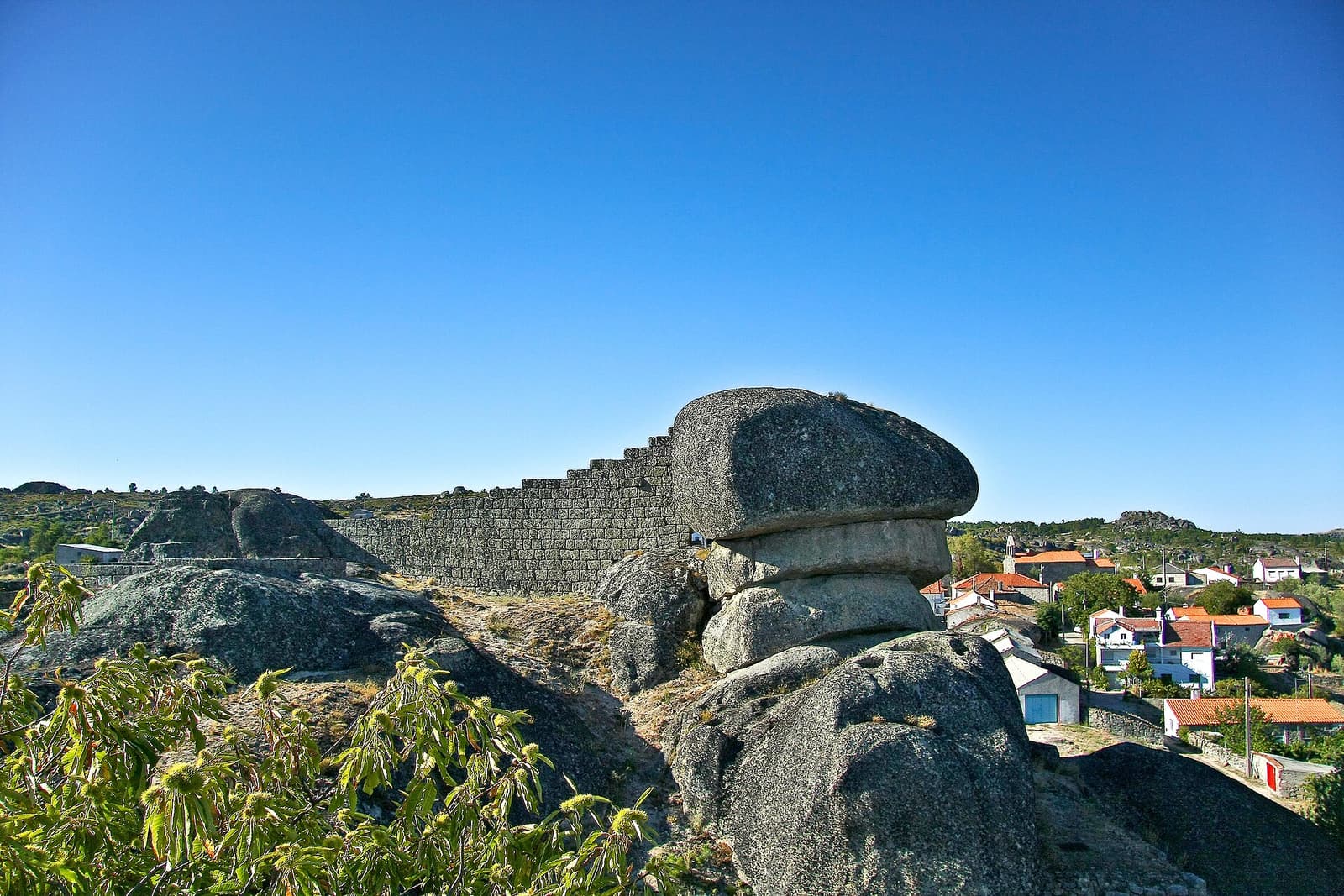 Medieval castles of PortugalThe medieval castles of Portugal: keep, walls and enclosures born of the Reconquista, which shaped the frontier and royal power across the land.
 Tipologias
55 Agricultural and Rural HeritagePortuguese agricultural and rural heritage: threshing floors, olive presses, granaries, covered porches and other farming support structures in the built… 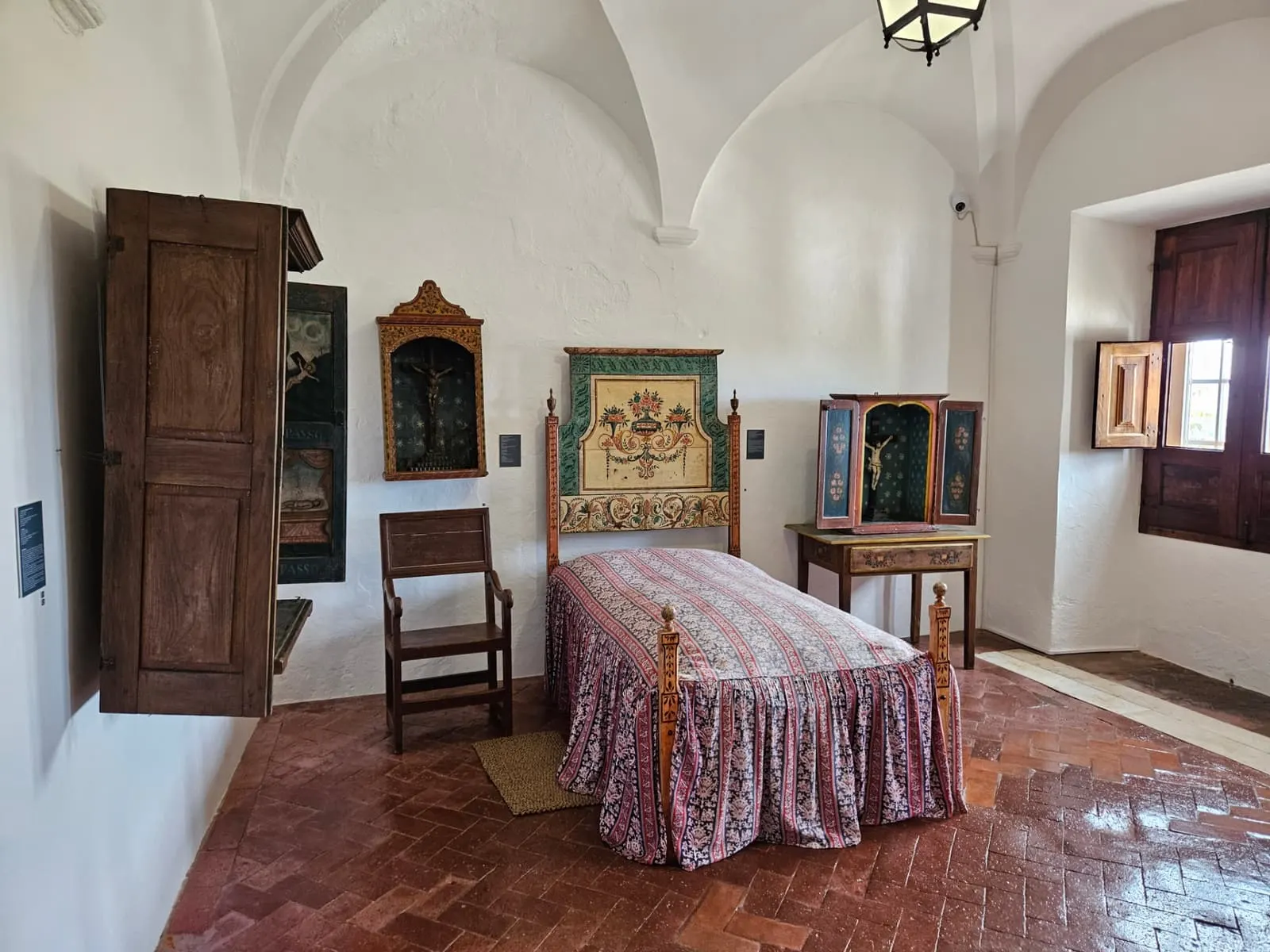 Alentejo HousesThe Alentejo house: a typology of the vernacular architecture of the Alentejo, with whitewashed walls, coloured borders, bulky chimneys and construction in…
 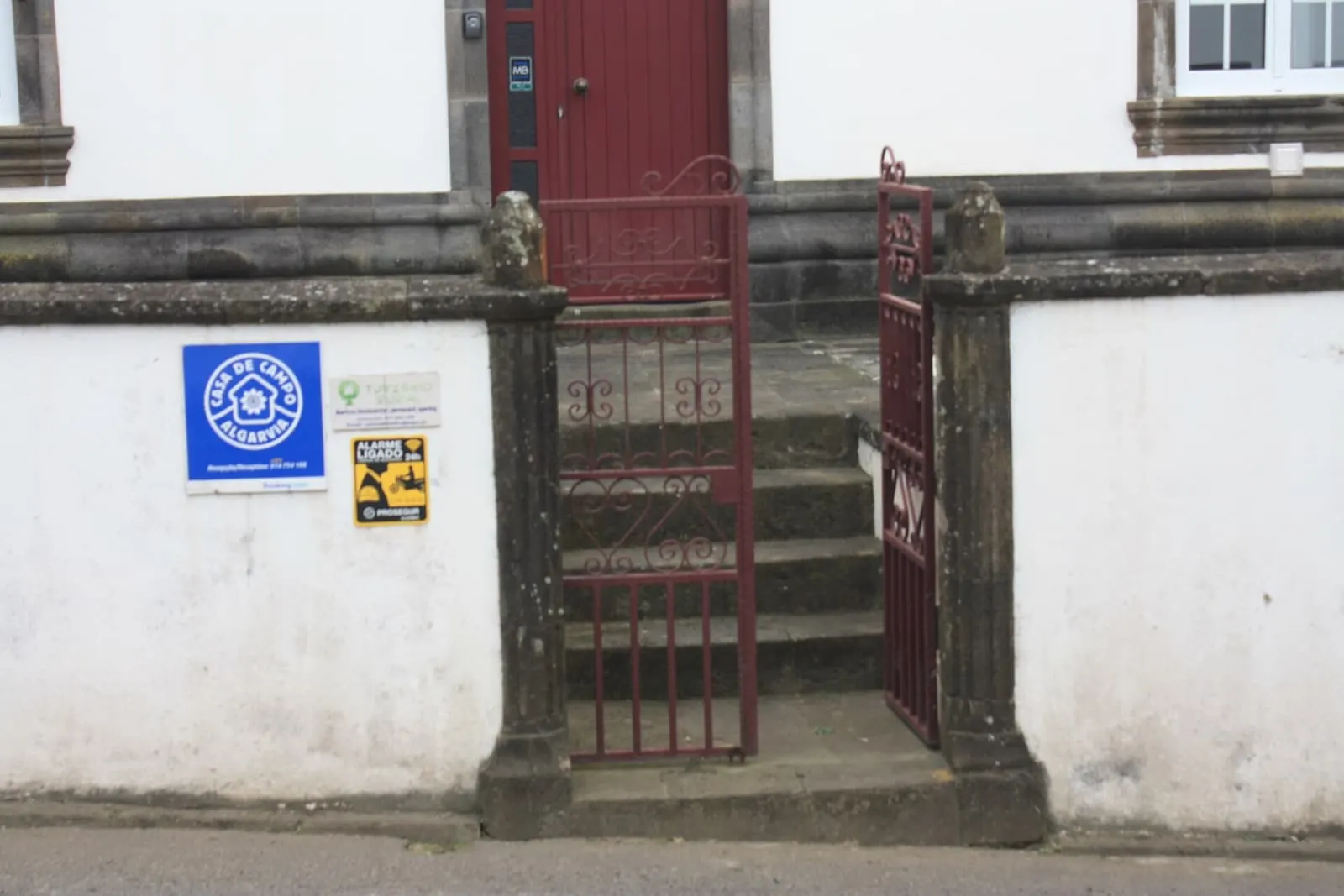 Algarvian HousesAlgarvian houses stand out for their flat roof terraces, colourful parapets and lace-like chimneys, the greatest expressions of the traditional architecture of…
 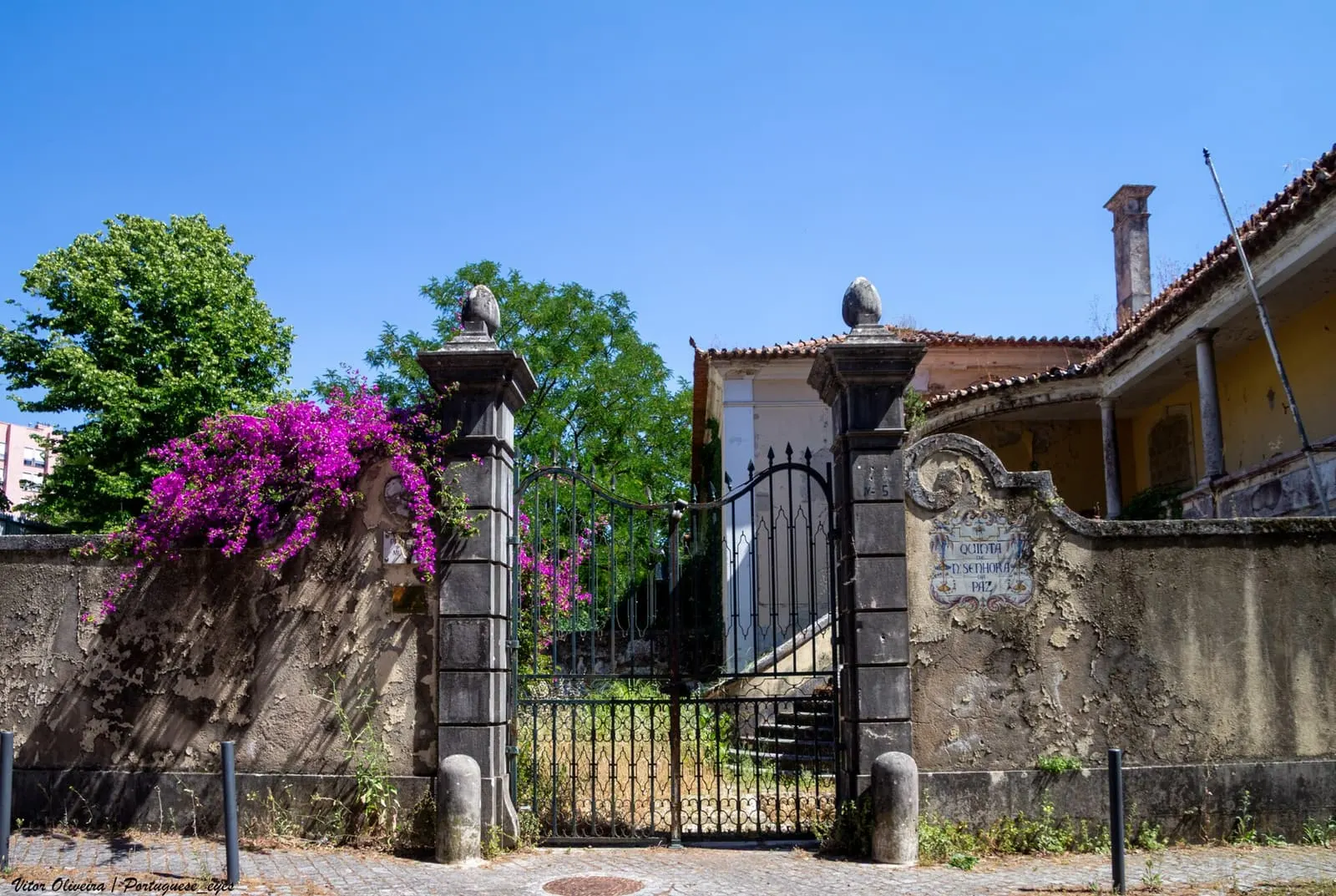 Architectural TileworkArchitectural tilework in Portugal: glazed ceramic coverings applied to façades and interiors, from Mudéjar tradition to modernism. Bandstands and Cine-TheatresBandstands and cine-theatres in Portugal: from the nineteenth-century iron stage of public gardens to the Art Deco and modernist auditoriums of the twentieth…
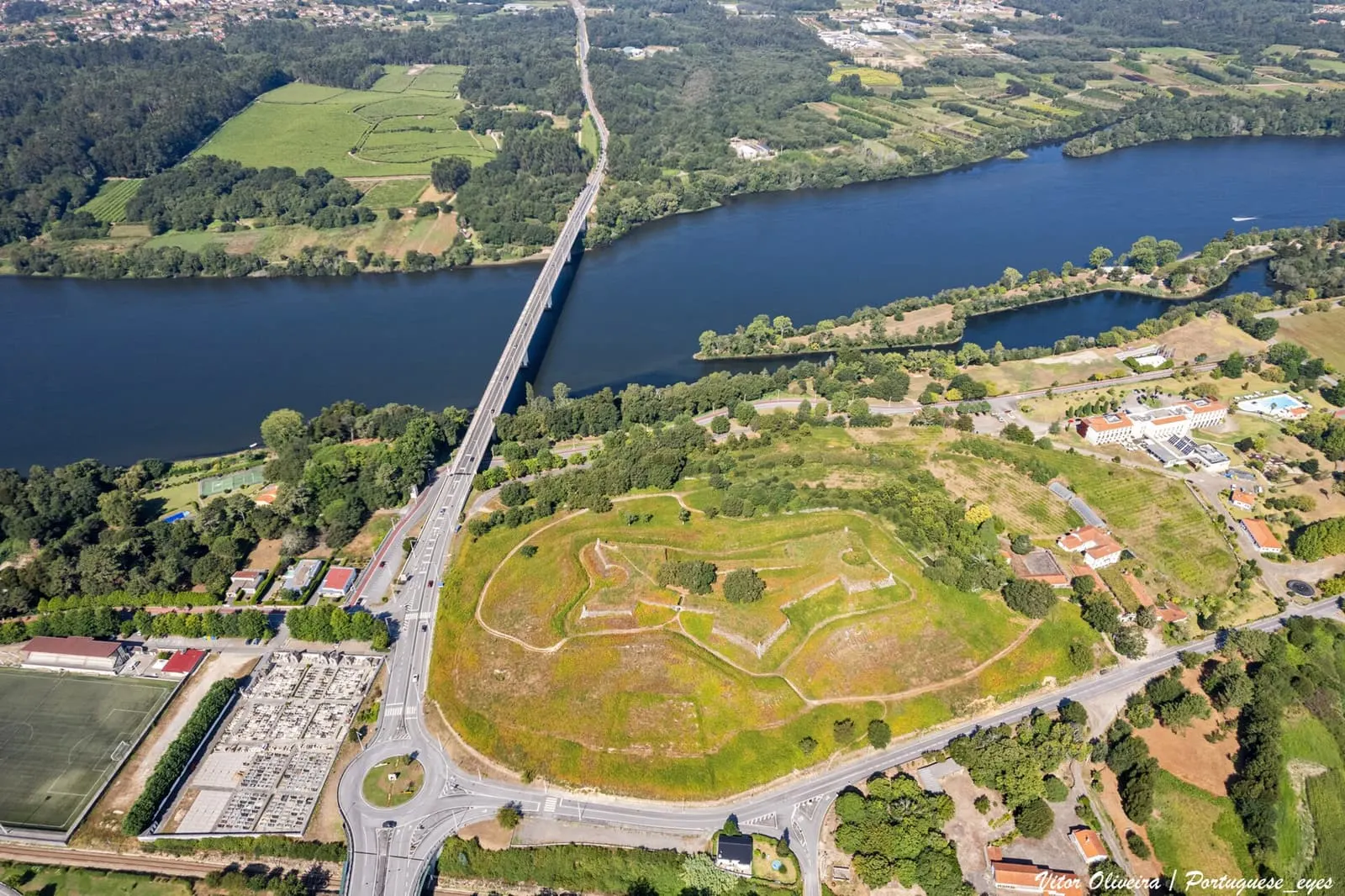
 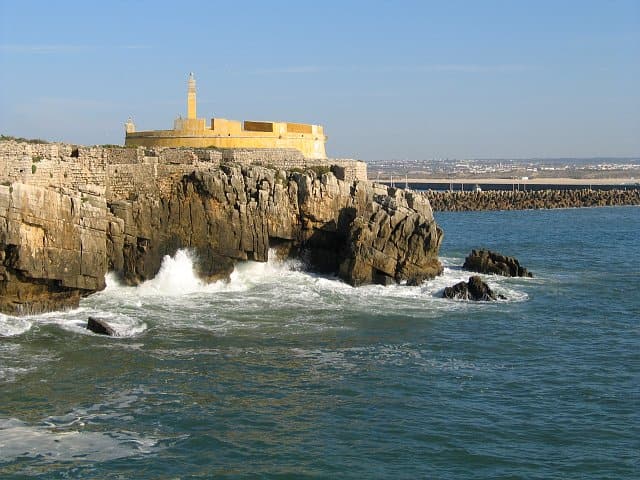 Bastioned FortressesBastioned fortresses in Portugal: the Italian trace, Vauban's system and the Luso-Spanish border, from Valença and Almeida to Elvas and Marvão.
 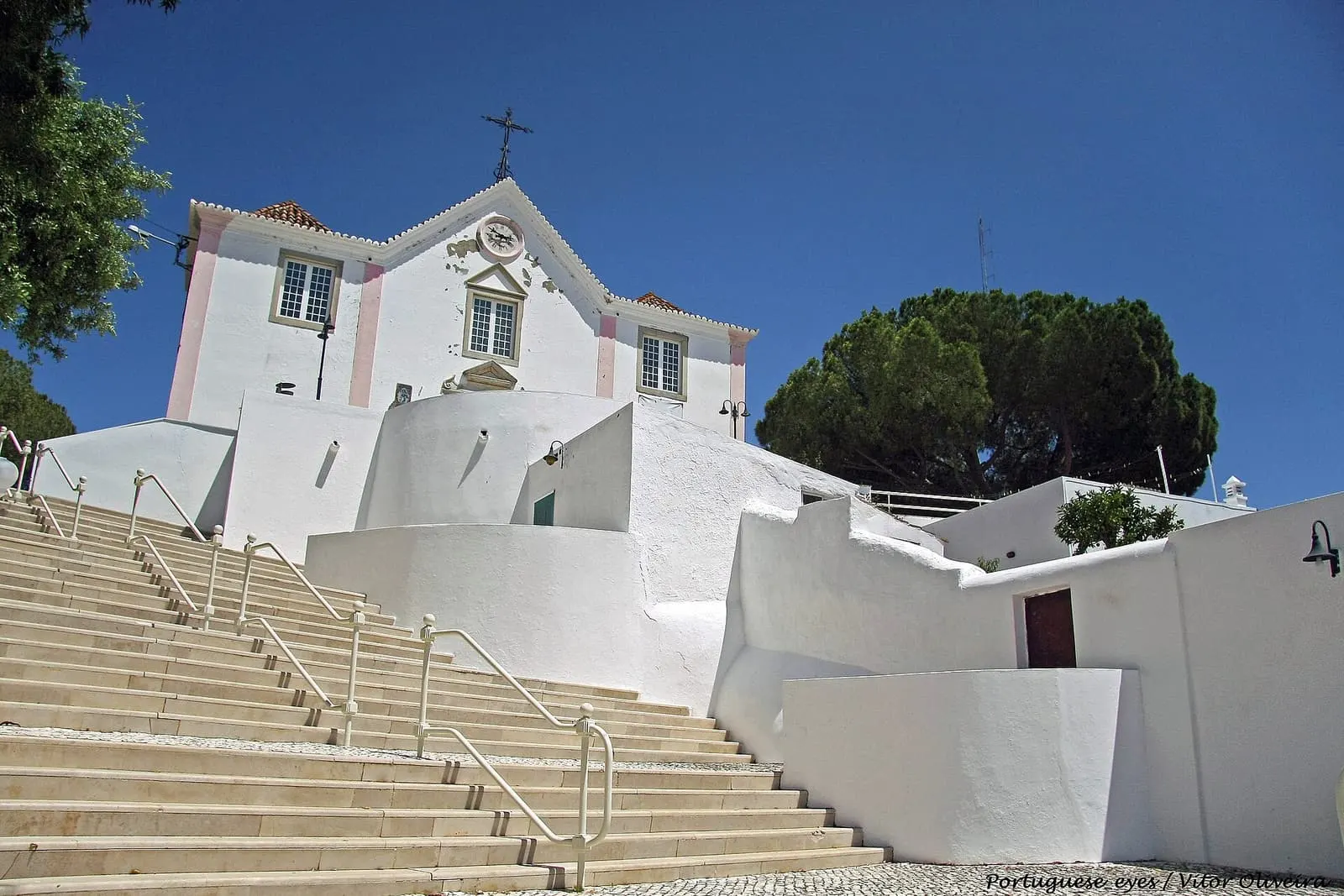 Chapels and HermitagesChapels, hermitages and oratories in Portugal: small devotional temples, rural and urban, from their medieval origins to their role in pilgrimages and the…
 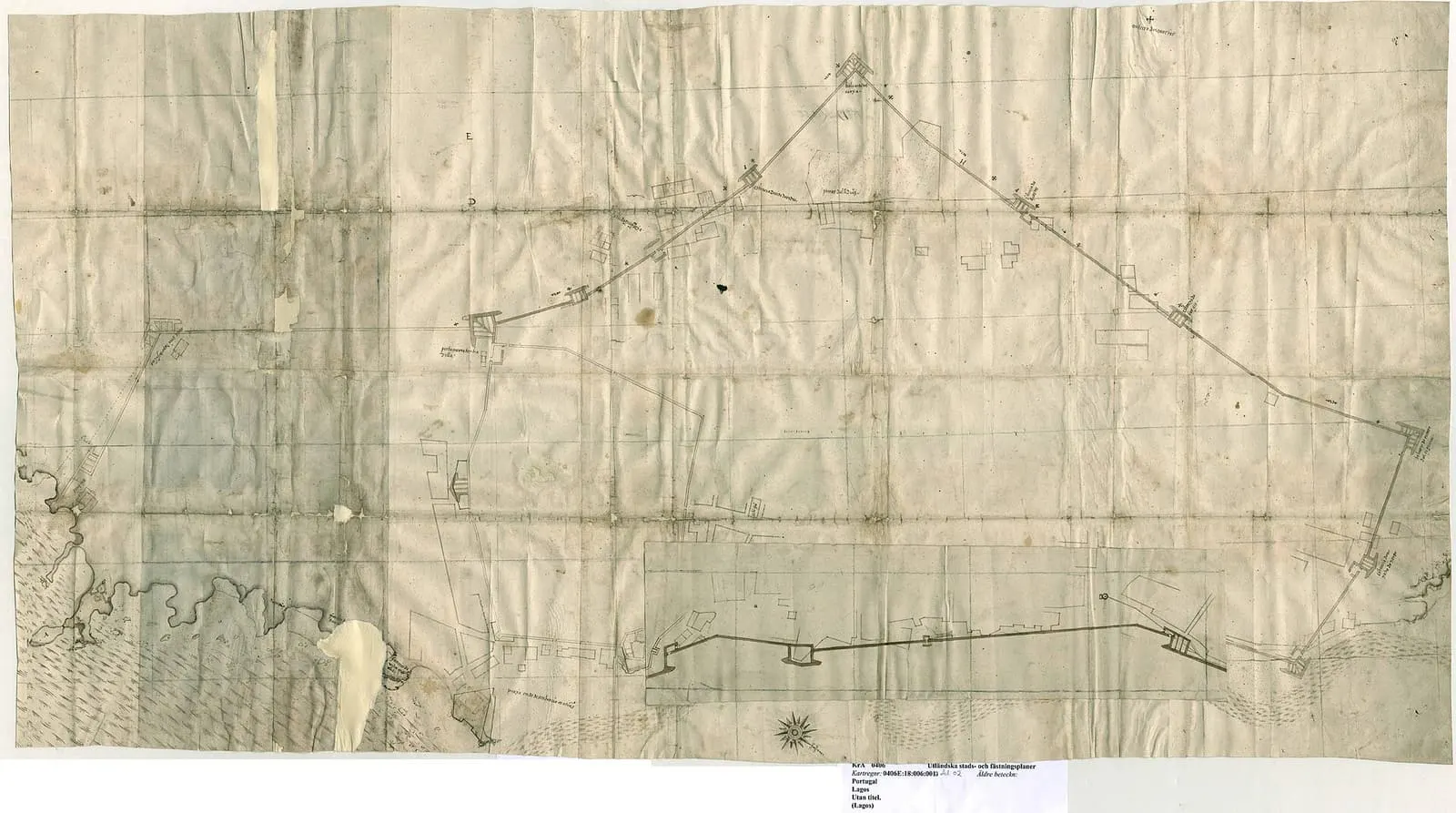 City Walls and Urban EnclosuresThe walls and urban enclosures that defended the medieval towns and cities of Portugal: old enclosures, new enclosures, gates, towers, and wall walks that… Coastal Forts and FortletsPortugal's coastal forts and fortlets: the network of batteries, fortresses and watchtowers that defended the river mouths and the Atlantic seaboard from the…
 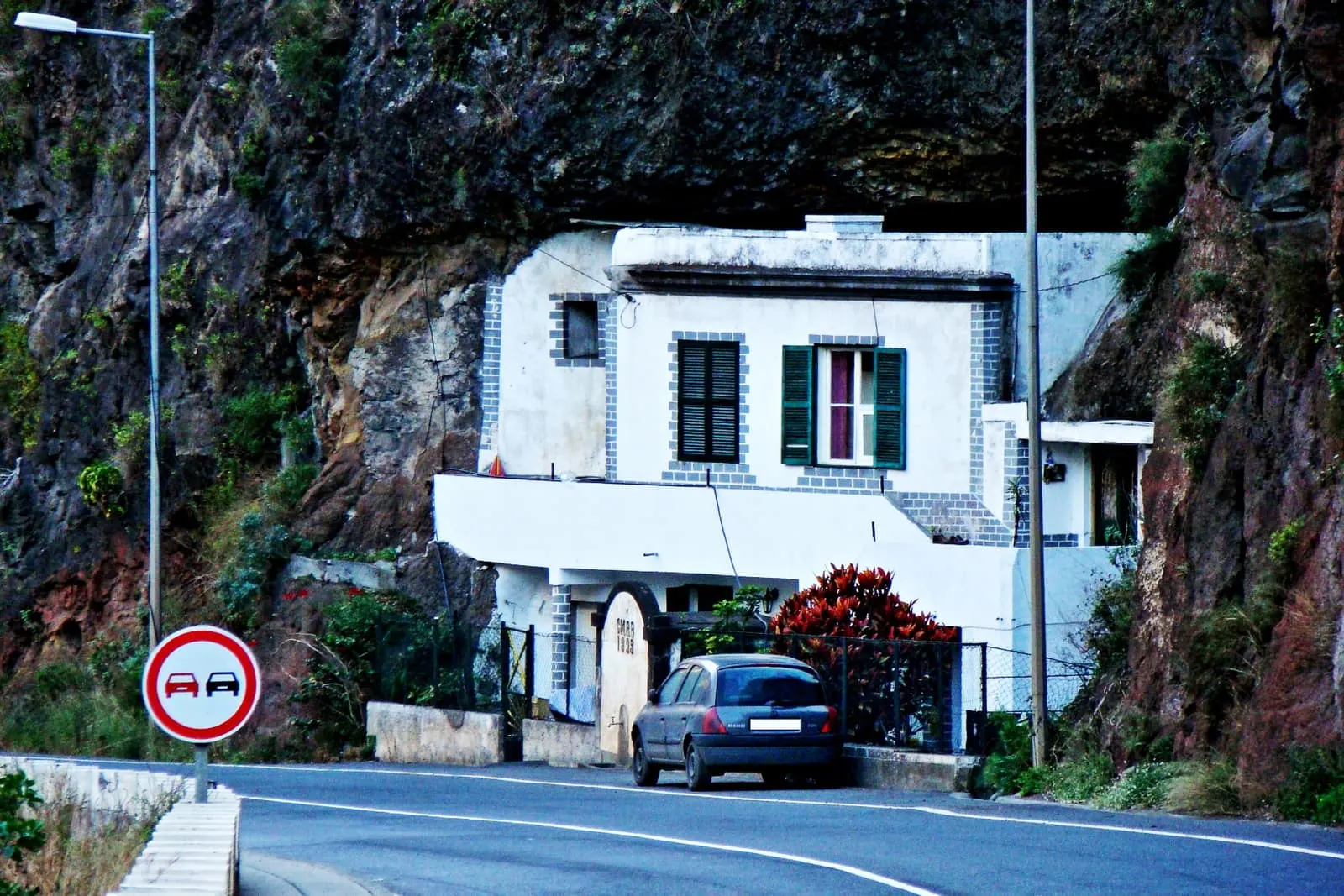 Coastal Wooden HutsThe wooden fishing huts of Portugal's central coast: from Costa Nova's striped facades to the xávega fishing tradition in Furadouro, Vagueira, and Praia de Mira. Courthouses and Former PrisonsCourthouses, town halls and former prisons in Portugal: the architecture of judicial and municipal power, from the town hall and prison to the Palaces of Justice.
 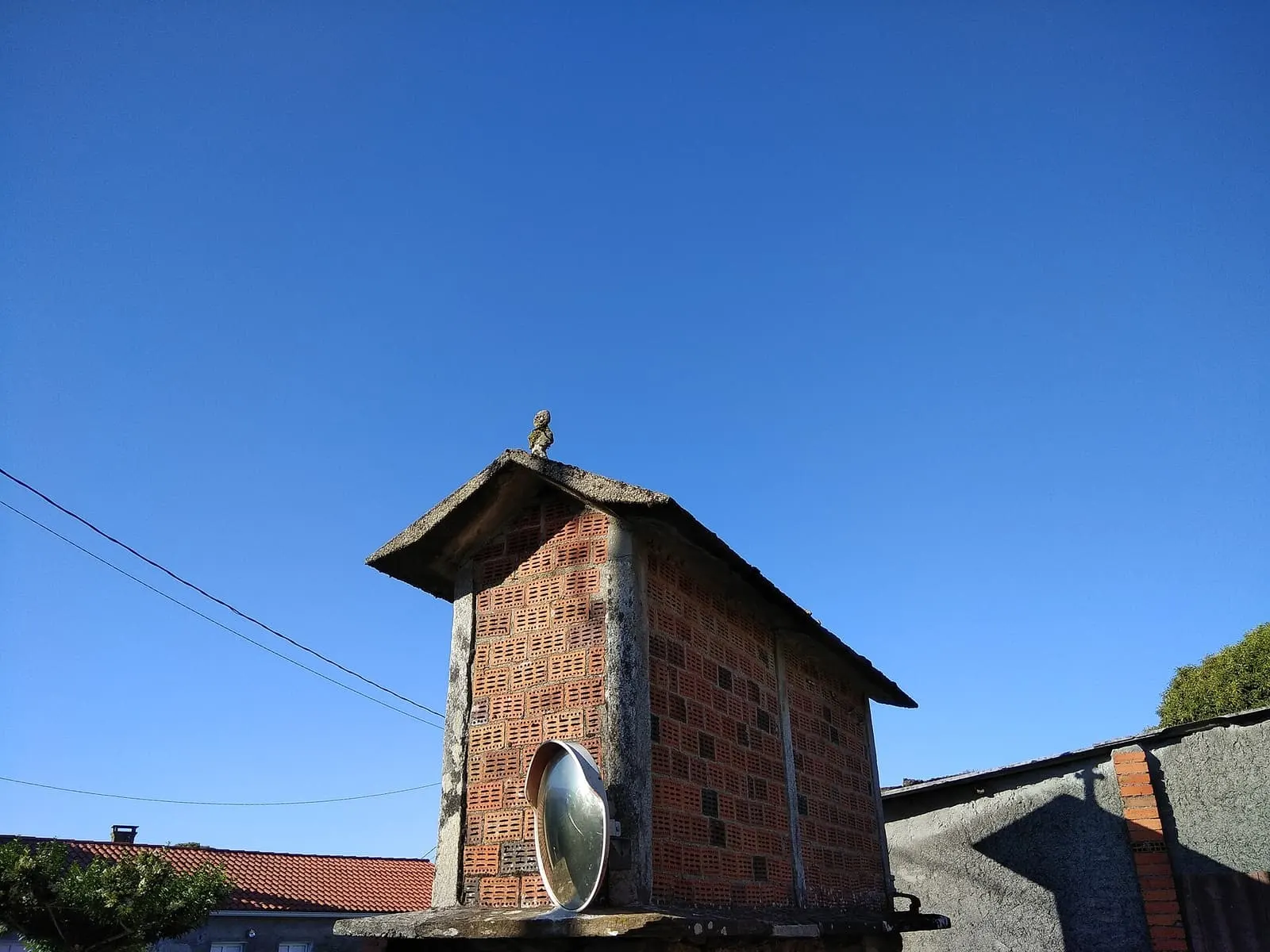 Espigueiros and Canastros: Traditional GranariesEspigueiros, canastros and cabaceiros: the traditional granaries of northern Portugal, in granite and wood, for drying and storing maize. Fortified Towns and VillagesThe fortified towns and villages of Portugal: walled settlements situated on high points along the border, where castle, walls, and houses form a single…
 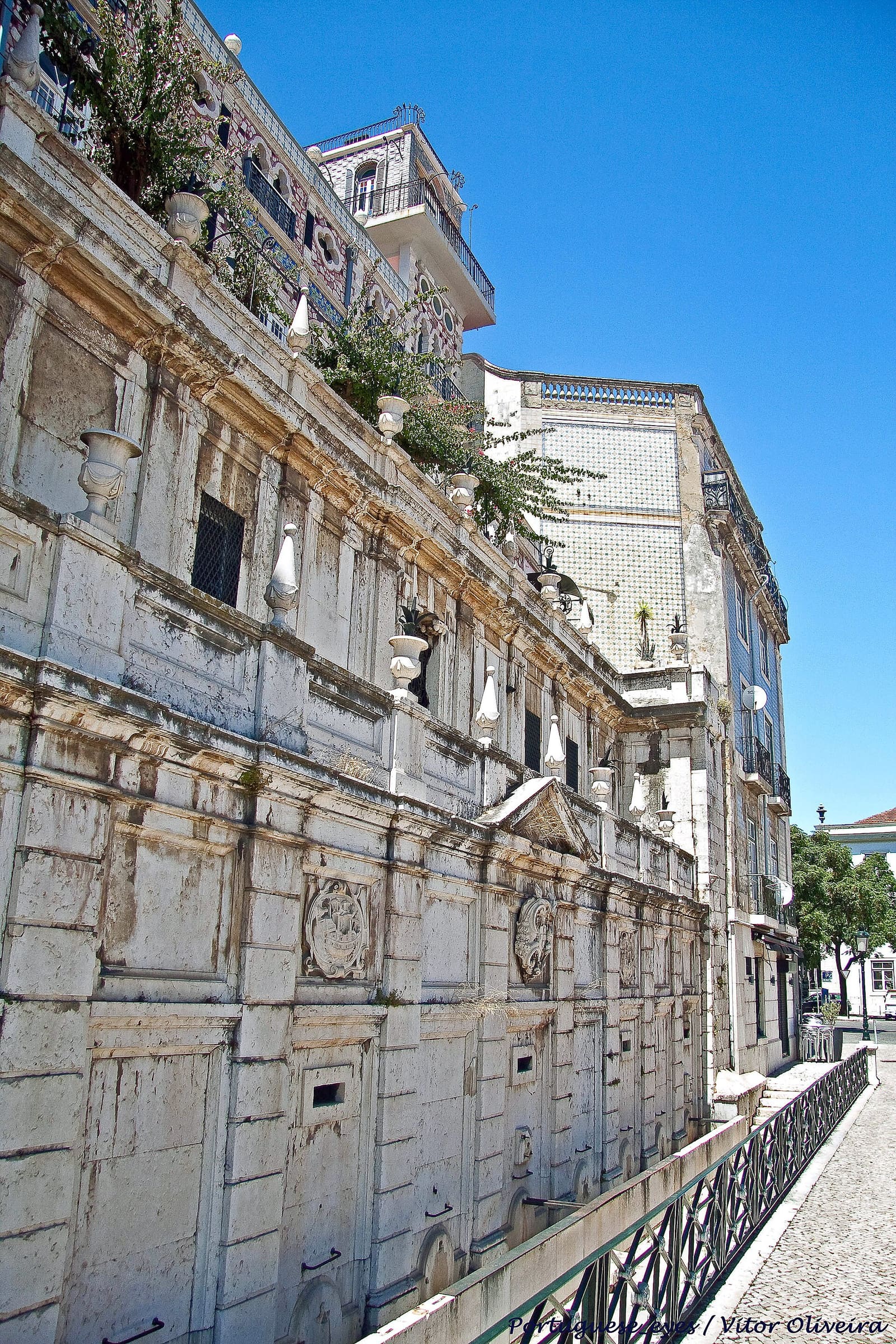 Fountains and Public FountainsFountains, public fountains and village fountains of Portugal: the typology of hydraulic heritage that for centuries supplied drinking water to villages, towns…
  Granite houses of the MinhoThe granite houses of the Minho: the two-storey rural Minho dwelling, with its balcony, threshing floor and granary, the supreme expression of the vernacular…
 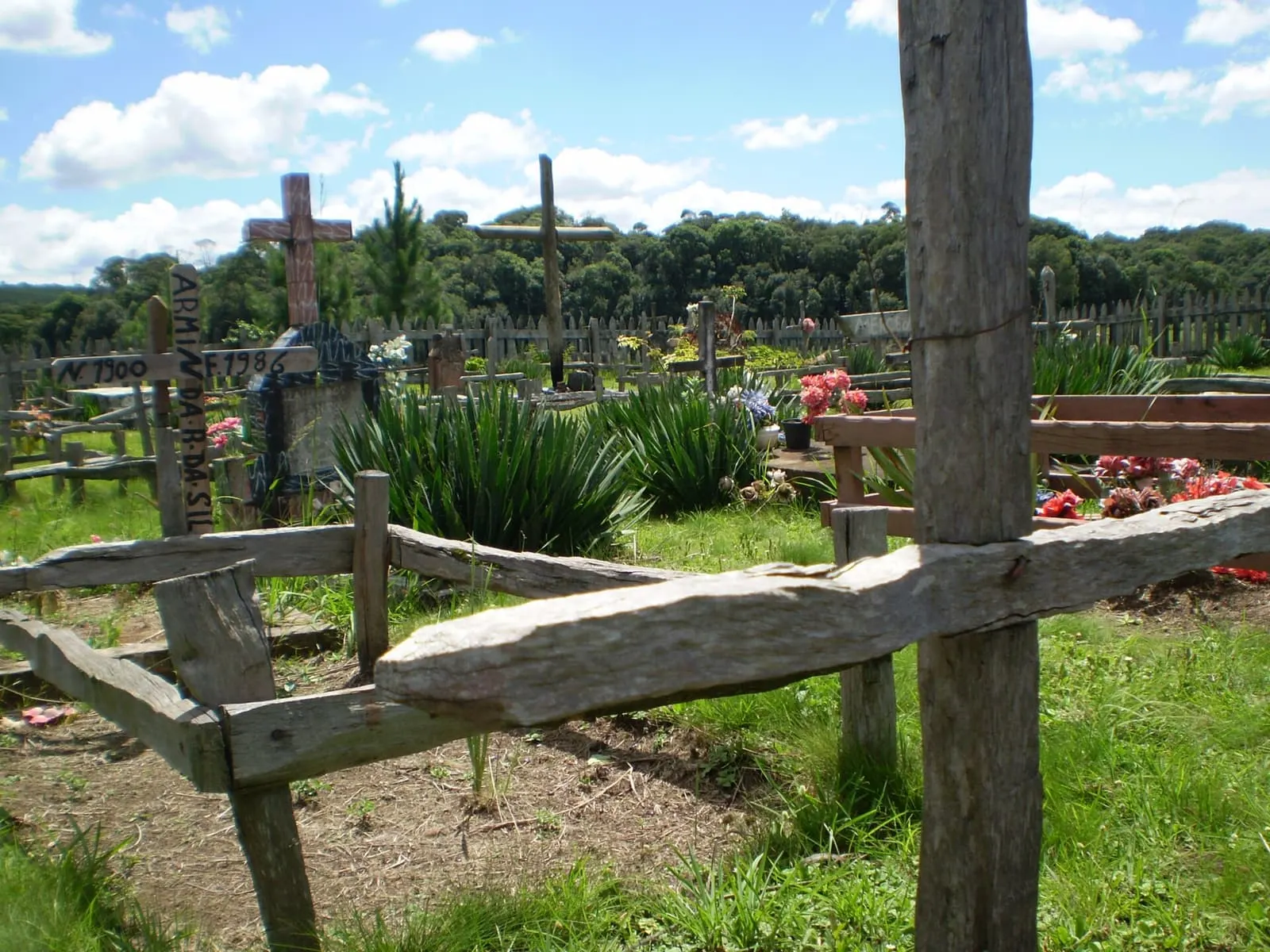 Historic CemeteriesPortugal's historic cemeteries: family vaults, mausoleums and nineteenth-century funerary art, from the Romantic cemeteries of Lapa and Prazeres to the…
 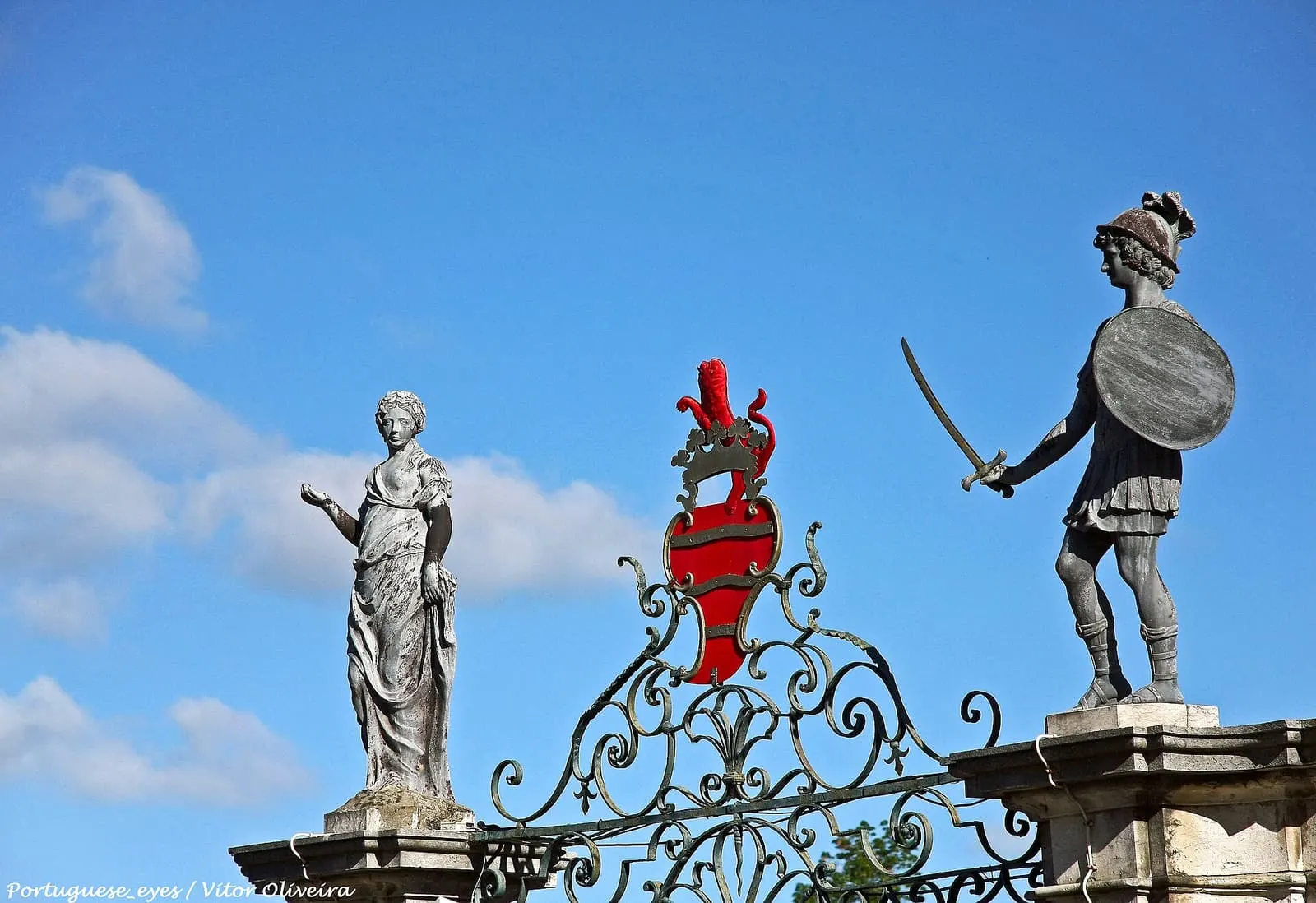 Historic gardensHistoric gardens of Portugal: monastic enclosures, royal hunting grounds, baroque gardens and romantic parks as living heritage, from their origins to their…
 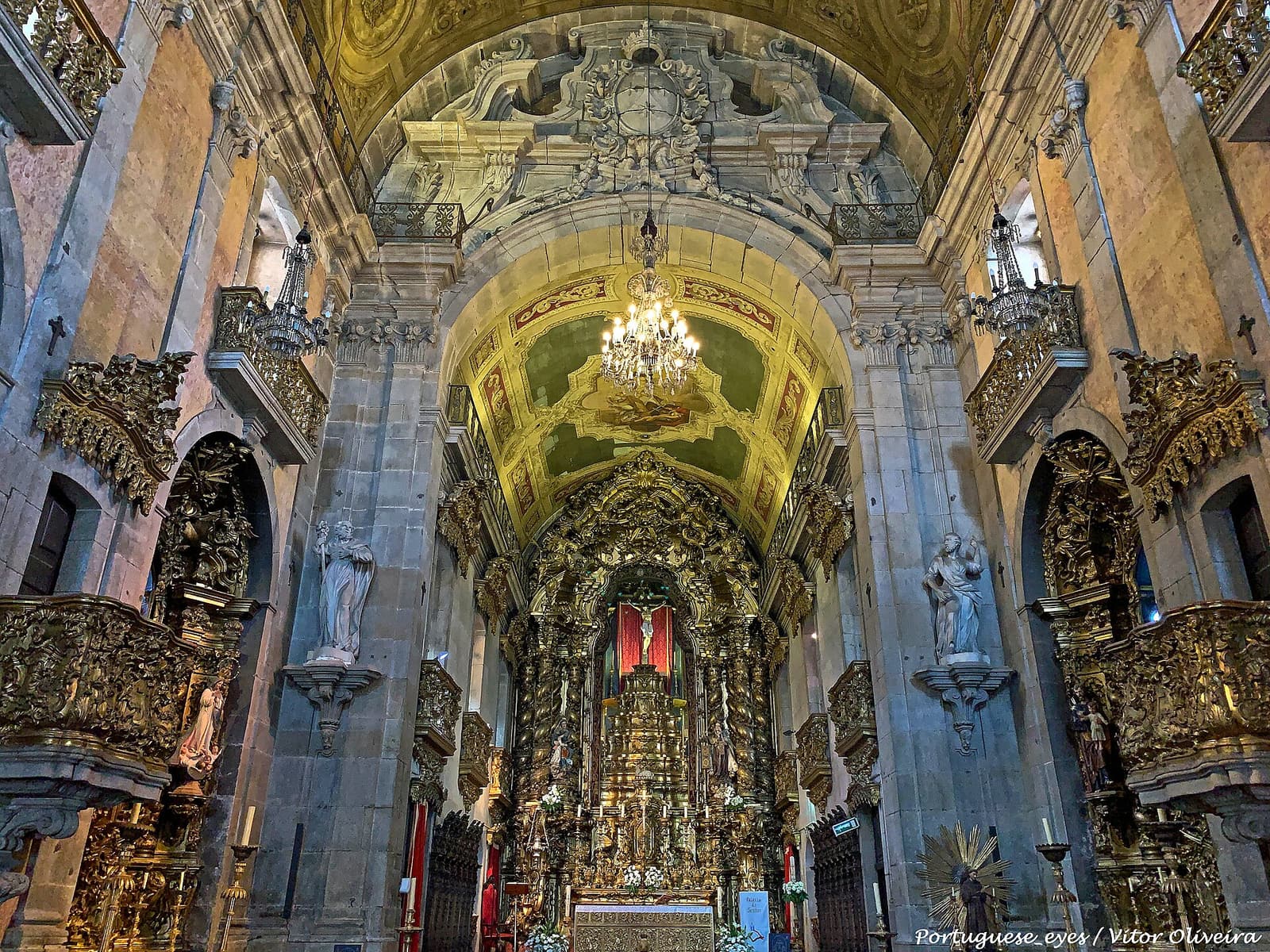 Hospitals and Holy Houses of Mercy (Misericórdias)Churches, hospitals and buildings of the Holy Houses of Mercy (Misericórdias) in Portugal: origins in 1498, architectural typology and role in charitable assistance.
 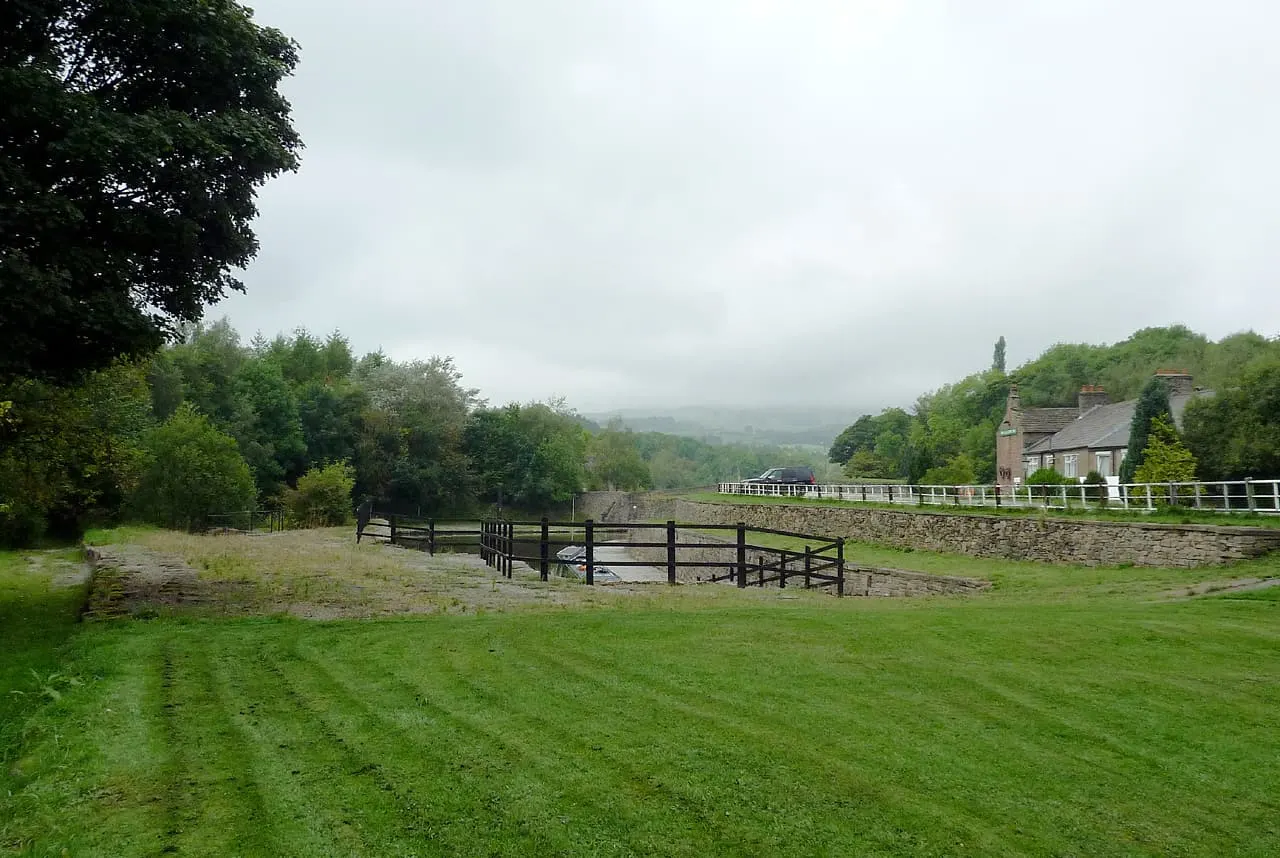 Industrial HeritageIndustrial heritage in Portugal: factories, manufactories, and industrial complexes, from industrial archaeology to the rehabilitation of former industrial spaces.
 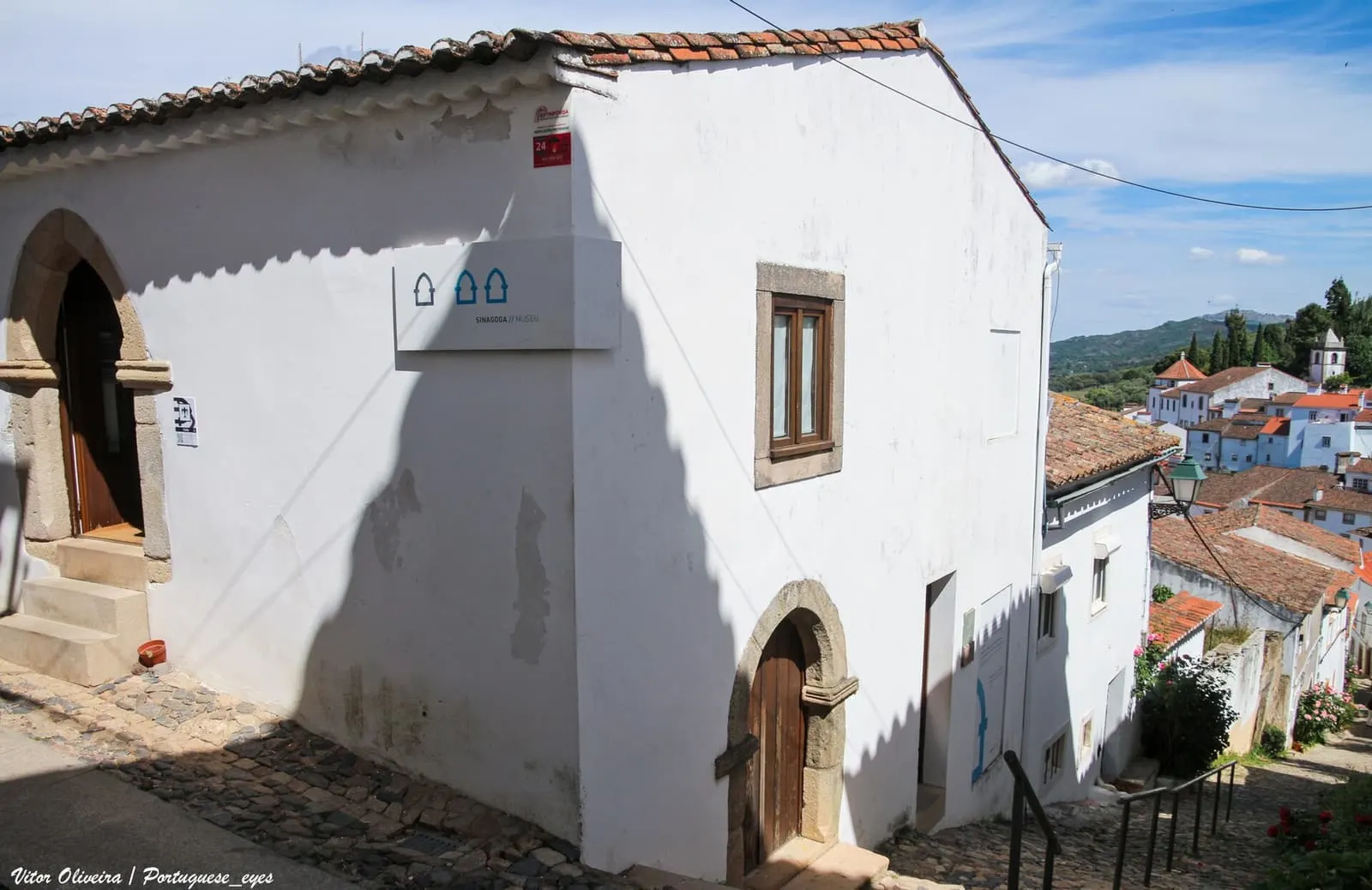 Jewish Quarters and SynagoguesJewish quarters and synagogues in Portugal: the medieval Jewish neighbourhoods, the synagogues of Tomar and Castelo de Vide, and the remains of Sephardic heritage. Libraries and University BuildingsThe typology of Portugal's university buildings, colleges and historic libraries: from medieval Coimbra to the Baroque Joanina and the libraries of the…
 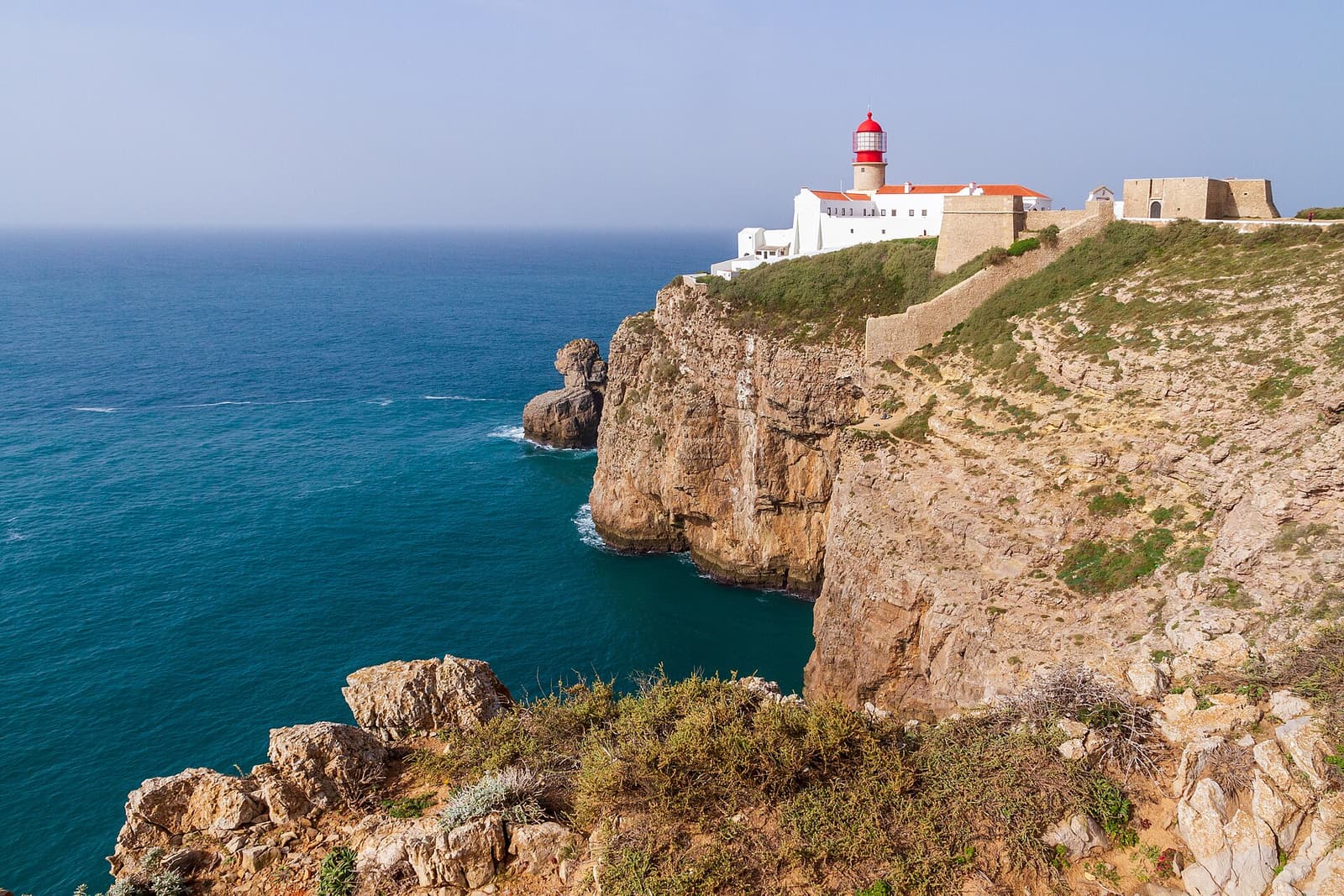 LighthousesThe lighthouses of Portugal: a history of maritime signalling, the Lighthouse Directorate and the built heritage strung along the mainland coast, the Azores…
 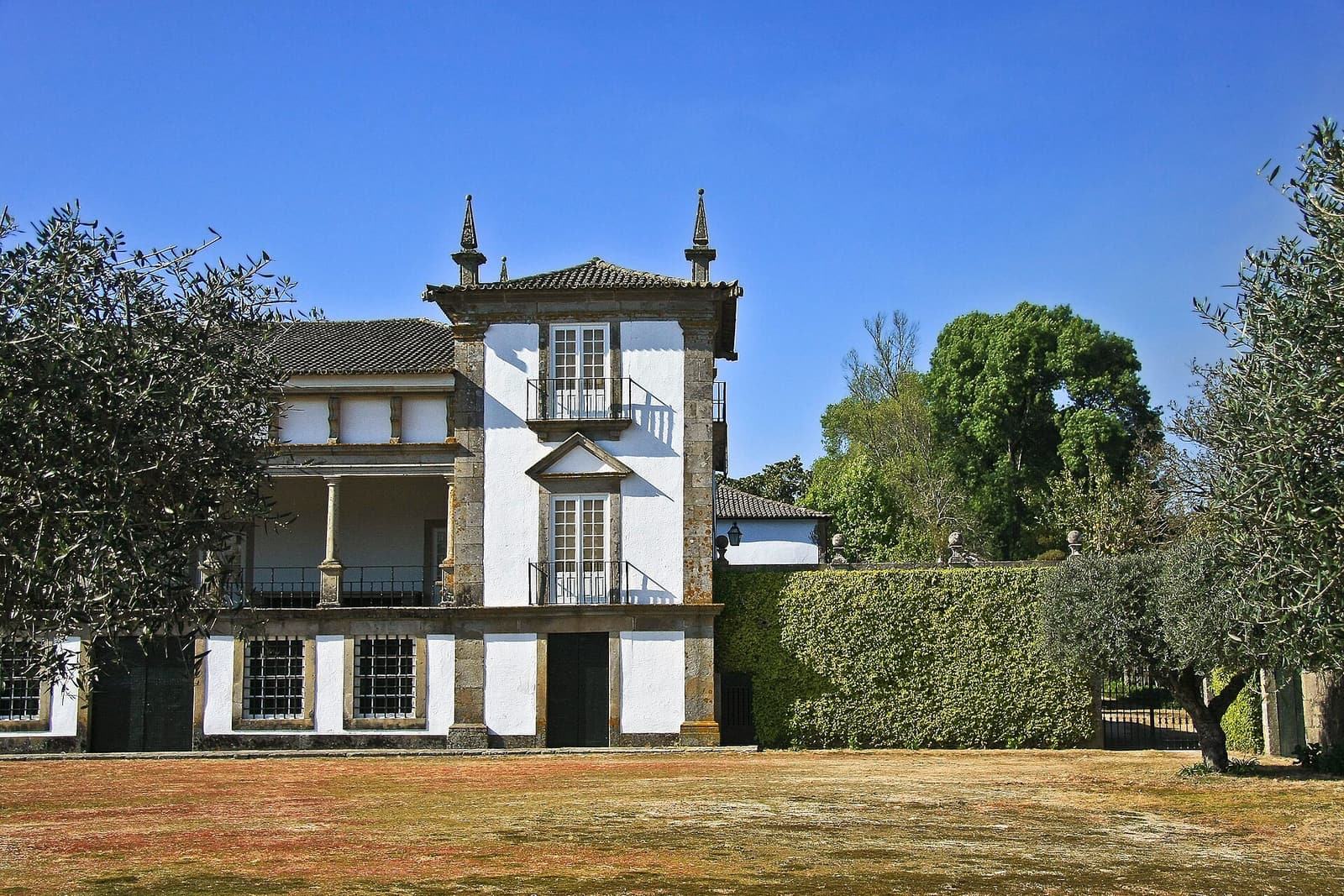 Manor Houses and Noble ResidencesManor houses, noble residences, and stately homes in Portugal: the residential architecture of the nobility, from medieval Minho manor houses to Baroque… Manorial Towers and Fortified HousesManorial towers and fortified houses: the fortified residences of Portugal's minor and middle nobility, symbols of lineage and territorial power.
 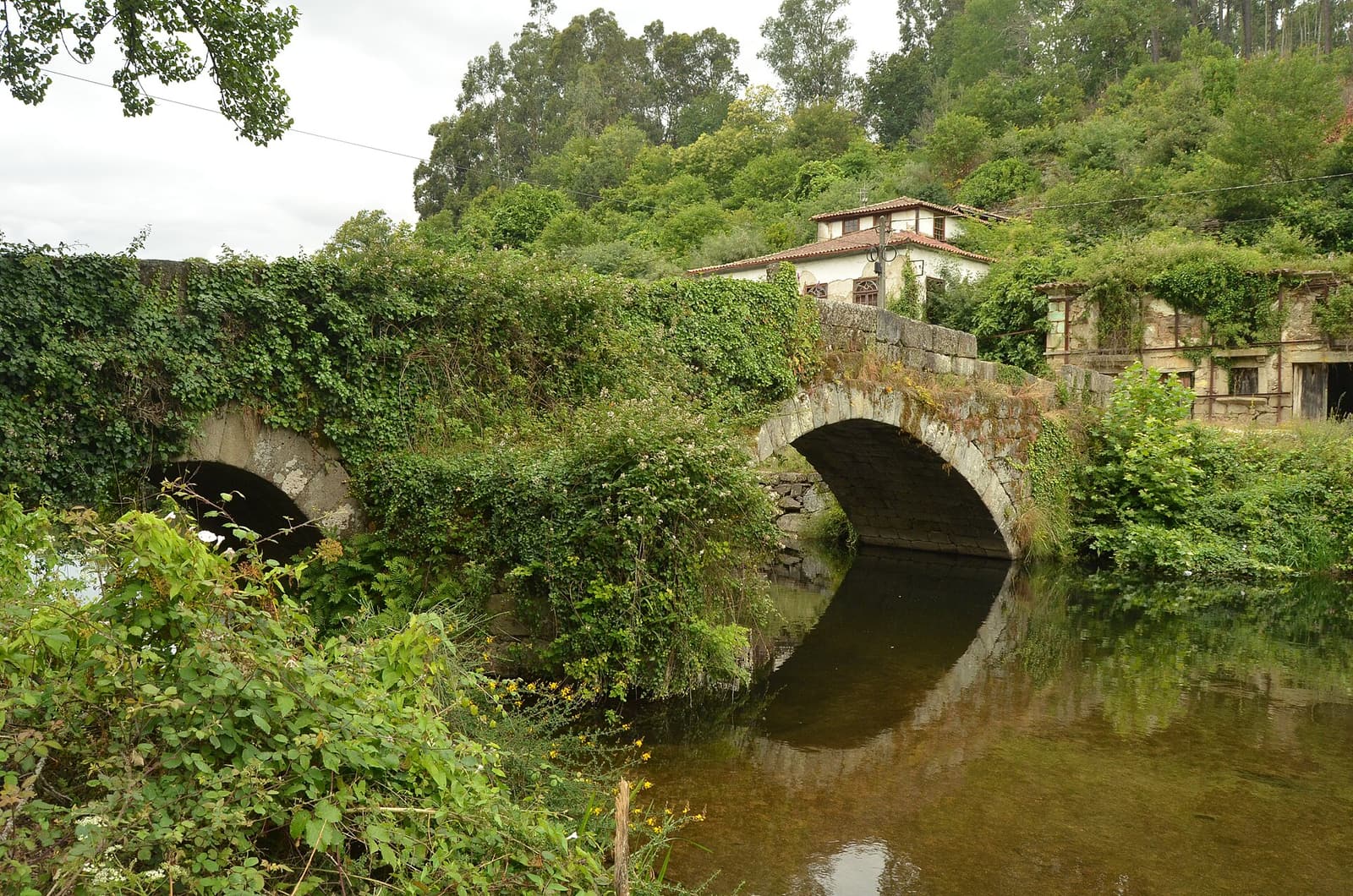 Medieval BridgesPortugal's medieval stone bridges: pointed arches, cutwaters, and humpback profiles that spanned rivers between the 12th and 15th centuries.
 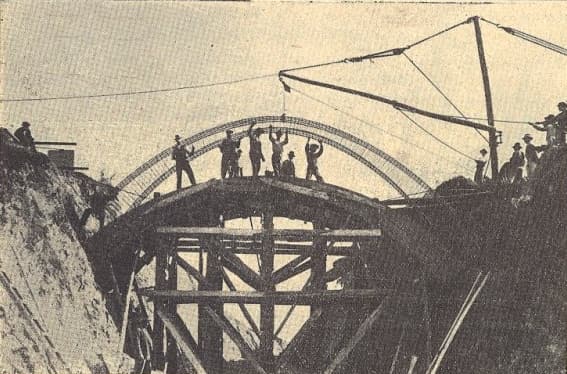 Metal and Iron BridgesThe 19th-century metal and iron bridges of Portugal: an industrial engineering typology that spanned the Douro, Lima, and Tagus rivers.
 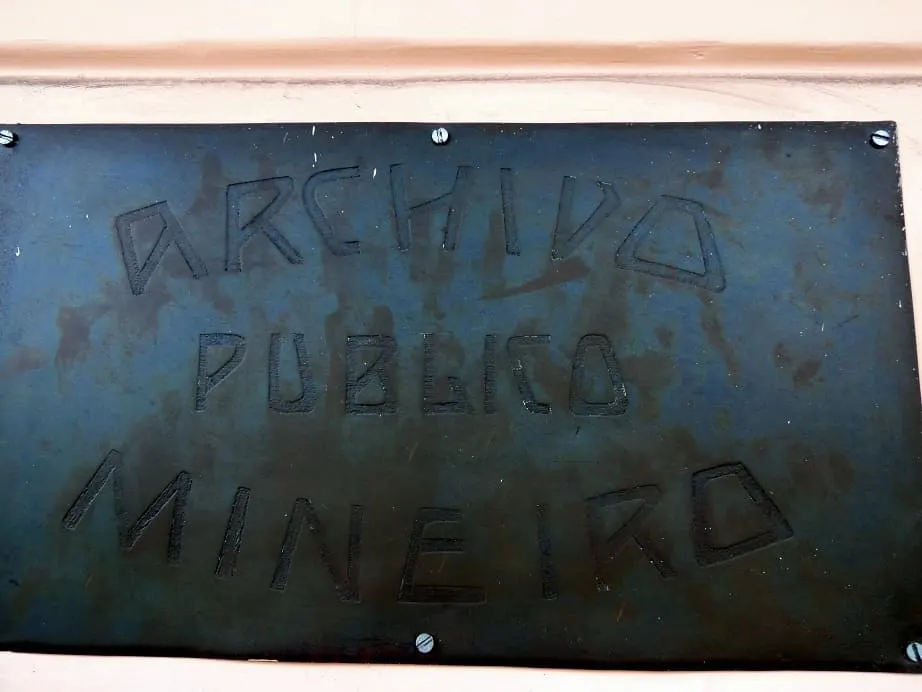 Mines and Mining HeritageMines and mining heritage in Portugal: the mining concession, ore extraction and processing facilities, from the Roman legacy to the twentieth-century concessions.
 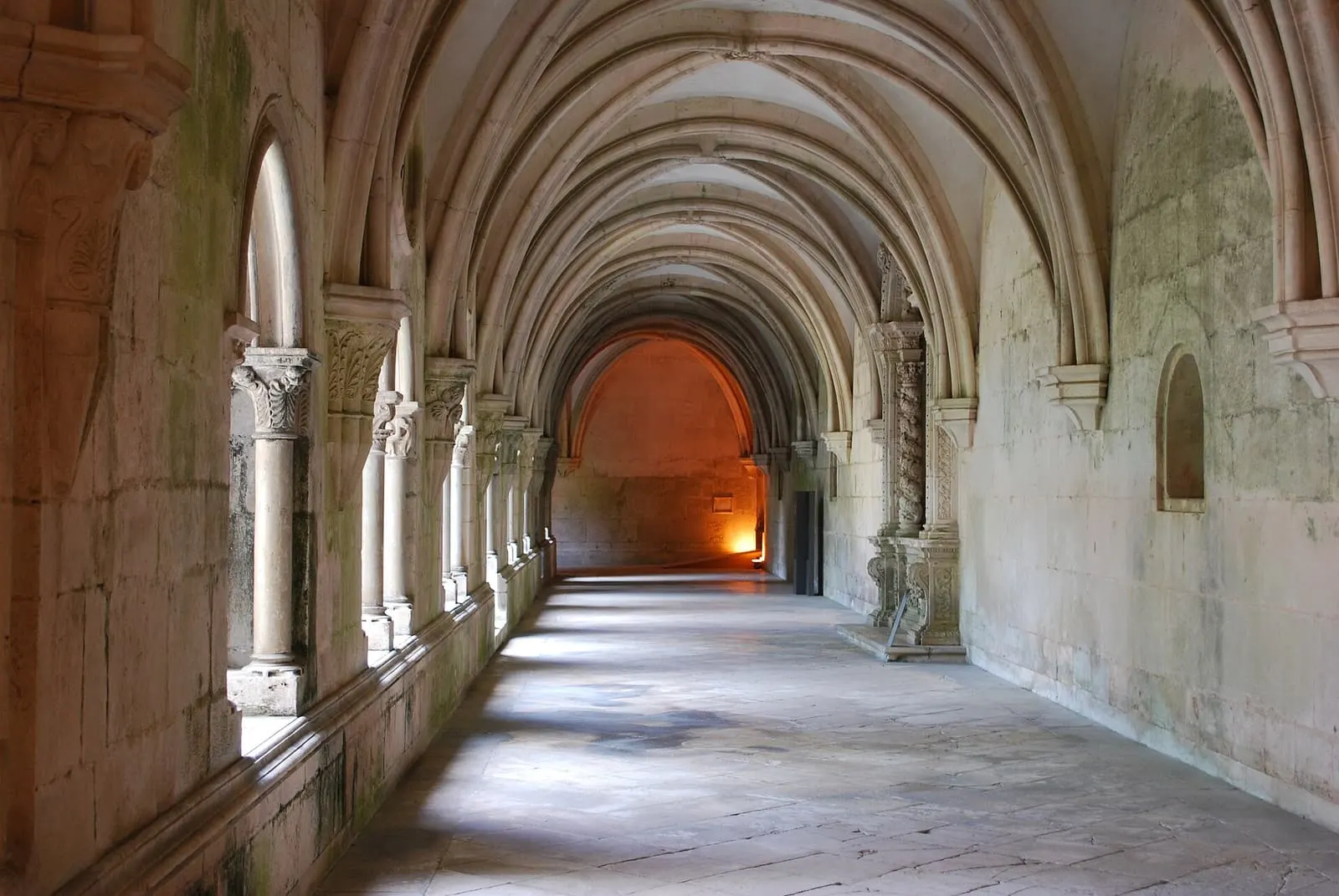 Monasteries of PortugalThe monasteries of Portugal: houses of Benedictines and Cistercians that, from Alcobaça to Tibães, shaped the landscape, economy, and art of Portuguese territory.
 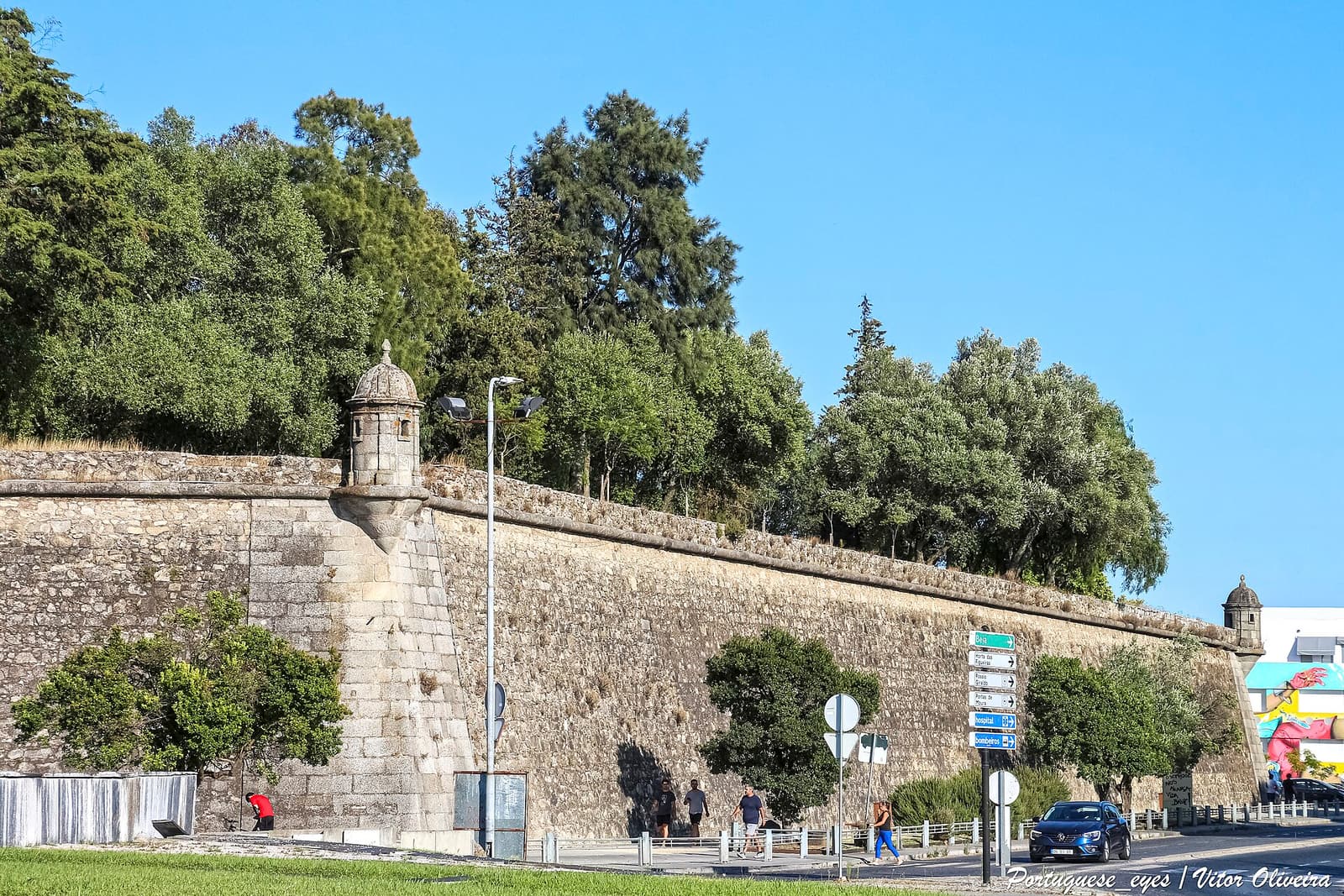 Moorish and Islamic HeritageTypology of Islamic legacy in Portugal: alcáçovas, mosques, and Moorish quarters of Gharb al-Andalus, from Mértola to Silves, and their material heritage.
 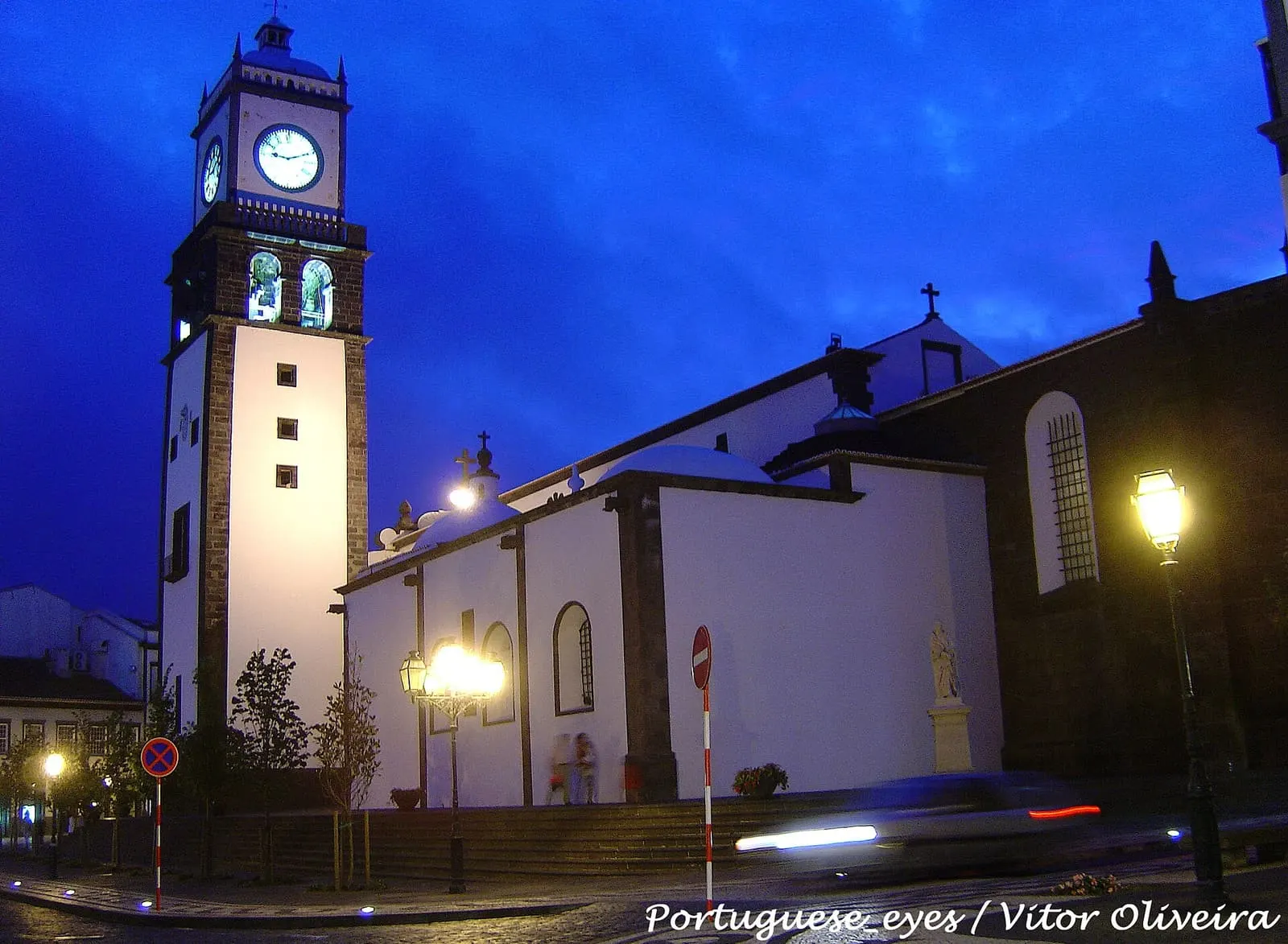 Mother churches and parish churches of PortugalThe mother churches and parish churches of Portugal: the network of temples that structures the religious territory, from the medieval mother church to the…
 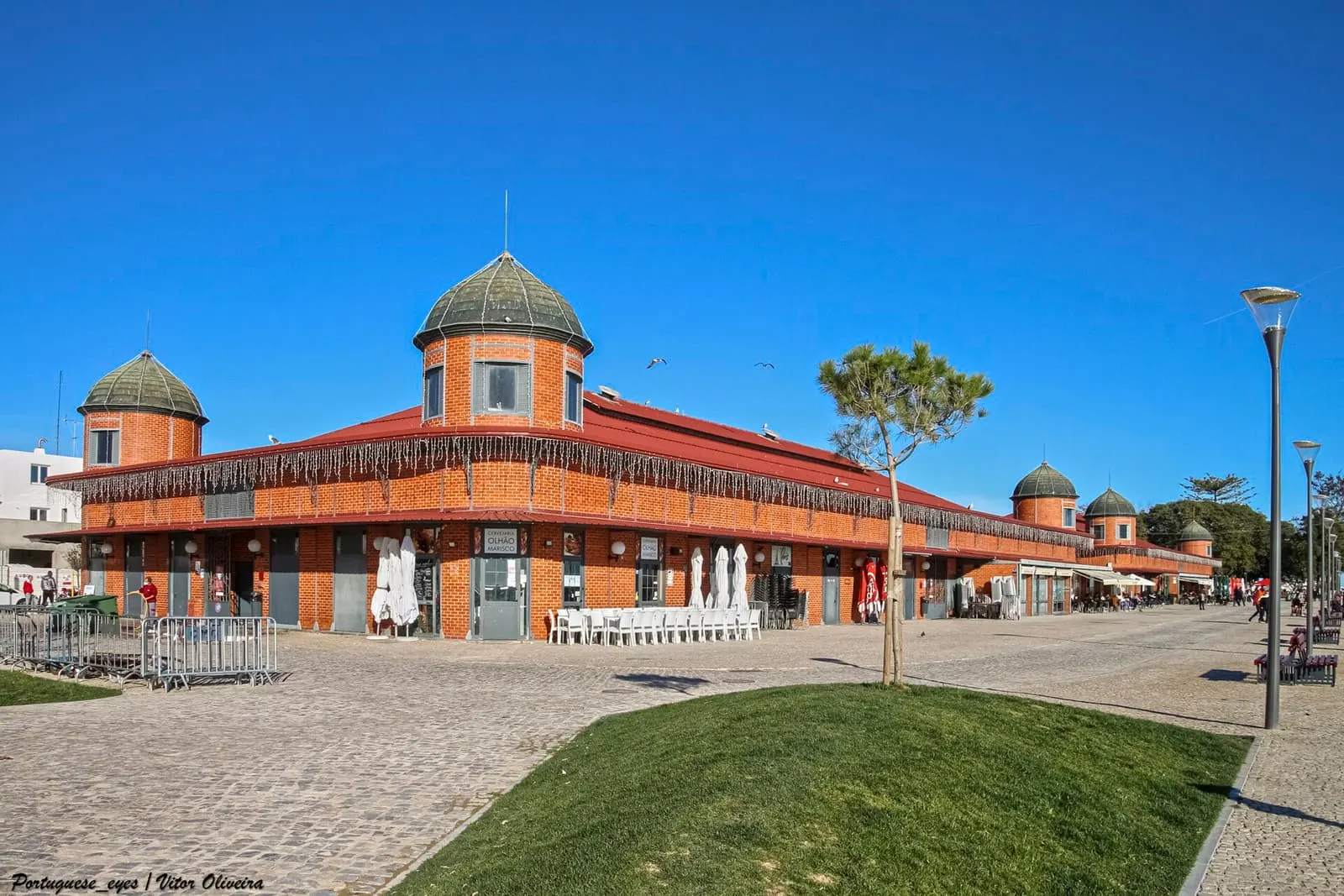 Municipal MarketsPortugal's municipal markets: produce halls of iron, glass and concrete raised between the nineteenth century and the mid-twentieth, from the Bolhão to the Ribeira.
 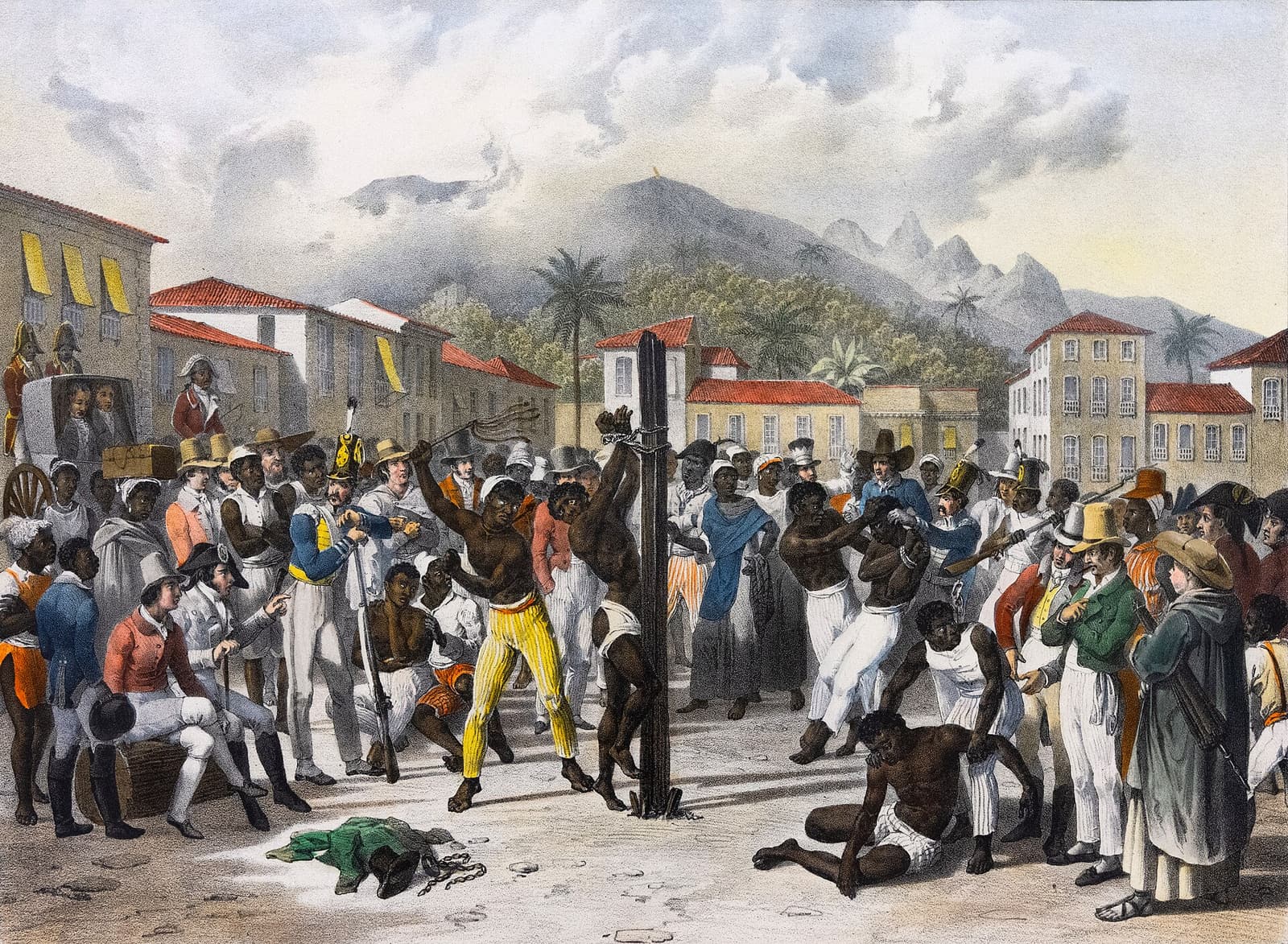 PilloriesPortuguese pillories: stone columns marking municipal autonomy, instruments of justice and symbols of civic power.
 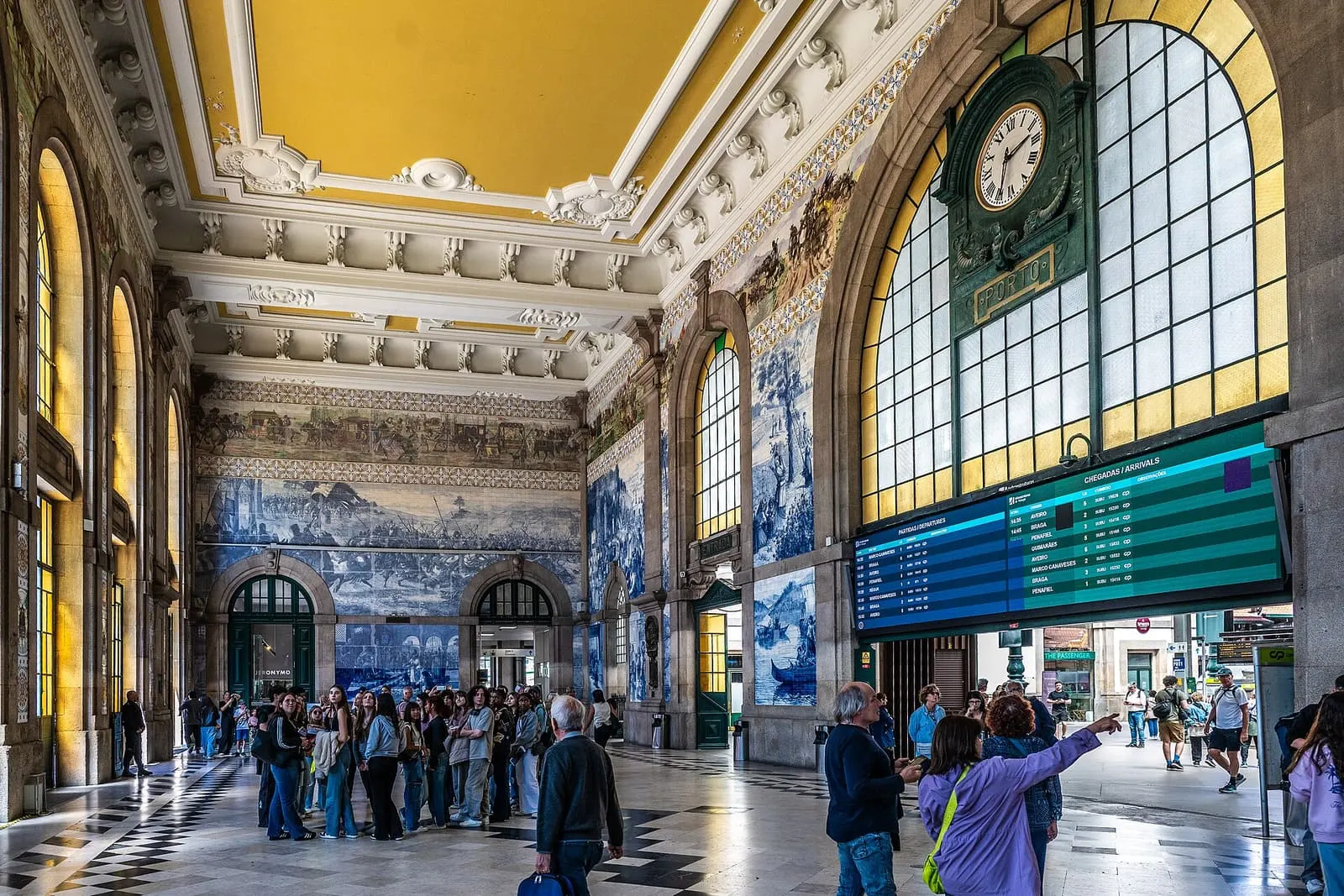 Railway StationsPortuguese railway stations, from nineteenth-century iron and glass to grand azulejo façade tilework, as a typology of the built heritage.
 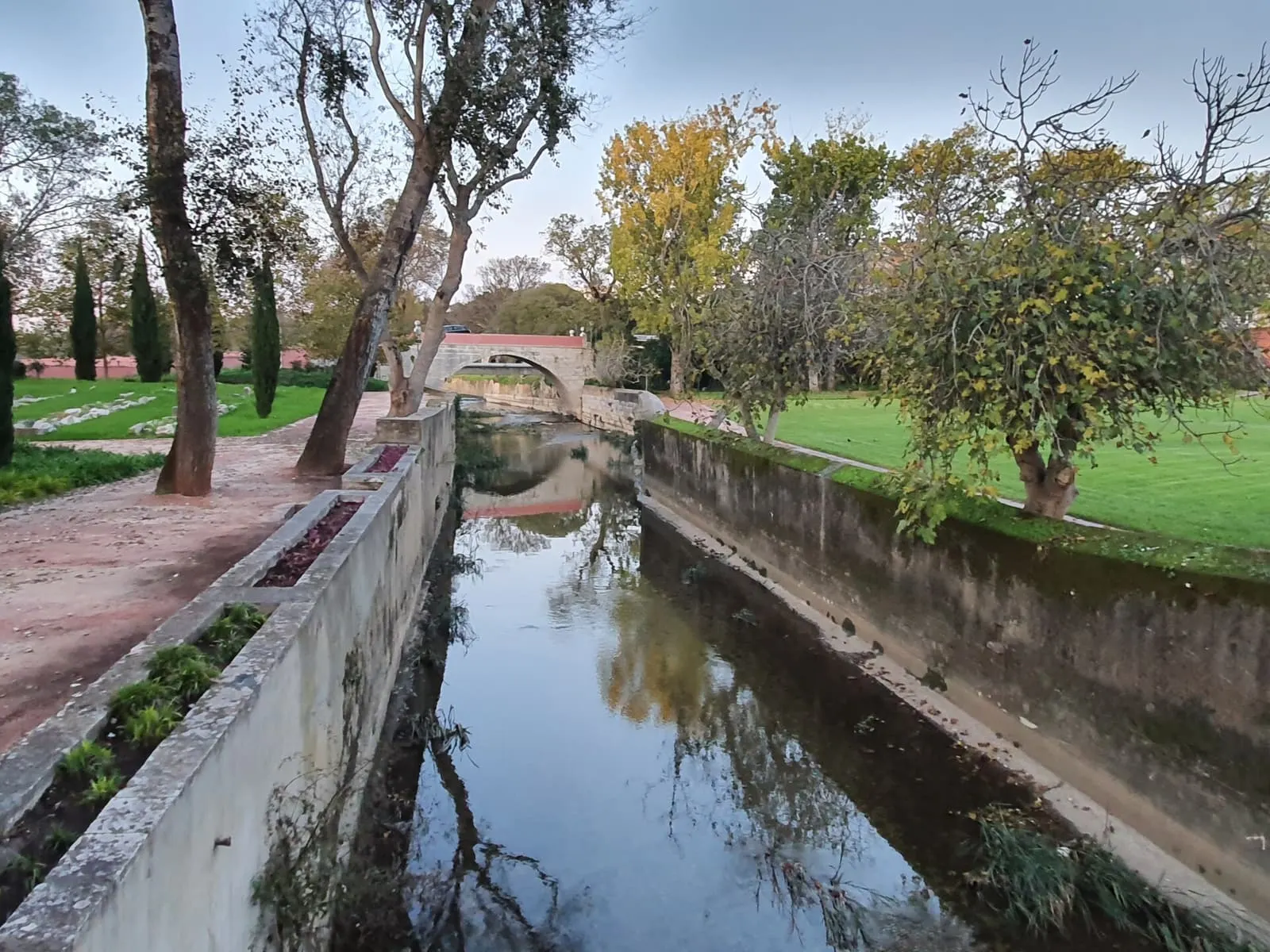 Recreational QuintasRecreational quintas: a typology of country retreats from the 17th to 19th centuries, featuring palatial houses, chapels, formal gardens, and tilework in the… Roman Bridges of PortugalThe Roman bridges of Portugal: the engineering of stone arches that structured the road network of Lusitania, from Chaves to Ponte de Lima and Vila Formosa.
  Roman Roads and Paved WaysRoman roads and paved ways in Portugal: the road network, building technique, milestones and remains that crossed ancient Lusitania and Gallaecia.
 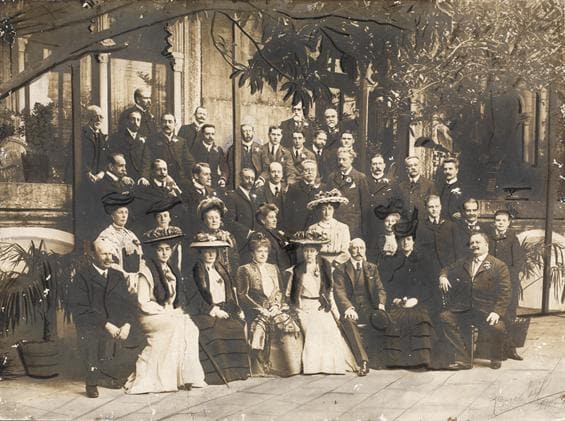 Royal Palaces and Residences of PortugalThe royal palaces and residences of Portugal: Crown residences from Sintra to Mafra and Ajuda, reflecting eight centuries of regal power, taste, and ceremony. Salt Pans and Salt MarshesThe salt pans and salt marshes of the Portuguese coast: traditional solar evaporation techniques, landscape, marnoto glossary, and conservation status.
 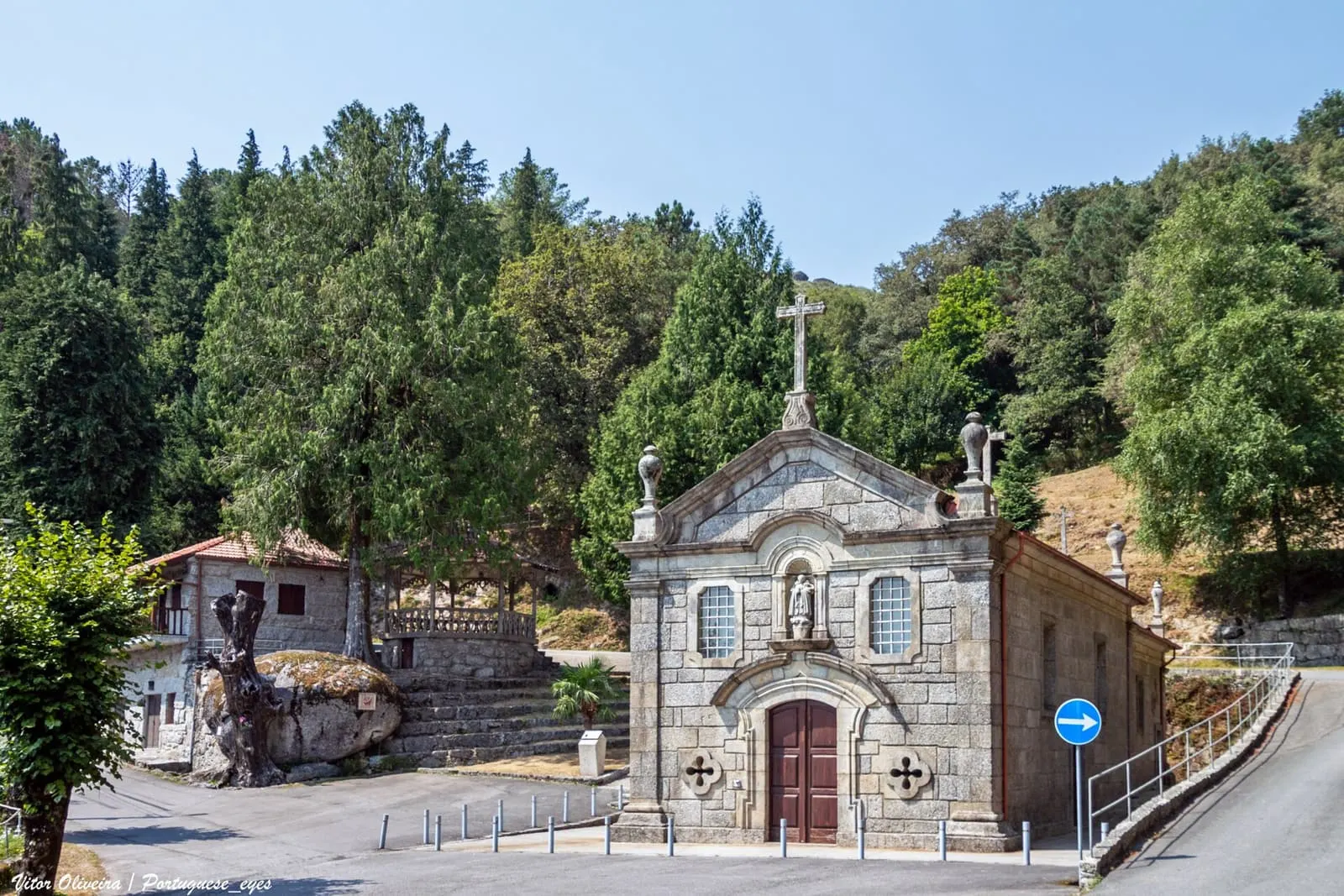 Sanctuaries and Pilgrimage SitesTypology of Marian sanctuaries and pilgrimage sites in Portugal: Baroque stairways, Stations of the Cross, and devotional complexes from the north to the…
 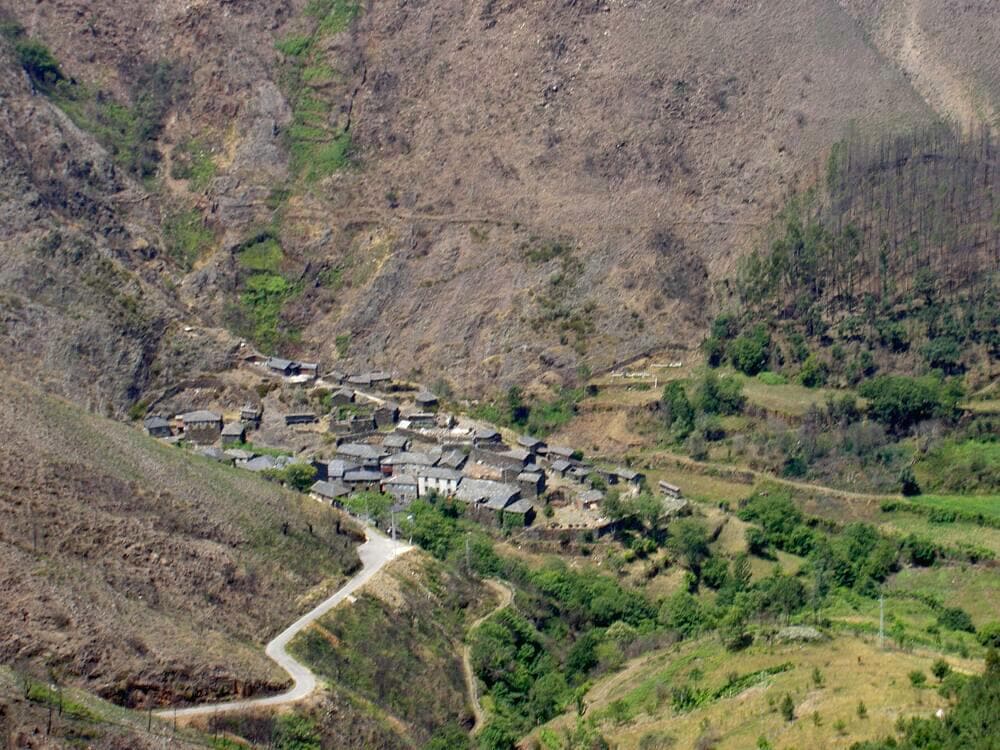 Schist Houses and the Schist VillagesThe schist houses and schist villages of Portugal's central interior, a vernacular architecture of stone in the Serra da Lousã, the Açor range and the Zêzere valley.
 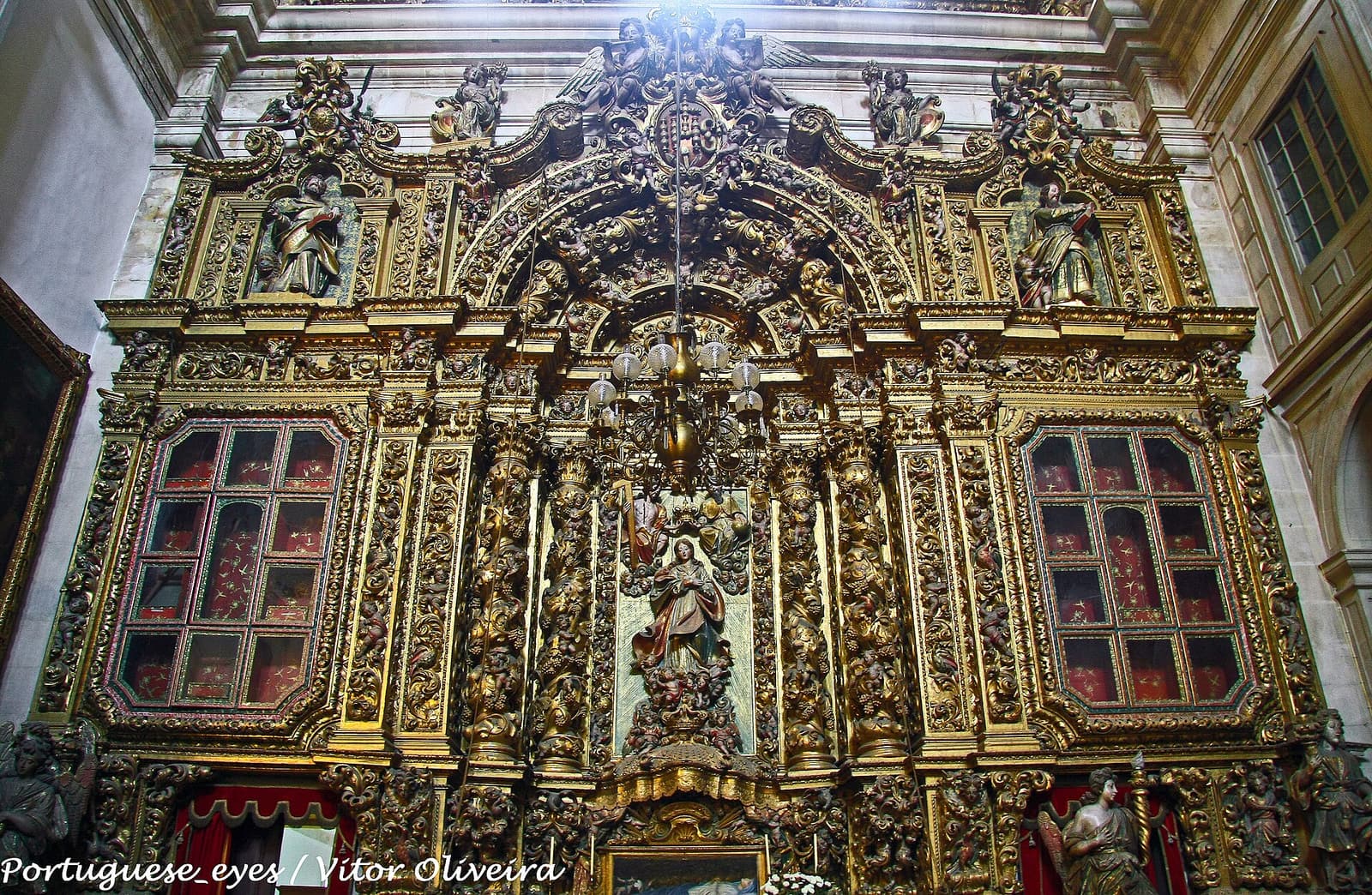 Sees and Cathedrals of PortugalThe sees and cathedrals of Portugal, mother churches of dioceses, from the Romanesque of Coimbra to the Gothic of Évora and the contemporary architecture of…
 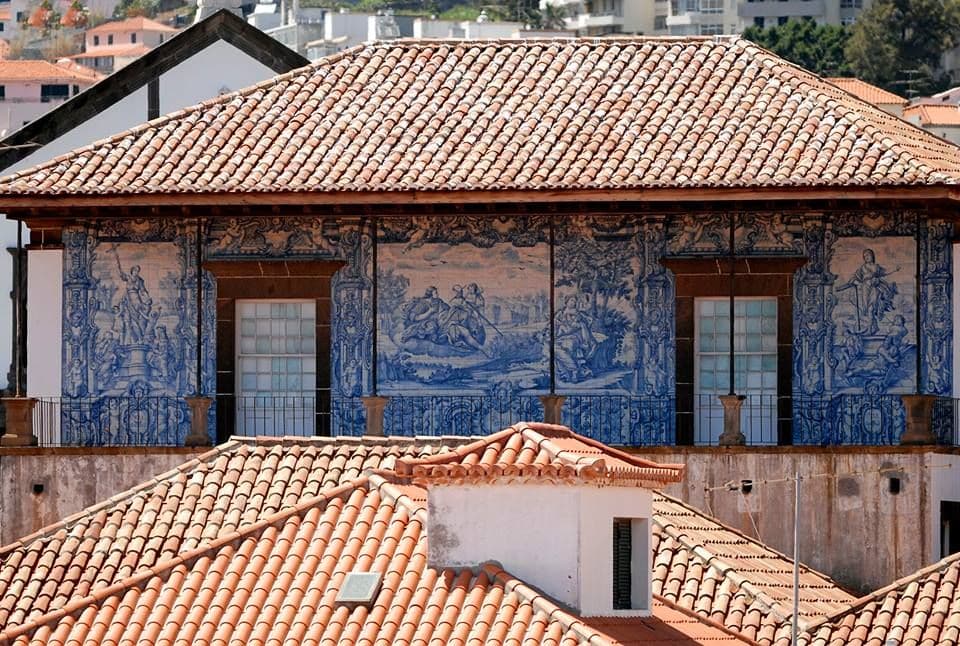 Seminaries and Episcopal Palaces of PortugalSeminaries and episcopal palaces of Portugal: the architecture of diocesan administration, from bishops' residences to Tridentine clergy training.
 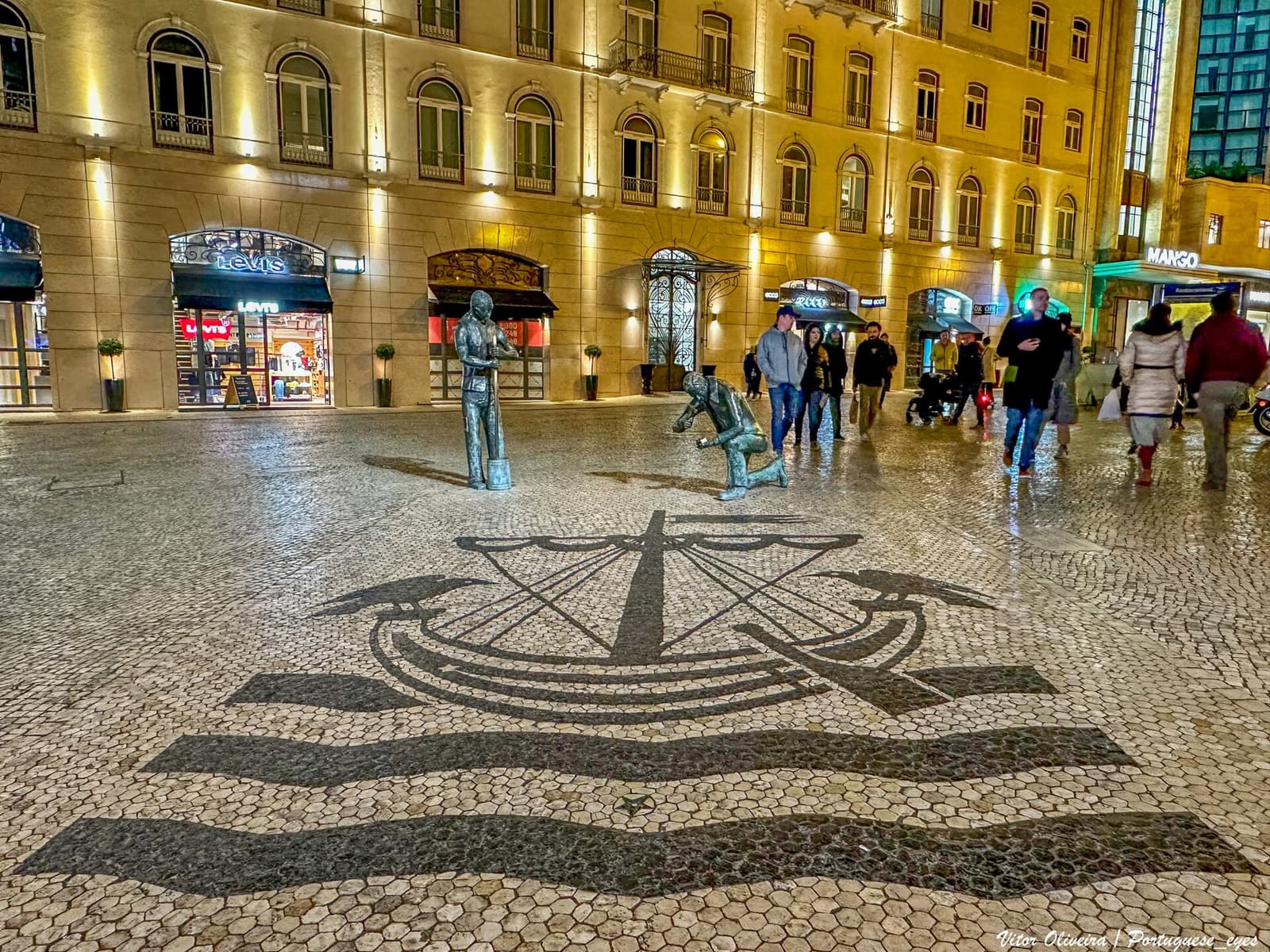 Statuary and commemorative monumentsPublic statuary and commemorative monuments in Portugal: from the royal statues of the nineteenth century to civic sculpture and historical commemoration in… Theatres and Opera HousesTheatres and opera houses in Portugal: from São Carlos to D. Maria II, Italian-style architecture and the built heritage of highbrow performing arts between…
 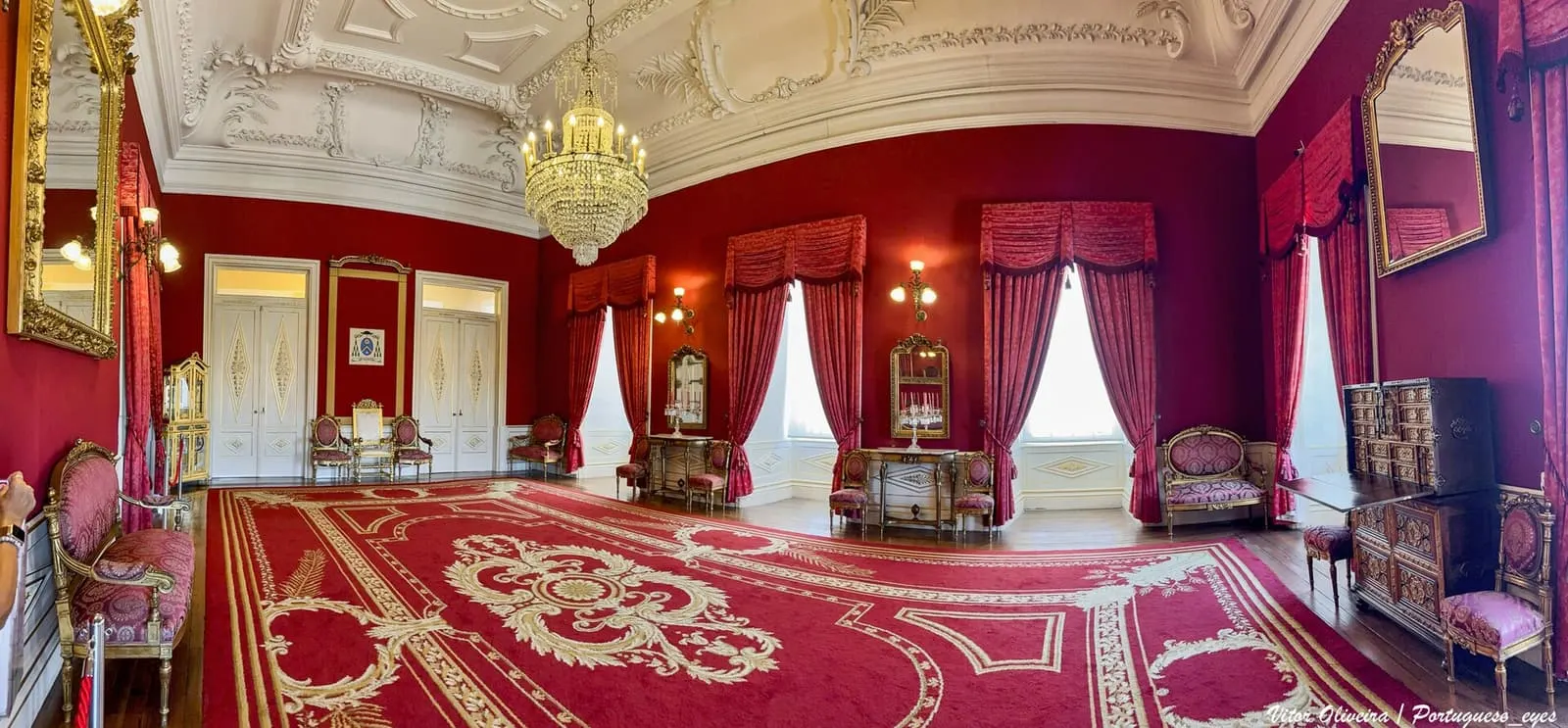 Town Halls and Municipal BuildingsTown halls and municipal buildings in Portugal: typology, history, and architecture of municipal power seats, from medieval council houses to 19th-century chambers. Traditional Azorean ArchitectureTraditional Azorean architecture, the vernacular of the Azores: basaltic stone, white ashlar, Holy Spirit empires and adaptation to the Atlantic. Traditional Madeiran ArchitectureTraditional Madeiran architecture: Santana's thatched cottages and haylofts, agricultural terraces, and vernacular engineering adapted to Madeira island's…
 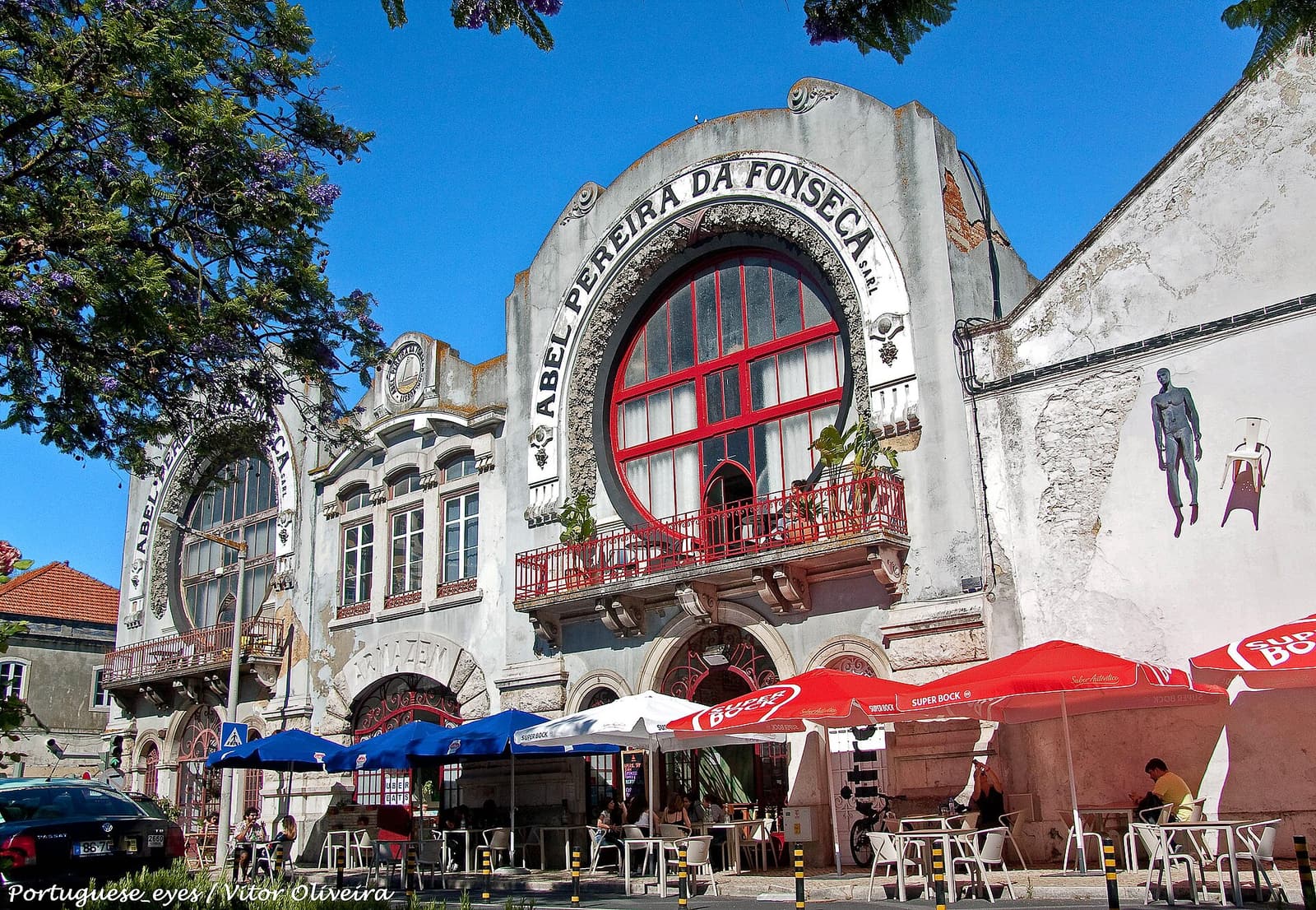 Urban PalacesThe urban palaces and mansions of Portuguese nobility and bourgeoisie: typology, history, architectural evolution, and examples in Lisbon and Porto.
 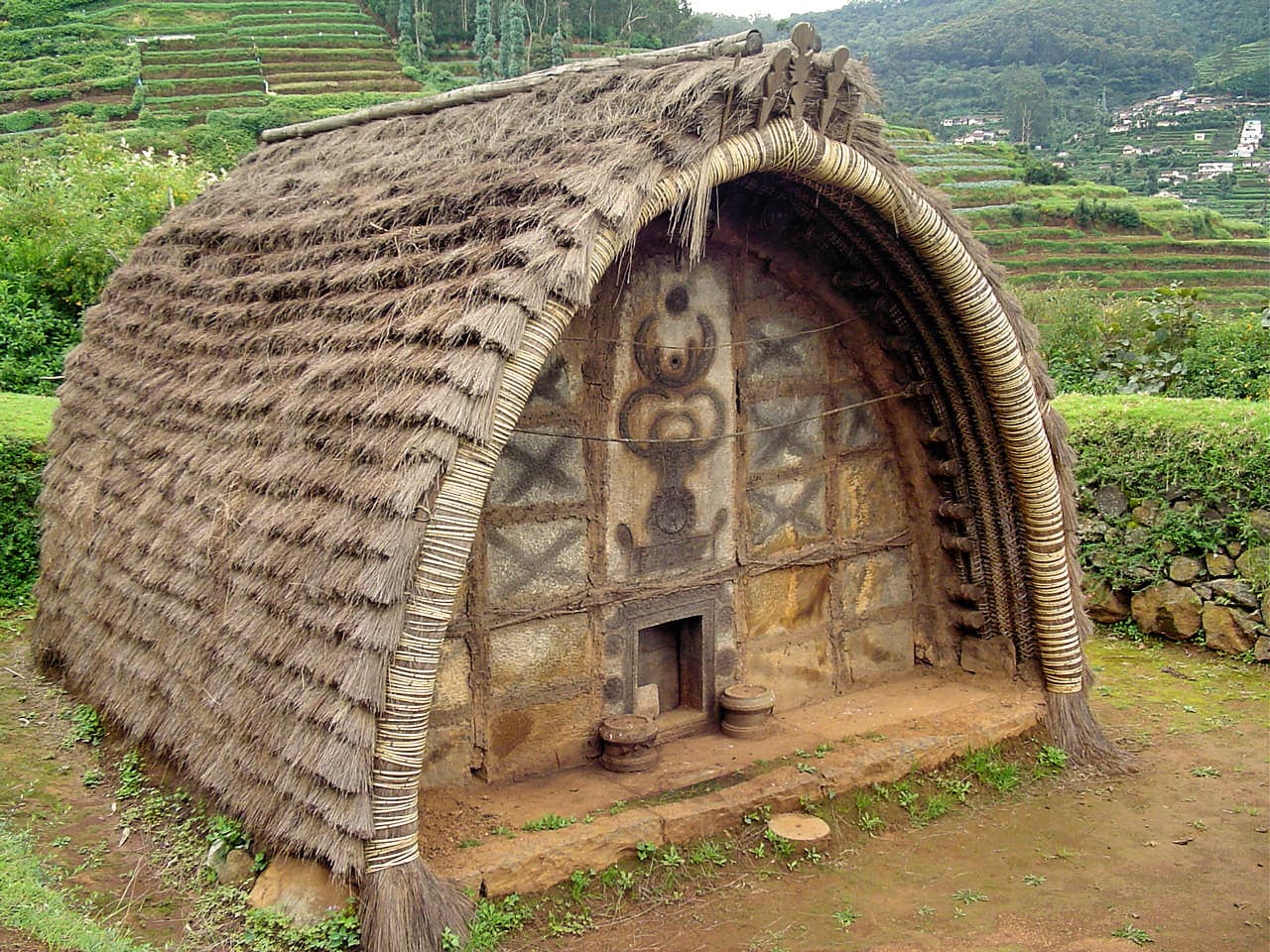 Vernacular and Popular ArchitecturePortuguese vernacular and popular architecture: traditional houses by region, local materials, and the Survey on Popular Architecture in Portugal (1955-1961). Wash Houses, Tanks and WellsWash houses, tanks, wells and waterwheels: Portugal's everyday hydraulic heritage, from drawing and raising water to the communal washing of laundry.
 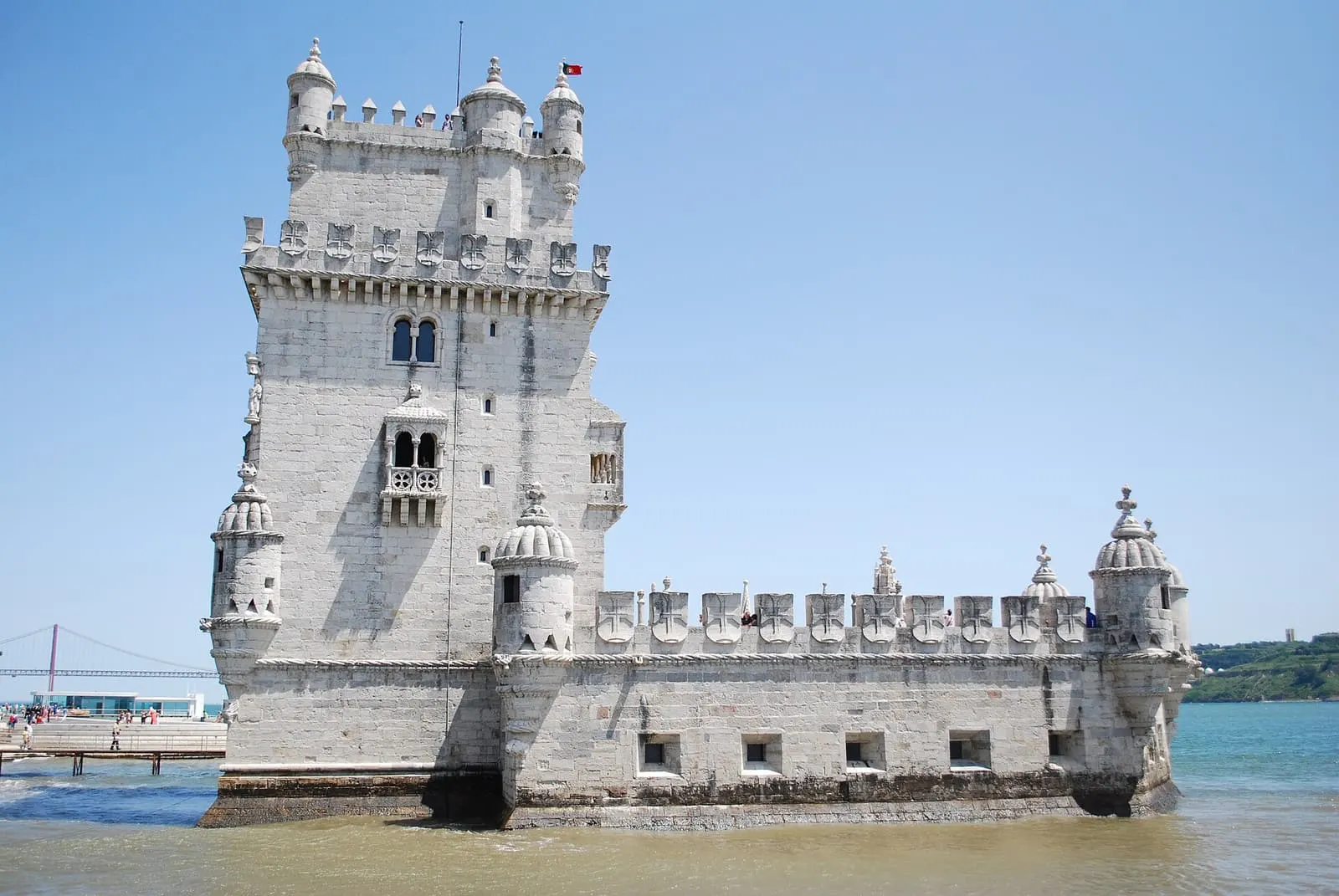 Watchtowers and Lookout TowersWatchtowers, lookout towers, and signaling towers that guarded the border and coast of Portugal, raising alarms through smoke and bonfires against enemies and…
 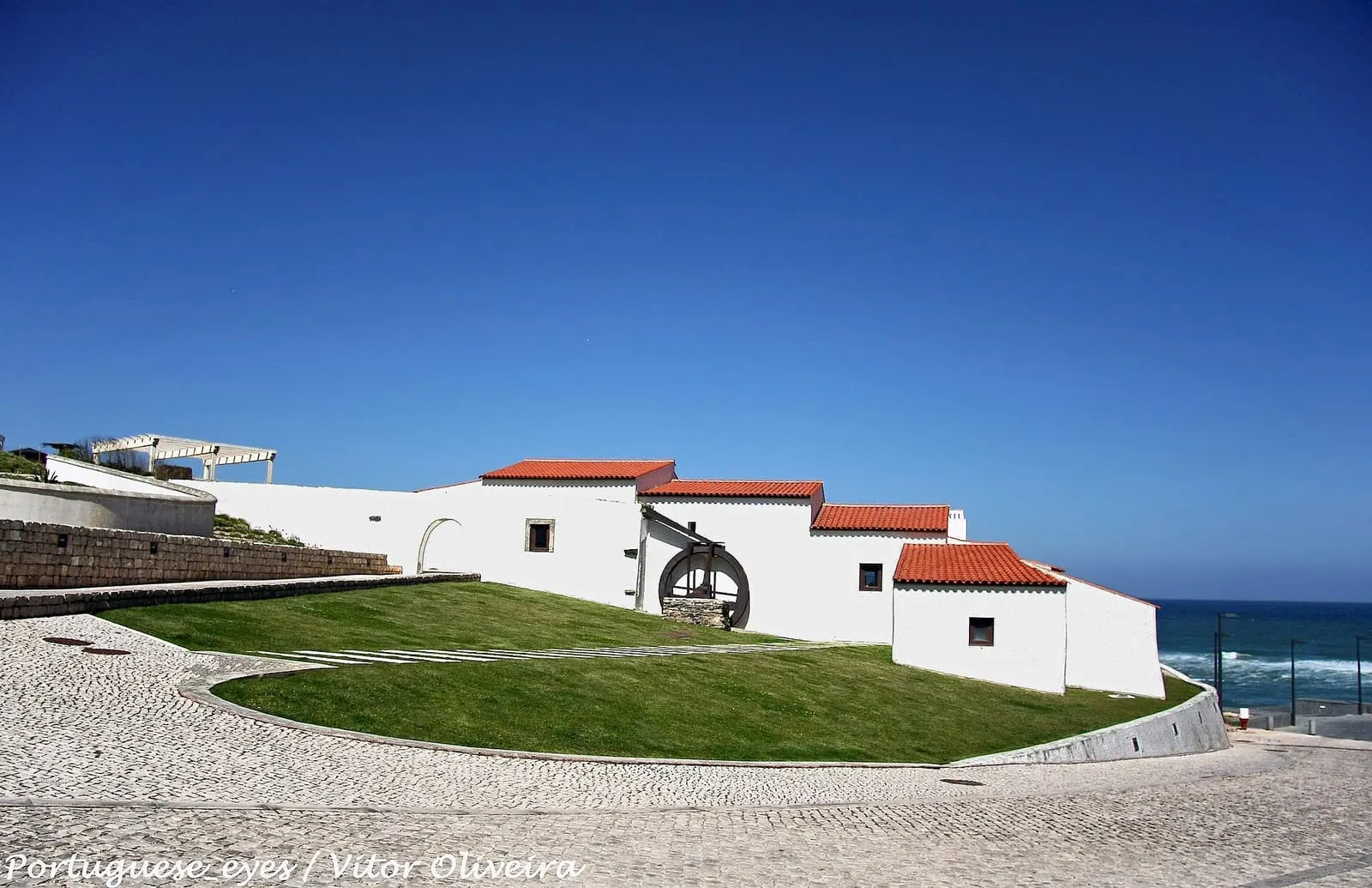 Watermills and AzenhasThe watermills and azenhas of Portugal: horizontal-wheel rodízios, vertical-wheel azenhas and tide mills that ground the bread of rivers and streams.
 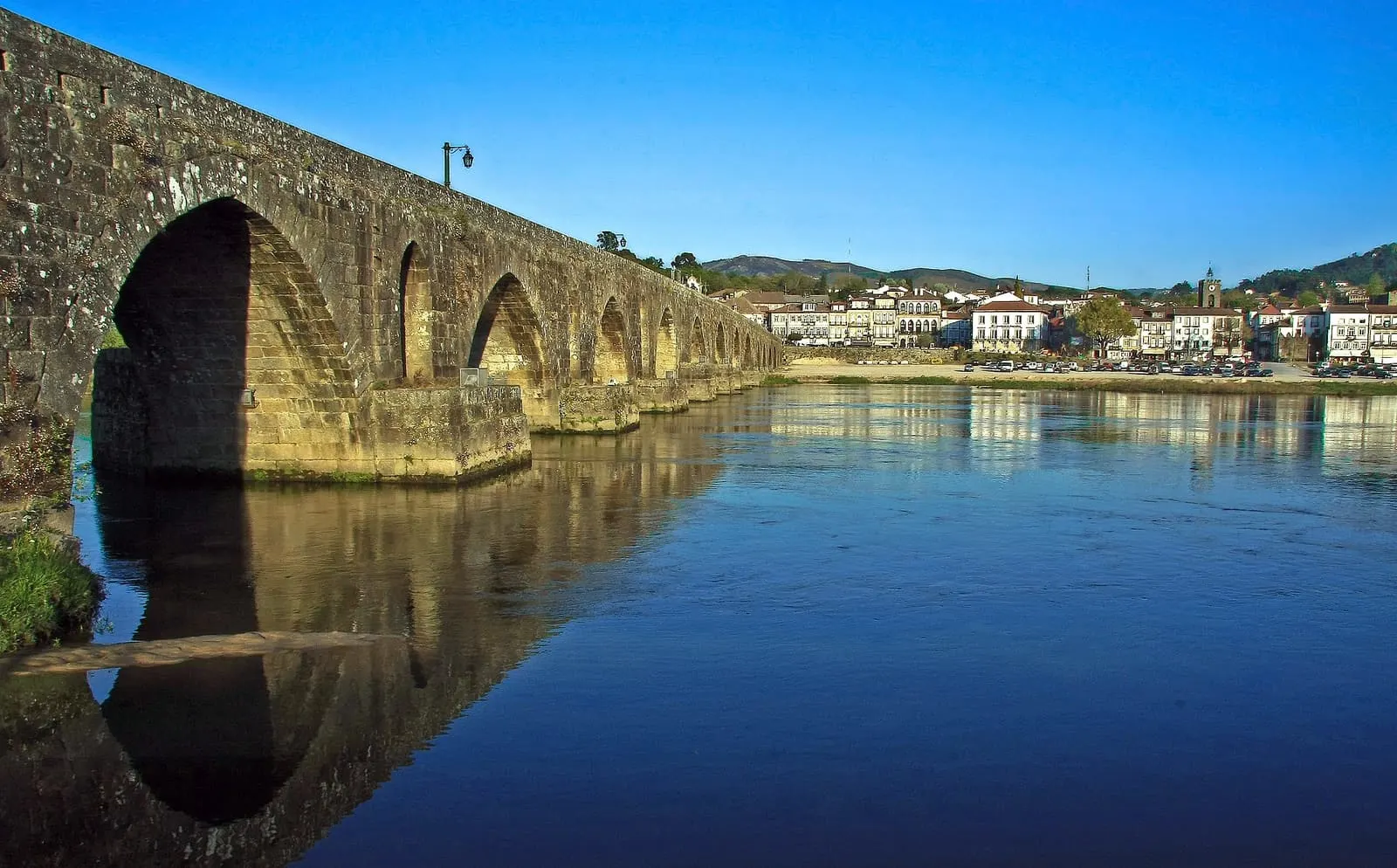 Wayside Crosses and Soul ShrinesWayside crosses, calvaries and soul shrines: a typology of Portugal's roadside religious monuments, landmarks of popular piety and the cult of the souls.
 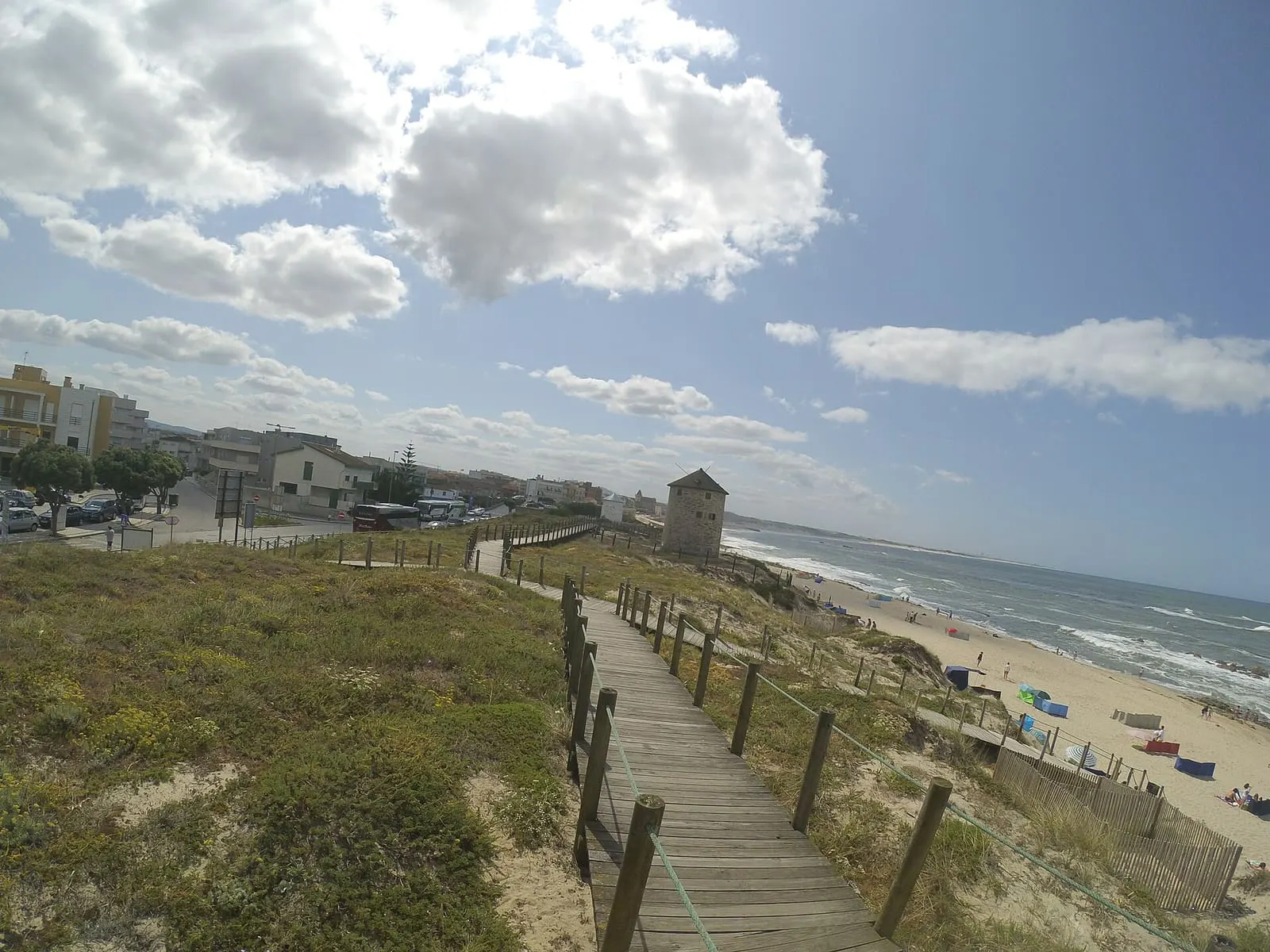 WindmillsWindmills in Portugal: typology, components, the history of grain milling, and the whitewashed towers that mark the landscape of the Oeste, the Alentejo and… Wineries, Cellars and Wine HeritageWineries, wine presses, aging cellars and wine estates: the typology of built wine heritage in Portugal, from the Douro to Alentejo.
Alentejo HousesThe Alentejo house: a typology of the vernacular architecture of the Alentejo, with whitewashed walls, coloured borders, bulky chimneys and construction in… Algarvian HousesAlgarvian houses stand out for their flat roof terraces, colourful parapets and lace-like chimneys, the greatest expressions of the traditional architecture of… Architectural TileworkArchitectural tilework in Portugal: glazed ceramic coverings applied to façades and interiors, from Mudéjar tradition to modernism. Bandstands and Cine-TheatresBandstands and cine-theatres in Portugal: from the nineteenth-century iron stage of public gardens to the Art Deco and modernist auditoriums of the twentieth… Bastioned FortressesBastioned fortresses in Portugal: the Italian trace, Vauban's system and the Luso-Spanish border, from Valença and Almeida to Elvas and Marvão. Chapels and HermitagesChapels, hermitages and oratories in Portugal: small devotional temples, rural and urban, from their medieval origins to their role in pilgrimages and the… City Walls and Urban EnclosuresThe walls and urban enclosures that defended the medieval towns and cities of Portugal: old enclosures, new enclosures, gates, towers, and wall walks that… Coastal Forts and FortletsPortugal's coastal forts and fortlets: the network of batteries, fortresses and watchtowers that defended the river mouths and the Atlantic seaboard from the… Coastal Wooden HutsThe wooden fishing huts of Portugal's central coast: from Costa Nova's striped facades to the xávega fishing tradition in Furadouro, Vagueira, and Praia de Mira. Courthouses and Former PrisonsCourthouses, town halls and former prisons in Portugal: the architecture of judicial and municipal power, from the town hall and prison to the Palaces of Justice. Espigueiros and Canastros: Traditional GranariesEspigueiros, canastros and cabaceiros: the traditional granaries of northern Portugal, in granite and wood, for drying and storing maize. Fortified Towns and VillagesThe fortified towns and villages of Portugal: walled settlements situated on high points along the border, where castle, walls, and houses form a single… Fountains and Public FountainsFountains, public fountains and village fountains of Portugal: the typology of hydraulic heritage that for centuries supplied drinking water to villages, towns… Granite houses of the MinhoThe granite houses of the Minho: the two-storey rural Minho dwelling, with its balcony, threshing floor and granary, the supreme expression of the vernacular… Historic CemeteriesPortugal's historic cemeteries: family vaults, mausoleums and nineteenth-century funerary art, from the Romantic cemeteries of Lapa and Prazeres to the… Historic gardensHistoric gardens of Portugal: monastic enclosures, royal hunting grounds, baroque gardens and romantic parks as living heritage, from their origins to their… Hospitals and Holy Houses of Mercy (Misericórdias)Churches, hospitals and buildings of the Holy Houses of Mercy (Misericórdias) in Portugal: origins in 1498, architectural typology and role in charitable assistance. Industrial HeritageIndustrial heritage in Portugal: factories, manufactories, and industrial complexes, from industrial archaeology to the rehabilitation of former industrial spaces. Jewish Quarters and SynagoguesJewish quarters and synagogues in Portugal: the medieval Jewish neighbourhoods, the synagogues of Tomar and Castelo de Vide, and the remains of Sephardic heritage. Libraries and University BuildingsThe typology of Portugal's university buildings, colleges and historic libraries: from medieval Coimbra to the Baroque Joanina and the libraries of the… LighthousesThe lighthouses of Portugal: a history of maritime signalling, the Lighthouse Directorate and the built heritage strung along the mainland coast, the Azores… Manor Houses and Noble ResidencesManor houses, noble residences, and stately homes in Portugal: the residential architecture of the nobility, from medieval Minho manor houses to Baroque… Manorial Towers and Fortified HousesManorial towers and fortified houses: the fortified residences of Portugal's minor and middle nobility, symbols of lineage and territorial power. Medieval BridgesPortugal's medieval stone bridges: pointed arches, cutwaters, and humpback profiles that spanned rivers between the 12th and 15th centuries. Metal and Iron BridgesThe 19th-century metal and iron bridges of Portugal: an industrial engineering typology that spanned the Douro, Lima, and Tagus rivers. Mines and Mining HeritageMines and mining heritage in Portugal: the mining concession, ore extraction and processing facilities, from the Roman legacy to the twentieth-century concessions. Monasteries of PortugalThe monasteries of Portugal: houses of Benedictines and Cistercians that, from Alcobaça to Tibães, shaped the landscape, economy, and art of Portuguese territory. Moorish and Islamic HeritageTypology of Islamic legacy in Portugal: alcáçovas, mosques, and Moorish quarters of Gharb al-Andalus, from Mértola to Silves, and their material heritage. Mother churches and parish churches of PortugalThe mother churches and parish churches of Portugal: the network of temples that structures the religious territory, from the medieval mother church to the… Municipal MarketsPortugal's municipal markets: produce halls of iron, glass and concrete raised between the nineteenth century and the mid-twentieth, from the Bolhão to the Ribeira. PilloriesPortuguese pillories: stone columns marking municipal autonomy, instruments of justice and symbols of civic power. Railway StationsPortuguese railway stations, from nineteenth-century iron and glass to grand azulejo façade tilework, as a typology of the built heritage. Recreational QuintasRecreational quintas: a typology of country retreats from the 17th to 19th centuries, featuring palatial houses, chapels, formal gardens, and tilework in the… Roman Bridges of PortugalThe Roman bridges of Portugal: the engineering of stone arches that structured the road network of Lusitania, from Chaves to Ponte de Lima and Vila Formosa. Roman Roads and Paved WaysRoman roads and paved ways in Portugal: the road network, building technique, milestones and remains that crossed ancient Lusitania and Gallaecia. Royal Palaces and Residences of PortugalThe royal palaces and residences of Portugal: Crown residences from Sintra to Mafra and Ajuda, reflecting eight centuries of regal power, taste, and ceremony. Salt Pans and Salt MarshesThe salt pans and salt marshes of the Portuguese coast: traditional solar evaporation techniques, landscape, marnoto glossary, and conservation status. Sanctuaries and Pilgrimage SitesTypology of Marian sanctuaries and pilgrimage sites in Portugal: Baroque stairways, Stations of the Cross, and devotional complexes from the north to the… Schist Houses and the Schist VillagesThe schist houses and schist villages of Portugal's central interior, a vernacular architecture of stone in the Serra da Lousã, the Açor range and the Zêzere valley. Sees and Cathedrals of PortugalThe sees and cathedrals of Portugal, mother churches of dioceses, from the Romanesque of Coimbra to the Gothic of Évora and the contemporary architecture of… Seminaries and Episcopal Palaces of PortugalSeminaries and episcopal palaces of Portugal: the architecture of diocesan administration, from bishops' residences to Tridentine clergy training. Statuary and commemorative monumentsPublic statuary and commemorative monuments in Portugal: from the royal statues of the nineteenth century to civic sculpture and historical commemoration in… Theatres and Opera HousesTheatres and opera houses in Portugal: from São Carlos to D. Maria II, Italian-style architecture and the built heritage of highbrow performing arts between… Town Halls and Municipal BuildingsTown halls and municipal buildings in Portugal: typology, history, and architecture of municipal power seats, from medieval council houses to 19th-century chambers. Traditional Azorean ArchitectureTraditional Azorean architecture, the vernacular of the Azores: basaltic stone, white ashlar, Holy Spirit empires and adaptation to the Atlantic. Traditional Madeiran ArchitectureTraditional Madeiran architecture: Santana's thatched cottages and haylofts, agricultural terraces, and vernacular engineering adapted to Madeira island's… Urban PalacesThe urban palaces and mansions of Portuguese nobility and bourgeoisie: typology, history, architectural evolution, and examples in Lisbon and Porto. Vernacular and Popular ArchitecturePortuguese vernacular and popular architecture: traditional houses by region, local materials, and the Survey on Popular Architecture in Portugal (1955-1961). Wash Houses, Tanks and WellsWash houses, tanks, wells and waterwheels: Portugal's everyday hydraulic heritage, from drawing and raising water to the communal washing of laundry. Watchtowers and Lookout TowersWatchtowers, lookout towers, and signaling towers that guarded the border and coast of Portugal, raising alarms through smoke and bonfires against enemies and… Watermills and AzenhasThe watermills and azenhas of Portugal: horizontal-wheel rodízios, vertical-wheel azenhas and tide mills that ground the bread of rivers and streams. Wayside Crosses and Soul ShrinesWayside crosses, calvaries and soul shrines: a typology of Portugal's roadside religious monuments, landmarks of popular piety and the cult of the souls. WindmillsWindmills in Portugal: typology, components, the history of grain milling, and the whitewashed towers that mark the landscape of the Oeste, the Alentejo and… Wineries, Cellars and Wine HeritageWineries, wine presses, aging cellars and wine estates: the typology of built wine heritage in Portugal, from the Douro to Alentejo.