Archaeology
Canada do Inferno
Canada do Inferno, in Vila Nova de Foz Côa, was the first cluster of Palaeolithic rock art identified in the Côa Valley, beside the abandoned dam.
- Location
- Vila Nova de Foz Côa, Guarda
- Built
- c. 20 000–10 000 BC
- UNESCO
- World Heritage · since 1998
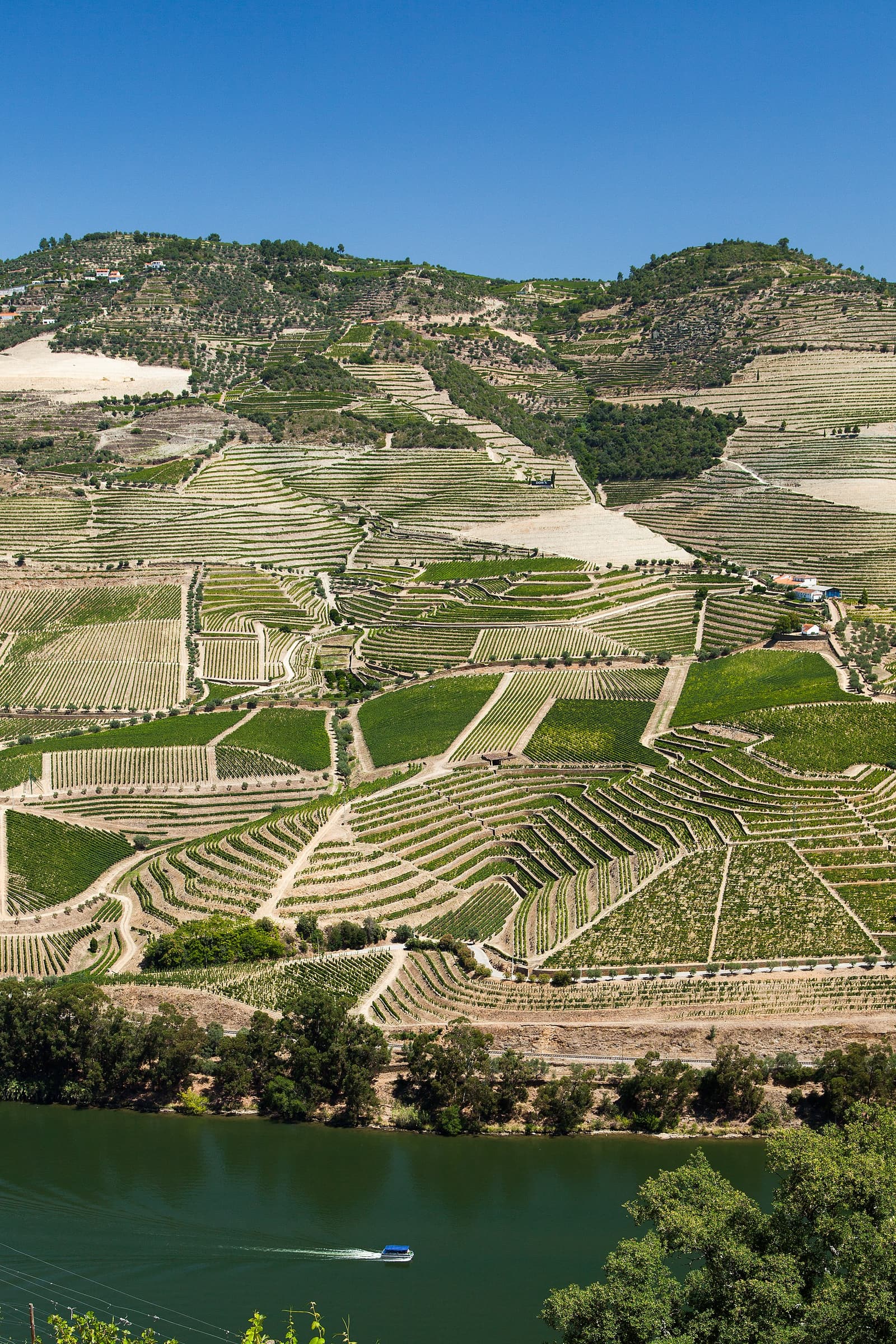
The Canada do Inferno was the first rock-art cluster identified in the Côa Valley, in late 1991, and the starting point for the discovery of one of the largest known assemblages of open-air Palaeolithic art. It lies on the left bank of the final stretch of the River Côa, near its mouth, in the municipality and parish of Vila Nova de Foz Côa, in the district of Guarda. The place name designates the steep escarpment where the first engraved schists were recognised, in a site that would come to symbolise the defence of archaeological heritage in Portugal.
A discovery amid the works of a dam
The engravings were identified during the environmental assessment work linked to the construction of the Côa dam, which envisaged a hydroelectric scheme on the lower reaches of the river. The planned reservoir would have submerged the decorated rocks forever. The public announcement of the find, in November 1994, opened a heated national debate throughout 1995, pitting energy interests against the preservation of an artistic testimony more than twenty thousand years old.
The phrase that became associated with the campaign — “engravings cannot swim” — summed up the choice between the dam and the oldest memory of the territory.
The works were abandoned and, in 1996, the Côa Valley Archaeological Park was created to investigate and protect the assemblage. In December 1998, the complex was inscribed on the UNESCO World Heritage List, later extended to include the Spanish site of Siega Verde as well.
The engravings
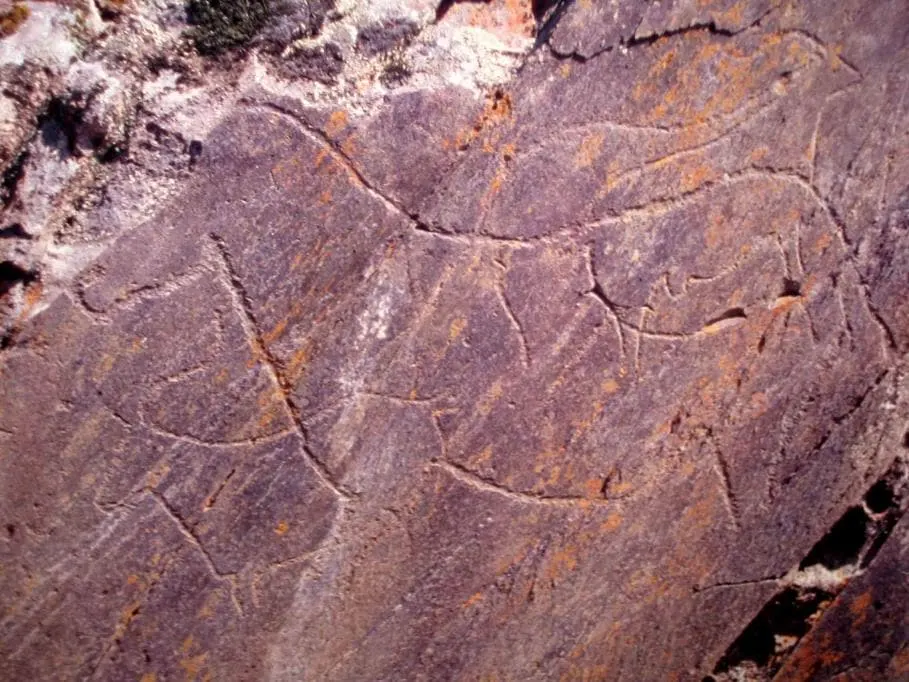
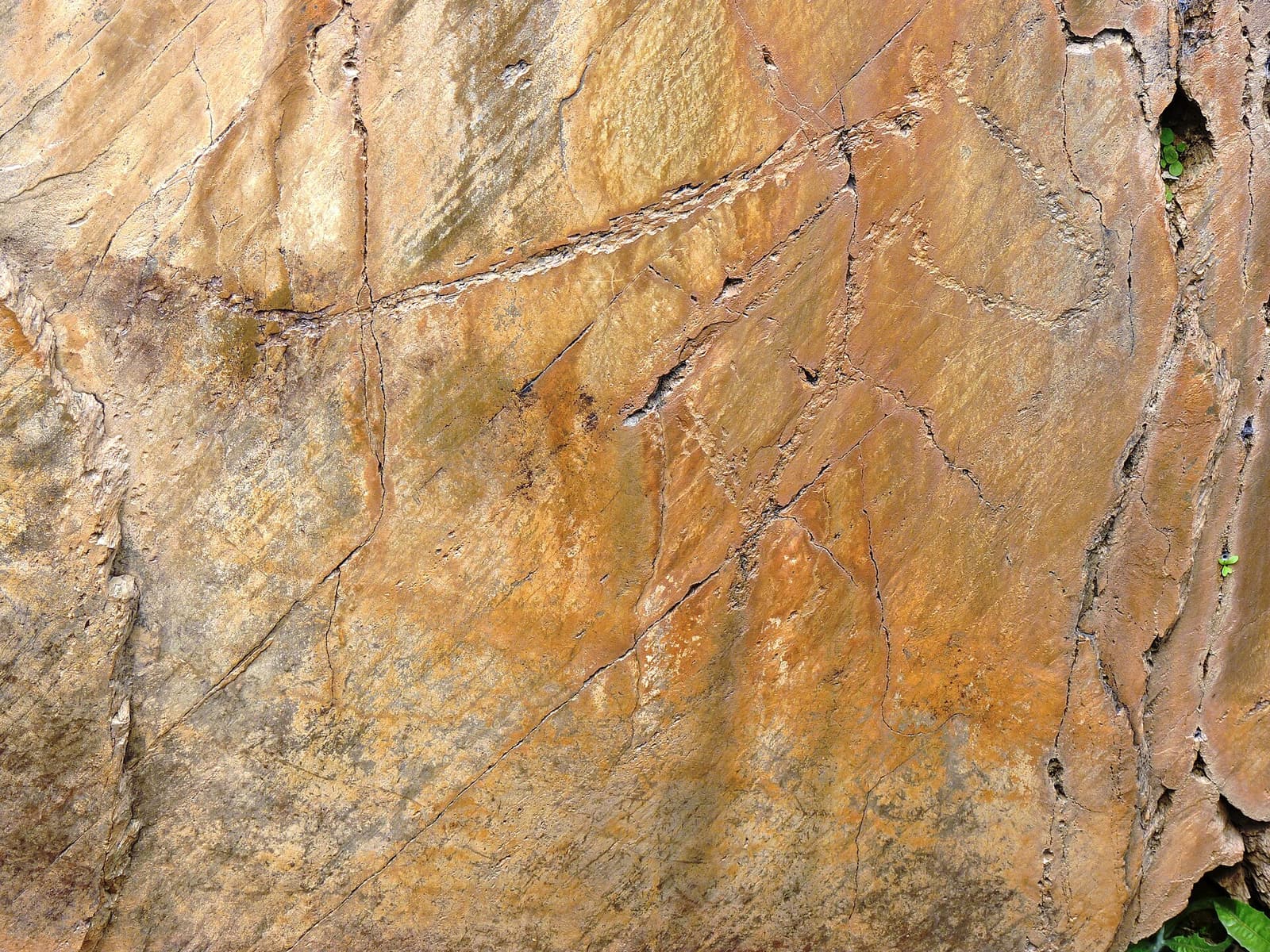
Some forty-six rocks are recorded at Canada do Inferno, of which thirty-nine bear Palaeolithic figurations; many others remain covered by the Pocinho reservoir, downstream. The repertoire belongs to the tradition of the valley’s Palaeolithic rock art, dominated by large herbivores — horses, aurochs, deer and wild goats — executed by pecking, incision and scraping.
Among the most remarkable rocks is the one bearing a two-headed horse, an early example of “graphic animation” intended to suggest movement, and the goat engraved with fine thread-like strokes that would become the park’s emblem. The Palaeolithic phase is overlain by engravings from later periods, from the Neolithic to the Modern Age, attesting to the long continuity of use of these schist surfaces.
Significance and visiting
Canada do Inferno condenses, in a single place, the scientific and civic history of the Côa: it was here that everything began, and it is here that the landscape still bears the scars of the dam that was never closed off. It forms part of the visitor itinerary of the monumental ensemble of the Côa Valley Archaeological Park, alongside other clusters open to the public such as Penascosa and Ribeira de Piscos.
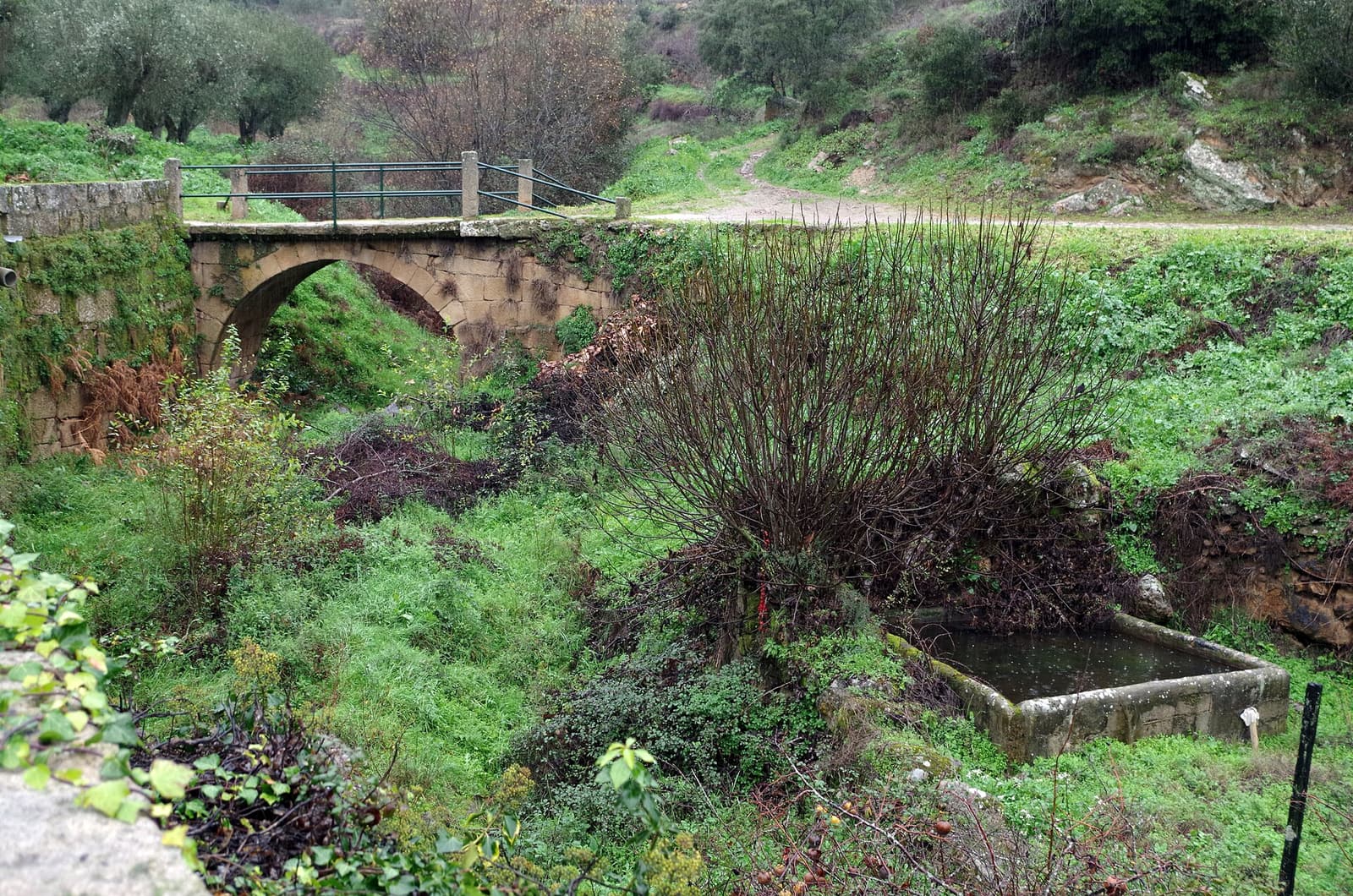
Visits, organised from the Côa Museum, are made in off-road vehicles and end in a walking stretch that leads to the first engraved rocks, in a setting where prehistoric art and the remains of the interrupted works coexist as a rare record of the relationship between development and heritage.
Frequently asked questions
- Why is the first art cluster of the Côa called Canada do Inferno?
- The name is a local place name designating the steep slope on the left bank of the River Côa where the first engravings were identified, in late 1991. It was the discovery that triggered the unveiling of the entire complex.
- Is it possible to visit Canada do Inferno?
- Yes. The visit sets out from the Côa Museum, in Vila Nova de Foz Côa, in an off-road vehicle accompanied by a guide. The final walking stretch shows the public six engraved rocks beside the dam that was left unfinished.
- What happened to the Côa dam?
- Construction of the Côa dam, which would have submerged the engravings, was suspended in 1995 after intense public and scientific debate. In its place the Côa Valley Archaeological Park was created, listed by UNESCO in 1998.
Sources
Keep exploring
Heritage nearby
More places to discover from here. Approximate straight-line distances, within 50 km.