Archaeology
Côa Valley (archaeological site)
The Côa Valley in Vila Nova de Foz Côa contains the world's largest collection of open-air Paleolithic rock art, classified by UNESCO.
- Location
- Vila Nova de Foz Côa, Guarda
- Built
- c. 22 000–10 000 a.C.
- UNESCO
- World Heritage · since 1998
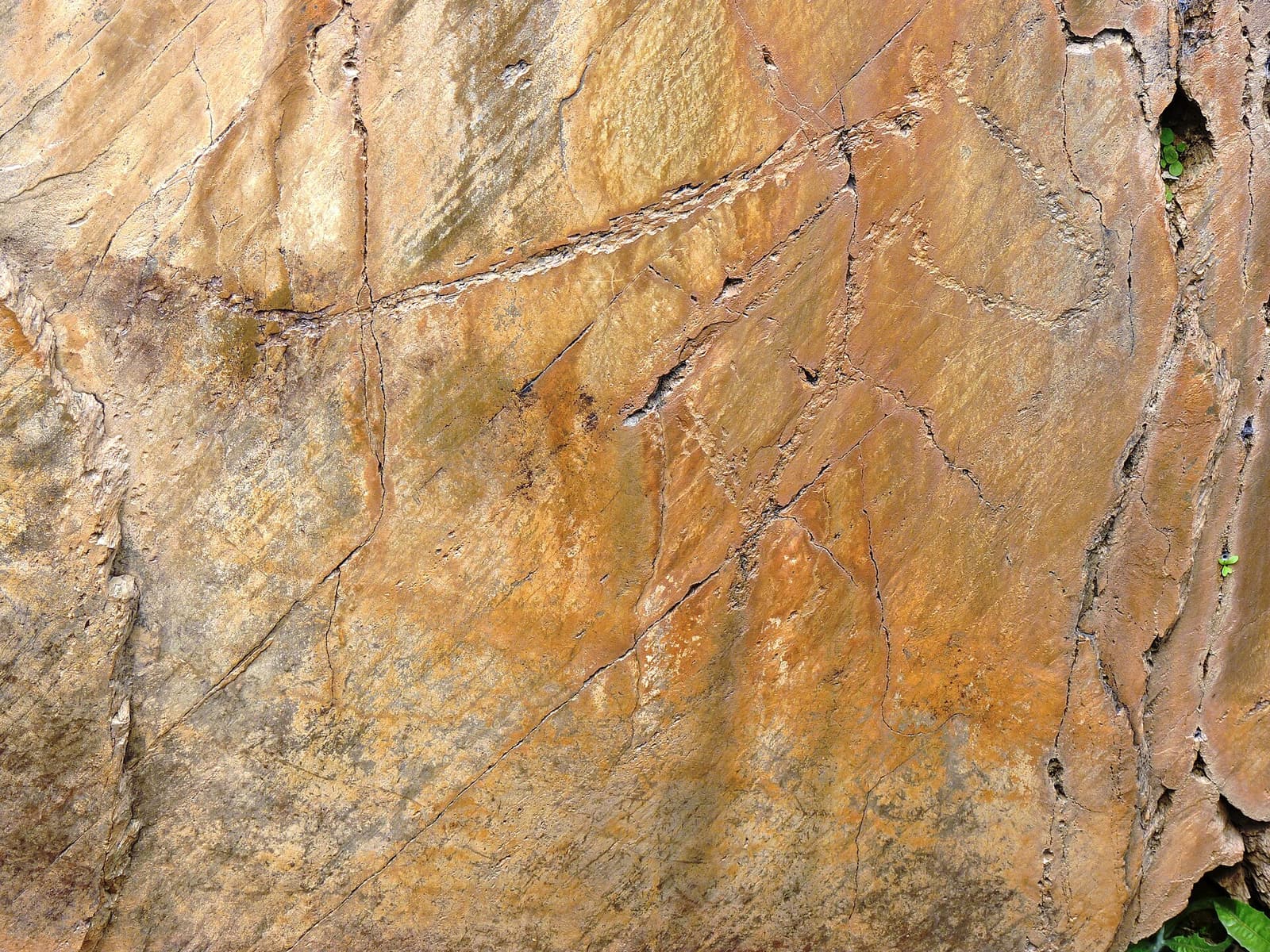
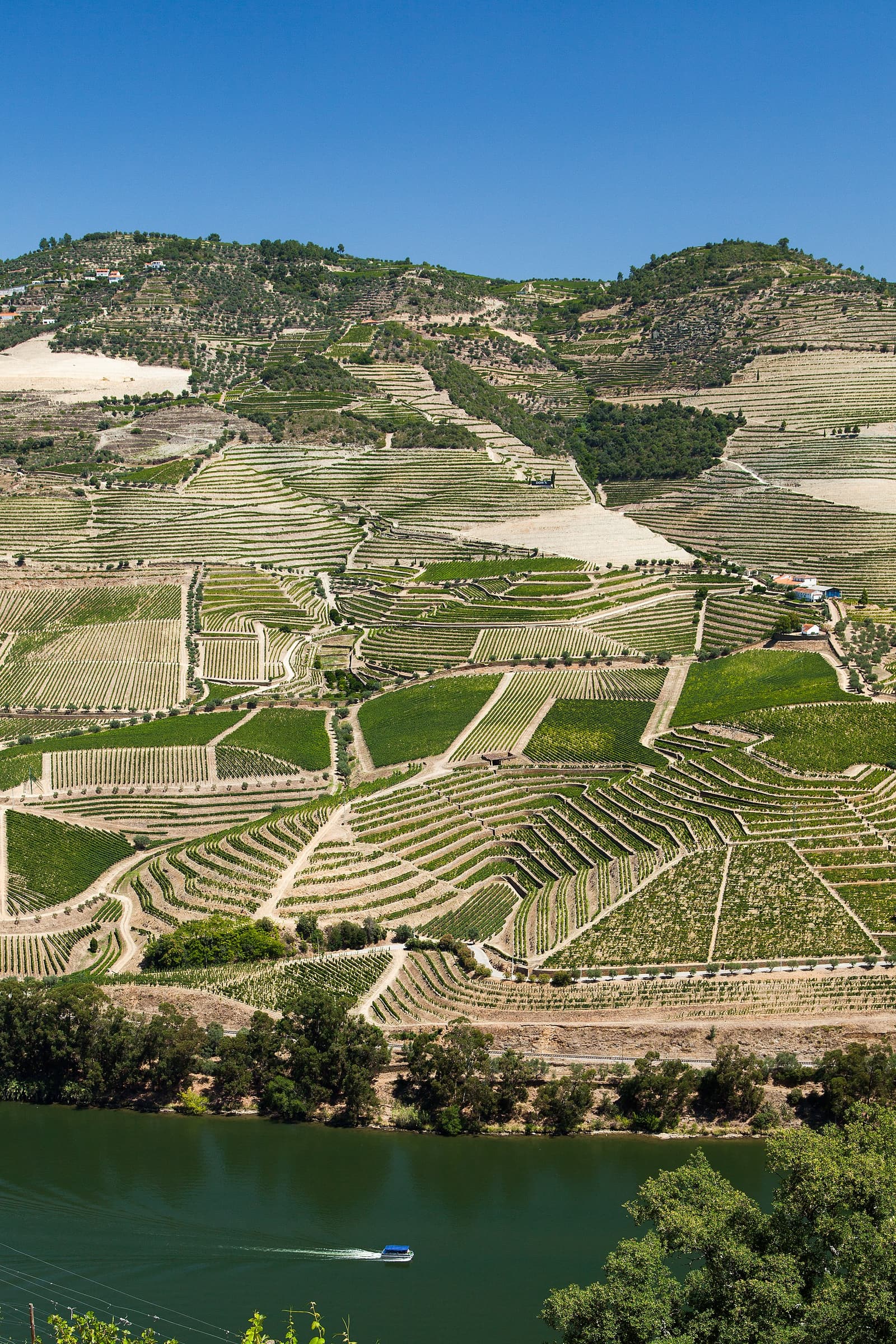
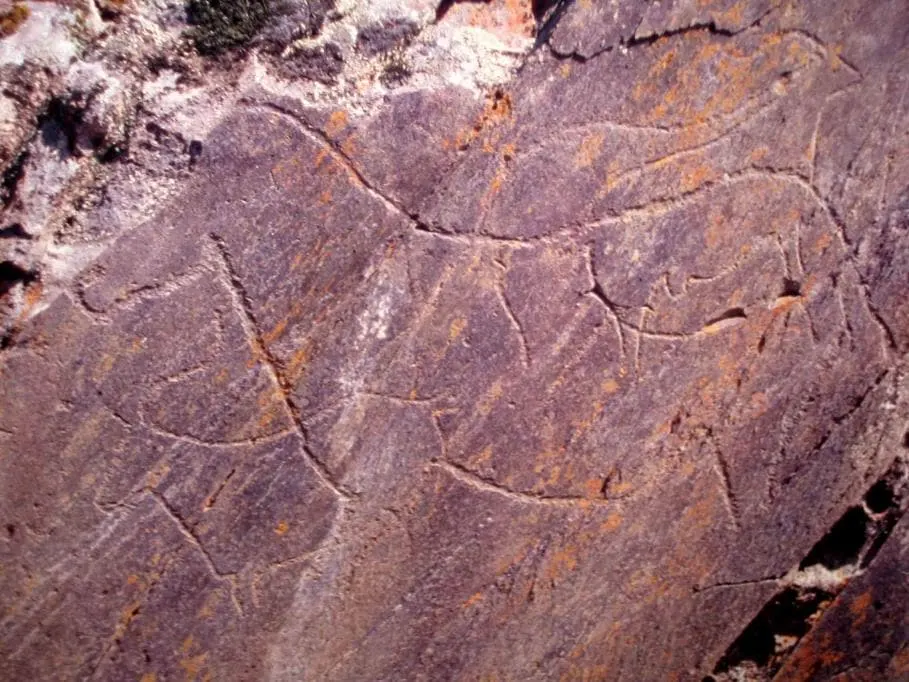
In the final stretch of the Côa River before it flows into the Douro, the shale banks preserve the world’s largest known collection of open-air Paleolithic rock art. Spread across over eighty sites and approximately twelve hundred engraved rocks, the Côa figures — horses, aurochs, deer, and ibex — offer a rare window into the imagination of hunter-gatherer communities that inhabited the northwestern Iberian Peninsula over twenty thousand years ago.
A discovery that stopped a dam
The modern history of the Côa begins in 1994 when archaeological surveys linked to a dam construction project revealed unequivocally Paleolithic engravings at Canada do Inferno. The conflict between hydroelectric development and heritage preservation resulted in one of the most notable cases in recent Portuguese archaeology: in 1995 the government suspended the project, and the following year created the Côa Valley Archaeological Park to manage, protect, and showcase the site.
The phrase “engravings can’t swim,” which circulated during the 1995 controversy, encapsulated a founding principle: that rock art only makes sense preserved in its original context, on the rock and in the landscape that gave it birth.
In 1998 the site was classified as a National Monument and inscribed on the UNESCO World Heritage List, recognized as a masterpiece of human creative genius and exceptional testimony to a cultural tradition. In 2010, the designation was extended to include the Spanish site of Siega Verde on the Águeda River, becoming known as the Prehistoric Rock Art Sites of the Côa Valley and Siega Verde.
Art engraved in stone
The majority of figures date from the Upper Paleolithic, approximately between 22,000 and 10,000 BC, though there are also engravings from later periods — from the Neolithic to the Iron Age and even historical times. The predominant techniques are pecking, incision, and abrasion, executed directly on vertical shale panels. Using overlapping lines and multiple contours, some researchers have suggested an intentional representation of movement.
The bestiary is dominated by four species — horse, auroch, deer, and ibex — linking the Côa to the figurative world of Paleolithic rock art from Franco-Cantabrian caves, with the essential difference of being open-air art. This condition, long considered unlikely to survive, requires careful observation of light: many panels only fully reveal their details at dusk or under grazing light.
Visiting the Côa Valley
Access to the panels is exclusively through guided tours in small groups using off-road vehicles, departing from the Côa Museum, inaugurated in 2010 near the river’s mouth. Three main sites are regularly open to the public: Canada do Inferno and Penascosa in Castelo Melhor (the latter also visitable at dusk), and Ribeira de Piscos in Muxagata. For broader context about the figures, sites, and significance of this territory, see the dedicated page on Côa rock art and the page about Vila Nova de Foz Côa.
More than a museum of objects, the Côa Valley is a landscape to be read: the engravings remain on the rocks where they were made, in an uninterrupted dialogue between the river, the shale, and the memory of the first communities that left their mark here.
Frequently asked questions
- What makes the Côa Valley unique in the world?
- It is the largest known collection of open-air Paleolithic rock art, with over a thousand engraved rocks distributed along the banks of the Côa River. Unlike cave parietal art, the Côa engravings were created outdoors on shale outcrops.
- When were the Côa engravings discovered?
- The first engravings were identified in 1994 during archaeological surveys related to a dam construction project on the Côa River. The discovery led to the abandonment of the dam and the creation of the Côa Valley Archaeological Park in 1996.
- Which sites can be visited?
- Three main sites are open for guided tours: Canada do Inferno near Vila Nova de Foz Côa, Penascosa in Castelo Melhor, and Ribeira de Piscos in Muxagata. The Côa Museum serves as the gateway to the complex.
Sources
Keep exploring
Heritage nearby
More places to discover from here. Approximate straight-line distances, within 50 km.