Places
Vila Nova de Foz Côa
Vila Nova de Foz Côa, a city in the Guarda district of the Douro region, adjacent to the Côa Valley rock art classified as a World Heritage Site.
- Location
- Vila Nova de Foz Côa, Guarda
Perched on a plateau carved by the steep slopes of the Côa and Douro valleys, Vila Nova de Foz Côa is a city in the Guarda district profoundly shaped by its surrounding landscape. The name marks the exact spot where the Côa River meets the Douro—the foz do Côa (mouth of the Côa)—a meeting point between the schist cliffs, terraced vineyards and olive groves, and one of the world’s most extraordinary collections of prehistoric art.
From medieval origins to a contemporary city
Settlement in the region dates back to ancient times, but the town gained legal form with the charters granted by King Dinis in 1299 and renewed in 1314, as part of consolidating the kingdom’s eastern border after the Treaty of Alcañices (1297). In 1514, King Manuel I granted it a new charter under the Manueline reform of charters, which standardized the rights and taxes of Portuguese municipalities. From this golden period, the pillory—classified as a national monument—and the Igreja Matriz (main church), a Manueline-inspired structure later relocated from near the old castle to Largo do Terreiro in the heart of the town, still remain.
The historic houses also include manor homes and heraldic residences that attest to the importance of local families throughout the early modern period. On July 12, 1997, the former town was elevated to city status, a recognition that coincided with the period when Foz Côa became known worldwide.
The Côa Valley and its rock art
What could have been submerged by a dam instead became the emblem of the territory: the decision to preserve the engravings turned Foz Côa into an exemplary case of choosing heritage over infrastructure.
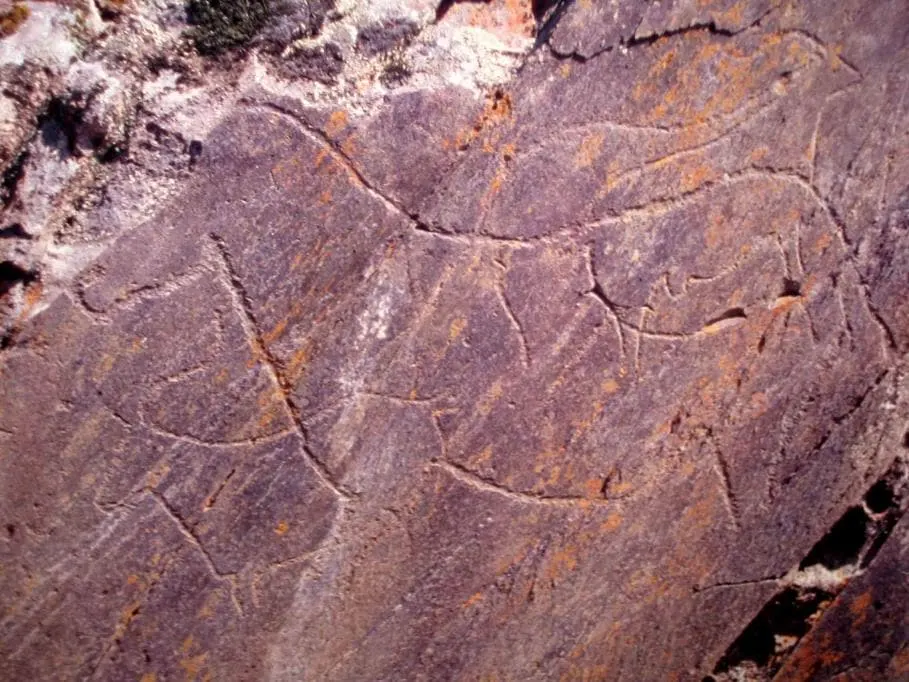
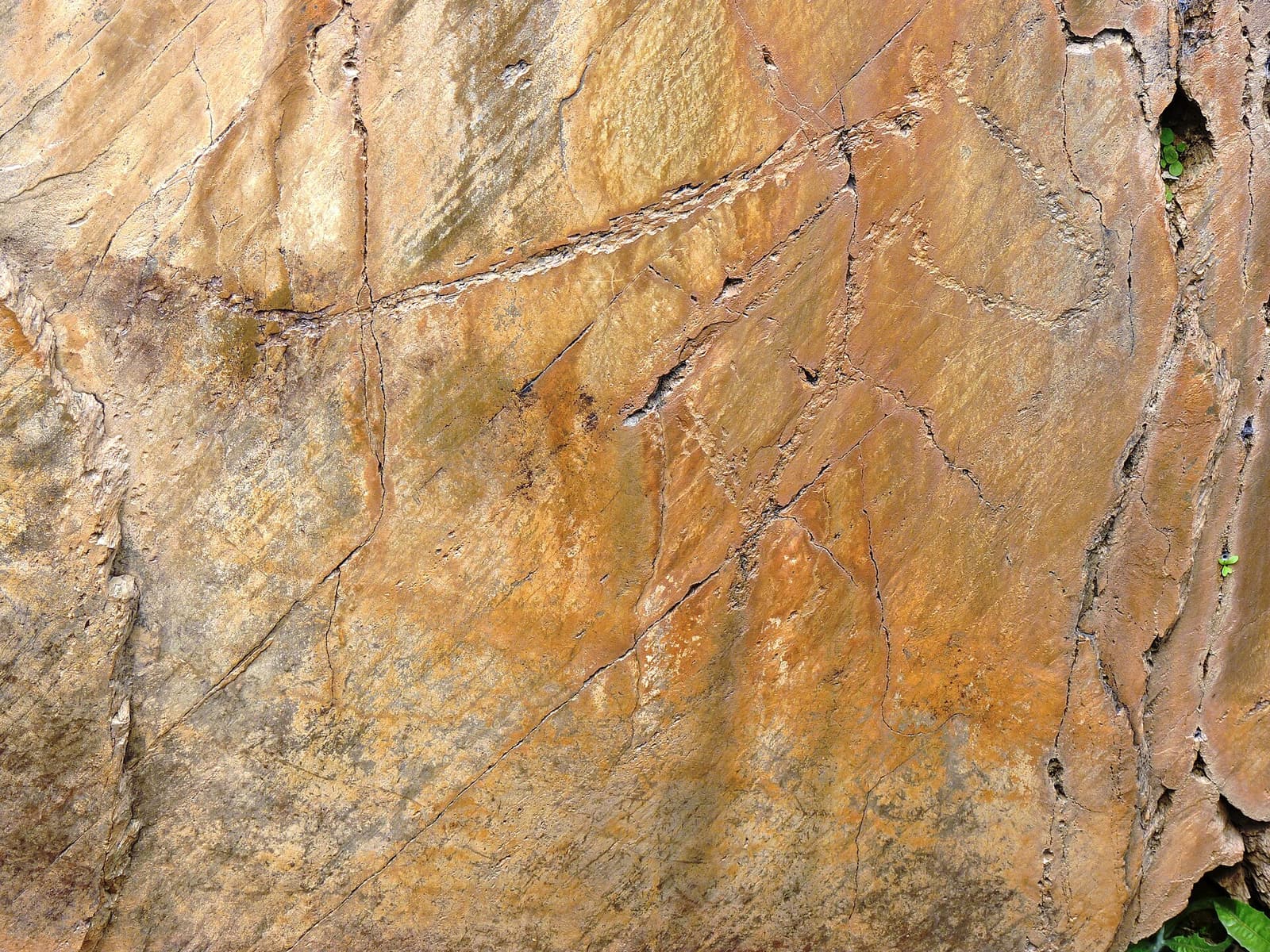
In 1994, during studies for the construction of a dam on the Côa River, engravings carved into the schist rocks along the riverbanks were discovered. The find revealed the largest known open-air collection of Paleolithic rock art, featuring horses, aurochs, goats, and deer created over twenty thousand years ago. The controversy surrounding the dam ended in 1995 with the suspension of the project and the creation of the Archaeological Park, and in 1998, the Côa Valley sites were inscribed on UNESCO’s World Heritage List.
The art is not limited to the Paleolithic: the rocks bear interventions from the Neolithic, Iron Age, and even historical periods, making the valley a rare sequence of graphic expressions across millennia. The Côa Museum, opened in 2010 at the confluence of the two rivers, connects visits to the engraving sites with scientific interpretation of the collection.
Douro landscape and life in the territory
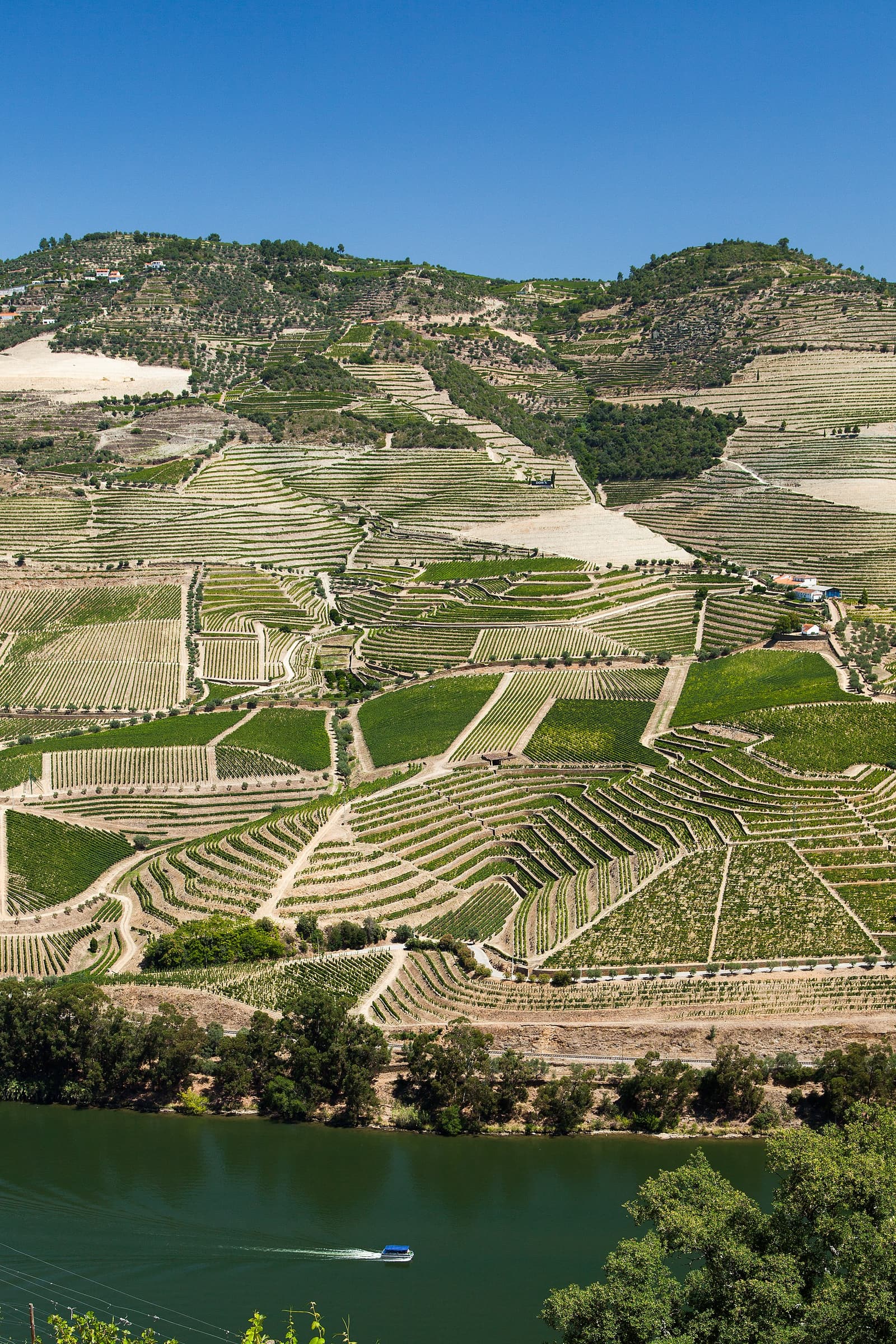
Vila Nova de Foz Côa is part of the world’s oldest demarcated wine region and the cultural landscape of the Alto Douro Vinhateiro, also designated by UNESCO. The terraced vineyards, almond trees, and olive groves shape the slopes around the city, and the almond blossoms at the end of winter draw visitors to this corner of the Norte region. Wine, olive oil, almonds, and the deep memory of rock art thus form the identity of a place where human history is literally written in stone.
Frequently asked questions
- In which district is Vila Nova de Foz Côa located?
- Vila Nova de Foz Côa belongs to the Guarda district in northern inland Portugal, though it is culturally and geographically integrated into the Douro region.
- Why is Vila Nova de Foz Côa famous?
- It is primarily known for the Paleolithic rock art of the Côa Valley, designated as a UNESCO World Heritage Site in 1998, and for being part of the Douro wine region.
- When was it elevated to city status?
- Vila Nova de Foz Côa was granted city status on July 12, 1997.
Sources
Keep exploring
Heritage nearby
More places to discover from here. Approximate straight-line distances, within 50 km.