Intangible Heritage
Conventual Confectionery
Portuguese conventual confectionery: the egg-and-almond sweets born in convents and monasteries, from the pastéis de Belém to the ovos moles of Aveiro.
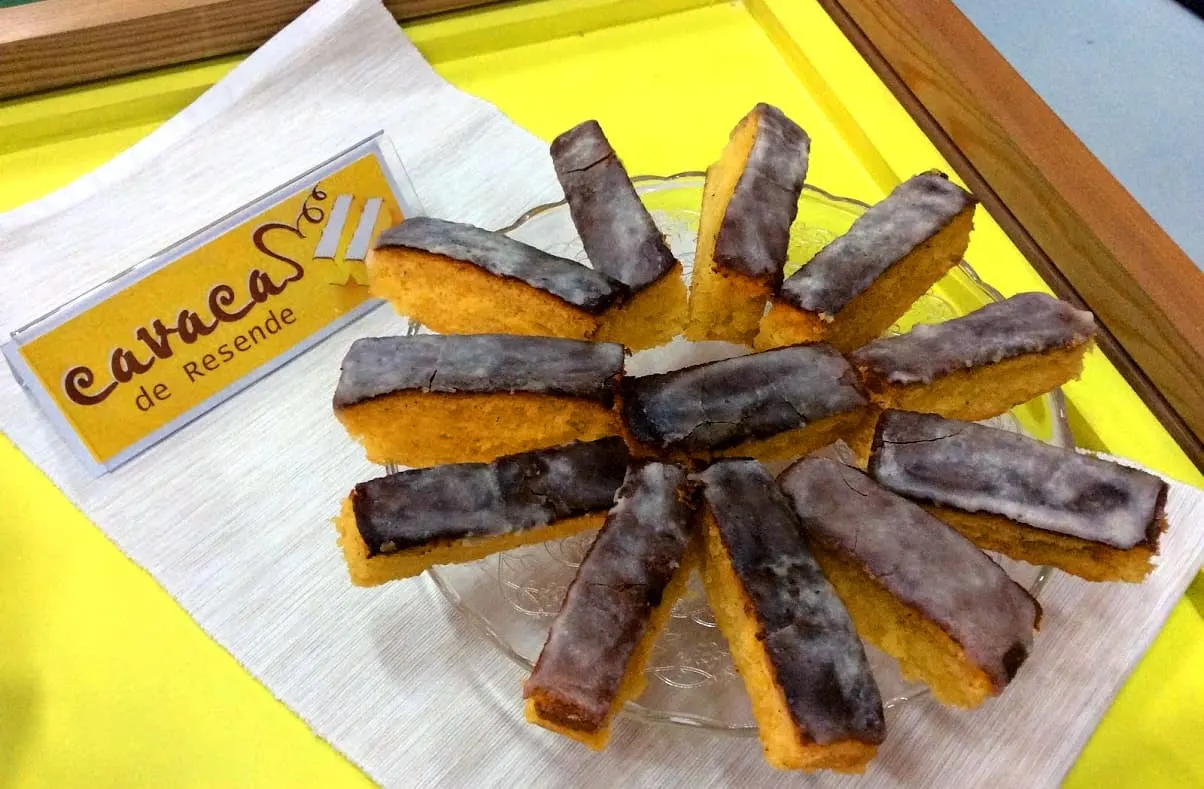
Conventual confectionery is one of the most flavoursome and original legacies of Portuguese culture: a body of recipes born within the walls of the country’s convents and monasteries, in which sugar, egg yolks and almonds combine into sweets of an almost opulent richness. More than desserts, these preparations are a living record of Portugal’s economic, religious and social history, one that survived the suppression of the very institutions that gave rise to it.
Sugar, eggs and almonds
The character of conventual confectionery was defined above all between the 15th and 16th centuries. It was in this period that Portugal, with sugarcane plantations first in the Algarve and later in Madeira and the Atlantic islands, came to have sugar in quantity and at an affordable price. The ingredient that, in the Middle Ages, had been a rare and medicinal luxury became a commonplace raw material in the kitchens of the religious communities.
Alongside sugar, eggs were plentiful. The convents used the whites for practical tasks — starching habits and clarifying wines — and were left with enormous quantities of yolks with no purpose. Rather than waste them, the nuns put them to use in making sweets. From this comes the unmistakable signature of this confectionery: little flour, plenty of egg and sugar, and almond as a noble complement.
The genius of conventual confectionery lies less in the invention of rare ingredients than in the ingenious use of surpluses — leftover yolks became one of the country’s most recognisable gastronomic heritages.
From the cloisters to the confectioners
During the 16th to 18th centuries, the art of confectionery was cultivated with enormous refinement in almost all Portuguese monasteries and convents. Each house zealously guarded its recipes, and many sweets became forever associated with a locality or an order: the ovos moles with the Mosteiro de Jesus in Aveiro; the queijadas with Sintra; the pão de rala with the Poor Clares of Évora. The great medieval monasteries, such as the Monastery of Alcobaça, were also centres of material culture where the art of sweets flourished alongside architecture and liturgy.
The turning point came in 1834, with the suppression of the male religious orders in Portugal and, later, the dissolution of the female communities. Deprived of their means of support, nuns and convents saw in the sale of sweets a form of subsistence. It was thus that recipes kept for centuries left the cloisters for the confectioners and pastry shops, becoming part of the national cuisine. The most celebrated case is that of the monastery beside the Church of Santa Maria de Belém, from which the pastry recipe gave rise to the famous pastéis de Belém.
A living intangible heritage
Today, conventual confectionery is an integral part of Portuguese intangible cultural heritage and a strong element of regional identity. The ovos moles of Aveiro, for example, enjoy protection as a Protected Geographical Indication of the European Union, a recognition that ties the product to its territory and to traditional know-how. Toucinho-do-céu, pão de ló, papos de anjo, barrigas de freira, fios de ovos, encharcada and Dom Rodrigo are just a few names from a vast repertoire, with variations from north to south and across the archipelagos.
Conventual confectionery also crossed Portugal’s borders. With maritime expansion, techniques and recipes travelled to Brazil, to India and to other regions of the former empire, where they met local ingredients and gave rise to new sweet traditions. To preserve these recipes — and the memory of the communities that created them — is to keep alive one of the sweetest legacies of Portuguese history.
Frequently asked questions
- Why do conventual sweets use so many egg yolks?
- Convents had large quantities of yolks left over, because the whites were used to starch habits and to clarify wines. Rather than waste them, the nuns combined them with the then-abundant sugar, creating sweets rich in yolk.
- When did conventual confectionery emerge in Portugal?
- Its character was defined between the 15th and 16th centuries, when the expansion of sugar produced in Madeira and the colonies made it possible to prepare sweets on a large scale in the monasteries.
- What are some famous conventual sweets?
- The ovos moles of Aveiro, the pastéis de Belém, the queijadas of Sintra, toucinho-do-céu, pão de ló, papos de anjo and the pão de rala of Évora, among many others.