Resources
The Calouste Gulbenkian Foundation and heritage
The Calouste Gulbenkian Foundation, based in Lisbon, and its role in patronage, conservation and the promotion of Portuguese cultural heritage.
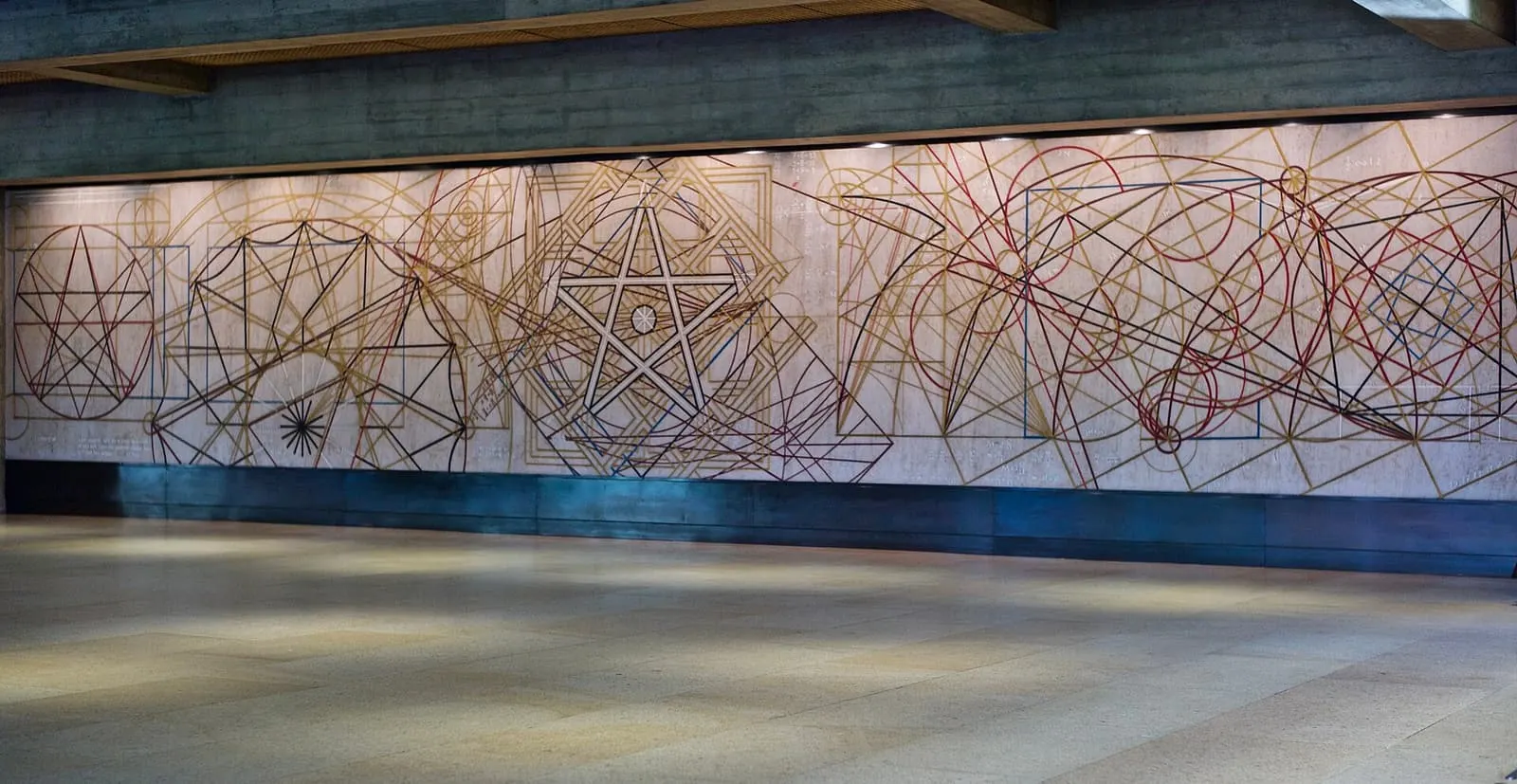
- Location
- Lisboa, Lisboa
- Built
- 1956
- Style
- Modernismo
The Calouste Gulbenkian Foundation is a private institution of public utility, based in Lisbon and statutorily dedicated to the arts, charity, science and education. Established in accordance with the will of Calouste Sarkis Gulbenkian (1869-1955), a magnate of Armenian origin who chose Portugal as his host country and died there, the Foundation had its statutes approved by the Portuguese State on 18 July 1956. Since then it has become one of the most influential agents of cultural patronage in Portugal, with a decisive role in the conservation, study and dissemination of heritage.
The headquarters and the museum
The Foundation’s headquarters occupy a spacious park beside the Praça de Espanha, in the Avenidas Novas district. The built complex — headquarters, museum and garden — was designed by the architects Alberto Pessoa, Pedro Cid and Ruy d’Athouguia and inaugurated in 1969, and stands as a landmark of Portuguese modernist architecture. The surrounding garden, designed by António Viana Barreto and Gonçalo Ribeiro Telles, integrates the built work into the landscape in exemplary fashion. The complex received the Valmor Prize in 1975 and, in 2010, was classified as a National Monument, becoming the first contemporary work to attain that status in Portugal — a distinction that places it on a par with the great monuments of Portugal and illustrates the reach of classification as a national monument.
The Calouste Gulbenkian Museum brings together the founder’s collection, encompassing Egyptian, Greco-Roman, Islamic, Armenian and Far Eastern art, as well as European painting and decorative arts. The Modern Art Centre, opened in 1983, is devoted to modern and contemporary Portuguese art, constituting one of the most important collections of its kind in the country.
Patronage and heritage
Beyond its own collections, the Foundation has for decades played the role of patron in the field of heritage. It supported restoration campaigns for monuments, churches and historic complexes, financed inventory and research work, and contributed to the training of conservators, restorers and art historians. Its Art Library is a reference centre for the study of the history of art and of Portuguese heritage, complementing the work of the public institutions described in the history of heritage institutions.
The Foundation’s publishing and exhibition activity — including the journal Colóquio, published since 1959 — spread knowledge of the national heritage among a broad public. Mobile library programmes brought culture to rural areas, and numerous grants and subsidies sustained safeguarding projects throughout the territory.
International recognition
The significance of the Foundation’s complex led to its inclusion on the Portuguese tentative list for UNESCO World Heritage, detailed on the page devoted to the candidacy of the Calouste Gulbenkian Foundation. This candidacy underlines the universal value of an ensemble that articulates architecture, museology and landscape in a singular synthesis of twentieth-century modernism, and reinforces the Foundation’s status as an indispensable reference point for culture and heritage in Portugal.
Frequently asked questions
- When was the Calouste Gulbenkian Foundation established?
- The Foundation's statutes were approved by the Portuguese State on 18 July 1956, following the will of Calouste Sarkis Gulbenkian, who died in Lisbon in 1955.
- Why is the Foundation's headquarters considered a National Monument?
- The modernist complex of headquarters, museum and garden, designed by Alberto Pessoa, Pedro Cid and Ruy d'Athouguia and inaugurated in 1969, was classified as a National Monument in 2010, becoming the first contemporary work to attain that status in Portugal.
- What art collections does the Foundation hold?
- The Calouste Gulbenkian Museum holds the founder's collection, with Egyptian, Greco-Roman, Islamic and Far Eastern art, while the Modern Art Centre, opened in 1983, is devoted to modern and contemporary Portuguese art.
Sources
Keep exploring
Heritage nearby
More places to discover from here. Approximate straight-line distances, within 50 km.
Resources for research
Find the sources. Follow the story.
Guides to researching buildings, exploring museum collections and understanding heritage protection.
SIPA
Get to know the architectural inventory, building records and documentary archive.
Read the guideMuseum collectionsMatrizNet
Explore the museum catalogue and records of works, materials, authorship and provenance.
Read the guideHeritage protectionHeritage classification
Understand cultural property categories and the levels of national, public and municipal interest.
Read the guide