Archaeology
Gruta do Escoural
The Gruta do Escoural, in Montemor-o-Novo: the only cave in Portugal with Palaeolithic rock art, later reused as a Neolithic necropolis in the Alentejo.
- Location
- Santiago do Escoural, Évora
- Built
- Paleolítico Superior (c. 25 000–12 000 a.C.)
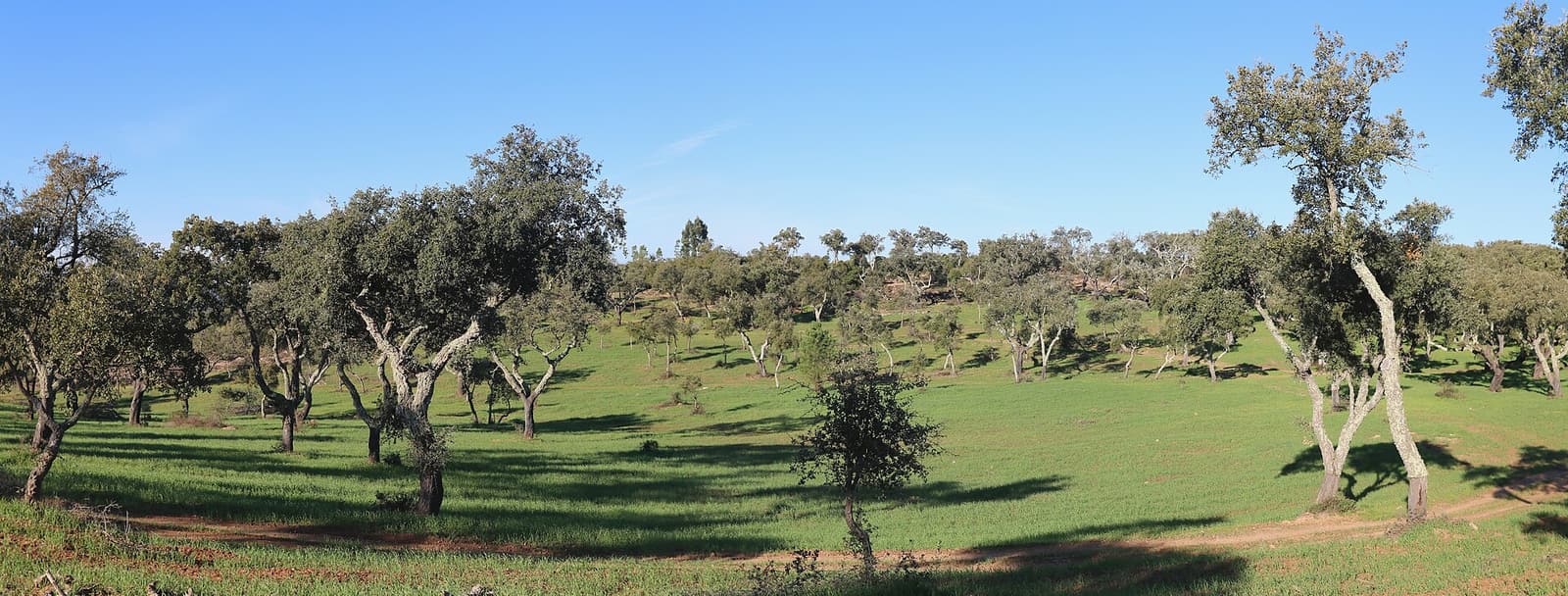
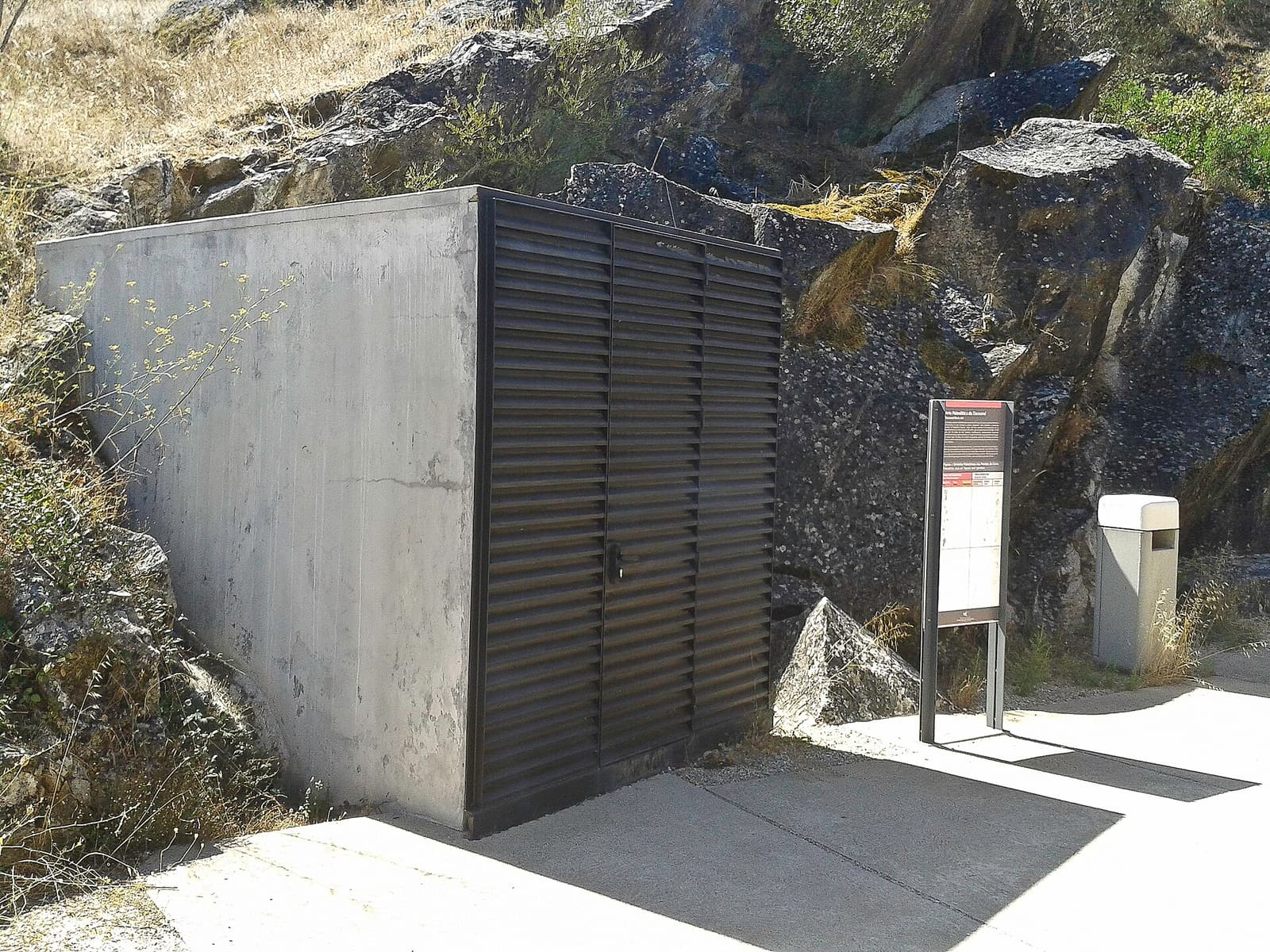
The Gruta do Escoural is a natural cavity hollowed out of the crystalline marbles of the Central Alentejo, located on the Herdade da Sala, near the village of São Brissos, in the parish of Santiago do Escoural, municipality of Montemor-o-Novo. It is a singular case within the Portuguese archaeological landscape: it is, to date, the only known cave in the country with Upper Palaeolithic rock art in its interior, which places it in direct dialogue with the great cave sanctuaries of Western Europe. It was classified as a National Monument in 1963, the same year it came to light.
An accidental discovery
Present-day access to the underground complex resulted from a chance event. On the afternoon of 17 April 1963, an explosion at a working marble quarry tore through the rock and unexpectedly opened the entrance to a hitherto sealed complex of galleries. The scientific survey that followed, conducted by archaeologists such as Henri Breuil and, above all, by the later work of Manuel Farinha dos Santos, confirmed the existence of parietal figures and of archaeological levels of great chronological depth. The cave develops across several levels, articulating dozens of galleries, chambers and corridors partly obstructed by thick stalagmitic concretions.
Palaeolithic art
In the interior, engravings and paintings are distributed across two large groups: zoomorphic motifs — most notably horses and bovids — and abstract geometric signs. The depictions belong to the Upper Palaeolithic, with chronological markers situated broadly between 25,000 and 12,000 BC, revealing stylistic parallels with French, Spanish and Italian sites. This European affiliation makes Escoural a rare link between the rock art of the Franco-Cantabrian region and the westernmost extreme of the Iberian Peninsula.
The existence of Palaeolithic cave rock art in southern Portugal demonstrates that the Palaeolithic cave sanctuary was not a phenomenon exclusive to the Pyrenees and Cantabria, extending instead as far as the Atlantic coast.
The traces of human occupation are, however, even older than the art: faunal remains associated with the hunting of aurochs, deer and horses already point to the Middle Palaeolithic, demonstrating a very remote frequentation of the site. To understand the broader context of this figurative production, one may consult the page on Palaeolithic rock art and the general overview of the Palaeolithic in Portuguese territory.
From cave to tomb: the Neolithic necropolis
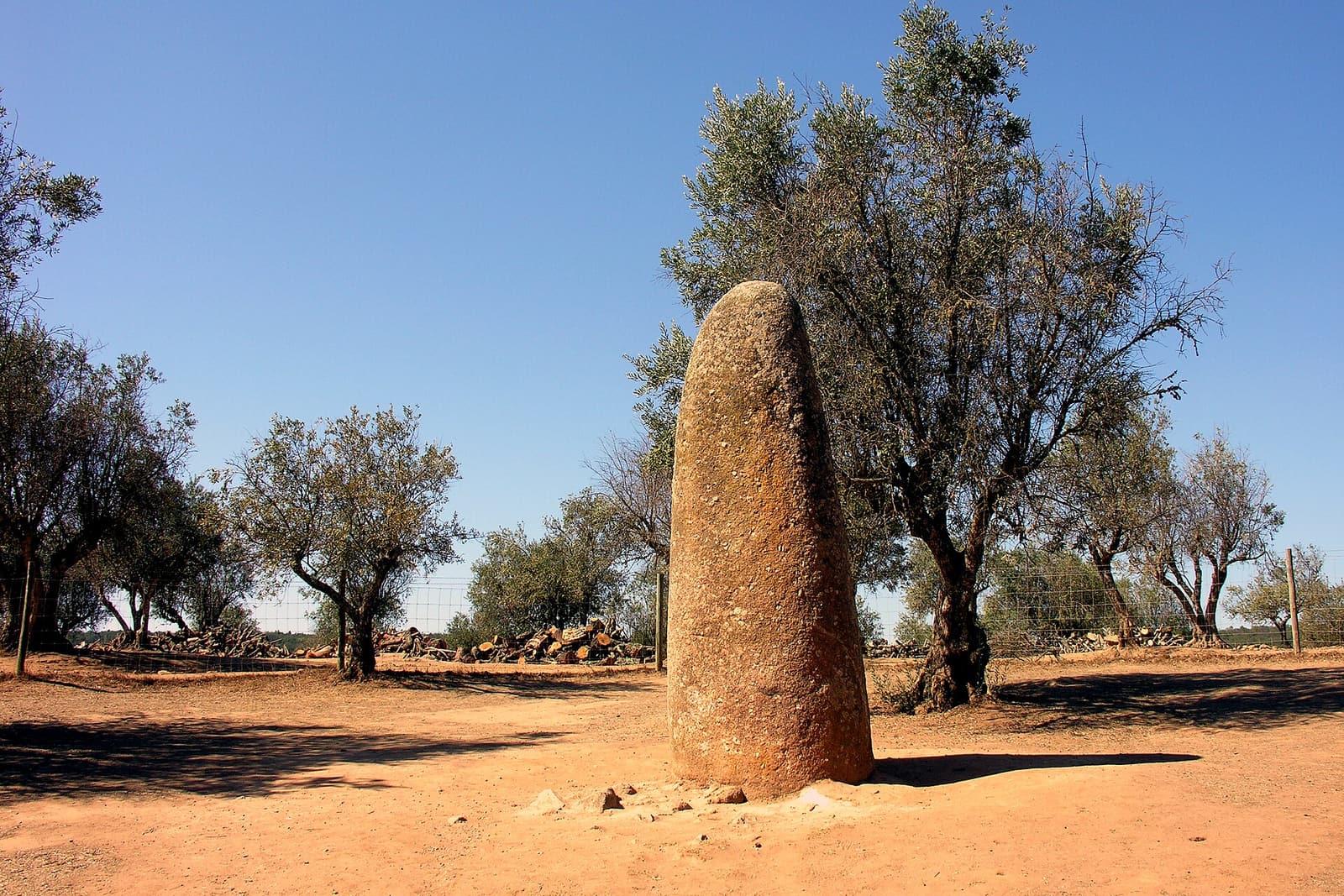
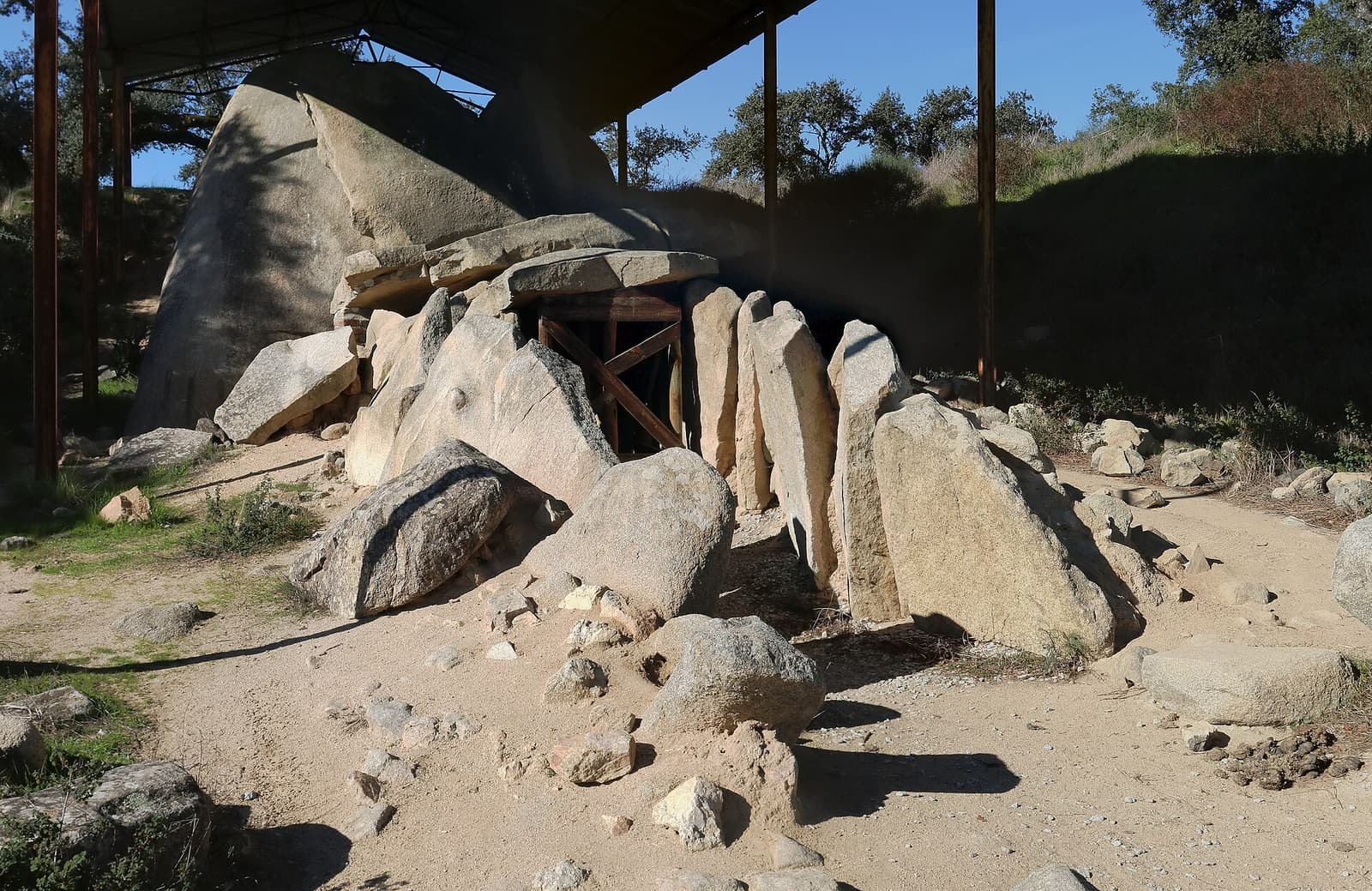
Millennia later, the cavity experienced a second life. During the Neolithic, communities of farmers and herders reused the underground space as a necropolis, laying their dead to rest between roughly 5000 and 3000 BC. This dual function — Palaeolithic sanctuary and Neolithic funerary space — makes Escoural an exceptional document of the long duration of the human relationship with the underground world in the Alentejo, a region also marked by imposing open-air megalithic monuments, such as the Cromeleque dos Almendres.
Visiting and museum presentation
The cave forms part of the rich archaeological territory of Montemor-o-Novo and has an Interpretation Centre inaugurated in 2011, following restoration works that protected the environmental conditions of the interior and provided the monument with pathways and lighting suited to public enjoyment. Owing to the fragility of the paintings and of the microclimatic balance, access to the interior is controlled and restricted, with the Interpretation Centre serving as the starting point for discovering this unique testimony of Portuguese prehistory.
Frequently asked questions
- Where is the Gruta do Escoural?
- It lies on the Herdade da Sala, near São Brissos, in the parish of Santiago do Escoural, municipality of Montemor-o-Novo, district of Évora, in the Central Alentejo.
- Why is the Gruta do Escoural so important?
- It is, to this day, the only known cave in Portugal with Palaeolithic rock art in its interior, with engravings and paintings of horses and bovids from the Upper Palaeolithic.
- How was the cave discovered?
- It was revealed on 17 April 1963 by an explosion in a marble quarry, which opened access to the underground galleries.
Sources
Keep exploring
Heritage nearby
More places to discover from here. Approximate straight-line distances, within 50 km.