Places
Montemor-o-Novo
Heritage guide to Montemor-o-Novo, an Alentejo town in Évora district, featuring its medieval castle, convents, and the legacy of Saint John of God.

- Location
- Montemor-o-Novo, Évora
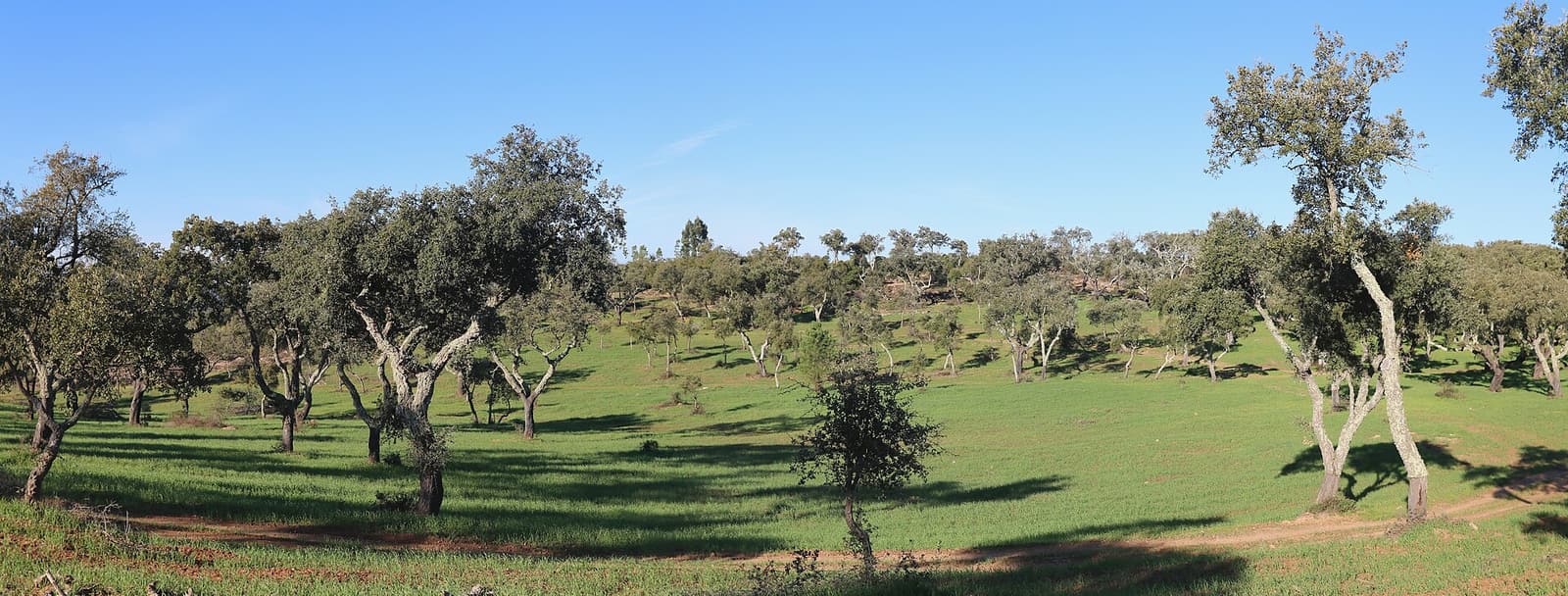
Montemor-o-Novo rises on one of Central Alentejo’s most prominent hills in Évora district, at a strategic point along the ancient road between Lisbon and Évora. The town grew around its castle, initially within the walled perimeter before gradually descending the northern slope in whitewashed houses that still define the characteristic silhouette of Alentejo hilltop settlements.
The castle and medieval town
The site likely had pre-Reconquista occupation, possibly over Roman or Islamic defensive structures. Incorporated into Portugal during King Sancho I’s reign, it received a charter in 1203 to encourage settlement and defend the then-unstable southern frontier. Under King Dinis, decisive fortification works were undertaken, including the construction of perimeter walls encircling the hilltop town.
Within the enclosure survive remarkable heritage: wall sections, the Alcaides’ Palace, Clock Tower, Vila and Anjo gates, Má Hora Tower, and remnants of Santiago and Santa Maria do Bispo churches alongside the Convent of Nossa Senhora da Saudação. From the 15th century onward, the population gradually moved downhill, leaving the old castle as an extensive archaeological and landscape site — one of Alentejo’s most evocative.
Local tradition maintains that Vasco da Gama finalized preparations for his voyage to India within these castle walls, linking this small hilltop town to Portugal’s maritime expansion.
Saint John of God and religious heritage
Montemor-o-Novo is foremost the birthplace of Saint John of God (March 8, 1495), founder of the Hospitaller Order that would spread worldwide, making him patron saint of hospitals, the sick, and nurses. A 17th-century church and convent dedicated to him stands on his reputed birthplace site: the foundation stone was laid in 1625, and the convent church later became the parish church, replacing Santa Maria do Bispo in the castle. The chancel provides access to the saint’s crypt, built over his birth site.
The urban fabric preserves other religious houses and parish churches documenting centuries of devotion, establishing the town as a pilgrimage site connected to the saint.
Prehistory and Alentejo context
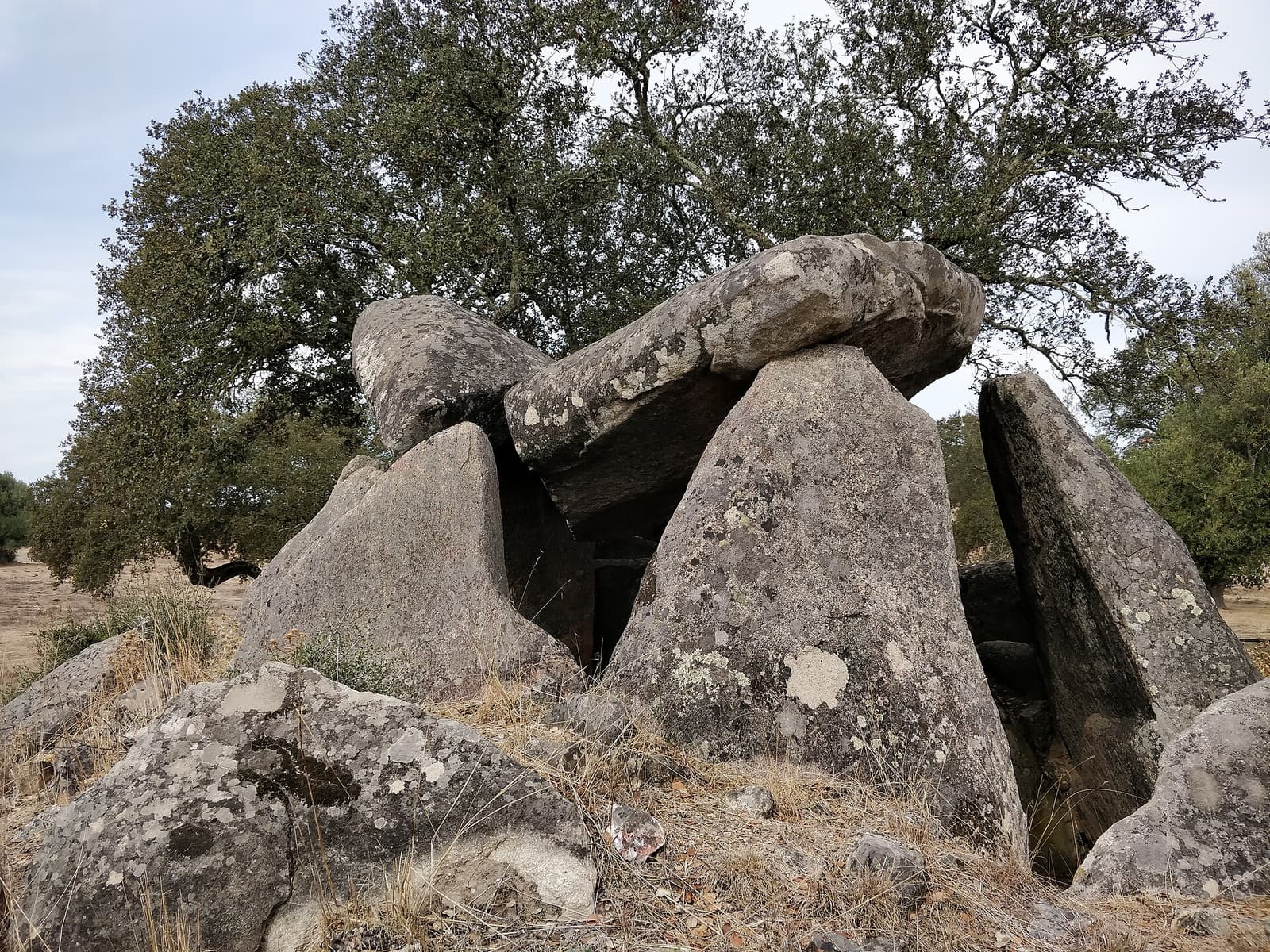
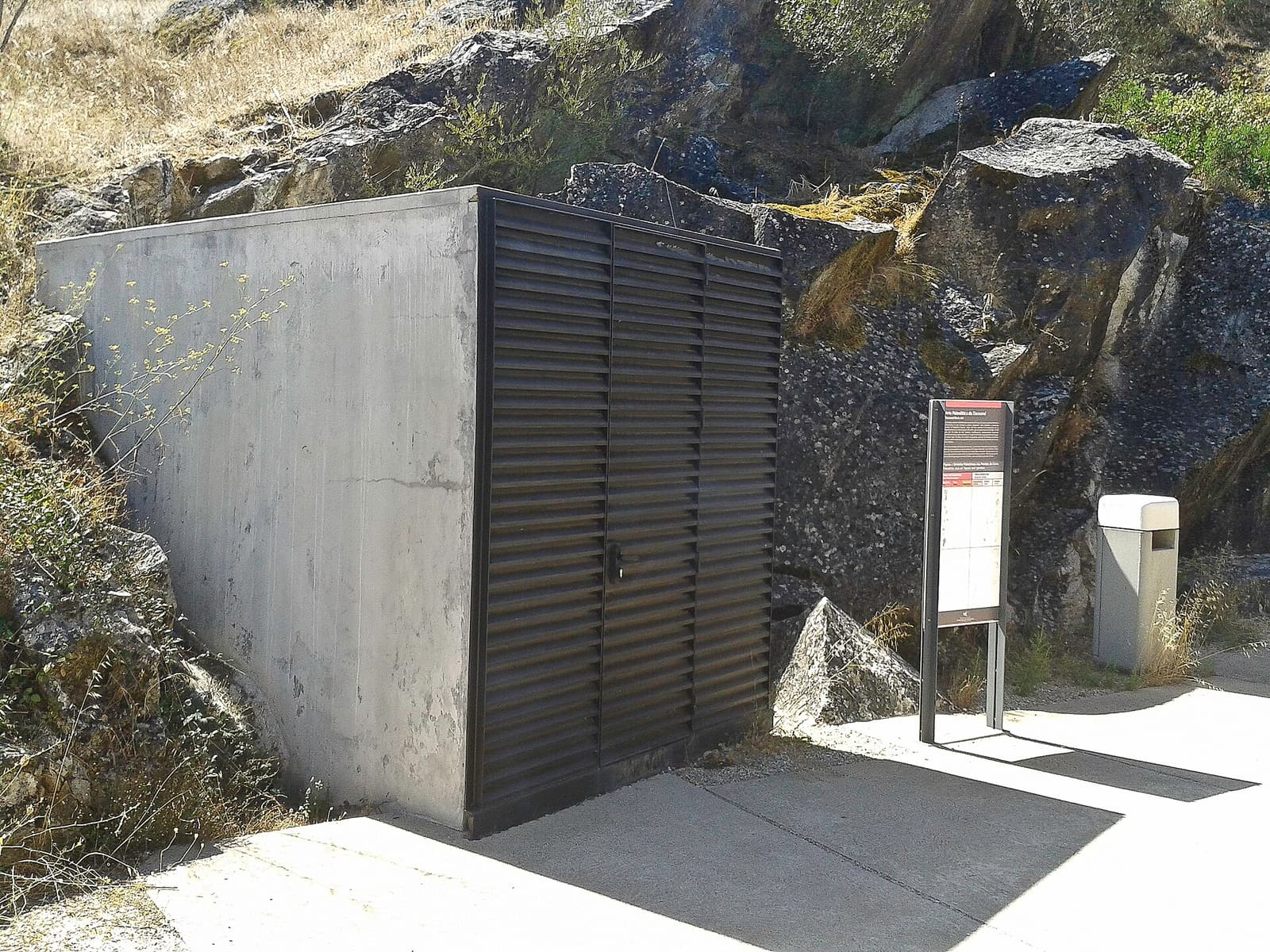
The municipality also contains one of Portugal’s most notable prehistoric sites: Escoural Cave, a National Monument featuring Paleolithic cave art — Portugal’s only known instance of such interior cave art, with horse and bovine representations stylistically akin to Lascaux and Altamira. This heritage places Montemor-o-Novo within Alentejo’s vast megalithic and prehistoric landscape, home to the Almendres Cromlech and monumental Anta Grande do Zambujeiro near Évora.
Just kilometers away lies Évora, the district capital and UNESCO World Heritage site, positioning Montemor-o-Novo as a gateway to historic Alentejo — amid hilltop castles, convents, and the millennia-old memory of its plains.
Frequently asked questions
- Where is Montemor-o-Novo located?
- Montemor-o-Novo is situated in Évora district, Central Alentejo, atop a hill dominating the plains midway between Lisbon and Évora.
- Who was born in Montemor-o-Novo?
- It is the birthplace of Saint John of God, born on March 8, 1495, founder of the Hospitaller Order and patron saint of hospitals and nurses.
- What to see in Montemor-o-Novo Castle?
- The walled enclosure preserves sections of the ramparts, the Alcaides' Palace, the Clock Tower, remains of medieval churches, and the Convent of Saudação.
Sources
Keep exploring
Heritage nearby
More places to discover from here. Approximate straight-line distances, within 50 km.