Places
Loulé
Loulé, an Algarve town in the district of Faro: a castle of Islamic origin, a medieval core, a Moorish-inspired municipal market and the Mother Church of São…
- Location
- Loulé, Faro
- Built
- séc. VIII (castelo, fundação islâmica)
In the mountainous interior of the western Algarve (the barlavento), halfway between the coast and the limestone hills of the Barrocal, Loulé is one of the most striking historic towns in the district of Faro. The seat of a vast municipality, it owes its heritage identity to the layering of Roman, Islamic and Christian strata in an old core that preserves walls, churches and an urban fabric of medieval origin.
From its origins to the Christian conquest
Human occupation of the region goes back to prehistory, but it is with Antiquity that settlement gains consistency: Roman remains attest to agricultural, mining and product-processing activity in the surrounding territory. The great hallmark, however, is Islamic. Under Muslim rule, the settlement — mentioned in Arabic sources — developed as a fortified town, with a castle whose foundation is attributed to the eighth century and which was reinforced in the Almohad period.
Its integration into the Portuguese Crown took place in the mid-thirteenth century, during the campaign of King Afonso III that sealed the conquest of the Algarve. The granting of a charter in 1266 fixed the town’s municipal status and opened the way to the Christian reorganisation of the space, with the construction of the parish church over the urban fabric inherited from the Muslims.
The castle and the historic core
Of the medieval castle there survive three towers and stretches of wall that to this day delimit the oldest part of the town, classified as a national monument. The narrow, winding streets within the enclosure betray their Islamic matrix, in a layout that contrasts with the regularity of the later streets.
A few steps away rises the Mother Church of São Clemente, a Gothic church begun in the thirteenth century and enlarged over the centuries, with a portal and chapels that document the evolution of taste between the medieval and the Baroque. Around it is organised the white-walled housing that defines the town’s traditional image.
In Loulé, the Muslim heritage lies not only in the stones of the castle: it can be read in the very form of the town, in the streets that coil upon themselves and defy the Christian grid that came afterwards.
A Moorish-inspired market
The most photographed building in Loulé is its Municipal Market, opened in 1908. The Neo-Moorish façade — with domes, merlons, horseshoe arches and ceramic facings — is a deliberate evocation of the Islamic past of the Algarve, at a moment when architectural Romanticism was seeking local roots. More than a decorative piece, it remains a working market, with stalls of fish, dried fruits, honey, cheeses and regional crafts.
This vitality extends into the intangible traditions of the municipality, from carnival to the pilgrimages of the Mãe Soberana, which make Loulé an active cultural hub beyond its built heritage.
Loulé in the Algarve’s heritage
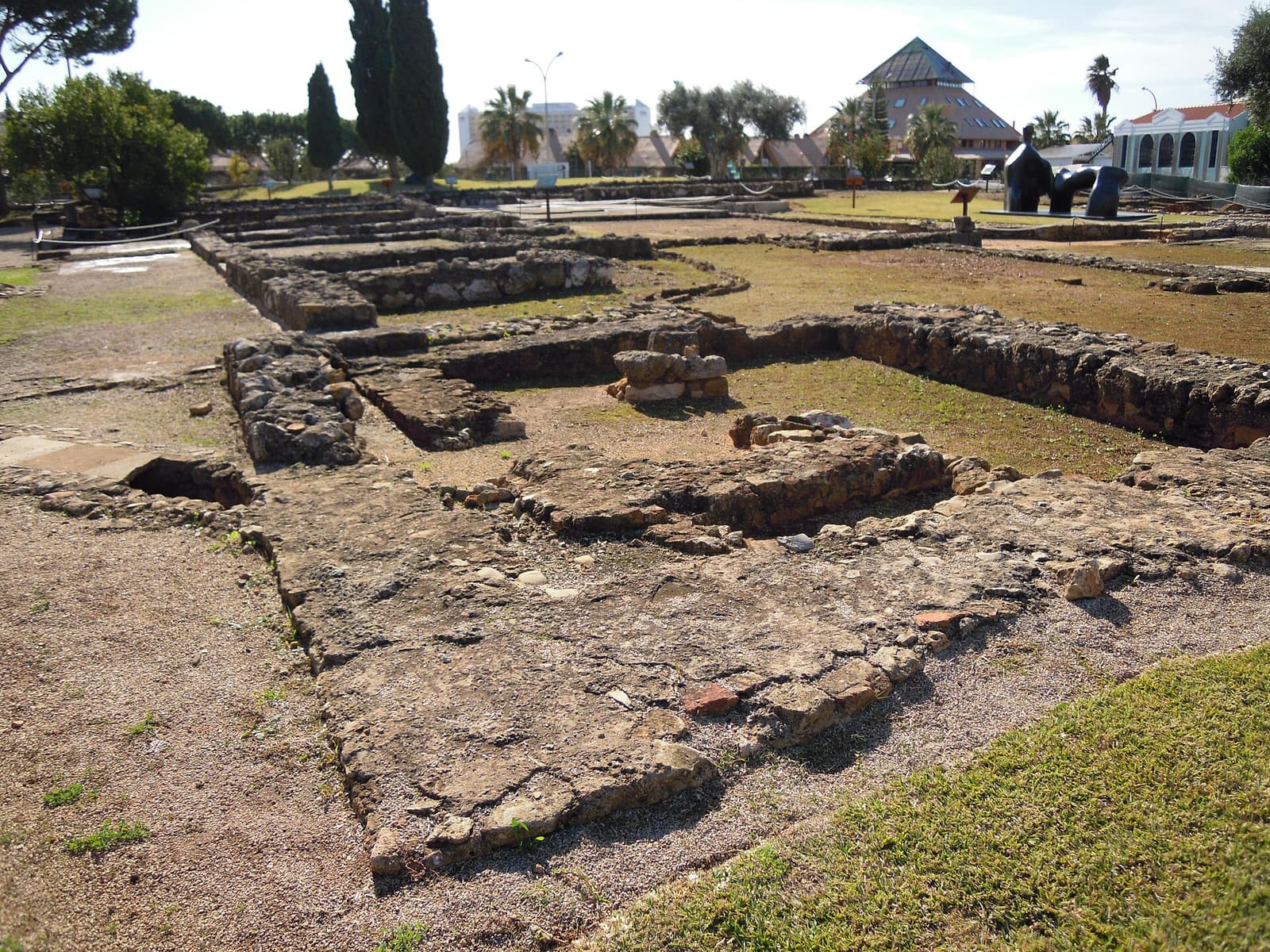
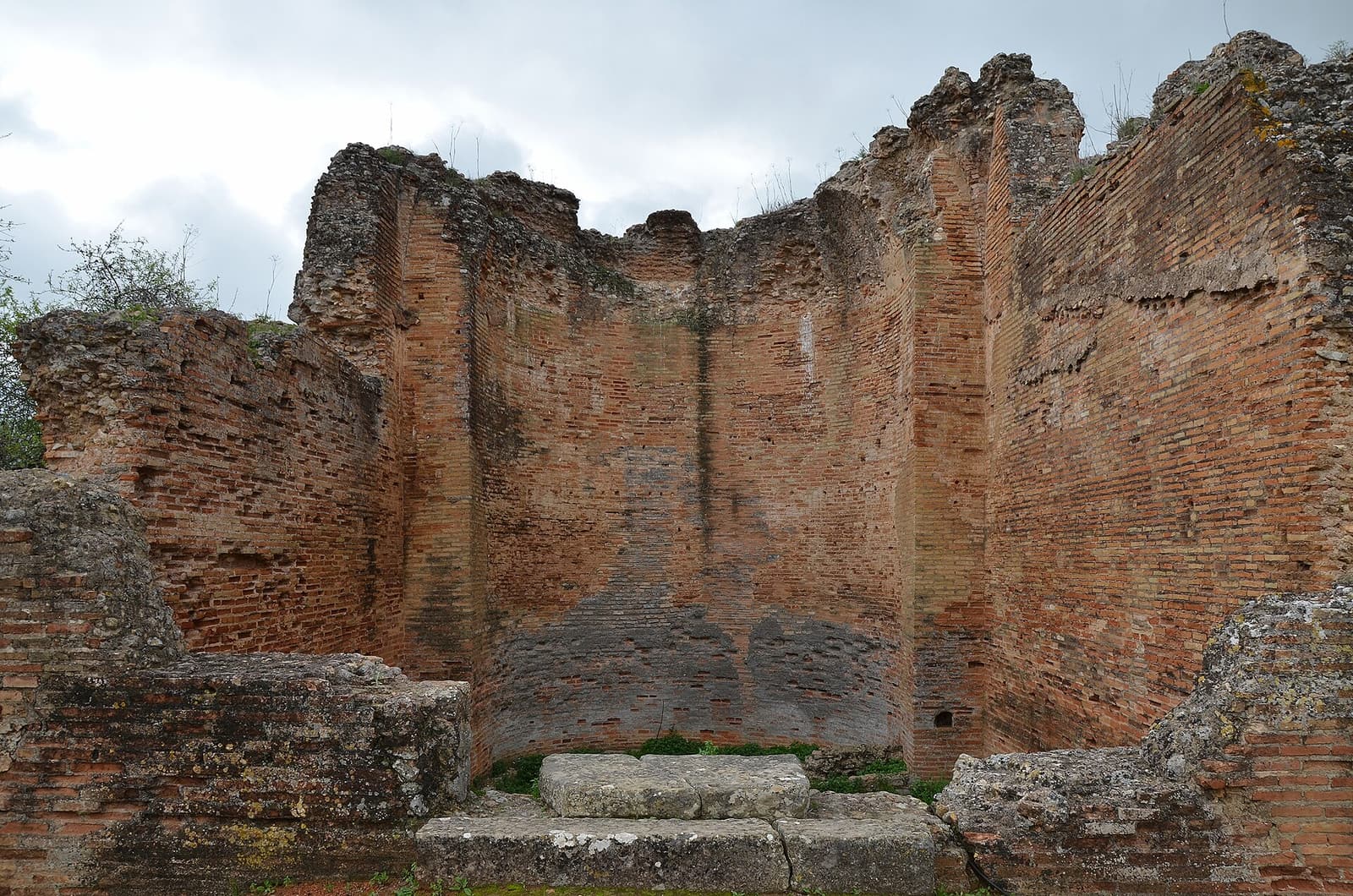
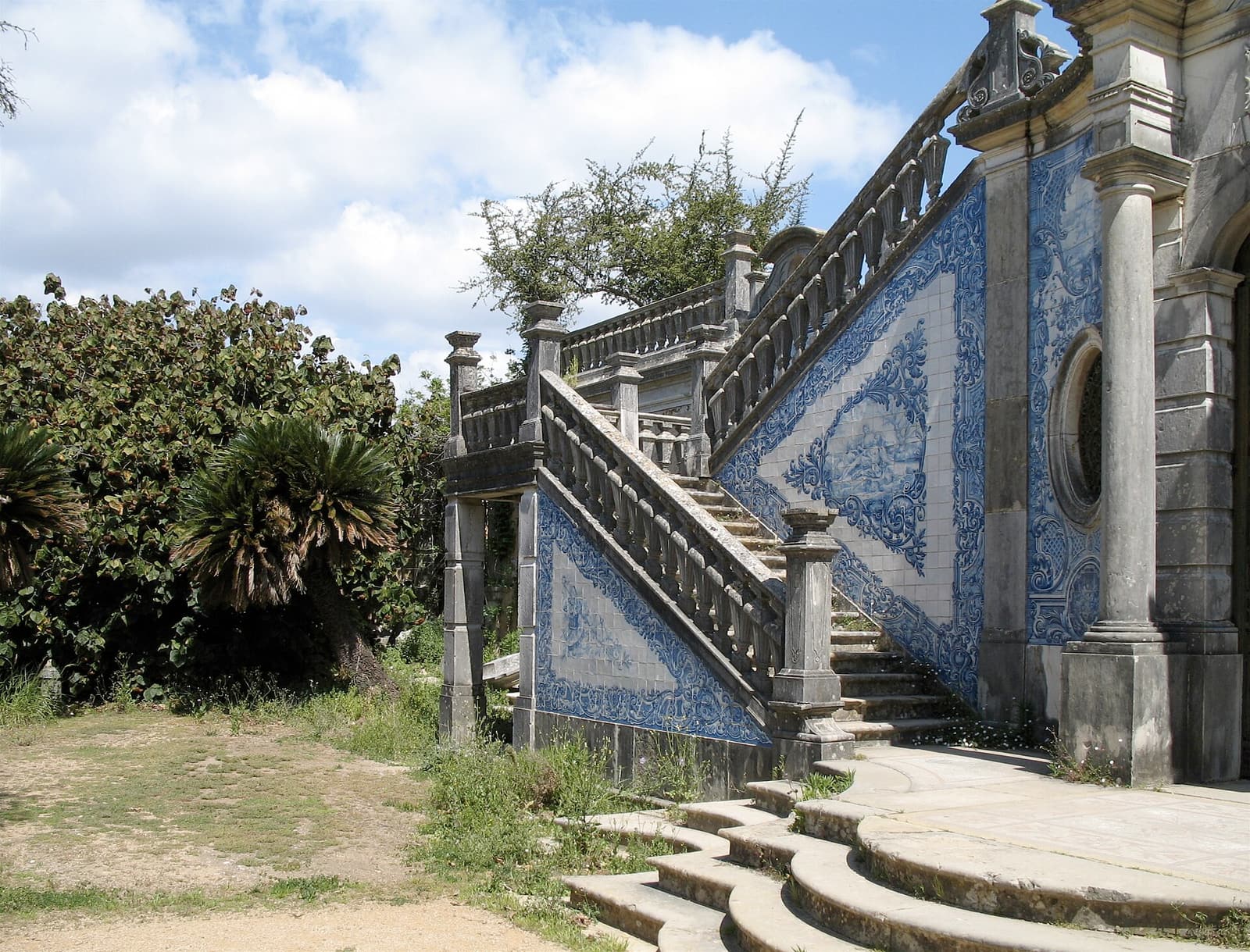
To visit Loulé is to enter through the upland gateway of an Algarve that is less coastal and more profound, where the Moorish and Islamic memory is particularly alive. Its reading gains from being cross-referenced with other nearby landmarks: the district capital of Faro, the Roman villa of Milreu and the neighbouring Palácio de Estoi, which prolong, in different registers, the long historical stratification of this southern band.
Frequently asked questions
- When was Loulé conquered from the Muslims?
- The castle of Loulé was taken from the Muslims during the campaign of King Afonso III in the Algarve, in the mid-thirteenth century, becoming part of the Portuguese Crown. The town received its charter in 1266, within the framework of the Christian consolidation of the territory.
- What distinguishes the Municipal Market of Loulé?
- It is a covered market opened in 1908, with a Neo-Moorish façade — domes, horseshoe arches and tilework — that evokes the region's Islamic past. It remains a lively commercial space, with fresh produce and crafts.
- What Islamic remains survive in Loulé?
- Three towers and stretches of wall from the castle of Almohad origin survive, along with an urban fabric of narrow, winding streets of Muslim origin in the historic core. Archaeological excavations have revealed dwelling structures from the Islamic period.
Sources
Keep exploring
Heritage nearby
More places to discover from here. Approximate straight-line distances, within 50 km.