Places
Moura
Moura, a town in the Lower Alentejo region of Beja district: medieval castle, Mouraria quarter, and deep Islamic heritage along the Guadiana River in Alentejo.
- Location
- Moura, Beja
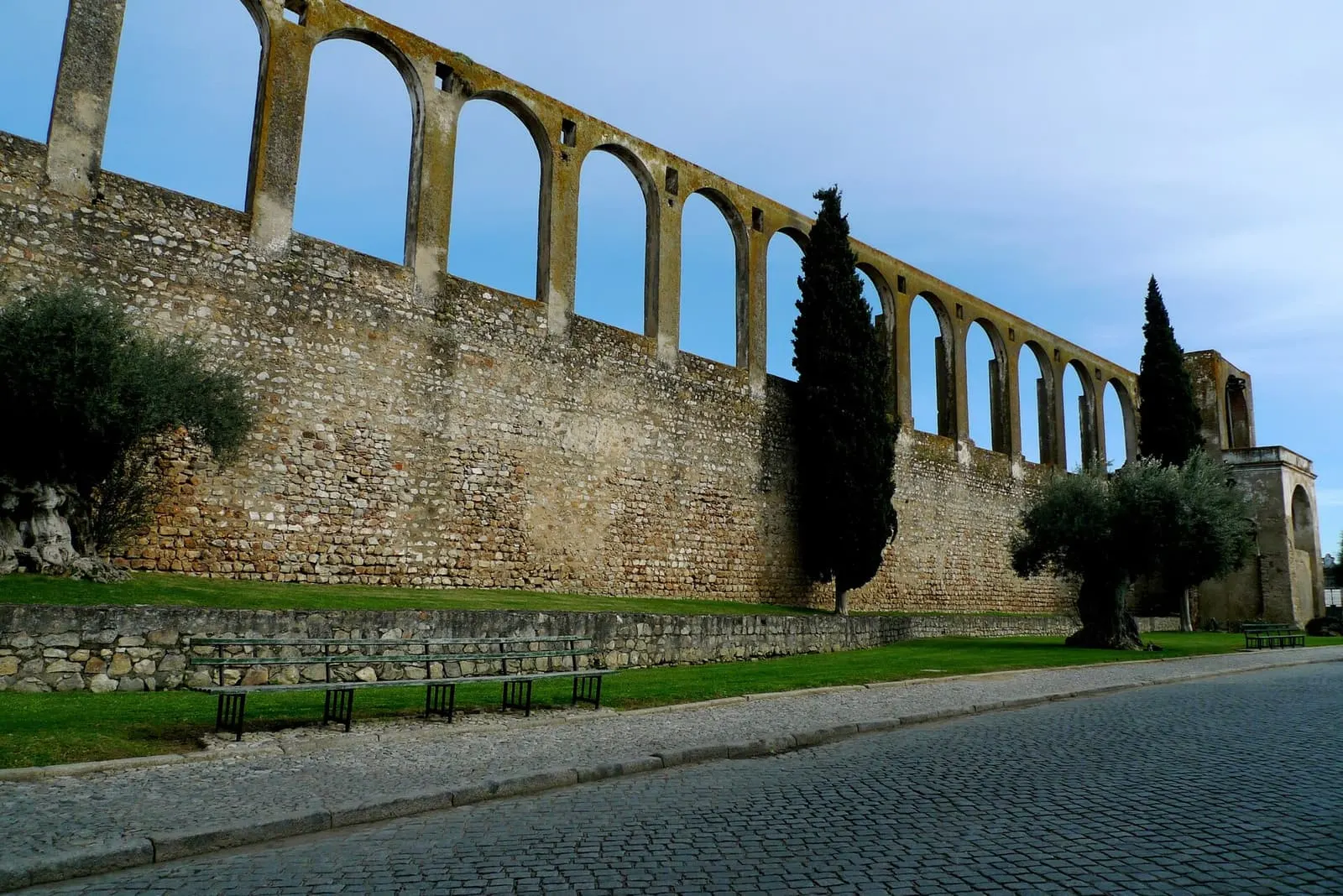
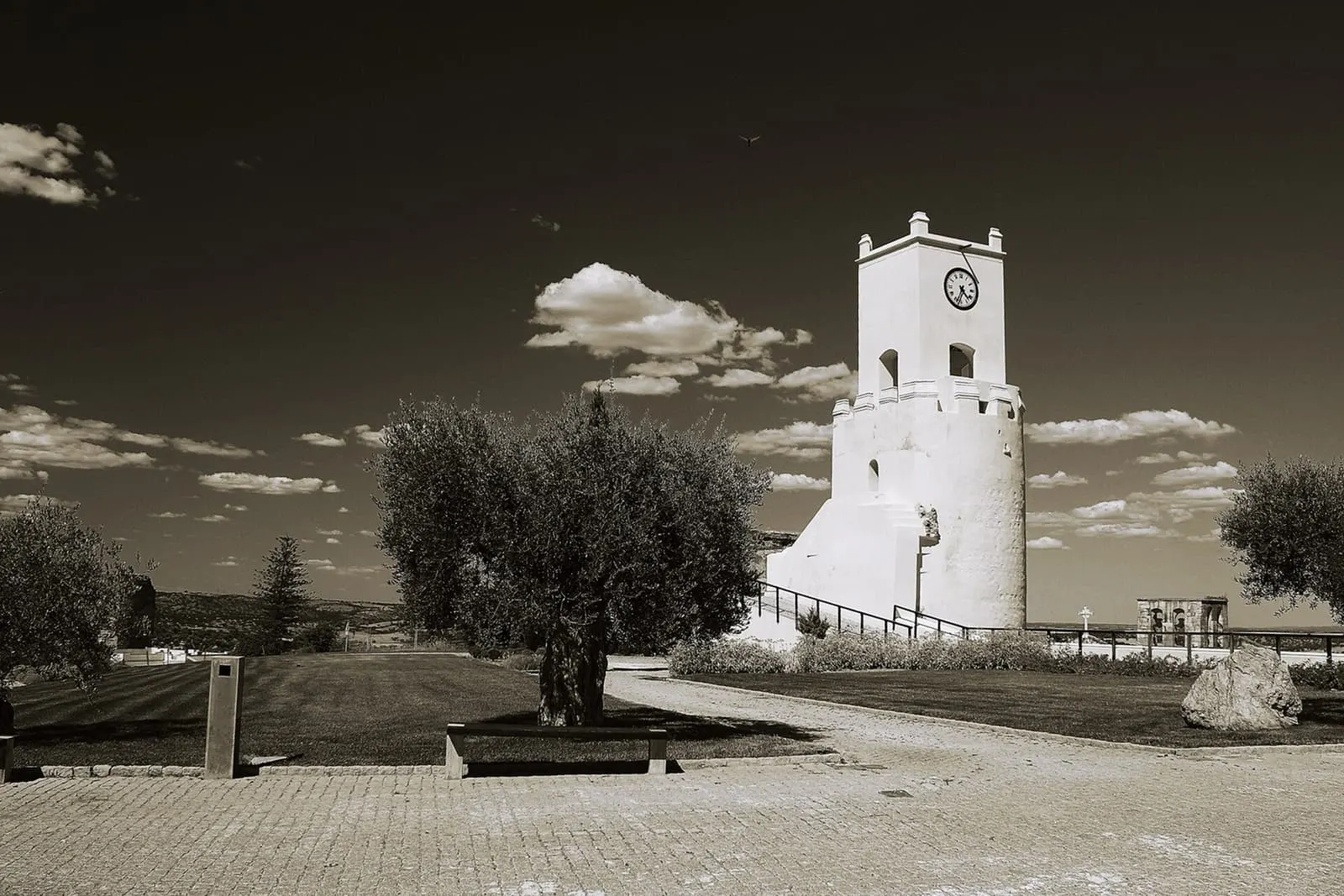
Moura rises in the easternmost part of Lower Alentejo, in the Beja district, atop a hill overlooking the left bank of the Guadiana River, close to the Spanish border. A town for centuries and elevated to city status in 1988, it is one of the places where the Islamic memory of southern Portugal remains most legible, inscribed in its toponymy, urban layout, and even the name of the settlement itself.
From Roman origins to al-Andalus
Human occupation of the area dates back to ancient times, evidenced by significant prehistoric and megalithic remains in the Santo Aleixo area. During Roman times, the settlement likely corresponded to Aruci Novum, a junction between river routes and fertile agricultural lands. However, it was under Muslim rule that the site gained the name Al-Manijah and emerged as a key stronghold on the southern frontier of al-Andalus. This heritage is part of the long-standing presence that shaped the entire Moorish and Islamic legacy of Portuguese territory, of which the Alentejo preserves some of the most profound testimonies.
The definitive integration into the Kingdom of Portugal came late and was fiercely contested: the settlement changed hands repeatedly throughout the 12th and 13th centuries until King Dinis granted it its first charter in 1295, consolidating Christian rule and its municipal status.
The very name of Moura encapsulates the town’s founding tension: the memory of a defeated Muslim community, transfigured by legend into a tragic female figure.
The legend of Moura Salúquia
The popular origin of the toponym is tied to the legend of Moura Salúquia, a young Muslim woman who, upon learning of her fiancé’s death in an ambush during the Christian conquest, is said to have thrown herself from the castle tower. The narrative, repeated over centuries, gives the town its name and exemplifies how Portuguese imagination absorbed and reworked the memory of the Islamic population, recurring in oral traditions across the Alentejo and the entire country.
Castle and Mouraria
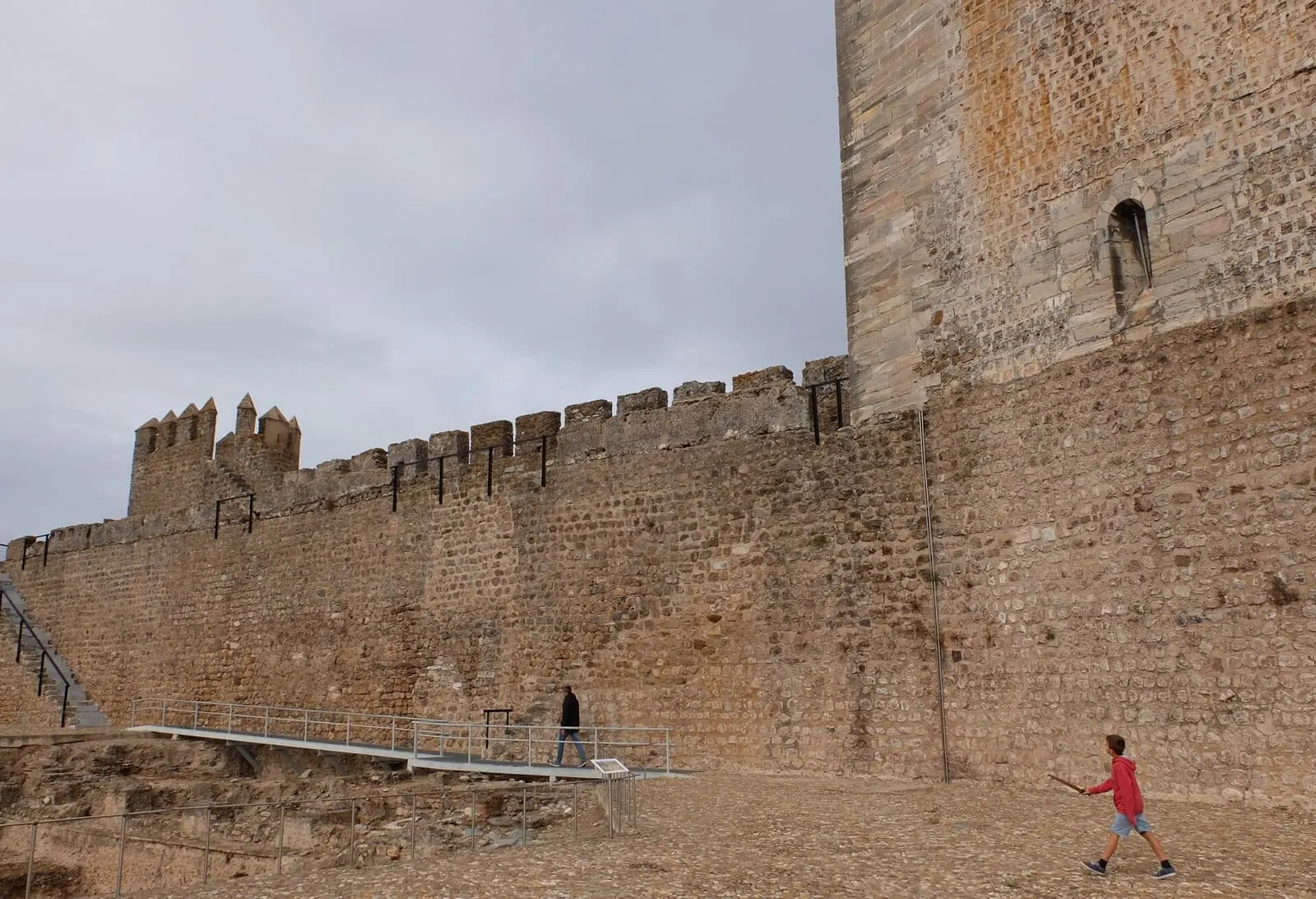
At the highest point stands the Castle of Moura, whose occupation dates back to the Iron Age and was successively reinforced in the Middle Ages. Inside, two permanent springs remain — the Fonte das Três Bicas and Fonte de Santa Comba — whose waters sustained a thermal spa and the Água Castello bottling plant in the late 19th and early 20th centuries.
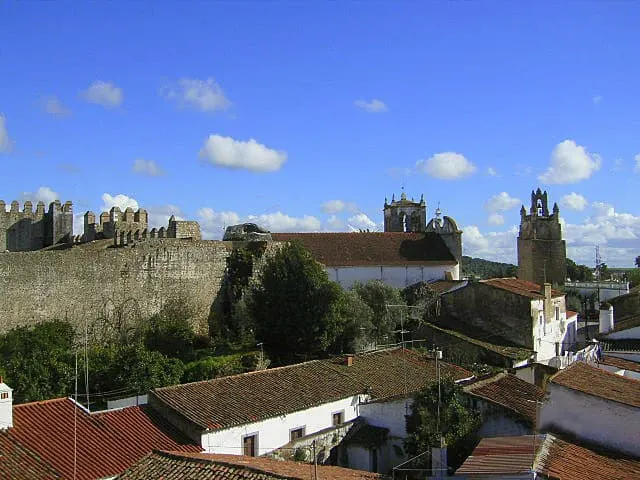
At the foot of the fortress lies the Mouraria, a quarter of narrow, winding streets, whitewashed houses, and distinctive chimneys, where the urban structure inherited from the Islamic period has been exceptionally preserved. It is one of the most coherent Arab-influenced urban ensembles in the South, comparable to those found in nearby towns like Serpa.
Religious and olive oil heritage
Moura also boasts a remarkable conventual legacy: here stood the first Convent of the Carmelite Order in the Iberian Peninsula, from which monks departed to found the namesake convent in Lisbon. The region’s agricultural vocation, marked by olive cultivation, finds museological expression in the Lagar de Varas do Fojo, an ancient olive oil production unit now converted into a museum documenting traditional pressing techniques. Integrated into the network of historic settlements in the Beja district, Moura thus combines Islamic memory, monumental heritage, and rural culture in one of the most distinctive landscapes of Lower Alentejo.
Frequently asked questions
- Where is Moura located?
- Moura is situated in the easternmost part of Lower Alentejo, in the Beja district, on the left bank of the Guadiana River near the border with Spain.
- What is the origin of the name Moura?
- The toponym is linked to the legend of Moura Salúquia, a young Muslim woman who, according to tradition, is said to have thrown herself from the castle tower during the Christian conquest.
- What to visit in Moura?
- Key attractions include the castle, the Mouraria quarter, the Carmo Church and Convent, and the Lagar de Varas do Fojo, now a museum dedicated to olive oil production.
Sources
Keep exploring
Heritage nearby
More places to discover from here. Approximate straight-line distances, within 50 km.