Places
Beja
Beja, capital of the Baixo Alentejo: the ancient Roman Pax Iulia, with a Gothic castle, the tallest keep in the country and the Convento da Conceição.
- Location
- Beja, Beja
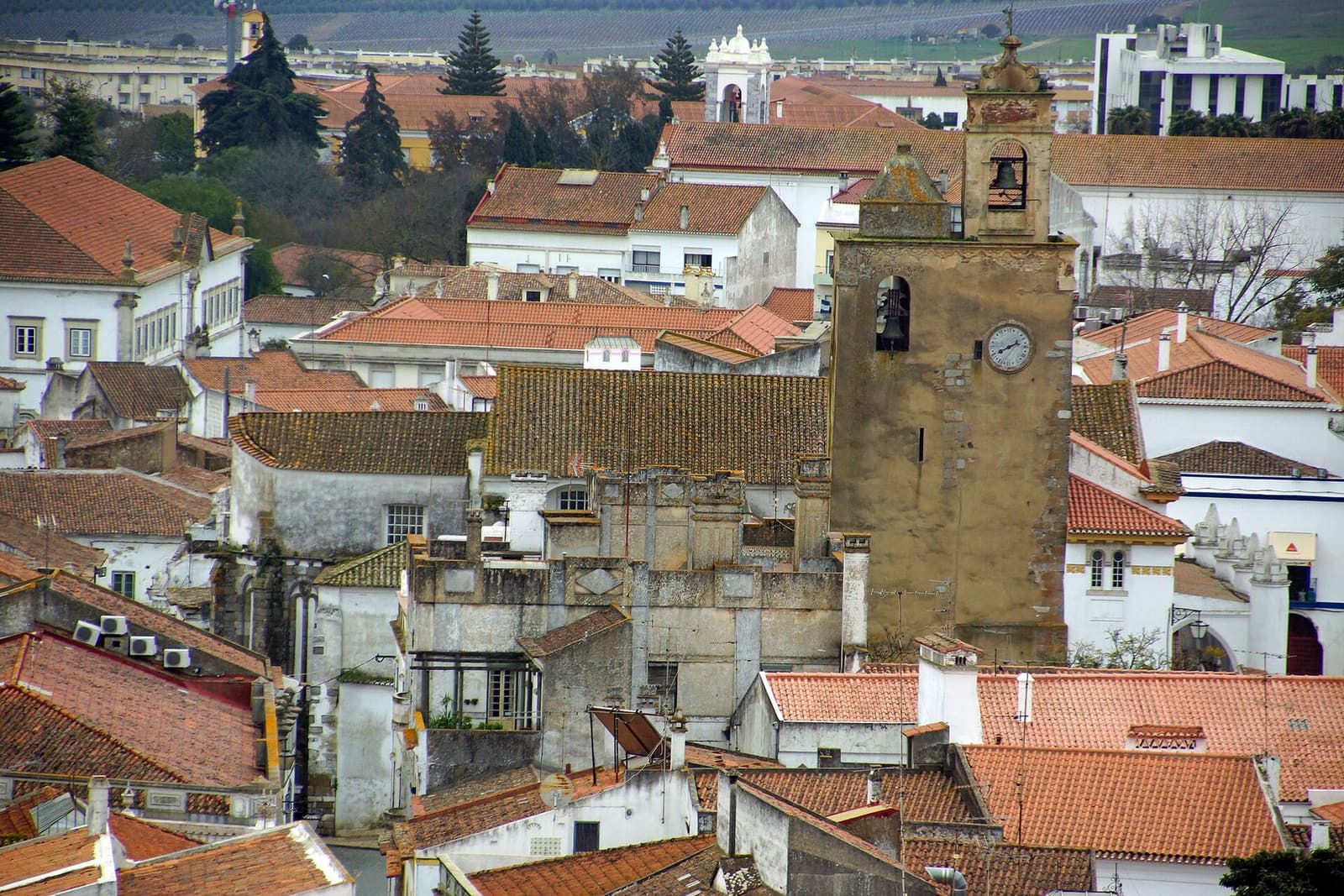
Capital of the district that bears its name and the principal city of the Baixo Alentejo, Beja rises on a gentle rise in the middle of the cereal-growing plain, a position that has given it, since Antiquity, a commanding role over the surrounding lands. The white houses, the narrow streets and the keep visible from afar sum up more than two thousand years of continuous occupation, in a place that was successively Roman, Visigothic, Islamic and Christian.
Pax Iulia, the Roman city
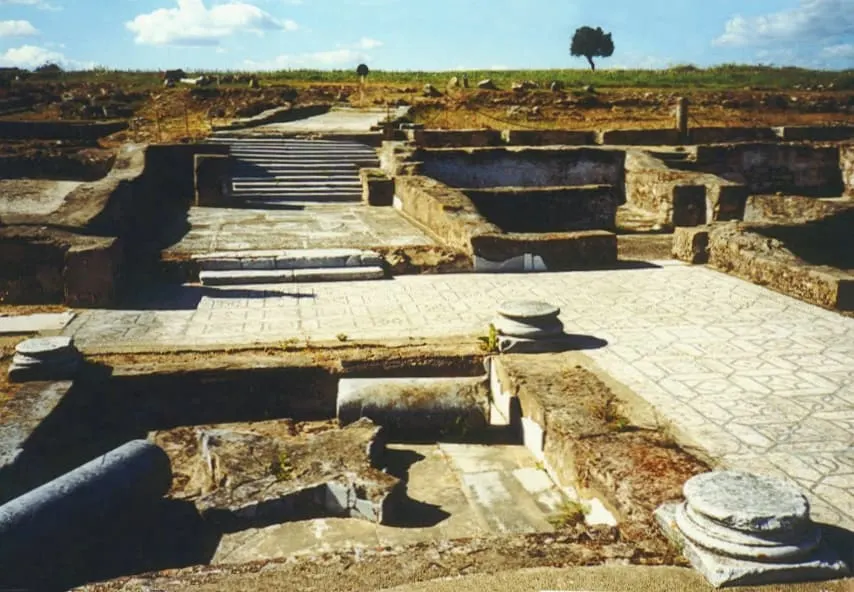
The ancient name of Beja — Pax Iulia, later Pax Augusta — recalls the context of its promotion: the pacification of Lusitania led by Augustus at the end of the first century BC. The city became the seat of a conventus iuridicus, one of the judicial districts into which the province was divided, which made it one of the great administrative centres of the south-west of the Iberian Peninsula. From that Roman past there survive remains scattered across the city and, above all, the testimony of the place name, which evolved from Pax to Paca, then Baja under Muslim rule, and finally Beja.
From the reconquest to the Gothic castle
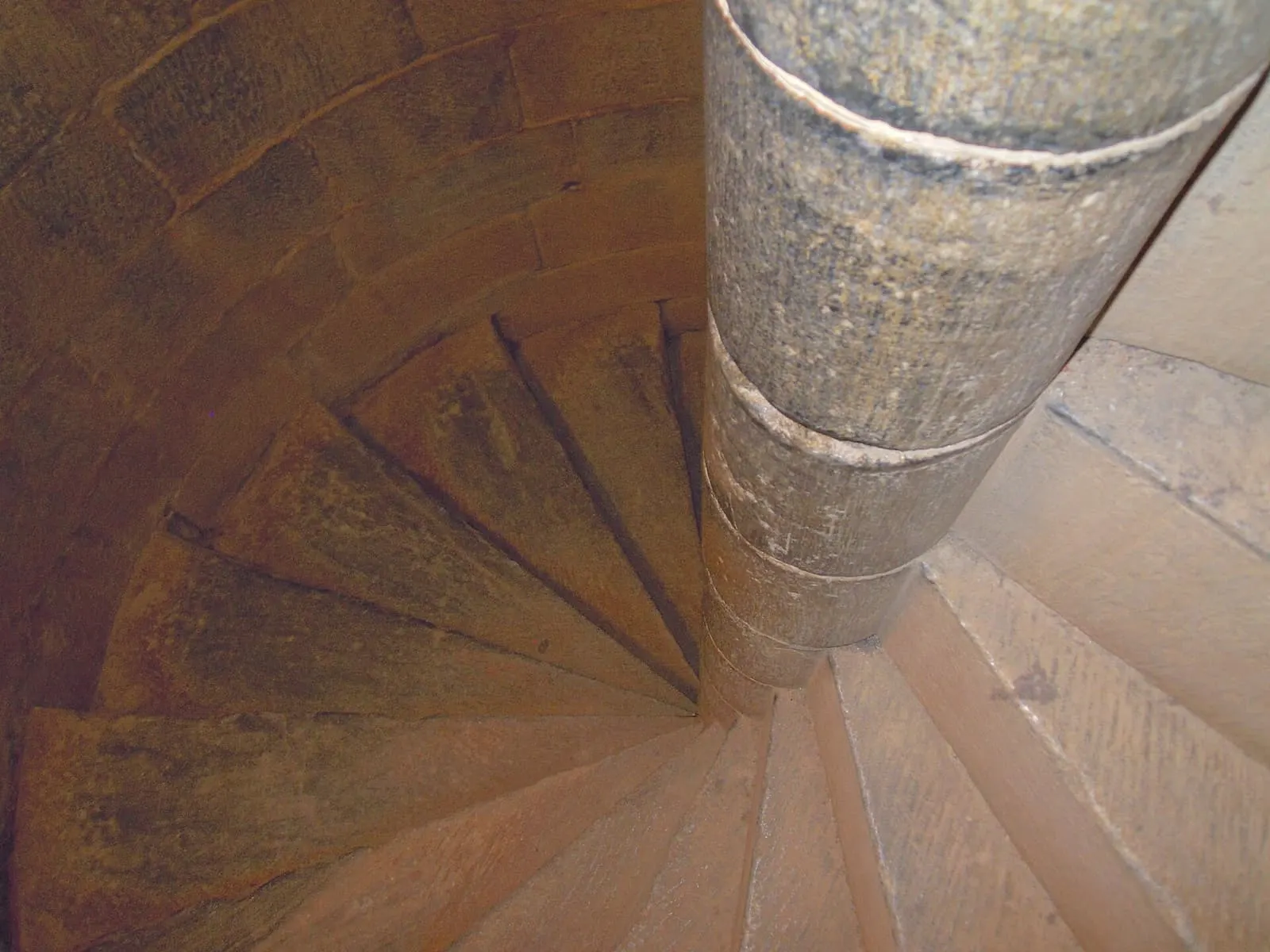
After the Visigothic period — during which Beja was an episcopal see — and more than four centuries of Islamic presence, the city was definitively integrated into the kingdom of Portugal in the middle of the thirteenth century. It was upon the earlier defensive structures that the present castle of Beja was raised, rebuilt from the reign of Dom Dinis onwards. To it is owed the celebrated keep, begun around 1310: at about forty metres, it is held to be the tallest in the country and one of the most remarkable examples of Portuguese Gothic military architecture, with its vaulted hall and the paired windows that lighten the mass of stone.
In a flat land where nothing breaks the horizon, the tower of Beja is not merely a fortification: it is the landmark that organises the landscape, visible for kilometres across the sea of cornfields.
The Convento da Conceição and the memory of Mariana
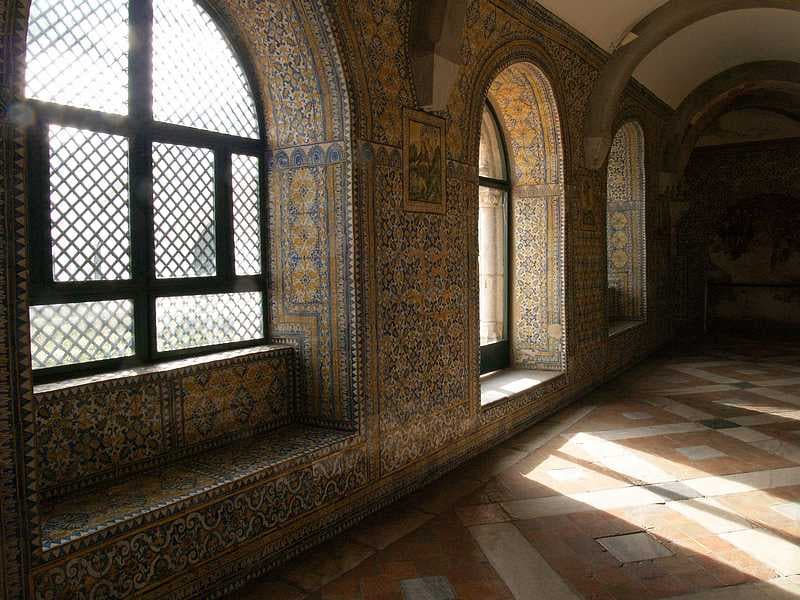
In the heart of the city, the Convento de Nossa Senhora da Conceição, founded in the middle of the fifteenth century by the family of the dukes of Beja, is today the Rainha Dona Leonor Regional Museum. It gathers an ensemble of azulejos, gilded woodwork and painting that tells of the transition from the late Gothic to the Baroque. To this convent is linked the figure of Sister Mariana Alcoforado, to whom tradition attributes the Portuguese Letters, love letters that, published in France in 1669, made Beja a name known in the history of European literature.
Beja in the Alentejo
At the head of a vast agricultural region, Beja is one of the gateways to the Alentejo heartland and acts as a hinge between the valley of the Guadiana to the south and the highlands to the east. Those who traverse it find it close to other heritage centres of strong identity — from Islamic and mining Mértola to the monumental ensemble of Évora — all sharing the same harsh light of the plain and the same layering of cultures that makes the south of Portugal a territory of long memory.
Frequently asked questions
- What was the Roman name of Beja?
- Beja was the Roman Pax Iulia, founded in the context of the Augustan pacification of Lusitania. It became the seat of one of the province's judicial conventus and one of the most important administrative centres of the south-west of the peninsula.
- Why is the keep of Beja castle famous?
- Raised in the early fourteenth century, during the reign of Dom Dinis, the keep of Beja rises to about forty metres, being regarded as the tallest in Portugal and one of the finest examples of Gothic military architecture in the country.
- Who was Mariana Alcoforado?
- She was a nun of the Convento de Nossa Senhora da Conceição in Beja, to whom the celebrated «Portuguese Letters» were attributed, published in France in 1669 and made a classic of European epistolary literature.
Sources
Keep exploring
Heritage nearby
More places to discover from here. Approximate straight-line distances, within 50 km.