Resources
National Museum of Contemporary Art (Chiado Museum)
National Museum of Contemporary Art (Chiado Museum) in Lisbon: the reference collection of Portuguese art from Romanticism to the present day.
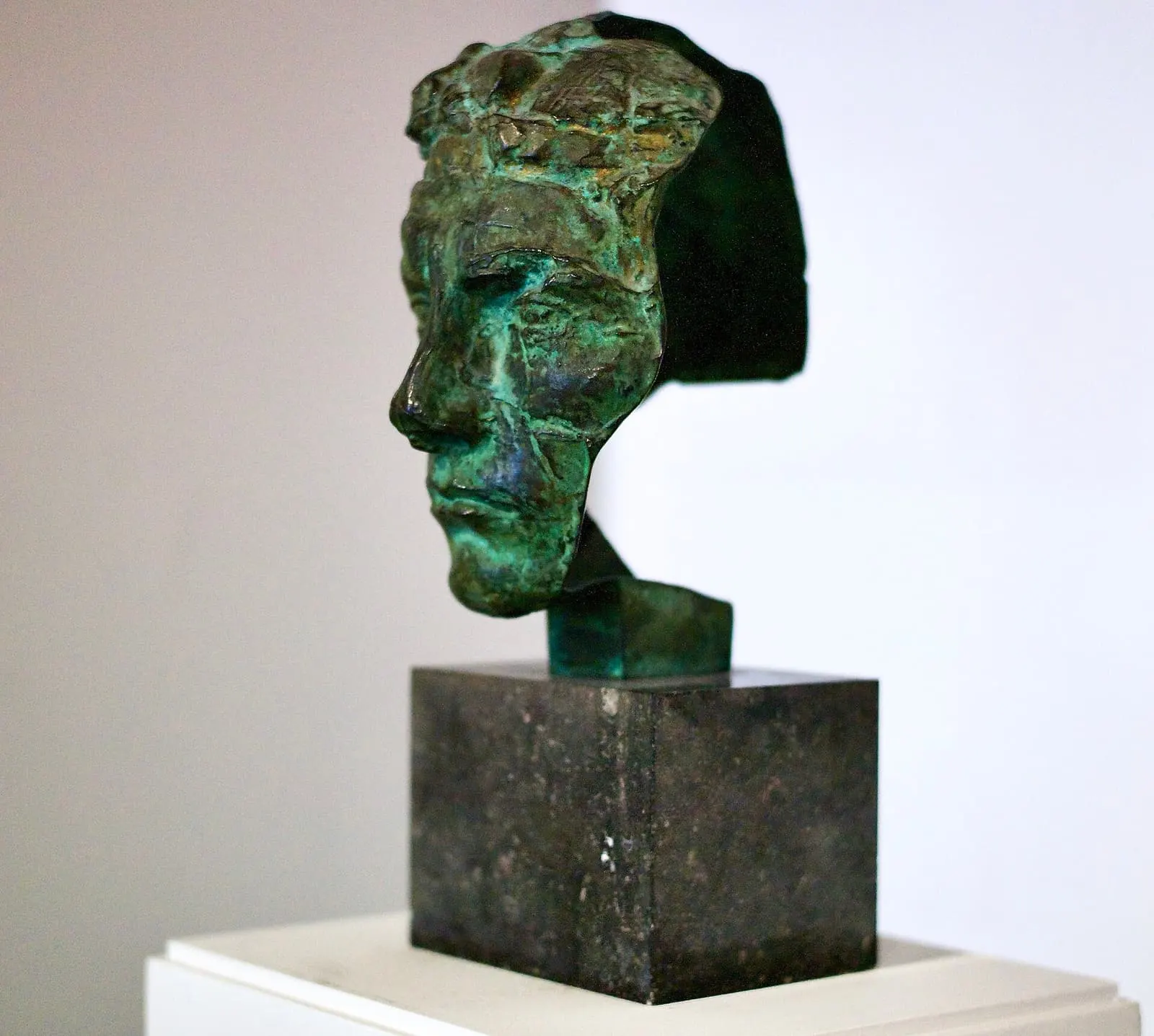
- Location
- Lisboa, Lisboa
- Built
- 1911
The National Museum of Contemporary Art (MNAC), better known as the Chiado Museum, is the national museum dedicated to Portuguese art from the mid-19th century to the present day. Located in the heart of Chiado, Lisbon, on Rua Serpa Pinto, it safeguards the most extensive and significant collection of modern and contemporary Portuguese art in public hands.
Foundation and mission
The museum was created by decree of the young Republic, dated 26 May 1911. On that date, the former National Museum of Fine Arts was divided into two institutions: the National Museum of Ancient Art, which gathered works predating 1850 and remained at the Palácio das Janelas Verdes, and the National Museum of Contemporary Art, which received works produced after that date. The creation in 1911 of a museum dedicated to the art of its time was a pioneering gesture in the European context, reflecting the Republican project of valuing and teaching the arts. Today, MNAC is part of the network of national museums of Portugal, overseen by the state.
The collection spans a chronological arc from 19th-century Romanticism and Naturalism — with names such as Silva Porto, Columbano Bordalo Pinheiro or José Malhoa — to the modernism of Amadeo de Souza-Cardoso, Almada Negreiros and Eduardo Viana, extending through post-war avant-garde movements to contemporary creation. It includes painting, sculpture, drawing, printmaking, photography and multimedia art.
The building and its reconstruction
The museum occupies part of the former Convent of São Francisco da Cidade, a large conventual complex that also houses the Faculty of Fine Arts and the National Academy of Fine Arts. The convent’s proximity to the Academy explains the museum’s historical close ties to art education.
Following the great Chiado fire of 1988, which threatened the entire block and led to the preventive removal of artworks, the space was completely rethought. The museum was entirely rebuilt and reopened in 1994, designed by French architect Jean-Michel Wilmotte, who combined the convent’s pre-existing structures with contemporary museographic language. In 2015, the institution expanded into the former Lisbon Civil Government building on Rua Capelo, increasing its exhibition space.
Heritage significance
As guardian of Portugal’s visual memory over the last 170 years, MNAC occupies a central place in the history of national heritage institutions. Its foundation forms part of the Republican movement to create public museums and democratise access to culture, complementing, in the field of more recent art, the role played by Lisbon’s major historical museums. The collection constitutes an essential document for understanding the evolution of Portuguese art, from the affirmation of Naturalism to the experiments of conceptual art and moving images.
Frequently asked questions
- In what year was the National Museum of Contemporary Art founded?
- It was established by decree on 26 May 1911, following the division of the former National Museum of Fine Arts into two institutions.
- Why is it also known as the Chiado Museum?
- Due to its location in the Chiado district of Lisbon, housed in part of the former Convent of São Francisco da Cidade on Rua Serpa Pinto.
- What kind of collection does the museum hold?
- It gathers Portuguese art from around 1850 to the present day, including painting, sculpture, drawing, printmaking and multimedia art.
Sources
Keep exploring
Heritage nearby
More places to discover from here. Approximate straight-line distances, within 50 km.
Resources for research
Find the sources. Follow the story.
Guides to researching buildings, exploring museum collections and understanding heritage protection.
SIPA
Get to know the architectural inventory, building records and documentary archive.
Read the guideMuseum collectionsMatrizNet
Explore the museum catalogue and records of works, materials, authorship and provenance.
Read the guideHeritage protectionHeritage classification
Understand cultural property categories and the levels of national, public and municipal interest.
Read the guide