Monuments
Belém Palace
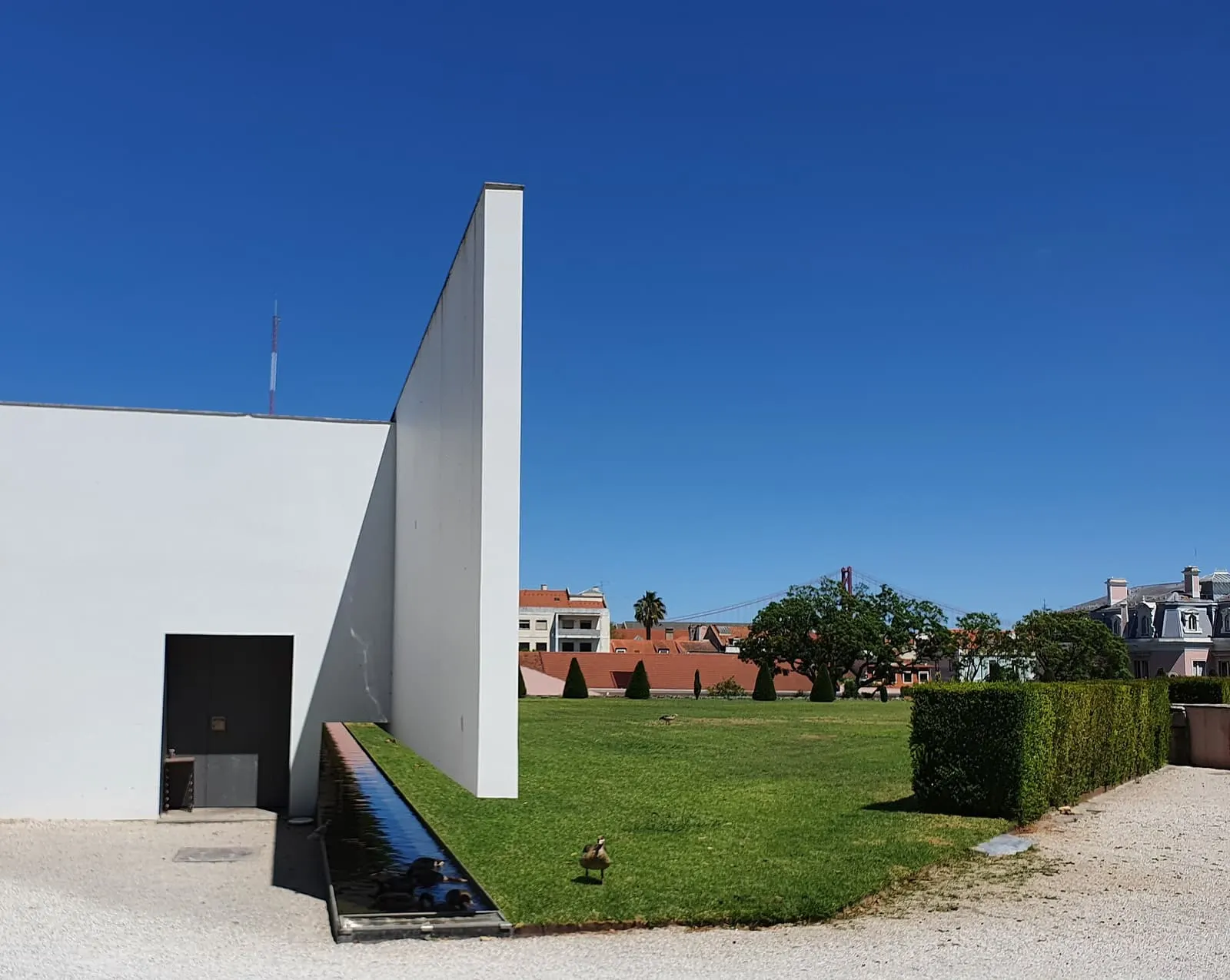
Belém Palace in Lisbon, a former 16th-century royal palace, has been the official residence of the President of the Portuguese Republic since 1910.
- Location
- Lisboa, Lisboa
- Built
- 1559
- Style
- Barroco e Maneirista
Belém Palace rises on Lisbon’s western riverfront, overlooking Praça Afonso de Albuquerque, just steps away from the monumental complex of the area. Its characteristic pinkish facade and the sober rhythm of its windows conceal over five centuries of history, during which the building transitioned from aristocratic residence to royal palace and, ultimately, to the seat of the Portuguese Head of State. Today, it stands as one of the most recognizable symbols of the Republic.
From 16th-century origins to royal palace
The palace’s original core was commissioned around 1559 by D. Manuel de Portugal, a nobleman of the House of the Counts of Vimioso, on lands belonging to the monks of the Belém Monastery. At the time, it was a recreational estate overlooking the Tagus River, in a rural suburb distant from the city. The property changed hands several times until, in 1726, King João V acquired it for the Crown, transforming it into a summer residence for the royal family and expanding it with new wings, gardens, and the still-surviving riding arena.
It was within Belém’s walls that King José I and the court took refuge after the 1755 earthquake — the trauma of the disaster would instill the monarch’s fear of enclosed walls and his preference for removable, airy structures.
The estate’s resilience to the earthquake earned it a special place in dynastic memory. Throughout the 19th century, the palace hosted distinguished visitors and, from 1886, served as the residence of Prince D. Carlos before his ascension to the throne. Interventions during this period accentuated its Baroque and Neoclassical interiors, with spaces like the Sala das Bicas, the Sala Dourada, and the Sala Império.
Residence of the Head of State
With the establishment of the Republic in 1910, the building’s fate changed decisively: it was chosen as the official residence of the President of the Republic, a role it maintains to this day. After the April 25, 1974 Revolution, the palace returned to the center of national political life by hosting the Junta de Salvação Nacional, and since then, it has been the stage for state ceremonies, audiences, and the inauguration of successive Presidents.
The complex also includes the Museum of the Presidency of the Republic, which houses collections related to the Heads of State and opens the institutional memory of the republican regime to the public. Belém Palace was classified as a Property of Public Interest in 1967 and elevated to National Monument status in 2007.
A landmark in Belém’s monumental heart
The palace’s location places it within one of the country’s densest heritage itineraries. Within walking distance are the Jerónimos Monastery, a masterpiece of Manueline architecture and a symbol of the Age of Discoveries, and the riverside Belém Tower, both UNESCO World Heritage Sites. This concentration makes Belém a privileged territory for understanding the representation of power in Portugal, from royal patronage to republican symbolism.
As a former royal residence, Belém Palace dialogues with other Portuguese royal palaces, notably the nearby Ajuda National Palace, built on the opposite hill to house the 19th-century court. Together, these buildings map the geography of power in Lisbon and illustrate the transition from monarchy to Republic without a break in the ceremonial use of spaces.
Frequently asked questions
- Can Belém Palace be visited?
- Yes. The palace hosts regular guided tours and houses the Museum of the Presidency of the Republic, though access to the Head of State's working areas is restricted.
- Since when has it been the residence of the President of the Republic?
- Belém Palace has served as the official residence of the President of the Republic since the establishment of the Republic in 1910, a role formalized in the following years.
- Did Belém Palace survive the 1755 earthquake?
- Yes. The former Belém estate remained virtually unscathed by the 1755 earthquake, sheltering King José I and the royal family, who stayed there for months.
Sources
Keep exploring
Heritage nearby
More places to discover from here. Approximate straight-line distances, within 50 km.